Vet-informed guide to a short-term bland diet for dogs: chicken and rice 1:2 ratio, daily cup ranges by weight, how many meals to split into, and red flags t...
Article
•
Designer Mixes
Dog Puking Yellow Foam

Shari Shidate
Designer Mixes contributor
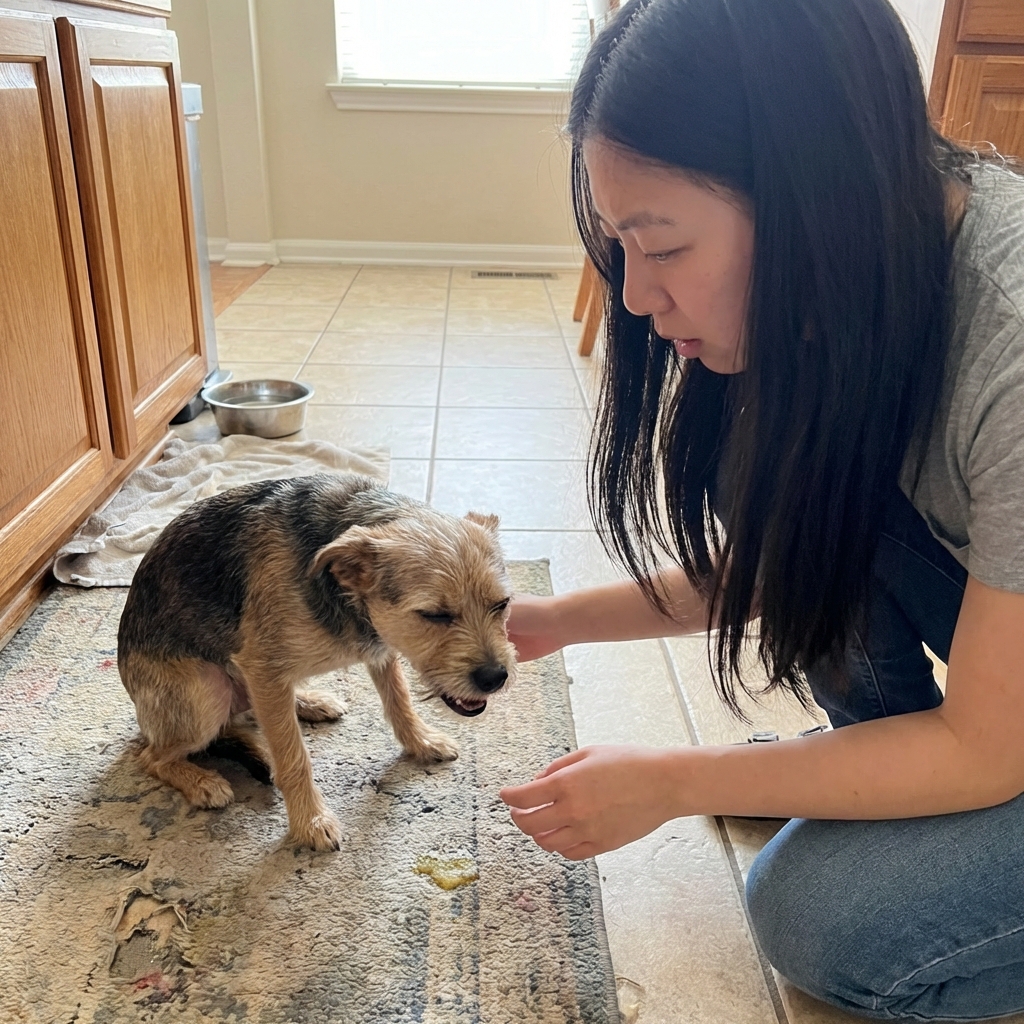
Seeing your dog vomit yellow foam can be scary, and I get it. As a veterinary assistant in Frisco, Texas, I have talked with a lot of worried pet parents who describe it the same way: a small puddle of bright yellow, sometimes bubbly liquid, often early in the morning or between meals.
The good news is that yellow, foamy vomit is often tied to bile plus an empty or irritated stomach, and it is not always a crisis. But color alone is not a diagnosis. What matters is the pattern, your dog’s overall behavior, and any other symptoms.
This article cannot diagnose your dog. If you are unsure or your dog seems “off,” it is always appropriate to call your veterinarian.
What yellow foam usually means
That yellow color is typically bile, a digestive fluid made by the liver and stored in the gallbladder. Bile normally moves into the small intestine to help digest fats. When a dog’s stomach is empty or irritated, bile can reflux backward into the stomach and then come back up as vomit.
Foam happens when a small amount of fluid mixes with stomach mucus and air. So “yellow foam” often points to an empty stomach plus irritation, but there are several possible triggers.
Common causes
1) Bilious vomiting syndrome (empty-stomach vomiting)
This is a common pattern: yellow foam first thing in the morning, or when meals are spaced far apart. Many dogs feel better after they eat.
- Often happens early in the morning
- May improve with a bedtime snack or more frequent meals
- Dog otherwise acts normal
2) Eating grass, dirt, or something irritating
Some dogs may eat grass when nauseated, though many also eat it out of habit or curiosity. Either way, grass, mulch, and other yard items can irritate the stomach lining and trigger vomiting.
3) Diet changes, rich foods, or treats
A new food, greasy table scraps, too many treats, or a sudden switch can inflame the stomach and lead to bile vomiting.
4) Motion sickness or stress
Car rides, thunderstorms, boarding, or household changes can cause nausea. Sometimes the vomit looks yellow simply because the stomach is empty.
5) Parasites, giardia, or gut imbalance
Intestinal parasites, giardia, and gut imbalance (sometimes called dysbiosis) can contribute to recurring vomiting, especially if there is also diarrhea, weight loss, or poor appetite.
6) Pancreatitis
Pancreatitis can range from mild to severe. It is sometimes associated with high-fat meals or dietary indiscretion, but other factors can play a role too. It commonly causes repeated vomiting and abdominal pain.
7) Intestinal blockage (foreign body)
If a dog swallows a toy, sock, corn cob, bone, or other object, vomiting may become frequent, with little brought up. Yellow foam can show up when little is moving through the GI tract.
8) Liver or gallbladder disease
Conditions affecting the liver or gallbladder can cause GI signs, including vomiting. These cases often come with other changes such as reduced appetite, lethargy, or jaundice (yellowing of the eyes, gums, or skin), which is an important red flag.
9) Bloat (GDV)
This is an emergency. In large, deep-chested dogs especially, bloat (gastric dilatation-volvulus, or GDV) can cause repeated retching and foamy spit with little or no vomit produced. The abdomen may look swollen or feel tight.
When to seek urgent care
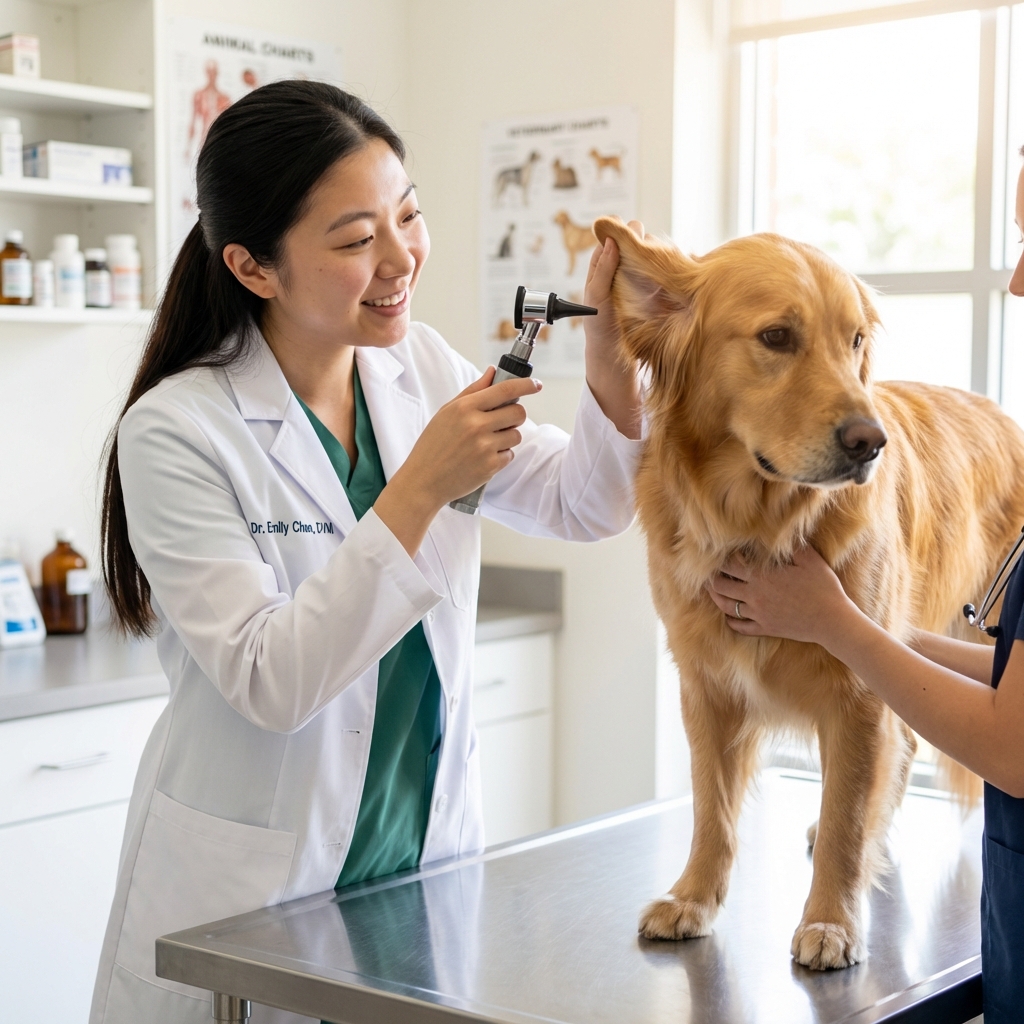
Please contact an emergency veterinarian right away if you notice any of the following:
- Repeated vomiting (a helpful rule of thumb is more than 2 to 3 episodes in a day), especially if it is persistent, worsening, or your dog cannot settle
- Retching with little or nothing coming up, especially with a swollen belly (possible GDV)
- Blood in vomit (red streaks or coffee-ground appearance)
- Severe lethargy, collapse, or weakness
- Abdominal pain (praying position, tense belly, yelping when picked up)
- Pale gums or difficulty breathing
- Suspected toxin exposure (xylitol, grapes or raisins, medications, rodent bait, etc.)
- Possible foreign body (missing toy, chewed sock, trash raid) plus vomiting
- Puppy, senior, very small dog, or medically fragile dog (especially diabetes or kidney disease), because dehydration and low blood sugar can happen quickly
If your dog cannot keep water down or is drooling heavily and gagging, stop home care and get professional guidance.
What you can do at home
If it was a single episode and your dog is bright, alert, and keeping water down, these gentle steps may help. If you are unsure, call your veterinarian and describe the vomit and your dog’s behavior.
Step 1: Offer small sips of water
Allow small sips. Gulping a large amount of water can trigger more vomiting. If your dog vomits water back up, do not keep pushing fluids at home. Call your vet or seek urgent care.
Step 2: Consider a short food break (adult dogs only)
Many clinics recommend a brief food break for healthy adult dogs with mild stomach upset, often around 6 to 12 hours. This is not one-size-fits-all, especially for puppies, tiny dogs, or dogs with diabetes. When in doubt, call your clinic for advice specific to your dog.
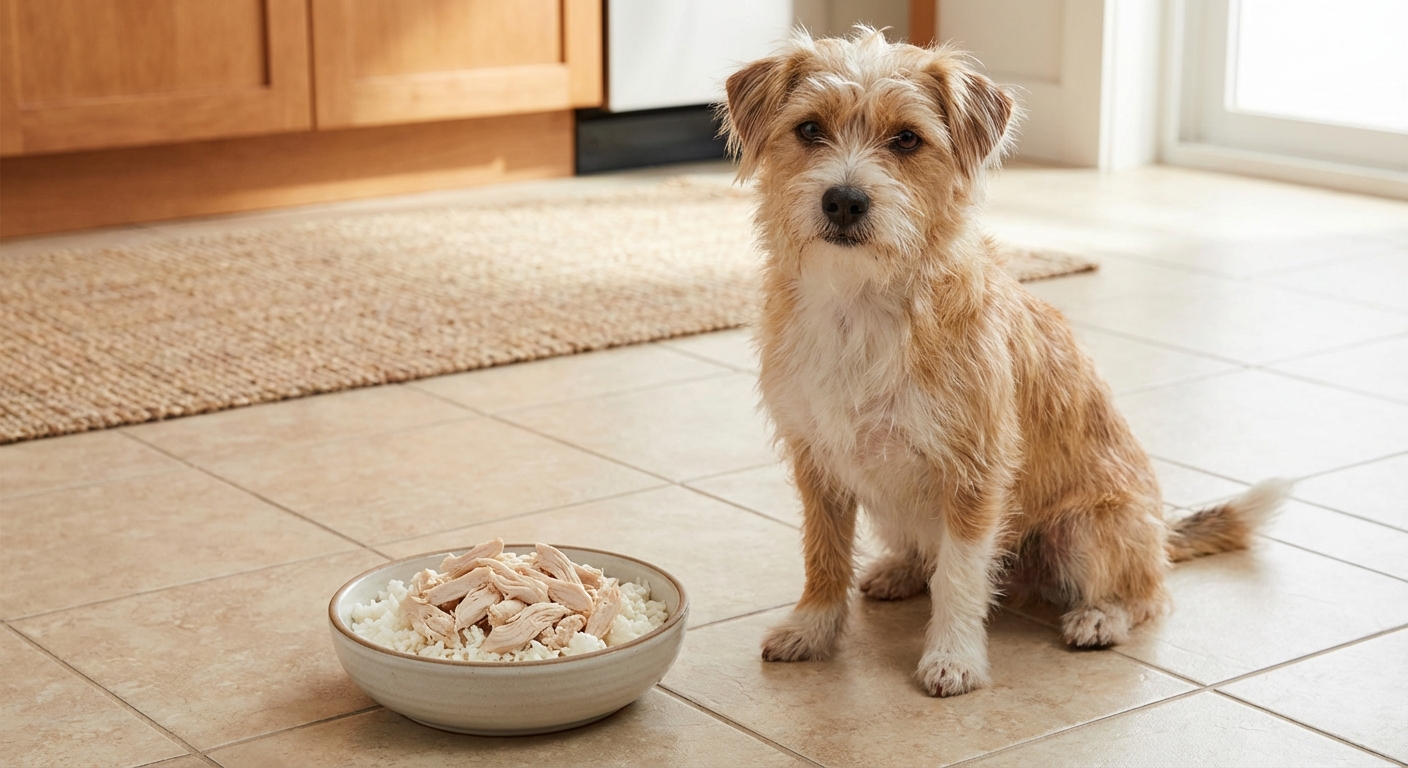
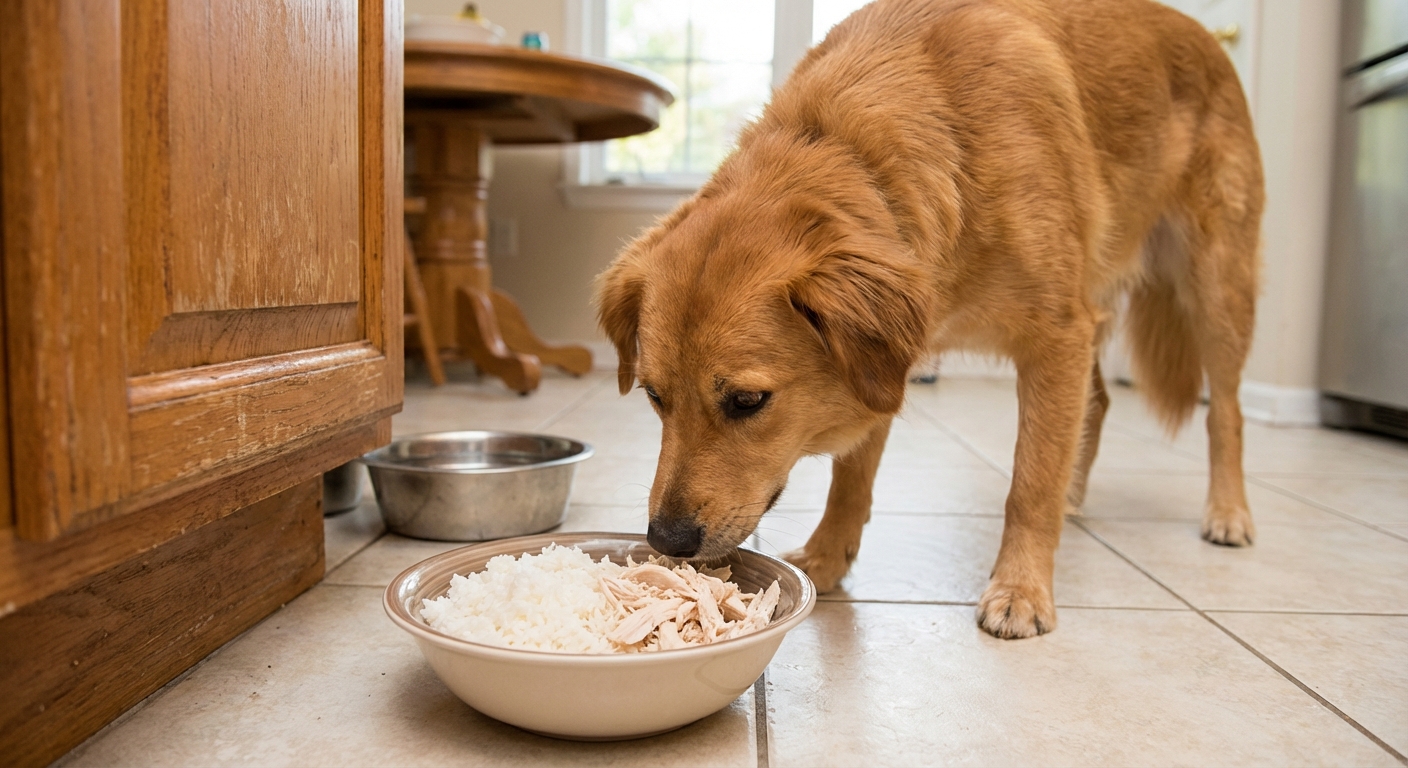
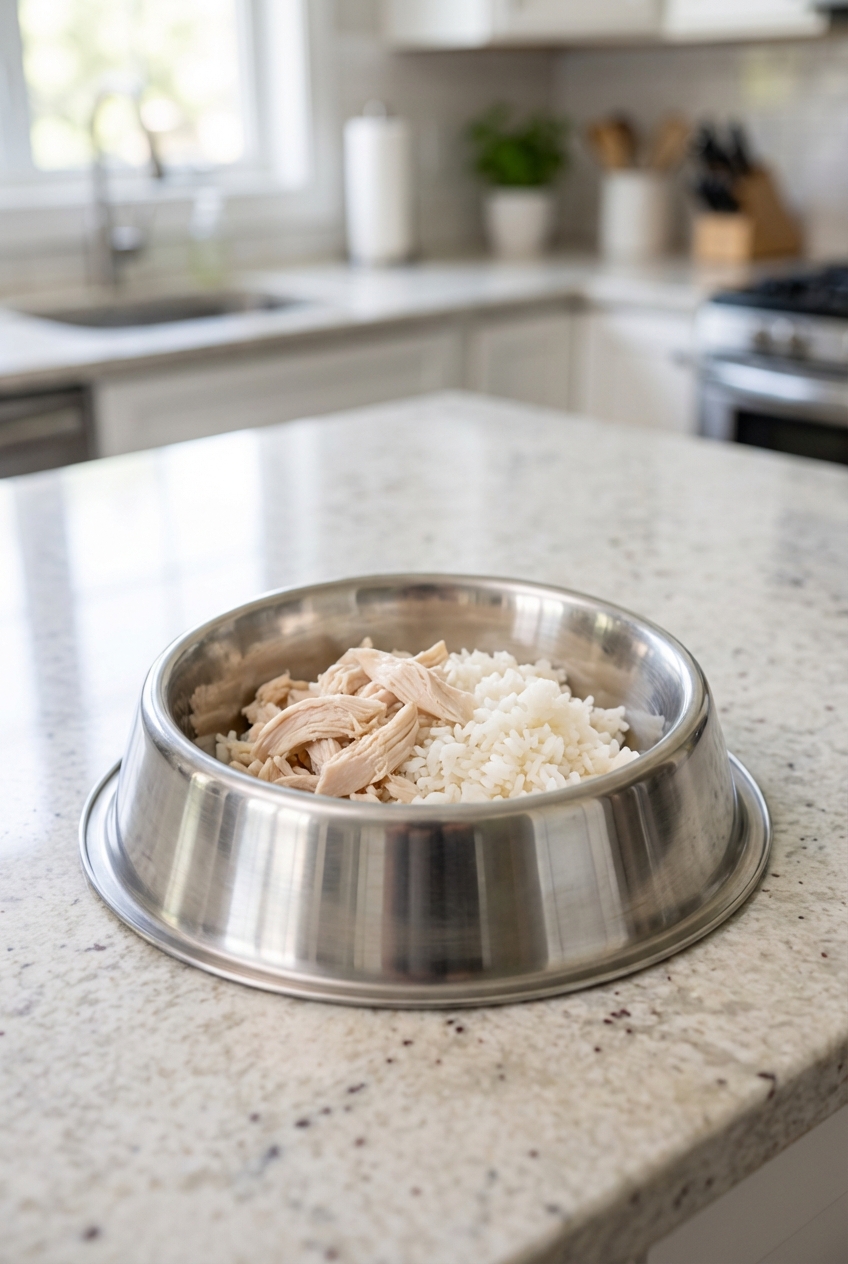
Step 3: Feed small, bland meals
If vomiting stops and your vet agrees, feed small portions of a bland diet for 24 to 48 hours, then transition back slowly.
- Boiled, skinless chicken breast with white rice
- Lean turkey with rice
- Plain canned pumpkin (not pie filling) in small amounts for fiber support (it helps some dogs, not all)
Step 4: Adjust meal timing for empty-stomach vomiting
If the pattern is early-morning yellow foam, many dogs improve with:
- Smaller, more frequent meals
- A bedtime snack (something light and easy to digest)
- Avoiding long gaps between dinner and breakfast
Step 5: Watch for dehydration
Call your veterinarian if you notice dehydration signs like tacky or dry gums, sunken-looking eyes, decreased urination, or unusual tiredness.
Step 6: Keep a simple log (and know what to share)
Write down the time of vomiting, what your dog ate, treat changes, stress events, and stool quality. Also note whether your dog can keep water down, any possible toxin exposure, and any missing toys or chews. This helps your veterinarian spot patterns fast.
What not to do
- Do not give human medications (like Pepto-Bismol, ibuprofen, or acetaminophen) unless your veterinarian specifically instructs you. Some are dangerous for dogs.
- Do not switch foods repeatedly day after day trying to “find something that works.” Rapid changes can worsen GI upset.
- Do not ignore recurring episodes. Yellow foam once can be simple. Yellow foam weekly is a pattern worth investigating.
How vets work this up
If your dog is vomiting yellow foam regularly, your vet may recommend:
- Physical exam and abdominal palpation
- Fecal testing for parasites and giardia
- Bloodwork to evaluate hydration, infection, liver values, and pancreas markers
- X-rays to look for obstruction or abnormal gas patterns
- Ultrasound for a closer look at the liver, gallbladder, stomach, and intestines
- Diet trial for food sensitivity or inflammatory GI disease
Treatment depends on the cause and may include diet changes, deworming, probiotics, anti-nausea medication, stomach protectants, or further workup if needed.
Prevention tips
- Feed on a consistent schedule and consider a small bedtime snack for empty-stomach vomiters.
- Avoid fatty foods and limit rich treats, especially for dogs prone to pancreatitis.
- Transition foods slowly over 7 to 10 days.
- Use a parasite prevention plan recommended by your veterinarian.
- Supervise chewers and choose safer chew options to reduce foreign-body risk.
- Keep trash secured and counters clear, especially if you have a snacky scavenger.
Quick check: Should I call?
- Vomiting happens more than once, or keeps returning on a schedule (every morning, every few days, every week)
- Your dog is not eating, cannot keep water down, or just seems off
- There is diarrhea, especially watery diarrhea
- Your dog has a history of pancreatitis, GI disease, or allergies
Trust your instincts. If your dog “just isn’t right,” it is always okay to call. A quick conversation with your clinic can save you a lot of stress, and it can protect your pup if something bigger is brewing.