Worried about a vomiting dog? Learn when vomiting is an emergency, how to offer small sips safely, and the best bland foods (chicken/rice, turkey, pumpkin, e...
Article
•
Designer Mixes
Dog Puking Up Yellow: What It Means

Shari Shidate
Designer Mixes contributor
If you have ever watched your dog throw up a puddle of bright yellow foam, you know how fast worry can set in. The good news is that yellow vomit can be explained by something simple like an empty stomach. The not-so-good news is that it can also be a clue that your dog’s stomach or digestive tract is irritated and needs help. Color alone is not a diagnosis, so it helps to look at the full picture.
As a veterinary assistant, I always encourage pet parents to look at your dog’s energy, appetite, stool, hydration, and how often vomiting is happening. Yellow vomit is a symptom, not a diagnosis, and your observations matter.
One quick note that can change what to do next: some pet parents use “vomiting” to describe regurgitation. Vomiting usually includes heaving or belly effort and produces liquid, foam, food, or bile. Regurgitation often happens more suddenly, with little warning, and the material may look like undigested food or tube-shaped contents. If you are not sure which one you are seeing, your vet can help you sort it out.
Why vomit is yellow
That yellow color is usually bile. Bile is a digestive fluid made by the liver and stored in the gallbladder. It helps break down fats and normally moves into the small intestine during digestion.
When a dog vomits bile, it often means the stomach or upper small intestine is irritated or overly empty, and bile has moved backward into the stomach.
Common causes
1) Empty stomach or “hunger pukes”
This is one of the most common reasons dogs vomit yellow foam, especially early in the morning or late at night. When the stomach sits empty for too long, excess acid and bile may contribute to stomach irritation. This pattern is often called bilious vomiting syndrome, but it is typically a diagnosis of exclusion. If it is happening repeatedly, your vet should rule out other causes.
Clues this is the cause:
- Vomiting happens on a predictable schedule (often mornings)
- Your dog otherwise acts normal after vomiting
- It is mostly foam or watery yellow liquid, with little to no food
2) Eating something irritating
Dogs explore with their mouths. Grass, sticks, trash, rich table foods, greasy treats, sudden diet changes, and even some chew items can inflame the stomach and trigger bile vomiting.
Clues this may be the cause:
- Vomiting after a walk or after getting into something
- Food pieces are present in vomit
- Loose stool may happen too
3) Reflux or mild gastritis
Just like people, dogs can have reflux. Gastritis simply means inflammation of the stomach lining. It can be triggered by stress, medications (including some anti-inflammatories), dietary indiscretion, or a sensitive stomach.
4) Parasites (including giardia)
Intestinal parasites can irritate the GI tract and lead to vomiting, sometimes yellow. This includes worms like roundworms and hookworms, and parasites like giardia. Puppies are especially vulnerable, and adult dogs can be exposed through contaminated soil, dog parks, and wildlife.
5) Pancreatitis
Pancreatitis is inflammation of the pancreas and can be mild to severe. It is often associated with fatty foods, but it can also happen without a clear trigger.
Common signs include vomiting (sometimes yellow), decreased appetite, belly pain, and lethargy. More serious cases may also involve diarrhea, fever, and dehydration, and can be life-threatening without prompt care.
6) Foreign body or blockage
Dogs can swallow toys, socks, corn cobs, bones, and other objects. A partial blockage might cause intermittent vomiting, including yellow bile when the stomach is empty.
This can become an emergency. If your dog cannot keep water down, is repeatedly vomiting, or seems painful, do not wait.
7) Liver or gallbladder disease
Because bile is produced and stored in the liver and gallbladder system, certain liver or gallbladder problems can contribute to vomiting and digestive upset. You may also see decreased appetite, weight loss, yellowing of the gums or whites of the eyes, or changes in stool color.
8) Other less common causes
Some conditions are less common but important, especially when vomiting is recurring or your dog seems “off.” One example is Addison’s disease (hypoadrenocorticism), which can cause waxing and waning GI signs, lethargy, and dehydration. This is one reason repeated vomiting should not be written off as “just bile.”
When it is an emergency
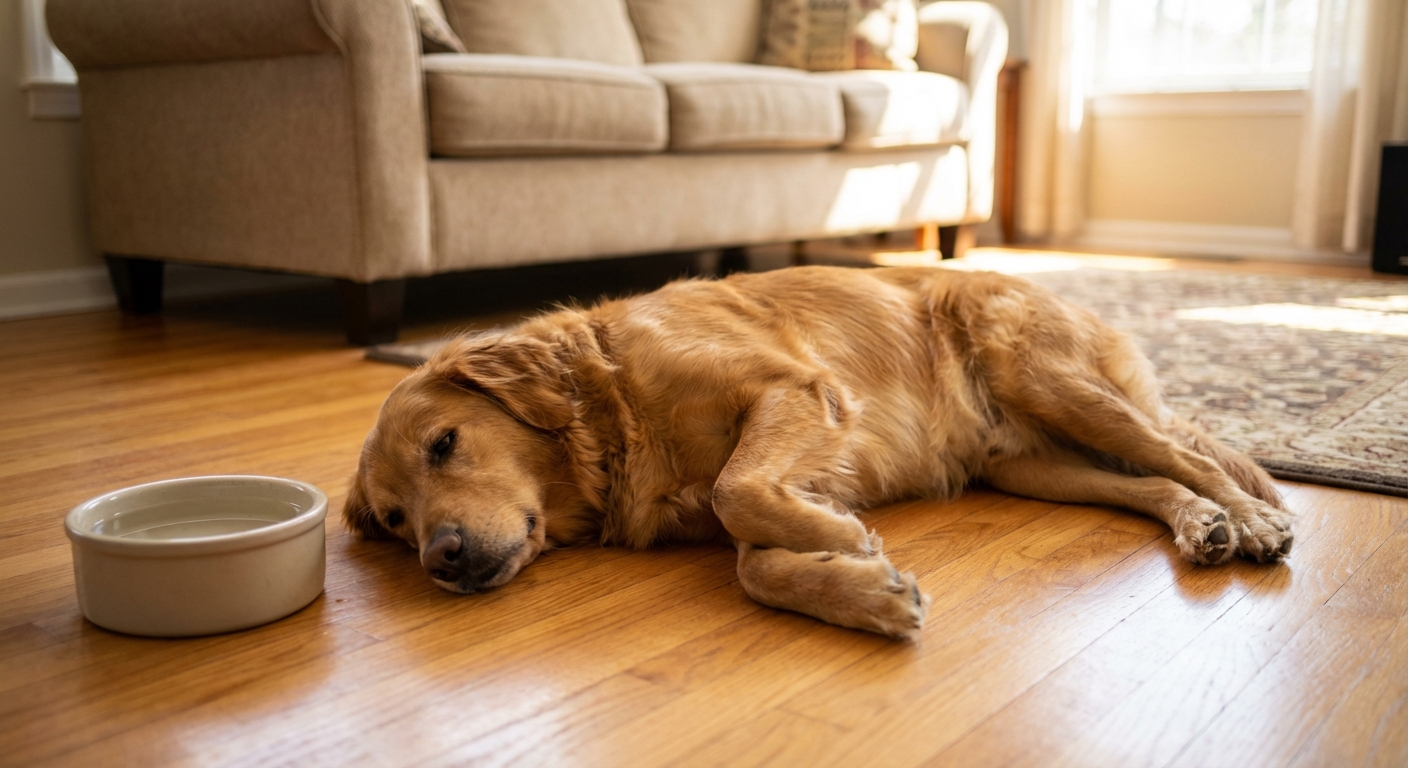
Please contact your veterinarian or an emergency clinic right away if you notice any of the following:
- Repeated vomiting (more than 2 to 3 times in 24 hours)
- Vomiting plus diarrhea, especially watery or bloody stool
- Blood in the vomit (red or coffee-ground appearance)
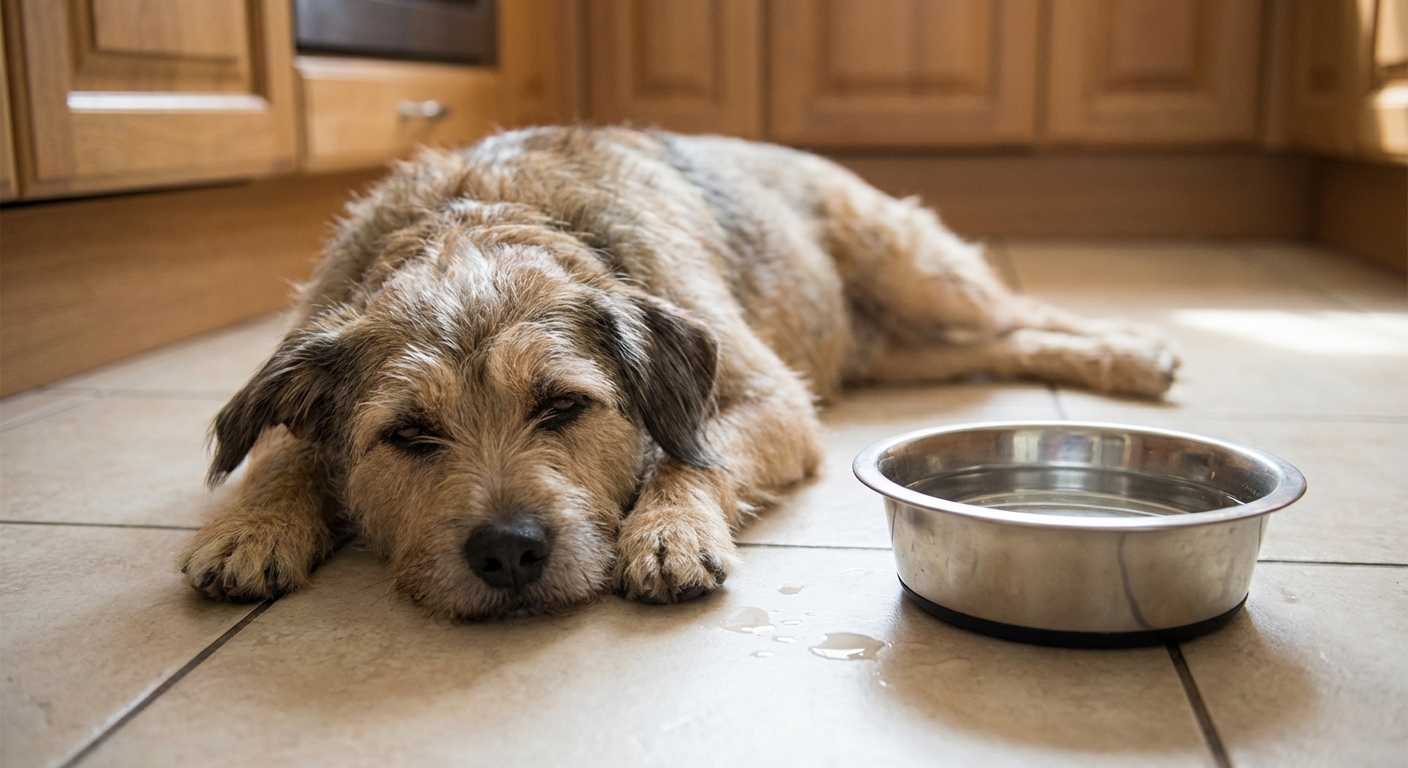
- Severe lethargy, collapse, weakness, or unusual behavior
- Belly pain (hunched posture, trembling, won’t be touched)
- Swollen or tight abdomen
- Nonproductive retching (trying to vomit but little comes up), restlessness, or a suddenly distended belly, which can be signs of bloat
- Cannot keep water down or shows signs of dehydration (sticky gums, sunken eyes)
- Puppies, seniors, or dogs with chronic illness: any vomiting in these groups should prompt a call
- Possible toxin exposure (xylitol, grapes/raisins, medications including NSAIDs, chemicals, antifreeze)
- Suspected foreign body (missing toy, chewing habits, sudden vomiting)
- New medication started recently and vomiting begins soon after
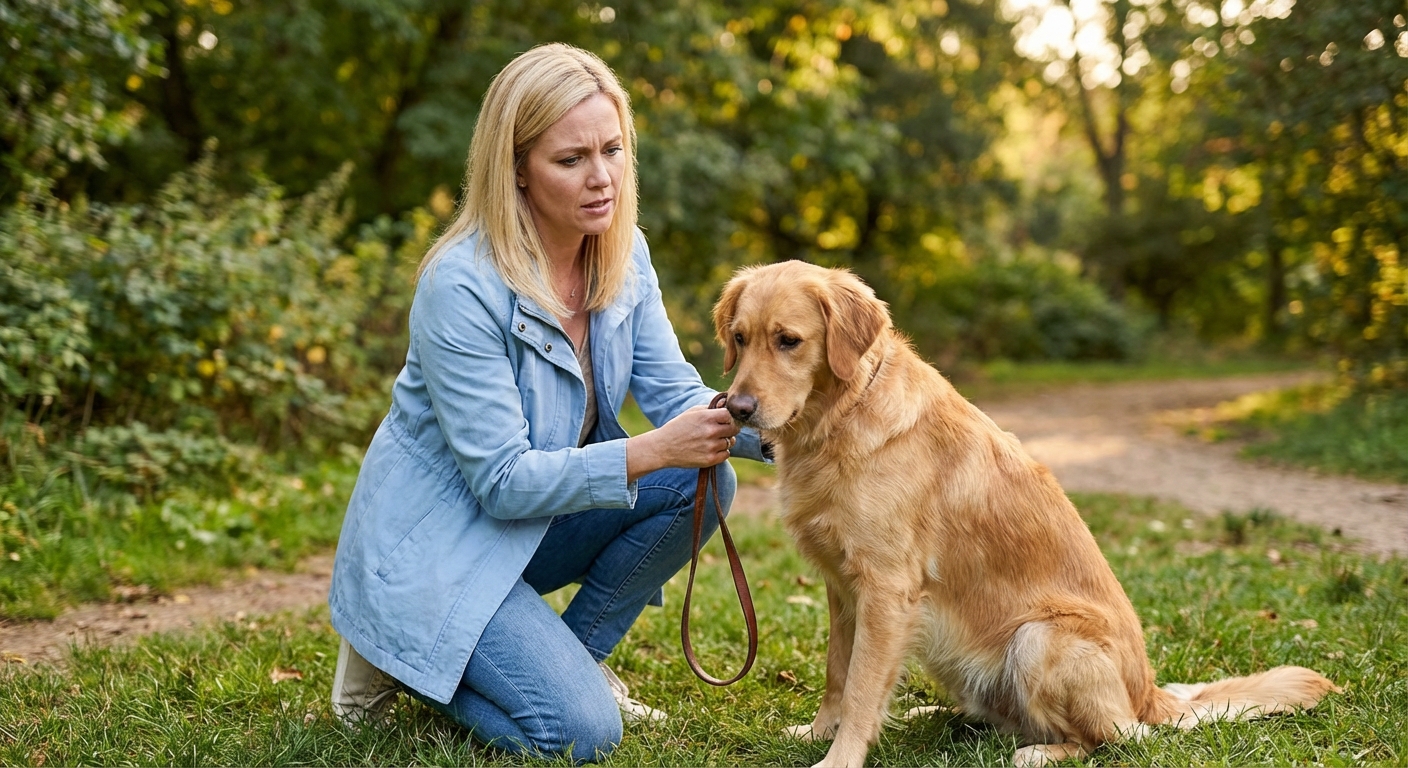
Trust your gut. If your dog “just isn’t right,” it is always okay to call your vet. A quick phone triage can save you time, money, and stress.
What you can do at home
If your dog vomits yellow foam once, then acts normal, has normal energy, and can keep down water, you can often start with gentle support at home. If vomiting repeats, call your vet. This article is general education and not a substitute for veterinary diagnosis.
Step 1: Pause food briefly, offer small sips of water
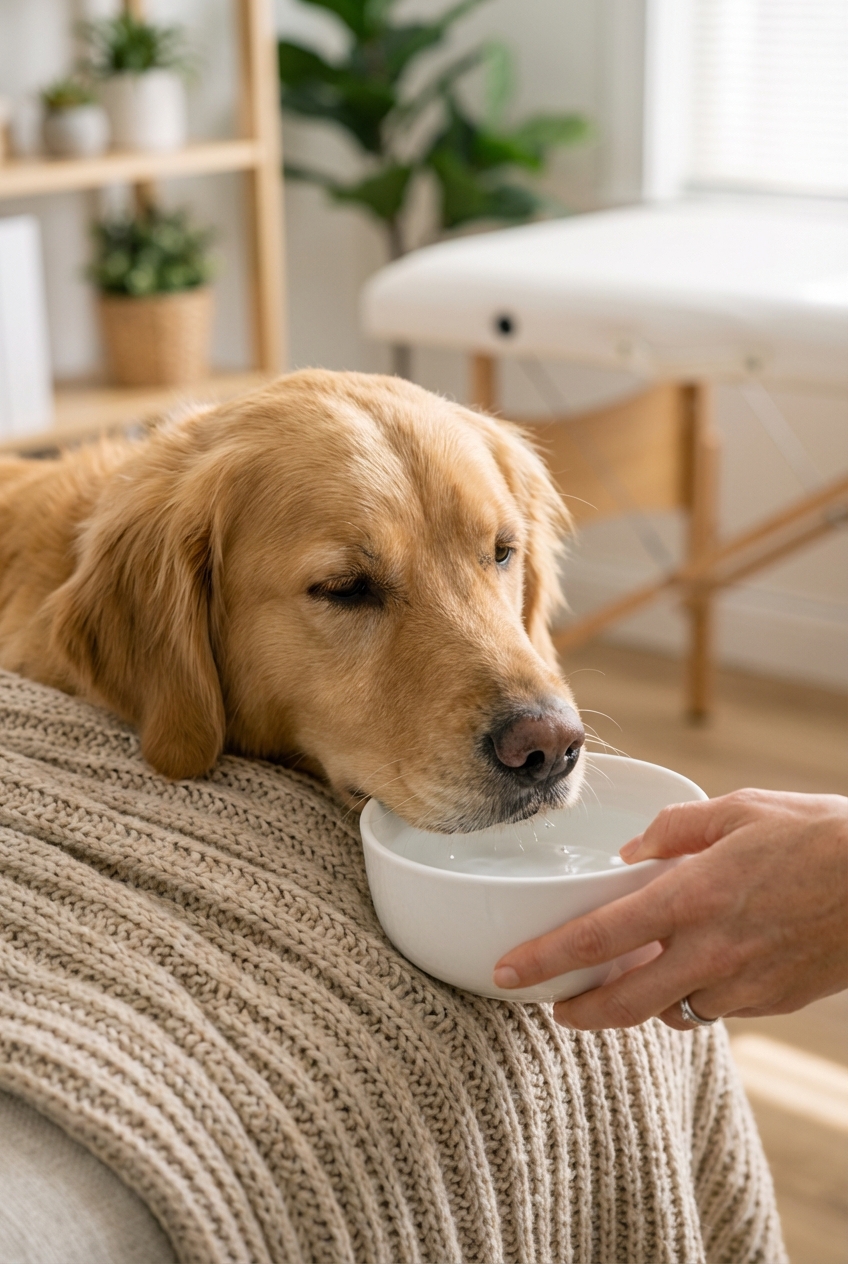
For many otherwise healthy adult dogs, you can pause food for 6 to 12 hours to let the stomach rest, while offering water in small amounts.
Important: Do not do this for puppies, very small or toy breeds, seniors, or dogs with diabetes or other medical conditions unless your veterinarian guides you. When in doubt, call.
“Small sips” can look like:
- Small dogs: 1 to 2 tablespoons every 10 to 15 minutes
- Medium to large dogs: 2 to 4 tablespoons every 10 to 15 minutes
Do not withhold water. If your dog vomits water, that is a reason to call your veterinarian.
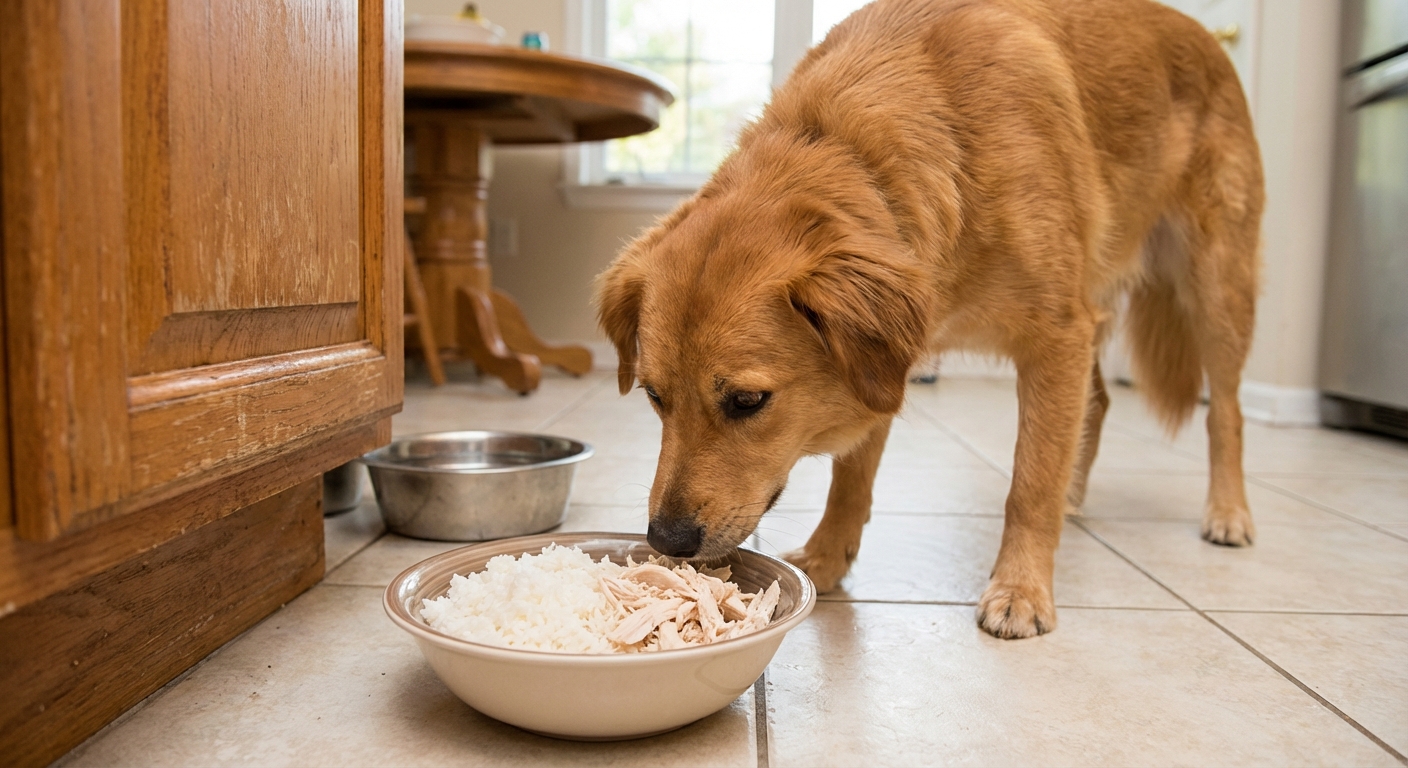
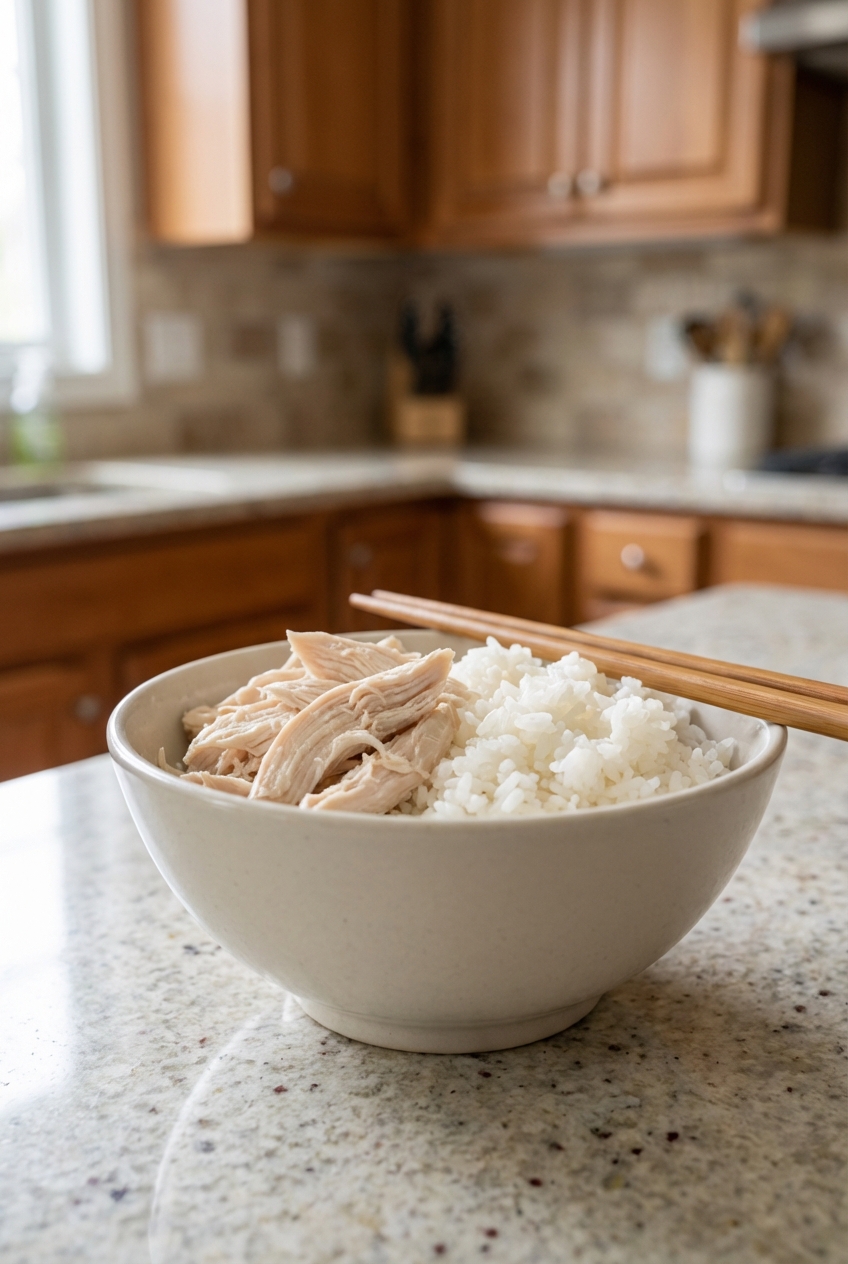
Step 2: Restart with a bland meal
Try small portions of:
- Boiled skinless chicken breast and plain white rice
- Boiled lean turkey and rice
- Plain canned pumpkin (not pie filling) in a small amount for gentle fiber support, if your vet agrees
If using pumpkin, a reasonable starting amount is:
- Small dogs: 1 to 2 teaspoons
- Large dogs: 1 to 2 tablespoons
Stop if it seems to worsen diarrhea or gas.
Feed small meals every 4 to 6 hours for a day, then gradually transition back to regular food over 2 to 3 days. Sudden changes can restart the cycle.
Step 3: Avoid an empty stomach overnight
If your dog’s yellow vomiting tends to happen in the morning, ask your veterinarian if a small bedtime snack is appropriate. For many dogs, that one simple change makes a big difference.
Step 4: Review treats, chews, and table foods
Pancreas flare-ups and gastritis are often linked to rich extras. Keep treats simple, low-fat, and limited. If you are switching foods, do it slowly over 7 to 10 days.
What not to do
- Do not give human medications like Pepto-Bismol, ibuprofen, or aspirin unless your veterinarian specifically instructs you. Some are dangerous for dogs, and others are only appropriate in select cases with correct dosing and timing.
- Do not ignore repeated vomiting just because it is “only yellow.” Frequency and your dog’s overall condition matter more than the color.
- Do not do prolonged fasting without veterinary guidance, especially for small dogs, puppies, seniors, or dogs with diabetes or other medical conditions.
What your vet may do
If yellow vomiting is recurring or your dog seems unwell, your vet will likely start with a good history and physical exam, then choose tests based on risk factors.
Common diagnostics and treatments may include:
- Fecal testing and deworming if parasites are suspected
- Bloodwork to assess hydration, inflammation, and liver and pancreas values
- X-rays or ultrasound if a foreign body, pancreatitis, or other abdominal disease is suspected
- Anti-nausea medication (for example, maropitant) and stomach protectants (as appropriate)
- Diet trial or a prescription GI diet for sensitive stomachs
Bring helpful details if you can: a photo of the vomit, when it happened, what your dog ate in the last 24 hours, any possible access to trash, toys, or toxins, and any recent new medications or supplements.
FAQ
Is yellow vomit always bile?
Most often, yes. But vomit can look yellow for other reasons too, including partially digested food, mucus, or certain treats. If you are unsure, your vet can help you interpret what you are seeing.
My dog eats grass and then vomits yellow. Is that normal?
Some dogs eat grass when their stomach feels unsettled, and vomiting can follow. Occasional grass eating is common, but frequent vomiting is not something to normalize. Repeated episodes deserve a vet check.
Can stress cause yellow vomit?
Yes. Stress can affect gut motility and stomach acid. Travel, boarding, new pets, schedule changes, and loud events can contribute to gastritis in some dogs.
Should I switch foods?
Not automatically. If your dog has a sensitive stomach, switching too quickly can make vomiting worse. If vomiting is recurring, talk with your veterinarian about whether a slow transition to a GI-friendly food or a carefully balanced homemade plan is best for your dog.
Bottom line
Yellow vomit usually means bile, and bile vomiting often points to an empty stomach or mild stomach irritation. One isolated episode in an otherwise bright, happy dog may be managed with gentle at-home care. But repeated vomiting, vomiting with diarrhea, signs of pain, bloating signs, or any change in your dog’s energy are reasons to call your veterinarian quickly.
You know your dog best. If something feels off, trust that instinct and reach out for help.