A practical 24–72 hour diet and hydration plan for mild dog diarrhea, with bland food options, safe add-ons like probiotics, foods to avoid, and clear red ...
Article
•
Designer Mixes
Dog Pooping Blood: What It Means and What to Do

Shari Shidate
Designer Mixes contributor
Seeing blood in your dog’s poop can stop you in your tracks. I get it. As a veterinary assistant, I have talked with many worried pet parents who noticed red streaks on stool, drops of blood after a bowel movement, or even dark, tarry poop that looks almost black. The good news is that some causes are mild and treatable. The not so good news is that bloody stool can also signal a true emergency.
This vet-informed guide will help you understand what blood in stool can look like, what it often means, what you can safely do at home, and when it is time to head to an emergency vet.
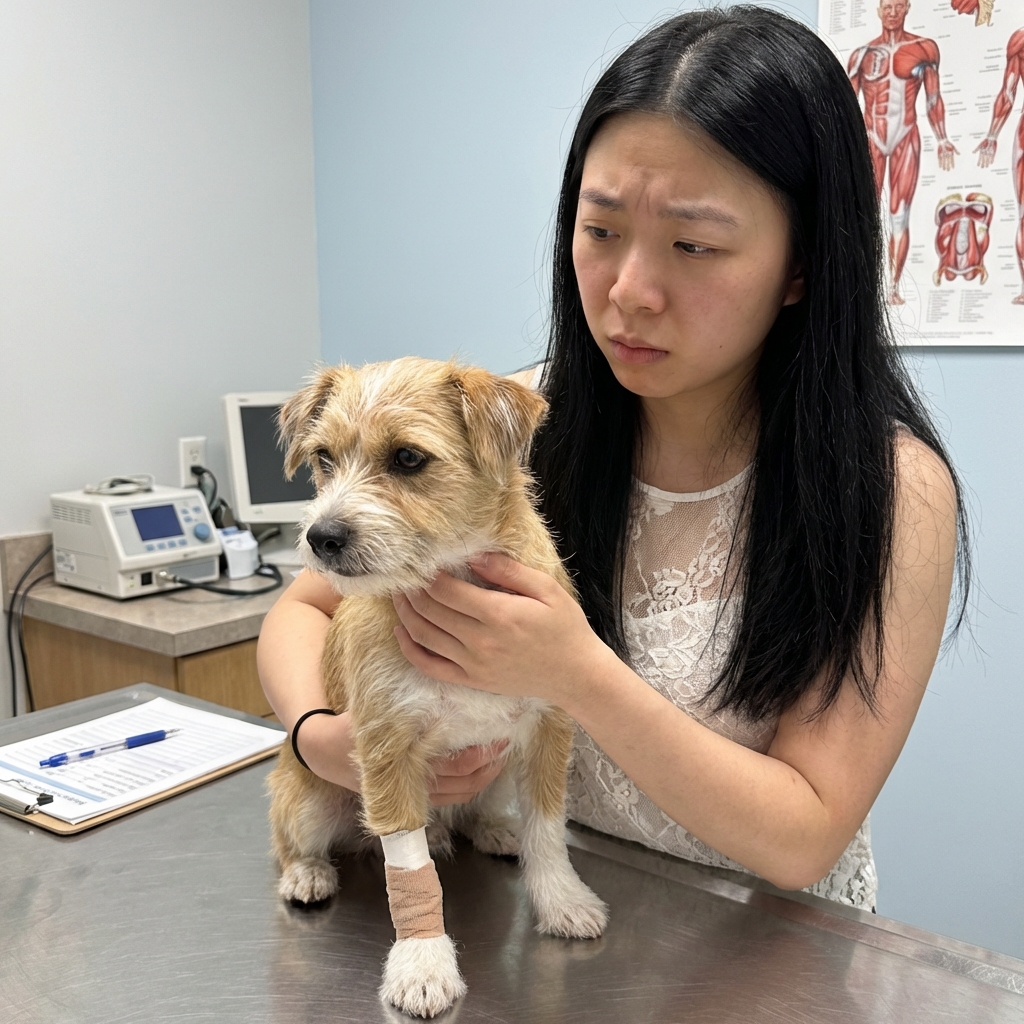
What does blood in dog poop look like?
Vets typically think about bloody stool in two big categories. The color and texture give important clues about where the bleeding may be coming from.
Bright red blood (hematochezia)
Bright red streaks or droplets often indicate bleeding in the lower digestive tract, like the colon or rectum. You might see:
- Red streaks on otherwise normal stool
- Blood mixed with mucus
- Drips of blood after your dog finishes pooping
- Soft stool or diarrhea with fresh blood
Important: Bright red blood is not always “minor.” Severe large-bowel inflammation, obstruction, infection, parasites, or other serious conditions can also cause it. Your dog’s overall behavior and how much blood you see matter a lot.
Black, tarry stool (melena)
Dark brown to black poop that looks sticky or tar-like can suggest digested blood, often from higher up in the GI tract (stomach or small intestine). This is more concerning, especially if your dog also seems weak, pale, or is vomiting.
Quick note: Some foods and medications can darken stool. For example, iron supplements, activated charcoal, and bismuth subsalicylate products can make stool look darker. Do not give any over-the-counter medications unless your veterinarian directs you, and do not assume it is “just something they ate” if your dog seems unwell.
Look-alikes
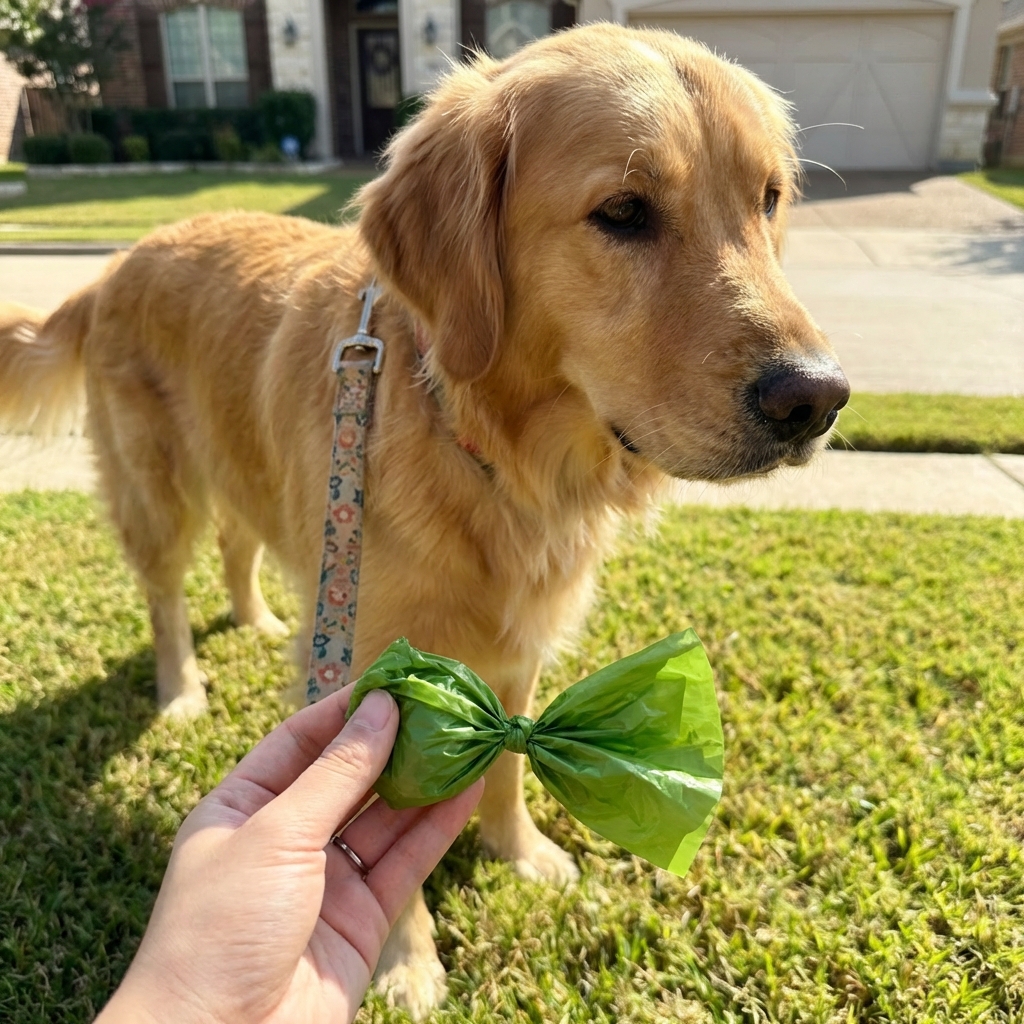
A few things can mimic blood or make stool look scarier than it is:
- Beets or foods with red dye can tint stool red
- Red-tinged mucus from colitis can look like a lot of blood when it smears
- Iron or charcoal can darken stool
Even with look-alikes, it is still smart to call your vet if you are unsure. True melena is often black, sticky, and has a strong, foul odor.
When bloody stool is an emergency
If any of the following are happening, treat it as urgent and seek veterinary care right away.
- Black, tarry stool
- Large amounts of blood or continuous dripping
- Vomiting, especially with blood or repeated vomiting
- Weakness, collapse, or difficulty standing
- Pale gums or rapid breathing
- A swollen or painful abdomen
- Known or suspected toxin exposure (rat poison, human medications like ibuprofen, etc.)
- Bloody stool in puppies (puppies can crash quickly with parasites or viral illness)
- Straining without producing stool (or only producing blood or mucus), which can point to obstruction or another serious problem
- Inability to keep water down or signs of dehydration
- Recent NSAID or steroid use (higher risk of GI ulceration and bleeding)
- History of Addison’s disease or other chronic illness plus bloody stool
If your dog is acting “off” in any way and you see blood, trust your gut and call an emergency clinic.
Common causes of blood in dog poop
There are many possibilities. Some are minor and some are serious. Here are the most common vet-verified categories.
Dietary indiscretion and sudden food changes
Dogs are talented at eating things they should not: greasy scraps, new treats, trash, spoiled food, sticks, and more. A sudden diet change can also irritate the gut lining and trigger diarrhea with blood or mucus.
Stress colitis
Stress can inflame the colon, especially in sensitive dogs. Boarding, travel, moving homes, a new pet, or even a big schedule change can lead to frequent small stools with mucus and bright red blood.
Parasites
Hookworms, whipworms, roundworms, giardia, and coccidia can all cause GI irritation and bleeding. This is especially common in puppies and dogs that visit dog parks frequently.
Infections
Bacterial causes (like Clostridium or Salmonella) and viral illnesses can lead to bloody diarrhea. Some infections are contagious to other pets, and some can pose risk to humans, so hygiene matters.
Hemorrhagic diarrhea syndrome (HDS)
HDS can cause sudden, profuse bloody diarrhea that may look like jam or thick red liquid. Other serious illnesses can look similar, so this is not a “wait and see” situation. Dogs can dehydrate quickly and may need IV fluids and supportive care.
Anal gland issues or rectal irritation
Impacted or infected anal glands, small tears, or inflammation from straining can cause small amounts of bright red blood, often on the surface of the stool or seen as a few drops.
Food sensitivities and inflammatory bowel disease (IBD)
Chronic or recurring blood, mucus, vomiting, weight loss, or poor appetite can point to longer-term inflammation that needs a vet workup and a structured diet plan.
Foreign body or intestinal obstruction
If your dog swallowed a toy, sock, corn cob, or bones, the intestines can become irritated or blocked. Blood may appear, and vomiting, lethargy, and poor appetite are common.
Ulcers, clotting problems, or cancer
These are less common than “dietary indiscretion,” but they are important, especially with melena (black stool), weight loss, ongoing symptoms, or in older dogs.
Monitor, same-day, or ER
These are general guidelines. When in doubt, call your vet and describe what you are seeing.
Monitor briefly (with your vet’s guidance)
- A single small streak of bright red blood
- Dog is acting normal (energy and appetite are good)
- No vomiting
- Stool is mostly formed or only mildly soft
If it continues beyond 24 to 48 hours, happens again, or your dog develops any new symptoms, book an exam.
Same-day appointment
- Repeated diarrhea (more than 3 to 4 episodes)
- Blood and mucus that keeps recurring
- Decreased appetite, mild lethargy, or your dog seems uncomfortable
- Any bloody stool in a dog with other medical conditions
Emergency care now
- Melena (black, tarry stool)
- Large amounts of blood
- Vomiting, weakness, collapse, pale gums, painful belly
- Suspected toxin exposure
- Straining with no stool produced
What your vet may ask and why it matters
When you call, your veterinary team is triaging for safety. These details help us decide whether your dog can be seen same-day, needs emergency care, or may be okay to monitor briefly.
- What does the stool look like? (bright red vs black, formed vs diarrhea, mucus present)
- How much blood? (a streak vs puddles vs continuous)
- How is your dog acting? (energy, appetite, vomiting, drinking, pain)
- Any new foods, treats, trash raids, or bones?
- Any medications? (NSAIDs, steroids, supplements)
- Any toxin exposure?
- Any recent stressors or boarding?
- Is your dog on parasite prevention?
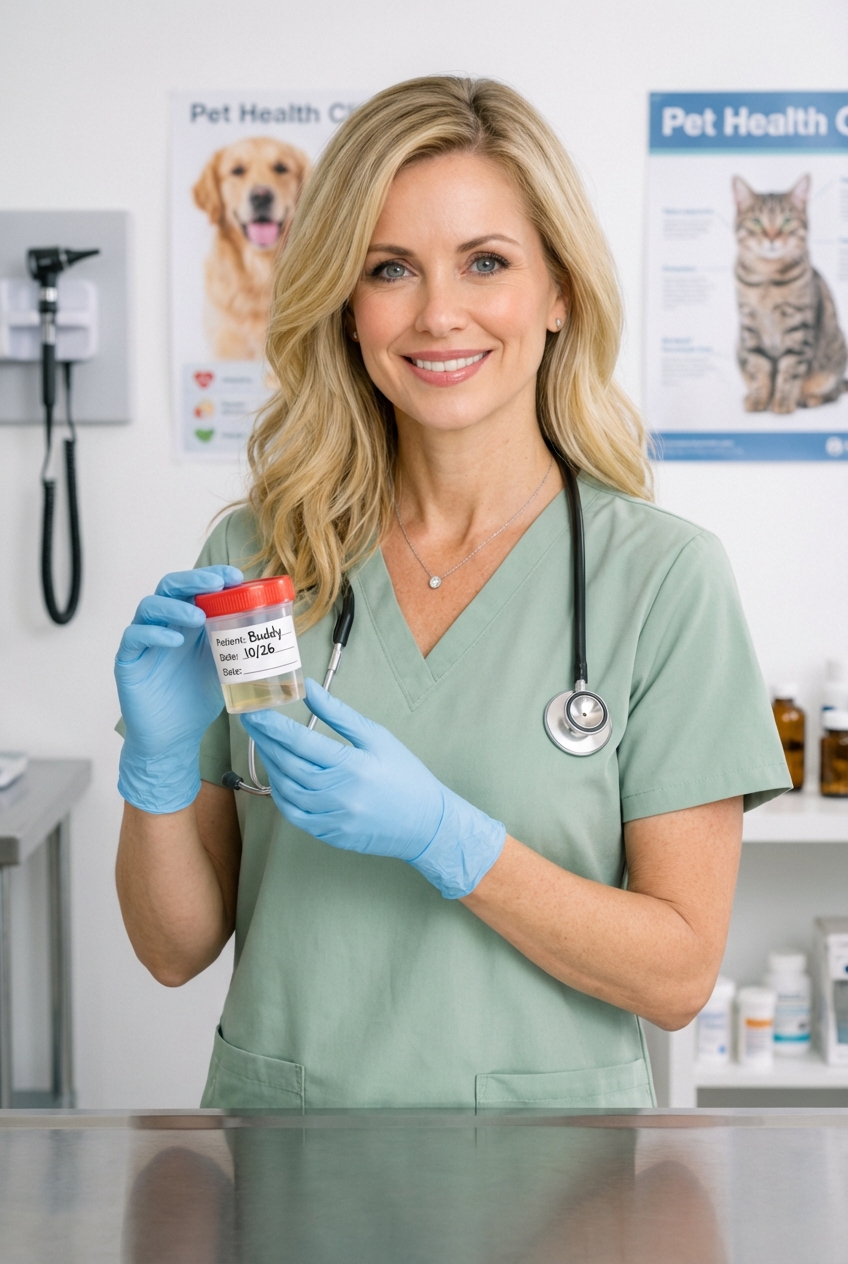
Bring a fresh stool sample if you can. Place it in a sealed bag or clean container and refrigerate if you cannot get to the vet immediately. It also helps to bring a clear photo of the stool and the packaging of any recent foods, treats, supplements, or medications.
Safe steps you can take at home (for mild cases only)
If your dog has a small amount of bright red blood, is otherwise acting normal, and there is no vomiting, no weakness, and no black stool, your vet may recommend supportive care while you monitor closely. Always call your clinic for personalized advice first.
1) Stop all treats and rich foods
For the next 48 to 72 hours, keep things simple. Many flare-ups calm down when we remove the extras that irritate the gut.
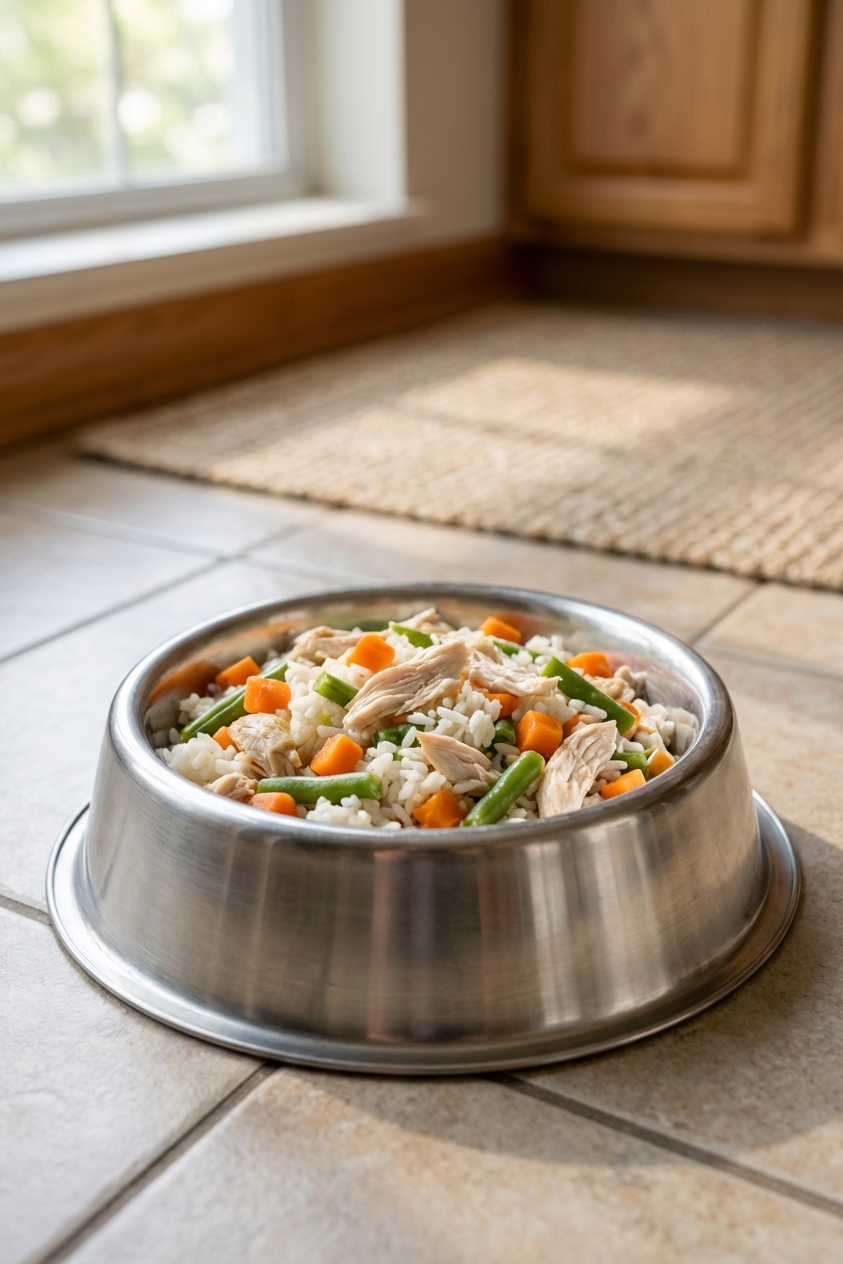
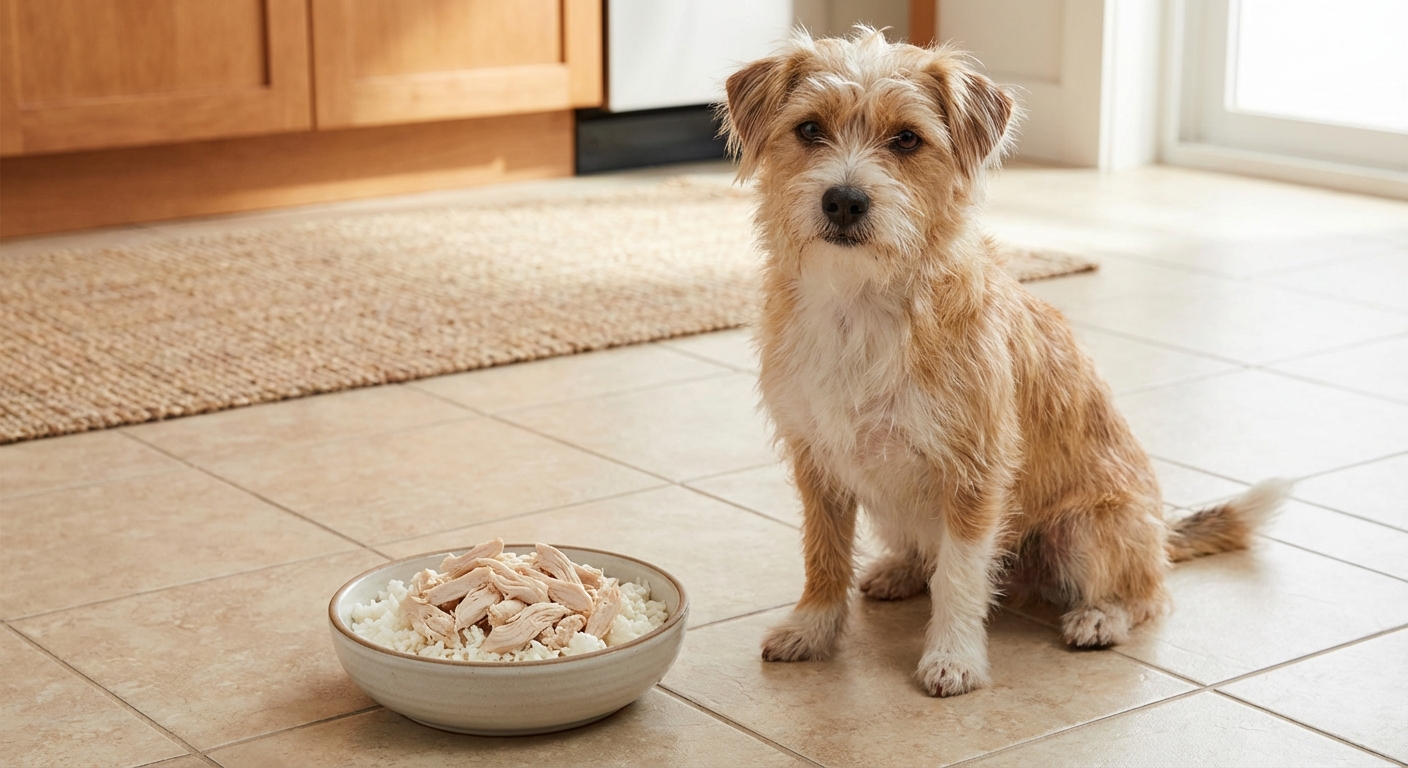
2) Offer a bland, vet-approved diet
A common approach is a short bland diet trial, such as:
- Boiled skinless chicken breast or lean turkey
- Plain white rice
Serve small meals. If your dog has had pancreatitis, needs a prescription diet, or has allergies, ask your vet for a safer option.
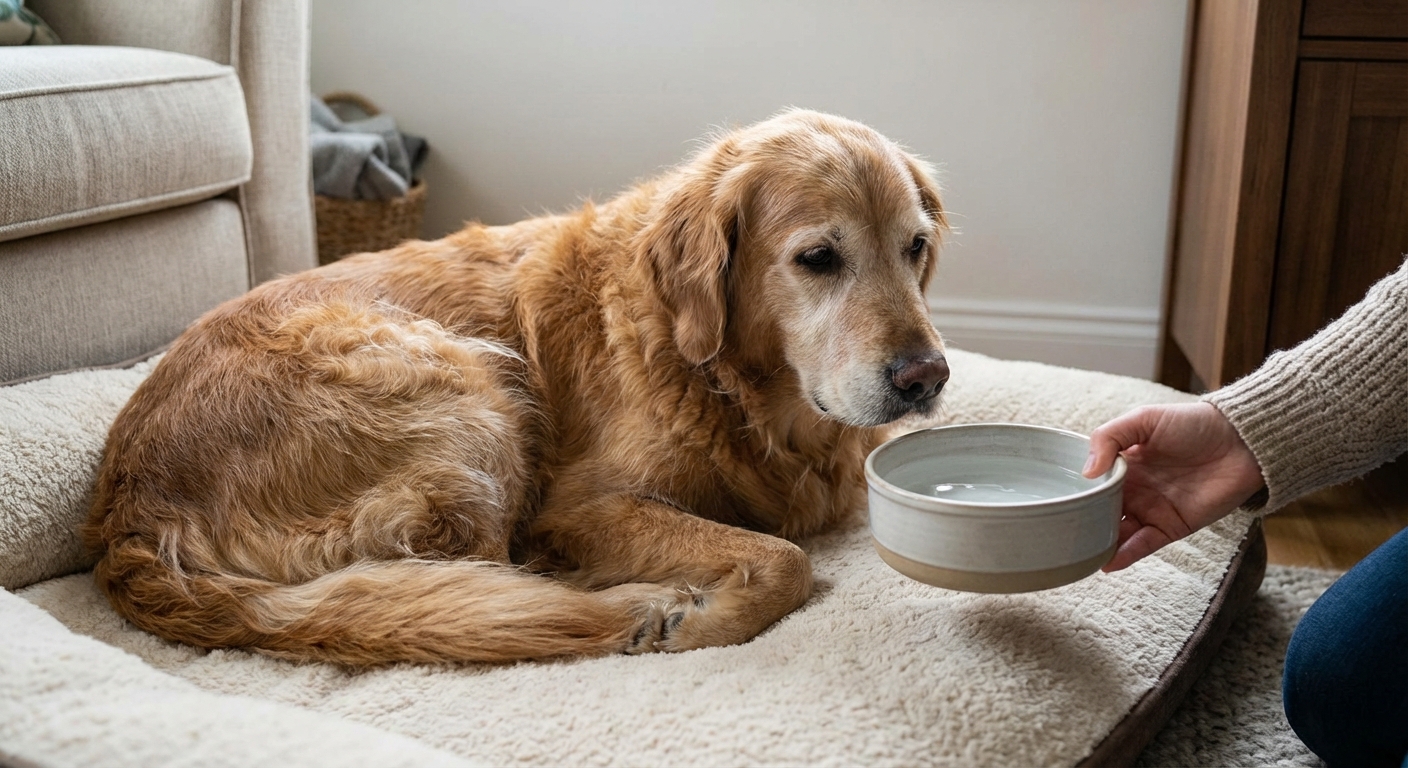
3) Focus on hydration
Diarrhea can dehydrate dogs quickly. Encourage water intake. If your dog will not drink or cannot keep water down, that becomes urgent.
4) Ask your vet about probiotics
Veterinary probiotics can help support the gut microbiome during mild diarrhea episodes. Use products recommended by your clinic, since quality and strains matter.
5) Do not give human medications unless your vet instructs you to
Many over-the-counter human meds are unsafe for dogs or can hide symptoms. Never give ibuprofen, naproxen, aspirin, bismuth subsalicylate, or other medications unless your veterinarian tells you to.
What you should NOT do
- Do not wait it out if your dog seems weak, is vomiting, has black stool, or has a lot of blood.
- Do not assume it is normal after a diet change if blood appears. A small transition mistake can cause mild upset, but blood deserves attention.
- Do not feed bones to “firm things up.” Bones can splinter, cause constipation, tears, or obstruction.
- Do not start multiple new supplements at once. It makes it harder to pinpoint what is helping or worsening symptoms.
How vets diagnose bloody stool
Diagnosis depends on your dog’s age, symptoms, and exam findings. Common tests include:
- Fecal testing for parasites and giardia
- Parvovirus test in unvaccinated puppies or at-risk dogs
- Bloodwork to check hydration, anemia, infection, and organ function
- X-rays or ultrasound if obstruction, foreign body, or mass is suspected
- Coagulation testing if a bleeding disorder or rodenticide exposure is possible
Treatment might include fluids, anti-nausea medication, deworming, antibiotics in select cases, diet therapy, or hospitalization if dehydration is significant.
Prevention you can actually do
You cannot prevent every stomach upset, but you can reduce the risk of the big ones.
- Use year-round parasite prevention recommended by your vet.
- Keep trash secured and do a quick yard scan for mushrooms or bones.
- Transition foods slowly over 7 to 10 days.
- Limit table scraps, especially fatty foods.
- Schedule regular wellness exams so chronic issues are caught earlier.
If you are interested in adding fresh, whole foods to support gut health, start slowly and keep your veterinarian in the loop. Some dogs do well with carefully introduced fresh foods, especially when changes are gradual and the overall diet stays balanced for their life stage and health needs.
FAQ
My dog has a little blood in poop but acts normal. Can I wait?
Sometimes, yes, for a short period with your vet’s guidance. A small streak of bright red blood can come from mild colitis or irritation. If it persists more than 24 to 48 hours, worsens, or any other symptoms show up, your dog should be seen.
Is blood in stool always serious?
Not always, but it is always worth paying attention to. The stool color (red vs black), the amount, and your dog’s overall behavior are the biggest clues.
Should I bring a sample?
Yes. A stool sample is one of the fastest ways for your vet to check for parasites and other common causes. A photo of the stool can also be surprisingly helpful.
The bottom line
Blood in your dog’s poop is a symptom, not a diagnosis. Sometimes it is a short-lived GI upset. Other times it is an early warning sign that your dog needs help right now. If you are unsure, call your veterinarian or an emergency clinic. You are never wasting our time by checking. You are advocating for your best friend, and that matters.