Chicken and rice can soothe mild stomach upset and help dogs transition back to normal food. Learn safe recipes, portions, how long to feed it, and when to c...
Article
•
Designer Mixes
Dog Pooping Blood: What It Means

Shari Shidate
Designer Mixes contributor
Seeing blood when your dog poops can make your stomach drop. I get it. As a veterinary assistant here in Frisco, Texas, I have talked with many worried pet parents who wonder if it is “wait and watch” or “go now.” The truth is, blood in poop can range from mild irritation to a true emergency.
This guide will help you quickly understand what you are seeing, what it can mean, and what to do next. It is not a diagnosis, and your veterinarian is always the best resource for your specific dog.
First, look at the blood
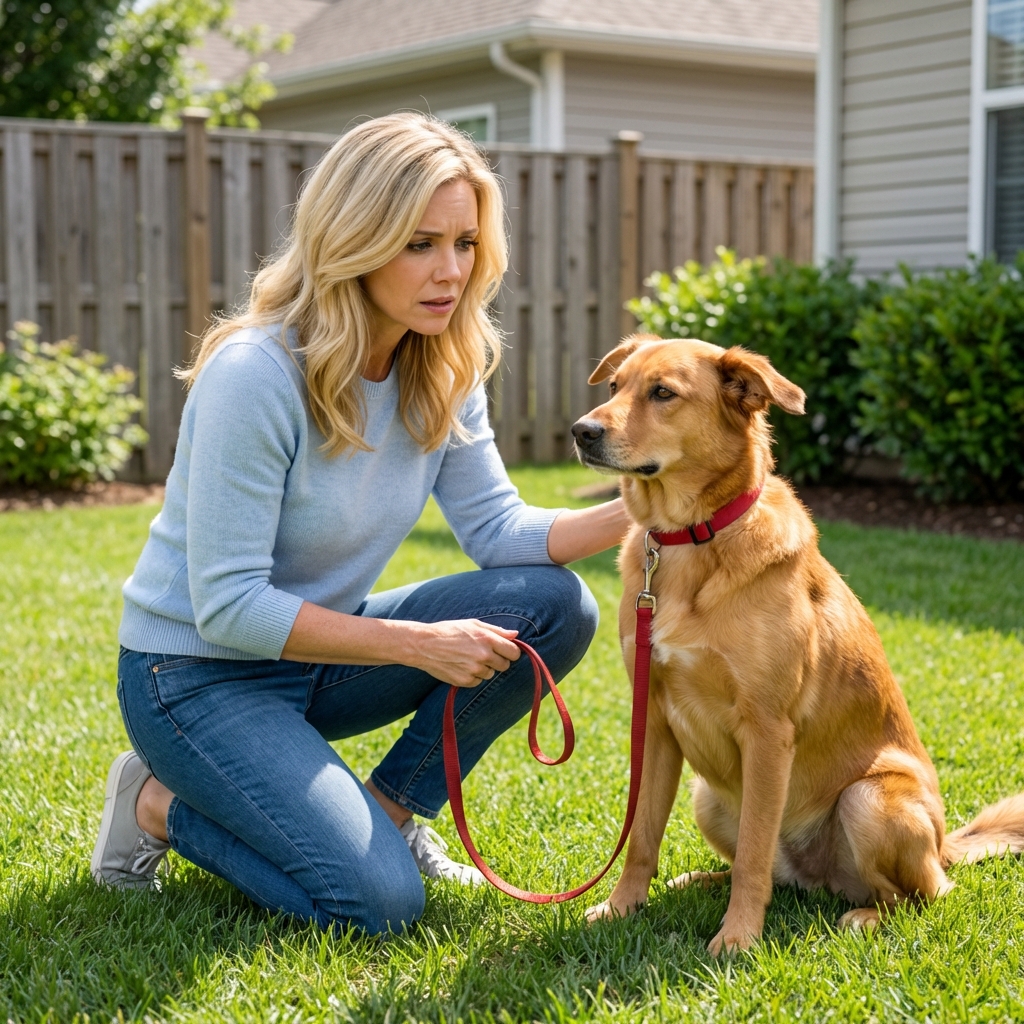
How the blood looks offers big clues about where it is coming from in the digestive tract. Keep in mind that some foods and dyes can mimic blood (like beets or red-colored treats). If you are not sure, treat it as real blood and call your vet.
Bright red blood (fresh)
Bright red streaks, drops, or mucus mixed with red usually suggest bleeding in the lower GI tract, like the colon or rectum. Common causes include colitis, anal gland irritation, parasites, or straining.
Dark, tarry stool (black or very dark brown)
Black, sticky, tar-like poop (called melena) suggests digested blood, meaning bleeding higher up, like the stomach or small intestine. This should be treated as urgent. Many clinics will recommend same-day evaluation, and some dogs may need immediate ER care depending on how they are acting.
Blood with mucus
Mucus plus blood commonly points to inflammation of the colon (large bowel diarrhea), stress colitis, dietary indiscretion, or infection.
Blood with diarrhea vs. blood on firm stool
- Blood with diarrhea often indicates irritation or inflammation and can lead to dehydration quickly, especially if it is frequent, watery, large-volume, or paired with vomiting.
- Blood on the outside of a firm stool can happen with constipation, straining, small rectal tears, or anal sac issues.
Common causes
There are many possibilities, and a vet visit is sometimes the only way to know for sure. These are some of the most common causes we see:
Dietary indiscretion
Dogs are talented at finding things they should not eat, like greasy leftovers, bones, spoiled food, or unfamiliar treats. This can inflame the gut and cause bloody diarrhea within hours to a day.
Stress colitis
Big changes like boarding, moving, new pets, guests, storms, or schedule shifts can trigger large bowel diarrhea with mucus and bright red blood. It often looks dramatic but may be mild if your dog is otherwise acting normal.
Parasites
Hookworms, whipworms, giardia, and other parasites can irritate the intestinal lining and cause blood or mucus. Puppies and dogs with unknown prevention history are especially at risk.
Acute hemorrhagic diarrhea syndrome (AHDS)
This condition is also commonly called hemorrhagic diarrhea syndrome (HDS). It can cause sudden, profuse bloody diarrhea (sometimes described as “raspberry jam” stool) and can become serious fast due to dehydration and shock risk. The exact trigger is not always clear, and it needs prompt veterinary care.
Infections
Bacterial or viral infections can inflame the intestines. Some bacterial causes can affect people too, so good hygiene matters if your dog has diarrhea.
Constipation and straining
Hard stool and straining can cause small tears or irritation with bright red blood on the surface of the poop.
Anal gland problems
Impacted or infected anal glands can cause licking, scooting, discomfort, and sometimes blood. You may see blood on the stool or after your dog strains.
Food intolerance or IBD
Chronic or recurring soft stool, mucus, and occasional blood can be linked to food sensitivities or inflammatory bowel disease (IBD). These cases usually need a longer-term plan with your veterinarian.
Foreign body or toxin exposure
Swallowed toys, corn cobs, fabric, and certain toxins can cause GI bleeding. If your dog could have eaten something dangerous, do not wait. This includes anticoagulant rodenticides (rat poison) and some human medications.
Medication side effects and ulcers
NSAIDs (like carprofen, meloxicam, deracoxib) can contribute to stomach and intestinal ulcers, especially if combined with other medications or if your dog gets into human pain relievers (ibuprofen, naproxen). Ulcers can lead to vomiting, black stool, and weakness and should be treated as urgent.
More serious causes
Bleeding disorders, pancreatitis, and intestinal tumors can all lead to blood in stool, especially if there is weight loss, ongoing vomiting, black stool, or weakness.
When it is an emergency
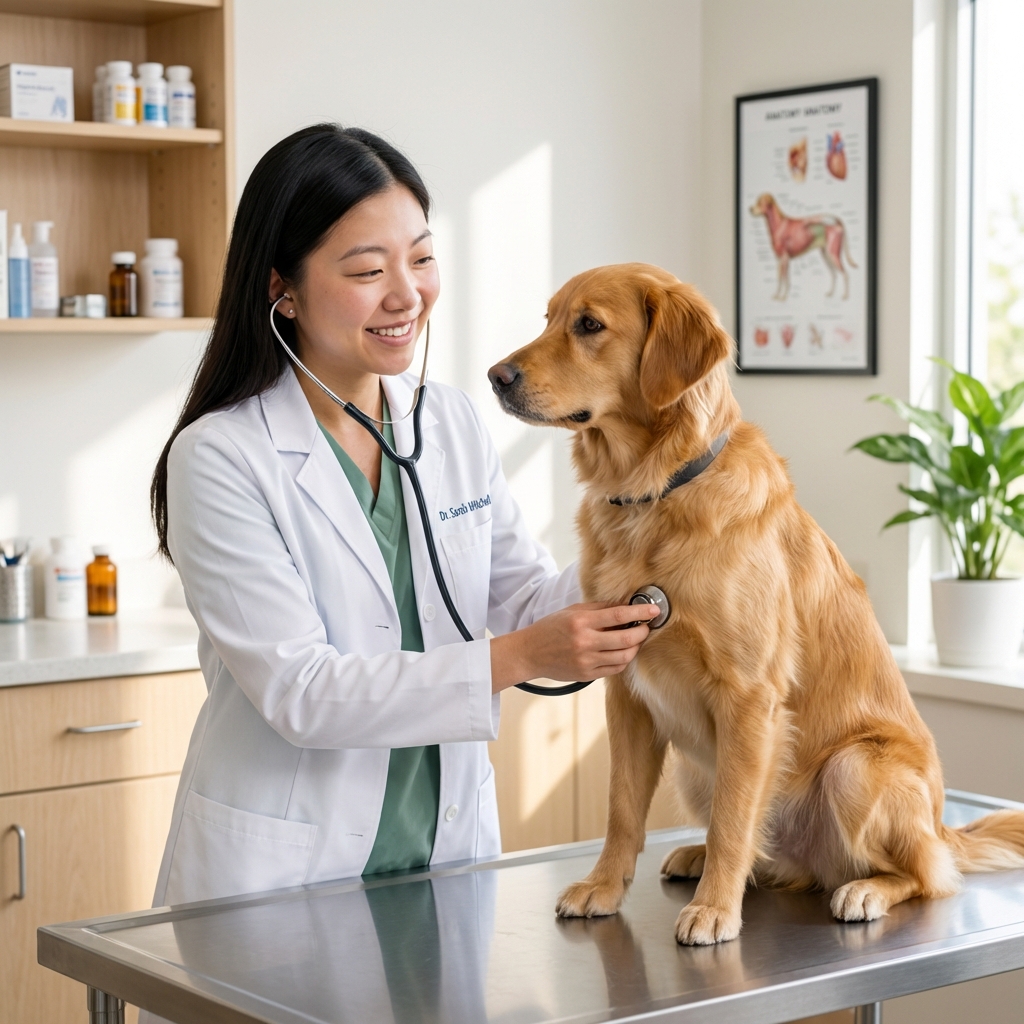
Please call your veterinarian or an emergency clinic right away if you notice any of the following:
- Black, tarry stool
- Large amounts of blood or the stool is mostly blood
- Repeated vomiting or vomiting blood
- Weakness, collapse, pale gums, or extreme lethargy
- Abdominal pain, a “prayer position,” or crying when picked up
- Bloated belly or unproductive retching
- Signs of dehydration (sticky gums, sunken eyes, not drinking, reduced urination)
- Puppies, seniors, or dogs with chronic illness (they have less reserve)
- Known or suspected toxin or medication exposure (rat poison, NSAIDs, human medications, drugs)
If you are on the fence, it is always okay to call. A quick phone triage can help you decide the safest next step.
If your dog seems OK
If the blood is a small amount of bright red, your dog is acting normal, and there is no repeated vomiting or severe diarrhea, your vet may recommend supportive care while you monitor closely. Always follow your clinic’s guidance, but here are common, evidence-based steps vets often use for mild GI upset.
1) Stop the extras
Stop all new treats, table scraps, chews, and rich foods. Keep it simple.
2) Support hydration
Offer fresh water. If your dog is not drinking well, ask your veterinarian whether an oral electrolyte solution is appropriate. Avoid sports drinks or sugar-free products unless your vet specifically approves them.
3) Bland diet (short term)
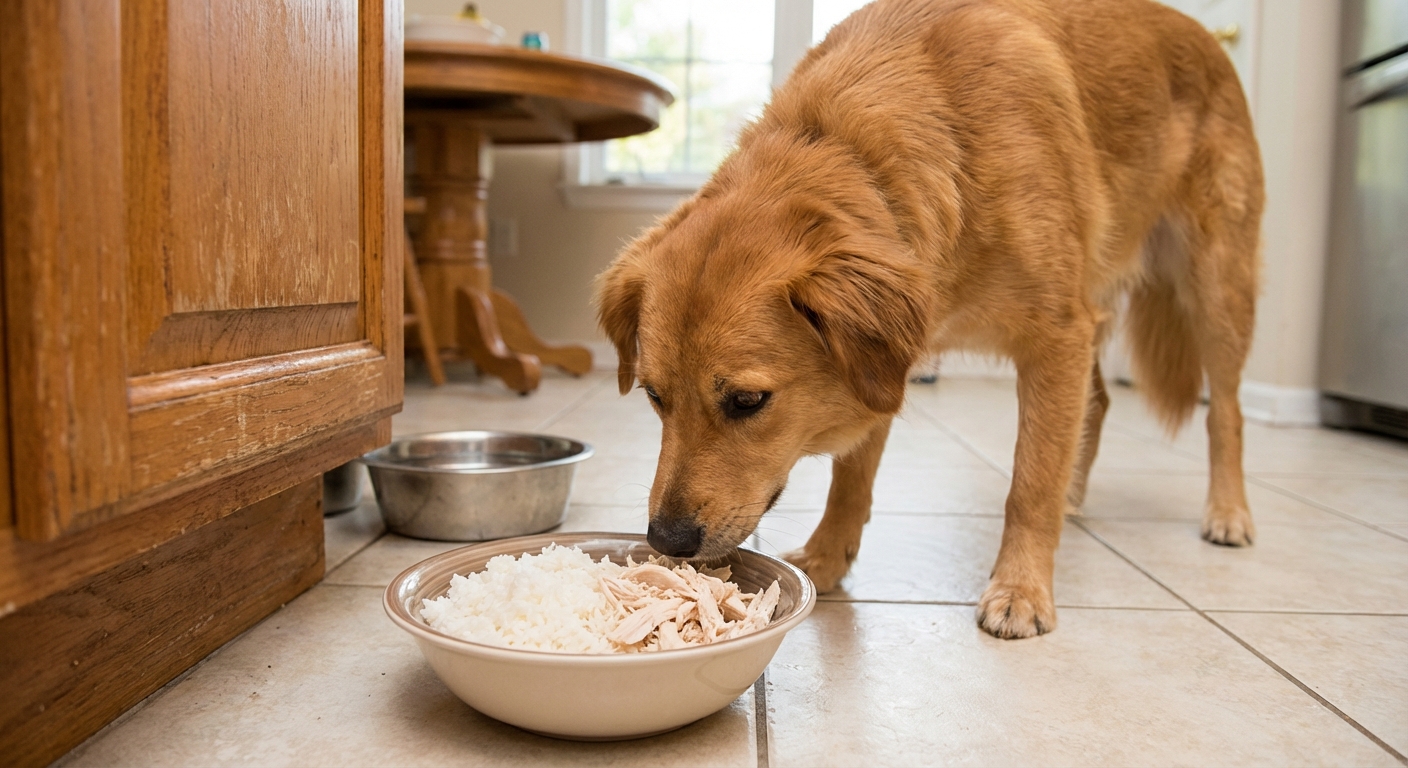
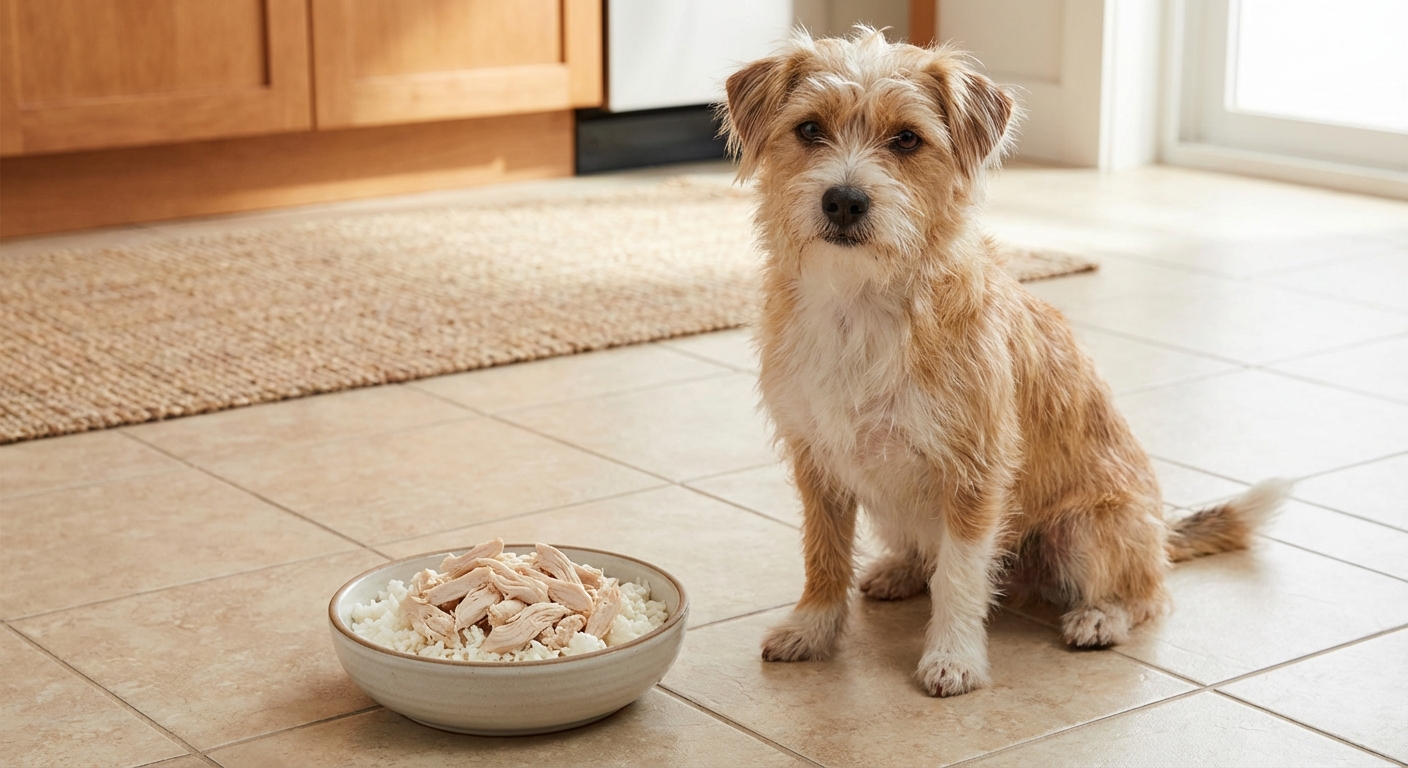
Many dogs do well for 1 to 3 days on a bland diet such as boiled chicken (or turkey) and white rice. Then you gradually transition back to their regular diet over several days. If your dog has food allergies or a history of pancreatitis, ask your vet for the best bland option.
4) Ask about probiotics
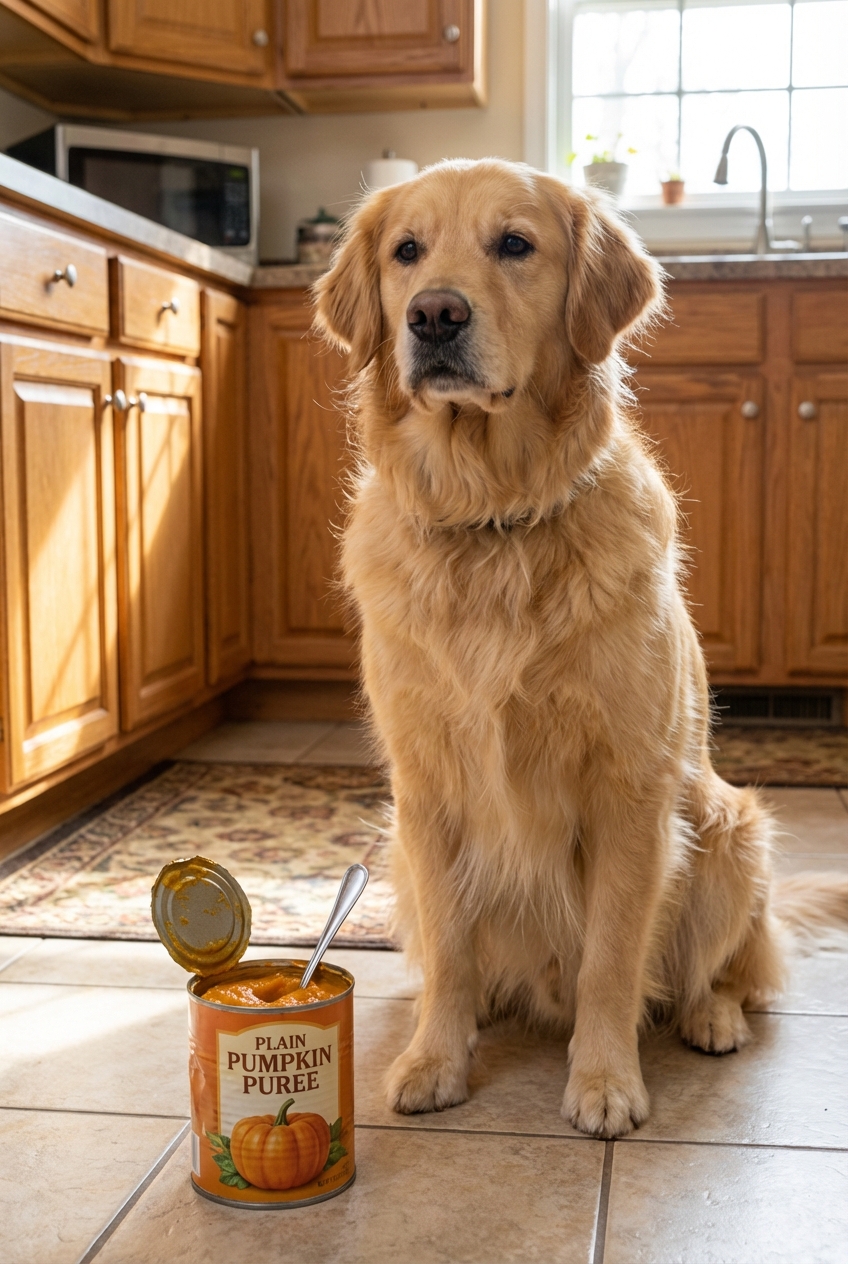
Veterinary probiotics can help normalize stool in some cases of diarrhea. Use products made for dogs, and follow your vet’s dosing advice.
5) Monitor closely
Track frequency, volume, and whether the blood is improving. If blood increases, your dog becomes lethargic, vomiting starts, or diarrhea is frequent and watery, call your veterinarian.
Timing can help guide you, too:
- One small streak on a formed stool and your dog is otherwise normal: monitor and call your vet if it happens again or does not improve within 24 to 48 hours.
- Diarrhea with blood: call sooner, especially if it lasts beyond about 24 hours or your dog is small, very young, or not keeping water down.
Tip: Snap a quick photo of the stool before you clean it up. It sounds gross, but it can genuinely help your vet assess what is going on.
What your vet may do
Diagnostics depend on your dog’s age, symptoms, and risk factors, but common next steps include:
- Fecal testing for parasites and giardia
- Physical exam, including checking hydration and abdominal comfort
- Bloodwork to assess infection, organ function, anemia, and clotting concerns
- X-rays or ultrasound if a foreign body, obstruction, or mass is suspected
- Supportive care such as fluids, anti-nausea medication, GI protectants, and diet therapy
- Targeted treatment like deworming or specific antibiotics when indicated
One important note: antibiotics are not automatically needed for every case of diarrhea. Many mild cases resolve with supportive care, and your veterinarian will decide based on your dog’s presentation and test results.
If you are coming in, ask if you should bring a fresh stool sample (ideally collected the same day). If that is not possible, a clear photo is still helpful.
How to help prevent it
You cannot prevent every GI upset, but you can lower the odds.
- Keep your dog on year-round parasite prevention as recommended by your vet.
- Do slow diet transitions over 7 to 10 days when switching food.
- Limit rich treats and fatty foods, especially in small dogs and dogs prone to pancreatitis.
- Use a “leave it” cue and supervise outdoor time to reduce scavenging.
- Store medications safely and never give human pain relievers unless your veterinarian instructs you.
- Reduce stress where you can with predictable routines and calm decompression after travel or boarding.
- Schedule regular wellness checks for early detection of chronic issues.
Quick checklist for the vet
Having these details ready can help your clinic triage faster:
- Is the blood bright red or black and tarry?
- Is it a small streak or a large amount?
- Is there diarrhea, mucus, or vomiting?
- Is your dog eating and drinking normally?
- Any recent new food, treats, chews, trash exposure, or bones?
- Any possible toxin or human medication access (especially NSAIDs or rodenticide)?
- Is your dog on heartworm and intestinal parasite prevention?
- Any recent travel, boarding, dog park visits, or stressful events?
The bottom line
Blood in your dog’s poop is never something to ignore, but it also does not always mean disaster. The most helpful first step is to note whether the blood is bright red or black and tarry, and whether your dog is acting normal.
If you see black stool, large amounts of blood, repeated vomiting, weakness, or your dog just seems “off,” treat it as urgent and call your veterinarian or emergency clinic right away. When in doubt, trust your instincts. You know your dog best.