
Dog Poop Color Meaning

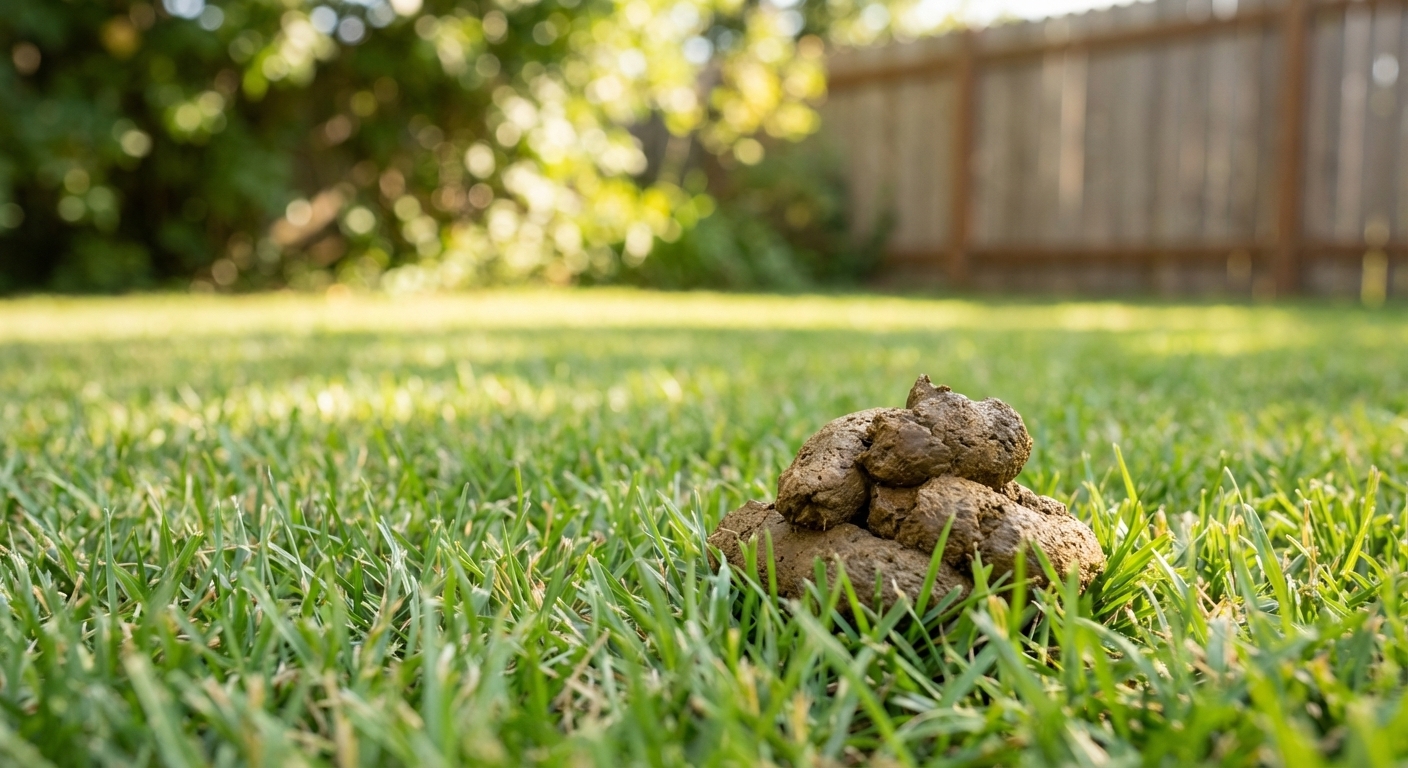
If you are like most dog parents, you have taken one look at a weird poop and thought, “Is this an emergency?” The truth is, stool color can offer limited clues about diet, digestion, and sometimes bleeding or organ function. It is not a diagnosis on its own, but it is a really good reason to pay attention.
As a veterinary assistant here in Frisco, Texas, I like to keep this simple: one odd poop can happen. But unusual color that repeats, or any color change that comes with vomiting, lethargy, pain, or appetite changes deserves a call to your veterinarian.
Quick note: This article is for education and triage guidance. It is not a substitute for veterinary advice. If you think your dog got into a toxin, call your vet or ASPCA Animal Poison Control right away.
Quick safety check first
Before you focus on color, look at the whole picture. Color means more when you pair it with consistency, frequency, and how your dog feels. (Hydration is usually easier to judge from watery diarrhea, tacky gums, and low energy than from color alone.)
Go to an emergency vet now if you see
- Black, tarry stool (especially with weakness, pale gums, vomiting, or collapse)
- Large amounts of bright red blood, dark maroon stool, or bloody diarrhea
- Straining with no stool produced, repeated unproductive squatting, or a swollen painful belly
- Suspected toxin exposure (rat poison, human meds, grapes/raisins, xylitol, etc.)
- Any poop color change in a puppy with lethargy, vomiting, or dehydration risk (this includes concern for Parvovirus in unvaccinated or under-vaccinated puppies)
Call your vet within 24 hours if
- Unusual color lasts more than 24 to 48 hours
- Your dog has diarrhea longer than a day, or any diarrhea plus vomiting
- There is mucus, worsening odor, weight loss, or your dog seems uncomfortable
- Your dog is very small, very young, a senior, or has chronic illness (they can dehydrate faster)
Brown poop (normal)
Most healthy dog poop is chocolate brown to medium brown. Shade varies with diet, treats, and bile pigments. A stable brown color with a formed, easy-to-pick-up consistency is generally a good sign.
Common normal reasons
- A consistent diet that agrees with your dog
- Normal bile and digestion
- Normal stool frequency
When brown still matters
- Brown poop that is watery for more than 24 hours (dehydration risk)
- Brown poop with lots of mucus (can point to colitis or intestinal irritation)
- Brown poop plus vomiting, appetite loss, or lethargy
Black or tarry poop (melena)
Black, sticky, tar-like stool is called melena. It can happen when blood is digested, usually from bleeding higher up in the digestive tract such as the stomach or small intestine.
What it can mean
- Stomach or intestinal bleeding from ulcers, inflammation, foreign material, or tumors
- Bleeding related to medications (for example, some NSAIDs) or toxin exposure
- Swallowed blood (for example, heavy nosebleed), less common but possible
Also consider look-alikes
- Pepto-Bismol can darken stool (note: do not give it unless your veterinarian specifically approves, since it can be unsafe for some dogs and can also hide important symptoms)
- Activated charcoal will make stool black
- Very dark stool from diet can happen, but tarry and sticky is the red flag
When to see the vet
Same day, urgently. If your dog is weak, pale, vomiting, or not eating, treat this like an emergency.
Red streaks or spots (fresh blood)
Bright red blood on the outside of stool often points to bleeding in the colon, rectum, or anal area. Sometimes it is a small irritation. Sometimes it is more serious, especially if there is a lot of blood or diarrhea.
Common causes
- Colitis from stress, diet change, or food intolerance
- Parasites (especially in puppies or newly adopted dogs)
- Anal gland irritation, small rectal tears from constipation or straining
- Acute hemorrhagic diarrhea syndrome (AHDS) (sudden watery, often bloody diarrhea that can worsen quickly)
- Parvovirus in unvaccinated or under-vaccinated puppies (often includes lethargy, vomiting, and a very sick puppy)
When to see the vet
- Urgent today if there is a lot of blood, dark maroon stool, bloody diarrhea, repeated episodes, vomiting, or weakness
- Within 24 to 48 hours if it is a small streak once but returns, or your dog is straining, painful, or not acting normal
Yellow or orange poop
Yellow to orange stool often happens when food moves through the intestines too quickly, leaving less time for bile to be processed. It can also be influenced by diet, especially foods high in carotenoids.
Common causes
- Diet change or rich foods that trigger diarrhea
- Eating lots of pumpkin, carrots, or sweet potato
- Intestinal irritation or infection causing faster transit
- Less commonly, liver or gallbladder concerns, especially if paired with other symptoms
When to see the vet
- Within 24 to 48 hours if color persists for more than a day or two
- Same day if you also notice vomiting, refusal to eat, abdominal pain, yellowing of gums or eyes, or extreme lethargy
Green poop
Green stool is commonly linked to eating grass, but it can also be caused by certain food dyes, supplements, or rapid transit during diarrhea.
Common causes
- Eating grass or plants (often with mild stomach upset)
- Green-colored treats, dental chews, or food dyes
- Rapid intestinal transit during diarrhea
Poison concern
- Green poop by itself is not a reliable sign of rodent poison.
- If you suspect your dog had access to bait, or you see blue or green pellet-like material in vomit or stool, treat it as an emergency.
When to see the vet
- Urgent immediately if you suspect poison exposure, especially rat or mouse bait
- Within 24 to 48 hours if green stool repeats or comes with vomiting, lethargy, or loss of appetite
Gray or white poop
Pale gray, clay-colored, or chalky white stool can be a sign that there is not enough bile pigment getting into the intestines, or that fat is not being digested well. It can also happen with very high bone content in some diets.
What it can mean
- Problems with bile flow (liver or gallbladder concerns)
- Pancreatic issues, including trouble digesting fat
- Very fatty meals can sometimes make stool look lighter and greasy
- Dogs eating lots of bones can have very light, dry, crumbly stool and constipation risk
- Recent barium x-rays can temporarily cause chalky white stool (harmless, but still mention it to your vet)
When to see the vet
Schedule a visit promptly, ideally within 24 to 48 hours, especially if the stool is pale and greasy, your dog is losing weight, vomiting, or has a poor appetite.
White specks or “rice” pieces
This is not a poop color, but it is one of the most common things people message us about.
What it can be
- Tapeworm segments (often look like rice grains on the stool or stuck to the fur)
- Less commonly, undigested food bits
What to do
- Call your vet for a fecal test and the right dewormer. Over-the-counter products are not always effective for tapeworms.
- Make sure your dog is on reliable flea prevention, since fleas are a common source of tapeworm infection.
What to bring to the vet
You can help your veterinarian a lot by bringing the right information. This can shorten the time to answers and help your dog feel better faster.
Bring these items
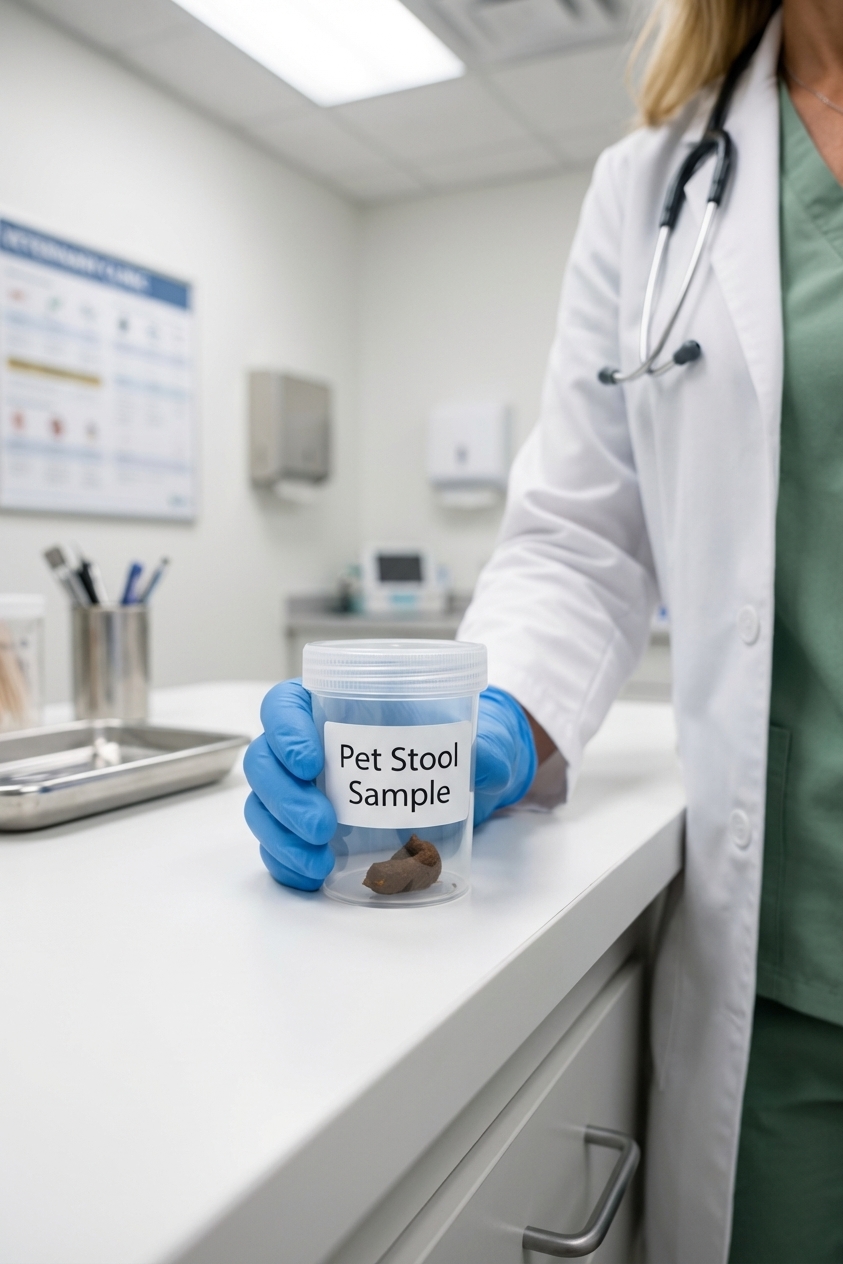
- A fresh stool sample in a clean, sealed bag or container (ideally within 4 to 12 hours). Refrigerate if you cannot go right away.
- Photos in good lighting of the stool and any vomit
- A list of foods and treats from the last 3 to 5 days, including chews, table scraps, and any new brands
- Medication and supplement list, including flea and tick prevention and human meds your dog might have accessed
- Notes on frequency, straining, accidents in the house, appetite, energy level, and water intake
- If possible, bring packaging or a photo of any suspected toxin (for example, product name of rat bait)
At-home steps while you monitor
If your dog is acting normal and there is no black tarry stool, heavy bleeding, or toxin concern, you can often do a short monitoring window while you contact your vet for guidance.
- Pause new treats and stick to a simple, familiar diet
- Keep fresh water available and watch for dehydration signs like tacky gums, sunken eyes, or unusual tiredness
- Do not give human medications unless your veterinarian told you to
- Prevent scavenging on walks to avoid making the problem worse
If your dog is on a homemade diet, this is also a good moment to check for balance. Too much fat, abrupt changes, or heavy bone content can all change stool color and texture quickly.
Color is a clue
One odd poop can be a fluke. Patterns matter. If you notice a repeat color change, persistent diarrhea, or any sign your dog feels unwell, trust your instincts and call your veterinary clinic. You are not “overreacting” when it comes to digestive changes, you are paying attention to one of the most useful daily health signals your dog gives you.
If you are ever torn between waiting and calling, I always say: call. A quick conversation with your vet team can save a lot of worry, and sometimes it can save a life.
Sources
- Merck Veterinary Manual: Overview of gastrointestinal bleeding and melena
- VCA Animal Hospitals: Diarrhea and blood in stool guidance and when to seek veterinary care
- American College of Veterinary Internal Medicine (ACVIM): Pancreatic disease and maldigestion concepts
- ASPCA Animal Poison Control: Rodenticide exposure guidance