A practical pancreatitis diet guide for dogs: vet-first warning signs, low-fat foods that are easier to digest, treats that fit the plan, and common triggers...
Article
•
Designer Mixes
Dog Pancreatitis Treatment and Care

Shari Shidate
Designer Mixes contributor
Pancreatitis can feel scary, and I have seen how fast a dog can go from “a little off” to truly miserable. The good news is that many dogs recover well with prompt veterinary care, the right diet, and a calm, consistent home routine. This guide walks you through what comprehensive treatment usually looks like, what you can do at home, and how to prevent painful flare-ups.
Important: Pancreatitis can be life-threatening. If your dog has repeated vomiting, severe belly pain, weakness, collapse, or blood in vomit or stool, please contact an emergency veterinarian right away.
What it is and why it happens
The pancreas helps digest food and regulate blood sugar. In pancreatitis, the pancreas becomes inflamed and digestive enzymes can activate too early, irritating the organ and surrounding tissues. That is why dogs with pancreatitis can have intense nausea and abdominal pain.
Common triggers and risk factors
- High-fat meals or sudden diet changes, including rich table foods, bacon grease, fried foods, and fatty meats.
- Obesity and sedentary lifestyle.
- High triglycerides (hyperlipidemia), which can be breed-related in some dogs.
- Certain medications (your veterinarian can advise if any of your dog’s meds are a concern).
- Underlying illness such as diabetes, Cushing’s disease, gallbladder disease, or inflammatory bowel disease.
- Miniature Schnauzers and some other breeds may be at higher risk.
Sometimes, no single cause is found. That can be frustrating, but it does not prevent a solid recovery plan.
Symptoms to watch for
Pancreatitis can range from mild to severe. If your dog shows any of the following, it is time to call your veterinarian.
- Vomiting, especially repeated episodes
- Loss of appetite or refusing treats
- Diarrhea (sometimes greasy)
- Abdominal pain, “praying position,” hunched posture, or crying when picked up
- Lethargy, weakness, dehydration
- Fever or shaking
Note: Pale or greasy stool can also point to other problems (like bile duct or malabsorption issues). Either way, it is a good reason to be seen.
Emergency red flags
- Continuous vomiting or inability to keep water down
- Sudden, firm abdominal swelling that is rapidly worsening, especially with unproductive retching
- Collapse, pale gums, or difficulty breathing
- Black, tarry stool or obvious blood
How it is diagnosed
There is no single perfect test for every dog, so diagnosis usually combines symptoms, exam findings, and lab work.
- Physical exam: checking hydration, abdominal pain, fever, and overall stability.
- Bloodwork: evaluates organ function, inflammation, electrolyte imbalances, dehydration, and blood sugar.
- Pancreas-specific testing: your veterinarian may recommend a canine pancreatic lipase test (often called cPL).
- Imaging: abdominal ultrasound is commonly used to look at the pancreas and rule out other problems.
Because pancreatitis can mimic other GI conditions, good diagnostics help your veterinarian choose the safest, most targeted treatment.
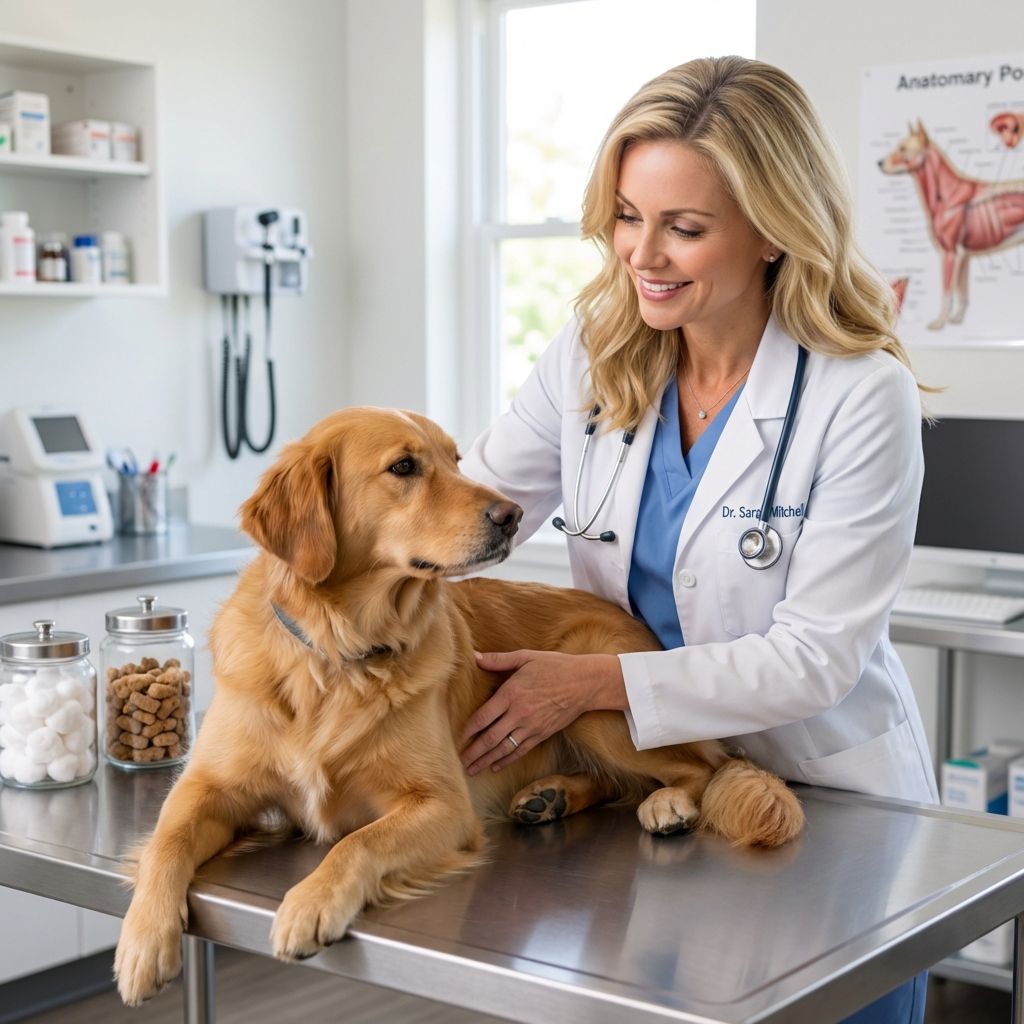
Treatment: what to expect
Pancreatitis treatment is supportive care. That means we treat dehydration, nausea, pain, and complications while the pancreas calms down.
Some dogs can recover at home with close guidance. Others need hospitalization, especially with persistent vomiting, significant dehydration, severe pain, concerning bloodwork (like abnormal electrolytes), or complications that require monitoring.
1) Fluids and electrolytes
Dehydration is common due to vomiting and poor intake. Some dogs can do well with subcutaneous fluids, while others need IV fluids. The best route and volume depend on vomiting severity, dehydration level, and overall stability.
Fluids support circulation, help correct electrolyte imbalances, and reduce strain on organs.
2) Nausea and vomiting control
Stopping nausea helps your dog feel better and helps them start eating sooner, which supports gut health. Veterinarians often use prescription anti-nausea medications. Do not give human anti-nausea meds unless your veterinarian specifically instructs you to.
3) Pain control
Pancreatitis hurts. Proper pain control is not optional, it is part of healing. Your veterinarian may prescribe pain medication that is safe for dogs with pancreatitis.
Important: Never give ibuprofen, naproxen, aspirin, or other human pain medications unless your veterinarian directs you to. Many OTC pain relievers are dangerous for dogs.
4) Nutrition support
Old advice used to focus on prolonged fasting, but current veterinary care often aims to reintroduce highly digestible, low-fat food as soon as vomiting is controlled. Early nutrition can support the intestinal barrier and reduce complications.
Your veterinarian may recommend:
- Prescription low-fat diets for acute recovery and long-term prevention
- Feeding tubes in severe cases where a dog will not eat safely (this sounds scary, but it can be lifesaving)
5) Antibiotics, when needed
Pancreatitis itself is usually not caused by bacteria, so antibiotics are not automatically required. They may be used if your veterinarian suspects infection, sepsis, aspiration pneumonia, or another bacterial complication.
6) Treating complications
Severe pancreatitis can affect the whole body. Your veterinarian may monitor or treat:
- Low blood pressure, shock
- Diabetes or unstable blood sugar
- Blood clotting issues
- Liver or gallbladder inflammation
Home care after the visit
Once your dog is stable enough to recover at home, your job is to keep things boring and consistent. A calm routine helps recovery.
Medication schedule
- Give medications exactly as prescribed, at the same times daily.
- If your dog vomits a dose, call your veterinarian before repeating it.
- Ask if meds should be given with food, especially nausea meds and pain meds.
Hydration
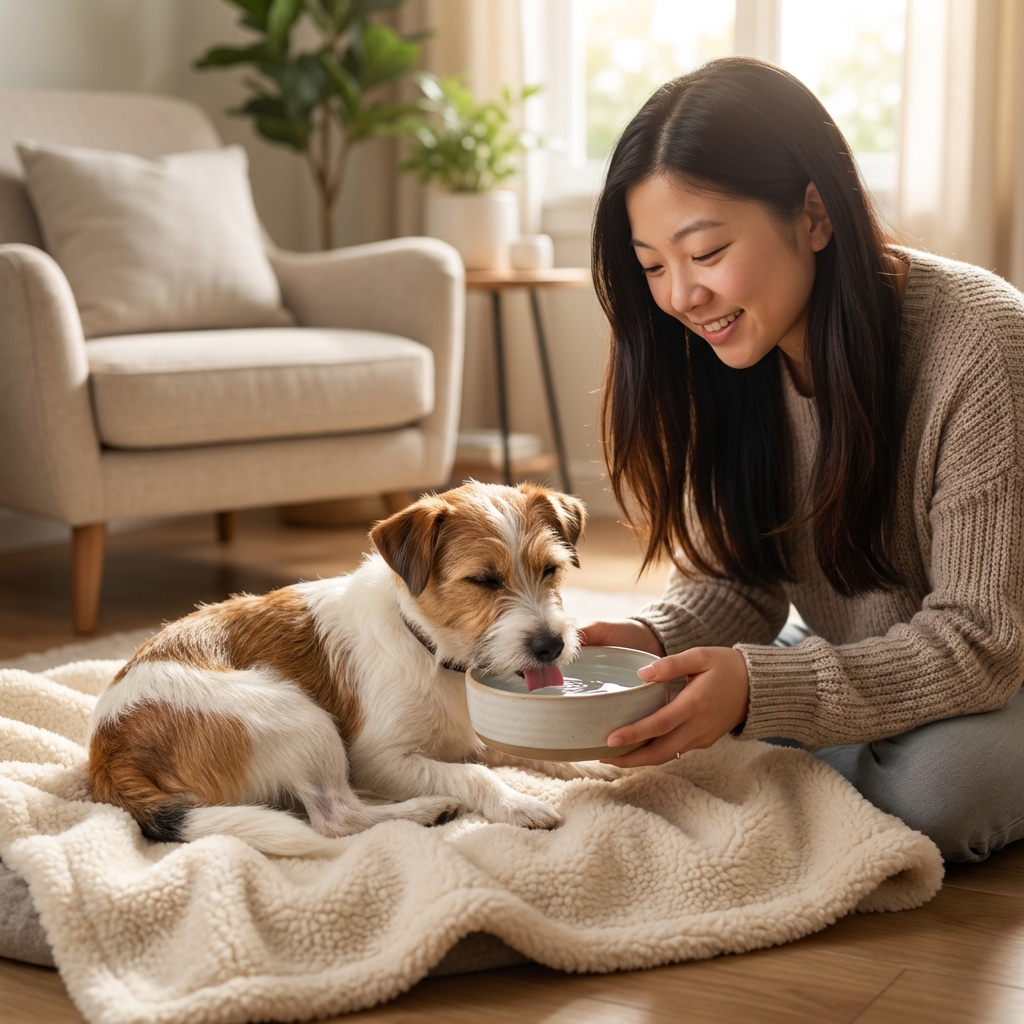
- Offer small amounts of fresh water frequently.
- Your veterinarian may advise a specific oral rehydration plan or prescribe fluids for home use.
- Watch for tacky gums, sunken eyes, or extreme lethargy, which can signal dehydration.
Rest and activity
Short leash walks for potty breaks only at first. Too much activity can worsen nausea and stress.
Monitoring checklist
- Appetite and willingness to eat
- Vomiting or gagging
- Stool quality and frequency
- Energy level
- Signs of pain (hunched posture, shaking, guarding the belly)
What not to do at home
- Do not give OTC GI meds (like Pepto-Bismol) unless your veterinarian says it is safe for your dog.
- Do not force food or water if your dog is actively vomiting.
- Do not add “just a little” rich topper, oil, or fatty treat to tempt eating.
- Do not stop medications early without checking in, even if your dog seems better.
Diet and recovery
Food is powerful medicine here. The goal is a highly digestible, consistently low-fat plan that is gentle on the GI tract while still meeting nutrition needs.
What “low fat” means
Many pancreatitis dogs need a consistently low-fat diet, not just during flare-ups. The specific fat target depends on your dog, the diet format (canned, kibble, fresh), and whether pancreatitis is chronic. Your veterinarian can give a safe fat range and recommend a diet that matches your dog’s history.
Feeding approach
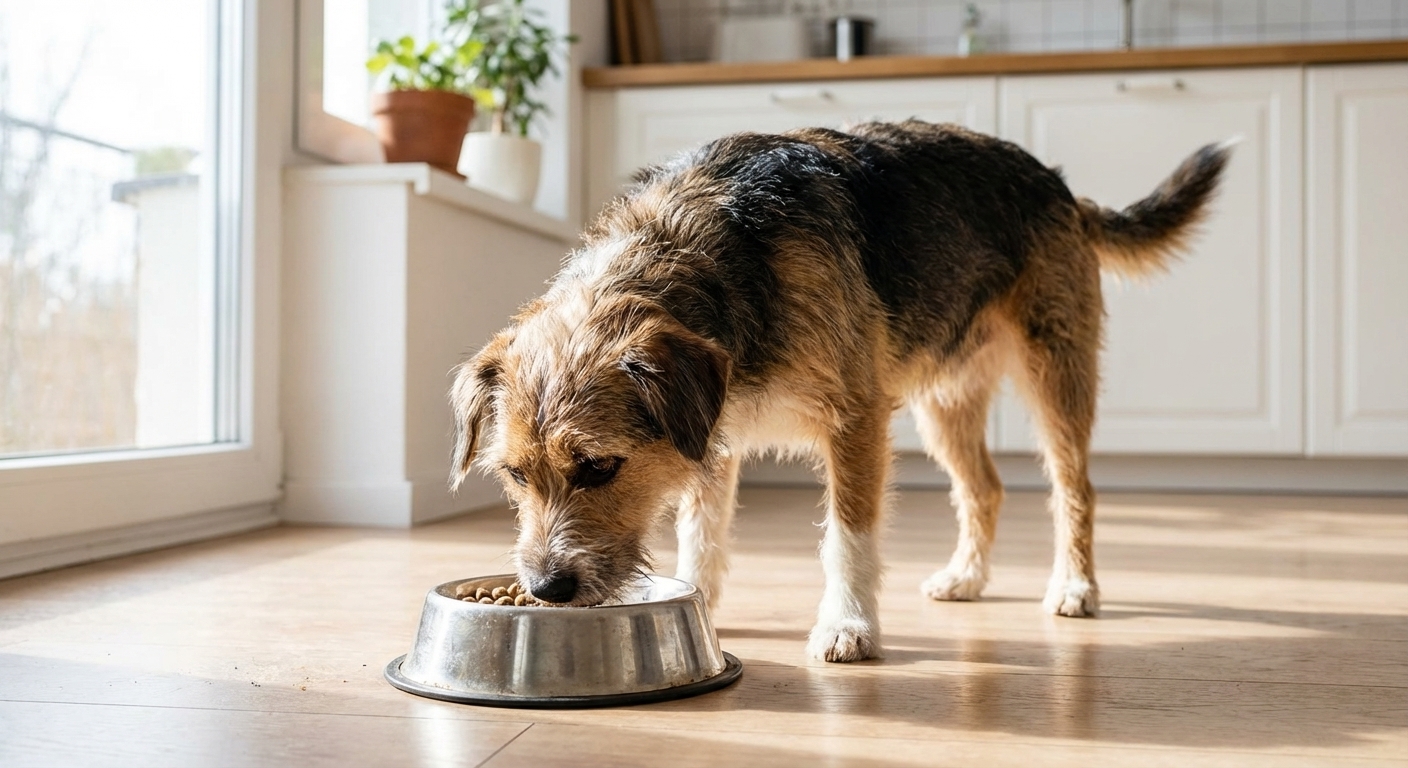
- Small, frequent meals (often 3 to 6 per day during recovery).
- No fatty treats. Treats count.
- Slow transitions when changing foods, unless your veterinarian instructs otherwise.
Foods to avoid
- Fatty meats, skin-on poultry, sausage, bacon, deli meats
- Cheese, whole milk, cream, butter
- Fried foods, greasy leftovers, meat drippings
- High-fat dog treats, pig ears, bully sticks with visible fat
Can homemade food help?
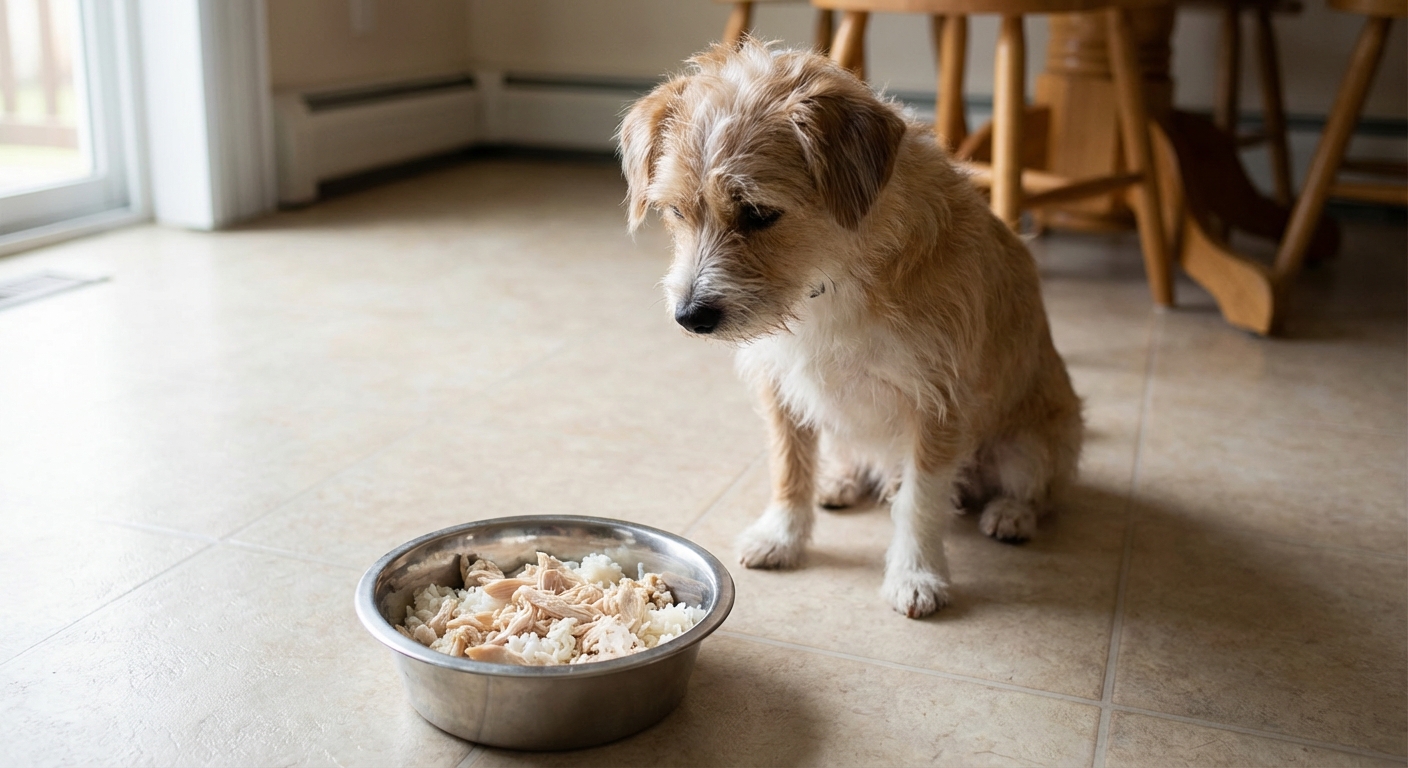
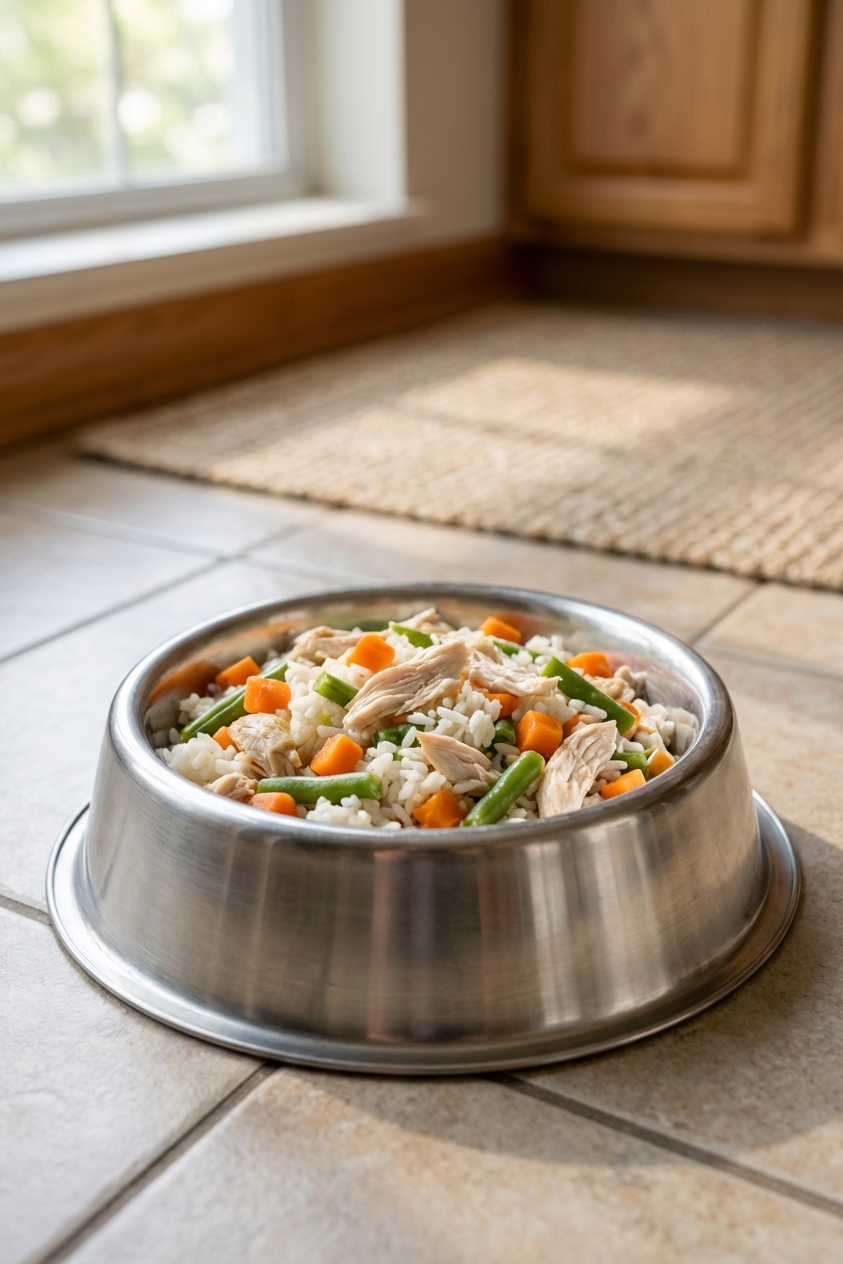
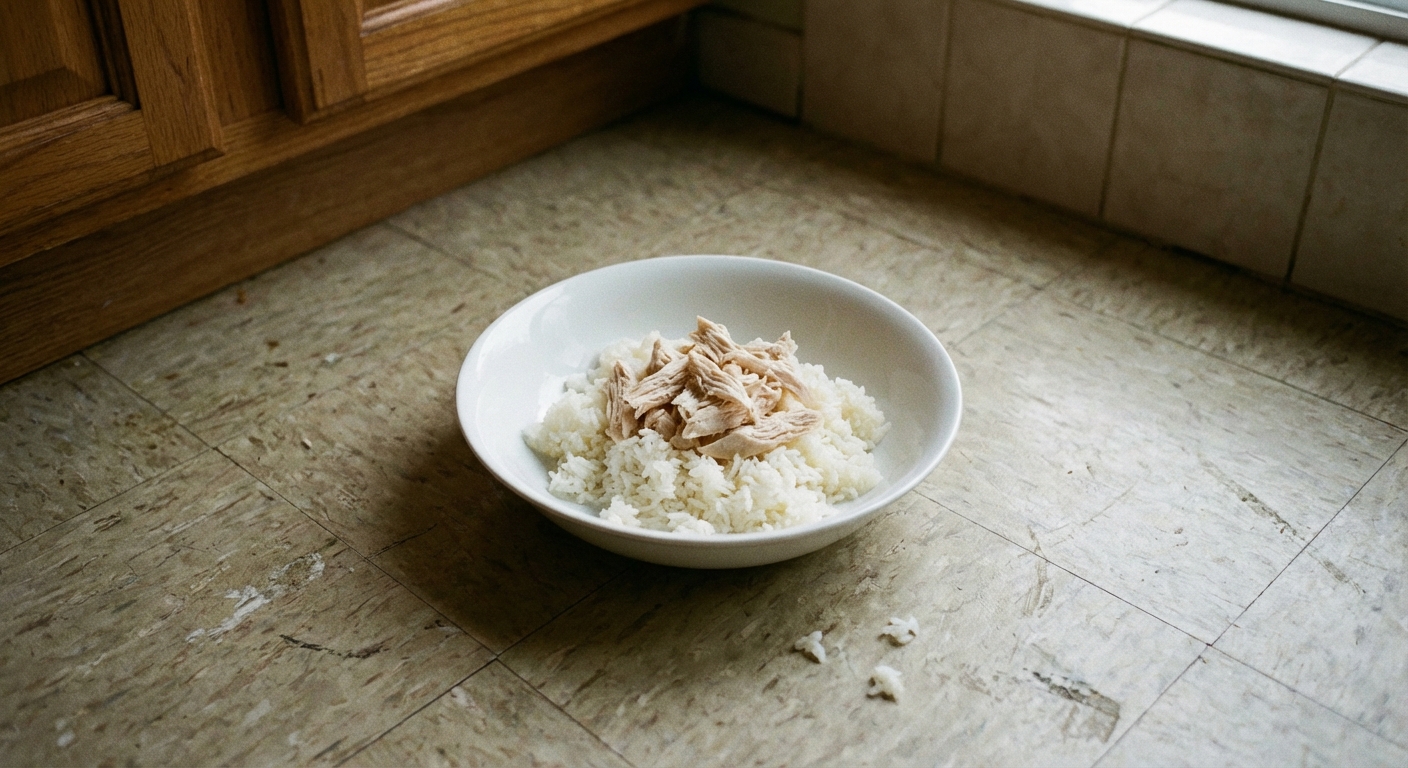
Homemade can work beautifully if it is properly formulated. The biggest mistake I see is well-meaning owners feeding bland chicken and rice for too long. That can be fine short-term if your veterinarian recommends it, but it is not complete nutrition long-term.
If you want to go homemade, ask your veterinarian for a referral to a board-certified veterinary nutritionist, or use a veterinary-formulated recipe. A pancreatitis-friendly plan usually focuses on:
- Very lean proteins (skinless chicken breast, turkey breast, certain white fish)
- Low-fat cooking methods (boiled, baked, steamed)
- Measured carbs (rice, oats, potato, or other vet-approved options)
- Appropriate supplements to balance calcium, essential fatty acids, and micronutrients
Supplements and add-ons
This is an area where “natural” can accidentally become risky. Always run supplements by your veterinarian.
Often considered
- Probiotics to support gut health, especially after GI upset.
- Vitamin B12 (cobalamin) if bloodwork shows deficiency or if your dog has chronic GI disease.
- Digestive enzyme support only if your veterinarian suspects exocrine pancreatic insufficiency (a different pancreatic condition).
Use caution with
- High-fat “health boosters” like coconut oil, fatty fish oils, or rich toppers.
- Herbal products that can irritate the GI tract or interact with medications.
- Raw diets during recovery, which can be harder to tolerate and carry infection risk for some households.
Chronic cases and flare-ups
Some dogs have one episode and never look back. Others have chronic pancreatitis, meaning inflammation can return. Recurrence risk varies, and some dogs also need long-term management of related conditions like high triglycerides, diabetes, or gallbladder disease.
Prevention plan
- Keep fat low every day, not just when symptoms appear.
- Maintain a healthy weight with measured meals and regular walks.
- Avoid surprise foods from well-meaning family members. Set a clear “no table scraps” rule.
- Plan ahead for holidays when fatty foods are everywhere.
- Recheck bloodwork if your veterinarian recommends monitoring triglycerides, glucose, or pancreatic markers.
FAQ
How long does recovery take?
Mild cases may improve in a few days with treatment. Moderate to severe cases can take weeks, and some dogs need long-term diet management to help prevent recurrence.
Should I withhold food if my dog is vomiting?
Follow your veterinarian’s instructions. In many cases, controlling nausea and reintroducing an appropriate, highly digestible low-fat diet sooner rather than later is beneficial. Do not force food if your dog is actively vomiting, and do not “wait it out” at home if vomiting is persistent.
Can my dog have treats again?
Many pancreatitis dogs can have treats, but they usually need to be low-fat treats and counted as part of the daily diet. When in doubt, ask your veterinarian for a treat list that fits your dog’s fat target.
When to call during recovery
Please call your veterinarian promptly if you notice:
- Vomiting returns, even once, especially early in recovery
- Refusing food for more than 24 hours (or sooner for small dogs or medically complex pets)
- New or worsening abdominal pain
- Diarrhea that is severe, watery, or contains blood
- Weakness, wobbliness, collapse, or signs of dehydration
One of the kindest things you can do for a pancreatitis-prone dog is consistency: consistent low-fat meals, consistent portion sizes, and consistent boundaries with treats.