Learn what “low fat” means for dogs, how vets set fat targets, the best lean proteins and carbs, what to avoid, and starter meal templates to review with...
Article
•
Designer Mixes
Dog Pancreatitis Diet: What to Feed and What to Avoid

Shari Shidate
Designer Mixes contributor
If your dog has pancreatitis, food can feel scary overnight. I get it. As a veterinary assistant here in Frisco, Texas, I have seen how fast a flare-up can hit, and how much better dogs can do when we simplify the diet and keep fat low.
Pancreatitis means the pancreas is inflamed. One of the pancreas’s big jobs is releasing enzymes to digest fat, protein, and carbohydrates. When it is irritated, higher-fat meals, rich treats, and sudden diet changes can make nausea, abdominal pain, diarrhea, and vomiting much worse. The goal during recovery is simple: rest the pancreas with a highly digestible, lower-fat, consistent diet, then transition carefully based on your veterinarian’s plan.
Important: Do not fast your dog unless your veterinarian tells you to. In many cases, small amounts of food once nausea is controlled are better than an empty stomach.
First, call your veterinarian
Diet is essential, but pancreatitis can become serious quickly. Some dogs need anti-nausea medication, pain control, fluids, or hospitalization.
Go in urgently if you notice:
- Repeated vomiting or retching
- Severe lethargy or weakness
- Bloated or very painful belly, “praying” posture
- Refusing food for more than 24 hours, or sooner if your dog is small/toy breed, diabetic, already vomiting, or seems painful
- Black, tarry stool or blood in vomit or stool
- Signs of dehydration (dry gums, sunken eyes)
If your dog has had pancreatitis before, ask your vet for a written “flare plan” so you know exactly what to do at the first hint of trouble.
What to feed during a flare-up
Your veterinarian may recommend a prescription low-fat gastrointestinal diet, a temporary bland diet, or both, depending on severity and your dog’s history.
Key diet goals
- Lower fat: high-fat foods are a common trigger for flare-ups
- Highly digestible: easier on the GI tract
- Consistent: no sudden ingredient changes
- Small, frequent meals: often better tolerated than one or two large meals
What “small, frequent” can look like: instead of breakfast and dinner, many dogs do better with 3 to 6 mini-meals spaced out through the day (for example: morning, midday, late afternoon, bedtime). Your vet can help you match this to your dog’s calorie needs.
Commercial foods that are commonly used
Many veterinarians lean on prescription diets for pancreatitis because they are formulated for digestibility and controlled fat levels. Ask your vet which option fits your dog’s needs and whether wet or dry is better right now.
- Prescription low-fat GI diets: often the first choice for recurrent pancreatitis
- Limited-ingredient, lower-fat options: sometimes appropriate for mild cases, but fat levels vary a lot by brand and recipe
- Lower-fat canned diets: can help picky dogs, but always confirm the fat profile with your vet
Label tip: pet food labels list “minimum fat” as an as-fed number, which is not the full story. For pancreatitis, your vet may evaluate fat on a dry matter basis and consider calorie density too. If you are unsure, bring the exact food label or product link to your appointment.
How low is “low fat”? Targets vary by dog and by the reason for pancreatitis, but many veterinary low-fat diets land around 8 to 15% fat on a dry matter basis. Some dogs need even lower. Your veterinarian is the best person to set a safe target for your dog.
Safe protein choices (lower-fat options)
Protein is important, but we want lean and easy to digest. These are commonly tolerated choices when prepared plainly:
- Skinless chicken breast
- Turkey breast (skin removed)
- White fish like cod or pollock
- Egg whites (lower fat). Avoid whole eggs during a flare unless your vet says otherwise.
- Very lean ground turkey or beef only if your vet approves (fat percentages matter)
Gentle carbs and fiber
These can help provide energy without pushing fat.
- Plain white rice
- Plain oatmeal (in moderation)
- Boiled or baked potato with no butter or oil
- Pumpkin puree (plain, not pie filling) for some dogs
Vegetables that are usually well tolerated
Lightly cooked and in modest amounts:
- Carrots
- Green beans
- Zucchini
- Spinach or kale in small amounts
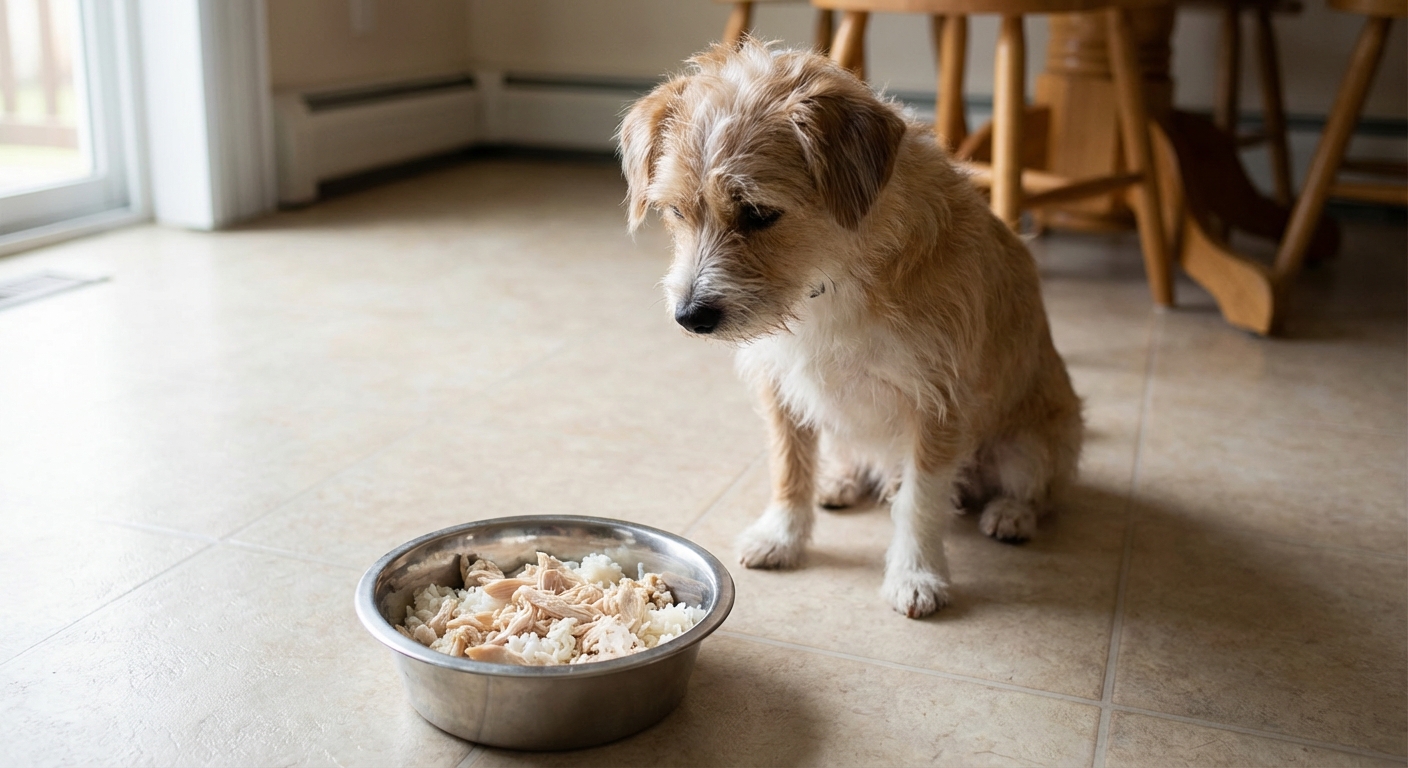
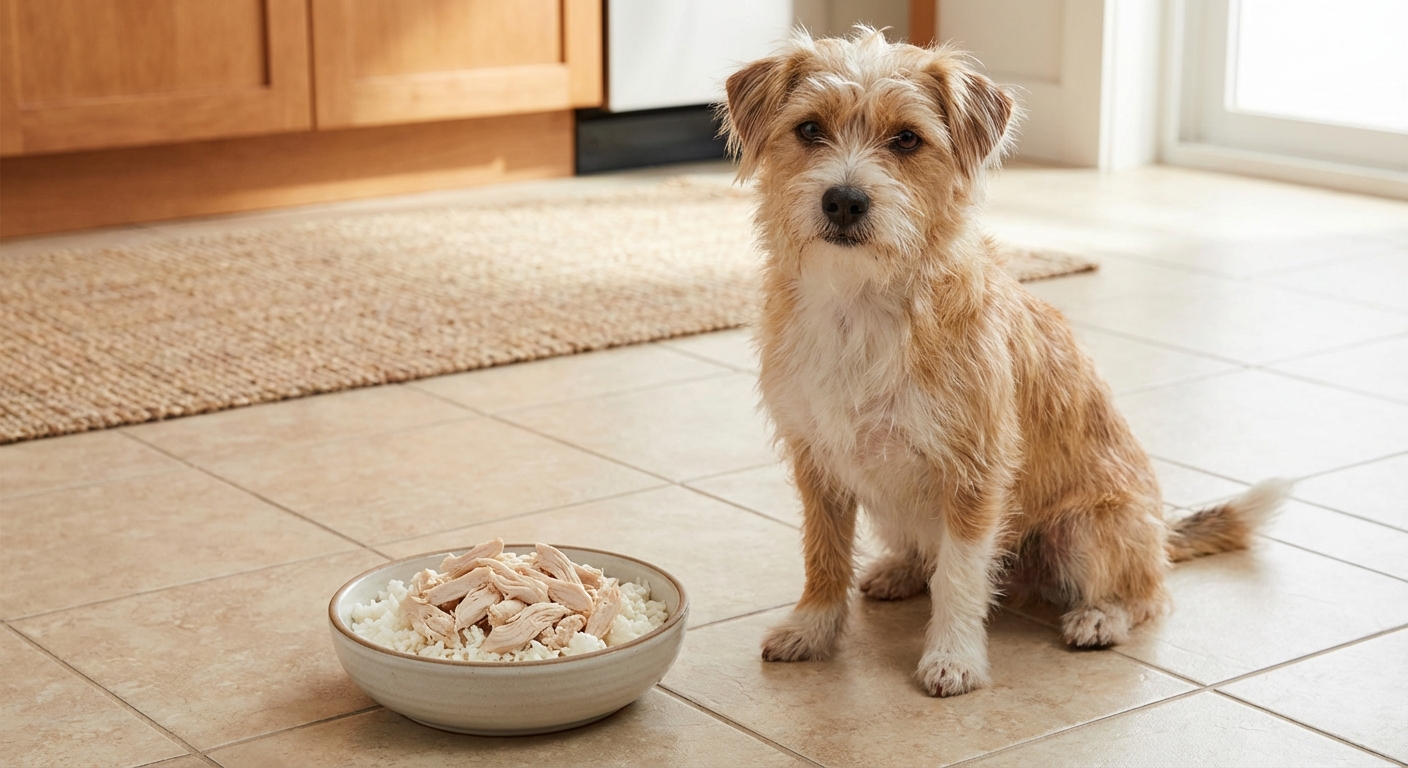
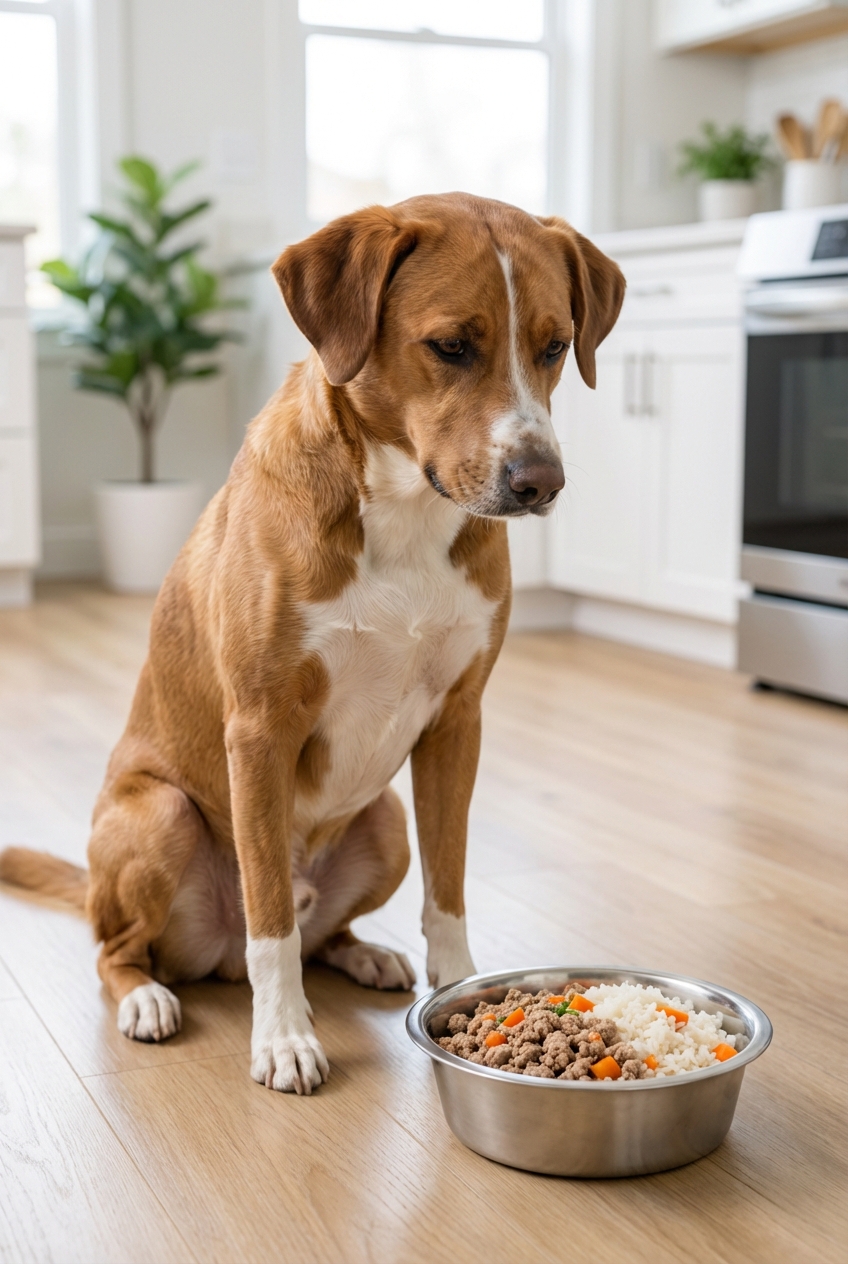
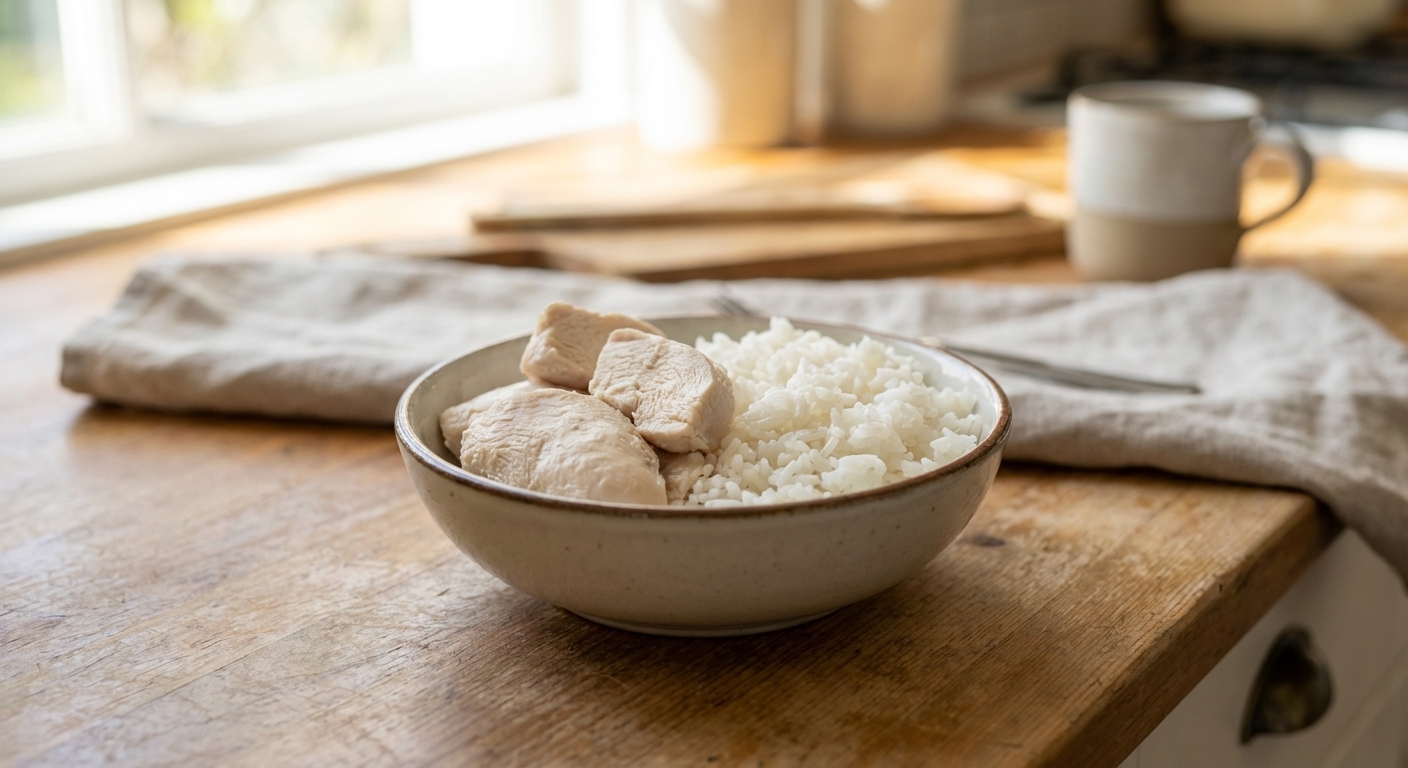
About bland diets: “Chicken and rice” style meals can be helpful short-term if your vet recommends them, but they are not complete and balanced for long-term feeding. Keep it truly plain (no butter, oils, or seasoning, and no broths that contain onion or garlic).
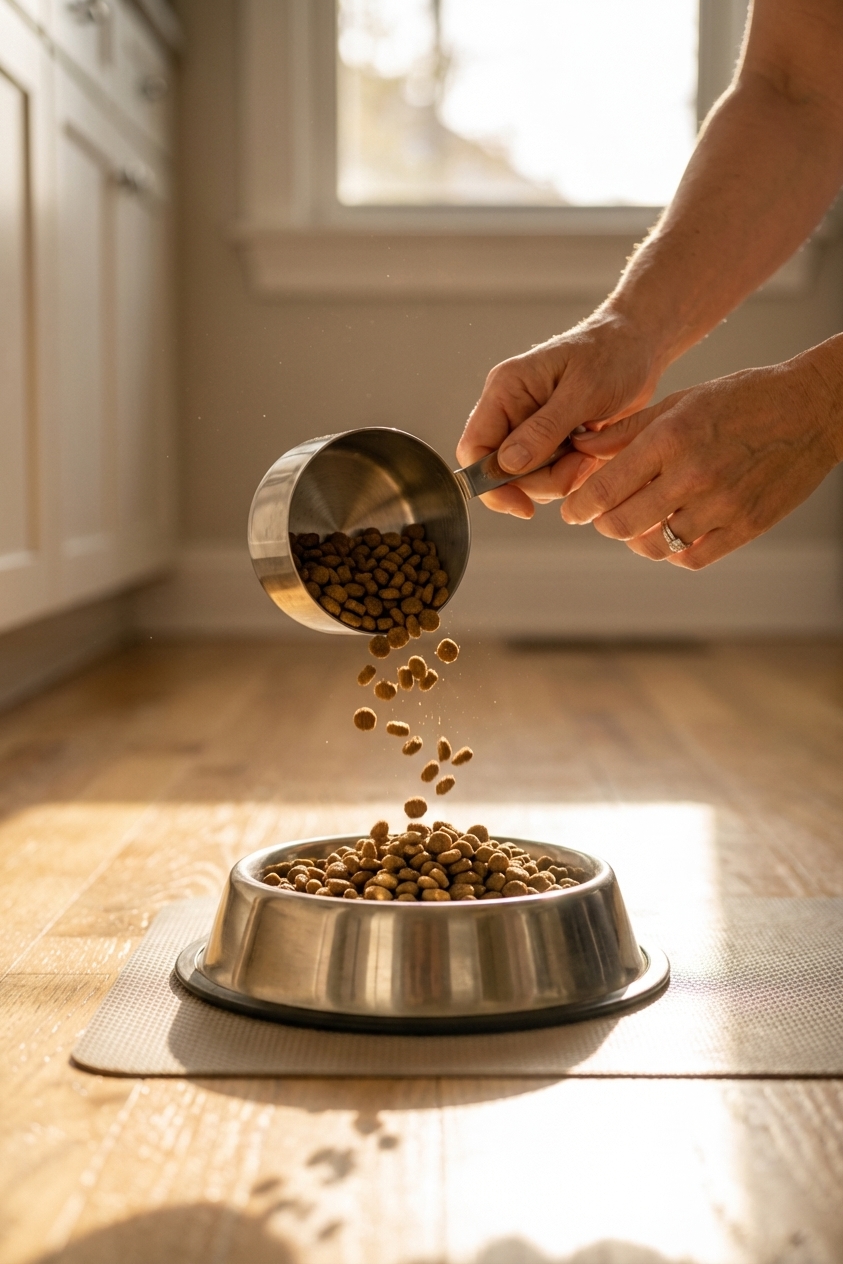
Portion and schedule: many dogs do best with 3 to 6 small meals per day during recovery. Your vet can calculate calories for your dog’s weight, body condition, and activity level. If your dog has other conditions (diabetes, kidney disease, food allergies), diet choices need extra tailoring.
Foods to avoid
When the pancreas is irritated, even a small “bonus” bite can set you back. These are the biggest problem foods I see with clients in the clinic.
Strictly avoid
- Fatty meats: bacon, sausage, hot dogs, ribs, brisket, skin-on poultry
- Fried foods and greasy leftovers
- High-fat dairy: cheese, whole milk, cream, butter, ice cream
- Oils and fats: coconut oil, olive oil “drizzles,” bacon grease, pan drippings
- Rich treats: bully sticks, many jerky treats, pig ears, marrow bones
- Table scraps and holiday foods: turkey skin, gravy, casseroles (and here in Texas, BBQ trimmings are a big one)
- High-fat peanut butter (some dogs can handle tiny amounts later, but avoid during a flare)
Also avoid because they can worsen GI upset or are unsafe
- Spicy foods or heavily seasoned foods
- Onions, scallions, chives
- Grapes and raisins
- Alcohol, xylitol-containing products, chocolate
If your dog is a “counter surfer,” this is the time to manage the environment: covered trash can, no food on coffee tables, and treats stored out of reach.
Treats (yes, you can still reward them)
You do not have to stop treats completely, but treats should be lower-fat and counted as part of daily calories. In many pancreatitis dogs, I prefer using part of the regular kibble ration as training treats.
Lower-fat treat ideas
- Pieces of their prescription or low-fat kibble
- Freeze-dried white fish treats (fat can still vary, so check the label and ingredients)
- Air-popped popcorn with no butter or oil (a few pieces)
- Baby carrots or steamed green beans
- Small bits of plain cooked chicken breast (during recovery only if tolerated)
Safer “chew” alternatives
Many chews are too fatty for pancreatitis-prone dogs. Consider:
- Vet-approved dental chews labeled for low fat
- Rubber chew toys (food-free) for enrichment
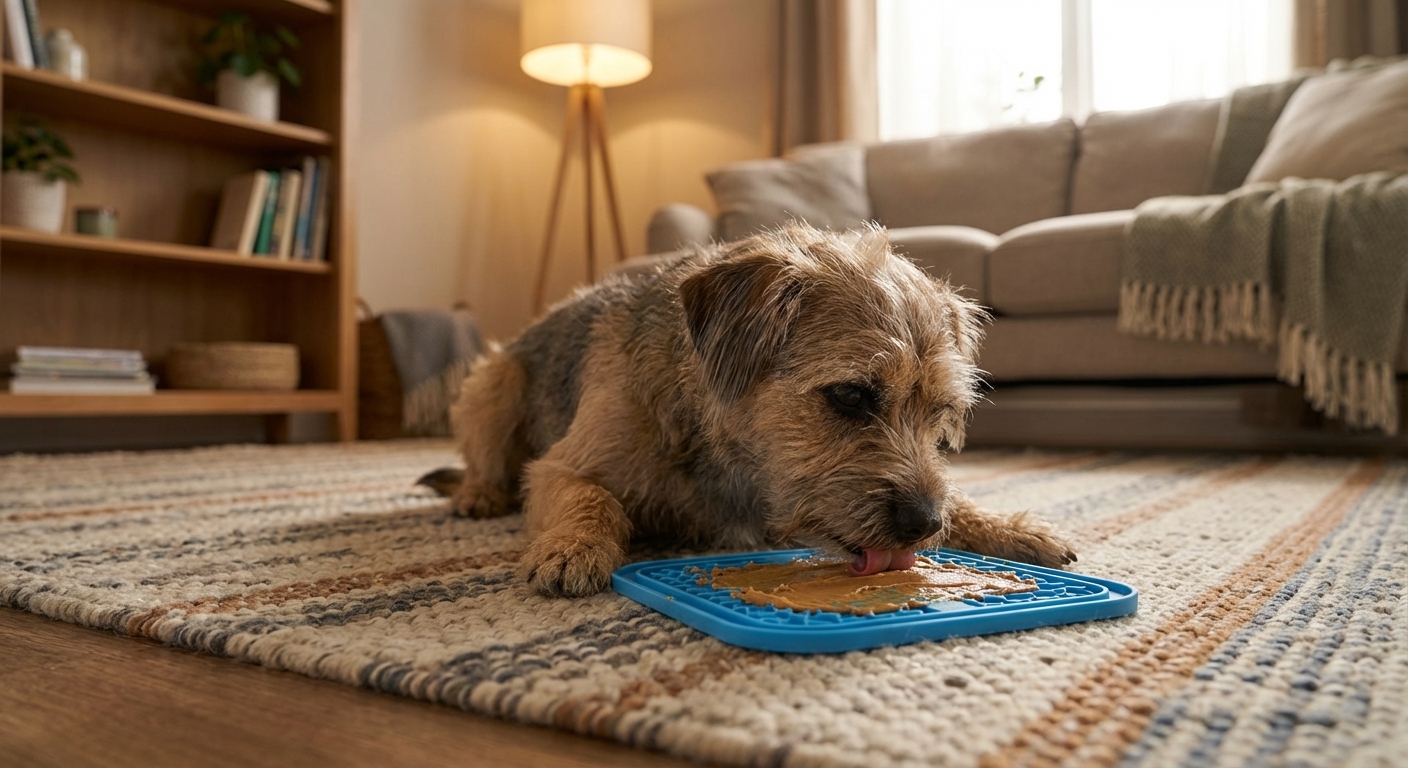
- Frozen low-fat canned prescription diet in a lick mat (if your vet okays it)
Transition after a flare-up
This is where patience really pays off. Many repeat flare-ups happen because a dog seems better and then gets a rich treat or a sudden switch back to their old food.
Step-by-step transition
- Follow your vet’s timeline: some dogs need a low-fat prescription diet long-term, especially if pancreatitis is recurrent.
- Stay consistent for several days after symptoms stop: appetite, stool, and energy should all be stable.
- Transition slowly: mix foods gradually over 7 to 14 days unless your veterinarian advises otherwise.
A gentle mixing schedule
- Days 1 to 3: 75% pancreatitis-safe diet, 25% new food
- Days 4 to 6: 50% pancreatitis-safe diet, 50% new food
- Days 7 to 9: 25% pancreatitis-safe diet, 75% new food
- Day 10+: 100% new food if no symptoms return
Watch closely: if vomiting, diarrhea, belly pain, or loss of appetite returns, pause the transition and call your veterinarian.
Long-term management
Some dogs have a single episode and never see it again. Others are sensitive for life. The long-term plan usually focuses on keeping fat exposure low and the GI tract steady.
Helpful habits
- Measure meals instead of free-feeding, and keep treat calories under control
- Choose one main diet and stick with it. Frequent brand hopping can trigger GI upset
- Keep everyone in the household on the same page about table scraps
- Maintain a lean body condition: obesity is a risk factor for many health problems
- Recheck as advised: your vet may recheck labs (including pancreatic markers) depending on the case, or they may primarily track clinical signs
Common underlying factors to discuss
- High-fat meals or sudden diet changes
- Obesity
- Hypertriglyceridemia (high blood fats)
- Certain medications
- Endocrine disease (like diabetes or Cushing’s disease)
If I could give you one simple pancreatitis takeaway, it is this: low-fat and consistent beats “fancy” every single time.
Quick FAQ
Should I feed a bland diet or a prescription diet?
For many dogs, a prescription low-fat GI diet is the most reliable choice, especially for recurrent pancreatitis. A bland diet may be used short-term in mild cases, but it is not automatically balanced for long-term feeding. Your veterinarian can guide you based on your dog’s severity and history.
Is grain-free better?
Not necessarily. The key for pancreatitis is fat control and digestibility, not whether food contains grains. Many pancreatitis-friendly diets include rice or other grains because they are gentle on the stomach.
Can my dog ever have treats again?
Often yes, but choose lower-fat treats and keep portions small. For some dogs, the safest “treat” is part of their daily kibble allowance.
Can I do homemade food?
Homemade diets can be helpful for some dogs, but pancreatitis dogs need careful fat control and complete nutrition. If you want to go homemade, ask your vet for a referral to a board-certified veterinary nutritionist so your recipe is balanced and safe.
What about water?
Fresh water should always be available. If your dog cannot keep water down, seems dehydrated, or is drinking and still acting weak, call your veterinarian. Pancreatitis can dehydrate dogs quickly.
Final word
Pancreatitis is stressful, but you are not powerless. With a lower-fat, highly digestible plan, smarter treats, and slow transitions, many dogs return to a happy, comfortable routine. If you tell your vet what your dog is currently eating and what treats are in the house, you will get a much safer plan faster.