Learn what “low fat” means for dogs, how vets set fat targets, the best lean proteins and carbs, what to avoid, and starter meal templates to review with...
Article
•
Designer Mixes
Dog Pancreatitis at Home: Tips and Facts

Shari Shidate
Designer Mixes contributor
As a veterinary assistant here in Frisco, Texas, I meet a lot of loving pet parents who feel scared the moment they hear the word pancreatitis. The good news is that many dogs do very well when pancreatitis is caught early, treated appropriately, and supported with smart, gentle at-home care.
This article is for pet lovers who want clear, evidence-based tips you can use at home, plus a few fun facts along the way. Please remember: pancreatitis can become serious fast, so home care should support your vet’s plan, not replace it.
What pancreatitis is
The pancreas is a small organ that helps with two big jobs: digestion (it releases enzymes) and blood sugar control (it releases hormones like insulin). In pancreatitis, the pancreas becomes inflamed and those digestive enzymes can activate too early, which irritates and damages nearby tissue.
Fun fact
Your dog’s pancreas is basically a behind-the-scenes kitchen helper. When it is inflamed, even normal meals can feel like too much work for the digestive system.
Common signs at home
- Vomiting, gagging, or repeated nausea (lip licking, drooling)
- Loss of appetite
- Abdominal pain (tense belly, “praying” position, reluctance to be picked up)
- Diarrhea
- Lethargy, weakness
- Fever or dehydration in more serious cases
Call your vet urgently if your dog cannot keep water down, seems painful, has repeated vomiting, collapses, has pale gums, or seems unusually weak.
Why you need a vet first
Many pancreatitis signs overlap with other problems like a GI obstruction (foreign body), severe gastroenteritis, toxin exposure, and certain hormone conditions. Pancreatitis also cannot be confirmed at home.
Your veterinarian may diagnose and rule out look-alikes using a physical exam plus bloodwork (often including a pancreatic lipase test such as cPL) and sometimes imaging like X-rays or ultrasound. That is why it is so important not to self-diagnose based on symptoms alone.
What home care means
True pancreatitis treatment often starts at the clinic, because some dogs need IV fluids, anti-nausea meds, pain control, or hospitalization. At home, your role is usually to:
- Follow the medication plan exactly (especially anti-nausea and pain meds)
- Feed a vet-approved diet that is gentle and low fat
- Support hydration as directed
- Watch for relapse signs early
- Prevent triggers, especially fatty foods and sudden diet changes
Think of it like this: your vet stabilizes the situation, and your home routine helps keep the pancreas calm while it heals.
At-home care checklist
1) Meds
If your vet prescribed medications, they are there for a reason. Pancreatitis is typically managed with a multi-step plan that may include fluids, anti-nausea medication, and pain control. Dogs can be painful even if they are not crying. Pain can look like hiding, restlessness, panting, or refusing food.
- Give meds on schedule. Set phone alarms.
- Ask your vet what to do if your dog vomits after a dose.
- Never add human pain medications. Many are dangerous for dogs.
2) Hydration
Dehydration makes pancreatitis harder on the body. Only offer oral water or foods if your vet has said your dog is safe to drink and eat. If your dog is allowed to drink, frequent small amounts often work best.
- Water offered every 1 to 2 hours in small sips
- Ice chips only if your vet says it is okay (some dogs vomit with these)
- Low-sodium broth only if approved and onion and garlic free, and truly low fat (some broths hide fat and can upset the pancreas)
Red flag: If your dog cannot keep water down, that is not a “wait and see” moment. Call your vet.
3) Food
Nutrition matters a lot, but it is not the only piece. In many cases, once nausea and pain are controlled, your vet will encourage early, gentle feeding when tolerated. Please do not fast your dog unless your veterinarian specifically tells you to. Fasting is not a safe DIY plan, especially if your dog is small, senior, or has other health issues.
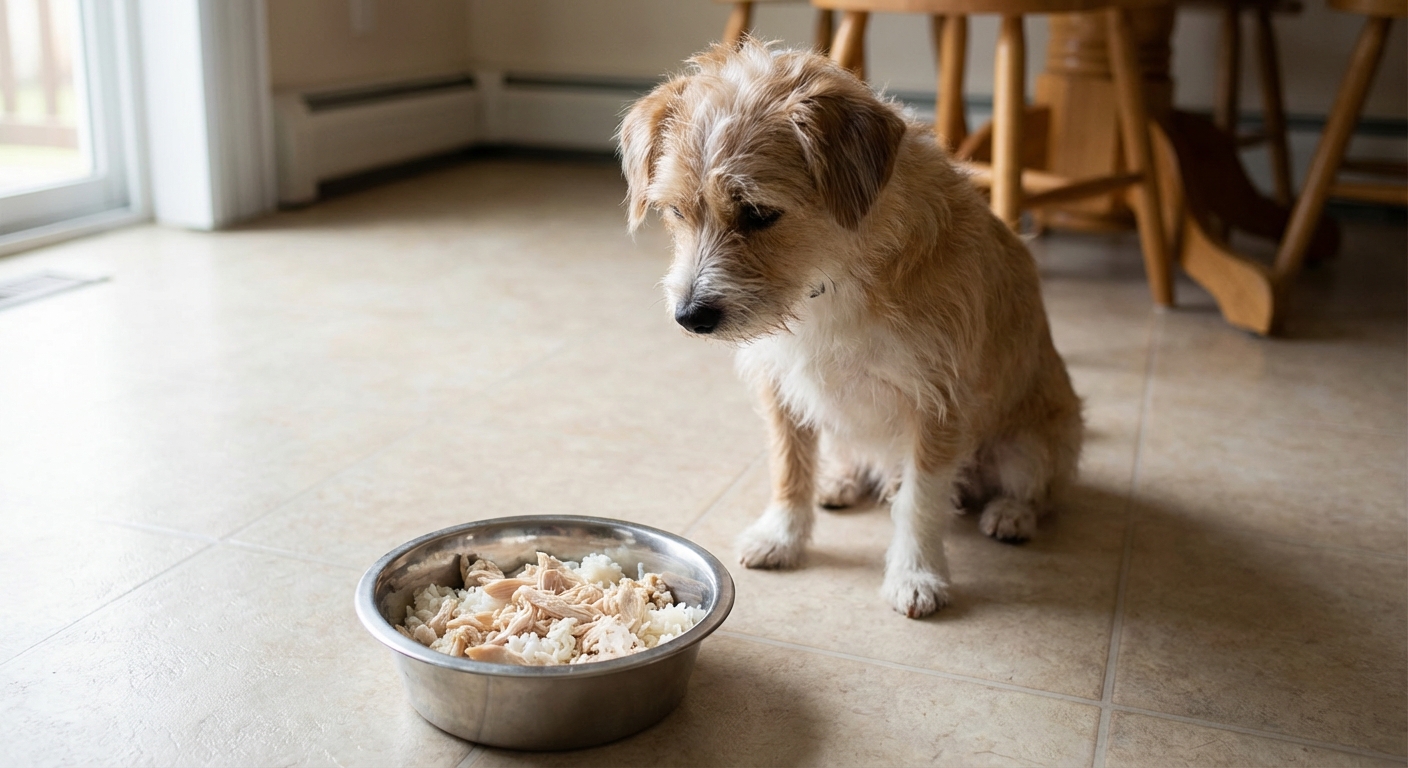
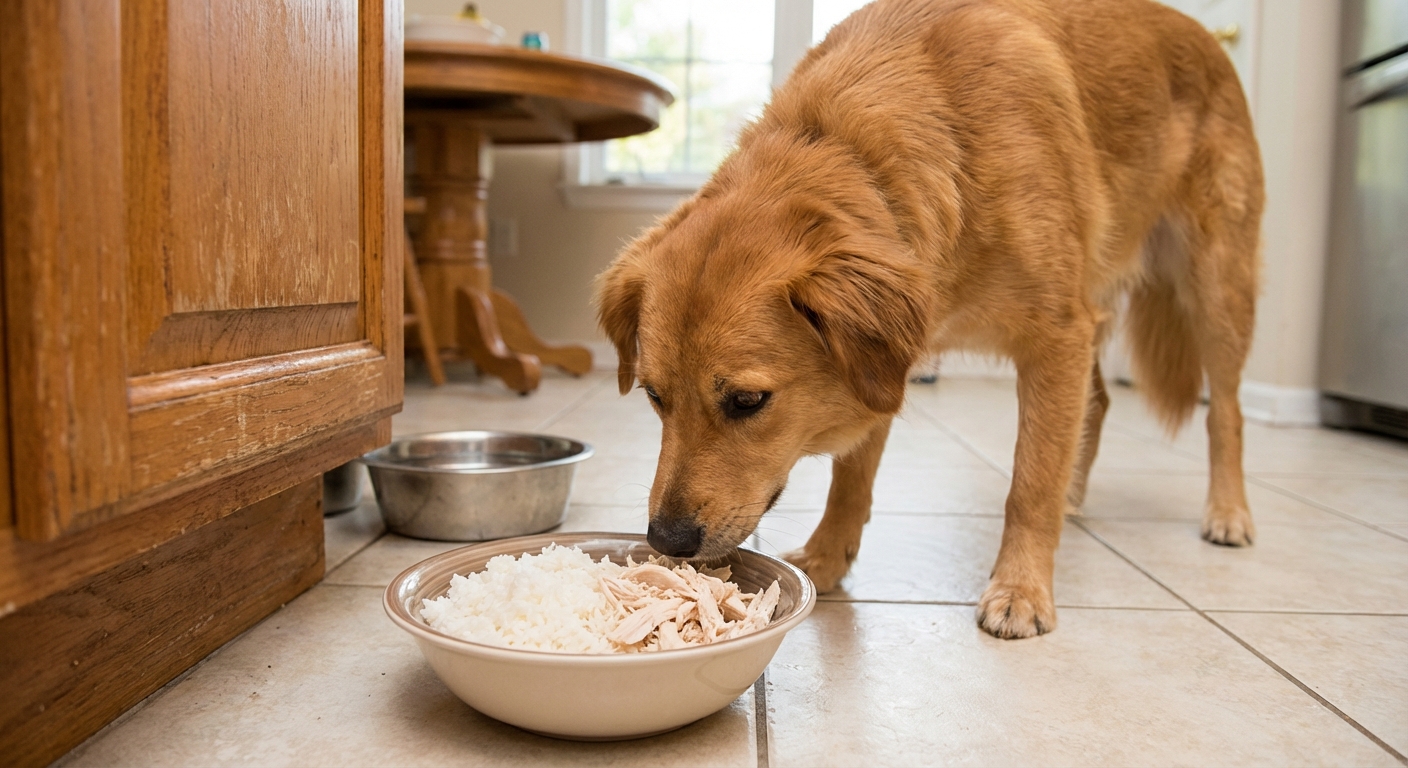
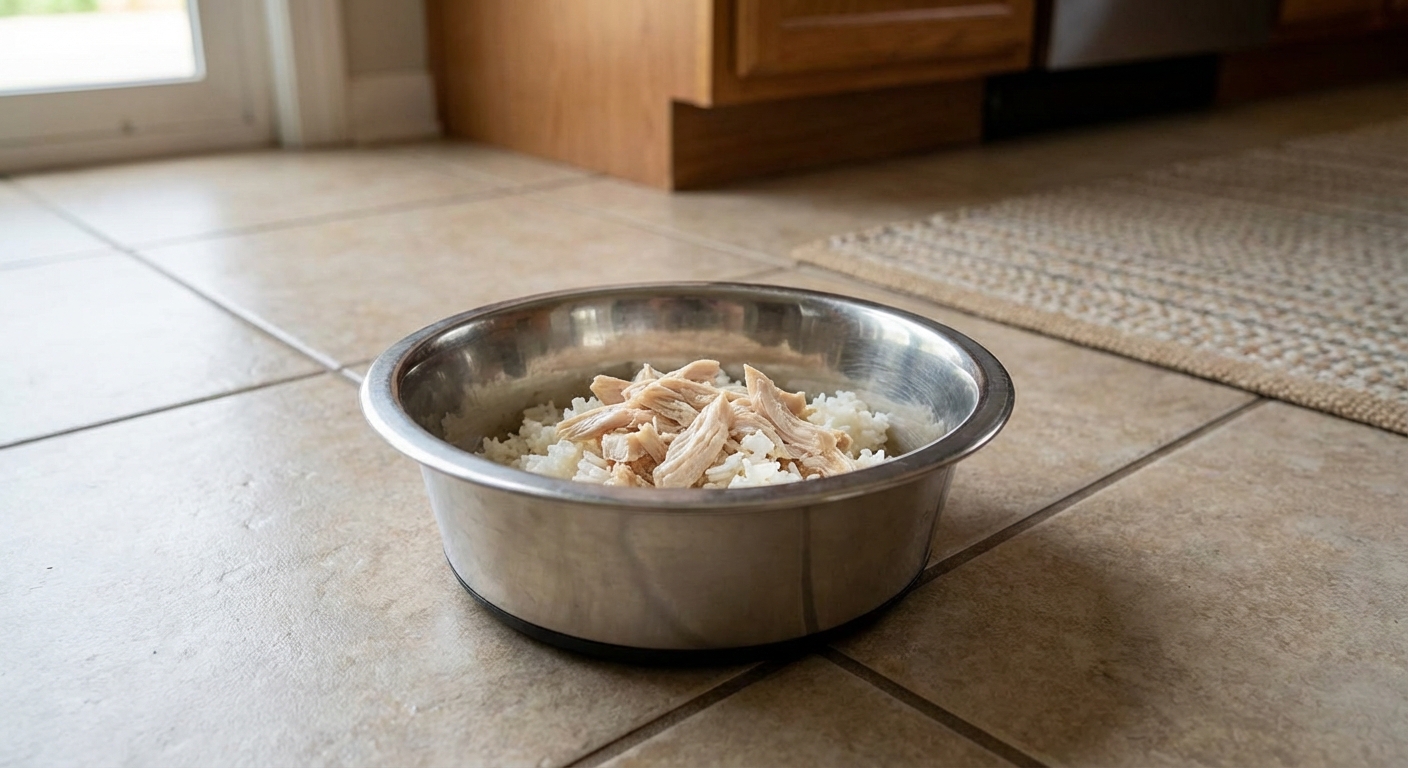
Most dogs do best with low-fat, highly digestible food. Your vet may recommend a prescription GI low-fat diet, a specific commercial low-fat option, or a short-term bland plan.
General feeding tips many vets use:
- Small, frequent meals instead of one or two big meals
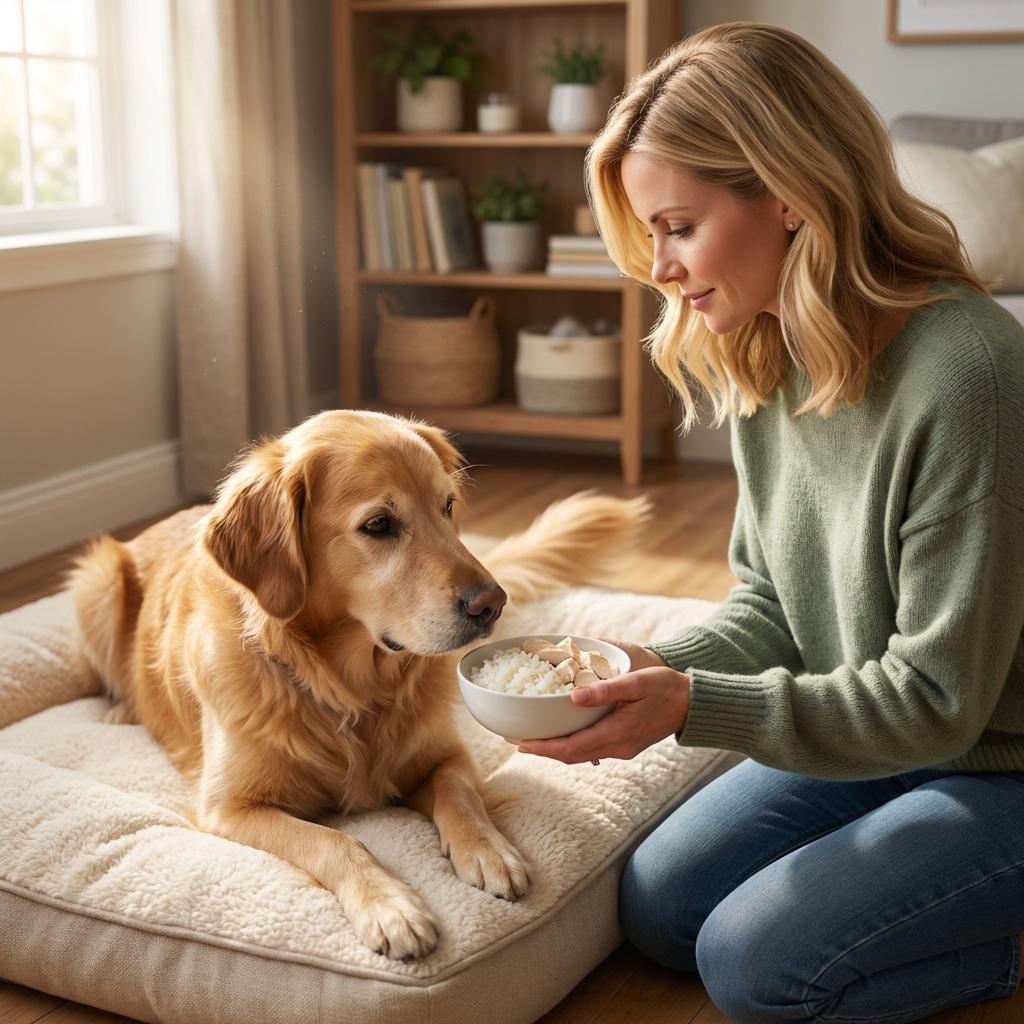
- Warm food slightly to improve aroma (not hot)
- Keep treats minimal and approved
- Do not “test” rich foods again too soon
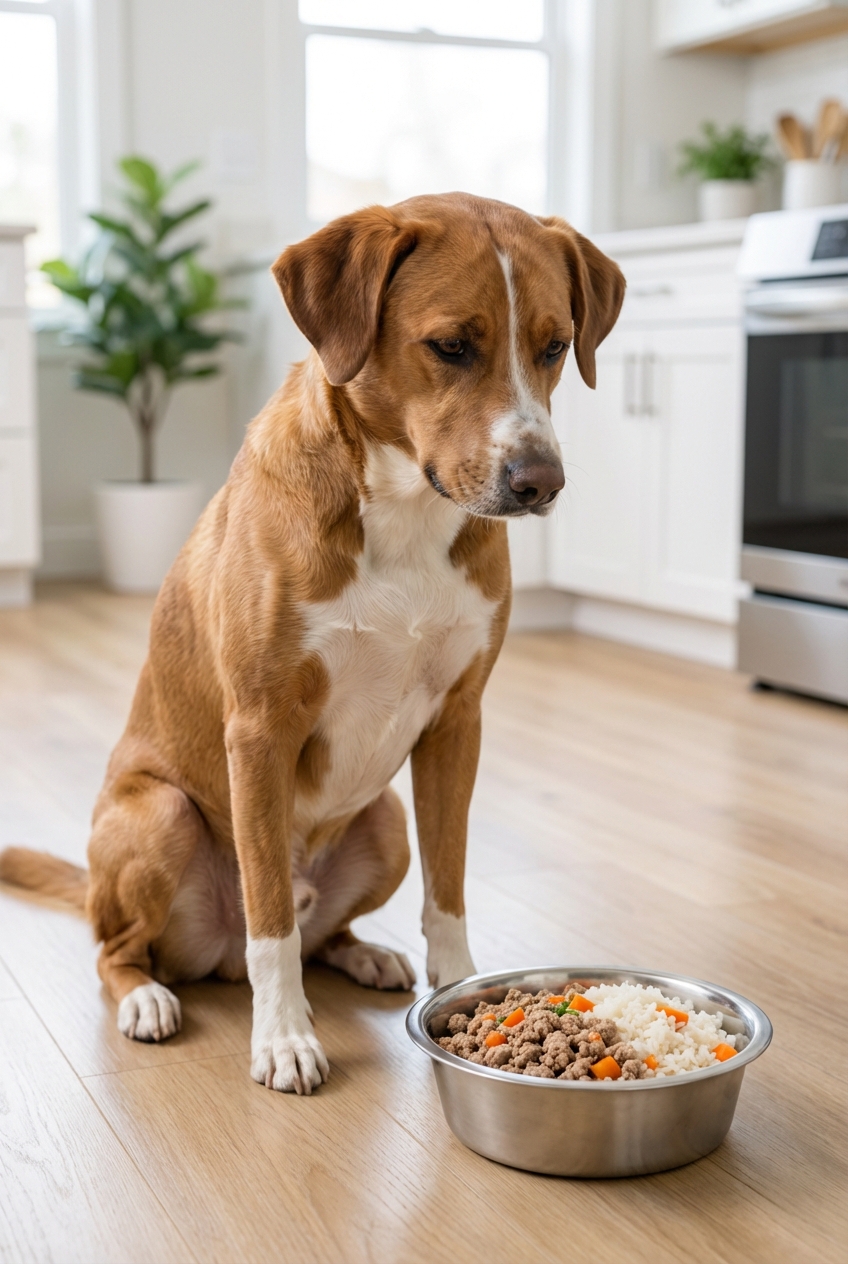
Quick low-fat note: Not all “bland” foods are low fat. Chicken thighs, chicken skin, many ground meats, and greasy leftovers can be too rich. If your vet recommends a bland plan, ask which specific proteins and preparation methods are best for your dog.
4) Rest and comfort
Inflammation takes energy to resolve. Encourage rest, short leash potty breaks, and a calm environment. If your dog seems uncomfortable, notify your vet. Pain control is part of treatment, not an optional extra.
5) Symptom tracking
You do not need fancy equipment. A notes app works great. Track:
- Appetite (eating all, eating some, refusing)
- Vomiting (how many times, when, what it looked like)
- Stool quality
- Energy level
- Medications given and time
This helps your vet make better, faster decisions if things change.
What to avoid
Here are the big “please do not” items I wish every pet parent knew:
- Fatty foods: bacon, sausage, brisket fat, fried foods, cheese cubes, buttery leftovers
- People food surprises: holiday scraps, potluck plates, “just one bite” moments
- Sudden diet changes without guidance
- High-fat treats (including some peanut butters, bully sticks, and certain biscuits)
- Table scraps, even if your dog looks pitiful
Fun fact
In some dogs, even one high-fat meal may be enough to trigger a flare-up. It is not about how much your dog “deserves it”. It is about how hard the pancreas has to work.
Diet tips that stick
Once your dog is stable, your vet will guide you on the best long-term plan. For many dogs, the sweet spot is:
- Consistent low-fat nutrition
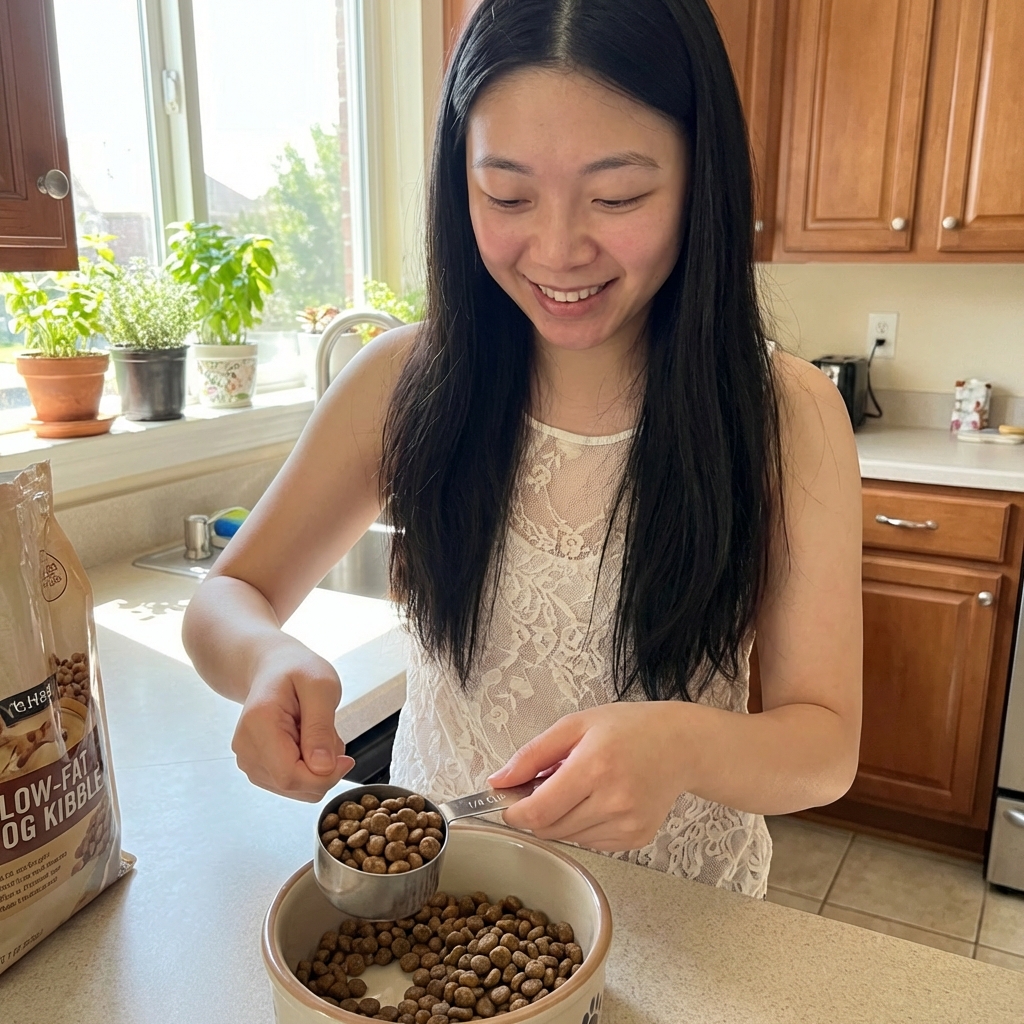
- Measured portions to prevent obesity (extra weight is associated with higher risk)
- Limited treats and all treats counted as calories
Some dogs also have other conditions that can increase pancreatitis risk, like diabetes or Cushing’s disease, and sometimes other endocrine issues. Your veterinarian can help you figure out what applies to your dog.
If you are interested in homemade food, talk with your veterinarian or a board-certified veterinary nutritionist first. Pancreatitis-friendly homemade diets typically need careful fat control and proper vitamin and mineral balance. “Bland” is not the same thing as “complete and balanced” long-term.
When to call the vet
Please contact your veterinarian right away if you notice:
- Repeated vomiting or retching
- Refusing food, especially if nausea or pain seems present (many dogs should be checked sooner than 24 hours)
- Abdominal pain, crying, a hunched posture, or reluctance to move
- Diarrhea that is severe, bloody, or persistent
- Weakness, collapse, or pale gums
- Signs of dehydration (sticky gums, sunken eyes, very dark urine)
Pancreatitis can come with complications, and quick support can make all the difference.
Preventing flare-ups
Some dogs get one episode and never have another. Others are more sensitive and need a long-term strategy. Helpful prevention steps include:
- Keep a low-fat treat list on your fridge so everyone in the house follows the same rules
- Use treat alternatives like a piece of their prescription kibble or vet-approved low-fat treats
- Maintain a lean body condition with portion control and steady exercise once cleared
- Secure trash and counters because “trash buffet” is a real pancreatitis trigger
- Slow transitions when changing foods, unless your vet says otherwise
Gentle, consistent routines are the best gift you can give a pancreas that has been through inflammation.
Quick FAQ
Can I treat pancreatitis at home without a vet?
It is risky. Many dogs need prescription medications, pain control, and sometimes IV fluids. If you suspect pancreatitis, start with your veterinarian.
How long does recovery take?
Mild cases can improve in a few days with proper care, but some dogs take longer. Severe cases can require hospitalization and a longer recovery period. Your vet can give the most accurate timeline based on exam findings, lab work, and symptoms.
Is fatty food the only cause?
No. Fatty meals are a common trigger, but other factors can contribute, including obesity, certain medications, underlying disease, and individual sensitivity.