
Dog Pacing at Night

It can be so unsettling to hear the quiet of the house, then realize your dog is up again. Back and forth. Room to room. A little panting. Maybe a whine. Night pacing is one of those symptoms that can mean several different things, and the most helpful question is not “Why won’t my dog sleep?” but “What pattern is my dog showing, and what else is happening with it?”
As a veterinary assistant, I can tell you this: your observations are often the fastest path to answers. Pacing is a unifying symptom that shows up with pain, anxiety, canine cognitive dysfunction (CCD), stomach upset, and a few other medical issues. This article will help you sort through the most common possibilities and know what to log before you call your veterinarian.
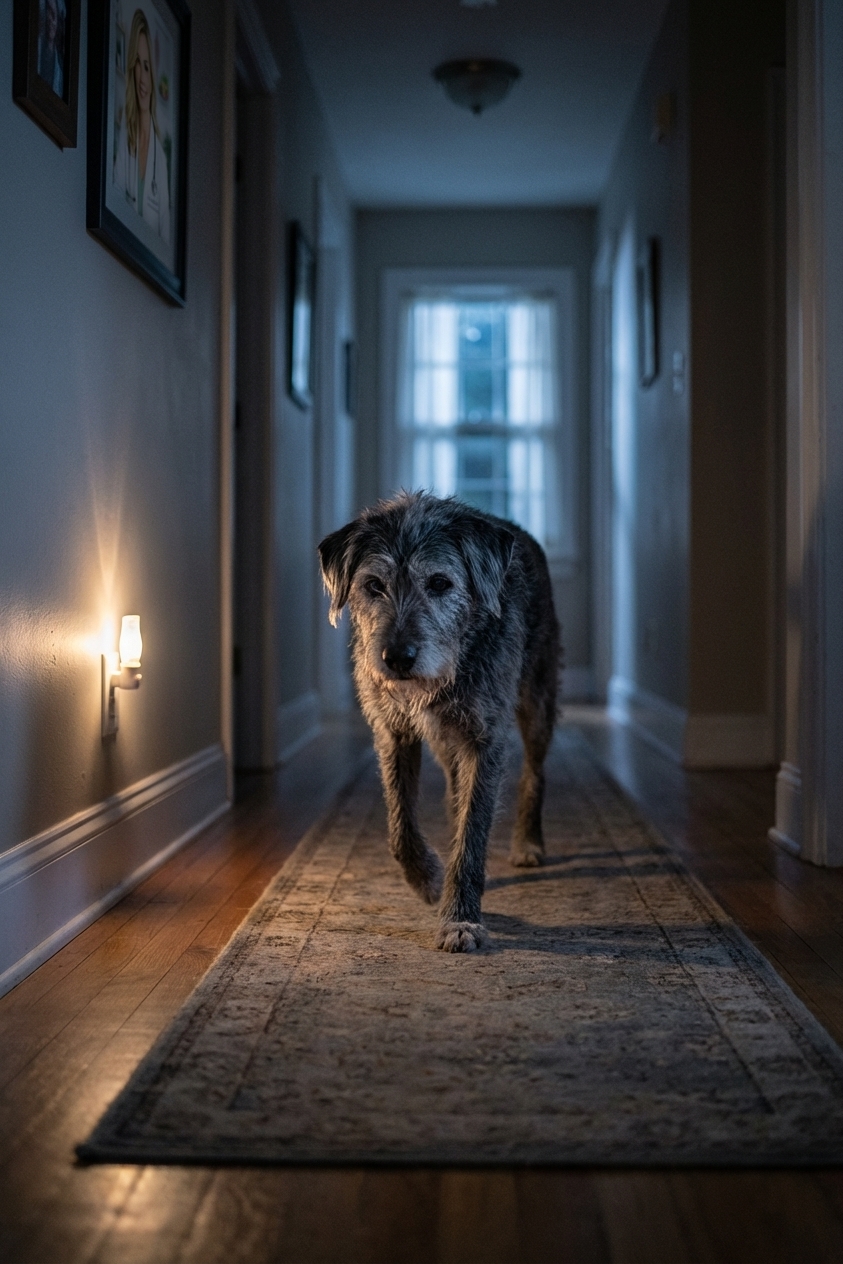
When night pacing is an emergency
Most pacing is not an emergency, but there are situations where you should seek urgent care right away.
- Unproductive retching, a swollen belly, drooling, or distress can be a sign of bloat (GDV). This is most common in deep-chested breeds (like Great Danes, Standard Poodles, Dobermans), but it can happen in any breed.
- Repeated vomiting, vomiting blood, black tarry stool, or severe diarrhea.
- Collapse, weakness, pale gums, or trouble breathing.
- Severe pain signs such as crying out, trembling, refusing to move, or a suddenly hunched posture.
- New neurologic signs such as stumbling, head tilt, seizures, or sudden confusion paired with pacing.
If you are unsure, call an emergency clinic and describe exactly what you see. Your calm, specific description helps the team triage your dog safely.
Common reasons dogs pace at night
Think of pacing like a “body language alarm.” Dogs pace when they are uncomfortable, unsettled, or trying to meet an unmet need. The most common causes I see fall into four buckets: pain, anxiety, CCD, and GI discomfort. A little farther down, I will also cover a few other medical and environmental causes worth keeping on the list.
Pain and discomfort
Night can be when pain shows up the loudest. During the day, your dog may be distracted by activity. At night, when they try to settle, they cannot find a comfortable position, so they get up and walk around.
Clues that point toward pain
- Restlessness that gets worse after an active day.
- Stiffness when rising, especially in the morning.
- Difficulty doing stairs or jumping onto the bed or couch.
- Licking or chewing at a joint.
- Hunched posture or guarding the abdomen or back.
- Shifting weight, “standing and staring,” then walking again.
Arthritis is common, but it is not the only pain source. Lower back pain, neck pain, hip dysplasia, cruciate issues, and even muscle strain can all look like nighttime restlessness. Flank pain can also show up as pacing and difficulty getting comfortable. It may be related to urinary or kidney issues such as a UTI, bladder stones, or kidney infection. These are worth prompt evaluation, especially if you also notice frequent urination attempts, blood in urine, straining, or accidents.
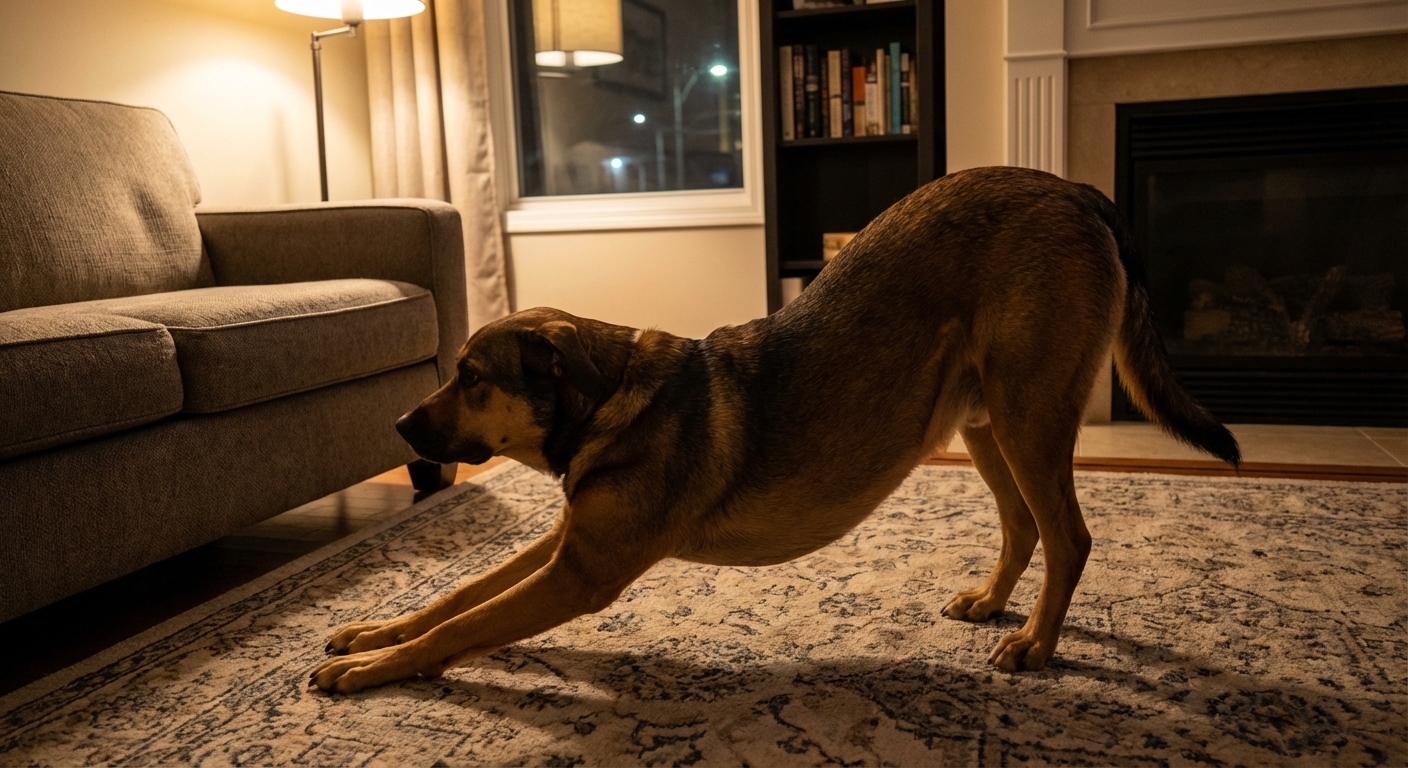
What helps while you wait for the vet
- Never give human pain meds (ibuprofen, naproxen, acetaminophen, aspirin, etc.) unless your veterinarian has specifically prescribed or directed it. Many common options are toxic, and even “sometimes used” medications can be dangerous at the wrong dose.
- Offer a supportive sleep setup: thick orthopedic bed, non-slip rug path, and easier access to water.
- Keep activity gentle and steady during the day. Big weekend bursts can worsen nighttime pain.
- If your dog is already prescribed pain medication, note whether the restlessness happens when the dose is wearing off. That timing is useful for your veterinarian.
Your vet may discuss a multimodal plan: weight management, appropriate pain control, joint supplements, physical therapy, and sometimes imaging if the pattern suggests spine or nerve pain.
Anxiety
Some dogs pace at night because their nervous system is “on.” This can happen with separation-related distress, changes in routine, a new home, a new baby, a recent move, or even a new pet.
Clues that point toward anxiety
- Pacing with panting even when it is not hot.
- Following you from room to room or checking on family members.
- Yawning, lip licking, trembling, pinned ears, or wide eyes.
- Increased alertness to outdoor sounds, sudden startles.
- Night pacing that spikes during storms, fireworks, or windy nights.
Dogs can also develop a learned pattern where nighttime becomes a worry loop. They get up, cannot settle, feel more keyed up, and it repeats.
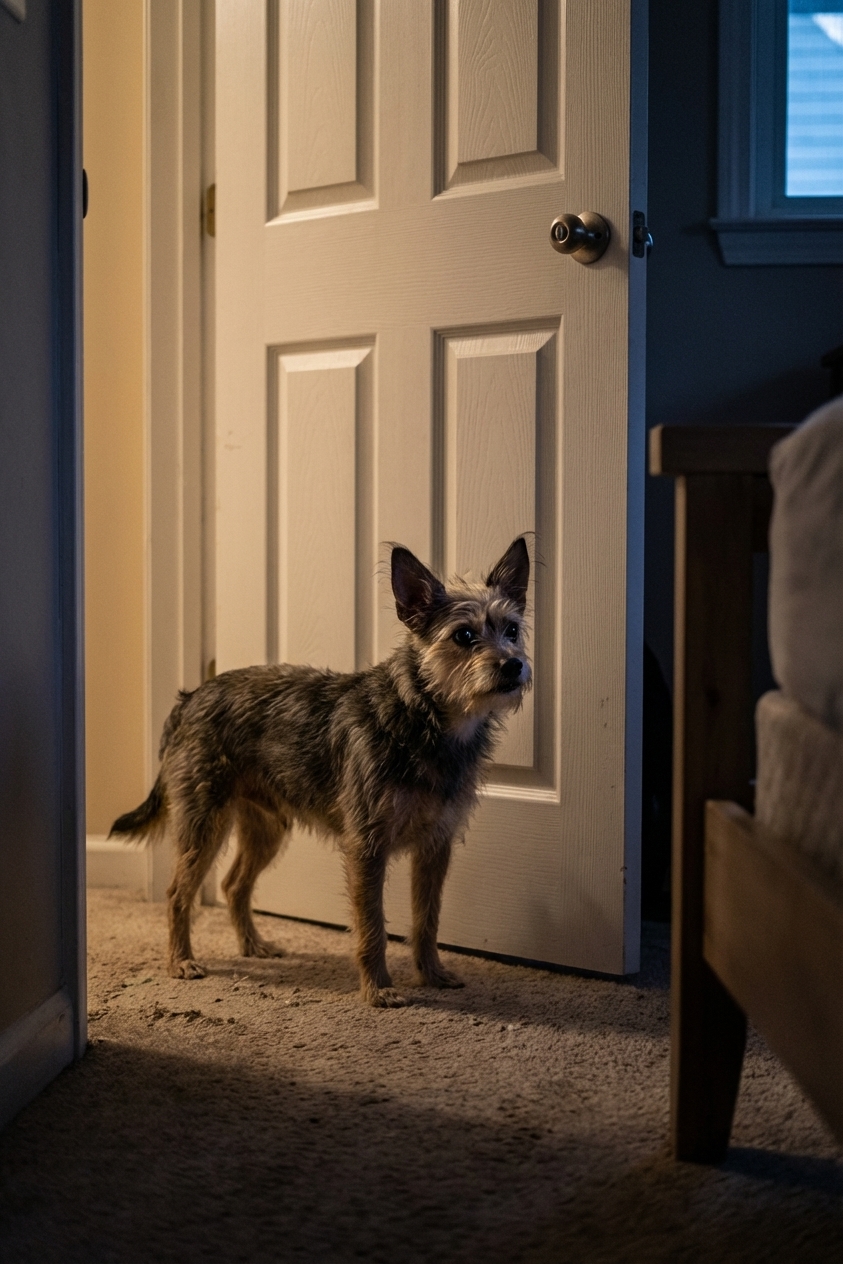
Supportive steps that often help
- Keep a predictable bedtime routine: last potty break, lights, white noise, then sleep.
- Try white noise or a fan to soften outside sounds.
- Create a cozy “den” sleep space, or let your dog sleep near you if that safely reduces distress.
- Increase daytime enrichment: sniff walks, food puzzles, training games. A tired brain settles better.
- Ask your vet about evidence-based calming supports. Depending on your dog, this may include pheromone products, behavior medication, or referral to a veterinary behaviorist.
Canine cognitive dysfunction (CCD)
CCD is sometimes called “dog dementia.” One of the most classic patterns is sundowning, meaning symptoms get worse in the evening and overnight. Dogs may pace, stare at walls, get stuck behind furniture, seem confused about familiar rooms, or vocalize at night.
Clues that point toward CCD
- Pacing that is most intense at night, with daytime sleepiness.
- Staring into space, getting “stuck” in corners, or trouble navigating.
- New accidents in the house even with normal potty access.
- Changes in social interaction: clingier or more distant.
- Sleep-wake cycle changes: sleeping all day, awake at night.
CCD is not just “normal aging,” and it is worth discussing early. Many medical conditions can mimic it, including pain, hypothyroidism, brain disease, vision or hearing loss, and urinary issues. That is why a vet workup matters.
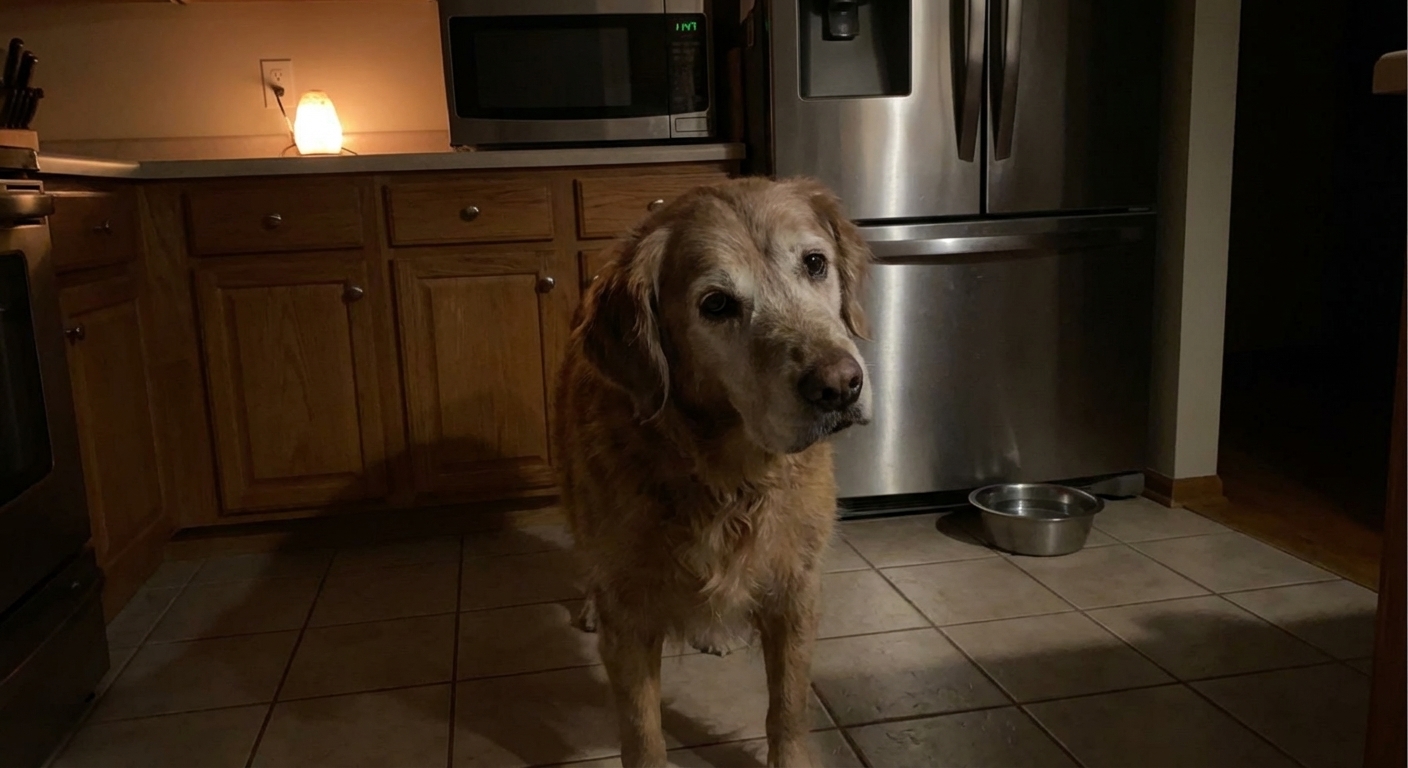
What you can do at home
- Keep pathways clear and add nightlights to reduce disorientation.
- Maintain a consistent schedule for meals, walks, and bedtime.
- Ask your veterinarian about therapies that may help, including prescription options, targeted diets, and supplements with clinical support.
- Log symptoms using a simple checklist. Patterns help your vet separate CCD from other causes.
If you are reading about CCD elsewhere, keep this in mind: not every night pacer has CCD, but it is important to keep on the list for seniors, especially when pacing comes with confusion and disrupted sleep.
GI discomfort
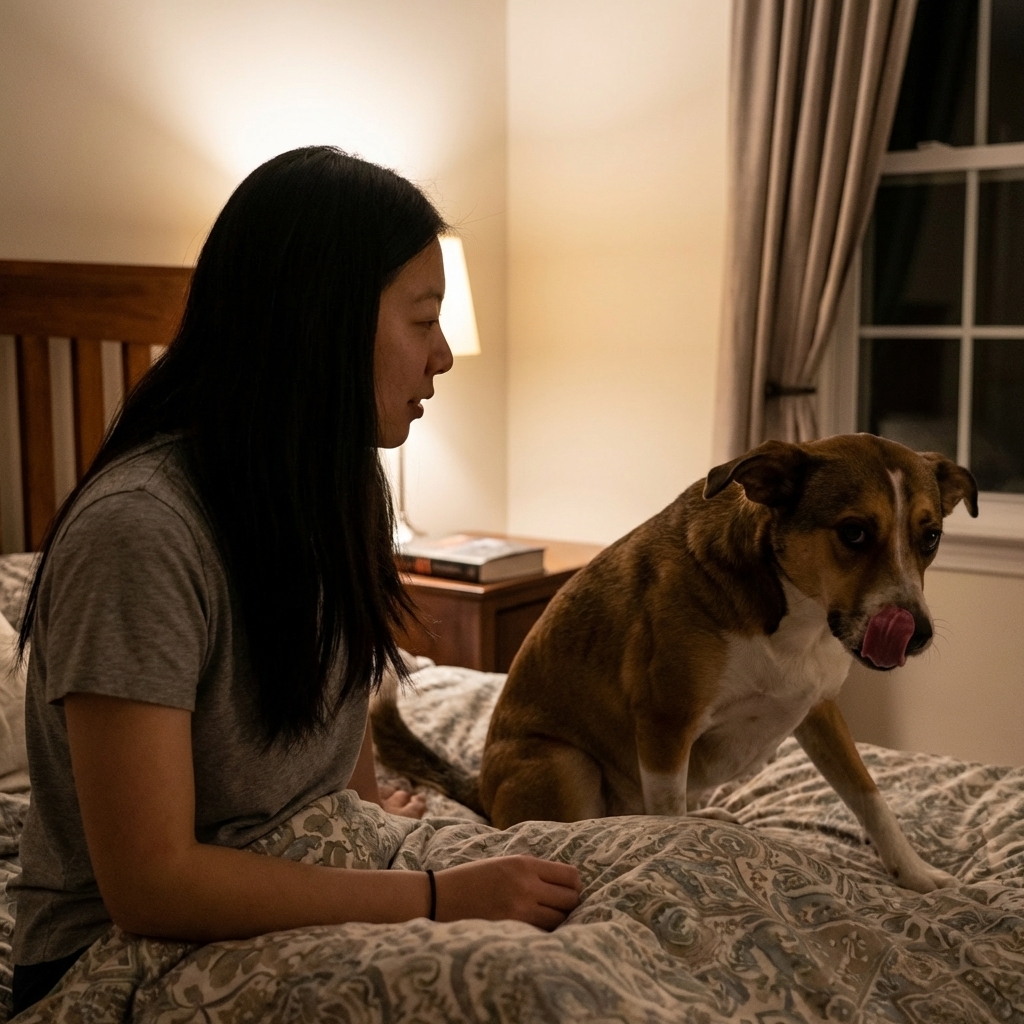
One of the most overlooked reasons dogs pace at night is nausea or stomach discomfort. Dogs cannot tell us “I have heartburn,” but they can show us restlessness, lip licking, gulping, and getting up repeatedly.
Clues that point toward GI discomfort
- Lip licking, swallowing, drooling, or gulping.
- Eating grass, seeking carpet to lick, or trying to eat unusual things.
- Waking suddenly and pacing, then settling after a small snack.
- Burping, gurgling belly sounds, or passing gas.
- Night pacing paired with early morning bile vomit (yellow foam).
Some dogs seem more uncomfortable when they lie flat, and some have an “empty stomach” pattern where symptoms can show up overnight. These patterns can happen with reflux or bilious vomiting syndrome, but they are not the only possibilities, so it is smart to let your vet rule out other GI causes.
What to discuss with your veterinarian
- Meal timing and whether a small, vet-approved bedtime snack could help.
- Diet history, treats, table scraps, and any recent food changes.
- Whether testing is needed for pancreatitis, parasites, food intolerance, or other GI disease.
- Safe use of anti-nausea or acid-reducing medications, only under veterinary guidance.
Other causes to keep on the list
Sometimes night pacing does not fit neatly into one bucket. These are a few other common contributors veterinarians think about, especially if your dog is also panting, waking often, or needing to go outside more.
- Heart or respiratory disease: Dogs with conditions like congestive heart failure can pace or pant at night because lying flat may make breathing harder. You might notice coughing, faster breathing at rest, or reduced stamina. Any breathing concern warrants prompt veterinary advice.
- Endocrine or metabolic disease: Diabetes or Cushing’s disease can cause increased thirst and urination, which can drive nighttime waking and restlessness.
- Itch and skin discomfort: Allergies, fleas, or ear infections can keep a dog from settling. Look for scratching, chewing paws, shaking ears, or rubbing the face.
- Medication side effects: Steroids (like prednisone) and some other medications can increase thirst, hunger, urination, and restlessness.
- Heat or poor ventilation: If the room is warm, panting and pacing can be as simple as discomfort. Consider a cooler sleep area, a fan, and fresh water access.
What to log before your vet visit
If you take only one thing from this article, let it be this: night pacing becomes much easier to diagnose when we can see the pattern. A short log for 3 to 7 nights can be incredibly useful.
Your simple pacing log
- Time it starts and how long it lasts.
- Where your dog walks (hallway, by the door, near you, near water bowl).
- Body language: panting, trembling, ears back, whining, staring, licking lips, drooling.
- Position changes: attempts to lie down then popping back up.
- Appetite and stools that day and the next morning.
- Water intake and any nighttime urgency to go out.
- Triggers: storms, fireworks, guests, schedule change, new medication, more exercise than usual, hot room.
- Relief: did a potty break help, did a snack help, did moving beds help, did being near you help?
If possible, take a short video. In clinic, a 20-second clip can answer questions we would otherwise have to guess at.
Comfort tips for tonight
While you are scheduling a veterinary visit or gathering your log, these supportive steps are usually safe and can improve sleep for everyone.
- Potty break right before bed, then keep lights low and stimulation minimal.
- Orthopedic bed and a warm, quiet sleep spot away from drafts.
- Nightlights for senior dogs or dogs who seem disoriented.
- White noise to reduce sound-triggered pacing.
- Gentle evening routine: slow sniff walk, calm interaction, then bed.
- Cool, comfortable room with fresh water if panting seems worse in a warm space.
Avoid self-treating with over-the-counter human products unless your veterinarian gives you a clear plan. Many “common” medications are dangerous for dogs.
Questions your vet may ask
Here are a few common questions we ask because the answers point us toward pain, anxiety, CCD, GI discomfort, and other medical contributors.
- How old is your dog, and when did the pacing start?
- Is the restlessness new or gradually worsening?
- Any vomiting, diarrhea, appetite change, or lip licking?
- Any coughing, faster breathing at rest, or reduced exercise tolerance?
- Any new accidents in the house or increased thirst?
- Any stiffness, limping, or trouble with stairs or jumping?
- Does your dog settle better near you, or is the pacing constant?
- Any new medications, supplements, or diet changes?
Your veterinarian may recommend an exam, bloodwork, urinalysis, fecal testing, x-rays, or a pain trial depending on what your dog’s story suggests.
The bottom line
Night pacing is not a diagnosis. It is a clue. The most common underlying reasons are pain, anxiety, canine cognitive dysfunction, and GI discomfort, and sometimes more than one is happening at once, especially in senior dogs. Heart and respiratory disease, itch, endocrine disorders, medication side effects, and simple environmental discomfort can also play a role.
You do not have to figure it out alone. Start a short log, capture a quick video if you can, and bring those details to your vet. With the right information, we can usually move from restless nights to a plan that helps your dog feel comfortable again.