Turn chicken and rice into a more balanced homemade dog meal with veggies, calcium carbonate, and omega-3s. Includes gram weights, portion guidance, swaps, a...
Article
•
Designer Mixes
Dog Not Eating or Drinking: What to Do

Shari Shidate
Designer Mixes contributor
When a dog suddenly stops eating or drinking, it can feel scary and confusing. As a veterinary assistant, I can tell you this is one of the most important changes to take seriously. Sometimes it is stress or a mild stomach upset. Other times it is pain, infection, or something that needs urgent care.
This guide will help you figure out what to do next, what you can safely try at home, and when it is time to contact your veterinarian right away.
Quick note: This article is dog-specific and is not a substitute for a veterinary exam or diagnosis. If symptoms worsen or you are unsure, call your veterinarian or an emergency clinic for guidance.
Check for emergencies
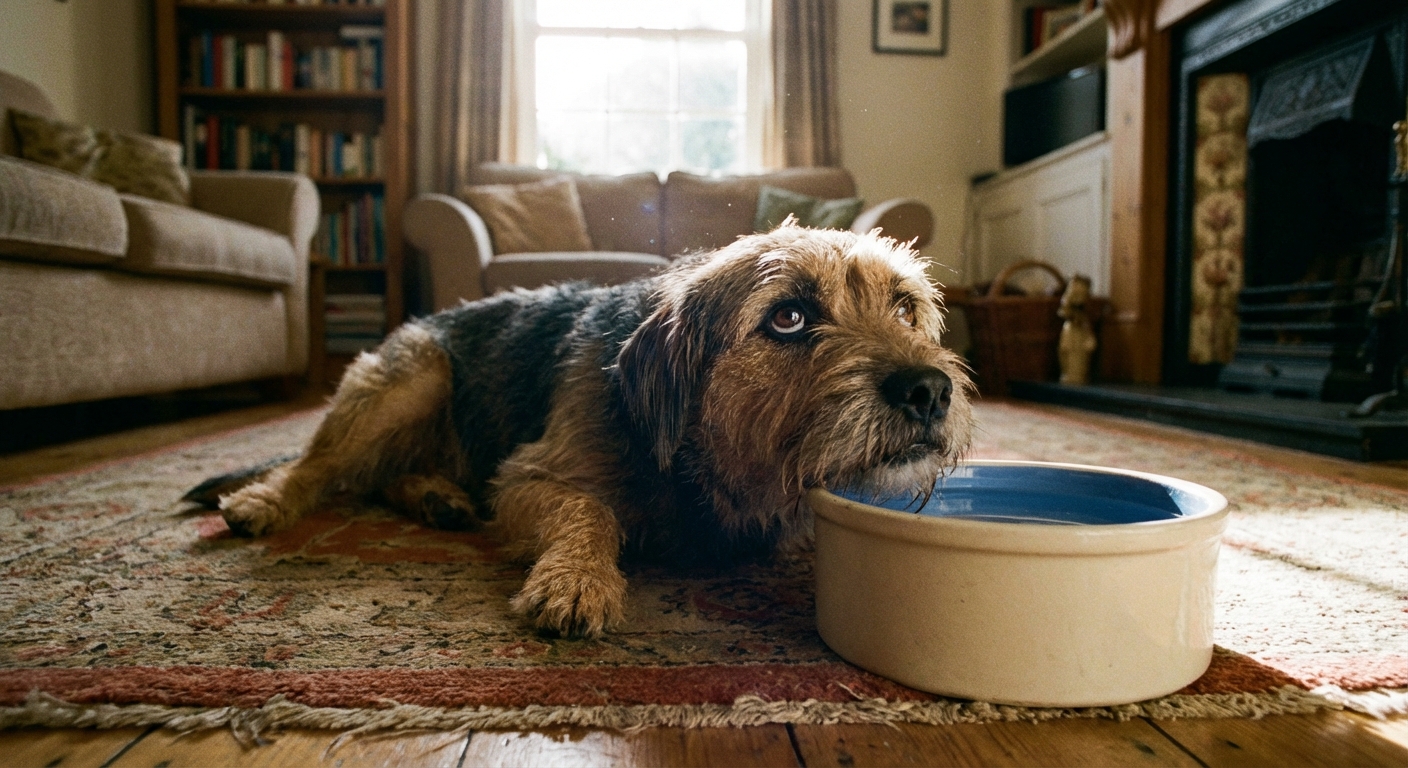
If your dog is not eating and not drinking, or seems “off,” do not wait it out. Dogs can dehydrate faster than many people realize, especially puppies, small dogs, seniors, and dogs who are vomiting or have diarrhea. Heat and high activity can also speed things up.
Go to an emergency vet now if you notice:
- Repeated vomiting or vomiting with blood
- Bloated or painful abdomen, retching but nothing comes up
- Collapse, extreme weakness, or trouble standing
- Difficulty breathing
- Blue, white, or very pale gums
- Pale gums plus a fast heart rate or extreme weakness
- Seizure activity
- Possible toxin exposure (xylitol, grapes/raisins, rodent bait, human meds, etc.)
- Heat stroke signs (panting hard, drooling, bright red gums, staggering)
- Straining to urinate or unable to urinate (especially male dogs)
- Very dark urine, or not peeing at all
- Foreign object chewing or a possible blockage (socks, toys, bones)
- Significant pain when touched or picked up
- A very young puppy that refuses food or water for more than a few hours and seems tired
Trust your gut. If your dog looks painful, unusually quiet, or “not themselves,” call your veterinarian or an ER for guidance. When in doubt, it is always okay to ask.
How long is too long?
Every dog is different, and there are no perfect universal thresholds. Size, age, underlying disease, hot weather, and symptoms like vomiting or diarrhea change the urgency. These timelines are general guidance to help you decide what to do next.
Water matters most
- No water for 12 hours: contact your veterinarian for advice, sooner if your dog is small, old, sick, or it is hot out, or if there is vomiting or diarrhea.
- No water for 24 hours: this is usually urgent, even if your dog seems “okay.”
Food refusal
- Adult dog not eating for 24 hours: contact your veterinarian, especially if there are any other symptoms.
- Puppy not eating: contact your veterinarian the same day. Very young and toy-breed puppies can crash quickly from low blood sugar.
- Senior dogs or dogs with medical conditions: contact your veterinarian sooner rather than later.
If your dog is drinking but not eating, it can still be serious, but it is often less urgent than refusing both. Either way, your dog is telling you something, and you are right to pay attention.
Quick at-home checks
Before you change foods or offer treats, do a few calm checks. These are rough screening tools, not a replacement for an exam, and they can be less reliable in obese dogs, very young puppies, and seniors.
1) Look at the gums
- Normal: bubblegum pink and moist.
- Concerning: pale, white, blue-tinged, sticky, or very dry gums.
2) Do a simple hydration check
- Skin tent: gently lift skin over the shoulder blades and release. It should snap back quickly.
- Eyes: sunken eyes can be a dehydration sign.
3) Check the mouth
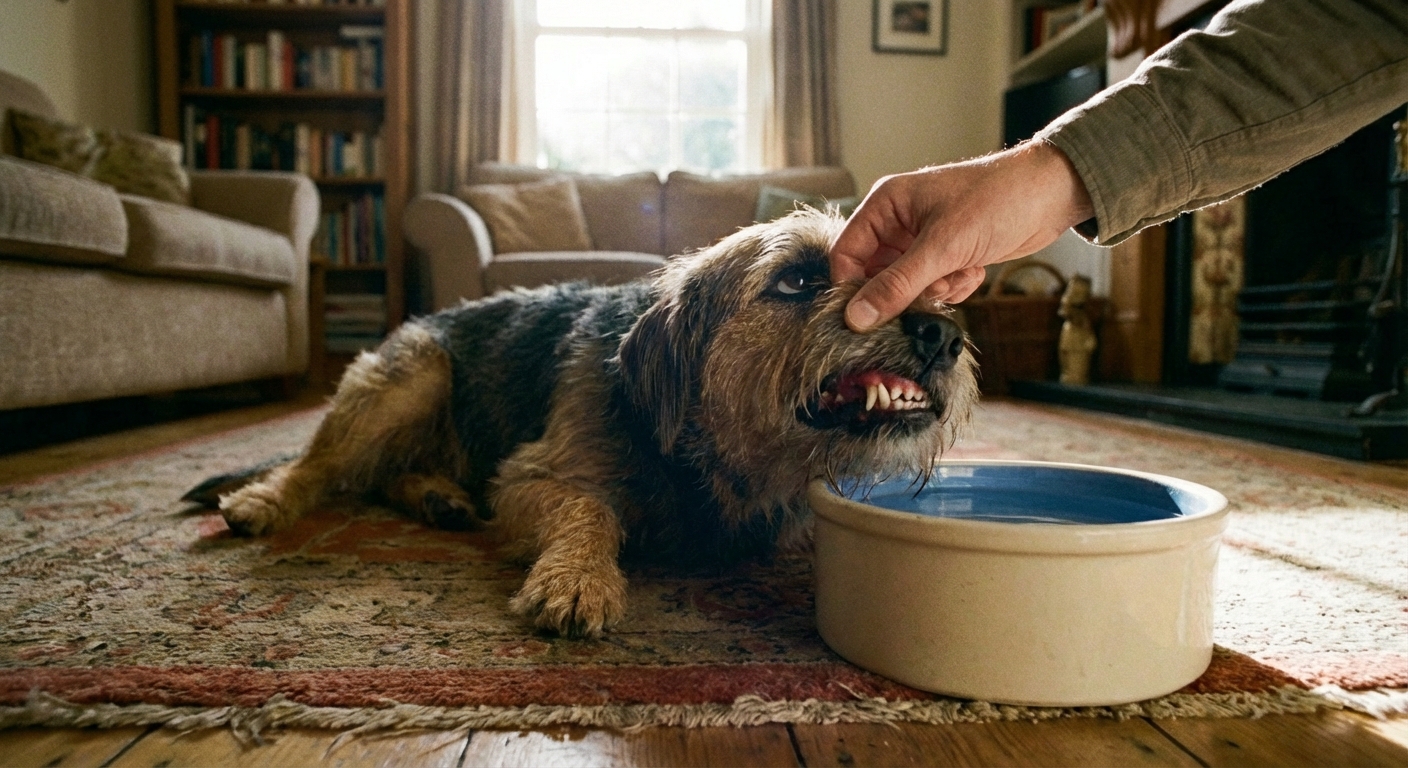
Many dogs stop eating because their mouth hurts.
- Bad breath, drooling, pawing at the mouth
- Broken tooth, red gums, swelling, something stuck
4) Note poop and pee
- Diarrhea, black or tarry stool, or blood are red flags.
- Not peeing, peeing tiny amounts, crying while peeing, or very dark urine can be urgent.
Common causes
There is no single cause, which is why patterns and other symptoms matter so much.
- Stomach upset: dietary indiscretion, sudden food change, mild gastritis
- Pain: dental pain, arthritis flare, injury, abdominal pain
- Nausea: pancreatitis, kidney disease , liver disease, motion sickness
- Infection or fever: respiratory infections, UTIs, tick-borne illness
- Stress: travel, new home, storms, fireworks, routine changes
- Medication side effects: some antibiotics, pain meds, NSAIDs
- Obstruction or foreign body: toys, bones, socks, corn cobs
- Systemic illness: diabetes complications, Addison’s disease, organ disease
If you see refusal plus vomiting, diarrhea, lethargy, or obvious pain, that is typically a sign to get help sooner.
What you can try at home
These tips are for dogs who are alert, breathing normally, not bloated, and not showing emergency signs. If you are unsure, contact your veterinarian first.
Encourage drinking gently
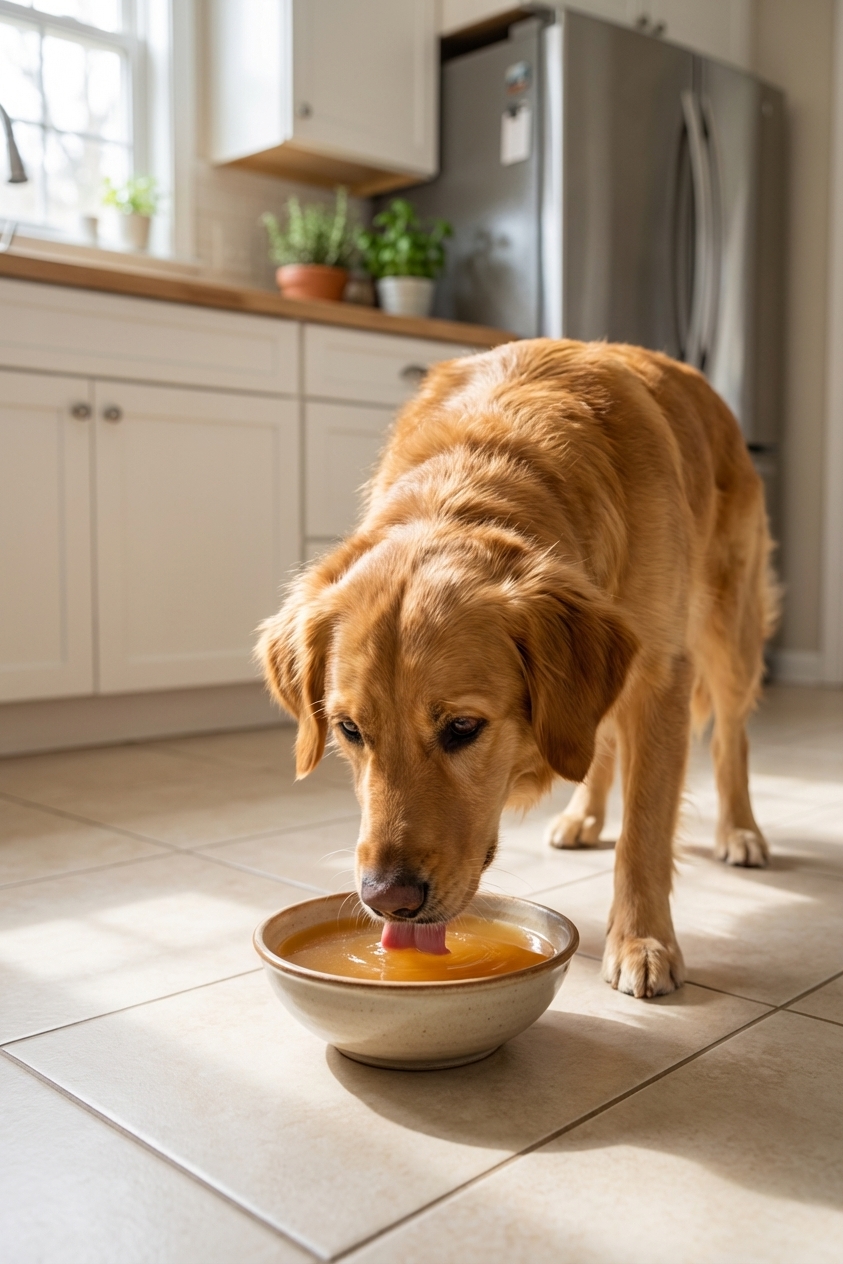
- Fresh water: rinse the bowl, offer cool clean water, and place a second bowl in a quieter spot.
- Small, frequent sips: offer water more often instead of trying to get them to drink a lot at once.
- Ice chips: many dogs will lick ice even when nauseated. Stop if it triggers vomiting.
- Make it more tempting: a very small splash of low-sodium broth can help, but avoid onion and garlic ingredients. Broth can still be salty, so skip this if your dog has heart or kidney disease unless your vet says it is okay.
- Water toppers: a teaspoon of tuna water (in water, not oil) can tempt some dogs. Use sparingly because it can be high in sodium.
Do not force water into your dog’s mouth. If they aspirate (inhale fluid), it can cause pneumonia. Only use an oral syringe if your veterinarian specifically instructs you.
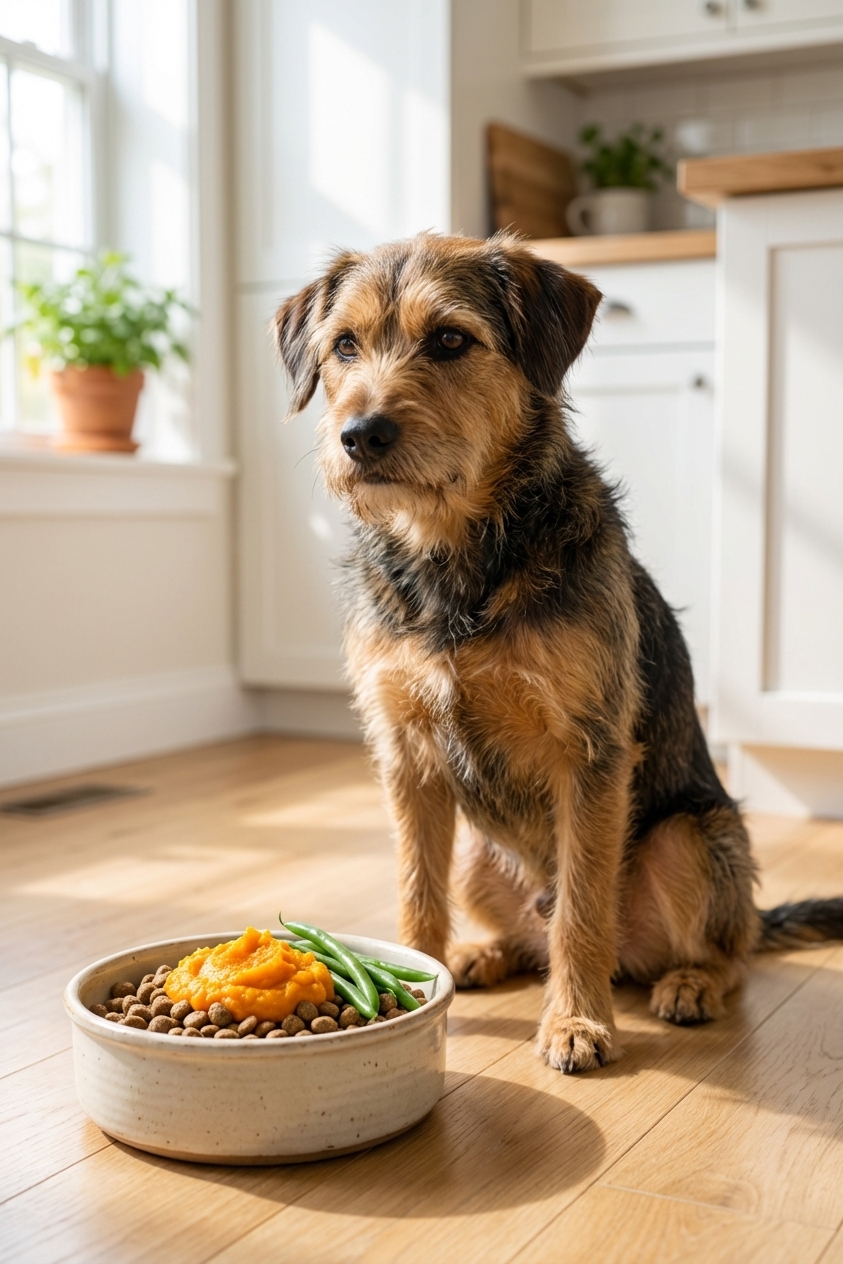
Offer bland, simple food
If your dog is not vomiting and seems stable, you can try a small bland meal.
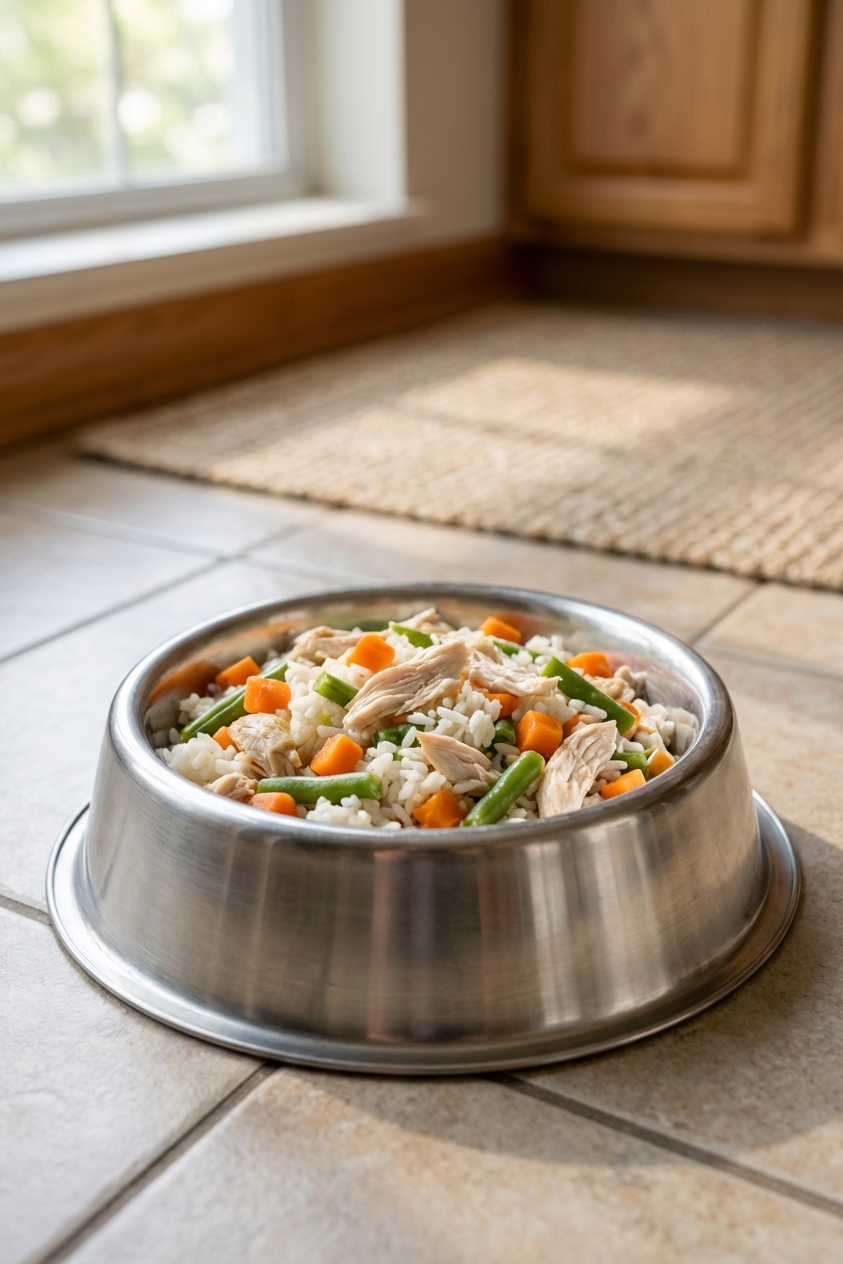
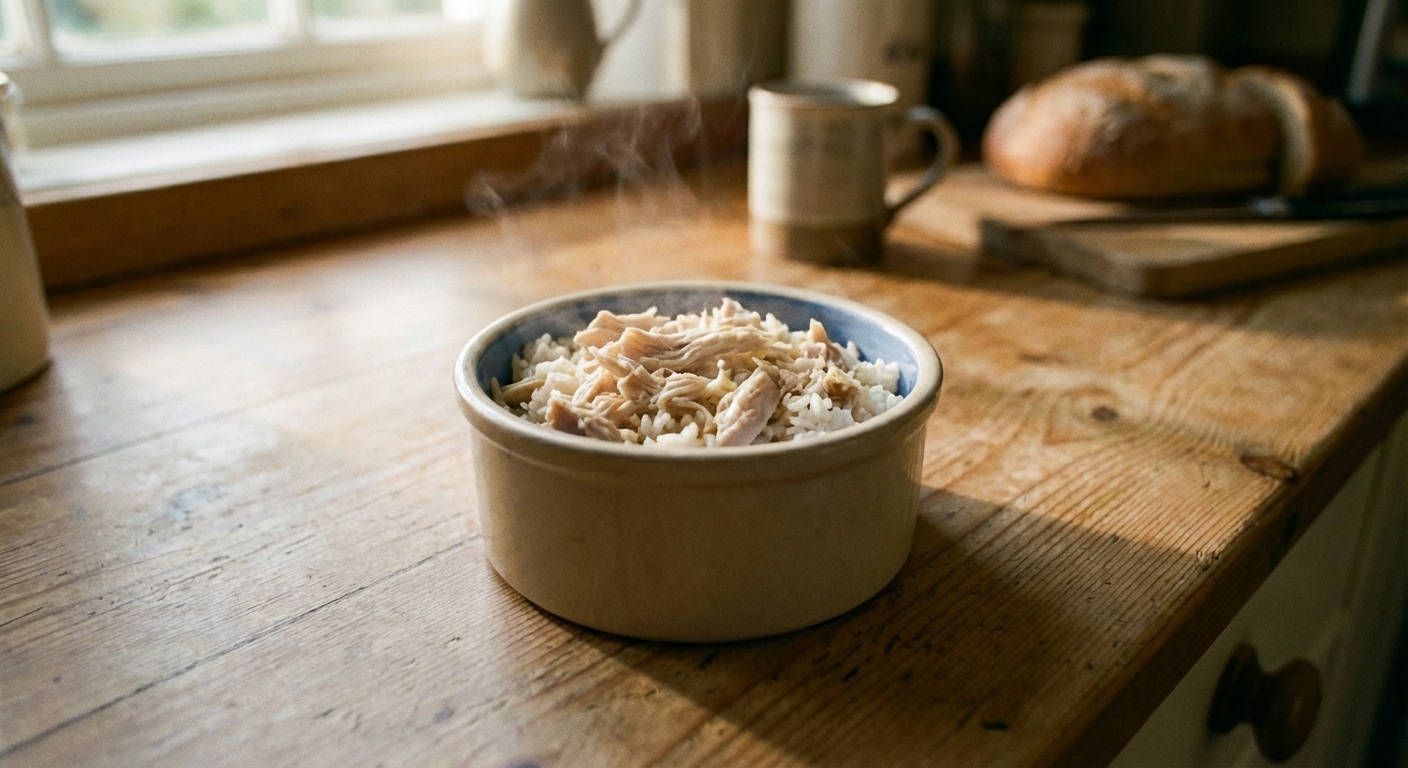
- Warm, shredded boiled chicken with plain white rice
- Plain scrambled egg (no butter, no seasonings)
- A small amount of canned plain pumpkin (not pie filling), which may help some dogs with mild constipation or diarrhea but is not right for every GI issue
Warm food slightly to boost aroma, and offer a small portion first. If they eat and keep it down, wait a couple of hours before offering more.
Reduce stress
- Quiet room, dim lights, soft voice
- Short potty breaks only
- Keep other pets away from the food bowl if resource guarding is a concern
What not to do
When you are worried, it is easy to accidentally make things worse. Here are common missteps I see.
- Do not give human medications like ibuprofen, naproxen, acetaminophen, or Pepto-Bismol unless your vet specifically instructs you.
- Do not switch foods repeatedly in one day. Constant changes can trigger more GI upset.
- Do not offer rich treat meals like bacon, greasy meat, or heavy dairy. These can worsen pancreatitis risk.
- Do not ignore dental pain signs. Mouth pain can look like picky eating.
- Do not wait days if your dog is also not drinking, lethargic, or vomiting, or if it is hot out.
When to contact your vet
If you are on the fence, a phone call is a simple next step. Many clinics can help you decide whether to monitor, schedule a same-day visit, or go to ER.
Contact your vet today if:
- Your dog refuses water for around 12 hours, or sooner if they are high risk (small, senior, underlying disease) or it is hot
- Your adult dog refuses food for around 24 hours
- Your dog is drinking but eating far less than normal for 2 days
- There is vomiting, diarrhea, coughing, sneezing, or nasal discharge
- Your dog seems painful, hides, trembles, or has a tucked abdomen
- You suspect a tooth problem or something stuck in the mouth
- Your dog has a chronic condition (kidney disease, diabetes, heart disease) and appetite changes
Be ready to share:
- How long since they ate or drank
- Any vomiting or diarrhea (and frequency)
- Any new foods, treats, chews, or trash access
- Medications or supplements
- Energy level changes
- Urination and stool changes
- Any possible toxin exposure
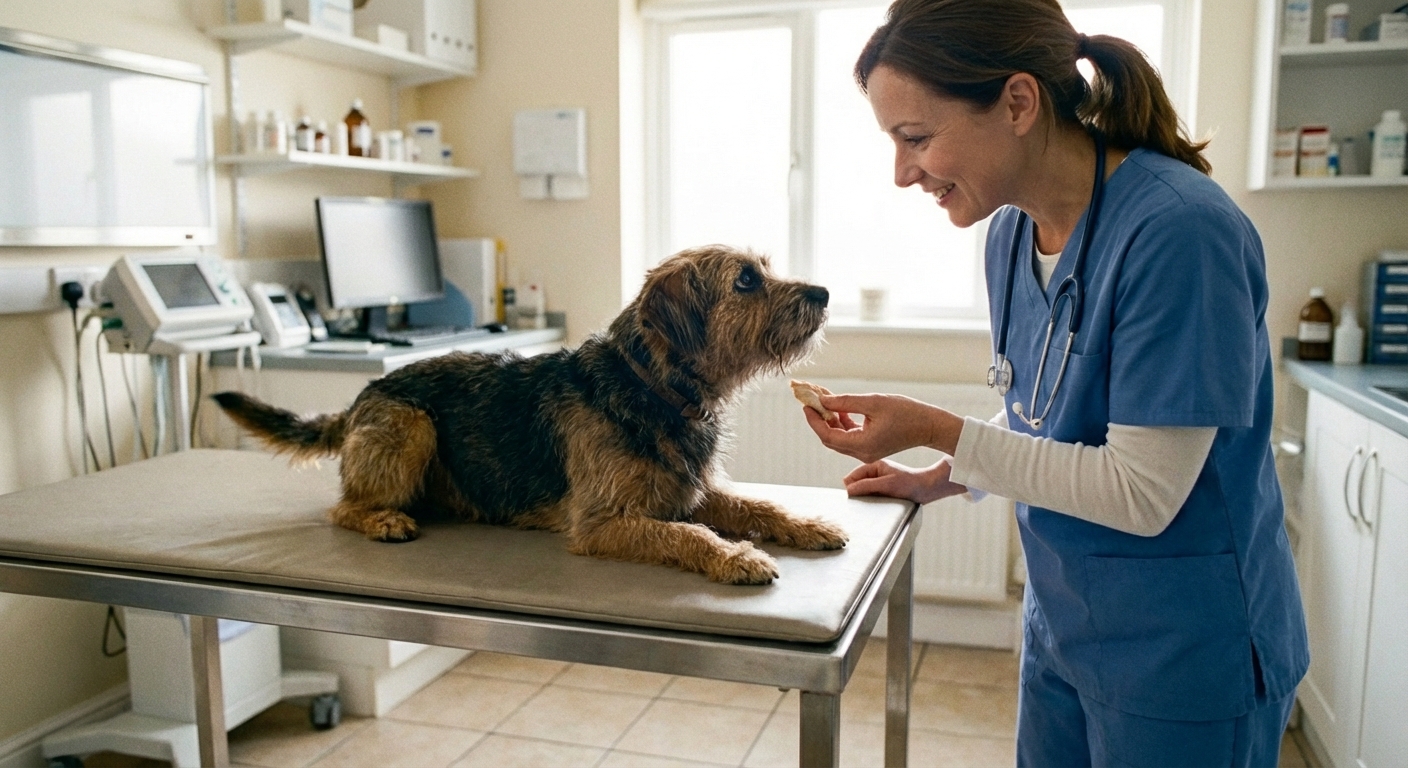
What the vet may do
Knowing what to expect can lower anxiety and help you advocate for your dog.
- Physical exam: hydration, abdominal palpation, mouth and teeth, temperature
- Fecal testing: parasites or GI infection
- Bloodwork: kidney, liver, pancreas, infection markers, electrolytes
- Urinalysis: hydration, infection, kidney function
- X-rays or ultrasound: foreign body, obstruction, organ changes
- Supportive care: fluids, anti-nausea meds, appetite stimulants when appropriate, pain control
Many dogs feel better quickly once nausea and dehydration are addressed. The key is getting help before your dog becomes too depleted.
After a sick day
Once your dog starts to rebound, go slow. Think small portions, easy digestion, and gentle transitions.
- Feed small meals every 4 to 6 hours for a day or two.
- Keep the diet bland until stools normalize.
- Transition back to normal food gradually over 3 to 5 days.
- Make hydration easy: fresh bowls, multiple locations, and optional ice chips if tolerated.
If your dog has repeated “off and on” appetite loss, that is worth a veterinary workup. Chronic nausea and pain are not normal aging.
A gentle reminder
You do not have to figure this out alone. Appetite and thirst changes are some of the clearest ways dogs tell us something is wrong. If your dog stops eating or drinking, start with safety first, check for urgent signs, and contact your veterinarian early.
And if it ends up being something simple like stress or mild stomach upset, that is still a win. You listened, you noticed, and you acted.