Know the early warning signs of dog poisoning, common toxins like xylitol and rodent bait, and the safest first steps to take. Learn what not to do and when ...
Article
•
Designer Mixes
Dog Nose Bleeds: Causes and What to Do

Shari Shidate
Designer Mixes contributor
If you have ever looked down and seen spots of blood on the floor, it is scary. As a veterinary assistant, I can tell you this is a common reason pet parents call in a panic. The good news is that many nosebleeds are minor and treatable. Also, a small nosebleed can look like a lot of blood because it spreads quickly on fur and floors. The important part is knowing when it is an emergency and what information to bring to your veterinarian.
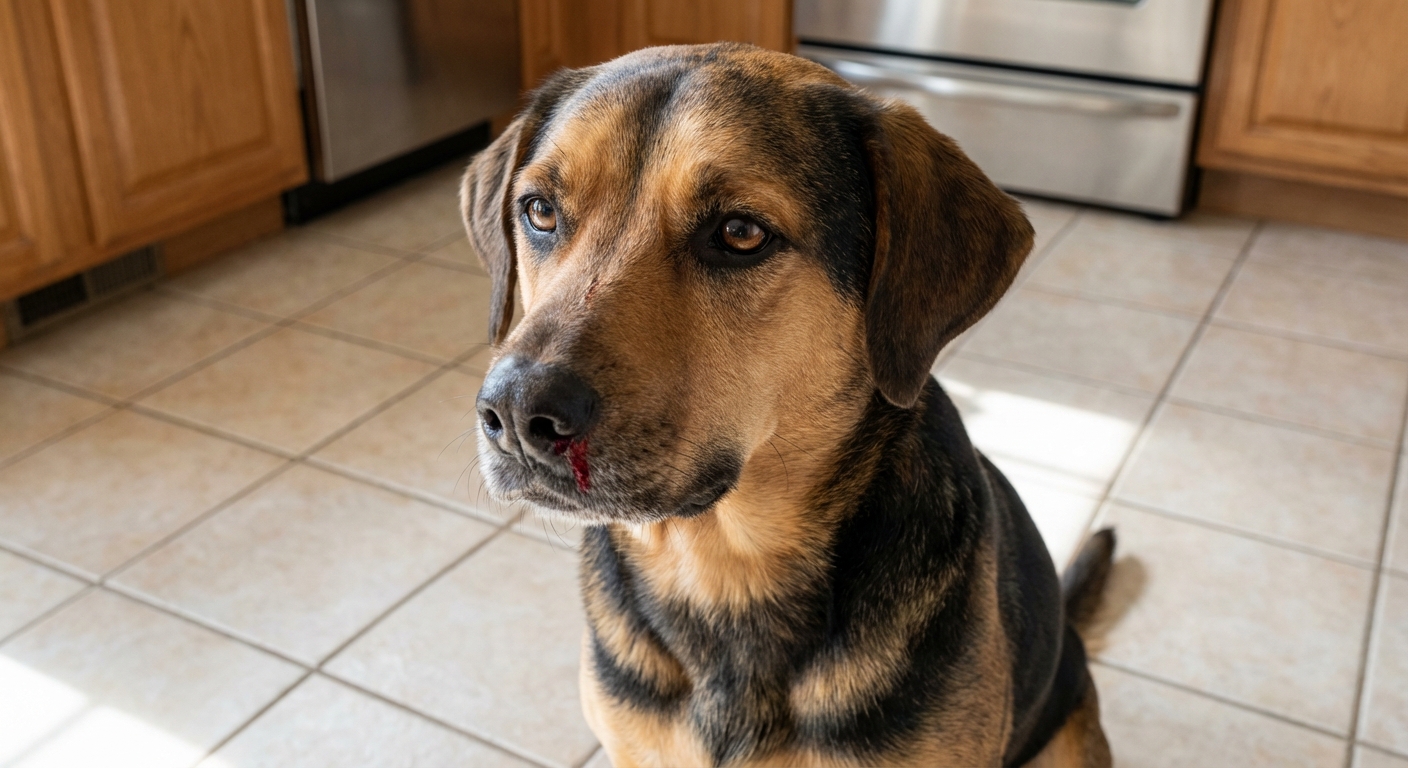
This guide helps you stay calm, stop the bleeding safely, and recognize the red flags that mean your dog needs urgent care.
First: Is this an emergency?
Nosebleeds in dogs are called epistaxis. Some are mild, but others can signal serious illness, toxin exposure, or injury. Use this quick triage list.
Go to an emergency vet now
- Bleeding is heavy, pouring, or does not slow after 10 to 15 minutes of gentle first aid
- Your dog is struggling to breathe, gagging on blood, or coughing up blood
- There is obvious trauma (hit by car, fall, dog fight) or a suspected broken jaw or facial injury
- Your dog is weak, pale at the gums, collapses, or seems confused
- Bleeding comes from both nostrils, especially if it is heavy, sudden, or paired with bruising, bleeding gums, or weakness
- You suspect toxin exposure (including rat and mouse poison products)
- Your dog has a known bleeding disorder or is on blood-thinning medication
Call your veterinarian the same day
- Bleeding stops but returns repeatedly over hours or days
- There is nasal discharge, sneezing fits, facial swelling, or pawing at the nose
- There is a bad odor from the nose or mouth
- Bleeding is from one nostril only and keeps recurring
Quick note: Not every “nosebleed” is truly from the nose. Blood on the floor can also come from the mouth (dental disease, a cut), a broken nail, coughing blood (airway or lungs), or vomiting blood (stomach or intestines). If you are not sure where the blood is coming from, call a veterinarian or emergency clinic for guidance.
What you can do at home right away
Your goal is to keep your dog calm and minimize bleeding. Stress and exertion can worsen a bleed. Please do not put anything inside your dog’s nostril.
Step-by-step first aid
- Stay calm and keep your dog still. Excitement and struggling can make bleeding worse.
- Keep the head level or slightly lowered. Do not tilt the head back, because blood can run into the throat.
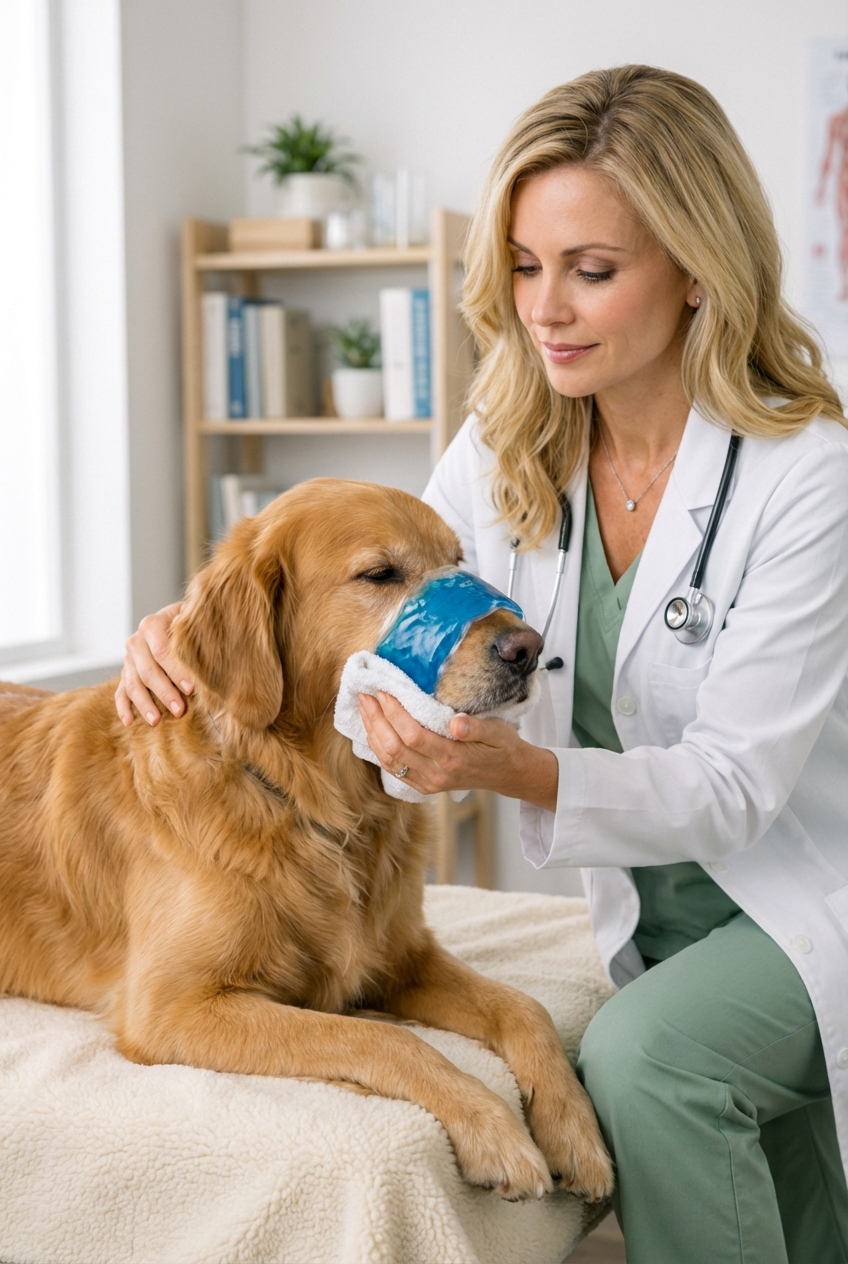
- Apply a cold compress to the bridge of the nose for 5 to 10 minutes. A bag of frozen peas wrapped in a thin towel works well.
- Limit activity for the next several hours, even if bleeding stops.
Do not: pack the nostril with gauze or tissue, pinch the nose shut, or use cotton swabs inside the nose. These can irritate delicate tissues, dislodge clots, or push material deeper.
Avoid: hydrogen peroxide, essential oils, “styptic powder” inside the nose, and any human decongestant sprays unless your veterinarian specifically instructs you. Also avoid giving human pain medications (such as ibuprofen or acetaminophen), which can be dangerous for dogs and may worsen bleeding risk in some situations.
Common reasons a dog’s nose bleeds
Nosebleeds are a symptom, not a diagnosis. Veterinarians think in patterns: one nostril versus both, sudden versus recurring, and whether there are other bleeding signs elsewhere on the body.
1) Minor trauma and irritation
Sniffing through brush, rough play, a bump into furniture, or dry air can break tiny vessels. Some dogs with chronic nasal irritation or inflammation may be more prone to repeat bleeds.
2) Foreign material in the nose
Foxtails, grass awns, seeds, and small debris can lodge in the nasal passages. This often causes sudden sneezing, pawing at the nose, and bleeding from one nostril.
3) Dental disease and oral infections
Severe tooth root infections (especially upper canine teeth) can create inflammation that tracks into the nasal cavity. You may notice bad breath, dropping food, or reluctance to chew.
4) Infections and inflammation
Fungal nasal infections (such as aspergillosis in some regions), bacterial infections, and chronic rhinitis can cause recurrent bleeding and discharge.
5) Tumors or polyps
Nasal masses can cause one-sided bleeding, noisy breathing, facial swelling, or reduced airflow through one nostril. Early evaluation matters because options are better when caught sooner.
6) Clotting problems
Bleeding from both nostrils, bruising on the skin, bleeding gums, or blood in stool or urine can suggest a clotting issue. Causes include immune-mediated disease, liver disease, low platelets, and certain tick-borne illnesses.
7) Toxins, including rodenticides
Some anticoagulant rat and mouse poison products interfere with vitamin K dependent clotting factors. Other rodenticides work differently and can cause different, serious problems. Because treatment is time-sensitive, any suspected exposure should be treated as urgent. With anticoagulant rodenticides, signs of bleeding often appear after a delay of 1 to 3 or more days rather than immediately.
8) High blood pressure
Hypertension is more common in older dogs and dogs with kidney disease or endocrine disorders. It can contribute to nosebleeds and also threatens the eyes and brain.
What your vet will likely ask you
These details help your veterinarian prioritize the right tests.
- Did bleeding come from one nostril or both?
- How long did it last and how much blood was there?
- Any recent trauma, rough play, grooming, or travel?
- Sneezing, reverse sneezing, pawing at the nose, coughing, or gagging?
- Any bruising, bleeding gums, black stools, or blood in urine?
- Any access to rodenticides, human medications, compost, or garages?
- Current medications and supplements (including aspirin, NSAIDs, fish oil, and herbal products)
If you can, take a quick photo of the blood spots and note the time. That simple information can be surprisingly helpful.
How vets diagnose nosebleeds
Testing depends on your dog’s age, history, and whether the bleeding is one-sided or two-sided. Your veterinarian will choose a plan based on your dog’s exam findings and what is available locally.
Common diagnostic steps
- Physical exam including oral exam and gum color
- Bloodwork (CBC, chemistry) to check anemia, platelet counts, organ function
- Clotting tests (PT, aPTT) if toxin exposure or clotting disorder is suspected
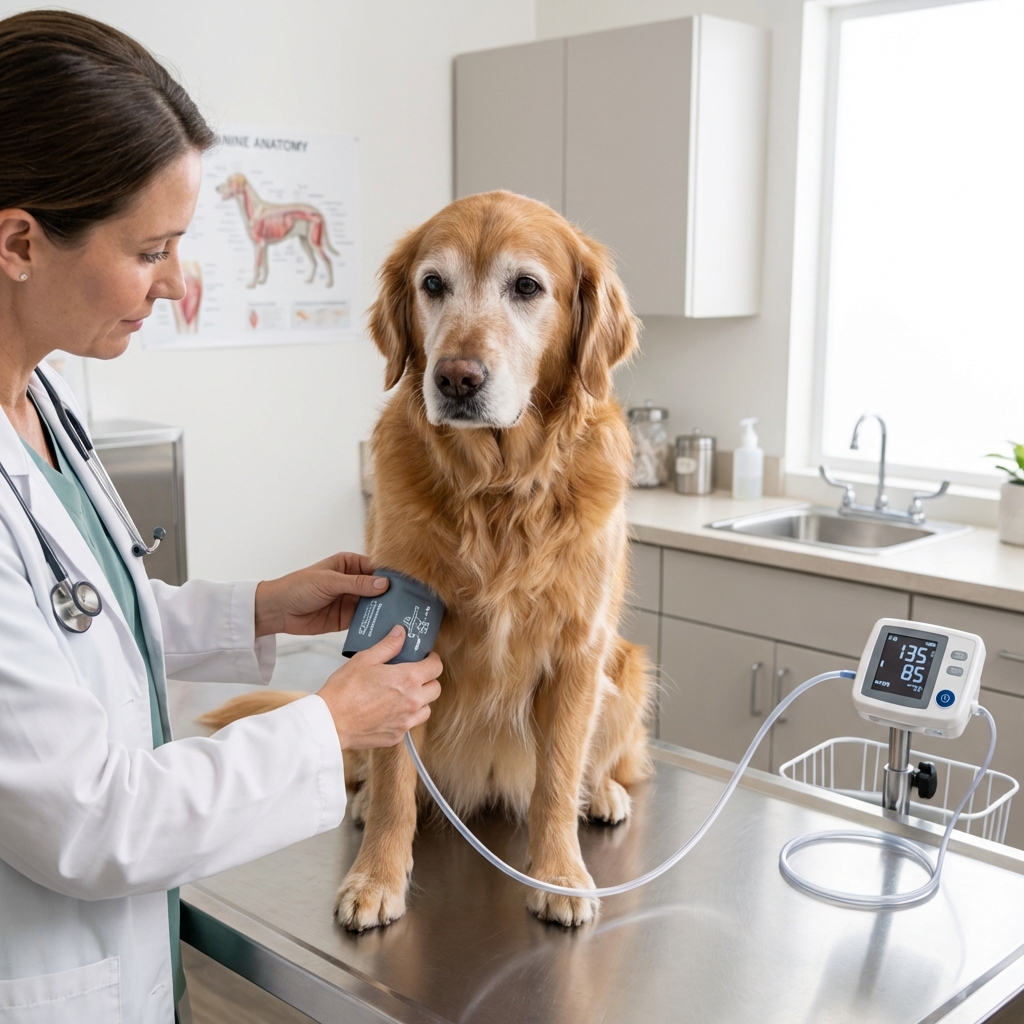
- Blood pressure measurement
- Tick-borne disease testing when appropriate for your area and history
- Imaging such as dental radiographs, skull radiographs, CT scan, or rhinoscopy
- Nasal exam under sedation to look for foreign bodies, masses, or bleeding sites
In many cases, the “why” is not obvious from the outside. A focused workup is the safest path, especially with recurring nosebleeds.
Treatment options
There is no one-size-fits-all fix. Treatment targets the underlying issue.
- Foreign body removal via rhinoscopy, sometimes with flushing under sedation
- Dental treatment for infected teeth and oral-nasal fistulas
- Antifungal therapy for confirmed fungal infections
- Vitamin K therapy for certain anticoagulant rodenticide exposures (do not start without veterinary direction)
- Medications for immune-mediated disease when platelets are low
- Blood transfusion if anemia is severe
- Surgery, radiation, or palliative care for nasal tumors depending on diagnosis and goals
If your dog is actively bleeding in the hospital, your veterinary team may use oxygen support, IV fluids, medications, nasal packing, or targeted procedures to stabilize them.
Prevention and when to monitor
You cannot prevent every nosebleed, but you can reduce the most common triggers.
Simple prevention tips
- Keep up with dental care including professional cleanings and at-home brushing when possible
- Use parasite prevention recommended by your veterinarian to reduce tick-borne risks
- Check your yard for foxtails and avoid tall, dry grasses during peak seasons
- Store toxins safely including rodenticides and human medications
- Add humidity in dry months if your home air is very dry
When it is reasonable to monitor
If your dog had a brief, mild nosebleed after obvious minor irritation, is acting normal, has pink gums, and the bleeding stops quickly, you may be able to monitor closely. Still, recurring bleeds or any additional symptoms should move you into “call your vet” territory.
Appointment checklist
- Timeline of bleeding episodes and approximate duration
- One nostril or both
- Any other bleeding or bruising
- Medication and supplement list with doses
- Potential toxin exposure details (product name, estimated amount, time)
- Recent grooming, travel, boarding, hiking, or yard work
You are doing the right thing by paying attention early. Nosebleeds can be minor, but they can also be the first clue to something bigger. When in doubt, call your veterinarian and describe exactly what you are seeing.