Indoor marking isn’t spite—it’s communication. Learn how to tell marking from accidents, rule out medical causes, clean properly, manage freedom, and r...
Article
•
Designer Mixes
Dog Marking Inside the House: Facts and Tips

Shari Shidate
Designer Mixes contributor
When a dog starts “marking” inside, it can feel confusing and frustrating, especially if they were previously house-trained. As a veterinary assistant in Frisco, Texas, I want you to know this: indoor marking is common, it is usually fixable, and it often has a clear reason behind it. The key is to figure out whether you are dealing with marking, a house-training gap, excitement or submissive urination, or a medical problem like a urinary tract infection.
Quick note: This article is educational and not a substitute for an exam and diagnosis from your veterinarian.
What “marking” is
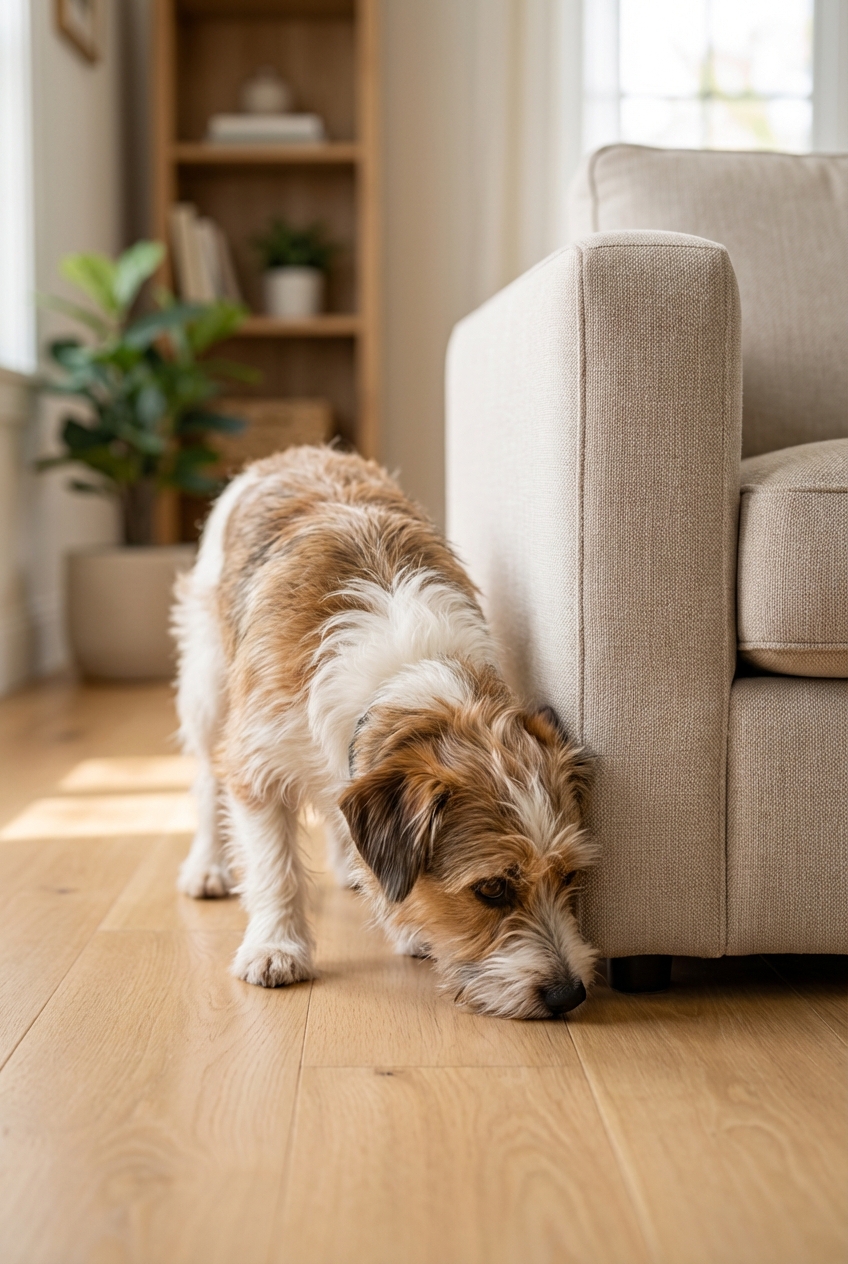
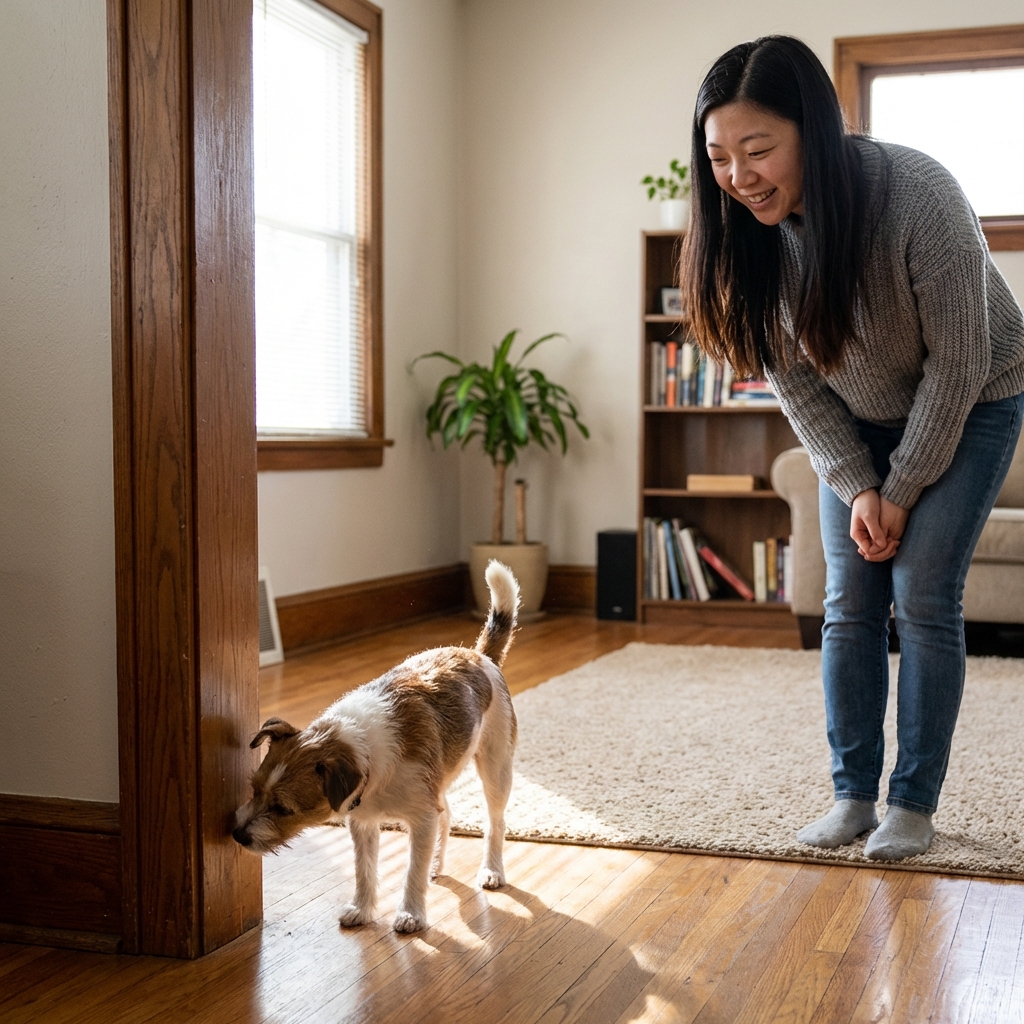
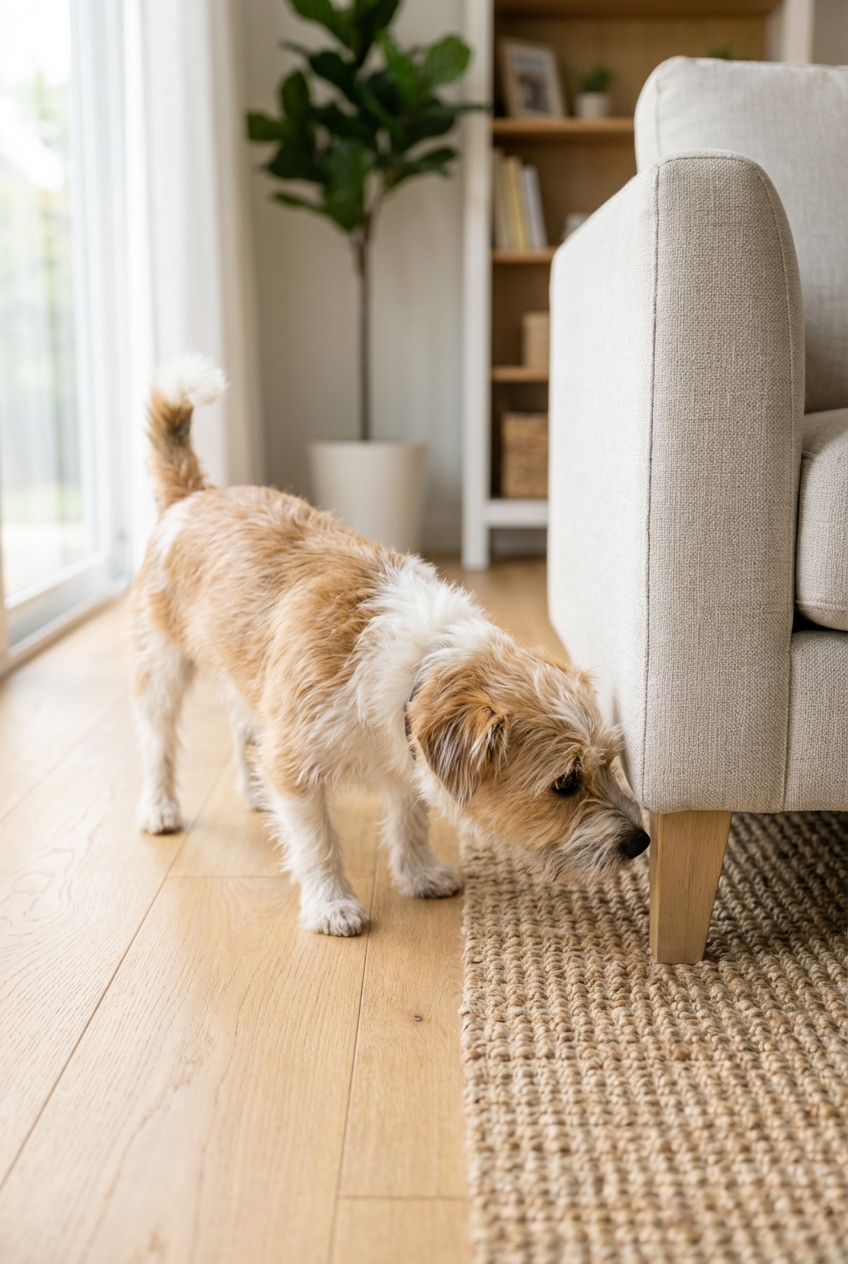
Marking is a normal canine behavior used for communication. It is usually a small amount of urine placed on vertical surfaces (table legs, couch corners, door frames) or near items with strong scent (laundry, bags, new furniture). It is not the same as a dog fully emptying their bladder because they could not hold it.
Clues it is marking
- Small spots rather than large puddles
- Repeat marking in the same areas
- Often happens when excited or when someone new visits
- More likely on vertical surfaces
- May occur even after going outside
Clues it is not marking
- Large volumes of urine, especially far from walls
- Frequent accidents with urgency or discomfort
- Increased thirst or sudden changes in urination habits
Marking vs excitement or submissive peeing
This is a common mix-up. Excitement or submissive urination often happens during greetings or when a dog feels intimidated. It may be a larger amount than marking and is more likely to show up as a puddle on the floor rather than a small spot on a vertical surface. If your dog tends to dribble or pee when people lean over them, talk in a loud voice, or reach to pet them, mention that to your veterinarian. Training strategies can differ.
Why dogs mark inside
Dogs do not mark out of spite. Most indoor marking falls into a few buckets: hormones, stress, learned habit, social triggers, or medical causes. Sometimes it is more than one at the same time.
1) Social and environment triggers
- New pets or visitors in the home
- Changes to routine such as a new work schedule
- Moving or traveling
- New smells such as a roommate’s belongings, baby gear, or used furniture
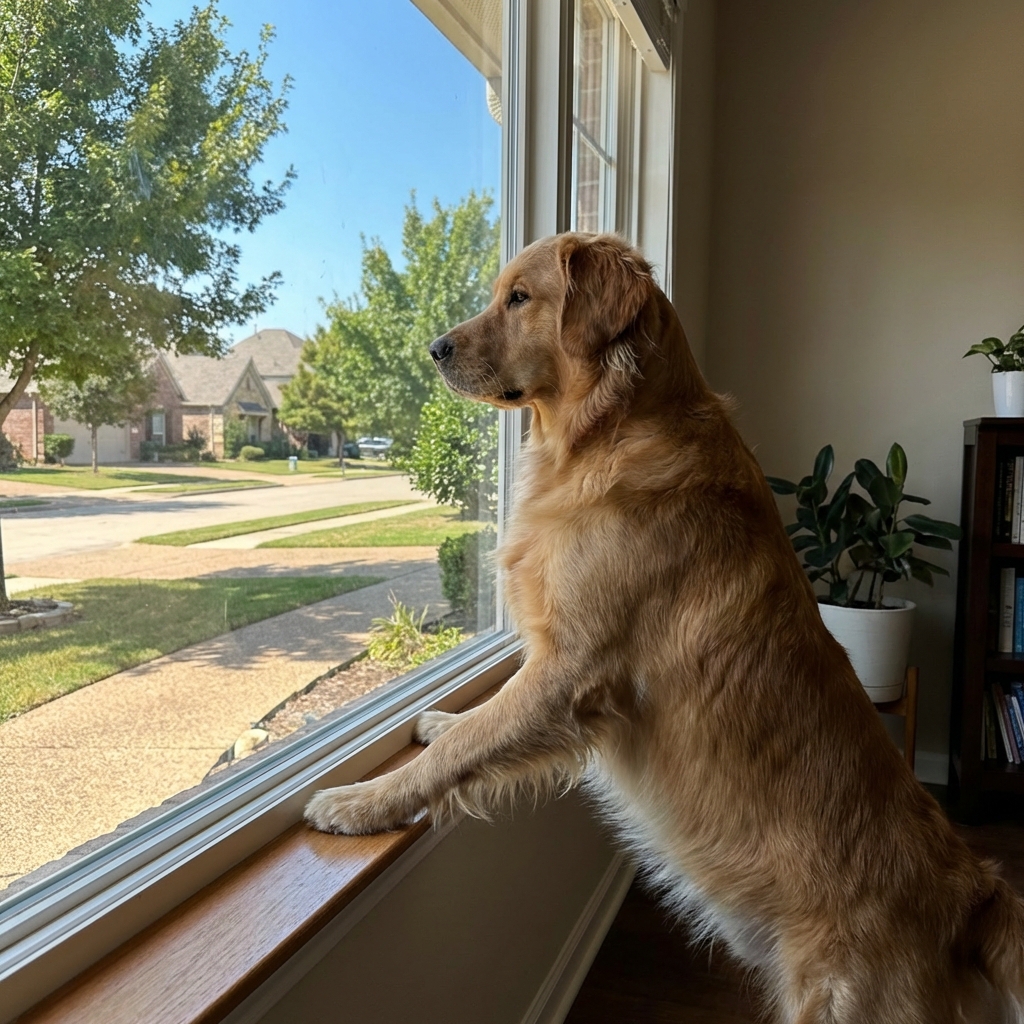
- Outdoor “traffic” like neighborhood dogs near your front door or fence line
2) Hormones and maturity
Marking is more common in intact males, but females can mark too. Spaying and neutering can reduce hormone-driven marking in many dogs, especially males and especially if it is done before the habit becomes well-rehearsed. Outcomes vary, and if your dog is already a dedicated marker, spay or neuter may help but you will still need training and management.
3) Stress and conflict
Some dogs mark when they feel unsure, overstimulated, or stressed. This can look like marking after hearing loud noises, when left alone, after tense interactions with another pet, or when guests arrive.
4) House-training gaps
Many dogs are house-trained in one environment but not generalized to others. A dog might be perfect at home but mark inside a friend’s house, a new apartment, a pet-friendly store, or even a different room that smells unfamiliar.
5) Medical causes
Before you label it behavior, rule out health issues. Urinary tract infections, bladder inflammation, bladder stones, diabetes, kidney disease, Cushing’s disease, age-related incontinence, cognitive dysfunction in seniors, and some medications can all cause inappropriate urination. Pain can also change bathroom habits.
When to call your vet
If any of the signs below are present, schedule a veterinary visit before focusing on training. A simple urinalysis can be a game-changer.
- Straining to urinate or producing only a few drops repeatedly
- Blood in the urine
- Strong odor that is new or unusually intense
- Frequent urination, urgency, or accidents that seem “out of nowhere”
- Increased thirst, weight loss, vomiting, or lethargy
- New accidents in a senior dog
- Sudden marking plus pain signs like restlessness or vocalizing
Behavior and medical issues can look identical at home. When in doubt, check the urine.
What to do now
Step 1: Clean thoroughly
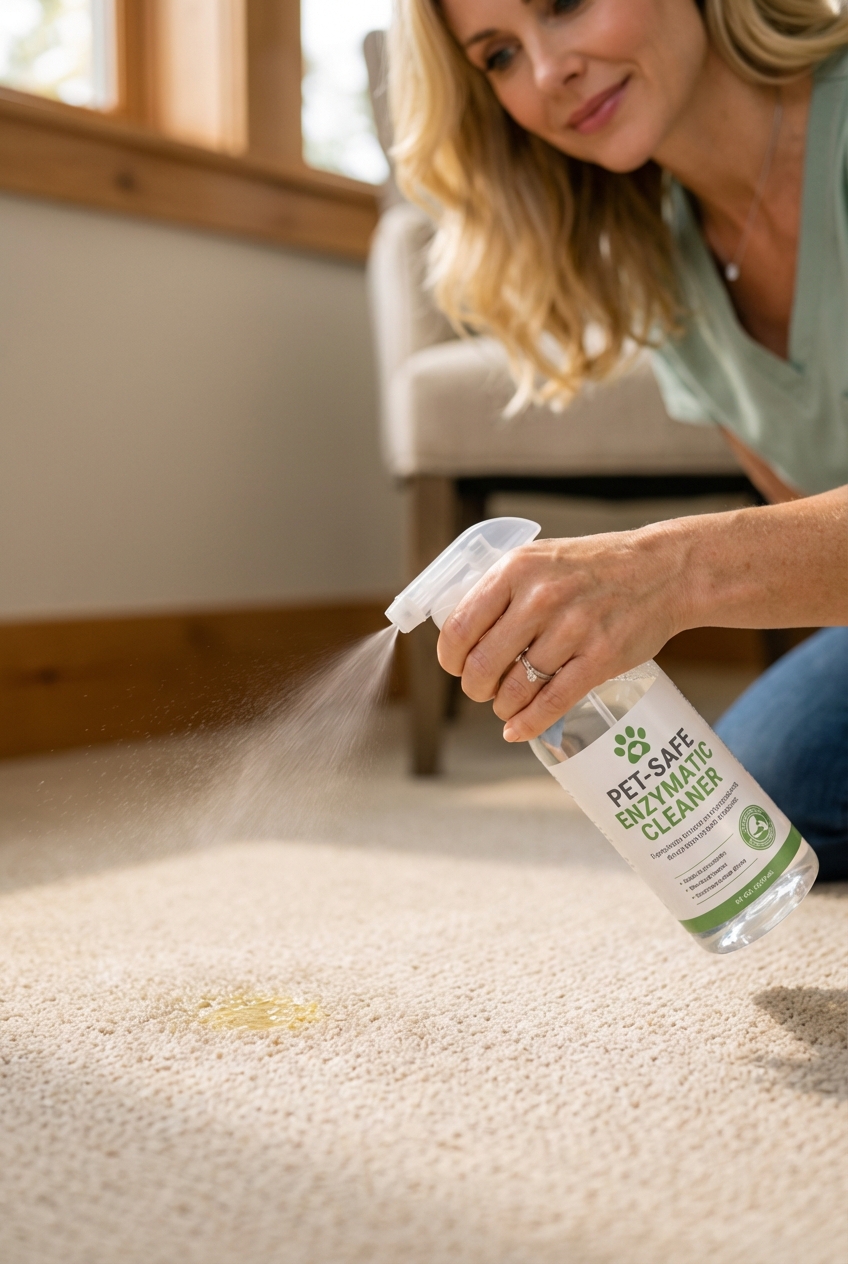
Dogs have powerful noses. If the urine scent remains, the area can become a “message board.” Use an enzymatic cleaner made for pet urine, and follow the label directions for soak time. Avoid ammonia-based cleaners, which may smell urine-like to dogs.
- Blot first, then apply enzymatic cleaner generously.
- Let it sit as directed, then air dry.
- For carpet padding or upholstery, you may need repeated treatments.
Step 2: Prevent repeat marking
The fastest way to reduce marking is to prevent rehearsals of the behavior. Every successful mark makes the habit stronger.
- Use baby gates to block favorite marking zones.
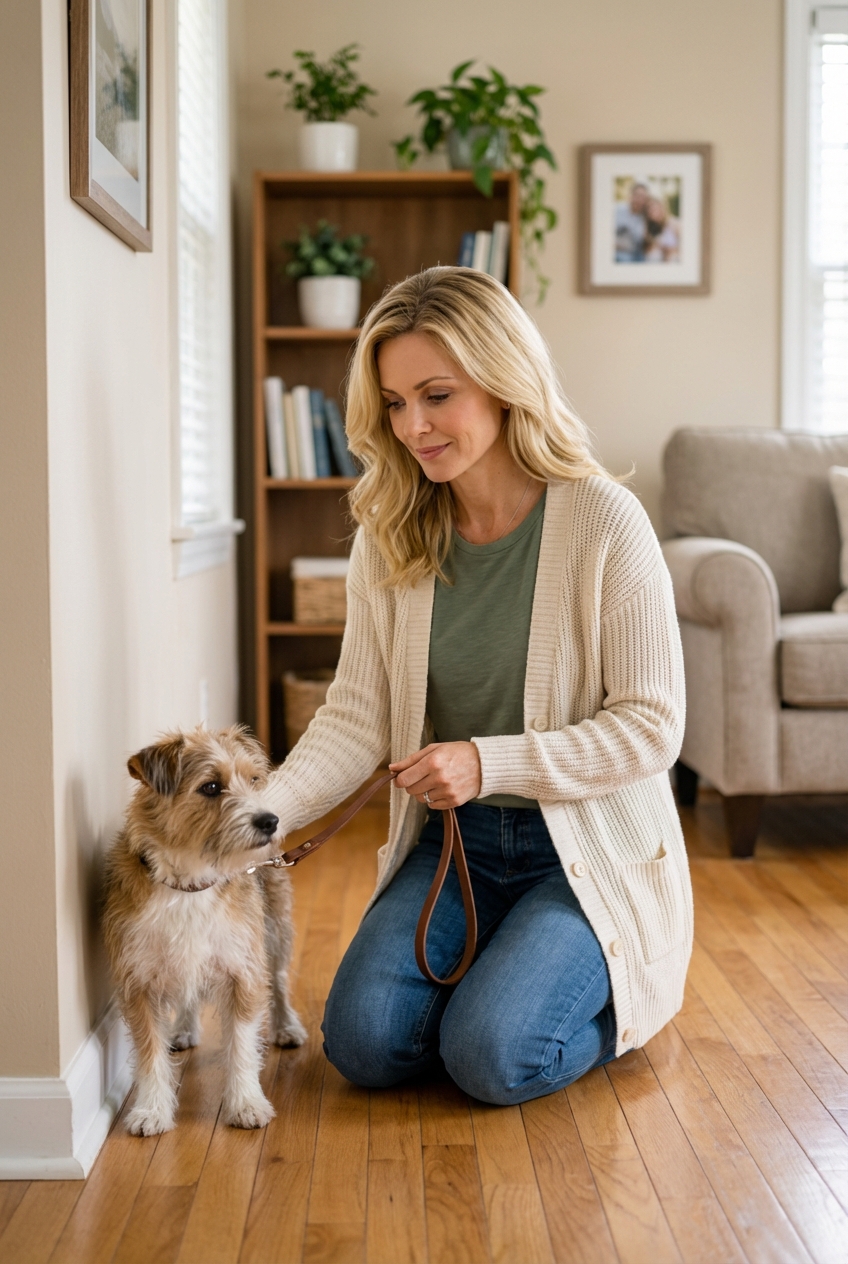
- Leash indoors for short periods if needed, especially during transitions.
- Crate or confine when you cannot supervise.
- Cover or remove triggers like laundry piles, guest bags, or new items on the floor.
Step 3: Rebuild the outside routine
Even markers benefit from a predictable bathroom schedule. Offer more chances to succeed.
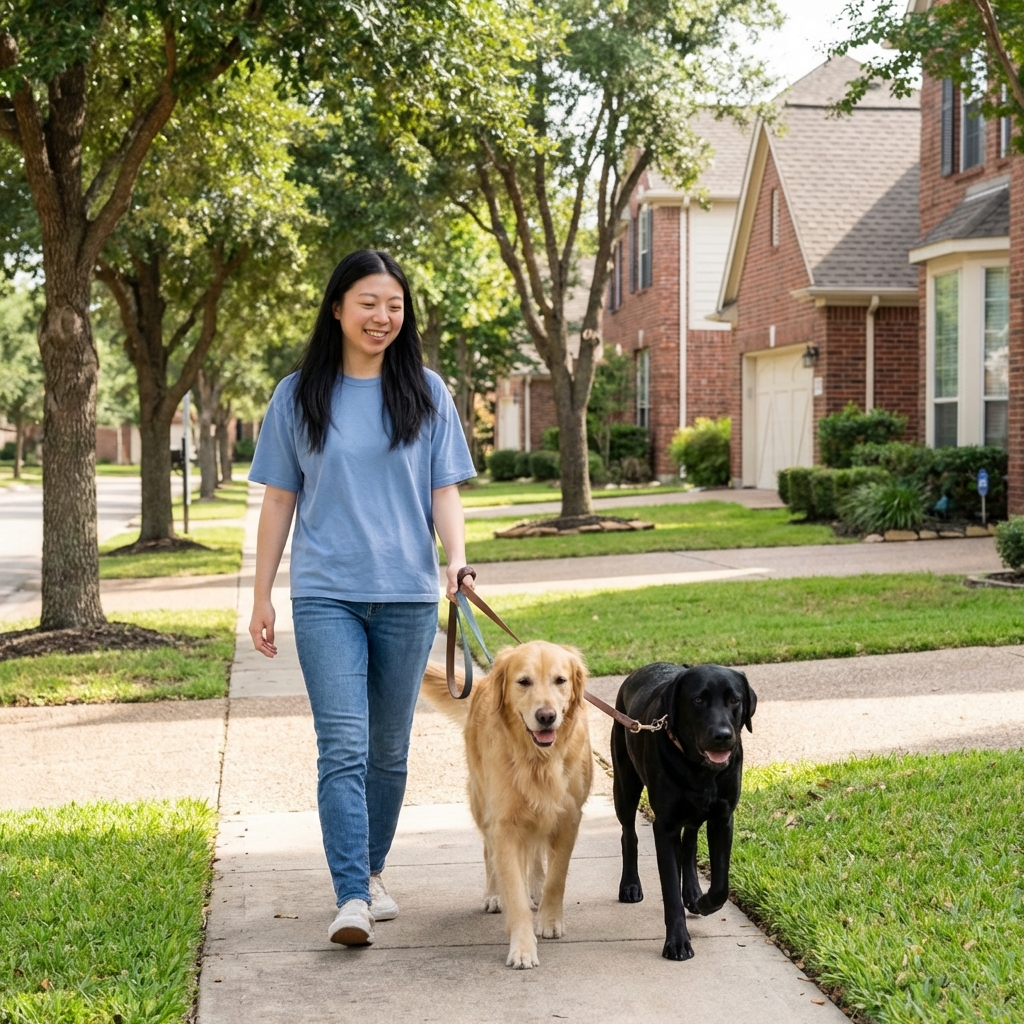
- Take your dog out first thing in the morning, after meals, after play, after naps, and before bed.
- Use a calm, consistent cue like “Go potty.”
- Reward immediately with tiny treats and praise when they pee outside.
Step 4: If you catch them in the act
Stay calm. If it is safe to do so, interrupt gently (a quick clap or “oops”), take them outside right away, and reward when they finish outside. Skip scolding. The goal is to redirect, not scare.
Step 5: Lower excitement and stress
If marking happens when guests arrive or during high-energy moments, your goal is to lower the emotional “temperature.”
- Do a leashed potty break before visitors enter.
- Use a food-stuffed toy or scatter feeding to keep your dog busy during arrivals.
- Teach a simple stationing behavior like “go to mat”.
- Increase daily enrichment: sniff walks, puzzle feeders, short training sessions.
- If anxiety is a major driver, ask your vet about pheromone support (like Adaptil) and whether behavior medication or a referral is appropriate.
Step 6: Belly bands or diapers (short term)
Belly bands (for males) or dog diapers (for females) can help protect your home while you train, but they are not a cure. They work best paired with cleaning, supervision, and routine. Change them often to prevent skin irritation.
What not to do
- Do not punish after the fact. Dogs connect consequences to what is happening in that moment, not what happened minutes ago.
- Do not rub your dog’s nose in it. This can increase anxiety and worsen indoor urination.
- Do not rely on fragrance sprays. They mask odor for humans, not for dogs.
- Do not assume “he is doing it to be dominant.” Marking is communication and habit, not a power play.
Multi-dog homes
When one dog marks, other dogs may respond by marking too. In multi-dog households, prevention and cleaning matter even more.
- Feed dogs separately if there is tension around resources.
- Give each dog their own resting areas and safe spaces.
- Use structured routines for door greetings, playtime, and outdoor breaks.
- If conflict is present, work with a qualified trainer or veterinary behaviorist.
How long it takes
With consistent cleaning, prevention, and rewards for outdoor potty, some families see improvement within 1 to 3 weeks, especially in mild or newer cases. If your dog has been marking for months, if there are multiple dogs involved, or if anxiety is a big driver, it can take longer. The timeline is not a reflection of your effort or your dog’s love for you. It is simply how habits work.
If you have been consistent for a few weeks and are not seeing progress, that is a good point to check in with your veterinarian and consider a trainer experienced in marking and anxiety. Sometimes a medical recheck, a different management setup, or targeted behavior support makes all the difference.
Quick FAQ
Will neutering stop marking?
It can reduce hormone-driven marking, especially in younger male dogs, but it is not guaranteed. Think of it as one helpful piece of a bigger plan.
My dog only marks in one room. Why?
That room may have a lingering scent, higher outdoor dog traffic near a window, or a trigger item like laundry or a guest’s bag. Block access, deep clean with enzymes, and rebuild positive routines in that space.
Is my dog being spiteful?
No. Dogs do not urinate out of revenge. Indoor marking is usually communication, stress, habit, excitement or submissive urination, or a medical issue.
Bottom line
Indoor marking is a message, not a moral failing. Start with a vet check if anything feels off medically, clean with enzymatic products, prevent repeat opportunities, and reward outdoor potty like it is the best idea your dog has had all day. With a calm plan and consistency, most dogs improve significantly and many stop marking altogether.