Learn a safe, vet-friendly diet and routine for diabetic dogs: consistent feeding times, fiber and carbs, lean protein, fat levels, treat tips, and key quest...
Article
•
Designer Mixes
Dog Losing Weight: Kidney Disease vs. Diabetes

Shari Shidate
Designer Mixes contributor
When a dog starts losing weight without you trying, it can feel scary and confusing. As a veterinary assistant here in Frisco, Texas, I see many different reasons this can happen. Two common and important causes we often want to rule out early are kidney disease and diabetes mellitus. Both can cause big changes in appetite, thirst, and energy, but they do it in different ways.
This guide will help you spot patterns, know what to track at home, and understand what your veterinarian is looking for so you can get answers quickly.
Weight loss has many causes
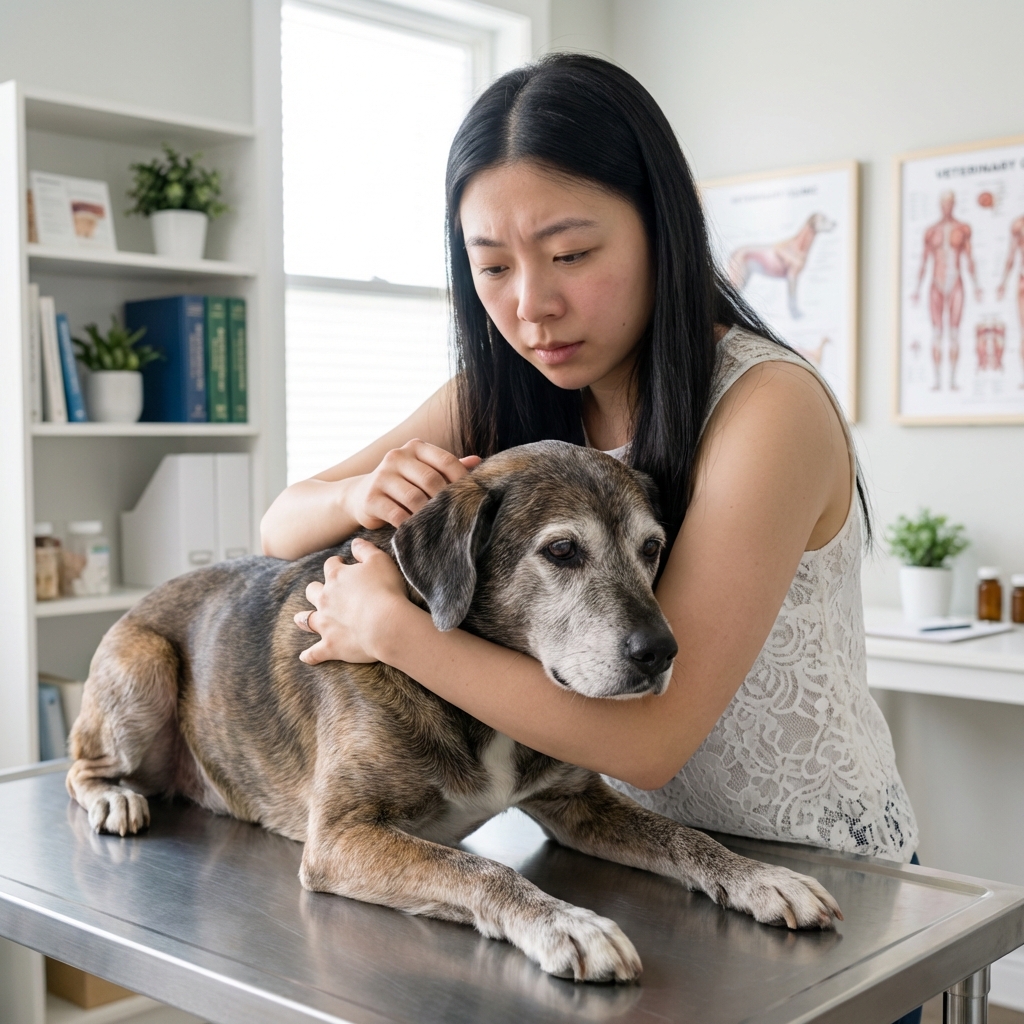
Weight loss is not a diagnosis by itself. It is the body’s signal that something is off with calorie intake, calorie use, or nutrient absorption.
In clinic, unexpected weight loss can also be linked to issues like:
- Dental disease or mouth pain that makes eating uncomfortable
- GI disease (food intolerance, inflammatory bowel disease, malabsorption)
- Parasites, especially in younger dogs
- Cancer
- Chronic infection or inflammation
- Other endocrine disease (for example, Addison’s disease; hyperthyroidism is uncommon in dogs)
Kidney disease and diabetes matter because they are common enough to see regularly, can look similar at home, and are often very manageable once identified.
Why weight loss happens in both
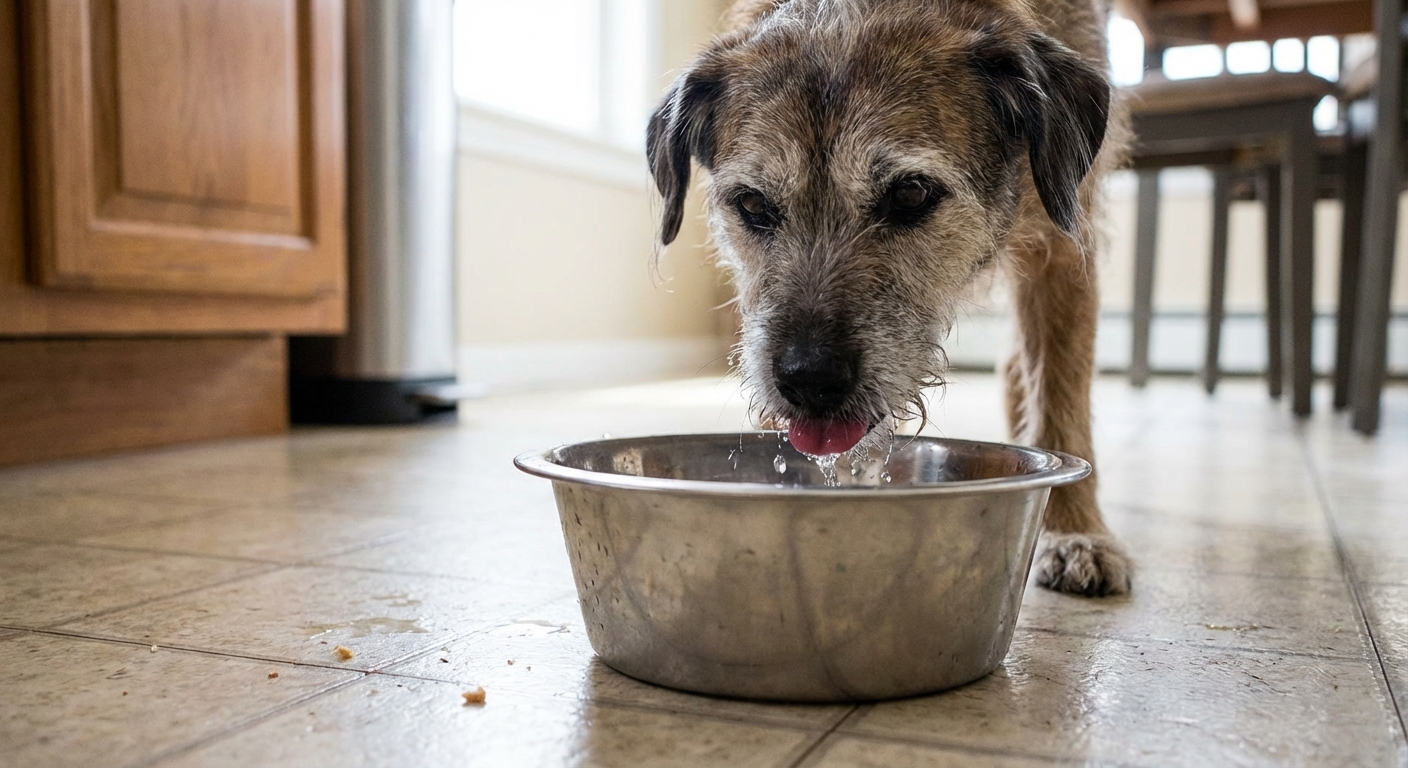
Many dogs with either issue drink more water and urinate more, which is why these problems can look similar at first.
- Kidney disease: the kidneys cannot filter waste efficiently, so toxins build up and can cause nausea, reduced appetite, and muscle loss over time.
- Diabetes: the body cannot use glucose properly, so it breaks down fat and muscle for fuel even if your dog is eating.
Kidney disease signs
Kidney disease can be chronic (slow, progressive) or acute (sudden). The chronic version is especially common in older dogs.
Common signs at home
- Reduced appetite or picky eating, especially with dry food
- Nausea signs such as lip smacking, drooling, burping, or vomiting
- Weight loss with muscle thinning, especially along the back and hips
- Increased thirst and urination
- Bad breath that can smell “chemical” or like ammonia
- Lethargy and less interest in walks or play
What is happening in the body
As kidney function declines, the body struggles to maintain proper hydration and electrolyte balance. Waste products like urea can rise, which may contribute to nausea and poor appetite. Over time, dogs may eat less, feel worse, and lose weight gradually.
Diabetes signs
Diabetes mellitus in dogs is most often an insulin deficiency (insulin dependent diabetes), meaning glucose stays in the bloodstream instead of entering cells. In some dogs, diabetes can also be compounded by insulin resistance from other conditions. Either way, your dog’s body is essentially “starving” at the cellular level, even if food is available.
Common signs at home
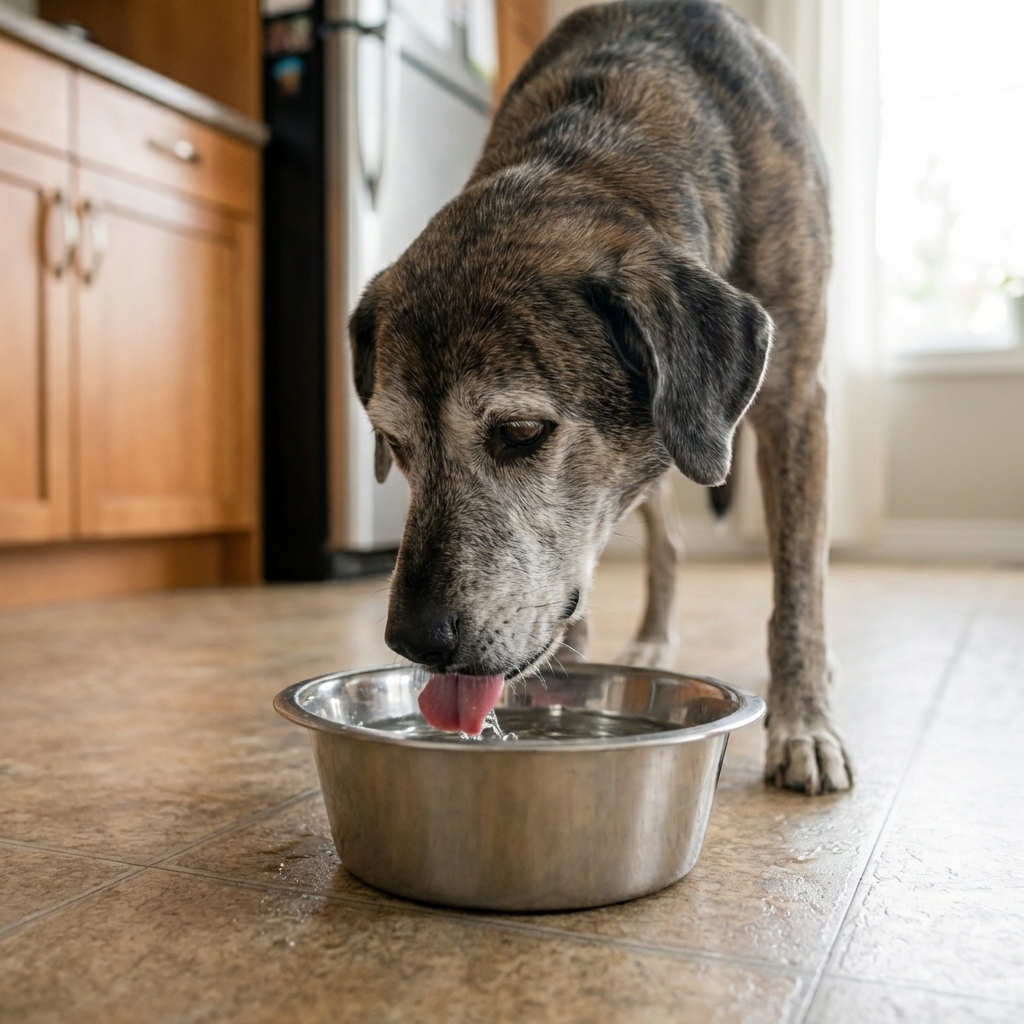
- Increased thirst and very frequent urination
- Strong appetite at first, but still losing weight
- Weakness or reduced stamina
- Cloudy eyes or sudden vision changes (diabetic cataracts can develop quickly in dogs)
- Recurrent infections such as urinary tract infections
What is happening in the body
When glucose cannot be used by cells, the body breaks down fat and muscle to provide energy. That is why diabetes can cause rapid, noticeable weight loss even when your dog seems hungry.
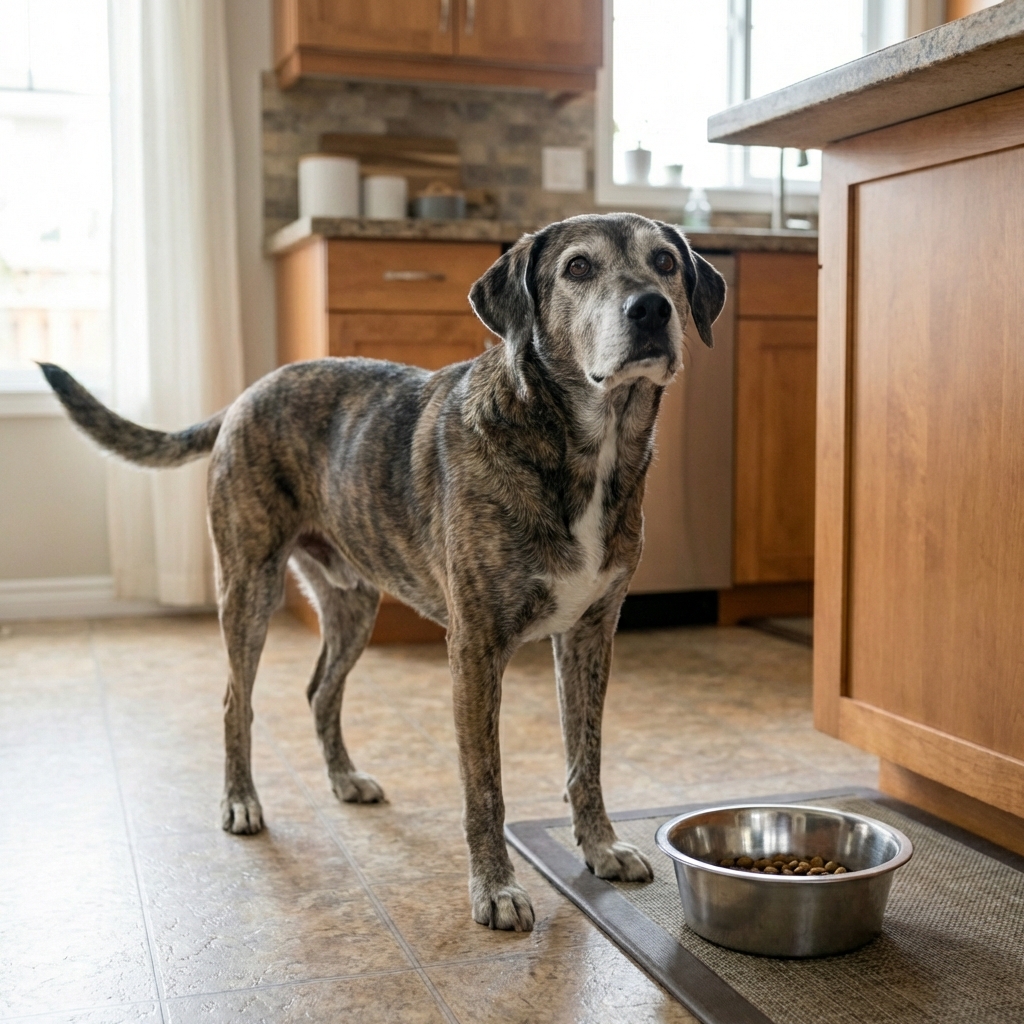
Quick comparison
These patterns are not perfect for every dog. Signs can overlap, and some dogs show atypical appetite changes. Still, these clues can help you describe what you are seeing and decide how urgent the situation is.
- Appetite: kidney disease often decreases appetite; diabetes often increases appetite early on.
- Vomiting: more common with kidney disease (especially as toxins rise).
- Thirst and urination: both can increase. Diabetes can cause very dramatic changes.
- Breath: kidney disease may cause ammonia-like breath; uncontrolled diabetes with ketoacidosis can sometimes cause a sweet or acetone-like odor.
- Eyes: sudden cataracts can strongly suggest diabetes in dogs, but other causes exist.
What your vet will test
Because these conditions can overlap, the fastest way to get clarity is usually a combination of bloodwork and urine testing. Your veterinarian may also recommend add-on tests based on what they find.
For kidney disease
- Blood chemistry: looks at BUN and creatinine, and often SDMA as an earlier kidney marker
- Electrolytes: kidney patients can develop imbalances
- Urinalysis: evaluates urine concentration (specific gravity) and checks for protein or infection
- Urine culture: if infection is suspected
- Blood pressure: high blood pressure is common with chronic kidney disease
- UPC ratio: a urine protein:creatinine ratio may be recommended if protein in the urine is a concern
- Imaging: x-rays or ultrasound may be suggested to look at kidney size, stones, tumors, or other structural issues
For diabetes
- Blood glucose: elevated glucose supports a diabetes diagnosis
- Urinalysis: glucose in urine and possible ketones are key clues
- Fructosamine: helps distinguish true diabetes from stress-related glucose spikes
- Screening for concurrent issues: pancreatitis , urinary tract infection, Cushing’s disease , and hormone cycles in intact females can complicate diabetes
- Monitoring plan: once diagnosed, your vet may recommend glucose curves, continuous glucose monitoring (when available), and sometimes at-home urine or blood ketone checks
If your dog is losing weight, do not wait and “see if it improves” without checking in. These tests can often identify the issue early enough to make treatment much smoother.
When it is urgent
Please contact your veterinarian or an emergency clinic the same day if you notice any of the following:
- Not eating for about 24 hours (or a puppy or very small dog not eating for about 12 hours)
- Repeated vomiting, especially with lethargy
- Very heavy drinking and urination with sudden weakness
- Collapse, disorientation, or trouble walking
- Sweet or acetone-like breath, fast breathing, or severe lethargy (possible diabetic ketoacidosis)
- Signs of dehydration such as tacky gums, sunken eyes, marked lethargy, or skin tenting
What to track at home
You do not need to diagnose your dog at home, but you can collect the kind of information that helps your veterinarian make faster, more confident decisions.
Track for 3 to 7 days if possible
- Weight: use the same scale and weigh at the same time of day
- Water intake: measure how much you pour into the bowl and what is left
- Urination: more frequent trips, accidents, or very large urine clumps for small dogs using pads
- Appetite: normal, increased, decreased, or picky
- Vomiting or diarrhea: frequency and appearance
- Energy level: normal, slightly reduced, or significantly reduced
Water intake rule of thumb: many veterinary teams consider more than about 100 mL per kg per day to be concerning for polydipsia. This is not a diagnosis, but it is helpful data to bring to your appointment.
Important: If diabetes is suspected, do not drastically change diet right before the visit unless your veterinarian instructs you to. For known diabetic dogs, diet consistency matters for insulin dosing.
Nutrition basics
Food matters, but it needs to match the diagnosis.
If kidney disease is confirmed
- Many dogs do best on a kidney-support diet that is controlled in phosphorus and designed to support hydration and appetite.
- Do not restrict protein on your own. The goal is often high-quality, highly digestible protein, and the right amount depends on stage and lab results.
- Ask about omega-3 fatty acids and phosphate binders if phosphorus is high.
If diabetes is confirmed
- Most diabetic dogs do best with consistent meals at consistent times paired with insulin when prescribed.
- Your vet may recommend a diet higher in fiber and complex carbohydrates for steadier glucose, depending on the individual dog.
- Weight loss should stop once glucose is controlled, but it can take time to rebuild muscle.
If you are interested in homemade food, it can be a wonderful option for some dogs, but it should be formulated with your veterinarian or a board-certified veterinary nutritionist, especially for kidney disease or diabetes where mineral balance and calorie consistency are critical.
The encouraging part
Both kidney disease and diabetes can be managed, and many dogs feel much better once the underlying issue is identified and treated. The key is acting early and using objective data, not guesswork.
If your dog is losing weight, schedule an exam and bring notes on thirst, urination, appetite, and recent changes. That simple preparation can shave days off the time it takes to get a clear diagnosis and start helping your pup feel like themselves again.