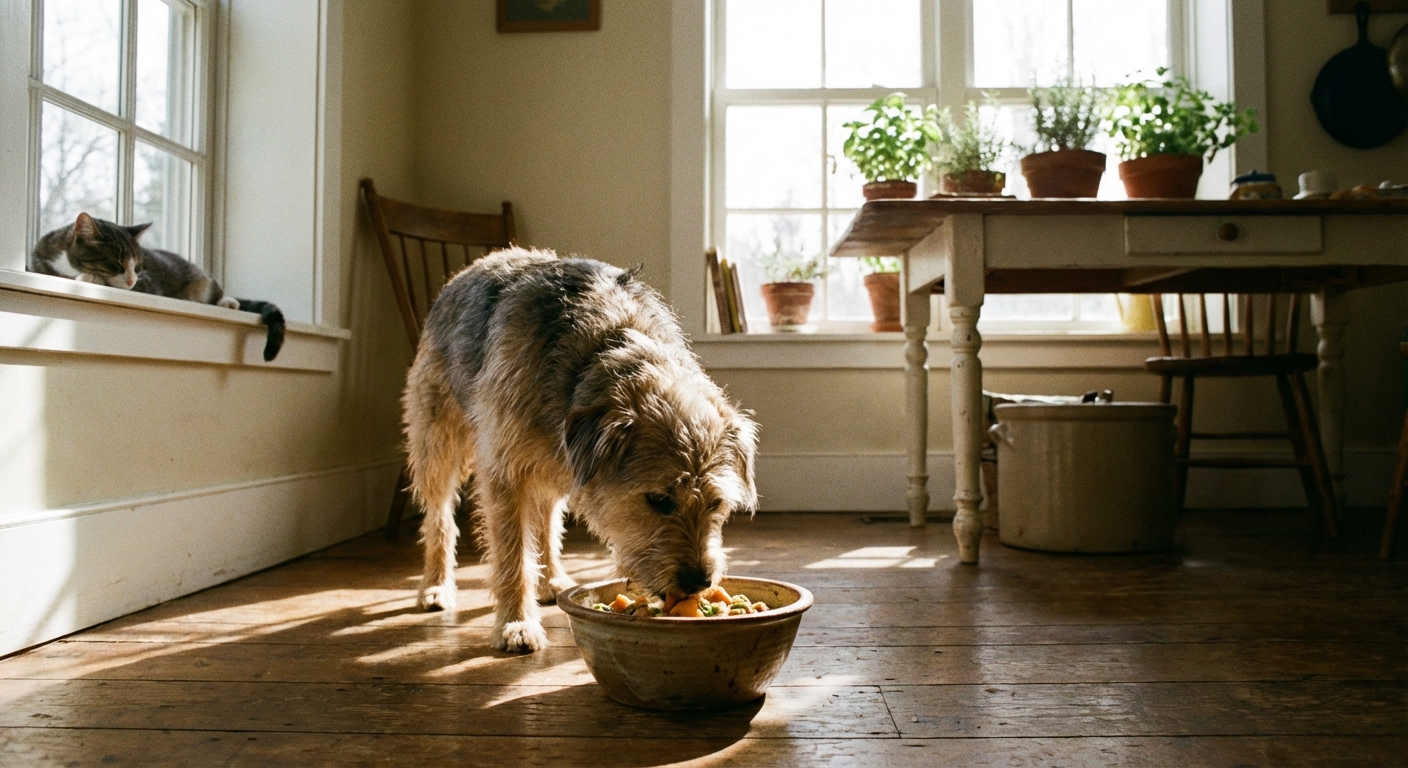
Learn liver-friendly homemade dog food strategies: when to restrict copper, pick digestible proteins and gentle carbs, what ingredients to avoid, and simple ...
Article
•
Designer Mixes
Dog Liver Problems Symptoms

Shari Shidate
Designer Mixes contributor
If your dog is acting “off” and you cannot quite put your finger on it, the liver is one organ you do not want to overlook. The liver helps filter toxins, support digestion, store energy, and keep the body’s chemistry balanced. Because it does so many jobs, liver trouble can show up in lots of different ways, from subtle appetite changes to true emergencies.
As a veterinary assistant, I want you to feel calm and prepared. This guide walks you through common symptoms of liver problems in dogs in puppies, adults, and seniors, plus when to call your vet right away.
Quick note: This article is for education and triage support. It is not a substitute for a veterinary exam, diagnosis, or treatment plan.
What the liver does
The liver is a powerhouse. It:
- Processes nutrients from food and helps regulate blood sugar
- Produces bile to help digest fats
- Helps the blood clot normally
- Filters and breaks down medications and toxins
- Stores vitamins and minerals
Because the liver affects digestion, energy, skin, brain function, and clotting, liver disease symptoms can look like stomach upset, “just getting older,” or even anxiety. The tricky part is that the liver has a large functional reserve, so clinical signs often do not show up until there is substantial dysfunction.
Common symptoms (all ages)
These are the signs I most want pet parents to recognize. Your dog may have only one or two at first.
Digestive and appetite changes
- Decreased appetite or suddenly becoming picky
- Vomiting and/or diarrhea
- Weight loss
- Drooling more than usual (nausea)
- Pot-bellied appearance from fluid buildup (ascites) in more serious cases
Energy and behavior changes
- Lethargy, low stamina, sleeping more
- Weakness or seeming “wobbly”
- Acting disoriented or restless (can be related to hepatic encephalopathy, when toxins affect the brain)
- Head pressing into walls or corners (urgent)
- Seizures (urgent)
Classic clues you can see at home
- Yellow tint to gums, whites of the eyes, or skin (jaundice or icterus)
- Increased thirst and increased urination (can occur, but it is not specific to liver disease)
- Stool changes: stools may be unusually pale or gray if bile flow is reduced
- Dark urine (may look tea-colored)
Bleeding and bruising signs
- Bleeding gums
- Nosebleeds
- Easy bruising
- Small red or purple dots on the skin (petechiae)
- Blood in vomit or stool (urgent)
Important: Many of these signs overlap with pancreatitis, GI disease, endocrine issues, kidney disease, and infections. Symptoms are a signal, but testing is what helps your vet assess whether the liver is involved and what the likely cause is.
Symptoms by age
Puppies and young dogs
In younger dogs, liver concerns are often congenital (present at birth) rather than wear-and-tear. One condition vets watch for is a portosystemic shunt (PSS), where blood bypasses the liver and toxins can build up.
- Failure to thrive, smaller than littermates
- Intermittent vomiting or diarrhea
- Poor appetite
- Behavior changes after meals (spacey, sleepy, uncoordinated)
- Seizures or episodes of disorientation (urgent)
Adult dogs
Adult dogs can develop liver inflammation (hepatitis), infections, toxin exposures, gallbladder disease, or medication-related liver injury.
- Recurring GI upset with no obvious cause
- Low energy, “not themselves”
- Jaundice
- Increased drinking and urination (can occur)
- Abdominal discomfort and a tense belly
Senior dogs
In seniors, we also consider chronic liver changes, gallbladder issues, endocrine diseases that affect the liver, and liver masses.
- Gradual weight loss and muscle loss
- Less interest in food
- Pot belly (fluid) or generally enlarged abdomen
- Confusion, pacing, or altered sleep patterns
- Easy bruising or slower recovery after minor scrapes
Note: Signs like jaundice, fluid in the belly (ascites), bleeding, or neurologic symptoms often suggest more advanced disease and should be checked promptly.
When it is an emergency
Please do not “wait and see” if you notice any of the following:
- Yellow gums, yellow eyes, or sudden jaundice
- Repeated vomiting, especially with inability to keep water down
- Collapse, extreme weakness, or pale gums
- Seizures, head pressing, severe disorientation
- Bloated, painful abdomen or rapid belly enlargement
- Black, tarry stool or vomiting blood
- Suspected toxin exposure (xylitol, blue-green algae, certain mushrooms, some rodenticides, medications, pesticides, etc.)
If you suspect poisoning, call your vet or an emergency clinic immediately. Time matters with liver toxins, and early treatment can make a life-saving difference.
What causes liver problems?
Liver disease is not one single condition. Common causes your veterinarian may consider include:
- Toxins (household chemicals, poisonous plants, spoiled foods, toxic algae, certain mushrooms, xylitol)
- Medication effects (some drugs can stress the liver, especially at high doses or over time)
- Infections (bacterial, viral, or parasitic, depending on geography and exposure, including leptospirosis in some regions)
- Inflammatory liver disease (acute or chronic hepatitis, including copper-associated hepatitis in some breeds)
- Gallbladder and bile duct disease (including gallbladder mucocele, cholangitis, and cholangiohepatitis)
- Cancer (primary liver tumors or spread from elsewhere)
- Congenital issues (like liver shunts in young dogs)
Often, it is a combination: a dog may have mild chronic liver changes, then a medication or infection pushes them into noticeable symptoms.
How vets check the liver
If your dog has liver symptoms, your vet will typically start with:
- Physical exam (checking hydration, abdominal feel, gum color, body condition)
- Baseline lab work such as a CBC and chemistry panel (liver enzymes like ALT and ALP, bilirubin, albumin, glucose, cholesterol) and often electrolytes
- Urinalysis (helps evaluate bilirubin and overall metabolic status)
- Bile acids testing when liver function is in question or a shunt is suspected (timing matters because it is based on fasting and a post-meal sample)
- Imaging such as ultrasound and sometimes radiographs
- Clotting tests if bleeding risk is suspected
- Sampling (fine needle aspirate or biopsy) when needed to identify the underlying cause
One important note: elevated liver enzymes do not always mean liver failure, and they do not always point to primary liver disease. Enzymes can rise from inflammation, gallbladder issues, endocrine disease, certain medications, and more. That is why your vet looks at the full picture.
What to do at home
You do not need to diagnose this at home, but you can gather helpful clues.
Track symptoms
- Write down when symptoms started and whether they are getting worse
- Note vomiting and diarrhea frequency and what it looks like
- Take a photo of gum color if it looks yellow or pale
- Track water intake and urination changes
- Bring a list of all medications, supplements, and preventives
Do not do these common “helpful” things
- Do not give human pain meds (many are dangerous to dogs and can harm the liver)
- Do not force food if your dog is actively vomiting
- Do not start supplements without guidance (even “natural” products can be unsafe or interact with medications)
If your dog seems mildly nauseated but is stable and your vet appointment is soon, offering small amounts of water can be okay. If they cannot keep water down, that is a reason to be seen urgently.
Care and nutrition
Treatment depends on the cause, but liver care often includes a mix of:
- Fluids (to support hydration and help the body clear toxins)
- Anti-nausea and GI meds
- Antibiotics if infection is suspected
- Medications to reduce toxin buildup in hepatic encephalopathy (when indicated)
- Diet adjustments tailored to the diagnosis and your dog’s stage of disease
Nutrition matters because the liver is central to metabolism. Many dogs do best with a highly digestible diet and consistent routine. Some dogs benefit from prescription hepatic diets, while others can do well on carefully balanced home-prepared meals planned with your veterinarian or a board-certified veterinary nutritionist.
One helpful clarification: Protein restriction is not automatically needed for every liver issue. It is usually targeted for dogs with hepatic encephalopathy, and your vet will guide you based on your dog’s specific diagnosis and lab results.
Action step: Ask your vet which diet strategy fits your dog’s exact diagnosis, and whether treats, chews, or supplements need to change.
Quick checklist
If you remember nothing else, remember this: jaundice, severe vomiting, collapse, seizures, and sudden belly swelling are urgent.
- Appetite loss, picky eating
- Vomiting and/or diarrhea
- Weight loss
- Low energy, weakness
- Increased thirst and urination (can occur)
- Yellow gums or eyes
- Dark urine, unusually pale or gray stool
- Bruising or bleeding
- Confusion, head pressing, seizures
- Pot belly or abdominal pain
Your dog does not need to have every symptom to have a real problem. Trust your gut. If something feels wrong, it is absolutely okay to call your veterinarian and ask.
FAQs
Can liver problems come on suddenly?
Yes. Toxins, acute infections, gallbladder events, and some medication reactions can cause rapid onset symptoms. Sudden jaundice or repeated vomiting should be treated as urgent.
Are liver problems always fatal?
No. Many dogs improve dramatically with early treatment, targeted medications, and appropriate nutrition. The outlook depends on the cause and how early you intervene.
Is yellow vomit a liver symptom?
Yellow vomit usually means bile and is commonly seen with an empty stomach, GI upset, or reflux. It can occur with liver and gallbladder issues too, but it is not specific. If vomiting is frequent, your vet should evaluate.
What breeds are prone to liver issues?
Some breeds have higher risk for certain liver conditions, including copper-associated hepatitis in breeds like Bedlington Terriers, Labrador Retrievers, and Doberman Pinschers. Any dog, including designer mixes, can develop liver disease, so symptoms and testing matter more than breed alone.