Learn liver-friendly homemade dog food strategies: when to restrict copper, pick digestible proteins and gentle carbs, what ingredients to avoid, and simple ...
Article
•
Designer Mixes
Dog Liver Disease Symptoms: Help and Care

Shari Shidate
Designer Mixes contributor
When a dog’s liver is struggling, the signs can be easy to miss at first and then suddenly feel urgent. As a veterinary assistant in Frisco, Texas, I’ve seen how much reassurance comes from knowing what to watch for, what to do next, and how to support your dog safely while you work with your veterinarian.
This guide walks you through common signs of liver disease in dogs, what they may mean, and how care typically looks from diagnosis to daily support.
What the liver does and why it can be tricky
The liver is a hardworking organ with many jobs: it helps process nutrients from food, produces bile for digestion, supports blood clotting, stores vitamins, and helps detoxify substances in the body. Because it has a lot of “reserve capacity,” dogs can have meaningful liver changes before obvious symptoms appear.
That is why liver disease can show up as vague problems like low energy or appetite changes, and why routine bloodwork sometimes catches liver issues before you see anything at home.
A quick note about lab results: Elevated liver enzymes (like ALT or ALP) often mean the liver is irritated or stressed, but they do not always tell us how well the liver is functioning. Tests like bilirubin, albumin, cholesterol, clotting times, and bile acids help your veterinarian understand liver function and severity.
Common symptoms to watch for
Liver disease is not one single condition. Symptoms vary based on the cause and severity. Still, these are the signs I encourage families to take seriously, especially when they show up in clusters, worsen, or occur alongside any emergency warning signs listed below.
Digestive and appetite changes
- Decreased appetite or being picky all of a sudden
- Vomiting or frequent nausea (lip-smacking, drooling)
- Diarrhea or soft stools
- Weight loss over weeks to months
Energy and behavior changes
- Lethargy, sleeping more, less interest in walks or play
- Weakness or exercise intolerance
- Behavior changes such as seeming “spacey,” restlessness, or confusion (can be linked to toxin buildup affecting the brain)
Yellowing, dark urine, pale stools
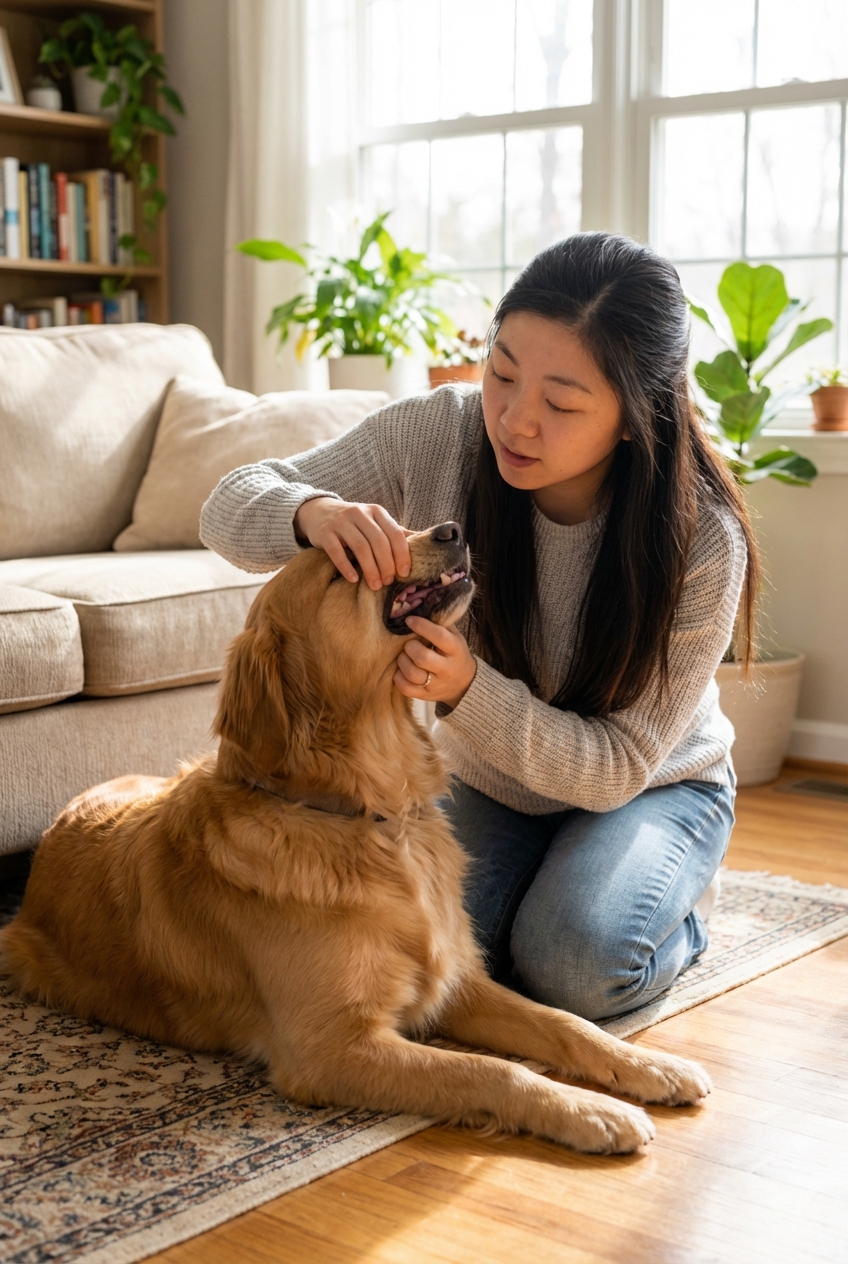
- Jaundice: yellow tint to the gums, whites of the eyes, or skin
- Dark orange or brown urine
- Pale, gray, or clay-colored stool (can suggest reduced bile flow)
These color changes are especially important to report promptly.
Increased thirst and urination
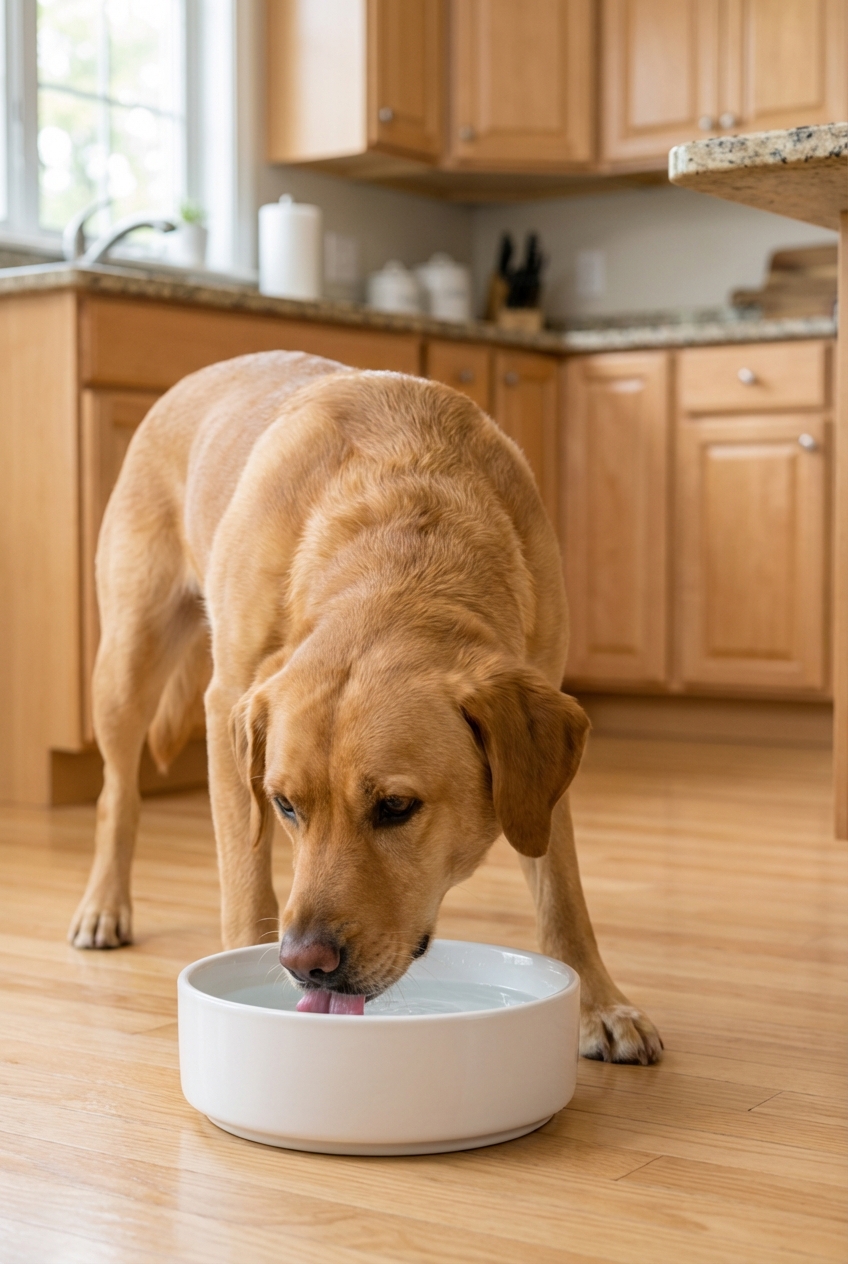
- Drinking more water than usual
- Needing to go outside more often, larger urine volumes, or new accidents in the house
Abdominal changes and pain
- Swollen belly or a pot-bellied appearance (fluid can accumulate in the abdomen)
- Tenderness when picked up or when the belly is touched
Bleeding or bruising
The liver plays a role in clotting, so some dogs develop:
- Easy bruising
- Bleeding gums
- Nosebleeds
- Blood in vomit or stool
Neurologic signs that need urgent attention
If the liver cannot clear toxins well, some dogs develop hepatic encephalopathy. Call your veterinarian or an emergency clinic if you notice:
- Disorientation, pacing, staring
- Head pressing
- Wobbliness or stumbling
- Seizures
- Sudden collapse
If you are seeing severe symptoms, it is always better to call sooner rather than later. Liver problems can change quickly.
When it is an emergency
Please seek urgent veterinary care if your dog has any of the following:
- Yellow gums or eyes (jaundice), especially if sudden
- Repeated vomiting, vomiting blood, or cannot keep water down
- Marked lethargy, collapse, or severe weakness
- Swollen abdomen that appears quickly
- Black, tarry stool or obvious blood
- Disorientation, seizures, head pressing, or severe wobbliness
If you are unsure, it is always appropriate to call your veterinarian and describe what you are seeing. In liver cases, time matters.
What causes liver disease
Liver disease can be acute (sudden) or chronic (develops over time). Common categories include:
- Toxins (certain mushrooms, some medications, pesticides, blue-green algae exposure, and xylitol, which can cause severe hypoglycemia and, in some cases, acute liver failure)
- Infections (bacterial infections, leptospirosis in some regions)
- Inflammatory liver disease (often called chronic hepatitis)
- Gallbladder and bile duct issues (including gallbladder mucocele)
- Congenital problems such as portosystemic shunts in some dogs
- Cancer (primary liver tumors or spread from elsewhere)
- Endocrine or metabolic issues that can secondarily affect the liver (for example Cushing’s disease can cause steroid hepatopathy)
Some chronic liver diseases are also linked to copper buildup. Certain breeds are overrepresented, including Bedlington Terriers, Doberman Pinschers, and Labrador Retrievers.
Because treatment depends heavily on the cause, diagnosis is not something to guess at from symptoms alone.
How vets diagnose liver problems
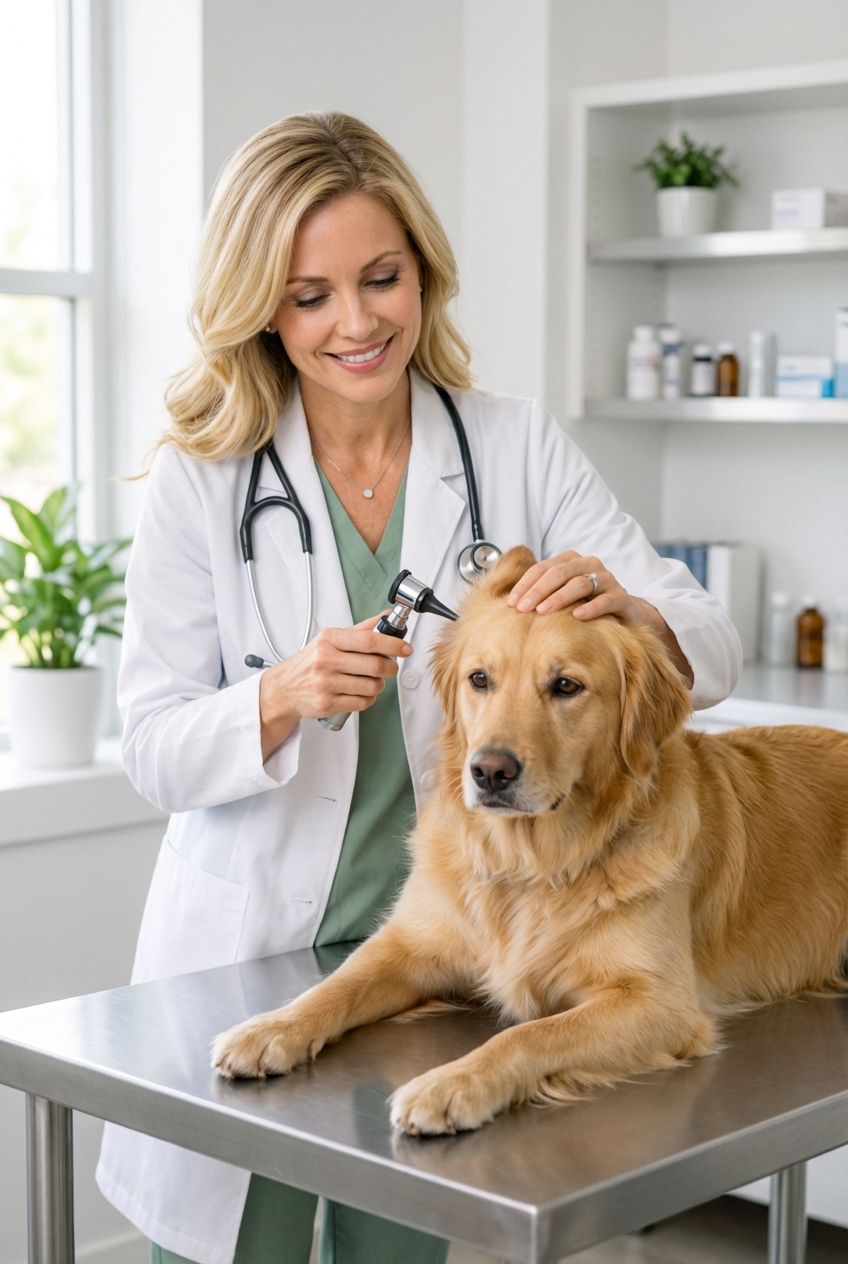
Your vet will typically combine exam findings with lab work and imaging. Depending on the case, diagnostics may include:
- Blood chemistry (liver enzymes like ALT, ALP, AST, GGT, plus bilirubin and proteins)
- Complete blood count to assess infection, inflammation, anemia
- Urinalysis (helps interpret bilirubin, hydration, and other clues)
- Bile acids test to assess liver function and blood flow patterns
- Coagulation tests (clotting ability)
- Ultrasound to evaluate liver texture, gallbladder, and bile ducts
- Infectious disease testing when indicated (for example leptospirosis)
- Fine needle aspirate or biopsy in select cases to identify inflammation, copper-associated disease, or cancer
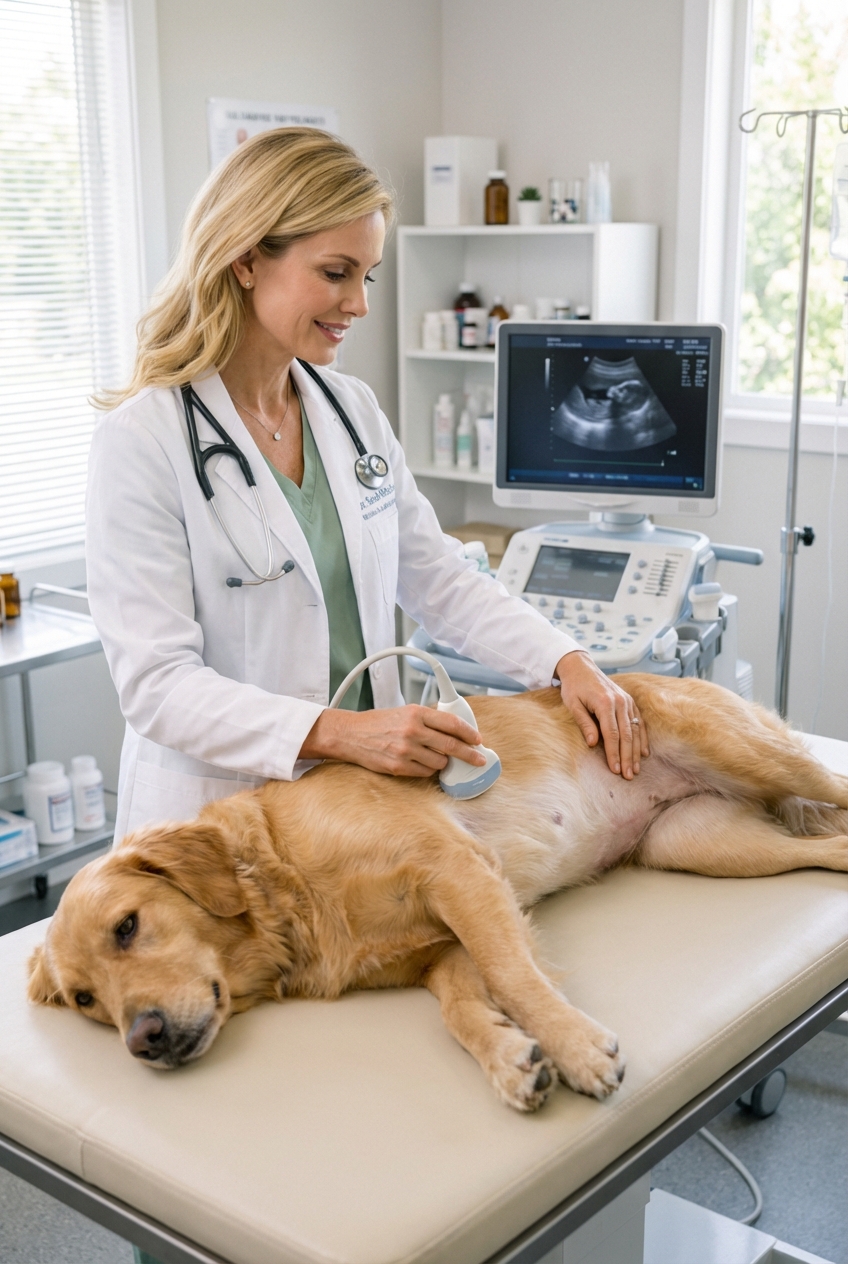
If you have lab results at home, bring them. Trends over time can be just as important as one single number.
What treatment often involves
Liver care is usually a combination of treating the underlying cause, supporting the liver’s workload, and managing symptoms so your dog can eat, feel comfortable, and stay hydrated.
Medical treatment
Your veterinarian may recommend one or more of the following based on diagnosis:
- IV fluids for dehydration, toxin clearance, and electrolyte support
- Anti-nausea and appetite support when vomiting or refusal to eat is present
- Antibiotics for suspected or confirmed infection
- Medications for hepatic encephalopathy (often lactulose and sometimes targeted antibiotics)
- Vitamin K support when clotting is impaired
- Gallbladder or bile flow support in certain biliary conditions
- Hospital monitoring when values are severe or symptoms are progressing
Please do not give over-the-counter medications without guidance. Several common human drugs can be dangerous for dogs with liver compromise.
Nutrition and feeding support
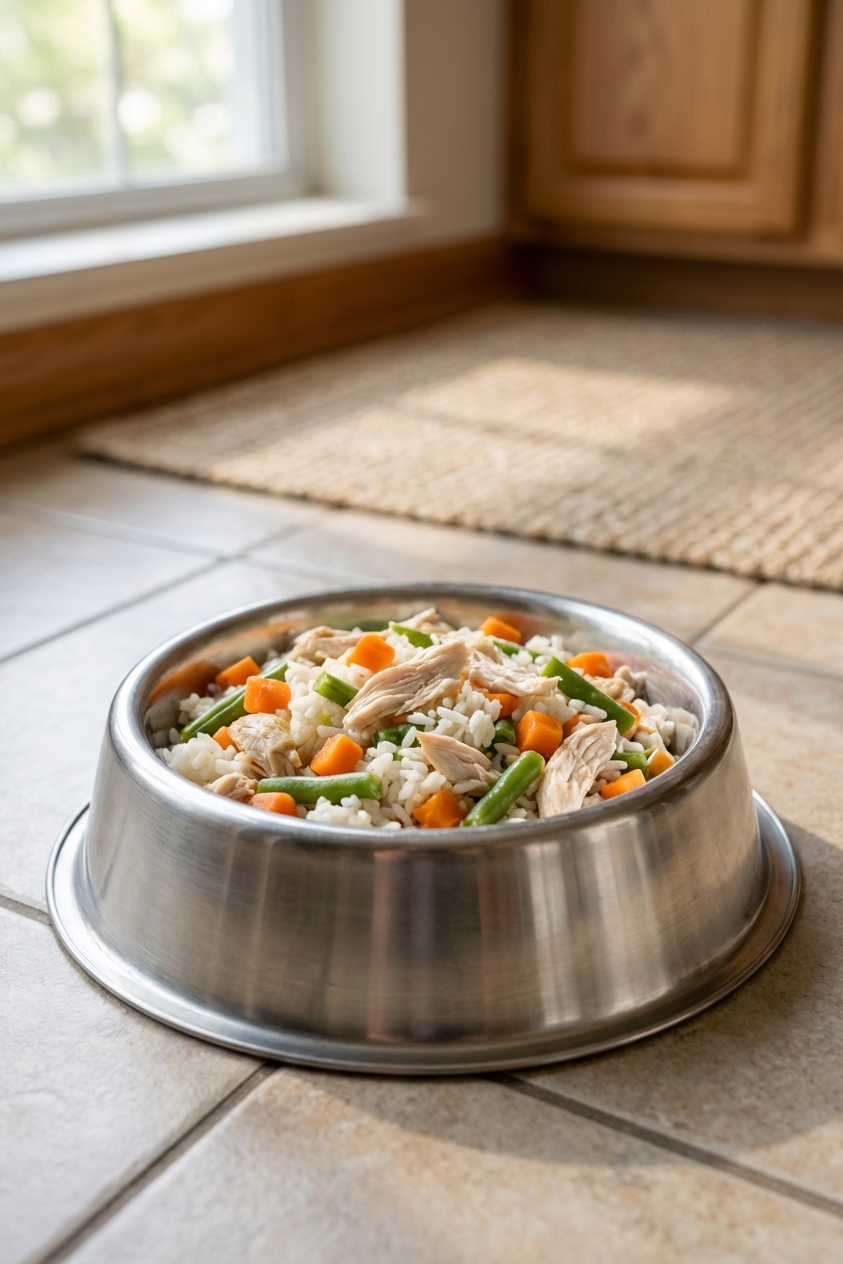
Food is part of treatment, not just comfort. Your vet may suggest a prescription hepatic diet or a carefully balanced home-prepared plan formulated to be complete and appropriate for your dog’s diagnosis.
In general, goals often include:
- Highly digestible nutrition that is easier on the body
- Appropriate protein (not too low unless specifically indicated, because protein supports healing)
- Balanced minerals, especially copper, sodium, and zinc depending on the disease type
- Steady calories to prevent muscle loss
If your dog is not eating, that is not a “wait it out” situation with liver disease. Call your veterinary team. Appetite support and nausea control can make a big difference.
Safe at-home support
Here are practical, vet-friendly steps that help many dogs, without crossing into risky DIY treatment.
Track the details that matter
- Appetite: what was offered and what was eaten
- Vomiting and stool: frequency, color, presence of blood
- Water intake and urination: noticeably more or less
- Energy: normal, slightly off, or very low
- Color checks: gums and whites of eyes (pink vs yellow)
Bring notes or a short phone log to your appointment. It helps your vet make faster, clearer decisions.
Hydration and comfort
- Keep fresh water available and encourage gentle drinking.
- Offer small, frequent meals if approved by your veterinarian.
- Keep activity calm and avoid strenuous exercise until you have guidance.
Avoid known liver stressors
- Do not give new supplements unless your veterinarian approves them.
- Prevent access to trash, compost, mushrooms, rodenticides, and unknown plants.
- Avoid fatty table scraps. Pancreatitis and liver problems can overlap and complicate each other.
Important note: If your dog is already diagnosed with liver disease, ask your vet for a medication and prevention “ok list.” This is not because most preventives are unsafe. It is because your vet may want the safest option for your dog’s specific condition and may ask you to avoid switching products without checking in first.
Prevention tips
Not every liver condition is preventable, but a few habits can reduce risk:
- Talk with your vet about leptospirosis vaccination if it is recommended in your area or for your dog’s lifestyle.
- Avoid blue-green algae by keeping dogs out of ponds or lakes with algae blooms or warning signs.
- Store medications and sweeteners safely, especially products containing xylitol.
- Call right away after a suspected toxin exposure. Do not wait for symptoms.
Questions to ask your vet
It can feel overwhelming in the exam room. These questions can help you leave with a clear plan:
- What do you think is the most likely cause of the liver changes?
- Are we dealing with acute injury, chronic disease, or bile flow obstruction?
- Which values are most concerning right now, and which are we monitoring?
- Should we do ultrasound, bile acids, or additional tests?
- What diet do you recommend, and what treats are safe?
- What symptoms mean I should go to emergency?
- When should we recheck bloodwork?
Outlook and long-term care
Many dogs do very well once the underlying issue is addressed and the liver is supported properly. The liver can regenerate to an impressive degree. Prognosis depends on the cause, how early it is caught, and how your dog responds to therapy.
The best thing you can do is act early, follow the plan closely, and keep recheck appointments. In my experience, consistent follow-up is where a lot of success stories are made.
Trust your instincts. If your dog seems “off,” it is worth a call to your veterinary team. Early support can change the whole course of liver disease.