If your dog is limping or bunny hopping, use these vet-informed tips to check paws, spot common causes, restrict activity safely, and know when to book a vet...
Article
•
Designer Mixes
Dog Limping on Back Leg: Care Tips That Help

Shari Shidate
Designer Mixes contributor
Seeing your dog suddenly limp on a back leg can feel scary, especially when it seems to come out of nowhere. As a veterinary assistant, I can tell you this: a limp is a symptom, not a diagnosis. Your job at home is to keep your dog comfortable, prevent the injury from getting worse, and know when it is time to head straight to the vet.
This guide will help you sort out what to do today, what to watch for, and how to support healing safely. It is not a substitute for an in-person exam.
First: is this an emergency?
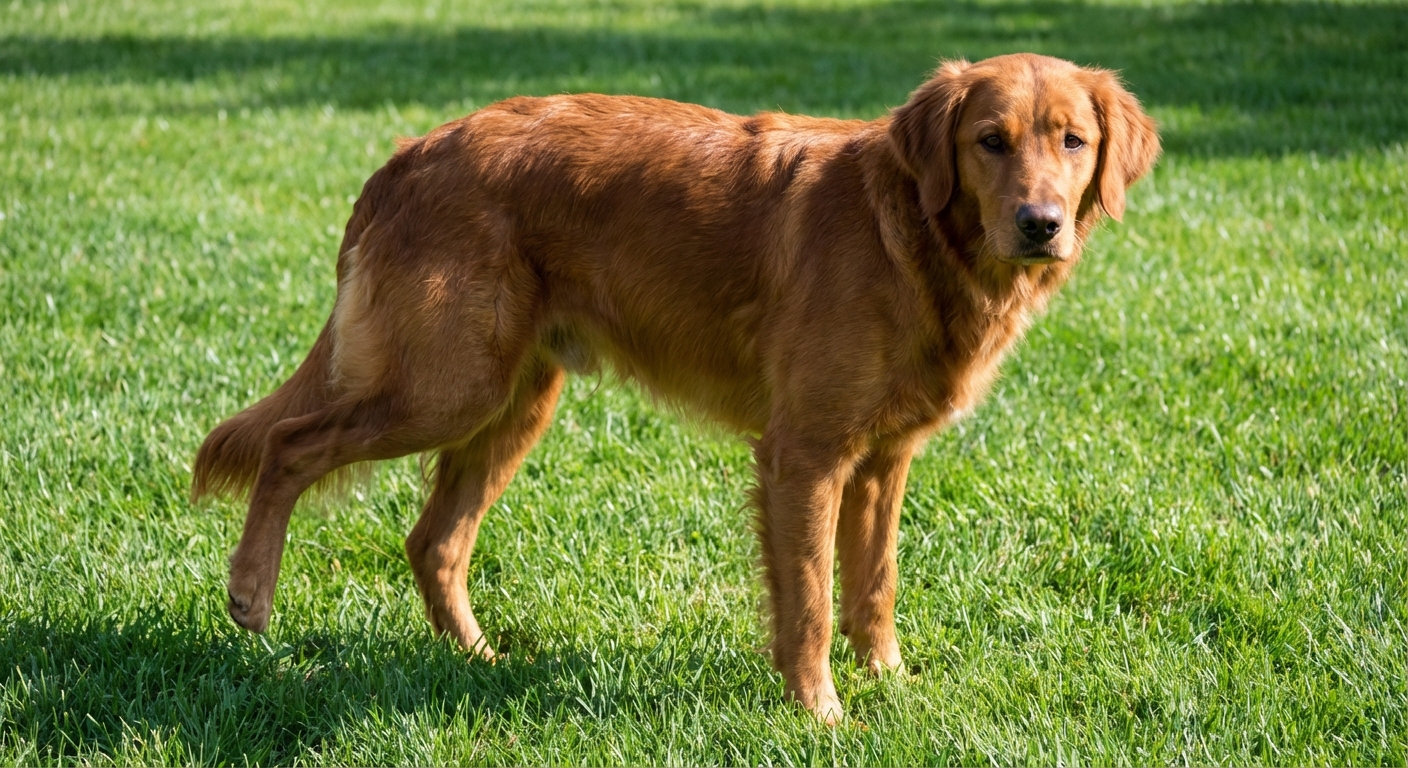
Some causes of a back-leg limp are minor, like a sore muscle. Others can be urgent, like a fracture, severe ligament tear, spinal issue, or a painful dislocation. Use these signs to decide your next step.
Go to an emergency vet now
- Your dog cannot bear any weight at all, is crying out, or cannot get comfortable.
- You see an obviously abnormal angle, dangling limb, or rapid swelling.
- There is heavy bleeding, an open wound, or bone visible.
- Your dog is weak in both back legs, knuckling over, dragging toes, or losing balance.
- Signs of shock: pale gums, collapse, severe lethargy, fast breathing.
- Sudden back pain with a hunched posture or yelping when picked up.
- Your dog has eaten something toxic or had major trauma (hit by car, big fall).
Call your vet soon
- A new limp that is not improving with rest within 24 to 48 hours.
- Any limp that is getting worse, or your dog seems painful.
- Swelling at a joint (knee, hock/ankle-like joint, hip) or heat you can feel.
- Repeated toe scuffing that wears nails down quickly.
- History of cruciate ligament injury, patellar luxation, hip dysplasia, arthritis, or IVDD.
- Shifting lameness, fever, or sudden reluctance to move (in some areas, tick-borne disease can be on the list).
Rule of thumb: If your dog is in significant pain, not using the leg, or getting worse quickly, do not “wait and see.”
Also important: A sudden non-weight-bearing limp does not always mean a fracture, but it is still urgent to evaluate.
Common reasons for back-leg limping
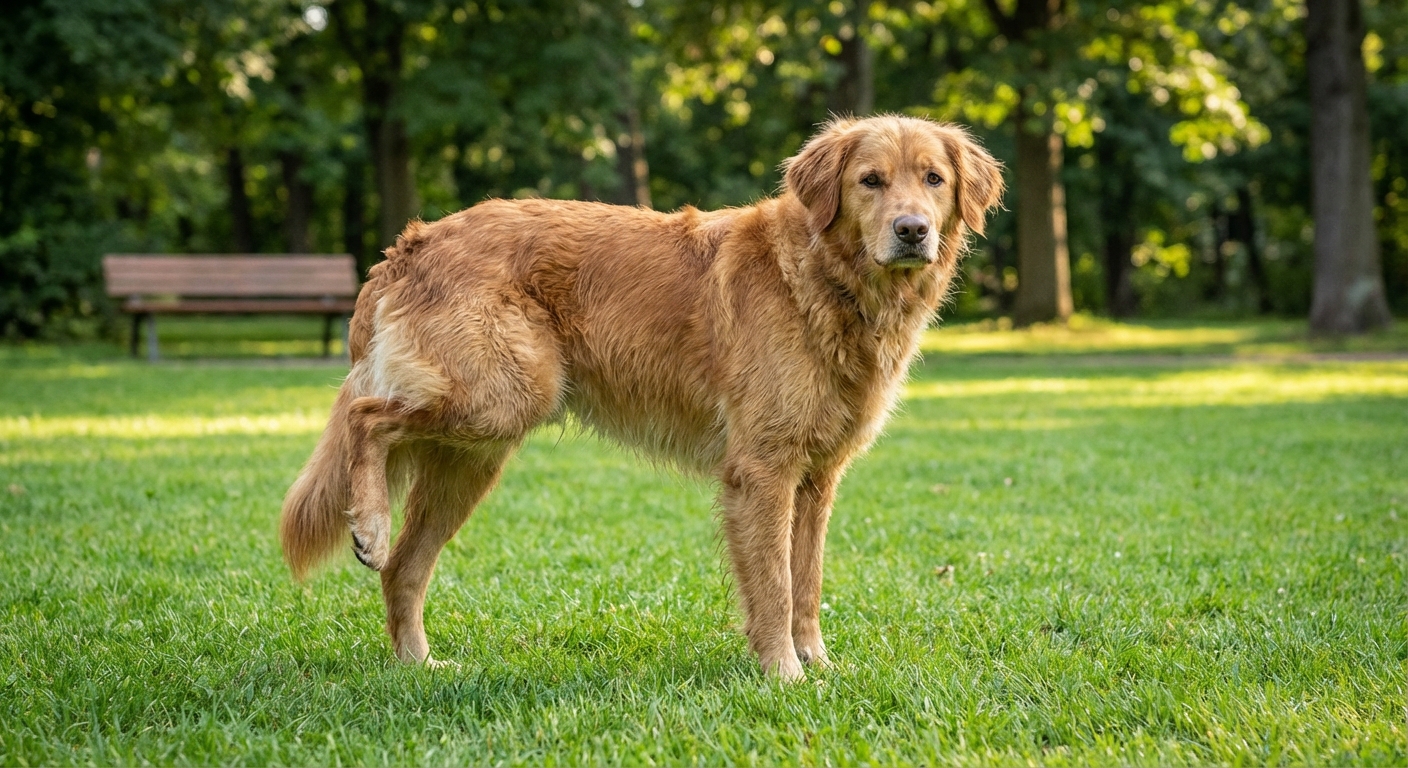
Back-leg limping can come from the paw, the joints, the bones, the muscles, or even the spine. Here are some of the most common culprits vets see.
Paw and nail problems
- Torn nail, cracked nail, or nail bed infection
- Foxtail or thorn between toes
- Pad burn (hot pavement), cuts, or abrasions
- Allergy-related licking that leads to sore skin
Soft tissue strains and sprains
- Overdoing it at the park, slipping on tile, sudden twisting while running
- Muscle soreness, especially after weekend activity spikes
Knee issues (very common)
- CCL injury (cranial cruciate ligament, similar to ACL in people): often sudden limp, sometimes with a “toe-touching” stance
- Patellar luxation: kneecap slips, limp may come and go, dog may “skip” a step
Hip and arthritis
- Hip dysplasia, osteoarthritis, or age-related stiffness
- Limp is often worse after rest and improves slightly once warmed up
Neurologic or spine-related pain
- Intervertebral disc disease (IVDD) or lumbosacral disease can look like a leg injury
- Weakness, stumbling, knuckling, or pain when the back is touched are red flags
At-home care (first 24 to 72 hours)
Home care is about protecting the leg while you arrange veterinary guidance to identify the cause. Even a mild limp can become a bigger injury if your dog keeps sprinting, jumping, or wrestling.
1) Rest starts now
- Leash walks only for potty breaks.
- No running, stairs, jumping on furniture, or rough play.
- Use a crate or small room to limit movement if needed.
2) Check the paw safely
If your dog will allow it without pain, gently look for:
- Split nail, bleeding, or swelling around a toe
- Foreign material between toes (grass awns, small rocks)
- Pad cuts, blisters, or heat-related burns
If you find a superficial cut, rinse with saline or clean water and keep it dry. If there is a deep puncture, significant swelling, or persistent bleeding, call your vet.
3) Cold packs for new injuries
If the limp is new (first 48 hours) and you suspect a sprain or strain, a cold pack can help with swelling and discomfort.
- Wrap an ice pack or frozen peas in a thin towel.
- Never apply ice directly to the skin.
- Apply 10 to 15 minutes, up to 2 to 3 times daily.
- Stop if your dog becomes stressed, painful, or overly cold.
After 48 hours, some muscle strains feel better with gentle warmth, but only if there is no obvious swelling or heat at the joint. When in doubt, ask your vet.
4) Do not give human pain meds
Please skip ibuprofen, naproxen, aspirin (including “low-dose” aspirin), or acetaminophen unless your veterinarian specifically instructed it. These medications can cause serious stomach ulcers, kidney injury, liver injury, and even death in dogs. If your dog is painful, the safest step is to call your vet for dog-appropriate options.
5) Traction and support at home
- Put down rugs or yoga mats on slippery floors.
- Block stairs with a baby gate.
- Use a harness for controlled, slow potty breaks.
- For large dogs, a towel under the belly can help as a temporary sling on short walks.
6) Avoid at-home bandaging unless instructed
Many owners want to wrap the leg, but a tight or poorly placed bandage can cause swelling and skin damage. If you are worried about an open wound, cover it lightly with a clean, dry dressing and head to the vet.
How vets diagnose back-leg limping
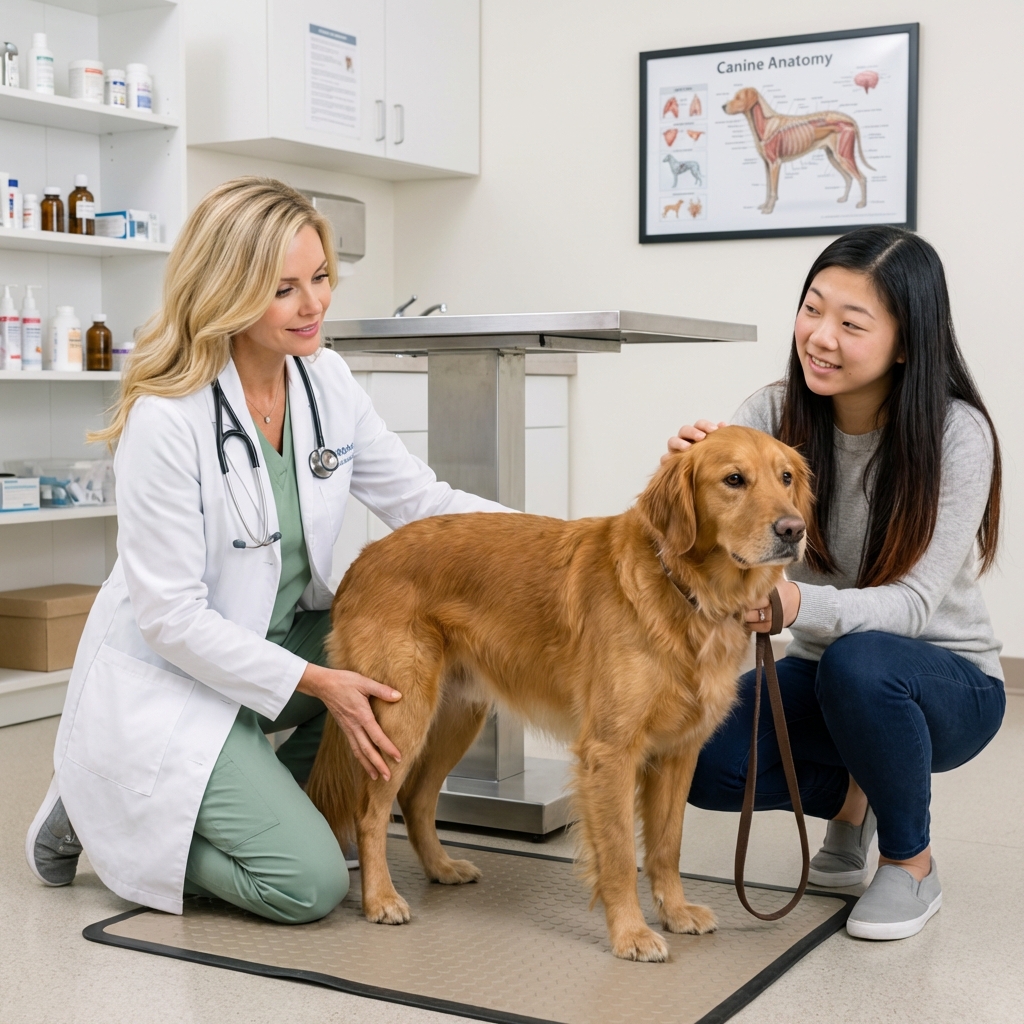
A good diagnosis is what prevents repeated re-injury. In clinic, your vet may recommend:
- Orthopedic exam: checking range of motion, pain points, and stability in the knee and hip
- Neurologic screening: reflexes, paw placement, and strength
- X-rays: helpful for fractures, arthritis, hip changes, some tumors
- Sedated knee exam: sometimes needed to assess cruciate stability accurately
- Advanced imaging: CT or MRI (and sometimes ultrasound depending on the suspected issue)
Be ready to share details like when it started, whether it comes and goes, any recent rough play, and what makes it better or worse.
Healing support that helps
Once your veterinarian identifies the cause, the plan may include a mix of medication, rest, rehabilitation, and sometimes surgery. Here are supports that are commonly helpful, with your vet’s guidance.
Weight management (quietly powerful)
Extra pounds put extra force through the hips and knees. Even a small weight reduction can improve comfort for arthritis and reduce strain on an injured ligament. Ask your vet what your dog’s target weight should be and how many calories to feed to get there safely.
Controlled movement, not total inactivity forever
In the acute phase, strict rest matters. After that, many dogs do best with controlled exercise.
- Short, slow leash walks as prescribed
- Rehab exercises from your vet or a canine physical therapist
- Underwater treadmill or swimming when appropriate
Rehab options (may help some dogs)
- Therapeutic laser (evidence varies by condition and clinic protocols)
- Massage and gentle stretching (only when recommended)
- Acupuncture for some chronic pain conditions (results vary)
Supplements and nutrition support
Evidence for supplements varies, but many veterinarians use them as part of a larger plan. Common options include omega-3 fatty acids (EPA and DHA), glucosamine and chondroitin, and green-lipped mussel. Ask your vet for a product and dose based on your dog’s weight and medical history.
Adequan (polysulfated glycosaminoglycan) is a prescription injection used most often for osteoarthritis in selected patients. It is not appropriate for every limp, so it is best to discuss whether it fits your dog’s specific diagnosis.
If your dog is on a homemade diet, make sure it is balanced for calcium, phosphorus, and essential nutrients. Poorly balanced meals can weaken bones and joints over time. If you want to go homemade, I always recommend doing it with a veterinary nutritionist or a fully formulated recipe.
Special situations
Possible cruciate ligament injury
CCL injuries are one of the most common reasons for back-leg limping, especially in medium to large dogs. Many dogs benefit from surgery, but the right choice depends on size, activity level, and your vet’s exam.
- Do strict rest until seen.
- Avoid stairs and jumping completely.
- Do not force stretching or range-of-motion exercises at home.
Limp is worse after resting
This pattern often points toward arthritis or chronic joint disease. Help your dog by warming up gently, keeping nails trimmed for traction, and scheduling a vet visit for a long-term pain plan. Chronic pain deserves treatment, not just tolerance.
Older dog with a sudden limp
In seniors, we think about arthritis, but we also keep an eye out for ligament tears, spine issues, and occasionally bone tumors. Sudden, persistent limping in an older dog is worth prompt evaluation.
Monitoring checklist
Tracking changes helps your vet and helps you feel more confident. Over the next few days, write down:
- Which leg and which part seems painful (paw, knee, hip)
- Weight-bearing: none, toe-touching, partial, normal
- Swelling, heat, or tenderness
- Appetite and energy level
- Any yelping, trembling, panting, or hiding
- Video of your dog walking from the side and from behind
A short phone video is one of the best tools you can bring to the appointment, especially if the limp comes and goes.
Prevention tips
- Keep nails trimmed to improve traction and reduce slipping injuries.
- Warm up before hard play: start with a calm walk before sprinting or fetch.
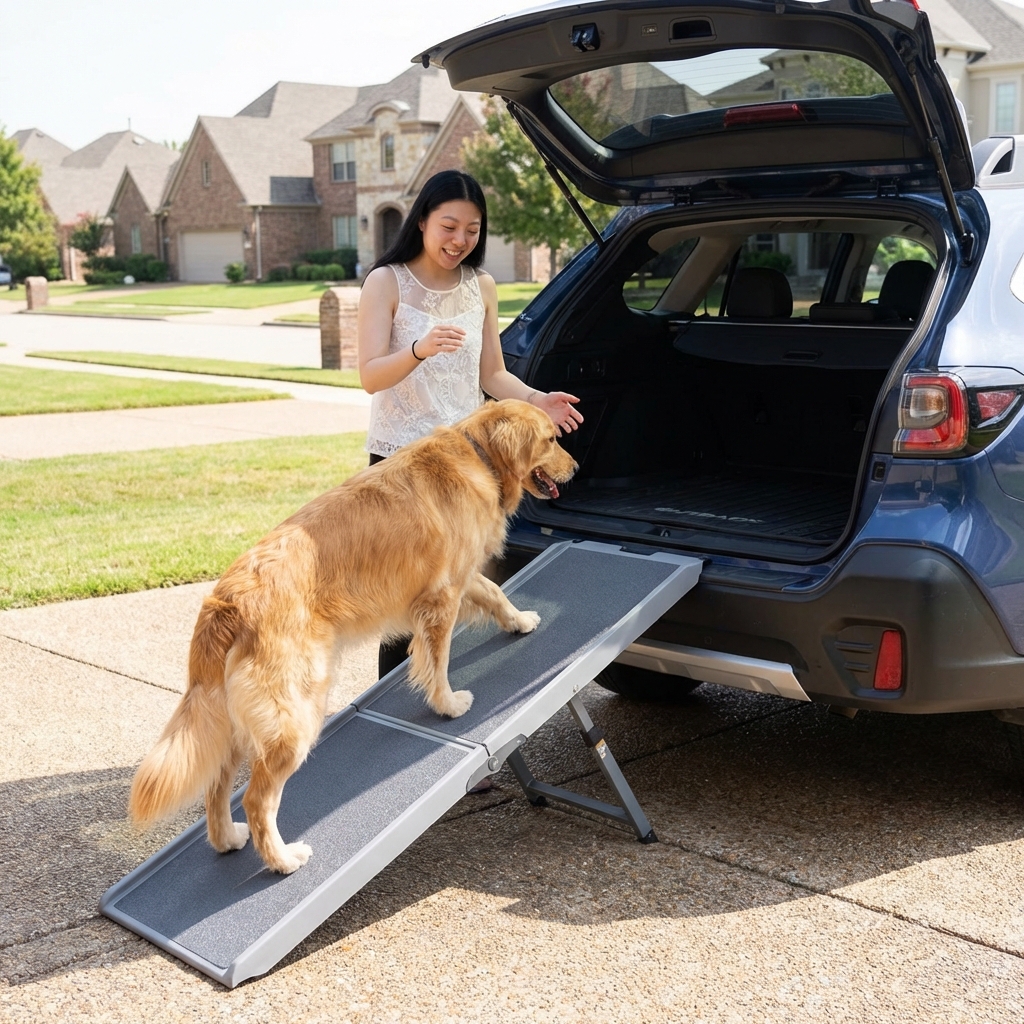
- Use ramps for cars and couches, especially for seniors and long-backed breeds.
- Build strength slowly after time off. Weekend warrior activity spikes are a common setup for strains.
- Maintain a lean body condition to reduce joint stress.
Bottom line
A back-leg limp is your dog’s way of saying, “Something hurts or feels unstable.” The most loving first step is rest and safety. Then, let your veterinarian guide you to the cause so you can choose the right treatment, whether that is medication, rehab, or surgery. When you respond early, you give your dog the best chance at a full, comfortable recovery.
If you are ever unsure, call your veterinarian. A quick check today can prevent a long recovery later.