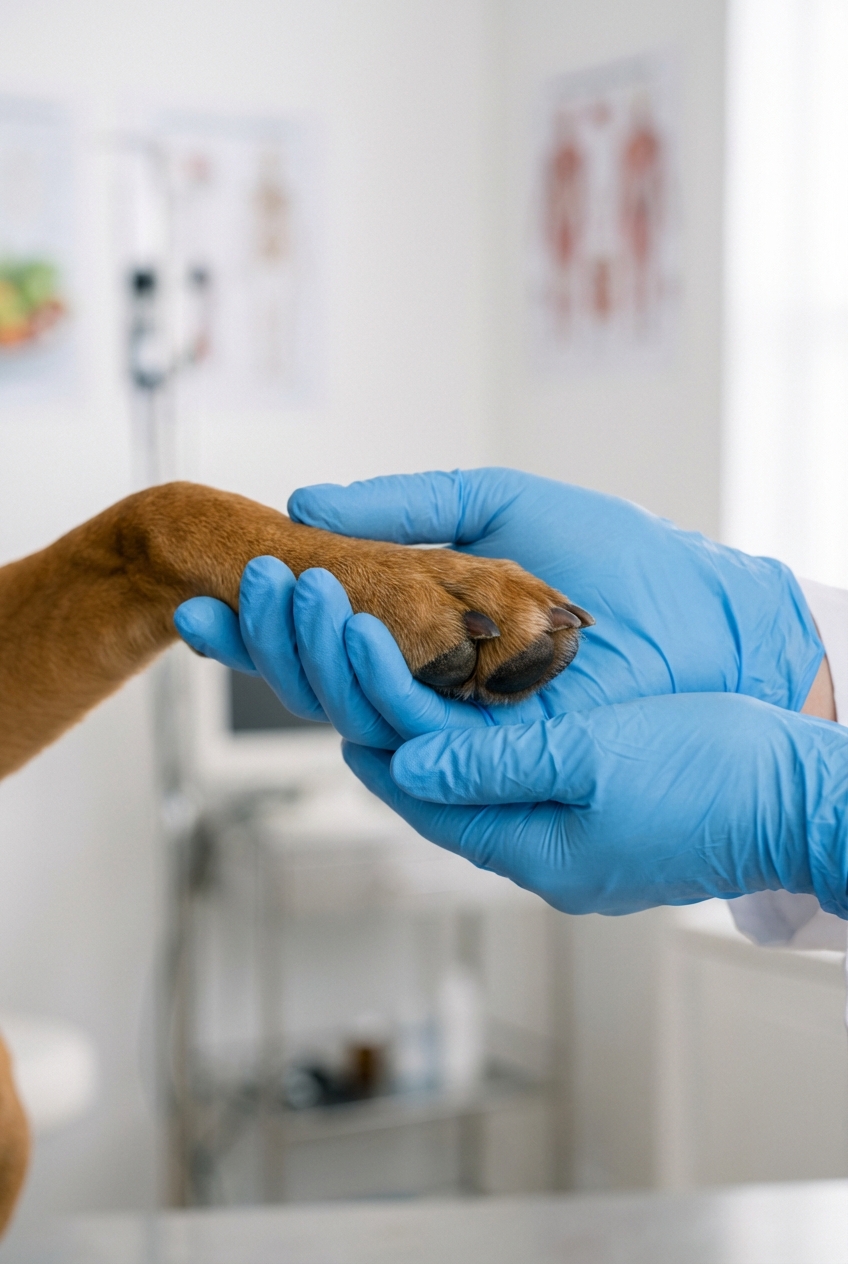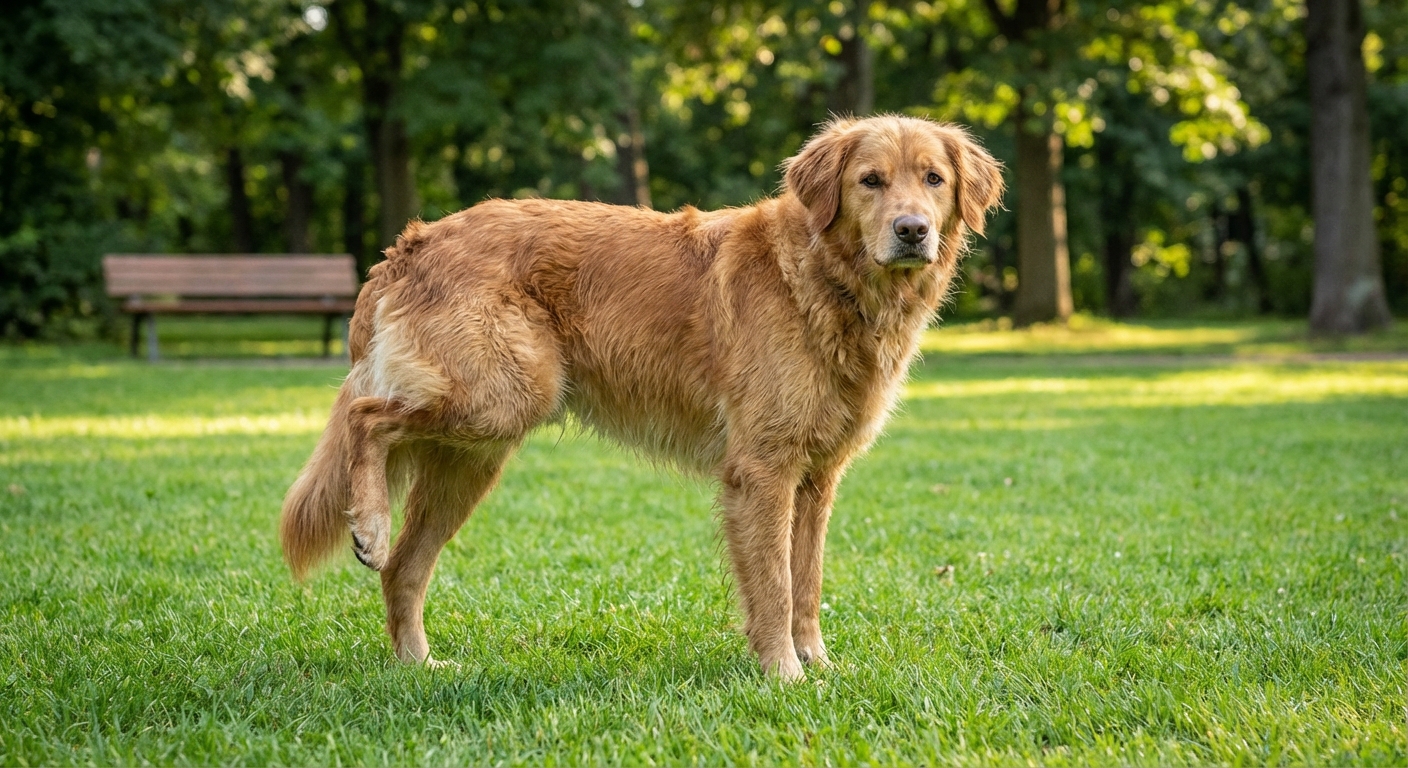
Worried your dog is limping on a back leg? Learn urgent red flags, common causes (paw, knee, hip, spine), safe home care for 24–72 hours, and what your vet...
Article
•
Designer Mixes
Dog Limping: CCL vs Paw Thorn

Shari Shidate
Designer Mixes contributor
If your dog suddenly starts limping, it is scary and confusing. In the clinic, one of the most common questions I hear is: “Is this a knee injury like an ACL tear, or did they just step on something?” The good news is you can do a calm, quick at-home check to gather clues. The important part is knowing what not to do so you do not make an injury worse.
Quick note: I’m sharing general, evidence-based guidance from the veterinary assistant perspective, not a diagnosis. If your dog is in significant pain or cannot bear weight, it is safest to call your veterinarian or an emergency clinic.
How urgent is it?
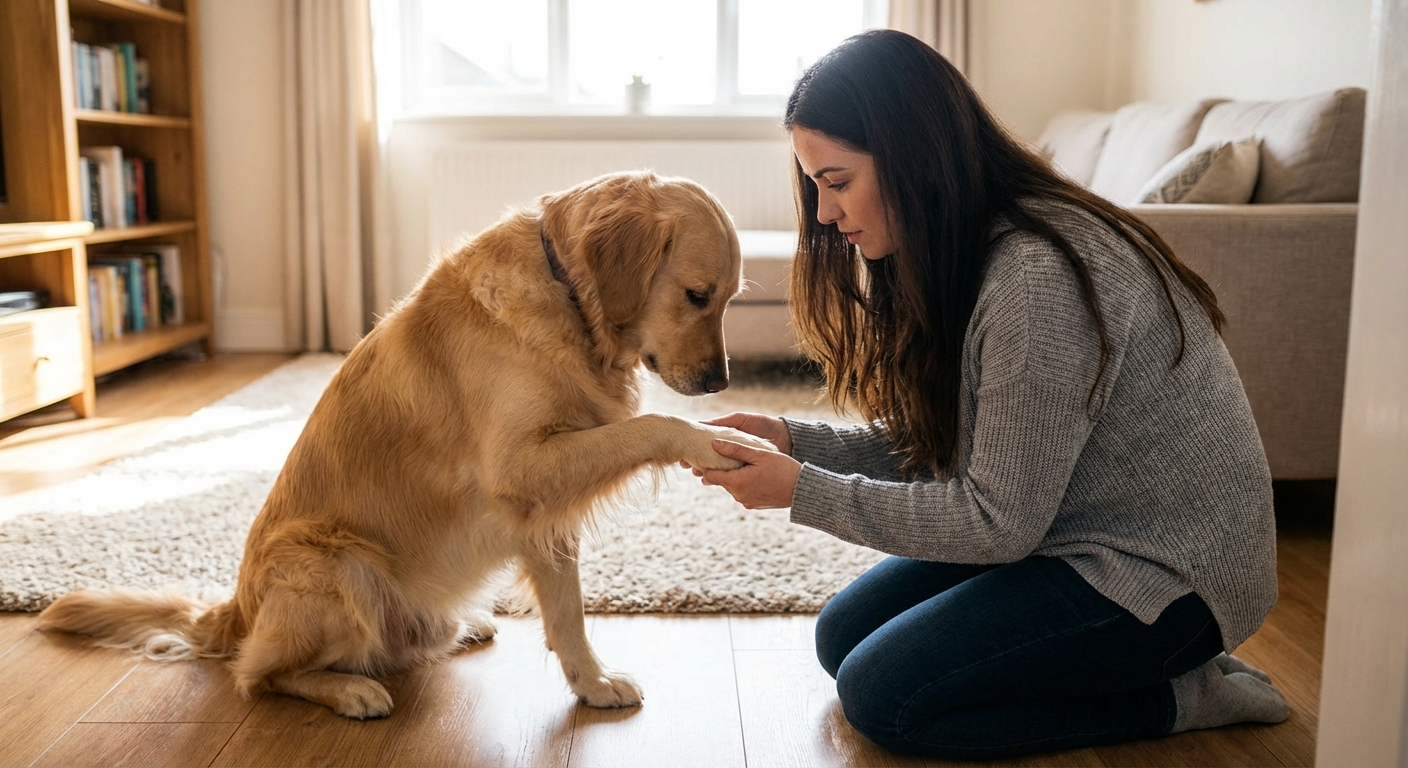
Some limps can wait for a regular appointment. Others should be seen right away.
Go to an emergency vet now
- Your dog cannot bear weight at all, or is screaming, panting, or trembling from pain.
- There is heavy bleeding, a deep puncture, or a nail torn partially off.
- The paw is very swollen, hot, has discharge, or a foul odor (can indicate infection).
- You see a bone, the leg looks “out of place,” or there is sudden severe swelling after a yelp.
- Your dog is weak, pale-gummed, collapses, or has trouble breathing.
Call your vet within 24 hours
- Limp persists longer than 24 hours even if mild.
- Swelling around the knee, repeated toe-touching, or reluctance to go up stairs.
- Any limp in a puppy, senior, or a dog with known arthritis.
- Your dog has had a prior CCL injury or knee surgery.
CCL vs paw thorn
Dogs can limp from either a problem in the paw (like a thorn, foxtail, splinter, cut, or broken nail) or from higher up the limb (like a ligament injury in the knee). In dogs, what people often call an “ACL tear” is usually the cranial cruciate ligament (CCL), which is similar to the human ACL. The pattern of the limp and what you find on exam usually point you in the right direction.
Clues for a paw foreign body
- Licking or chewing the paw, sometimes nonstop.
- Sudden limp during a walk, especially in tall grass, trails, or fields.
- Holding the paw up or tip-toeing on that foot.
- Visible puncture, redness, or a swollen spot between the toes.
- One toe looks puffy, or there is a small draining hole.
Clues for a CCL injury
- Hind leg limp that may appear suddenly during running, jumping, or playing.
- Difficulty rising, sitting off to one side, or hesitating on stairs.
- Swelling around the knee joint (often most noticeable on the inside).
- Toe-touching where the dog barely puts the toes down to balance.
- Limp that returns after rest and flares again with activity.
Safe home check
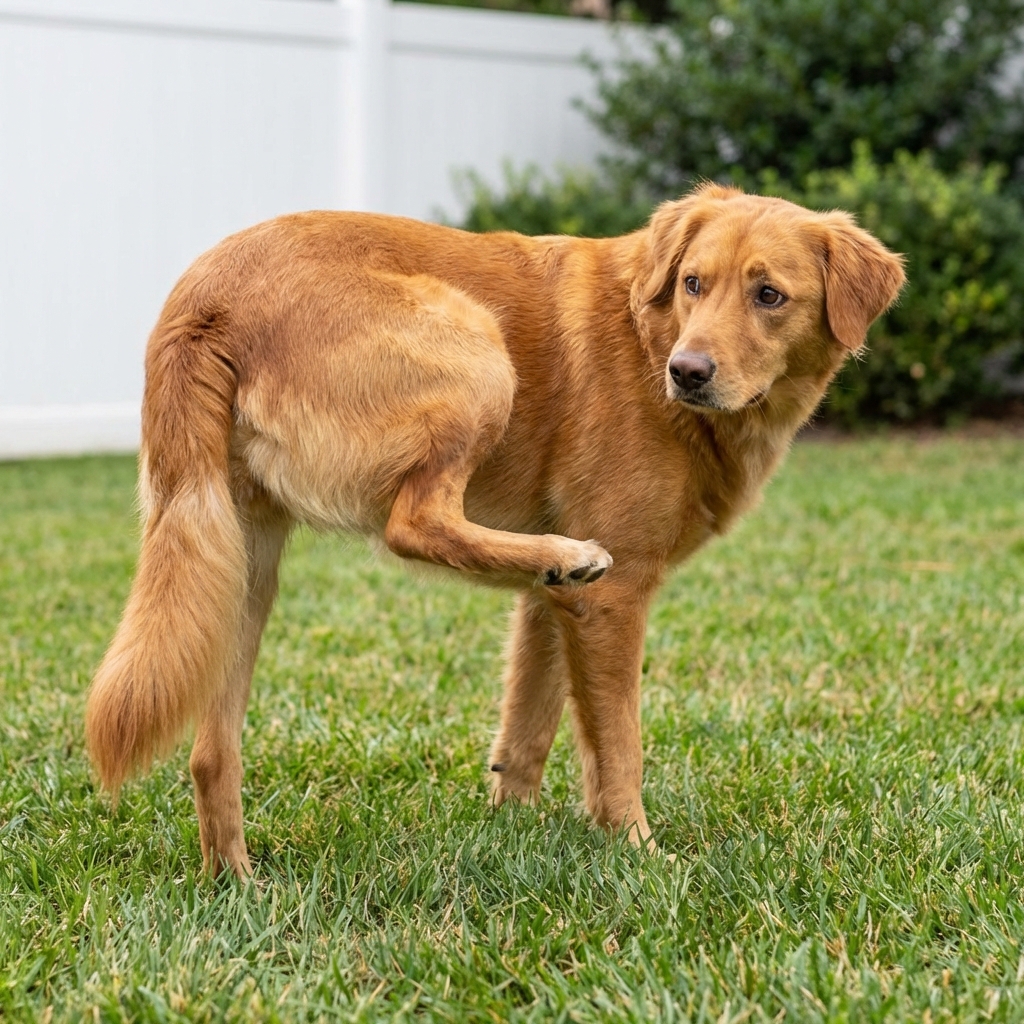
Pick a well-lit area, use treats, and go slowly. If your dog growls, snaps, or seems very painful, stop and seek help. Pain can make even the sweetest dog react.
Step 1: Watch first
- Is the limp on a front leg or hind leg?
- Is it toe-touching, partial weight bearing, or non-weight bearing?
- Does it look worse on slippery floors compared to carpet or grass? Traction issues can make some injuries look worse indoors.
Step 2: Check the paw first
Many paw injuries are easy to miss because the wound is tiny. Here is what I recommend:
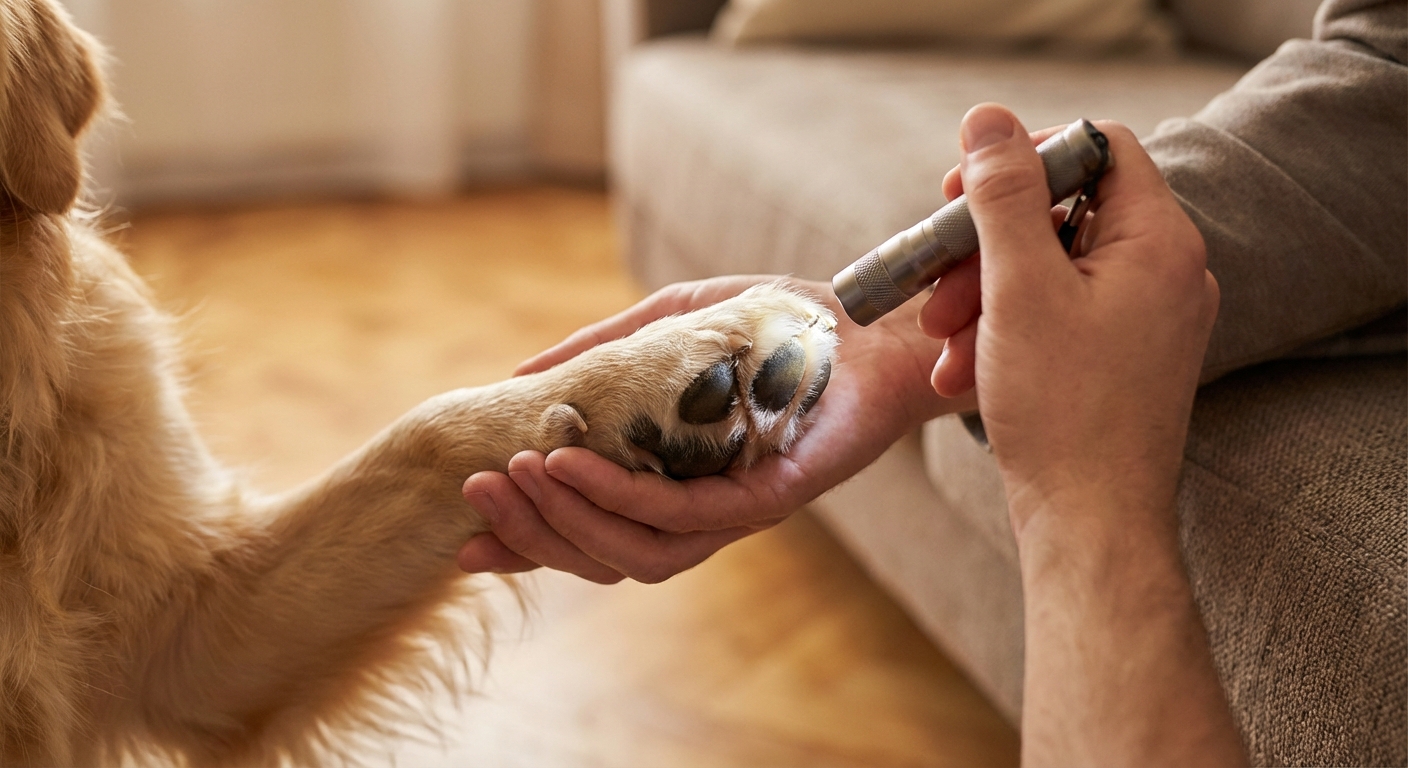
- Look at the pads for cuts, cracks, or embedded debris.
- Spread the toes and look between them. Foxtails and thorns love to hide there.
- Check the nails for a split, tear, or a quick that is bleeding.
- Sniff the paw. A strong smell plus redness, discharge, or swelling can be a clue.
Tip: If your dog has longer fur, dampen it slightly or use a flashlight to part the hair around the toes.
Step 3: Feel up the leg
If the paw looks normal, use your fingertips to compare both legs from the toes upward.
- Is there heat in one area compared to the other side?
- Is there swelling around the ankle or wrist, or the knee?
- Does your dog flinch when you touch a specific spot?
Step 4: Knee clues only
There are veterinary tests (like the cranial drawer test and tibial thrust) used to assess CCL injuries. Please do not try these at home. They can hurt, and you can worsen damage.
What you can look for:
- Swelling around the knee compared to the other side.
- Reduced use of the leg when standing, turning, or sitting down.
- Sitting posture changes, like the affected leg sticking out.
What not to do
- Do not force range of motion. Gentle handling is fine, but do not push the leg to full bend or full extension.
- Do not apply a tight bandage or tourniquet if you are not trained. Incorrect bandages can cause serious swelling and tissue damage.
- Do not let your dog “walk it off.” Rest is often the safest move until you know what you are dealing with.
If you find a thorn
If you clearly see a small thorn or splinter that is superficial, and your dog is calm, you may be able to remove it with clean tweezers. If it is deep, between toes, or your dog is very painful, a vet visit is safer.
Safer home steps
- Rinse with saline or clean running water.
- Remove superficial debris with clean tweezers if it comes out easily.
- Do not dig. If you cannot grasp it, stop.
- Prevent licking with an e-collar or cone if needed.
- Save a note or photo of what you removed (thorn, foxtail, splinter). Retained fragments are common, and this can help your vet if the limp continues.
- Monitor for swelling, redness, discharge, foul odor, or worsening limp.
A quick regional note on foxtails
Foxtails (grass awns) are sneaky in many regions. They can migrate under the skin and cause infection. A tiny puncture can turn into a bigger problem days later. If your dog keeps licking one spot, the paw swells, or you see draining, call your vet.
If you suspect a CCL tear
CCL injuries are common in active dogs and in dogs who are a bit overweight. They can be partial or complete tears. Many dogs also injure the other knee later, so early management matters.
Home care until the visit
- Strict rest for bathroom breaks only. No running, jumping, stairs, or rough play.
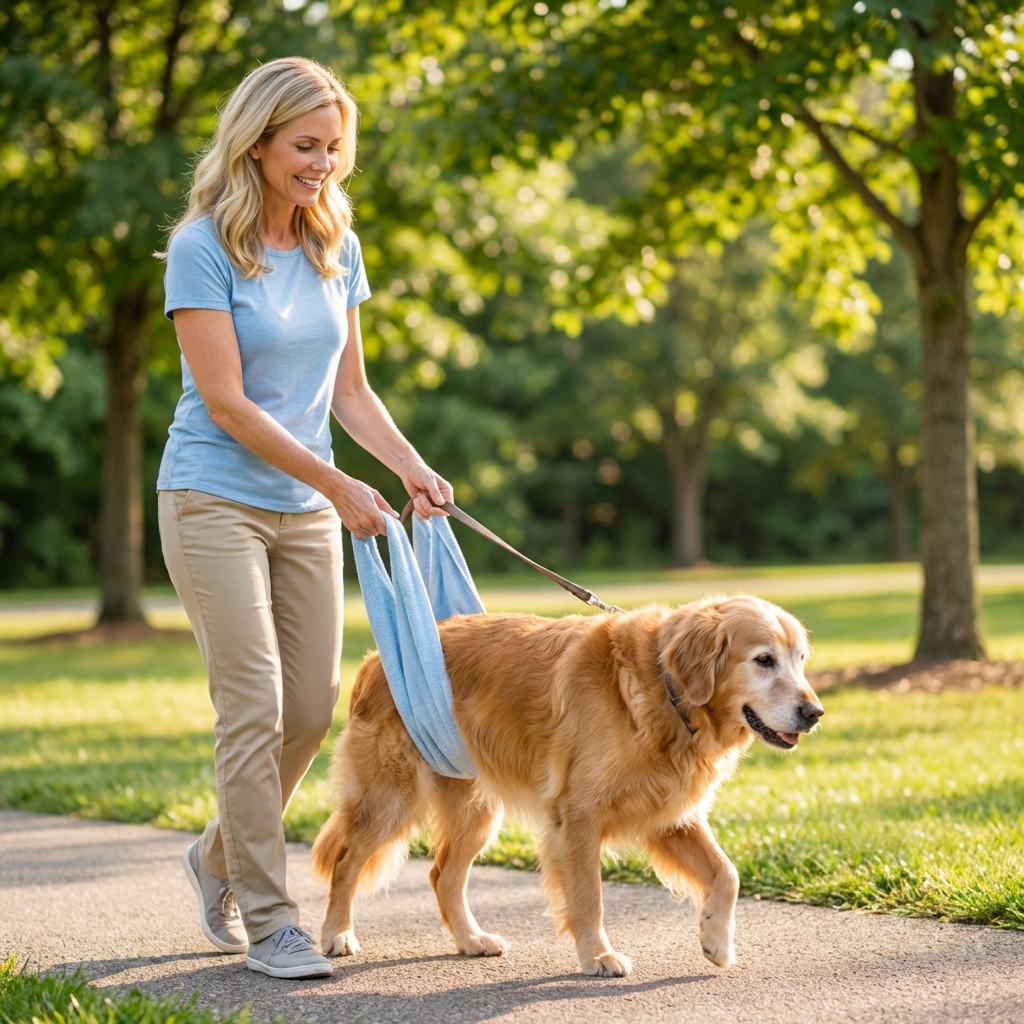
- Leash walks only, short and slow.
- Use rugs or traction on slippery floors.
- Support with a sling or towel under the belly for larger dogs if needed.
- Do not give human pain meds like ibuprofen, naproxen, or acetaminophen unless your veterinarian specifically instructs you. These can be toxic to dogs.
Your veterinarian may recommend an exam, x-rays, sedation for a thorough knee evaluation, and a plan that could include pain control, rehab, weight management, and in many cases surgery depending on size, activity level, and tear severity.
Other common causes
Paw thorn vs CCL injury are two of the big ones, but they are not the only possibilities. Other common causes of limping include sprains and strains, insect stings or allergic swelling, a broken nail, arthritis flare-ups, luxating patella (kneecap issues), hip problems, and fractures. In some regions, certain neurologic issues or toxins can also affect gait. If your gut says this is more than a simple sore foot, trust that instinct and get your vet involved.
What your vet may do
For paw foreign bodies
- Clipping fur and a detailed paw exam.
- Flushing a puncture tract.
- Removal under sedation if needed (especially between toes).
- Antibiotics and pain relief when indicated.
- Bandage and recheck instructions.
For CCL injuries
- Orthopedic exam and palpation.
- X-rays to look for joint swelling, arthritis changes, and to rule out other causes.
- One helpful note: X-rays cannot see the ligament directly, but they can show changes that support the diagnosis and help rule out fractures or bone disease.
- Discussion of options like TPLO, TTA, extracapsular repair, and rehabilitation plans based on your dog’s size and lifestyle.
Prevention tips
Not every limp is preventable, but these habits reduce risk and catch problems early.
- Daily paw checks during foxtail season and after hikes.
- Keep nails trimmed to reduce toe strain and slips.
- Maintain a lean body condition. Extra weight increases knee stress.
- Warm up before intense fetch sessions and avoid repetitive high jumps.
- Use traction on slick floors, especially for senior dogs.
If you remember one thing: paw injuries tend to cause licking and tenderness in the foot, while CCL injuries more often cause hind-leg toe-touching, knee swelling, and trouble with stairs. Either way, rest and a timely vet check can make a huge difference.
Vet visit checklist
These details help your vet narrow things down faster:
- Which leg is affected and when it started.
- Any yelp, slip, jump, or rough play right before the limp.
- Whether your dog licks a specific paw or toe.
- Any swelling you noticed and where.
- Whether the limp improves with rest or worsens with activity.
- A short video of your dog walking from the side and from behind.