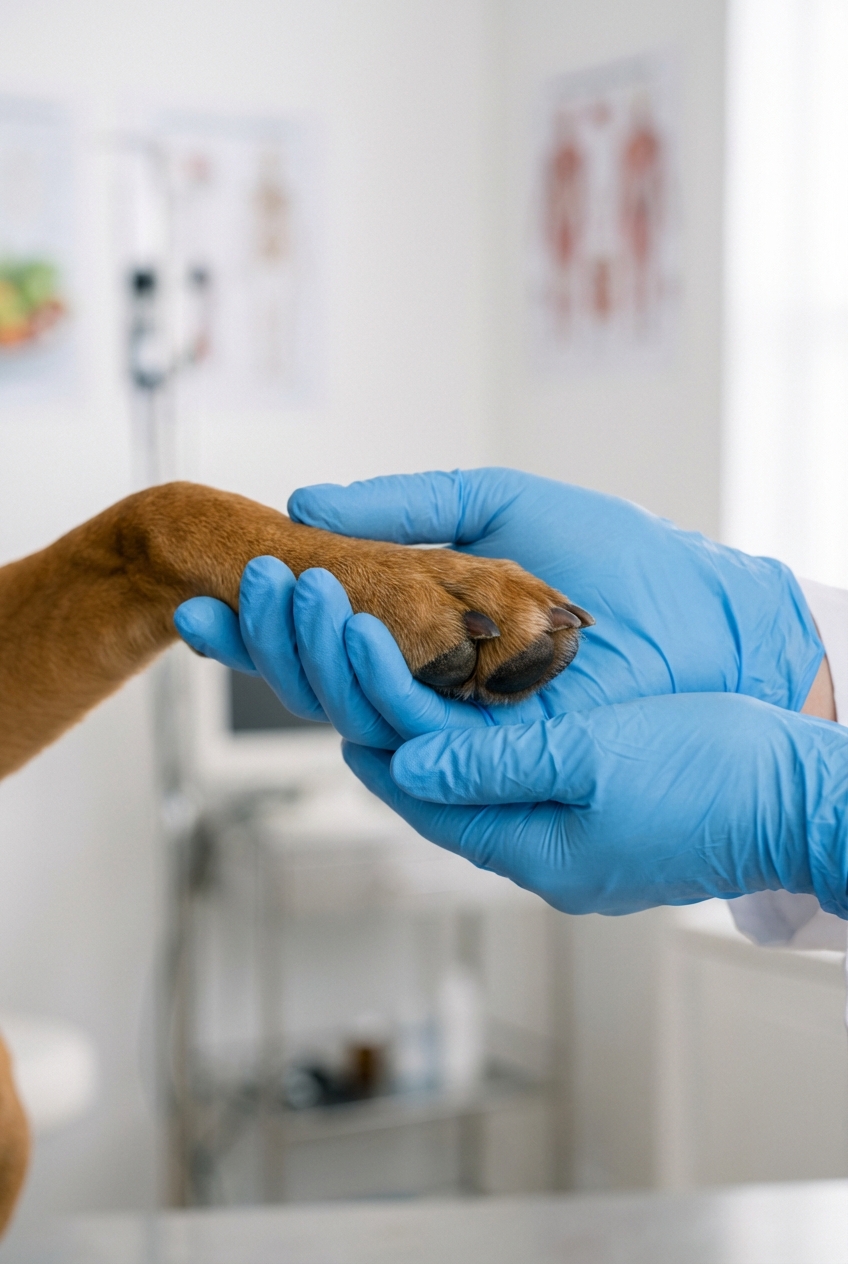
Step-by-step, kid-friendly first aid for a dog’s paw pad cut: control bleeding, gentle cleaning, safe bandaging, licking prevention, healing timeline, and ...
Article
•
Designer Mixes
Dog Limping and Sore Paws: Facts and Tips

Shari Shidate
Designer Mixes contributor
If your dog is limping, it is easy to panic. I get it. In our clinic, one of the most common reasons families call is a sudden limp after a walk, a backyard zoomie session, or a day that suddenly takes a turn. The good news is that many sore paws are minor and improve quickly with smart home care. The key is knowing what to look for and when a limp is a true emergency.
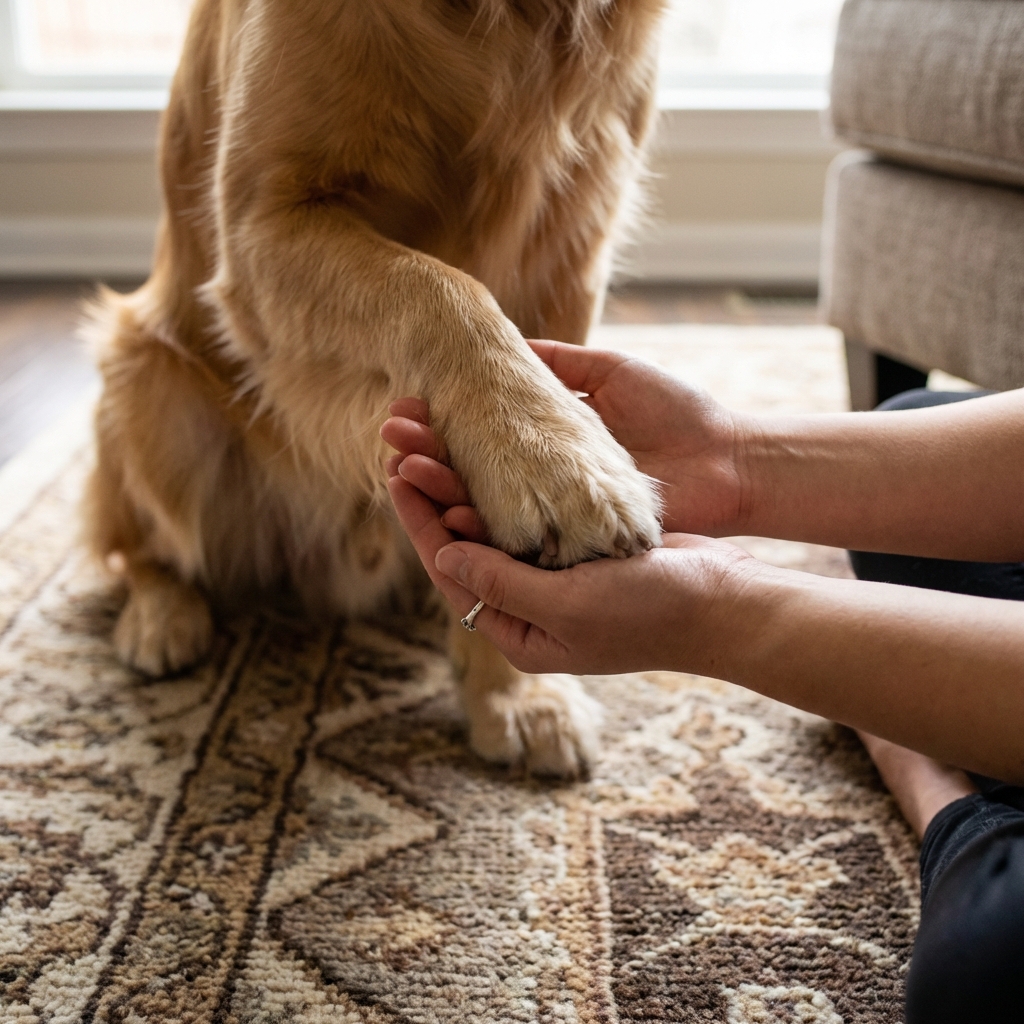
What counts as limping?
Limping simply means your dog is not putting normal weight on a leg, or they are moving differently to avoid pain. Sometimes it is obvious, like a three-legged hop. Other times it is subtle, like:
- Shorter steps on one side
- Slower pace or hesitation on stairs
- “Bunny hopping” with the back legs
- Sudden refusal to walk on grass, gravel, or hot pavement
- Frequent licking at one paw
A quick note from the veterinary assistant side of things: even a mild limp is your dog communicating discomfort. Treat it like helpful information, not “drama.”
Common causes and clues
1) Cut, splinter, or thorn
Dogs can pick up tiny stickers, burrs, or sharp debris between toes or in the paw pad. You may see redness, a pinpoint spot of bleeding, or one toe that seems especially tender.
2) Cracked pad or abrasion
Rough terrain, ice melt chemicals, and dry winter air can crack pads. In summer, hot surfaces can cause burns. Look for flaking, raw patches, or a pad that looks glossy or blistered.
3) Nail problems
Broken nails, torn nails, or nails that are too long can all cause limping. Some dogs will hold the paw up, and you might see a small amount of blood near the nail.
4) Allergies or yeast or bacterial irritation
If your dog is licking paws often, has a “corn chip” type smell, or the skin between toes looks pink or rusty-brown, allergies with yeast or bacterial overgrowth may be part of the picture. That odor is common but not specific, so if it keeps happening, your veterinarian can confirm what is going on with a simple skin and ear check (often including cytology).
5) Insect stings or bites
A sudden yelp, immediate licking, and swelling around a toe or pad can happen after a sting. Watch closely for facial swelling, hives, vomiting, or breathing changes, which require urgent veterinary care.
6) Not actually the paw
A limp can come from higher up the leg, the knee, the hip, or the back. Common culprits include minor sprains, ligament injuries, or flare-ups of arthritis.
Clues it might be higher than the paw include toe-touching (barely placing the foot down), stiffness after rest, limping that is worse after exercise, or discomfort when you gently bend or straighten a joint.
3-minute paw check
Only do this if it is safe to handle your dog. Choose a calm spot, grab a flashlight if you have one, and keep your voice soft. If your dog is growling, trying to bite, or cannot settle, stop and call your veterinarian. Pain can make even sweet dogs react.
- Watch first. Which leg is affected? Is it worse after rest or worse after exercise?
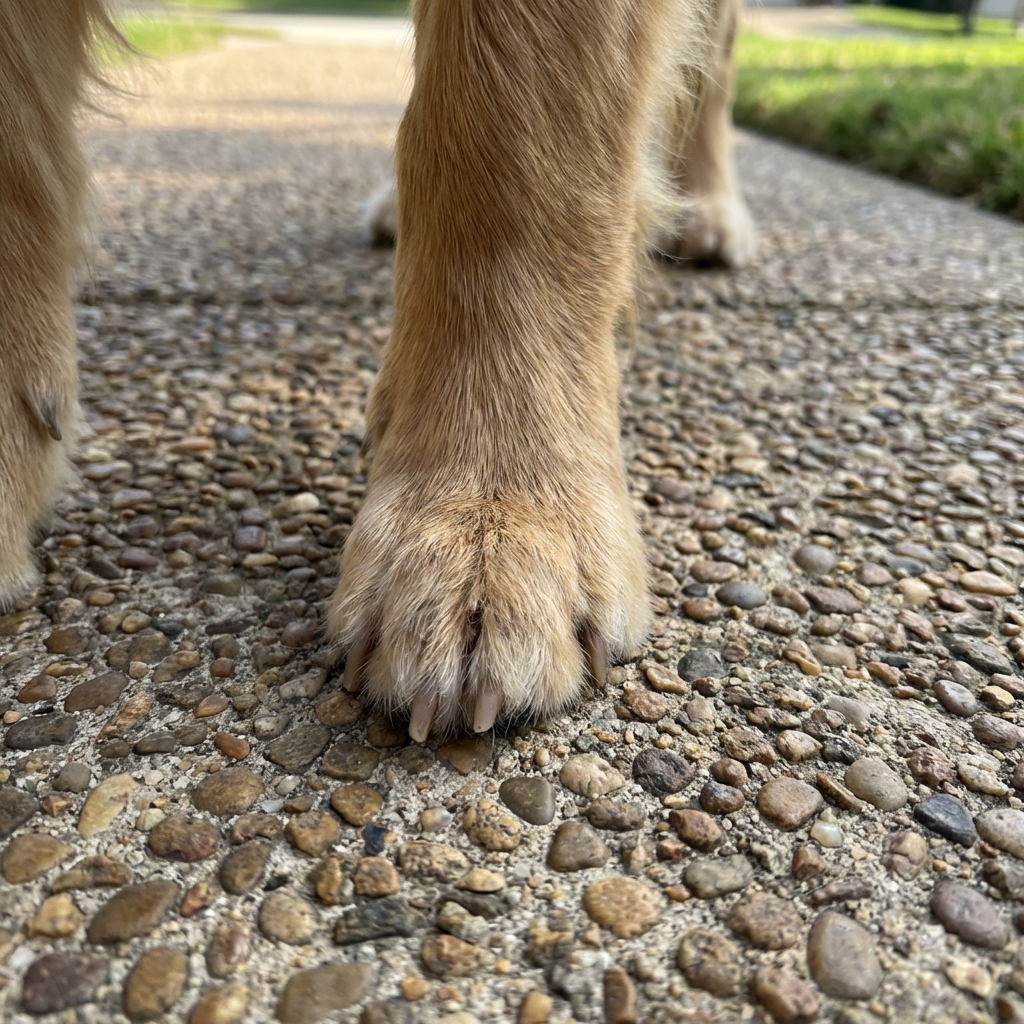
- Look at the paw pads. Check for cuts, cracks, blisters, and foreign material.
- Check between toes. Spread the toes gently and look for redness, swelling, or a thorn.
- Inspect nails. Look for a split nail, bleeding, or a nail bent at an odd angle.
- Feel up the leg. Gently run your hand up the limb. If your dog flinches at a specific spot, that is useful information for your veterinarian.
Tip: If your dog will let you, take a clear photo of anything you find. It helps your veterinary team decide next steps.
Safe home care for mild limps
If your dog is otherwise acting normal, the limp is mild, and you do not see heavy bleeding or obvious deformity, you can often start with gentle home care while you monitor closely. If the limp is getting worse, your dog will not bear weight, or this is a repeat problem, it is time to schedule an exam sooner rather than later.
Clean and protect
- Rinse with clean water or saline. This helps wash away dirt and irritants.
- Pat dry. Moisture between toes can worsen irritation.
- Prevent licking. Licking slows healing. Use an e-collar if needed.
- Consider a bootie for short trips outside. Keep it dry and remove it indoors.
Rest is real medicine
For many soft tissue strains and sore paws, rest for 24 to 72 hours can make a huge difference. Keep walks short and leashed, and skip fetch, dog parks, and stairs if possible. If your dog is not improving within that window, or seems painful despite rest, book a visit.
Cold packs for fresh soreness
If the injury seems recent and the area is swollen, a cold pack wrapped in a thin towel can be used for 5 to 10 minutes, up to a few times daily, if your dog tolerates it. Never place ice directly on skin, and stop if your dog becomes more uncomfortable.
If you see a foreign object
If a thorn or splinter is clearly visible and superficial, you can try gently removing it with clean tweezers, then rinse and monitor. If it is deeply embedded, causes significant pain, is near the nail bed, or there is fast swelling, stop and contact your veterinarian. Also, if you pull something out and your dog is still limping the next day, it is worth an exam since fragments can remain.
If a nail is torn
Torn nails are common and very painful. If it is bleeding, apply gentle pressure with clean gauze or a clean cloth for several minutes. Keep your dog calm and prevent licking. Many torn nails need veterinary treatment (pain control and proper trimming), especially if the nail is loose, split at the base, or keeps bleeding.
Important: Do not give human pain medications unless your veterinarian has explicitly directed you. Some common human meds can be dangerous for dogs.
What not to do
- Do not use hydrogen peroxide or rubbing alcohol on paw wounds. They can damage tissue and slow healing.
- Skip essential oils unless your veterinarian recommends a specific product. Some are irritating or toxic if licked.
- Avoid tight or long-lasting wraps. Bandages can slip, trap moisture, and cause swelling.
- Do not force running “to walk it off.” Rest protects tendons, ligaments, and nails.
- Do not dig for deep objects. If it is buried or bleeding heavily, it needs a professional hand.
When limping is urgent
Please call your veterinarian or an emergency clinic right away if you notice any of the following:
- Your dog cannot bear weight at all
- Obvious swelling, a dangling limb, or the leg looks “out of place”
- Heavy bleeding or a nail torn off at the base
- A deep puncture wound (especially from another animal). Punctures can look small but track deep.
- Suspected burn (hot pavement, chemicals, ice melt)
- Fever, lethargy, loss of appetite, or crying out
- Swelling of the face or hives after a sting, vomiting, or trouble breathing
- The limp lasts more than 24 to 48 hours, even if mild
If your dog is a puppy, a senior, has known arthritis or orthopedic issues, or has a history of ligament problems, it is reasonable to check in with your veterinarian sooner.
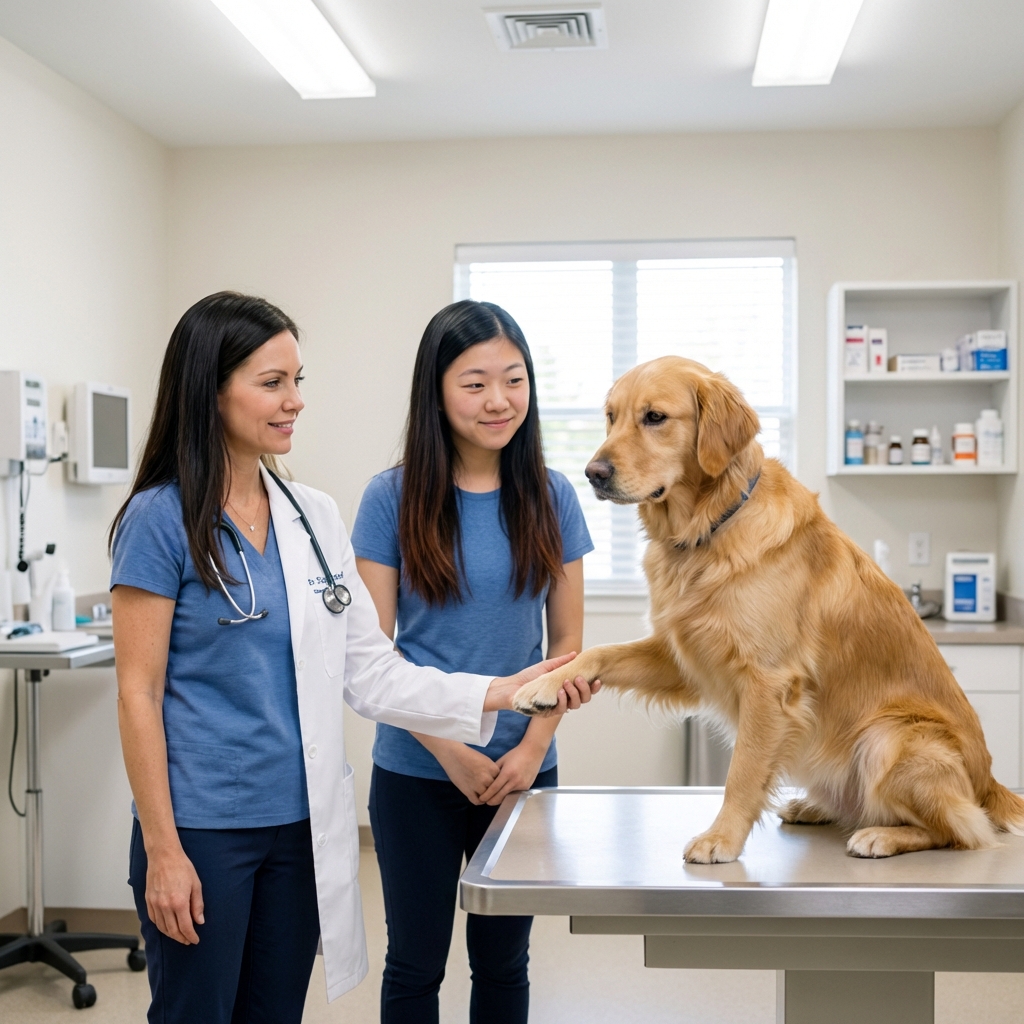
Helpful fun facts
Paw pads are tough, not invincible
Paw pads are built to handle friction, temperature changes, and rough ground. But they can still burn on very hot surfaces. The “hand test” is a rough rule of thumb, not a guarantee. Surface temperatures can soar even when the air feels fine, especially on blacktop. When in doubt, walk early or late, stick to grass and shade, or check the actual surface temperature.
Dogs can hide pain
Many dogs keep wagging and trying to play even when something hurts. Limping can be the first visible sign. Subtle clues like lip licking, panting at rest, or pulling away when you touch a leg matter.
Licking is not always “cleaning”
Saliva is not a miracle disinfectant. In real life, persistent licking can introduce bacteria, worsen inflammation, and create a moist environment where yeast thrives.
Prevention basics
- Trim nails regularly. Overgrown nails change how your dog stands and can contribute to soreness.
- Rinse paws after walks. This is especially helpful with lawn chemicals, pollen, or winter ice melt.
- Use paw balm on dry, cracking pads. Ask your veterinarian for a pet-safe option.
- Choose safer walking surfaces in extreme heat. Grass and shaded trails are kinder than blacktop.
- Maintain a healthy weight. Extra pounds increase stress on joints, feet, and nails.
Quick FAQ
Should I wrap my dog’s paw?
Light protection can help short-term, but tight or wet bandages can cause swelling or skin issues. If you do wrap, keep it loose, keep it dry, and remove it frequently to check the skin. When in doubt, skip the wrap and use a bootie for outdoor potty breaks instead.
My dog limps, but the paw looks normal. What now?
That is common. The issue may be higher up the leg or in a joint. If rest does not improve things within 24 to 48 hours, schedule an exam. Early care can prevent a small injury from becoming a bigger one.
Is limping ever “normal” after a long walk?
Soreness can happen, especially in puppies, senior dogs, or dogs returning to activity after a quiet season. But a true limp is a sign to reduce activity and check for injury. If it repeats, it is worth a veterinary visit to rule out joint or ligament problems.