Learn kidney-friendly homemade meal templates for dogs, including phosphorus control, right-sized protein, omega-3s, hydration tips, and foods to avoid—plu...
Article
•
Designer Mixes
Dog Kidney Disease Stages: Diet and Prognosis

Shari Shidate
Designer Mixes contributor
When a dog is diagnosed with kidney disease, most families hear the same scary words and ask the same loving question: “What can I do right now?” The good news is that diet, hydration, and smart monitoring can make a meaningful difference in comfort and, in many cases, longevity. As a veterinary assistant, I have watched gentle, consistent nutrition changes help dogs feel brighter, eat better, and have more good days.
Important note: Kidney disease plans should be individualized with your veterinarian, especially if your dog has high blood pressure, protein in the urine, pancreatitis, heart disease, or is underweight.
What kidney disease means
Your dog’s kidneys act like a high-quality filter. They remove waste from the bloodstream, balance electrolytes (like sodium and potassium), help regulate blood pressure, and support red blood cell production.
In chronic kidney disease (CKD), kidney function gradually declines over time. The goal is not usually “cure,” but slow the progression, reduce nausea and toxin buildup, and protect quality of life.
CKD vs. acute kidney injury
CKD is long-term. Acute kidney injury (AKI) is sudden and can be triggered by toxins (like antifreeze), severe dehydration, infections, or certain medications. AKI is an emergency. If your dog is suddenly vomiting, not urinating, collapsing, or seems painful, seek veterinary care immediately.
How vets stage CKD (IRIS)
Veterinarians often use the IRIS staging system (International Renal Interest Society). It uses lab markers and also considers blood pressure and urine protein. Staging helps guide diet choices, medications, and how often to recheck labs.
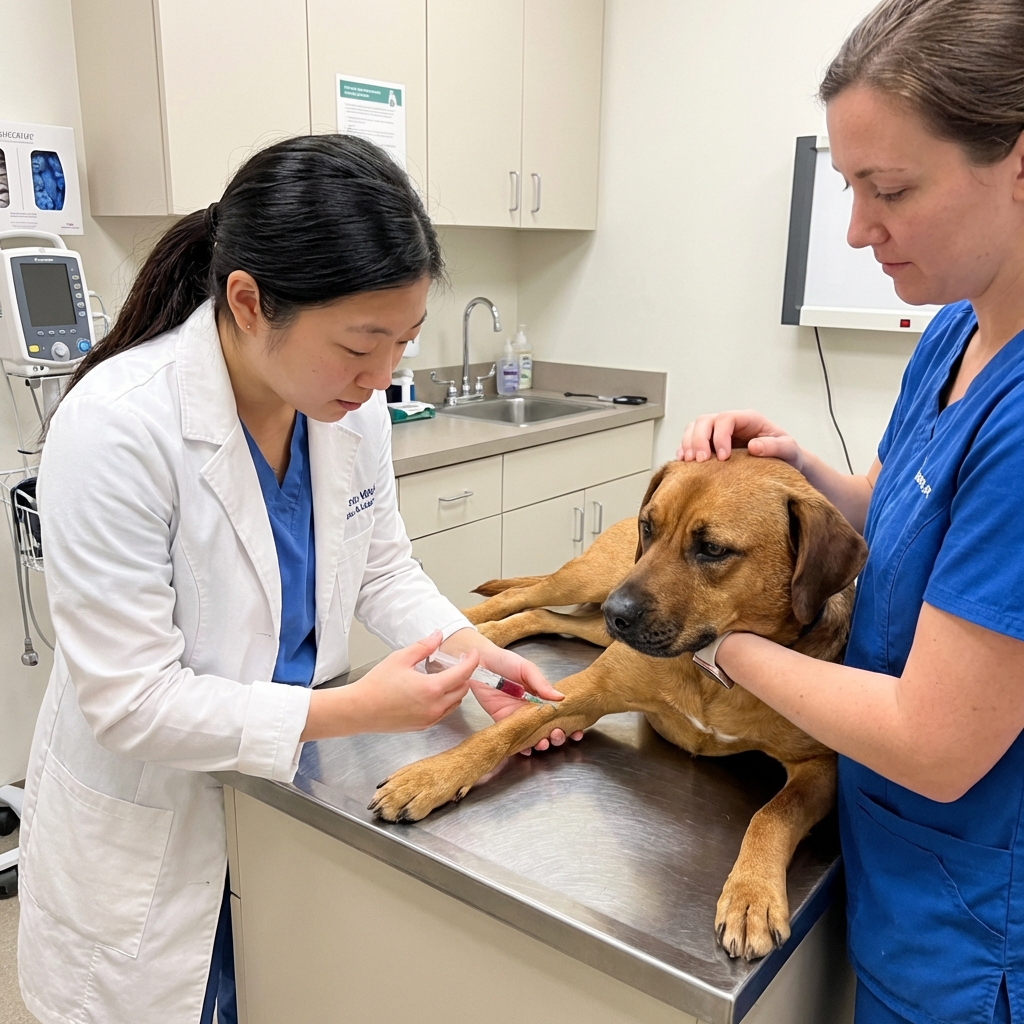
Key tests used for staging
- Creatinine and SDMA: markers of kidney filtration. SDMA can rise earlier than creatinine in some dogs.
- Urine specific gravity: shows how well kidneys concentrate urine.
- Urine protein (UPC ratio): protein loss can worsen progression.
- Phosphorus, potassium, bicarbonate: important for diet and supplementation.
- Blood pressure: hypertension can damage kidneys further.
Stage 1
What you may notice: Sometimes nothing. Mild increased thirst or larger urine puddles and more frequent urination can be early clues.
Diet focus: This is the stage where nutrition can be a powerful “slow-down” tool.
- Keep meals high quality and highly digestible.
- Aim for moderate phosphorus and avoid very high-phosphorus extras.
- Consider adding omega-3 fatty acids (fish oil) with vet guidance.
- Prioritize hydration.
Stage 2
What you may notice: Increased drinking and urination, occasional picky appetite, mild weight loss, intermittent nausea.
Diet focus: This is typically when vets recommend a kidney-support diet or a carefully formulated home-cooked plan.
- Phosphorus restriction becomes more important.
- Protein targets depend on stage, uremic signs, and urine protein. Renal diets usually have less protein than standard maintenance diets, but they focus on high-quality, easy-to-digest protein to help protect muscle.
- Omega-3s and careful sodium control are often helpful.
Stage 3
What you may notice: More consistent nausea, poor appetite, weight and muscle loss, lethargy, dehydration, bad breath, mouth ulcers in some dogs.
Diet focus: Reduce uremic symptoms (nausea and toxin effects) while maintaining calories.
- Renal diets or veterinary nutritionist-formulated home cooking are strongly recommended.
- Many dogs benefit from phosphate binders if phosphorus is high despite diet.
- Anti-nausea support and appetite support often make diet changes possible.
- Hydration strategies (including subcutaneous fluids for some dogs) can be life-changing.
Stage 4
What you may notice: Significant appetite loss, vomiting, dehydration, weakness, weight loss, and “more bad days than good” if not well controlled.
Diet focus: Comfort and maintaining intake. At this stage, the “best” food is often the one your dog will consistently eat, within renal guidelines.
- Small, frequent meals and warming food can help.
- Strong nausea control is crucial.
- Your vet may discuss palliative care planning and quality-of-life checkpoints.
Diet goals (the big 5)
Kidney diets are not just “low protein.” They are carefully balanced to reduce kidney workload and limit the waste products that cause nausea and poor appetite.
1) Control phosphorus
Phosphorus is one of the nutrients most consistently associated with CKD progression, especially as disease advances. When kidneys cannot excrete phosphorus well, levels rise and can contribute to feeling ill and ongoing kidney damage.
Common higher-phosphorus foods to limit: large amounts of dairy, organ meats, bone meal, many fish meals, and heavy use of egg yolks. Always check with your vet before removing major foods, because some dogs also need more calories and protein to avoid muscle loss.
2) Use the right amount of protein
Most dogs with CKD do best with high-quality, highly digestible protein in the amount appropriate for their stage, body condition, lab values, and whether they have protein loss in the urine. Too much can increase nitrogenous waste and worsen uremic symptoms. Too little can worsen muscle loss and weakness.
This is why kidney-specific commercial diets can be helpful: they are formulated to balance protein and phosphorus, while still providing enough calories. If you home cook, it is best to do it with a veterinary nutritionist or a vet-guided recipe that includes a complete vitamin and mineral plan.
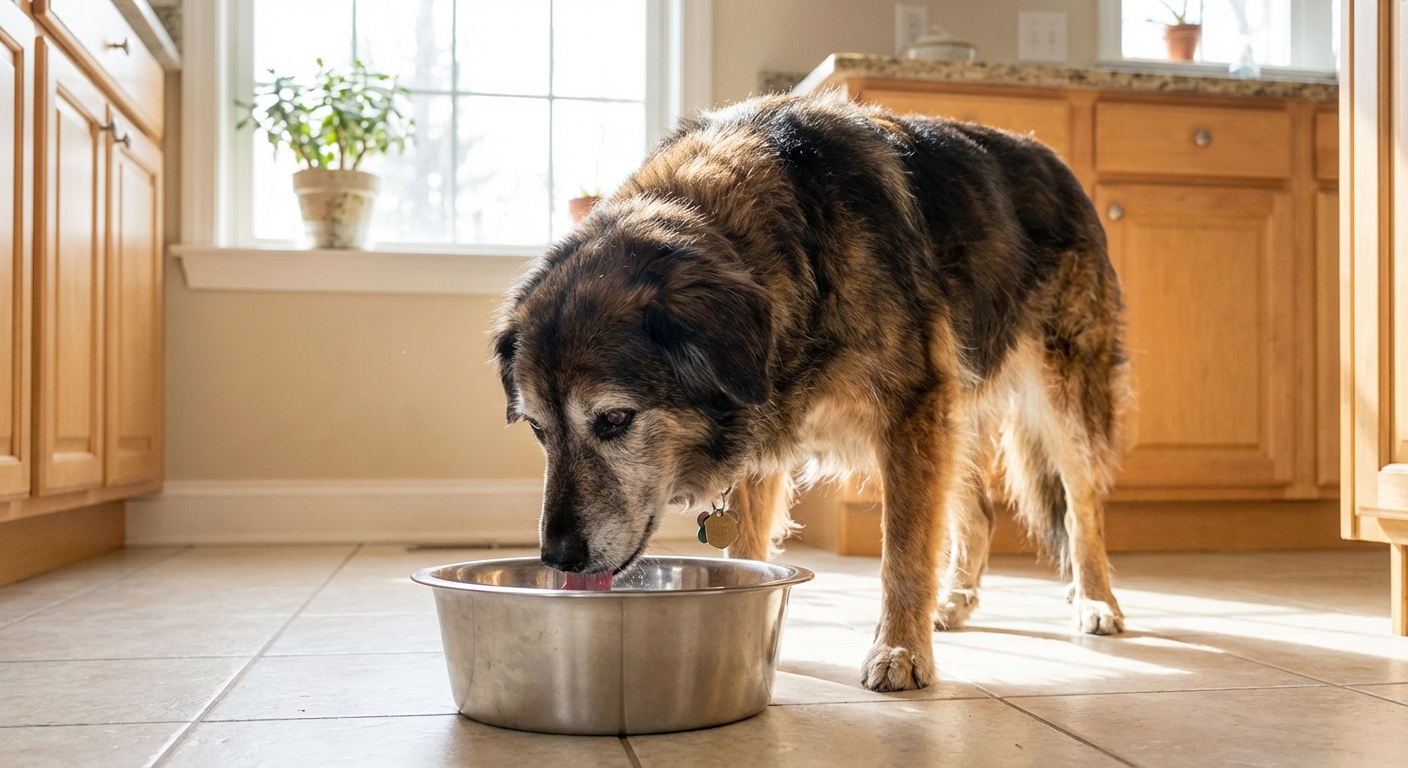
3) Support hydration
Kidney dogs lose the ability to concentrate urine, so they dehydrate easily.
- Offer multiple water stations and keep bowls clean.
- Add water or low-sodium broth to meals if your vet approves.
- Use wet food when possible.
- Ask your vet if your dog would benefit from subcutaneous fluids.
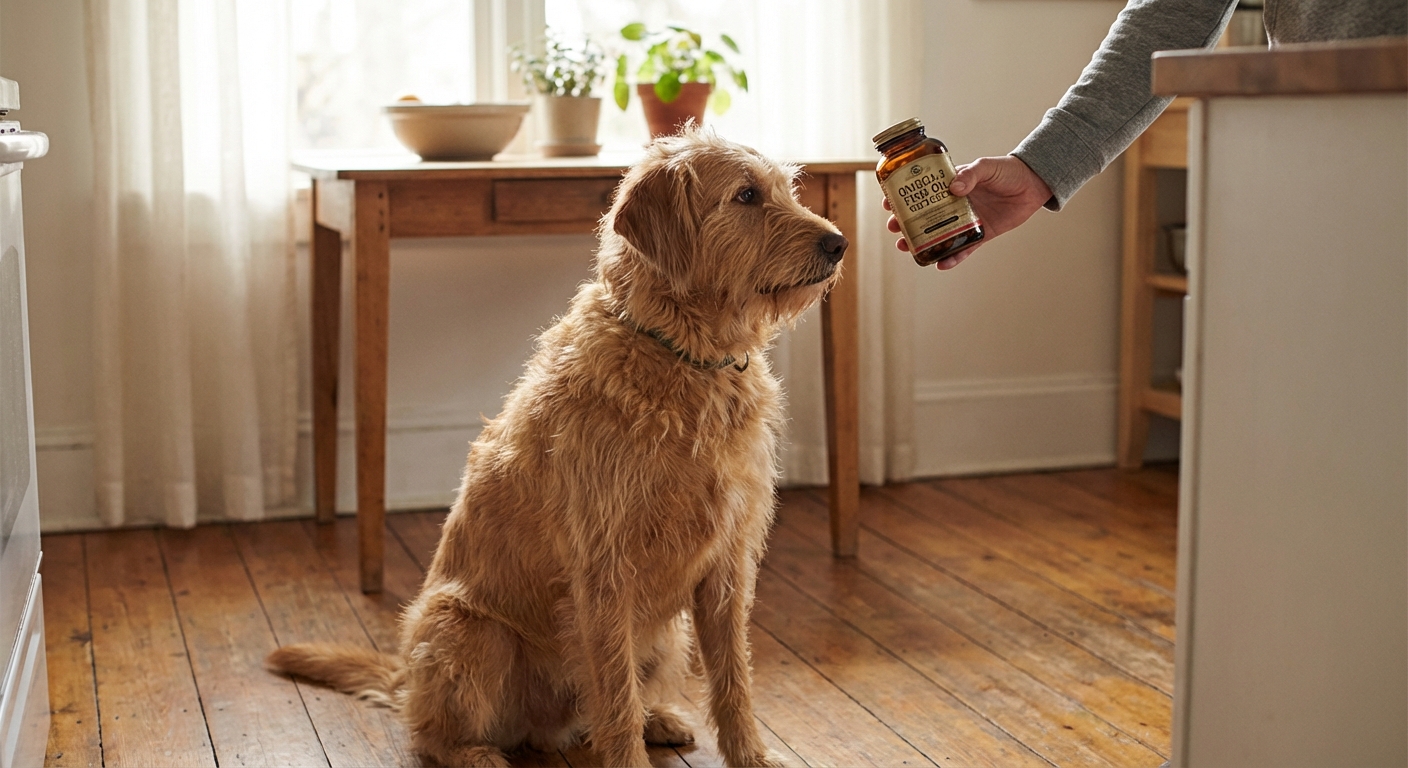
4) Add omega-3s (EPA and DHA)
Fish oil (EPA and DHA) may help reduce inflammation and support overall kidney health. The dose depends on your dog’s weight and health history, so confirm with your veterinarian, especially if your dog has pancreatitis risk or is on blood thinners.
5) Manage sodium and blood pressure
Some dogs need sodium moderation, especially if they have hypertension or heart disease. Avoid salty treats and processed meats unless your veterinarian specifically says otherwise.

What a renal diet changes
If you have ever wondered what makes a kidney diet “kidney,” here are the common differences you will see:
- Lower phosphorus than typical adult maintenance food
- Controlled protein with high digestibility
- Higher calorie density to help maintain weight
- Added omega-3s in many formulas
- Electrolyte support tailored for kidney patients (varies by brand and stage)
- B vitamins are often emphasized because kidney dogs can lose more in urine
What to feed
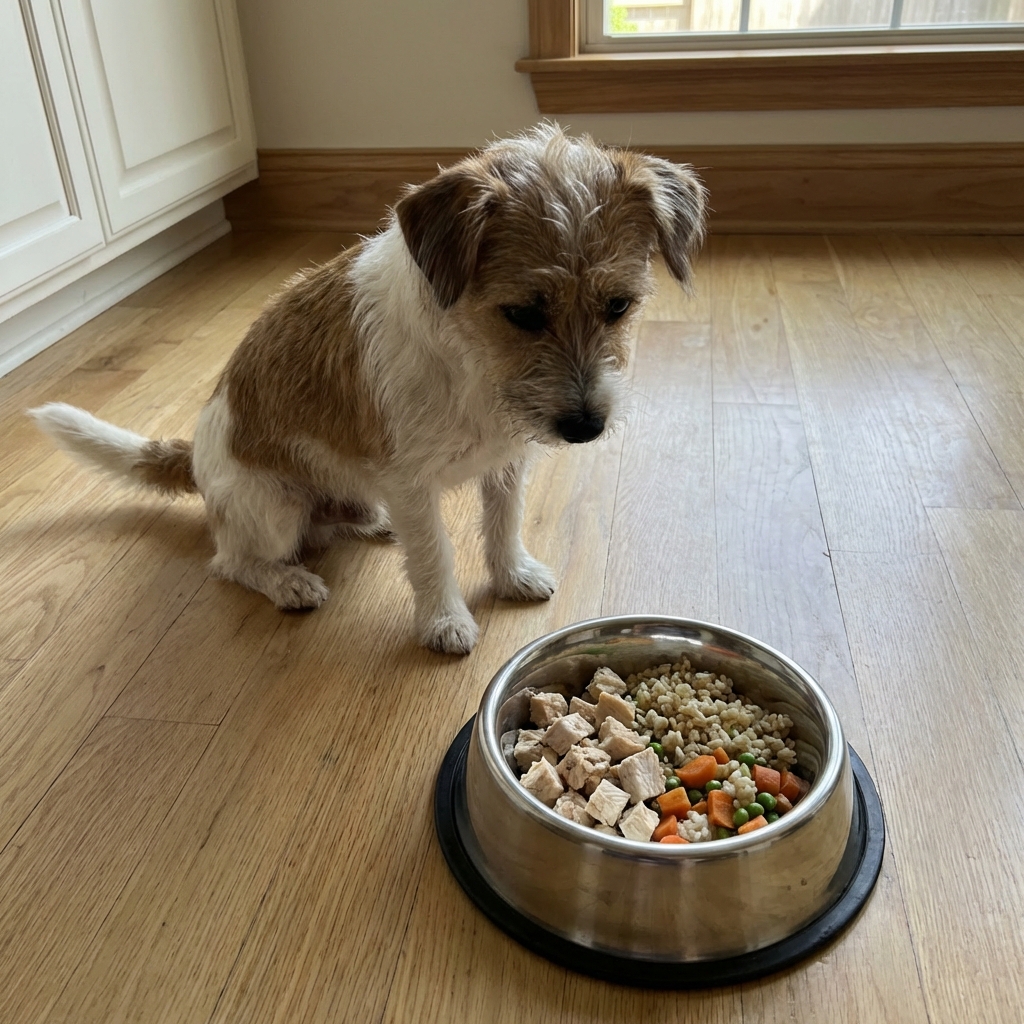
Option A: Prescription kidney diets
Therapeutic renal diets are evidence-based and formulated for phosphorus control, fatty acid balance, and adequate calories. They can be a great “default” if your dog will eat them.
If your dog refuses the renal food: ask your vet about a slower transition, warming the food, trying a different renal brand or texture, or using a renal diet as a base and adding kidney-friendly toppers.
Option B: Home-cooked with professional formulation
Home cooking can be wonderful for picky eaters, but CKD is one situation where balance really matters. Calcium, phosphorus, potassium, and B vitamins can all get off track quickly without a formulated plan.
Best practice: get a recipe from a board-certified veterinary nutritionist (often credentialed as DACVIM (Nutrition) or DACVN, depending on region) or a vet team experienced in renal formulation, then follow it closely.
A quick safety reminder: many online “kidney diet” recipes are unintentionally deficient or too high in phosphorus. It is best to consult your veterinary team before starting.
Option C: Hybrid feeding
For many families, a realistic approach is 50/50: renal diet plus carefully chosen fresh foods approved by your veterinarian. Even partial improvement can help appetite and hydration.
Kidney-friendlier treat ideas (vet-approved)
- Small amounts of egg whites (lower phosphorus than whole eggs)
- Plain cooked rice or pasta (if tolerated)
- Green beans or cooked zucchini
- Apples (no seeds), blueberries, or watermelon (no rind, no seeds) in small amounts
Small caution: fruits can add sugar and cause stomach upset in some dogs. Also, potassium needs can vary in CKD (some dogs run low, others high), so ask your vet if you should limit higher-potassium produce based on your dog’s labs.
Avoid without vet guidance: jerky, bones, organ-heavy treats, high-salt snacks, and supplements containing phosphorus or unknown mineral content.
Safety box
- Avoid dehydration: do not restrict water, and call your vet if your dog cannot keep water down.
- Avoid NSAIDs unless prescribed: ibuprofen, naproxen, and many human pain meds are dangerous for dogs and can worsen kidney injury. Even veterinary NSAIDs should only be used under your vet’s direction in kidney patients.
- Avoid unvetted supplements: “kidney support” products can contain hidden minerals (including phosphorus) or interact with medications.
- Avoid high-phosphorus chews: bones, antlers, and many dried animal parts can be rough on kidneys and the GI tract.
- Toxin reminders: antifreeze (ethylene glycol), grapes and raisins, and some lilies are emergency-level toxins. If exposure is possible, seek urgent care.
Prognosis by stage
Prognosis depends on the stage, the underlying cause, how early you catch it, and whether complications are controlled (phosphorus, blood pressure, protein loss in urine, anemia, infections).
Stage 1
Many dogs live years with monitoring and early diet changes, especially if caught before significant symptoms appear.
Stage 2
Many dogs still have a good quality of life for a long time. Diet changes, hydration, and management of nausea or blood pressure can meaningfully slow progression.
Stage 3
This stage is more medically intensive. With a strong plan, many dogs can still enjoy meaningful time, but you may see periods of appetite dips and “renal flare” days.
Stage 4
Stage 4 is advanced. Some dogs respond surprisingly well to supportive care at first, but overall time is typically shorter, and quality-of-life planning becomes central. Your veterinarian can help you track comfort, hydration, appetite, and mobility to guide decisions with compassion.
In my experience, the most helpful mindset is this: focus on what you can control today, and let your dog’s comfort guide the next step.
Monitoring at home
You do not need fancy equipment to notice meaningful changes. Consistent tracking helps your vet fine-tune the plan.
- Water intake and urination: note increases or sudden decreases.
- Appetite: enthusiasm matters, not just “did they eat.”
- Body weight: weekly weigh-ins can catch early decline.
- Energy and engagement: interest in walks, toys, family routines.
- Vomiting, diarrhea, constipation: frequency and triggers.
- Breath and mouth: worsening odor or mouth sores can signal uremia.
Recheck schedule
Recheck timing is individualized, but many vets recheck labs and blood pressure more often as CKD advances. As a general idea, this can range from every 3 to 6 months in earlier stages to every 4 to 8 weeks in later stages or during medication and diet changes. Your veterinarian will set the schedule that fits your dog.
When to call your veterinarian urgently
- Not eating for 24 hours (or sooner for small dogs or dogs with other illnesses)
- Repeated vomiting, weakness, collapse, or signs of pain
- No urination or straining to urinate
- Severe lethargy or dehydration (sticky gums, sunken eyes)

Common add-ons
Diet is foundational, but many dogs feel best with a full support plan.
- Anti-nausea medication (helps appetite and hydration)
- Appetite stimulants when needed
- Phosphate binders if phosphorus remains elevated
- Blood pressure medication if hypertensive
- Proteinuria management if UPC is high
- Subcutaneous fluids for select dogs
- Potassium or bicarbonate support if labs indicate
- Anemia support if red blood cell counts drop
- UTI screening and treatment when indicated
- Oral and dental comfort: mouth inflammation and ulcers can make eating harder, so dental checks and pain control matter
A gentle closing
Kidney disease can feel overwhelming, but you are not powerless. A kidney-supportive diet, better hydration, and regular rechecks can add comfort and time. Start with one doable change, build from there, and lean on your veterinary team. Your steady care matters more than perfection.