Itchy skin or a dull coat? Add fish safely with this vet-assistant guide: best low-mercury choices, cooked-only safety, calcium balancing, and two easy toppers.
Article
•
Designer Mixes
Dog Itchy Skin: Step-by-Step Help & Care

Shari Shidate
Designer Mixes contributor
If your dog is constantly scratching, licking, chewing paws, or rubbing their face on the carpet, you are not alone. As a veterinary assistant, I see itchy skin every week, and the good news is that many cases improve with a calm, step-by-step plan.
This guide will walk you through what to do today, what to track this week, and when it is time to call your veterinarian. I will keep it practical, evidence-based, and as gentle as possible on your dog’s skin.
Step 1: Check for urgent red flags
Some itchy skin can wait a day or two. Some should not. If you see any of the signs below, call your veterinarian or an emergency clinic right away.
- Facial swelling, hives, vomiting, or trouble breathing (possible allergic reaction)
- Open, oozing sores, a rapidly spreading rash, or a very painful area
- Intense ear pain, head tilt, or foul-smelling ear discharge
- Fleas on a very young, tiny, or anemic pet
- Extreme lethargy, fever, or your dog seems “not themselves”
If your dog is stable and just itchy, move to the next step.
Step 2: Do a quick skin check
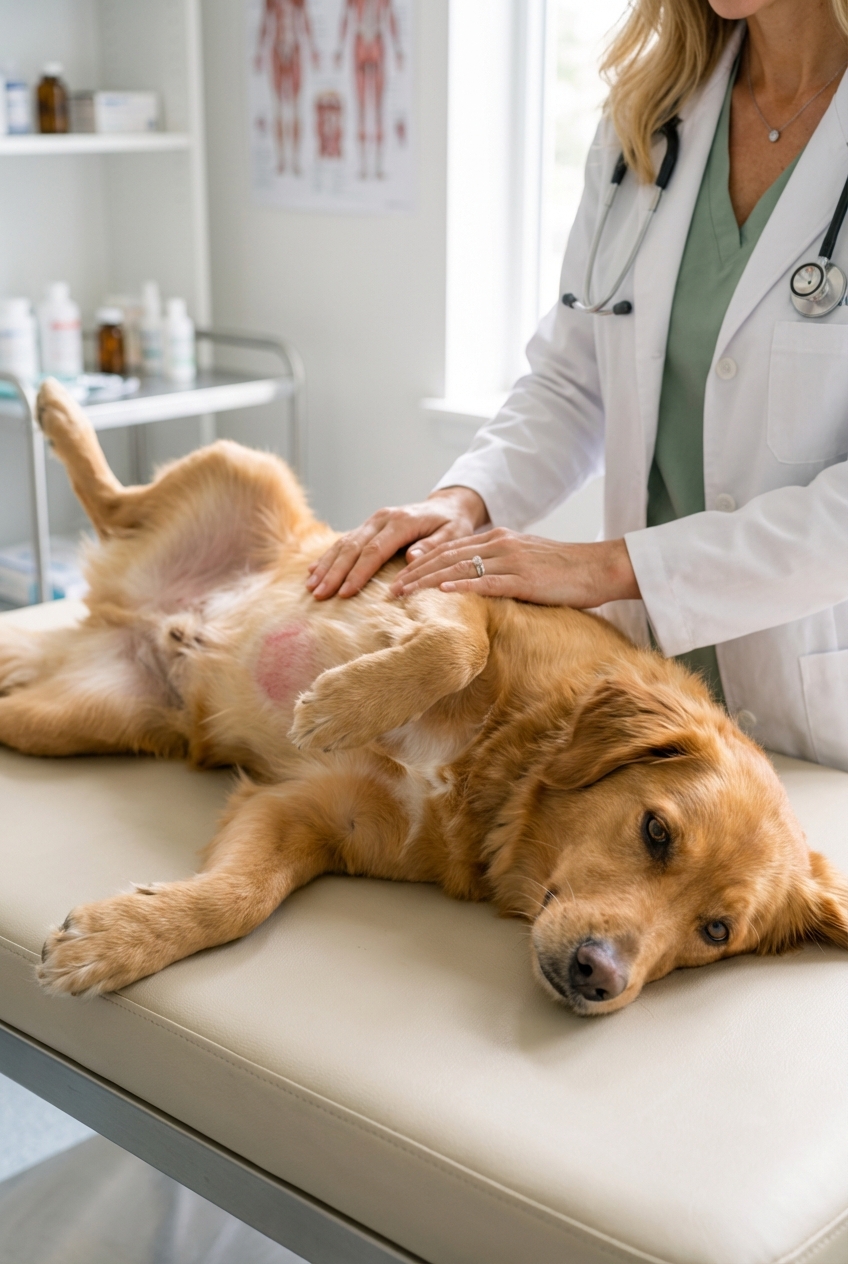
Use good lighting and take 2 minutes to look closely. This helps you narrow down the cause and gives your veterinarian a head start if you need an appointment.
What to look for
- Fleas or flea dirt (black pepper-like specks) especially near the tail base and belly
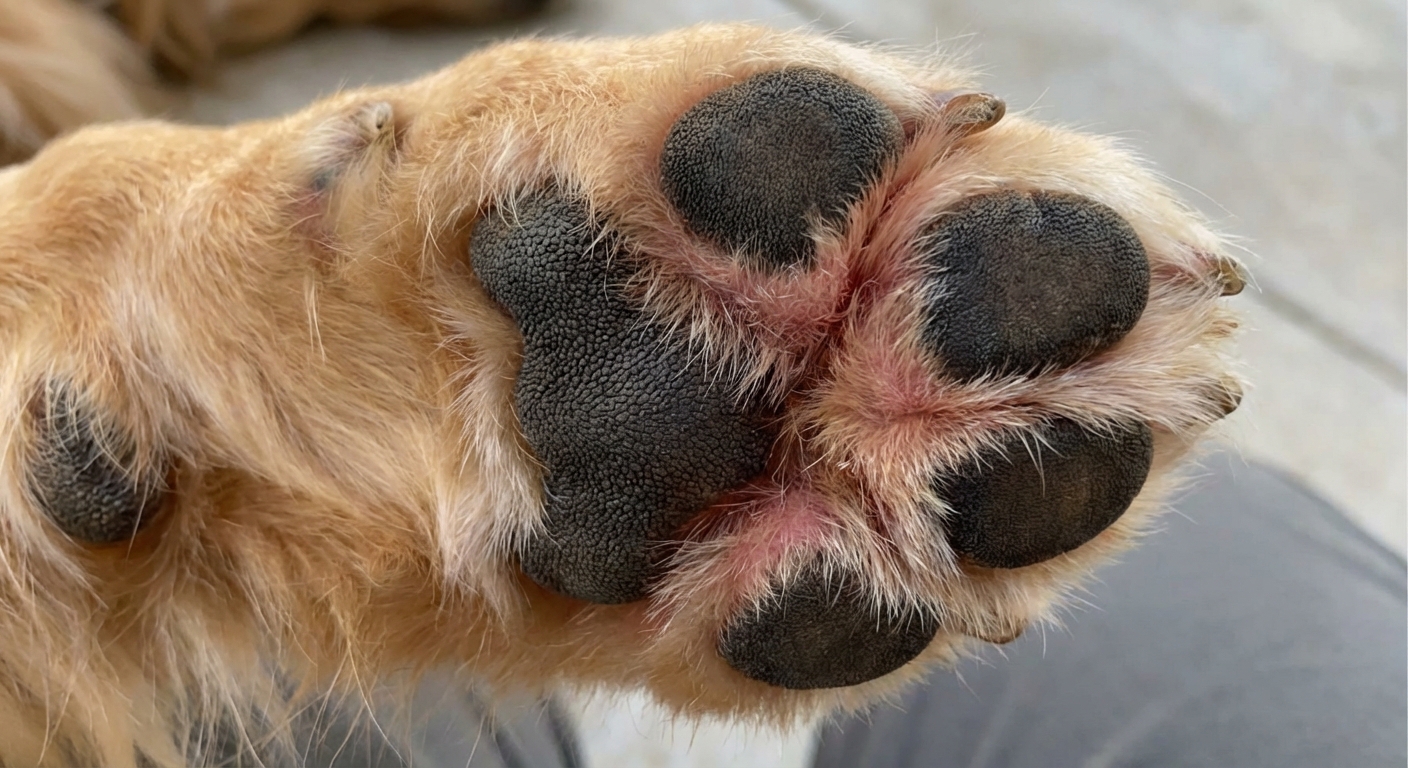
- Red bumps on the belly, armpits, groin, or between toes
- Flaky skin or dandruff
- Greasy coat or a “corn chip” smell on paws (this can be associated with yeast overgrowth, but it is not specific and your veterinarian may need to confirm)
- Hair loss in patches, broken hairs, or thickened skin
- Ear redness, wax, odor, or head shaking
Tip: Take a few clear photos on your phone. Skin issues change quickly, and photos can be more helpful than memory.
Step 3: Stop the itch cycle
Scratching and licking damage the skin barrier, which makes infections more likely and itch even worse. Your goal is to protect the skin while you figure out the trigger.
Fast, safe steps you can do today
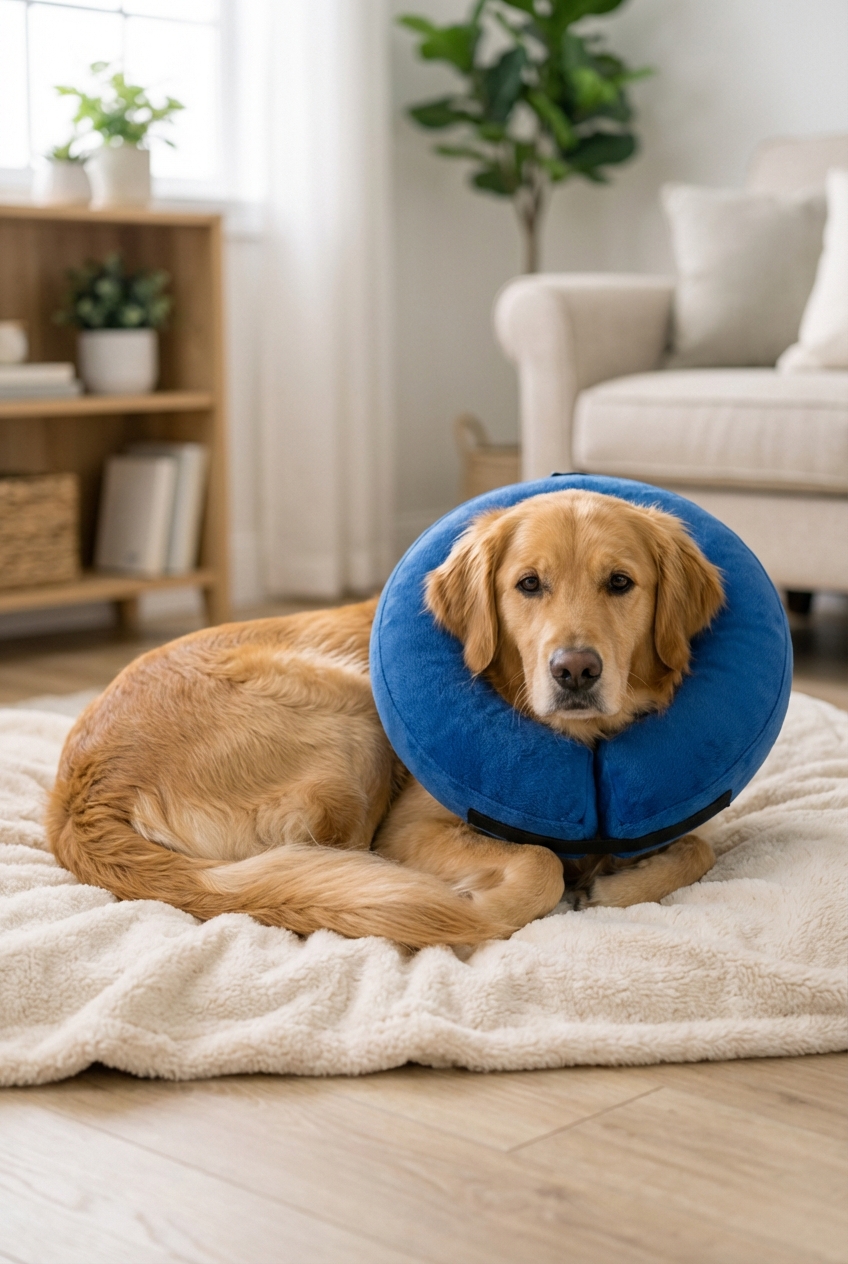
- Use an e-collar (cone) or inflatable collar if your dog is chewing a hotspot or paws.
- Rinse allergens off with lukewarm water after outdoor time, especially paws and belly. Pat dry well.
- Cool compress on small itchy areas for 5 to 10 minutes, 1 to 3 times daily.
- Keep nails trimmed to reduce skin trauma from scratching.
Important: Do not use human anti-itch creams, essential oils, or alcohol-based sprays unless your veterinarian specifically okays it. Many products sting, get licked off, or can be toxic.
Also avoid giving oral medications without veterinary guidance. Common human medications like ibuprofen, naproxen, acetaminophen, and even some antihistamines can be dangerous or inappropriate depending on your dog’s size, age, and health history.
Step 4: Rule out common causes
Start with the most common, most fixable causes first. You can use the same logic at home.
1) Fleas and flea allergy
You can have a very itchy dog and still never see a flea. In flea-allergic dogs, even a single bite can trigger prolonged itching.
- Clues: itch near tail base, thighs, belly; tiny scabs; seasonal flare-ups
- What helps: veterinarian-recommended flea prevention for every pet in the home, plus washing bedding
2) Environmental allergies
Pollens, grasses, dust mites, and molds commonly cause paw licking, ear issues, and face rubbing.
- Clues: recurring itch, seasonal pattern, itchy paws and ears, frequent ear infections
- What helps: rinsing paws, air filters, veterinarian-guided medications, and sometimes allergy testing and immunotherapy
3) Food allergy
Food allergy is real, but it is not the top cause for most itchy dogs. When it is present, it often shows up as year-round itch and recurrent ear or skin infections.
- Clues: itch all year, ear infections, recurrent skin infections, and sometimes digestive signs like soft stool. Some dogs can also have anal gland issues.
- What helps: a veterinarian-guided elimination diet trial for 8 to 12 weeks (sometimes longer)
4) Skin infections
Infections often develop secondary to allergies. Many dogs need treatment to calm the infection before any “root cause” plan can work.
- Clues: odor, greasy skin, red circles, crusts, pimples, thickened skin, brown staining on paws
- What helps: vet-prescribed medicated shampoos, wipes, and sometimes oral meds
5) Parasites or fungal infections
These are less common, but important because some are contagious to other pets, and ringworm can spread to people.
- Clues: patchy hair loss, intense itch in some cases, household spread, or multiple pets itching
- What helps: a vet exam with skin scrape and fungal testing
6) Irritants and contact reactions
Sometimes the trigger is something that touched the skin rather than something your dog ate or inhaled.
- Clues: sudden itch after grooming, new shampoo, new wipes, carpet cleaners, lawn treatments, or a topical flea and tick product
- What helps: rinsing the coat, stopping the suspected product, and checking with your veterinarian before reapplying anything
Step 5: Use a soothing bath routine
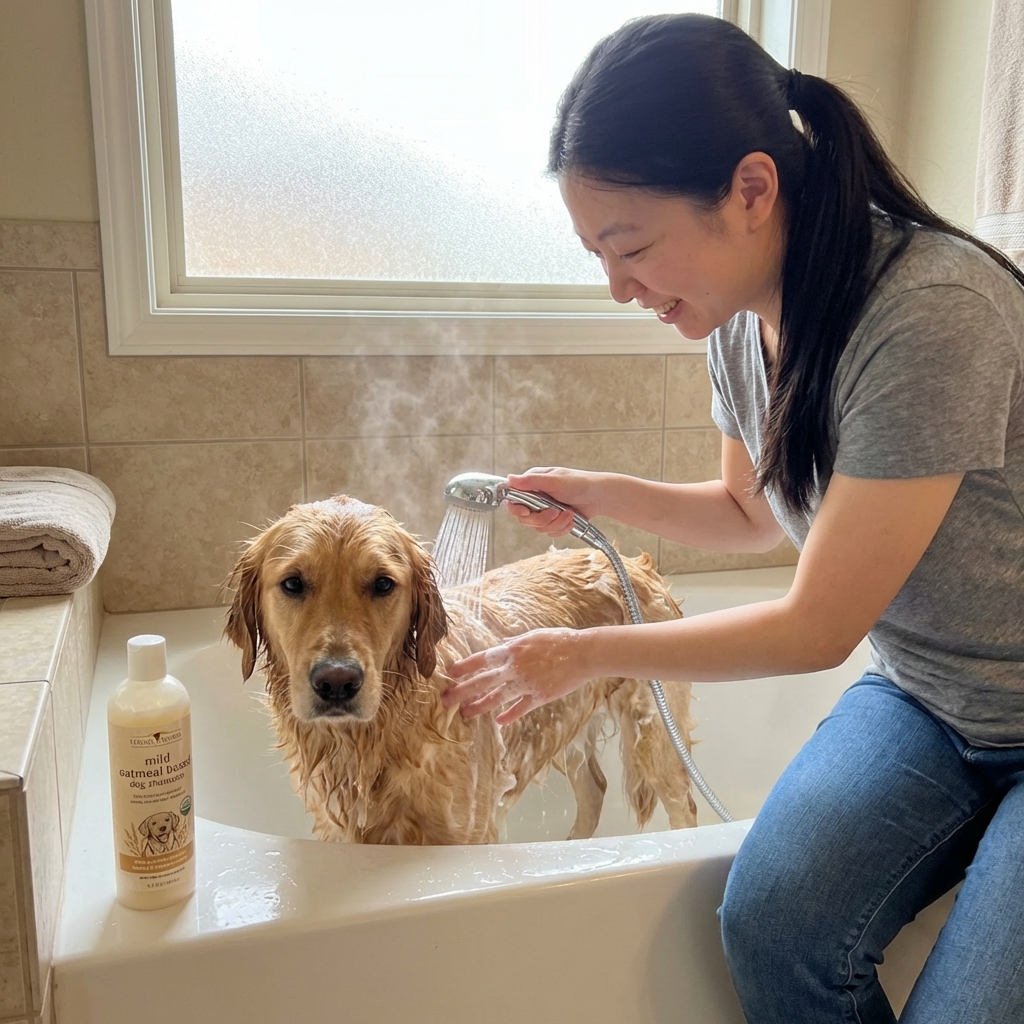
A well-timed bath can remove allergens, calm inflammation, and reduce microbes. But too many baths or the wrong shampoo can dry the skin and worsen itch.
Best practices
- Use a dog-specific shampoo, ideally fragrance-free.
- Choose products with ingredients like oatmeal, ceramides, or phytosphingosine for barrier support.
- Rinse extremely well. Residue can itch.
- Dry thoroughly, especially paws, armpits, and skin folds.
For many itchy dogs, bathing about once weekly is a reasonable starting point. Some medicated protocols are more frequent for a short time, but that should be vet-directed.
If your dog has a strong odor, greasy coat, or recurrent infections, ask your veterinarian about a chlorhexidine shampoo and/or an antifungal ingredient like miconazole or ketoconazole. These are powerful tools when used correctly. If skin is open, raw, or very painful, ask your veterinarian before using any medicated product.
Step 6: Support skin health
Skin is an organ, and it depends on nutrition. When a dog’s diet is imbalanced, or when inflammation is running the show, the skin barrier can struggle.
Omega-3 fatty acids
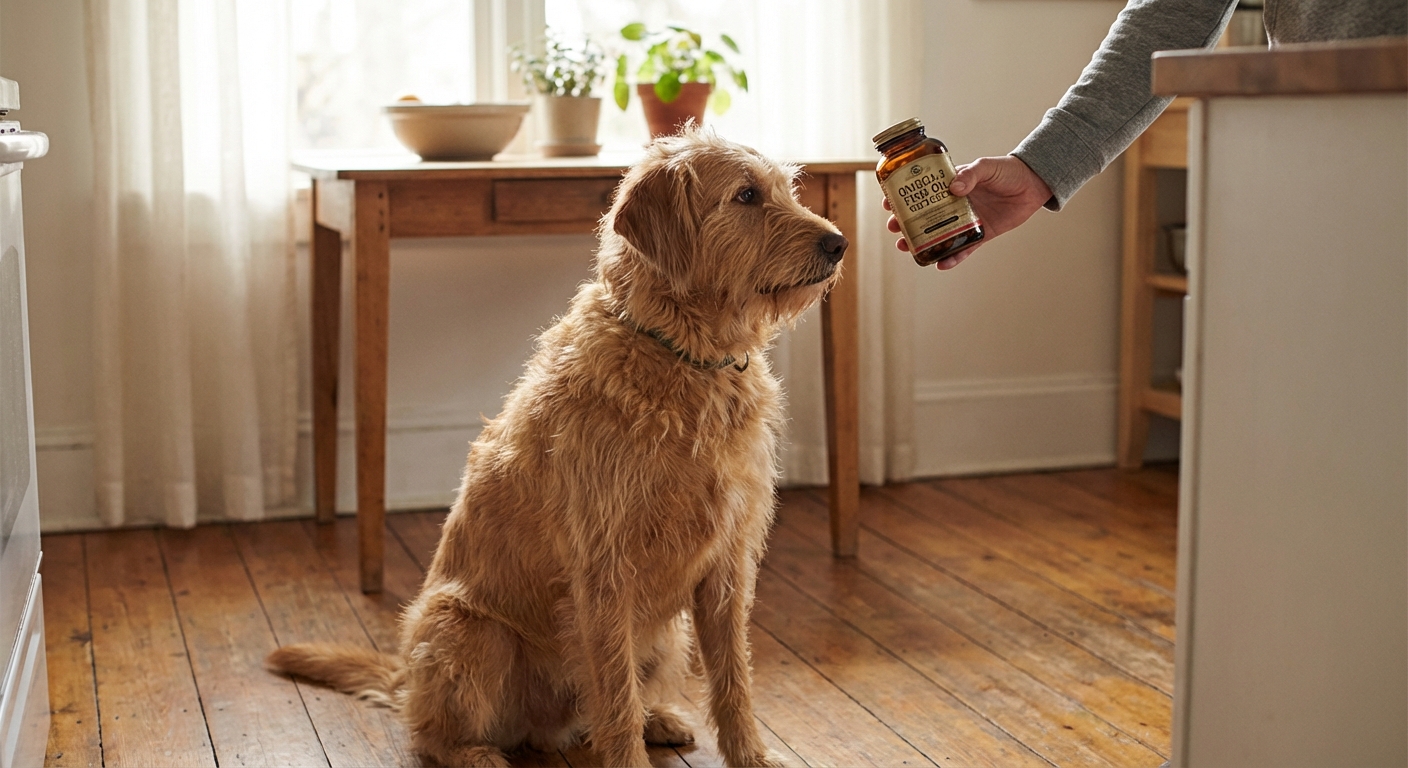
Fish oil (EPA and DHA) has some of the best evidence for reducing allergic inflammation and supporting skin and coat health. Ask your veterinarian for a dosing target for your dog’s weight and for a product they trust. Quality and dosing matter.
Keep diet changes steady
If you suspect diet is part of the problem, avoid rapid switching between multiple foods. Frequent changes can create digestive upset and make it harder to identify the true trigger.
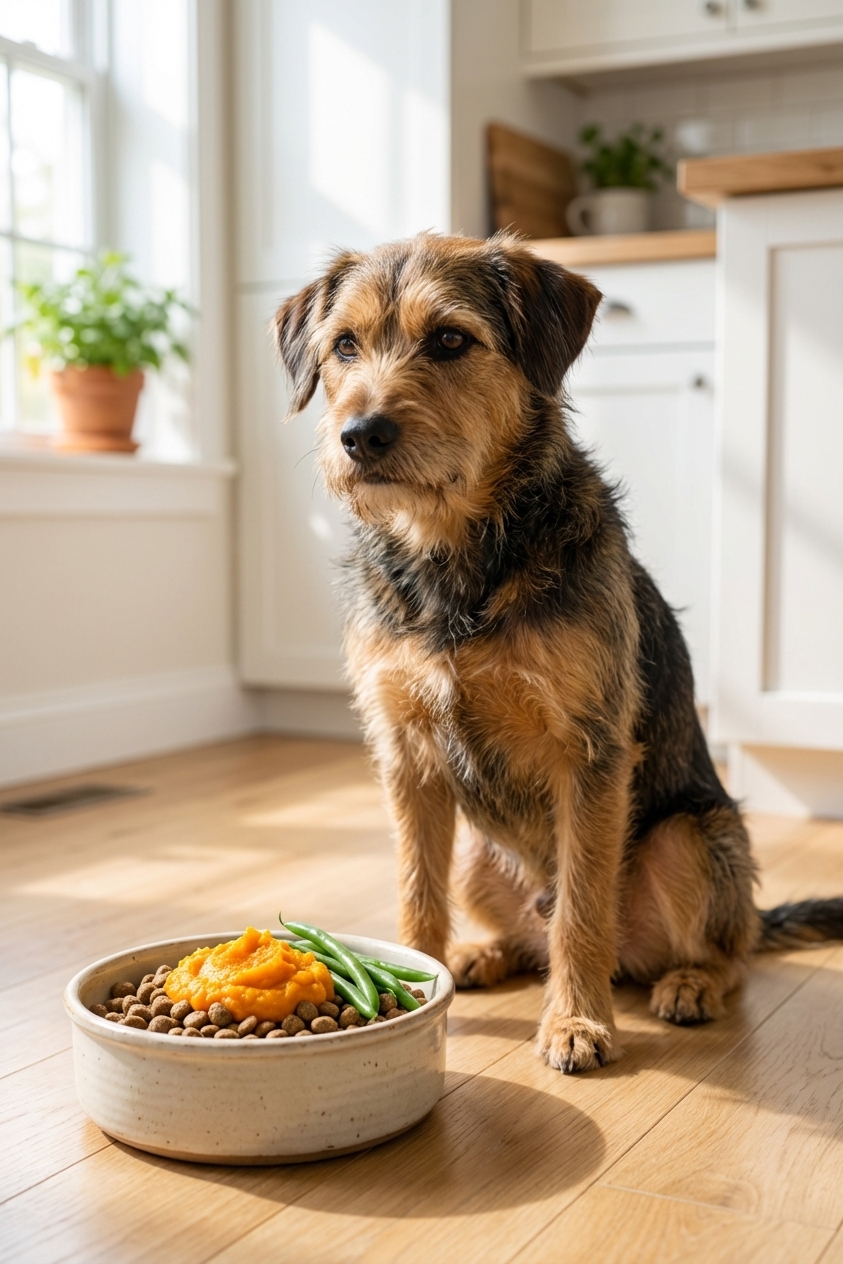
If you want to move toward fresh, whole foods, do it slowly and with balance in mind. Even adding a small amount of whole-food toppers can be a helpful first step, but chronic itch often needs a targeted plan, not just “something new.”
Hydration and home humidity
Dry air can worsen itch in some dogs. Make sure fresh water is always available, and consider a humidifier if your home is very dry.
Step 7: Keep an itch diary
This is one of the most helpful things you can do, especially for recurring itchy skin. It turns guessing into a pattern you can act on.
What to track
- Itch level (0 to 10) morning and night
- Where they itch (paws, ears, belly, tail base)
- Any new exposures (parks, boarding, grooming, new detergent, lawn treatments)
- Food and treats (including flavored meds)
- Baths, wipes, or meds used and whether they helped
- Whether other pets are itchy (a useful clue for contagious causes)
Bring this to your veterinarian appointment. It can shorten the time to relief.
Step 8: Know when to see the vet
If itch lasts more than a few days, keeps coming back, or you see signs of infection, a veterinary visit is usually the fastest and most cost-effective path. The longer a skin issue smolders, the more complicated it can become.
Make an appointment if you notice
- Itch that lasts more than 3 to 5 days despite basic care
- Recurrent ear infections or persistent head shaking
- Hotspots, scabs, odor, or oozing
- Hair loss or skin darkening and thickening
- Itch that disrupts sleep or daily comfort
What your veterinarian may do
- Skin cytology (a quick microscope check for bacteria and yeast)
- Skin scrape or fungal testing when indicated
- Prescription flea prevention if not already used
- Anti-itch medications (short-term relief while you address the cause)
- Ear cytology and targeted ear meds
- An elimination diet trial if food allergy is suspected
What to expect
- Same-day relief: many dogs get fast comfort with anti-itch medication and treatment for any infection found on testing.
- Next few weeks: you and your veterinarian may focus on consistent flea control, bathing routines, and adjusting allergy meds as needed.
- Long-term plan: if itch keeps returning, your veterinarian may discuss allergy testing, immunotherapy, or a structured diet trial.
Comfort matters. Your dog does not have to “tough it out” through weeks of itching while you experiment. The goal is quick relief plus a long-term plan.
Mistakes that make itch worse
- Skipping flea prevention because you do not see fleas
- Using scented shampoos or bathing too often
- Trying many new foods at once and losing the trail of what helped
- Stopping medications early when things look better, especially for infections
- Letting paws stay damp after walks or baths
Simple plan for today
If your dog is stable and not showing emergency signs, here is a gentle starter plan.
- Inspect paws, belly, ears, and tail base. Take photos.
- Prevent self-trauma with a cone if licking or chewing is intense.
- Rinse and dry paws and belly after outdoor time.
- Use a dog-safe, fragrance-free shampoo if your dog is dirty or exposed to heavy pollen. Rinse well.
- Start an itch diary for 7 days.
- Schedule a vet visit if itch persists, worsens, or you suspect infection.
With itchy skin, small consistent steps beat random big changes. If you stay calm and methodical, you will usually find the trigger and get your dog comfortable again.