Learn vet-approved, low-risk home remedies for mild dog itching—oatmeal baths, cool compresses, allergen rinses, gentle shampoos, and omega-3s—plus urgen...
Article
•
Designer Mixes
Dog Itching Remedies

Shari Shidate
Designer Mixes contributor
If your dog is licking paws nonstop, rubbing their face on the carpet, or scratching so much you can hear it from the next room, you are not alone. As a veterinary assistant here in Frisco, Texas, I see itchy dogs every week, especially during allergy season. The good news is that many cases improve a lot with a few evidence-based changes at home (like consistent flea control and rinsing allergens off), plus a clear plan for when to call your veterinarian.
This article covers practical remedies, quick notes, and smart tips that help you figure out what is normal, what is not, and what actually brings relief.
Quick safety note: If your dog has open sores, rapidly spreading redness, is lethargic, seems painful, has facial swelling or hives, is vomiting, or is having any breathing changes, skip home care and call your vet right away.
What is causing the itch?
Itching is a symptom, not a diagnosis. Your goal is to narrow down the trigger so you can treat the cause, not just chase the scratching.
Common causes
- Fleas: In dogs with flea allergy dermatitis, even minimal exposure (sometimes just a few bites) can trigger intense itching. Not every itchy dog has flea allergy, but flea prevention is still a smart first step.
- Environmental allergies (atopy): Pollens, grasses, mold, and dust mites often cause paw licking, face rubbing, ear infections, and seasonal flare-ups.
- Food allergy: Less common than environmental allergy overall, but it does happen. When it does, it is commonly tied to proteins (like chicken or beef) more than grains, and may show up as itchy skin and recurrent ear issues.
- Dry skin: Low humidity, too-frequent bathing, or harsh shampoos can strip protective oils.
- Skin infections: Bacterial or yeast overgrowth can follow allergies and create a cycle of itch and inflammation.
- Mites: Sarcoptic mange can cause extreme itch and can spread to other pets and even cause itch in people. (A different mite, Demodex, is usually not contagious to healthy adult dogs.)
- Hot spots: Moist, painful patches from licking and trapped moisture.
- Anal gland issues: Scooting and licking can be allergy-related, but full or irritated anal glands can also contribute, especially if the focus is the rear end.
Good to know
Dogs do not just itch with their paws. Many itchy dogs show it by licking, chewing, scooting, head shaking, or constant ear scratching. It is all the same itch, just different tools.
Quick relief today
These steps are safe for most dogs and can help reduce itch while you work on the bigger picture. If your dog has raw, bleeding, oozing, or very painful skin, call your veterinarian before trying at-home products.
1) Start flea control
Fleas can be sneaky. Some dogs react so strongly that you do not see many fleas, but the inflammation remains.
- Use a veterinarian-recommended flea prevention consistently.
- Wash bedding in hot water weekly during flare-ups.
- Vacuum carpets and couch cushions, then empty the canister outside.
2) Rinse allergens off
If your dog is itchier after walks, wiping down can be a game changer.
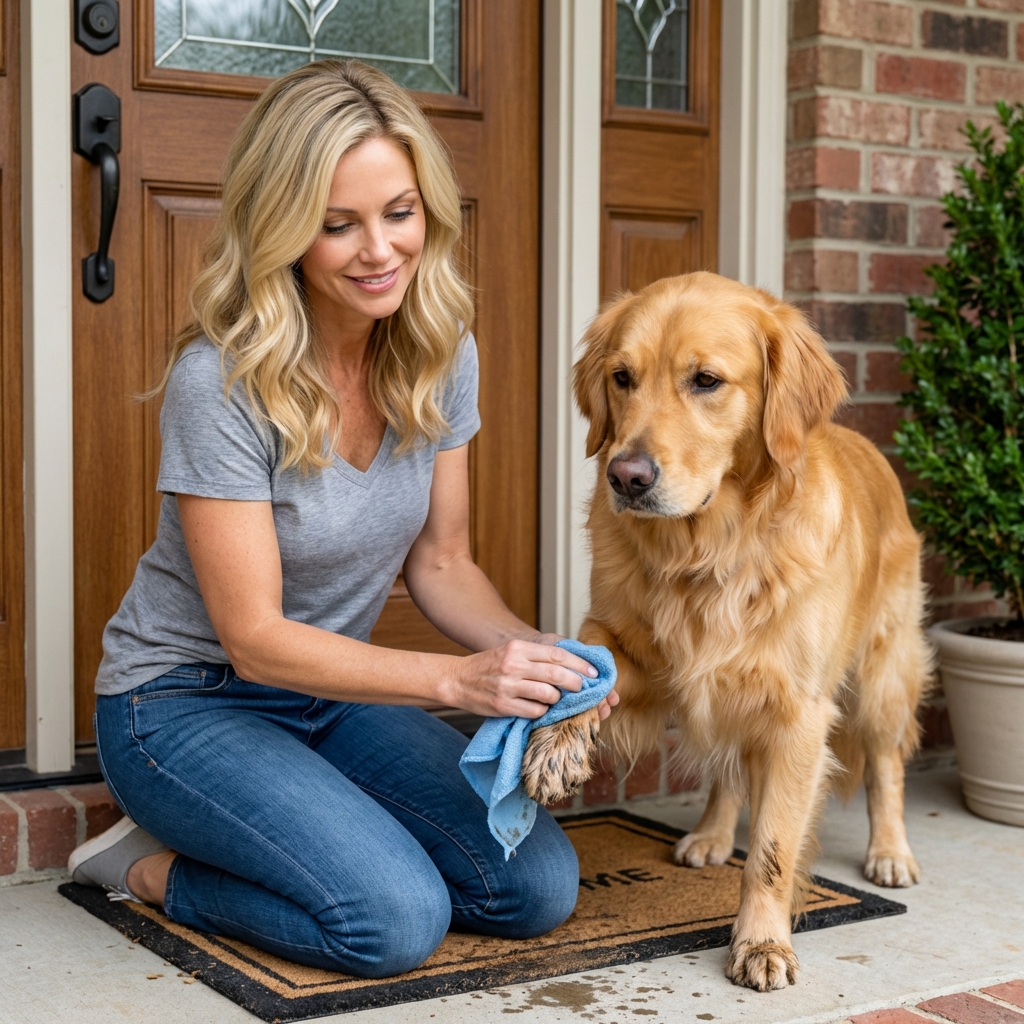
- Wipe paws and belly with a damp cloth after outdoor time.
- Try a gentle hypoallergenic pet wipe for feet, face folds, and undercarriage.
- Rinse paws with cool water, then dry well between toes.
3) Cool compress
For a single itchy spot, a cool, clean compress for 5 to 10 minutes can reduce inflammation. This is especially helpful for paws and belly.
4) Stop self-trauma
Scratching and chewing damages the skin barrier, which invites infection and makes itching worse.
- Use an e-collar (cone) or an inflatable collar if your dog is chewing.
- Try a soft recovery suit for belly or flank licking.
- Keep nails trimmed to reduce skin injury.
Bathing that helps
Bathing can soothe itch, but only if you do it the right way. Too much bathing with the wrong shampoo can backfire.
Best practices
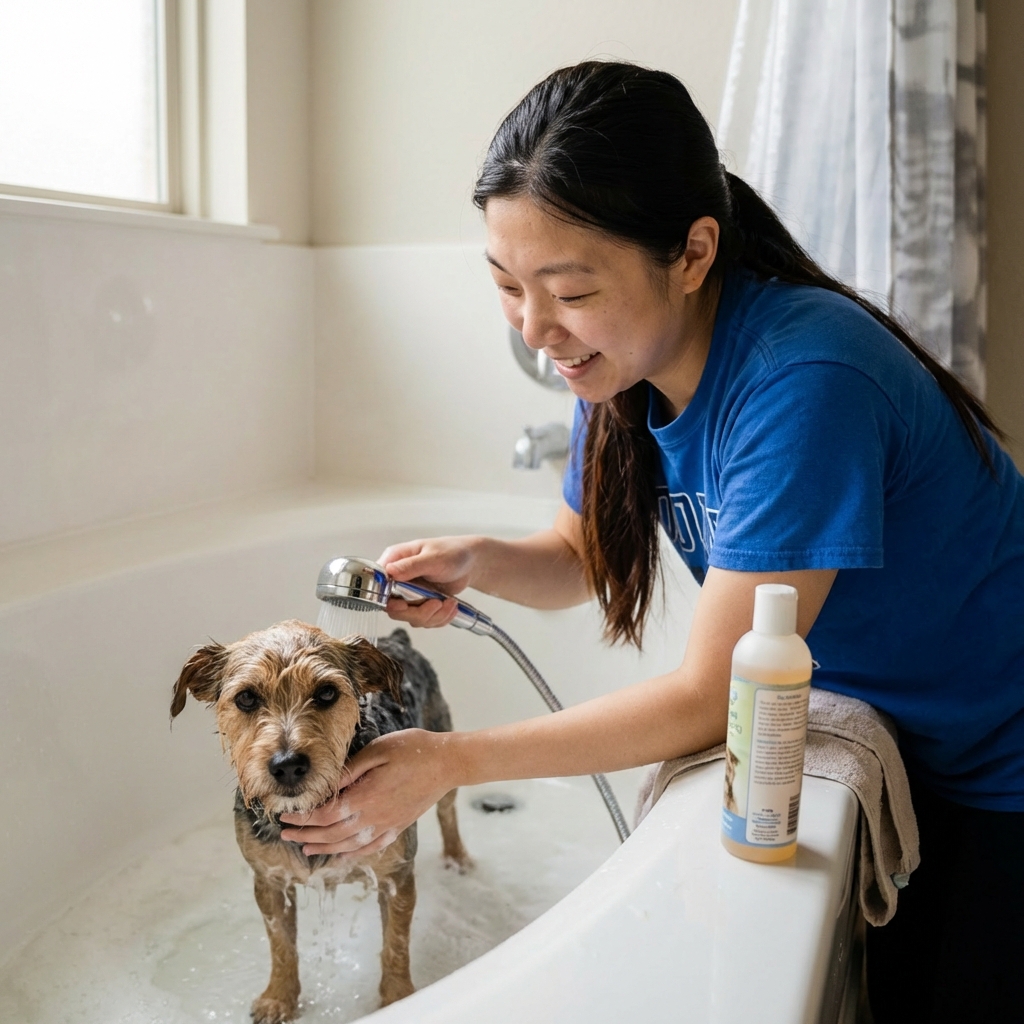
- Choose the right shampoo: Oatmeal and ceramide-based shampoos can support the skin barrier. Antifungal or antibacterial shampoos help if yeast or bacteria are involved, but those are best chosen with your vet.
- Contact time matters: Many medicated shampoos need 5 to 10 minutes on the coat to work.
- Rinse extremely well: Residue can irritate sensitive skin.
- Conditioning helps: A veterinary skin conditioner, mousse, or leave-on product can reduce dryness and itch.
Quick note
Dog skin has a different barrier structure and pH than human skin. That is why human shampoos can be surprisingly harsh, even if they smell great.
Food and supplements
Skin health is an inside job too. A stronger skin barrier helps your dog tolerate triggers with less inflammation.
Omega-3s
There is good evidence that omega-3s (EPA and DHA) can reduce inflammation and support skin health over time. They are not instant relief, but they often help after several weeks (about 4 to 8 weeks or longer).
- Look for fish oil products made for pets, with clear EPA and DHA amounts.
- Introduce slowly to avoid loose stool.
- Ask your veterinarian for a dose recommendation for your dog’s weight and medical history.
- Important: Fish oil is not a fit for every dog. Use extra caution in dogs that need low-fat diets (such as dogs with a history of pancreatitis) and tell your vet about any blood-thinning medications or upcoming surgeries.
Probiotics
Some dogs with allergies benefit from targeted probiotics that support the gut-skin immune connection. Results vary, but they are often worth discussing with your vet, especially for recurrent itch.
Food trials
If itching is year-round, if ear infections keep coming back, or if symptoms started after a diet change, a veterinarian-guided elimination diet can be very helpful.
- It has to be strict for 8 to 12 weeks to be meaningful.
- That means no flavored medications, no table scraps, and no random treats.
- Many “limited ingredient” over-the-counter diets can have cross-contamination risk, so your vet may recommend a prescription diet for accuracy.
If you want to try homemade food for a true elimination trial, do it with veterinary guidance so your dog stays balanced and you do not accidentally reintroduce the trigger.
Home remedies
I love practical home care, but I also want you to avoid the stuff that can worsen the skin or delay proper treatment. As a vet assistant, I can share general home-care tips, but diagnosis and treatment plans should come from your veterinarian.
Often safe
- Colloidal oatmeal baths: Soothing for many dogs with mild itch.
- Saline paw rinse: Gentle and helpful if pollen is a trigger. Dry thoroughly.
- Veterinary hypochlorous sprays: These may help support skin hygiene and reduce microbial load, especially for paws and skin folds. If skin is open, oozing, or painful, check with your vet first.
Use caution or skip
- Apple cider vinegar on raw or broken skin: It can sting and inflame open areas.
- Essential oils: Many are irritating or toxic to pets when used incorrectly, and some can be especially risky in homes with cats.
- Random topical creams: Some human products contain zinc oxide, lidocaine, or steroids that can be dangerous if licked.
When to call the vet
Itchy skin can look minor at first, then turn into a painful infection quickly. Call your veterinarian if you notice:
- Red, moist, oozing, or foul-smelling skin
- Hair loss in patches, scabs, or thickened skin
- Frequent head shaking, ear odor, or ear discharge
- Itch that wakes your dog up or does not improve within a few days
- Swollen face, hives, vomiting, or breathing changes (urgent)
- Family members are itchy too (possible contagious mites)
Your vet may recommend cytology (a quick microscope check), skin scrapings, parasite testing, allergy medications, ear treatments, antibiotics, antifungals, or long-term allergy management like immunotherapy.
Common itch meds (vet-guided)
Depending on the cause, vets may use prescription options like oclacitinib (Apoquel), lokivetmab (Cytopoint), short courses of steroids, or antihistamines in select cases. The right choice depends on your dog’s health history, infection status, and itch severity.
Ear care caution
If your dog’s ears are painful, swollen, very red, smelly, or have discharge, do not put random drops in the ear and do not do deep cleaning at home. An exam is important because ruptured eardrums and severe infections need specific treatment.
Itchy-dog facts
- Hot spots can form fast: Especially in thick-coated dogs after swimming or rain.
- Most chronic itch is allergy-related: Fleas, environment, and food are the big three.
- Yeast likes warm, moist areas: Think paws, armpits, groin, and ear canals.
- “Grain-free” is not the same as “allergy-friendly”: Many itchy dogs react to proteins, not grains.
- Paw licking is often an allergy signal: Not just boredom.
- Home environment can matter: HEPA filters, washing blankets often, wiping paws after mowing, and avoiding heavily scented cleaners can reduce flare-ups for some dogs.
7-day relief plan
If your dog is mildly itchy and otherwise acting normal, try this structured approach for one week.
- Day 1: Confirm flea prevention is current. Wash bedding. Vacuum.
- Day 2: Start paw wipe-down after outdoor time. Dry between toes.
- Day 3: Bathe with a gentle, dog-safe soothing shampoo. Rinse thoroughly.
- Day 4: Add omega-3s if your vet agrees. Start slow.
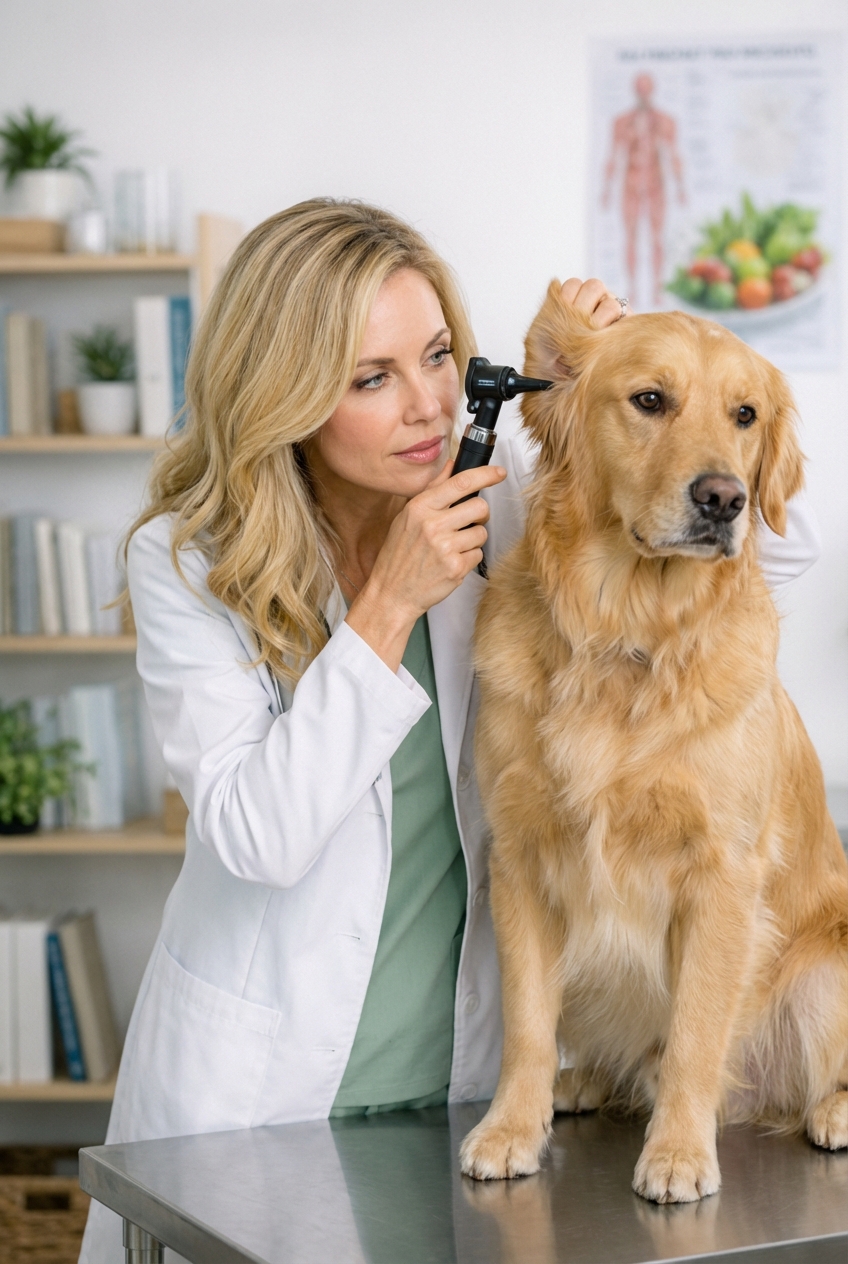
- Day 5: Check ears and skin folds for odor, redness, or discharge.
- Day 6: Track itch triggers in a simple note on your phone (weather, walks, foods, cleaning products, lawn treatments).
- Day 7: If itch is not clearly improving, schedule a vet visit and bring your notes.
Simple decision path: Rule out fleas first, reduce exposure to allergens, support the skin barrier, and involve your veterinarian early if infection is suspected or the itch keeps coming back.
Consistency beats intensity. Small daily steps often bring the biggest payoff.