Worried about your dog’s frequent cough? Learn what dry vs wet coughs can mean, common causes like kennel cough or heart disease, safe home care, and urgen...
Article
•
Designer Mixes
Dog Is Coughing A Lot: Overview and Care

Shari Shidate
Designer Mixes contributor
If your dog is coughing a lot, it can be anything from a simple throat irritation to a contagious respiratory infection, heart disease, or something stuck where it does not belong. As a veterinary assistant in Frisco, Texas, I can tell you this is one of those symptoms that deserves calm attention. The goal is not to panic. The goal is to notice the details, protect your dog’s comfort, and know when it is time to get seen quickly.

Most coughs are treatable, but the right care depends on what kind of cough it is, how long it has been happening, and what other signs you are seeing.
Note: This article is for general education and is not a substitute for an exam and diagnosis from your veterinarian.
What “coughing a lot” can look like
Owners describe coughing in a few common ways. Each can point you in a different direction.
- Dry, hacking cough that sounds like your dog is trying to clear their throat
- Honking cough (often described in small dogs)
- Gagging or retching, sometimes with white foam
- Wet, productive cough that sounds “phlegmy”
- Coughing after drinking water or when excited
- Coughing at night or when lying down
Try to record a short video of the cough on your phone. In clinic, that little clip can be surprisingly helpful.
Common causes of frequent coughing
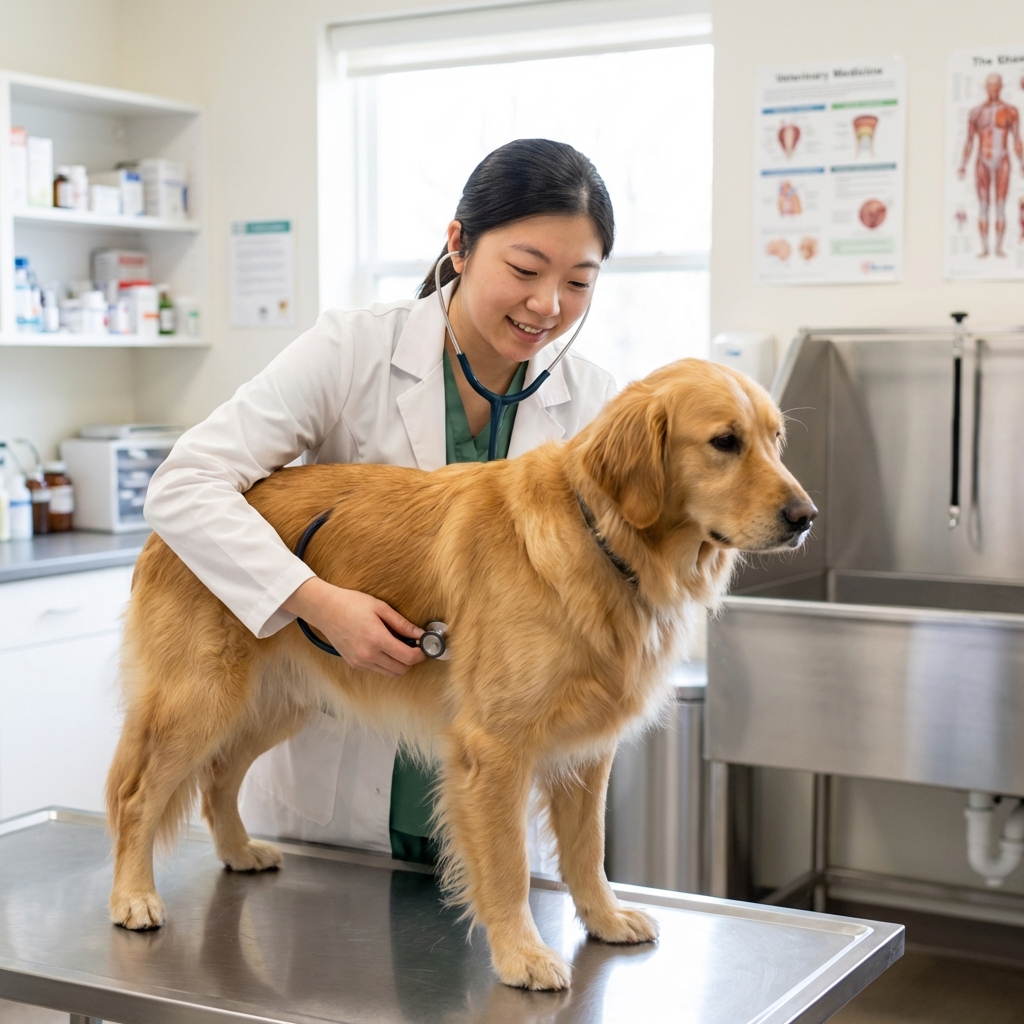
1) Infectious respiratory illness (CIRDC or kennel cough)
“Kennel cough” is a common everyday term. More precisely, many vets refer to this group of contagious respiratory infections as canine infectious respiratory disease complex (CIRDC). It can affect the upper airways and sometimes the lower airways too.
Dogs can pick it up anywhere dogs share air and close contact, including boarding, grooming, dog parks, training classes, and even quick visits to the vet. Spread is most often through respiratory droplets and direct contact, and shared items and surfaces can sometimes play a role too.
Many cases are mild, but some dogs can develop pneumonia. Puppies, seniors, and dogs with other health issues are at higher risk. Vaccines (like Bordetella) can reduce severity, but they do not always fully prevent infection.
2) Canine influenza (dog flu)
Dog flu can cause coughing, nasal discharge, lethargy, and fever. It is also contagious and may spread quickly in communities where dogs socialize.
3) Tracheal collapse (common in small breeds)
This can sound like a “goose honk” cough, often triggered by excitement, pulling on a collar, heat, or poor air quality. It is not always an emergency, but it does need veterinary guidance.
4) Allergies and airway irritation
Smoke, dust, strong fragrances, household cleaners, wildfire haze, and pollen can irritate airways and trigger coughing. Some dogs also have inflammatory airway disease that acts a bit like asthma.
5) Heart disease or fluid buildup
Coughing that is worse at night, with exercise intolerance, or paired with faster breathing can be a sign of fluid in the lungs (pulmonary edema) or, less commonly, fluid around the lungs (pleural effusion). An enlarged heart can also press on nearby airways and contribute to coughing in some dogs.
Not all heart disease causes a cough, which is exactly why an exam and diagnostics matter, especially in older dogs.
6) Parasites and other lung issues
Heartworm disease, lungworms (region-dependent), fungal infections, and certain chronic lung conditions can all cause coughing. Heartworm prevention is a big deal in Texas, and coughing is one reason vets may recommend testing.
7) Something stuck or throat irritation
A sudden cough that starts during chewing, after playing with sticks, or after a new treat can happen if something irritates the throat. Sometimes coughing and gagging also show up with nausea, reflux, or regurgitation.
If your dog is choking, cannot settle, has pale or blue gums, or is struggling to breathe, treat it as an emergency.
8) Aspiration pneumonia risk
Coughing after drinking, after vomiting, or alongside repeated regurgitation can be a sign that material is getting into the airway instead of going down the esophagus. Some dogs with conditions like megaesophagus are especially prone to this, and aspiration pneumonia can become serious quickly.
9) Upper airway conditions (laryngeal issues and short-nosed anatomy)
Older large-breed dogs can develop laryngeal dysfunction that affects airflow and may cause coughing, noisy breathing, or exercise intolerance. Short-nosed (brachycephalic) breeds can also have airway anatomy that makes breathing and coughing issues more likely, especially in heat or stress.
10) Masses or chronic changes in the airway
Less commonly, tumors, polyps, or other chronic structural changes in the airway or lungs can contribute to a persistent cough, especially in older dogs. This is one reason a cough that does not improve deserves a workup.
Red flags: when to seek urgent care
Call your veterinarian the same day, or go to an emergency clinic, if you notice any of the following:
- Breathing difficulty, open-mouth breathing at rest, or belly effort to breathe
- Blue, gray, or very pale gums
- Collapse, extreme weakness, or your dog seems disoriented
- Coughing up blood or repeated episodes of foamy fluid
- Rapid breathing at rest (especially if it is new for your dog)
- High fever, severe lethargy, or refusal to eat and drink
- Puppy, senior, pregnant, or immunocompromised dog with persistent cough
If you are unsure, it is always okay to call your clinic and describe what you are seeing. It is part of their job to help you triage.
What you can do at home while you schedule a vet visit
These steps are supportive, low-risk, and can make your dog more comfortable. They do not replace medical care when a cough is persistent or worsening.
Keep your dog calm and reduce triggers
- Use a harness instead of a collar to reduce pressure on the trachea.
- Avoid smoke and fragrances, including candles, incense, aerosol sprays, and strong cleaners.
- Limit intense exercise until you know what is going on.
Humidify the air
A cool-mist humidifier in the room where your dog sleeps can help soothe irritated airways. Another option is sitting in a steamy bathroom for 10 to 15 minutes while hot water runs, as long as your dog stays relaxed and safe.
Safety note: Avoid overheating or stressing your dog, and do not add essential oils to humidifiers or diffusers around pets.
Offer water and simple comfort
- Encourage hydration. Dehydration can make secretions thicker and harder to clear.
- Serve meals slightly warmed if appetite is reduced (smell can help).
- Keep your dog in a quiet space for rest.
Protect other dogs
If your dog has a new cough, treat it as potentially contagious until your vet says otherwise. Skip daycare, dog parks, grooming, and playdates. Contagious coughs spread fast, even with well-meaning social time.
Avoid over-the-counter human cough medicines
Please do not give human cough syrups or decongestants unless your veterinarian specifically instructs you. Many contain ingredients that are unsafe for dogs, and they can mask symptoms your vet needs to evaluate.
What your veterinarian may recommend
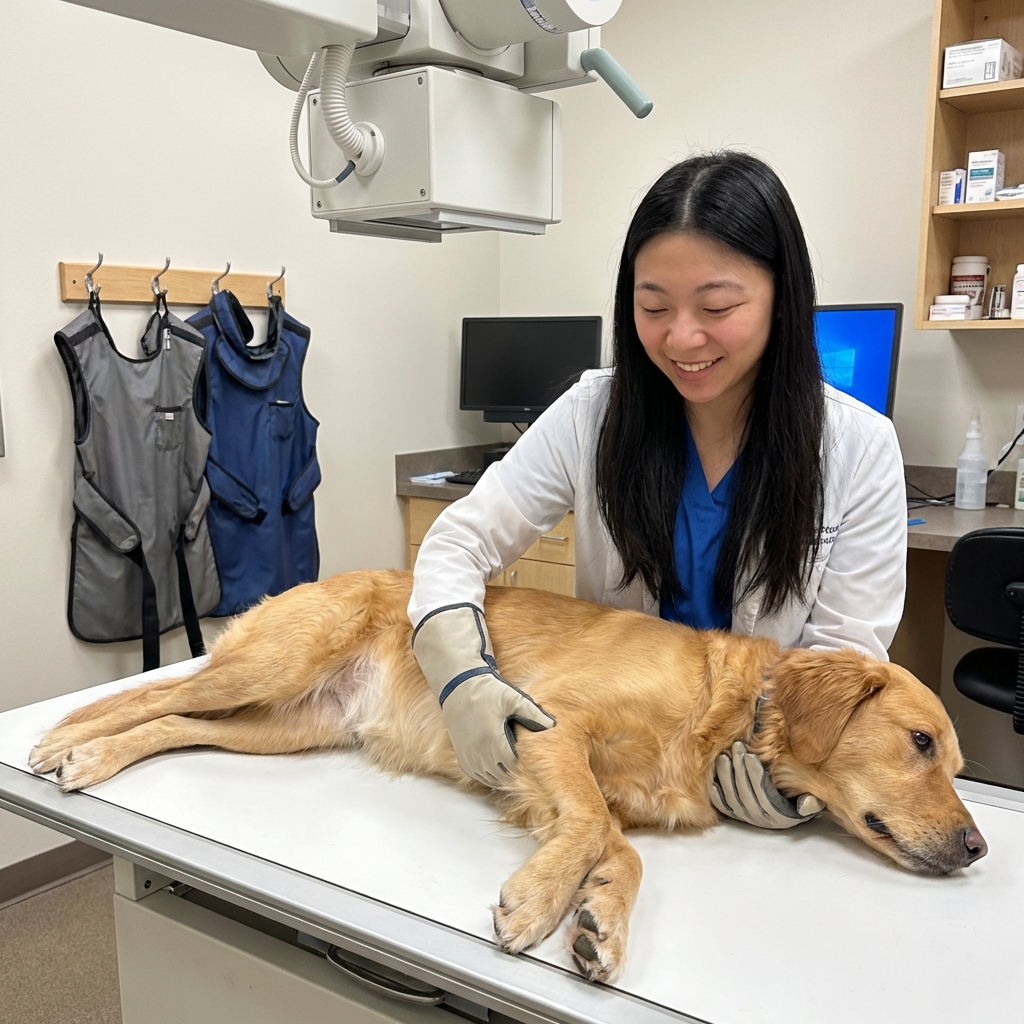
Your vet will tailor testing to your dog’s age, history, and the type of cough. Common next steps include:
- Physical exam with careful heart and lung listening
- Temperature check to look for fever
- Chest X-rays to evaluate the lungs, heart size, and trachea
- Respiratory PCR testing for infectious causes in some cases
- Heartworm test if not current or if risk factors exist
- Bloodwork when systemic illness is suspected
Treatment can range from rest and monitoring, to cough suppressants (only when appropriate), antibiotics in select cases, anti-inflammatory medications, bronchodilators, or cardiac medications if a heart condition is involved. The key is matching treatment to the cause.
A simple cough tracker you can use
If your dog is stable and you are monitoring at home, this quick log helps your vet and helps you notice changes sooner.
- When did it start? Sudden or gradual?
- How often? A few times a day, hourly, mostly at night?
- What triggers it? Excitement, exercise, drinking, pulling on leash?
- Any discharge? Sneezing, runny nose, eye discharge?
- Energy level and appetite
- Resting respiratory rate when asleep or deeply resting
To check resting respiratory rate, count breaths for 30 seconds and multiply by 2. Many relaxed, sleeping dogs are roughly 15 to 30 breaths per minute, but what matters most is what is normal for your dog. If the number is rising over time, consistently above your dog’s usual, or your dog seems to be working harder to breathe, call your veterinarian.
Prevention tips that truly help
You cannot prevent every cough, but you can lower the odds of serious illness.
- Stay current on vaccines based on your dog’s lifestyle, including Bordetella and canine influenza if your vet recommends them.
- Use heartworm prevention year-round, especially in warmer climates like North Texas.
- Choose well-ventilated facilities for boarding and grooming, and ask about their illness policies.
- Switch to a harness if your dog tends to pull.
- Keep indoor air clean with regular filter changes and smoke-free spaces.
If your dog is coughing a lot, trust your instincts. You know what is normal for your pet. With a little detective work and timely veterinary care, most dogs feel better quickly and get back to their happy, playful selves.