Understand proestrus, estrus, diestrus, and anestrus—plus signs of heat, bleeding cleanup, behavior changes, and the best ways to prevent accidental pregna...
Article
•
Designer Mixes
Dog in Heat: Signs, Timeline, and How to Care for Her

Shari Shidate
Designer Mixes contributor
When a female dog goes into heat, it can feel confusing at first, especially if it is your first time caring for an intact (not spayed) pup. You may notice new behaviors, a swollen vulva, or light bleeding and wonder what is normal and what is not. In this guide, I will walk you through the signs of heat, the typical timeline, and practical, kind ways to keep your dog comfortable and safe.
TL;DR: Plan for 2 to 4 weeks of careful management. The most fertile window often starts when the discharge gets lighter, not when it is most bloody. Treat the entire heat period as pregnancy risk and keep strict separation from intact males.

What it means when a dog is in heat
“In heat” means your dog is in her reproductive cycle (also called estrus). During this time, her body prepares for potential pregnancy, and she may attract male dogs from surprisingly long distances.
Most dogs have their first heat between 6 and 18 months, though timing varies by breed and size. Smaller breeds often cycle earlier, while large and giant breeds may cycle later. Young dogs can also have irregular cycles at first, including a “split heat” where signs start, stop, and then return a few weeks later.
Quick note: This article is educational and not a substitute for veterinary care. If anything feels “off” with your dog’s bleeding, energy, appetite, or comfort, it is always appropriate to call your veterinarian.
Common signs your dog is in heat
Some dogs have obvious signs. Others are subtle and you mainly notice behavior changes. The most common signs include:
- Swollen vulva, often one of the earliest physical changes
- Bloody or pink-tinged discharge (can range from light spotting to heavier flow)
- More frequent urination or marking behaviors
- Increased licking of the genital area
- Behavior shifts like clinginess, restlessness, or mild irritability
- Tail positioning changes (some dogs “flag” their tail to the side later in the cycle)
- Increased attention from male dogs, even before she is ready to mate
Not all discharge is “just heat.” If it looks pus-like, has a strong odor, or your dog seems unwell, check in with your vet promptly.
Heat timeline, stage by stage
The full cycle can span several weeks, and the most important thing for most families is knowing when pregnancy risk is highest. Keep in mind these ranges vary by individual dog, age, and breed.
Stage 1: Proestrus (often about 7 to 10 days, sometimes longer)
This is often when you first notice swelling and red or bloody discharge. Male dogs are attracted, but many females are not receptive yet and may sit down, tuck the tail, or move away.
- Typical signs: swelling, bloody discharge, frequent urination, attention from males
- Pregnancy risk: possible, and supervision is still essential
Stage 2: Estrus (often about 5 to 14 days)
This is the fertile window. Discharge often becomes lighter in color (pink, straw-colored, or watery), and many dogs become receptive to mating.
- Typical signs: tail flagging, softer discharge color, seeking male attention
- Pregnancy risk: highest
Important: Many accidental pregnancies happen when families relax because the red bleeding has slowed. Lighter discharge can actually mean she is more fertile.
Stage 3: Diestrus (about 2 months biologically)
This phase is longer than most people realize. Hormones stay elevated for weeks in intact females whether they are pregnant or not. The good news is that the visible signs most families notice, like discharge and swelling, usually fade within one to two weeks after estrus ends.
- What you will see: discharge tapers, behavior often settles
- Pregnancy risk: drops once estrus ends, but keep caution until signs fully resolve
Some dogs develop a false pregnancy during diestrus, with nesting, mothering toys, mammary swelling, or even milk. It can be mild and self-limited, but call your vet if she seems distressed, painful, or not herself.
Stage 4: Anestrus (weeks to months)
This is the resting phase between cycles. Many dogs come into heat about every 6 months, but anywhere from 4 to 12 months can be normal depending on breed, age, and individual biology. There are also breed exceptions. For example, Basenjis often cycle about once yearly, and some Northern breeds can be more seasonal.
How to care for a dog in heat
Your main goals are comfort, cleanliness, and preventing an accidental pregnancy. Here are the steps I recommend to most pet parents.
1) Prevent pregnancy with strict supervision
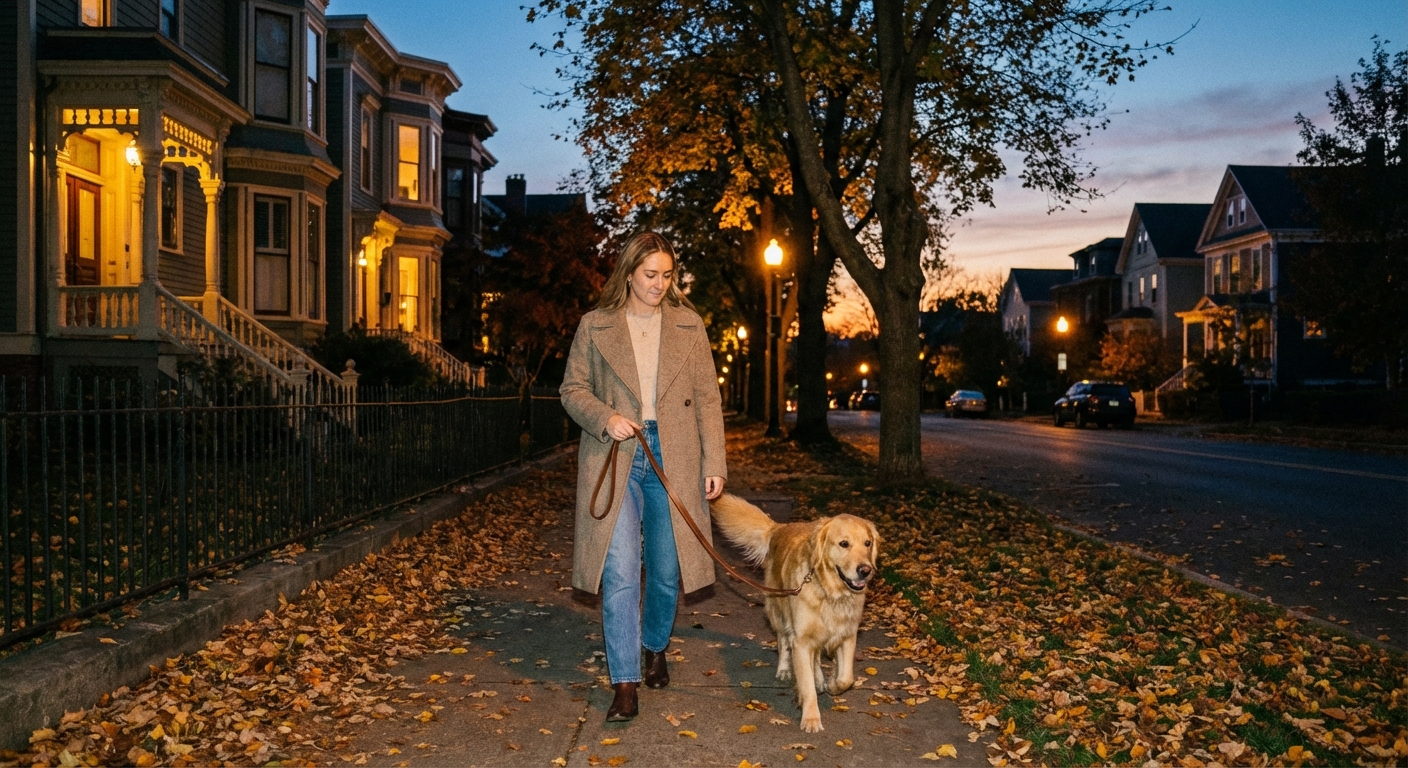
- Keep her indoors or securely leashed at all times. No off-leash dog parks during heat.
- Do not rely on a fenced yard alone. Male dogs can climb, dig, or push past weak spots.
- Separate from intact males in the home with closed doors and physical barriers. Heat can make even calm dogs determined.
- Avoid daycare and group settings. It is stressful for her and risky for everyone.
How long should you be strict? Most families should treat the whole heat cycle as high risk for at least 2 to 3 weeks. When in doubt, continue strict separation until all discharge has stopped and several days have passed. Your veterinarian can help you time this more precisely if needed.
2) Manage discharge and keep your home clean
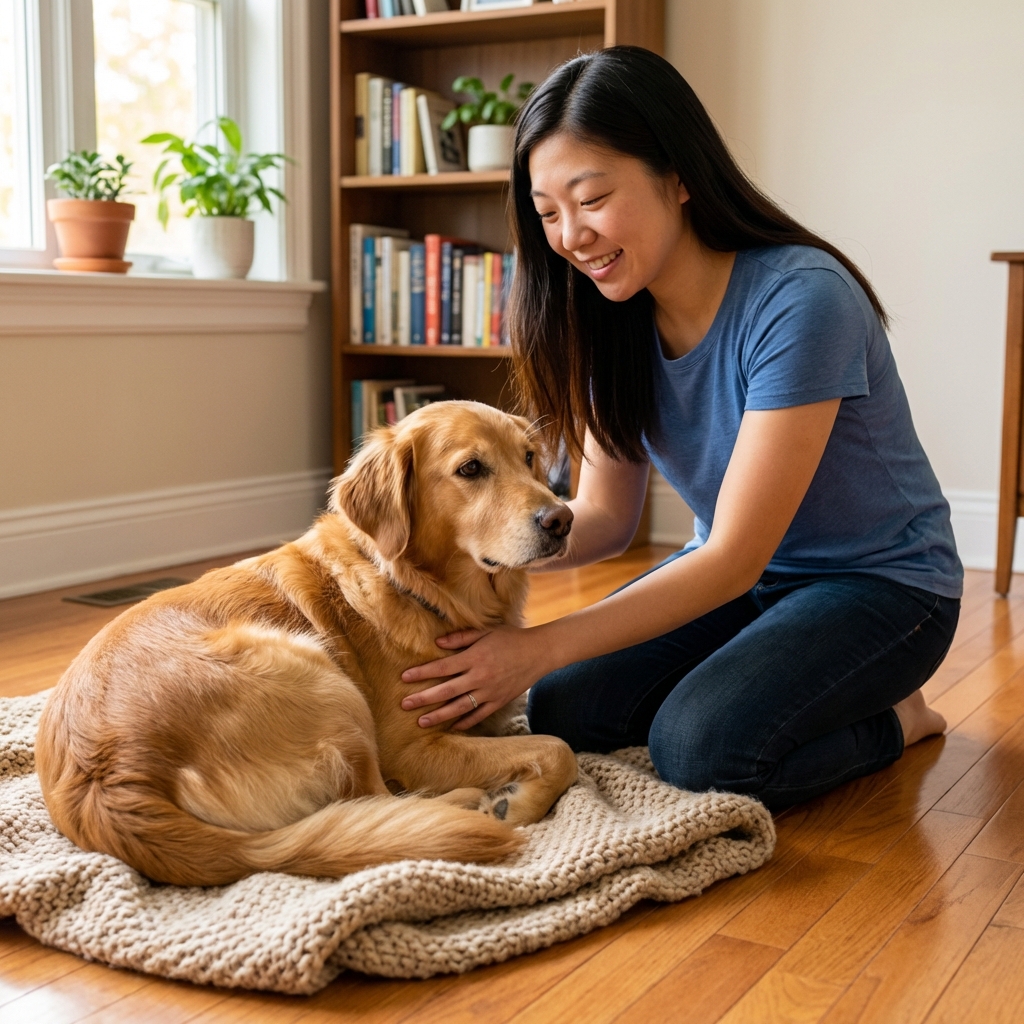
- Washable blankets in her favorite resting spots can make cleanup easier.
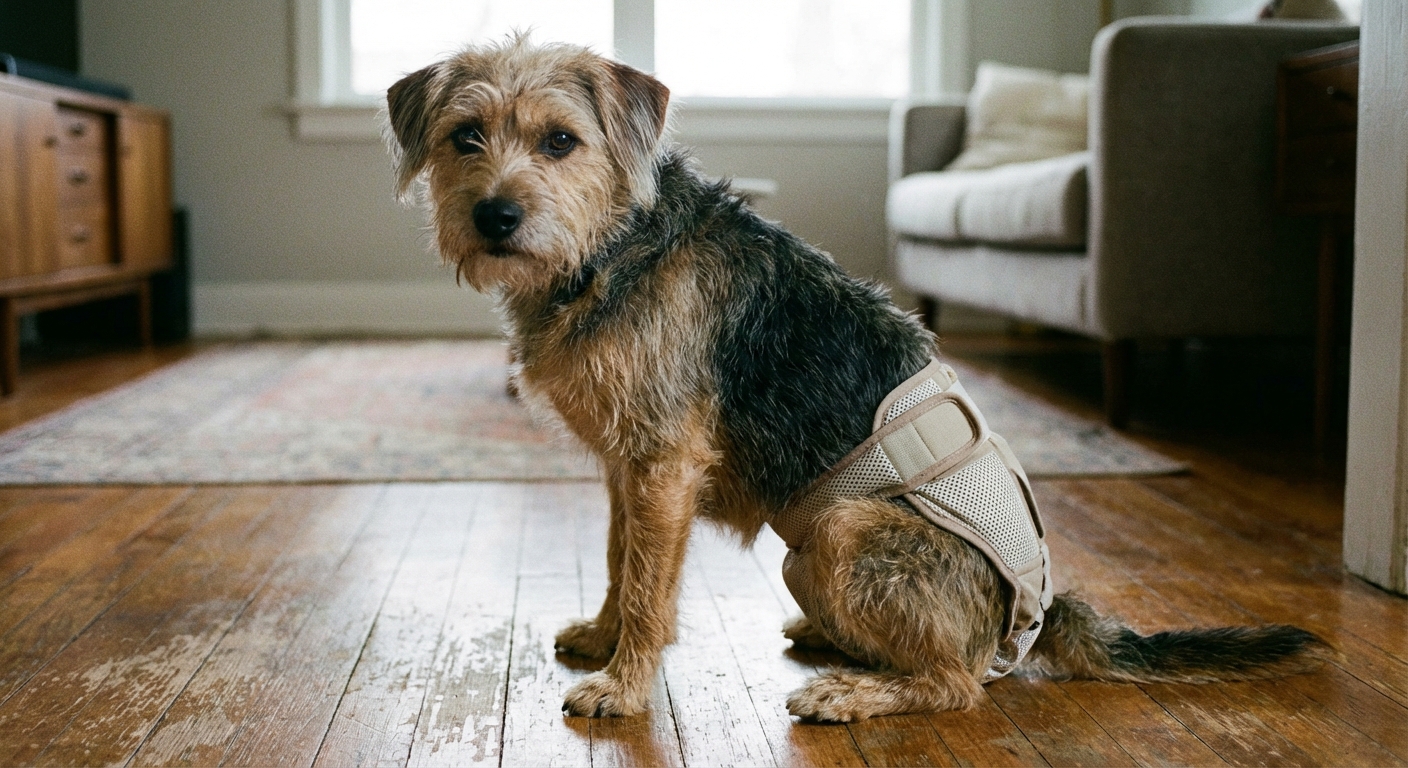
- Dog heat diapers can help, especially for heavier bleeders. Choose breathable, well-fitted options.
- Change diapers frequently and keep the area clean and dry to reduce irritation.
- Give short air breaks (supervised) so skin can stay dry.
- Skip human menstrual products inside the diaper unless your vet advises it. Some dogs chew them, and they can trap moisture.
3) Support comfort and reduce stress
- Keep routines predictable. Regular walks, meals, and rest are grounding.
- Offer calm enrichment like sniff walks, food puzzles, and short training sessions.
- Expect restlessness. Some dogs pace more. A quiet room and a comfy bed can help.
- Gentle grooming can reduce licking triggers, but avoid over-bathing which can irritate skin.
4) Adjust exercise thoughtfully
Moderate activity is fine for most dogs, but choose lower-risk environments. A calm neighborhood walk on leash is usually better than busy dog trails. If she seems crampy, fatigued, or unusually clingy, it is okay to scale back for a few days.
5) Be cautious with bathing and hygiene
It is fine to wipe her with a warm, damp cloth if she is messy. Avoid harsh soaps near sensitive tissues. If you notice redness, strong odor, or persistent licking, ask your veterinarian if a check is needed.
Behavior changes and what to do
Hormones can influence behavior, and that is normal. Many dogs become extra affectionate, while others want more space.
- Clinginess: Add comfort through quiet time together, gentle petting, and a cozy resting spot.
- Restlessness or whining: Increase low-key enrichment and stick to routine. Consider a white-noise machine at night.
- Seeking males: Double down on management. This is biology, not “bad behavior.”
- Food changes: Mild appetite changes can happen. If she stops eating, vomits, or seems painful, call your vet.
How long does discharge last?
Most dogs have red or bloody discharge for about 7 to 10 days, which is usually the proestrus stage. After that, many dogs have lighter discharge (pink, straw-colored, or watery) during estrus, and that is often when they are most fertile.
In total, plan to manage some level of discharge and increased attention from male dogs for about 2 to 3 weeks, and sometimes closer to 4 weeks. If discharge is very heavy, lasts longer than about 3 to 4 weeks, has a strong odor, or your dog seems weak or unwell, consult your veterinarian.
When to call the vet
Heat itself is not an illness, but certain symptoms should be checked promptly.
- Lethargy, fever, vomiting, or loss of appetite
- Foul-smelling discharge or discharge that looks thick, yellow, or pus-like
- Excessive bleeding (soaking through diapers rapidly or dripping continuously)
- Signs of pain like trembling, guarding the belly, or unusual sensitivity
- Swollen belly or increased thirst and urination
These can be signs of complications such as infection. One serious condition that can occur in intact females is pyometra, a uterine infection that requires urgent veterinary care. It often develops weeks after a heat cycle, and it does not always cause visible discharge (this is sometimes called a “closed” pyometra). If your dog seems suddenly ill after a recent heat, treat it as urgent.
Spaying and timing
If you are not planning to breed, spaying is the most reliable way to prevent unwanted litters and reduces the risk of certain reproductive diseases. The “best” timing can vary based on breed, size, and overall health. Some veterinarians recommend spaying before the first heat, while others recommend waiting until a certain age or after a heat cycle for specific breeds. Your vet can help you weigh the pros and cons for your individual dog.
Heat checklist
- Leash-only walks and close supervision outdoors
- Secure doors, gates, and fencing checks
- Washable bedding and a backup set ready
- Heat diapers if needed, changed often
- Low-key enrichment to reduce restlessness
- Emergency vet number saved in your phone
With a little planning, most dogs move through heat just fine. Your steady presence, a clean setup, and careful supervision do the heavy lifting. If you would like, share your dog’s age, breed mix, and what signs you are seeing, and I can help you interpret what is typical for her stage.