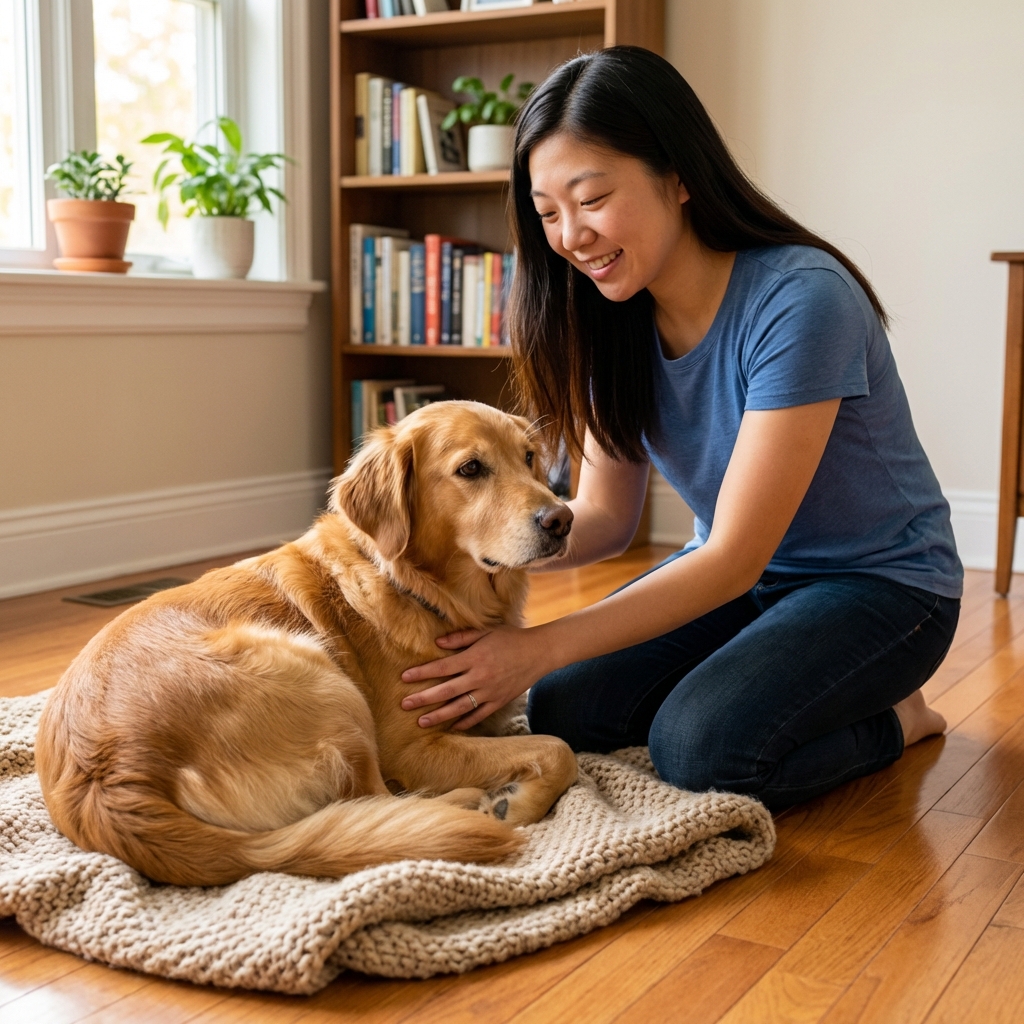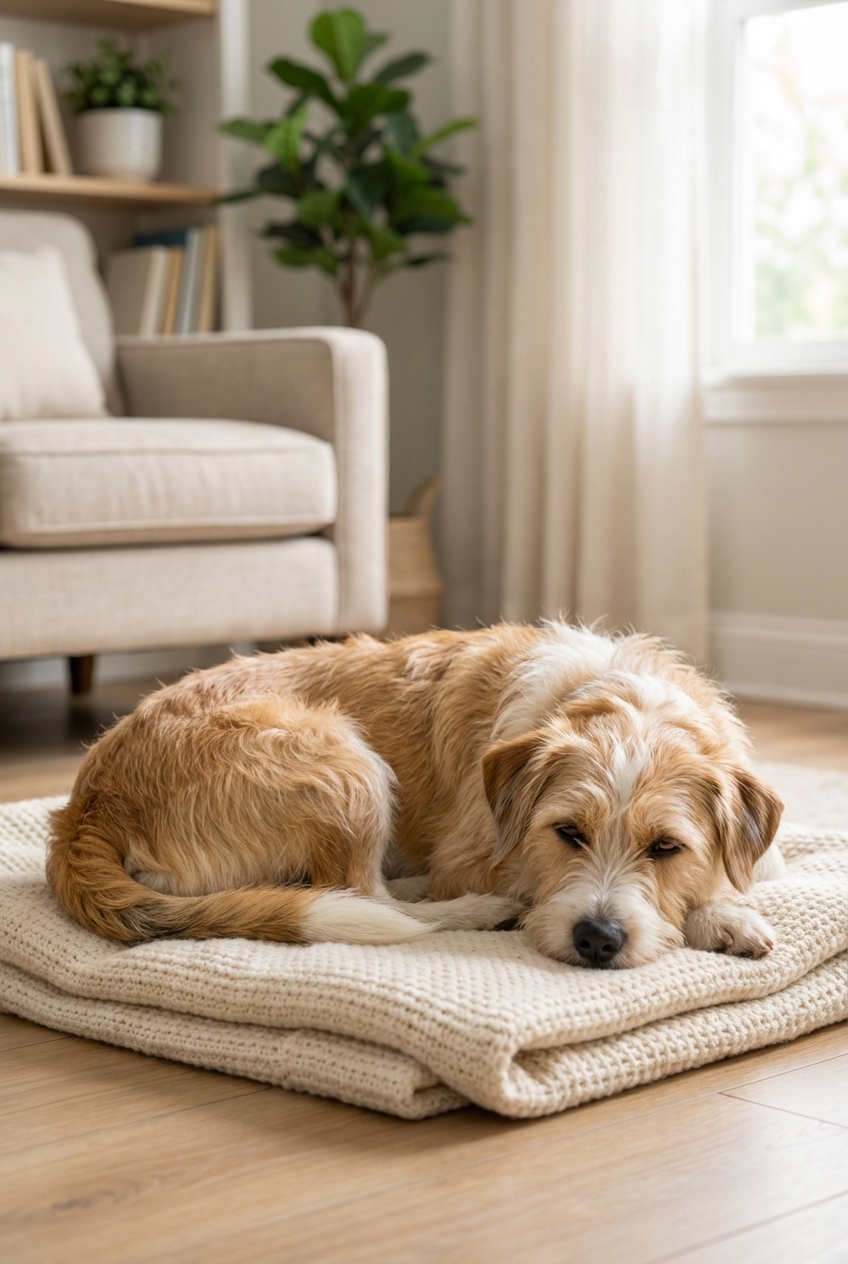
A clear timeline of the 4 heat stages (proestrus, estrus, diestrus, anestrus), what bleeding looks like, common behavior shifts, home care tips, and urgent w...
Article
•
Designer Mixes
Dog in Heat Care: Diapers, Mating, and Isolation

Shari Shidate
Designer Mixes contributor
When your female dog goes into heat, it can feel like your entire household schedule changes overnight. You might be dealing with spotting, clinginess, restlessness, and a sudden wave of attention from male dogs in the neighborhood. The good news is that most healthy dogs move through heat just fine with a little planning and extra supervision.
As a veterinary assistant, I like to focus on two goals: keeping your girl comfortable and keeping her safe from an accidental pregnancy. This guide walks you through diapers, mating risk, and whether isolation is truly necessary.
Note: This is general education, not a substitute for veterinary advice for your specific dog. If something feels off, call your veterinarian.
Understanding a dog heat cycle
Most dogs have their first heat between 6 and 18 months, depending on size and breed. Small dogs often cycle earlier; large and giant breeds often later. A typical heat cycle lasts around 2 to 4 weeks, but cycles can be shorter or longer and signs can be subtle.
Some dogs also have a silent heat, meaning hormonal changes occur with minimal visible discharge or swelling. If you suspect your dog is cycling but you are not seeing the usual signs, your veterinarian can help confirm what is going on.
Stages you may notice at home
- Proestrus (often 7 to 10 days): vulva swelling and bloody discharge. Many females will not allow mating yet, but male dogs become very interested.
- Estrus (often 5 to 10 days): discharge may become watery or straw-colored, and many females will allow mating. This is the highest-risk time for pregnancy.
- Diestrus (about 2 months): the post-estrus phase. If pregnancy did not occur, some dogs still show hormone-driven behaviors like nesting or mothering toys.
- Anestrus (variable): the resting phase between cycles.
Important: Count days by what you see, not by the calendar alone. For example, some dogs ovulate earlier or later than expected, and discharge color changes do not reliably “prove” when your dog is fertile.
How long do you need to be vigilant? Plan on strict supervision and separation for the full cycle, and often for at least 3 to 4 weeks from the first day you notice signs. Many owners get caught off guard because male attention can continue even after bleeding seems to stop.
Comfort and hygiene: diapers that work
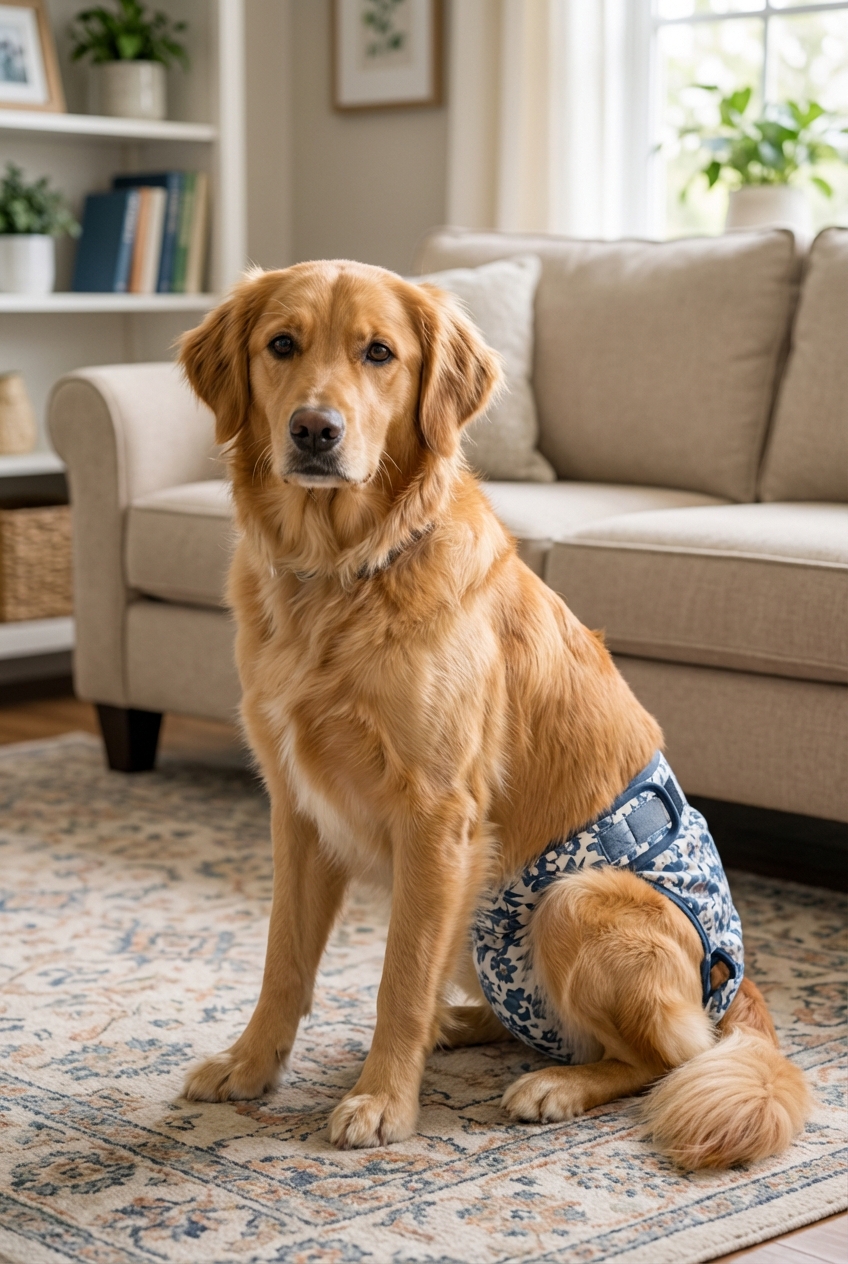
Heat diapers can be helpful for keeping your home cleaner and your dog more comfortable, but they are not a substitute for supervision. A determined male dog can still breed a female wearing a diaper.
Choosing the right diaper
- Reusable dog heat diapers: usually more secure, more comfortable, and less waste. Look for adjustable waist and tail hole, and a snug fit around the legs.
- Disposable dog diapers: convenient for travel and quick changes, but they can shift more easily and may cause rubbing if the fit is off.
- Human baby diapers: can work in a pinch, but you will need to cut a tail hole and use a recovery suit or snug dog onesie to keep it from sliding. Avoid straps or suspenders if you cannot supervise closely, since they can create entanglement risk.
Fit tips (prevents leaks and irritation)
- Measure the waist just in front of the back legs and follow the brand’s sizing chart.
- The diaper should be snug enough that you can slide two fingers under the waistband, but not so tight that it leaves deep marks.
- Place an absorbent pad inside a reusable diaper and change it frequently.
How often to change
A good rule is to check every few hours when you are home. Change sooner if it is wet, soiled, or if you notice any odor. Moisture trapped against the skin can contribute to dermatitis and skin infections, and it can also increase the risk of irritation around the urinary opening in some dogs.
Prevent licking and diaper removal
- Use a snug recovery suit over the diaper for dogs who wriggle out of it.
- Offer a lick mat or food puzzle during diaper changes to reduce stress.
- If licking becomes obsessive, ask your veterinarian about a brief plan to protect the skin and manage anxiety.
Cleaning and skin care
- Wipe the vulva area gently with a soft, unscented pet wipe or a damp cloth and pat dry.
- Keep fur trimmed around the vulva if your dog has longer hair, so discharge does not mat.
- Avoid fragranced wipes or powders. Dogs can be sensitive, and fragrance can irritate the skin.
Mating risks: what to know
If you have an intact female in heat, pregnancy can happen quickly and unexpectedly. A male dog can detect a female in heat from far away, and some will dig, chew, climb, or bolt through an open door to reach her.
Can dogs mate through a diaper?
Diapers reduce mess, not mating risk. They can shift, tear, or be removed. Even a brief moment unattended in a yard can be enough for breeding.
What the “tie” means
During mating, dogs often become “tied” together for several minutes. This can be alarming if you have never seen it. Never try to pull them apart. It can seriously injure one or both dogs. Keep them as calm and still as possible and call your veterinarian for guidance.
If an accidental breeding happened
Call your veterinarian as soon as possible. There are time-sensitive options, and your vet can discuss what is available in your area, what is safest for your dog, and what the risks and outcomes look like based on timing and health factors. Some interventions are not appropriate for every dog.
Plan for prevention, not panic. The easiest pregnancy to manage is the one you avoid in the first place.
Separation and safety
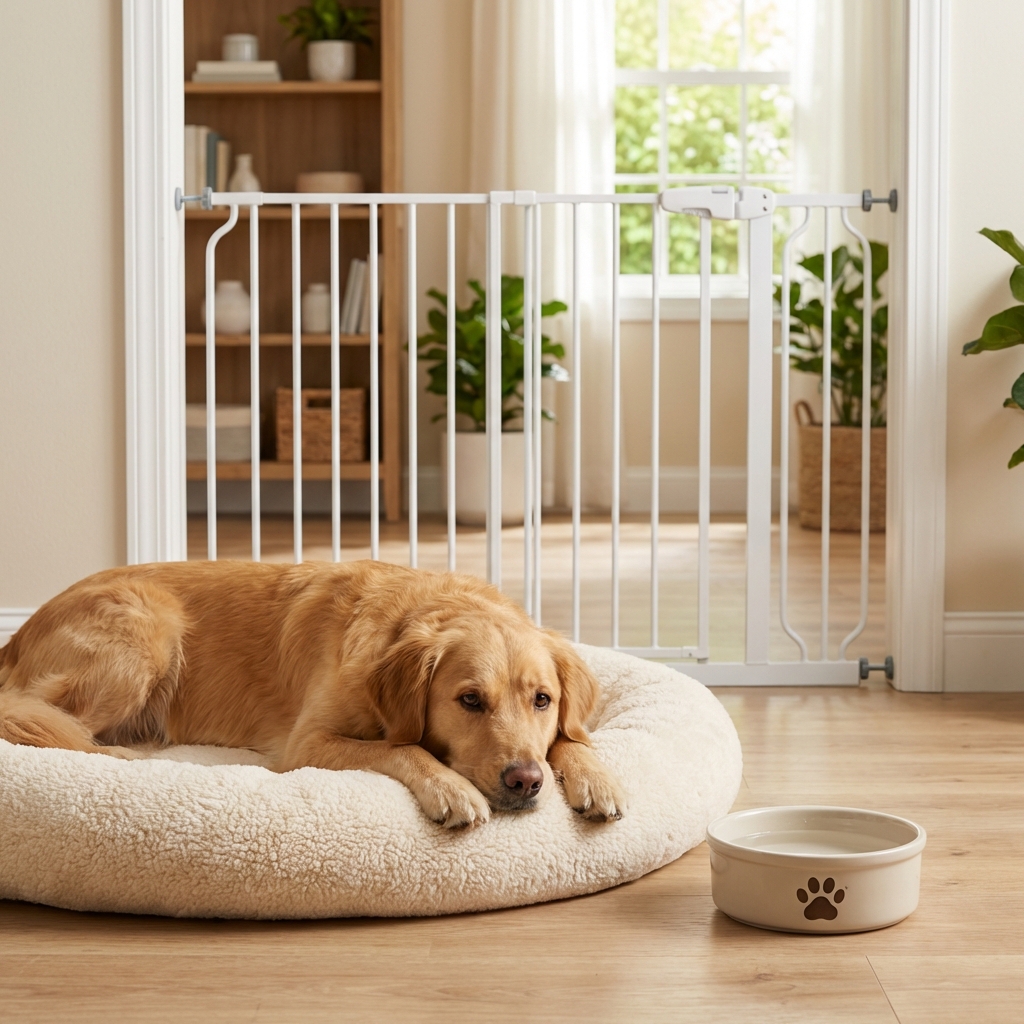
Many families ask if their dog should be isolated during heat. Instead of full isolation, I usually recommend strategic separation and consistent supervision. Your dog still needs movement, mental enrichment, and reassurance.
Smart separation at home
- No unsupervised yard time. Leash walks only, even in a fenced yard.
- Use two barriers if you have intact males in the home, such as a closed door plus a baby gate, or crate plus separate room.
- Rotate free time so both dogs get attention without contact.
- Increase enrichment indoors: snuffle mats, short training sessions, and chew-safe activities.
Dog parks and daycare
Skip them. Dog parks are high-risk during heat, and most daycares will not accept a dog in heat for safety reasons. Even calm males can become highly motivated and unpredictable around a female in heat.
Neighborhood walks and male dogs
Choose quiet routes and walk at off-peak times. Keep your dog on a sturdy leash and consider a front-clip harness for better control. If a loose male dog approaches, stay calm, create distance, and use your body position to block access while you move away.
Behavior and comfort care
Hormones can affect behavior. Some females become extra cuddly; others are moody, vocal, or restless.
What can help
- Keep routine steady: regular meal times, short walks, and predictable rest.
- Offer calm activities: scent games, gentle training, and food puzzles.
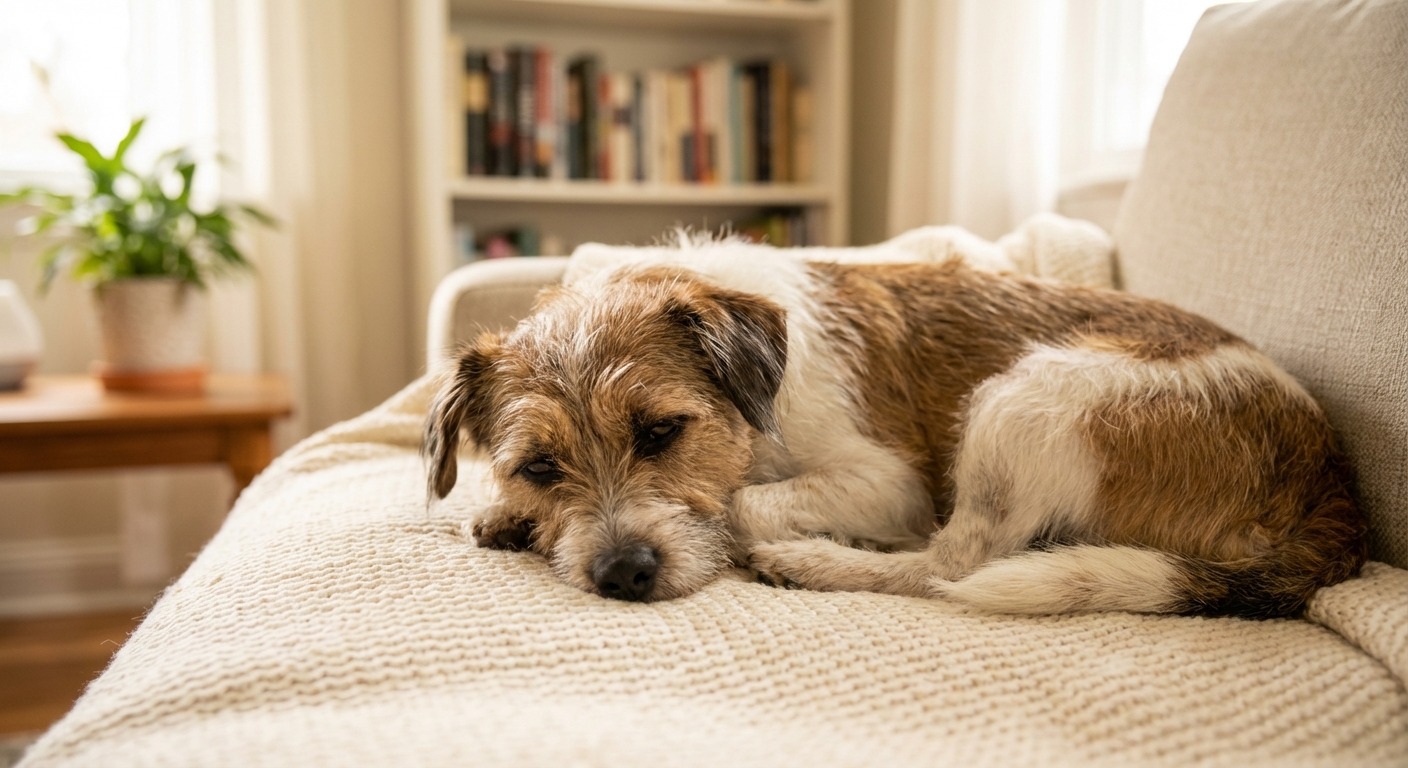
- Provide a quiet space: a dim room, white noise, and a cozy bed can reduce agitation.
- Monitor appetite: mild changes are common, but refusal to eat for more than a day deserves a call to your vet.
Medication safety
Do not give human pain medications or sedatives unless your veterinarian explicitly instructs you to. Many common over-the-counter medications are dangerous to dogs, and the wrong drug or dose can cause serious harm.
Bathing and grooming during heat
Light cleaning is fine. Avoid frequent full baths unless necessary, since over-bathing can dry out the skin. If you do bathe, use a gentle dog shampoo and dry the area thoroughly before putting a diaper back on.
False pregnancy
Some dogs develop a false pregnancy (pseudopregnancy) during diestrus due to normal hormone shifts. You might notice nesting, mothering toys, clinginess, or even milk production.
When to call the vet
- Milk production with red, painful, or very swollen mammary glands
- Significant anxiety, guarding behavior, or inability to settle
- Loss of appetite, lethargy, fever, or anything that looks like illness
Most false pregnancy signs are mild and pass on their own, but it is worth looping your veterinarian in if symptoms are intense or not improving.
When to call the veterinarian
Heat is normal, but complications can happen. Contact your veterinarian promptly if you notice any of the following:
- Heavy bleeding that soaks through diapers quickly or seems excessive
- Foul-smelling discharge, pus-like discharge, or discharge that suddenly changes dramatically
- Fever, lethargy, vomiting, or loss of appetite
- Increased thirst and urination along with weakness or malaise
- Swollen belly or signs of pain
One condition we take very seriously is pyometra, a uterine infection that can occur in intact females, often in the weeks after heat. It can become life-threatening quickly.
- Open pyometra may cause discharge.
- Closed pyometra may have little to no discharge, which can give owners false reassurance.
If your dog seems “off,” trust your instincts and call.
Spaying and planning ahead
If you are not planning to breed responsibly with appropriate health testing and mentorship, spaying is worth discussing with your veterinarian. It prevents pregnancy and greatly reduces the risk of pyometra.
Timing is individualized. Many veterinarians prefer spaying when a dog is not actively in heat, and some recommend waiting a period after the heat cycle ends. Your vet can guide you based on your dog’s age, breed, overall health, and your risk factors at home.
If you do plan to breed, please partner with a reproductive veterinarian or an experienced breeder mentor. Responsible breeding includes genetic screening, orthopedic evaluations where appropriate, infectious disease testing, and a plan for pregnancy and emergency care.
Quick checklist
- Use diapers for cleanliness, not birth control.
- Leash walks only and no unsupervised yard time.
- Use double barriers if intact males are in the home.
- Change diapers frequently and keep skin clean and dry.
- Skip dog parks and daycare.
- Do not give human meds or sedatives without veterinary direction.
- Call your veterinarian if discharge smells bad, your dog seems sick, or bleeding seems excessive.
With the right plan, most heat cycles become manageable. Your dog is not being “difficult.” Her body is doing what nature designed it to do. Your job is simply to add a layer of safety, comfort, and calm until it passes.