Hotspots can appear overnight. Learn the most common causes (allergies, fleas, moisture, mats, ear infections), who’s at risk, when it’s urgent, and how ...
Article
•
Designer Mixes
Dog Hot Spots: Fast Relief and Smart Prevention

Shari Shidate
Designer Mixes contributor
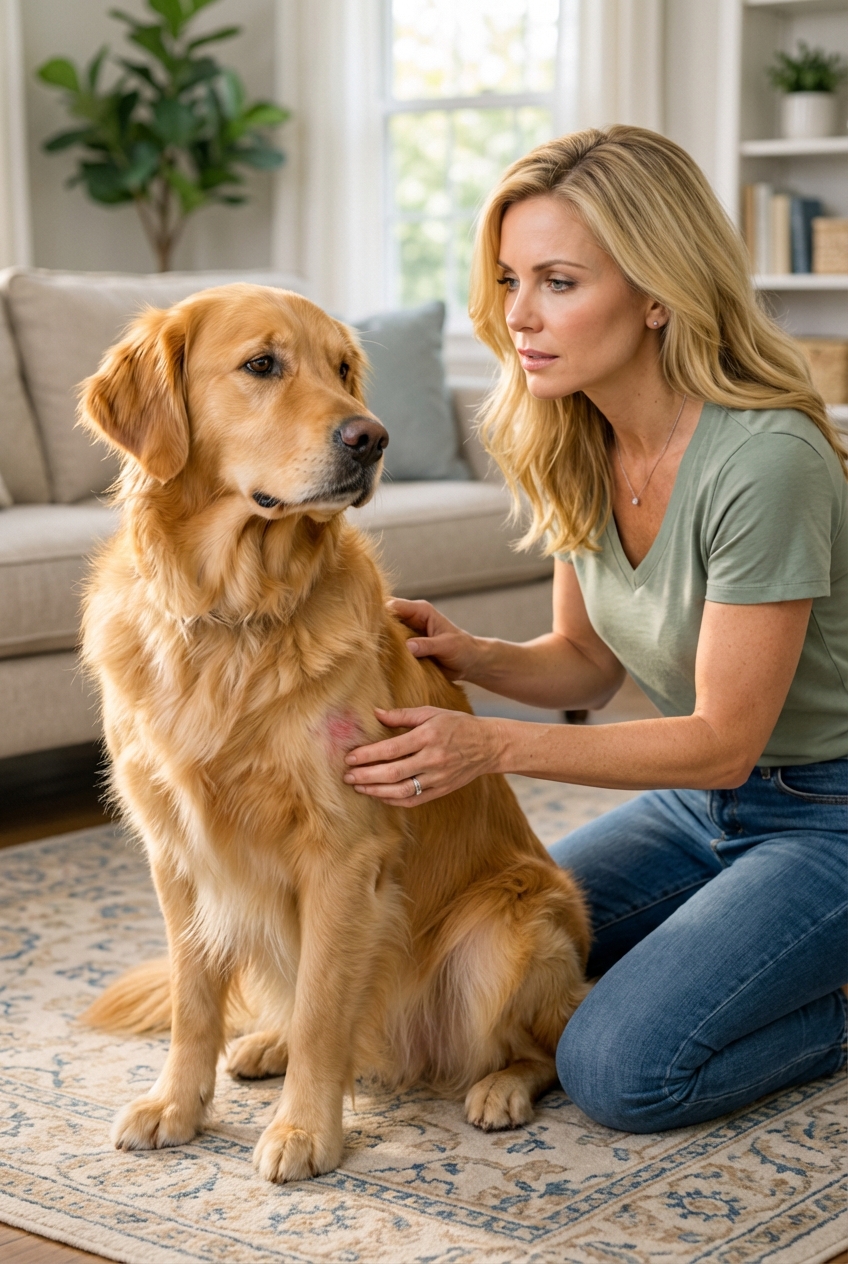
Hot spots can look like they showed up overnight because, honestly, they often do. One minute your dog is fine, and the next you notice a red, wet patch of skin that your pup cannot stop licking or scratching. As a veterinary assistant here in Frisco, Texas, I’ve seen how quickly these can escalate and how much better dogs feel once you handle them early and correctly.
This article walks you through what hot spots are, why they happen, and practical at-home steps that are safe for many dogs. I’ll also cover when a hot spot needs a vet visit, because some cases go from annoying to medically serious faster than most pet parents expect.
What a hot spot is
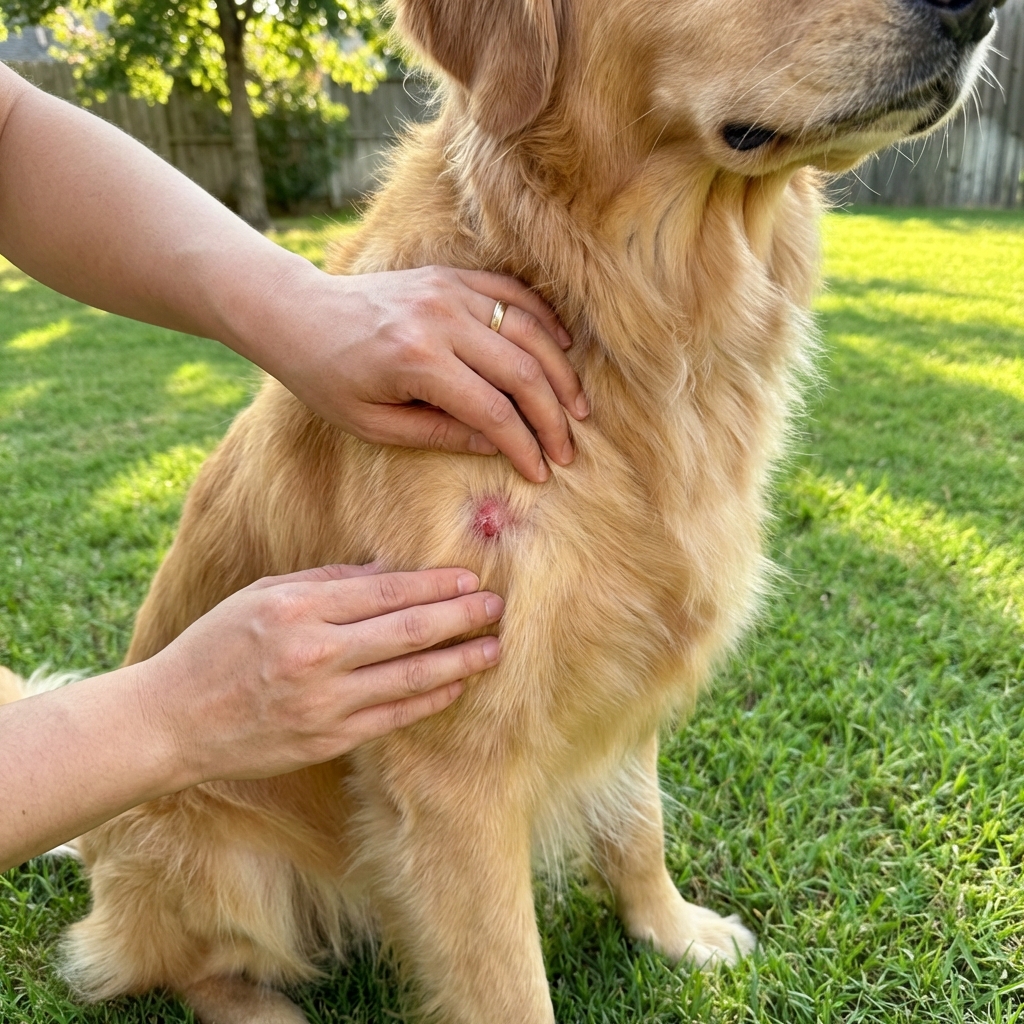
A “hot spot” is the common name for acute moist dermatitis. It is an area of skin inflammation that becomes itchy, painful, and often moist or oozing. The moisture plus self-trauma (licking, chewing, scratching) creates the perfect environment for bacteria to multiply.
Hot spots are not a specific disease. They are more like a skin “meltdown” triggered by something underneath.
Common triggers
- Allergies (environmental, food-related, or flea allergy dermatitis)
- Fleas or other insect bites
- Moisture trapped in the coat after swimming or baths, especially in thick-coated dogs
- Ear infections that lead to head shaking and scratching around the ears
- Matting that pulls on skin and traps moisture and debris
- Minor wounds or irritation that your dog “worries” into a bigger problem
Quick facts that help
- Hot spots can expand rapidly. Moist skin and constant licking create a fast cycle of irritation.
- The “wet” part is not always infection at first. It can start as inflammation and self-trauma, then bacteria move in.
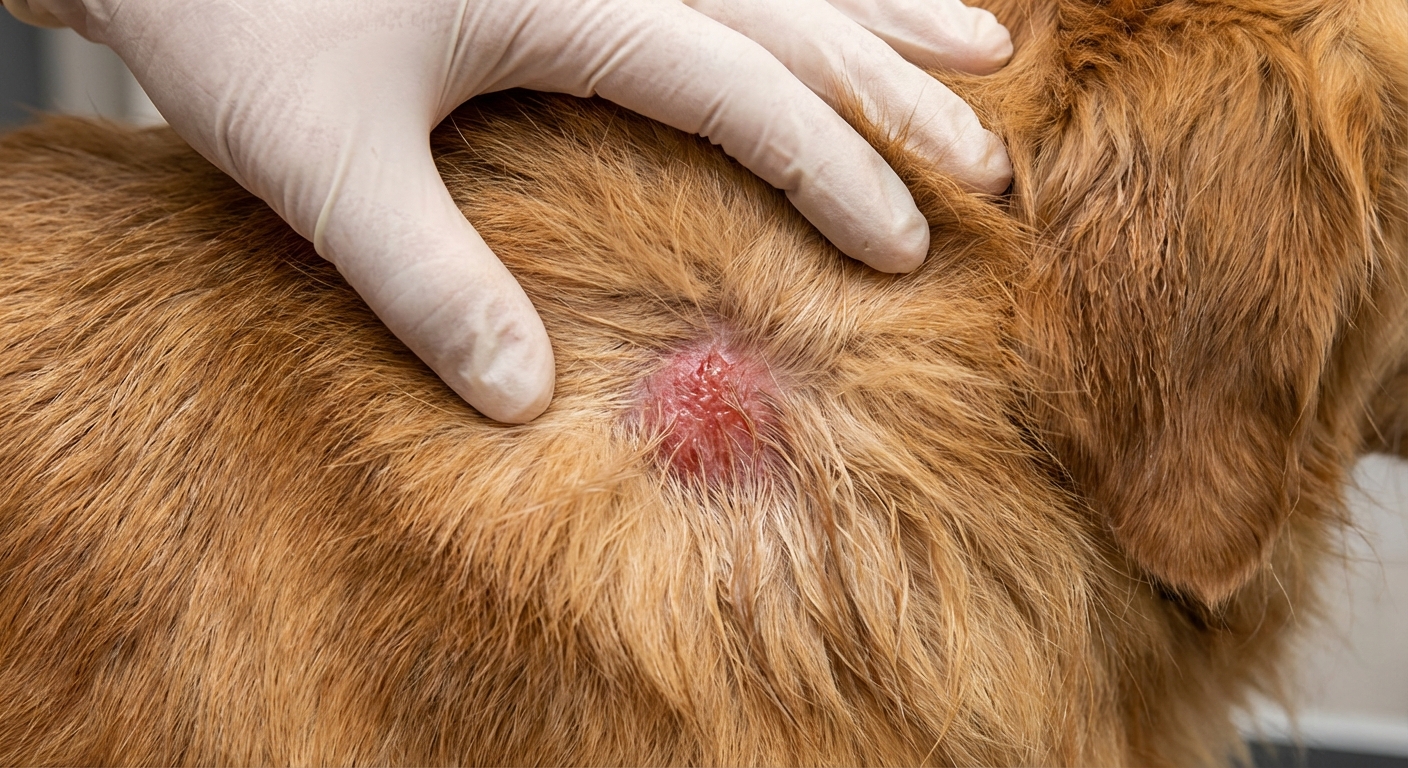
- Hair hides the true size. Many hot spots are bigger under the coat than they look on top.
- They often happen in the same places. Cheeks, neck, behind the ears, hips, and thighs are common zones.
- Summer is prime time. Heat, humidity, swimming, and fleas all raise the odds.
Quick check: Is it a hot spot?
Many skin issues can resemble each other. Hot spots are typically:
- Red, inflamed, and very itchy or painful
- Moist, weepy, or crusty
- Often paired with hair loss over the area
It may be something else if you notice:
- Ring-shaped lesions (possible fungal infection like ringworm)
- Multiple scabs, scaling, or widespread intense itch across the body (parasites like mites, allergies, infection)
- Deep punctures or swelling (abscess risk)
- Firm lumps or growths
If you are unsure, it is always safer to check with your veterinarian. Treating the wrong condition at home can delay proper care.
At-home care steps
If the area is small, your dog is acting normal, and there is no heavy discharge or strong odor, these steps can help many mild cases while you monitor closely.
Safety note: Even sweet dogs can snap when a spot is painful. If your dog is growling, stiff, or panicking, stop and call your vet. Having a second person help can make things safer. Some dogs need pain relief or mild sedation at the clinic for stress-free clipping and cleaning.
Step 1: Stop licking
This is the make-or-break step. If your dog keeps licking, no topical product will keep up.
- Use an E-collar (cone), inflatable collar, or a well-fitted recovery suit.
- Trim nails if scratching is part of the problem.
Step 2: Clip surrounding hair
Airflow helps healing, and hair holds moisture. If your dog allows it, gently clip the fur around the lesion to expose the area.
- Use clippers if possible. Scissors can be risky around painful skin.
- Clip wider than you think. You want to uncover the full irritated area.
If your dog is wiggly, painful, or snapping, stop. This is a common reason hot spots need a vet visit for safe clipping and comfort meds.
Step 3: Clean twice daily
Gently clean the area to remove debris and reduce bacterial load.
- Preferred options: chlorhexidine solution/wipes or a veterinary skin cleanser recommended by your clinic. Concentrations vary, so use products as labeled or vet-directed.
- Avoid getting chlorhexidine in the eyes and ear canals, and do not use it if your dog has a known sensitivity to it.
- Pat, do not scrub. Scrubbing can make inflammation worse.
- Allow it to air dry fully.
Skip hydrogen peroxide and rubbing alcohol. They can damage tissue and slow healing.
Step 4: Keep it dry and breathable
Hot spots love moisture. After cleaning, keep the area dry.
- Avoid heavy ointments unless your veterinarian directs you.
- Do not bandage most hot spots. Bandages trap moisture and can worsen infection. In certain locations, your vet may use a specific, breathable dressing, so follow their plan if one is prescribed.
Also skip human OTC steroid or antibiotic ointments unless your veterinarian tells you to use them. Dogs often lick them off (upset stomach risk), and they can complicate what your vet sees if the spot is getting worse.
Step 5: Re-check daily
Take a quick photo once a day. It is an easy way to see if the spot is truly shrinking and drying, or if it is quietly spreading.
What to expect: For mild cases, you should usually see the area looking drier, less angry-red, and less itchy within 24 to 48 hours. Full healing can still take several days. If it is not clearly improving, it is time to call your vet.
When to call the vet
Please contact your veterinarian promptly if any of these apply:
- The spot is larger than about 2 to 3 inches, spreading, or very painful
- You see pus, a strong odor, or thick discharge
- Your dog seems lethargic, feverish, or not eating normally
- The area is on the face, near the eyes, genitals, or between toes
- Your dog cannot stop chewing, or you cannot safely clip and clean it
- No clear improvement within 24 to 48 hours of home care
- Spots keep returning, which usually means an underlying trigger is not controlled
In clinic, treatment may include clipping, medicated cleaning, prescription topical therapy, and itch and inflammation control. Depending on severity, your vet may also treat secondary bacterial or yeast infection and address the underlying cause (fleas, allergies, ear disease). The goal is comfort and stopping the cycle fast.
Prevention that works
1) Stay consistent with flea prevention
In flea-allergic or extra sensitive dogs, even one flea bite can trigger intense itching. Use veterinarian-recommended flea control and keep your home environment in mind too.
2) Dry the coat completely
After swimming or baths, dry down to the skin, especially in thick-coated mixes. Moisture trapped near the skin is a classic hot spot starter.
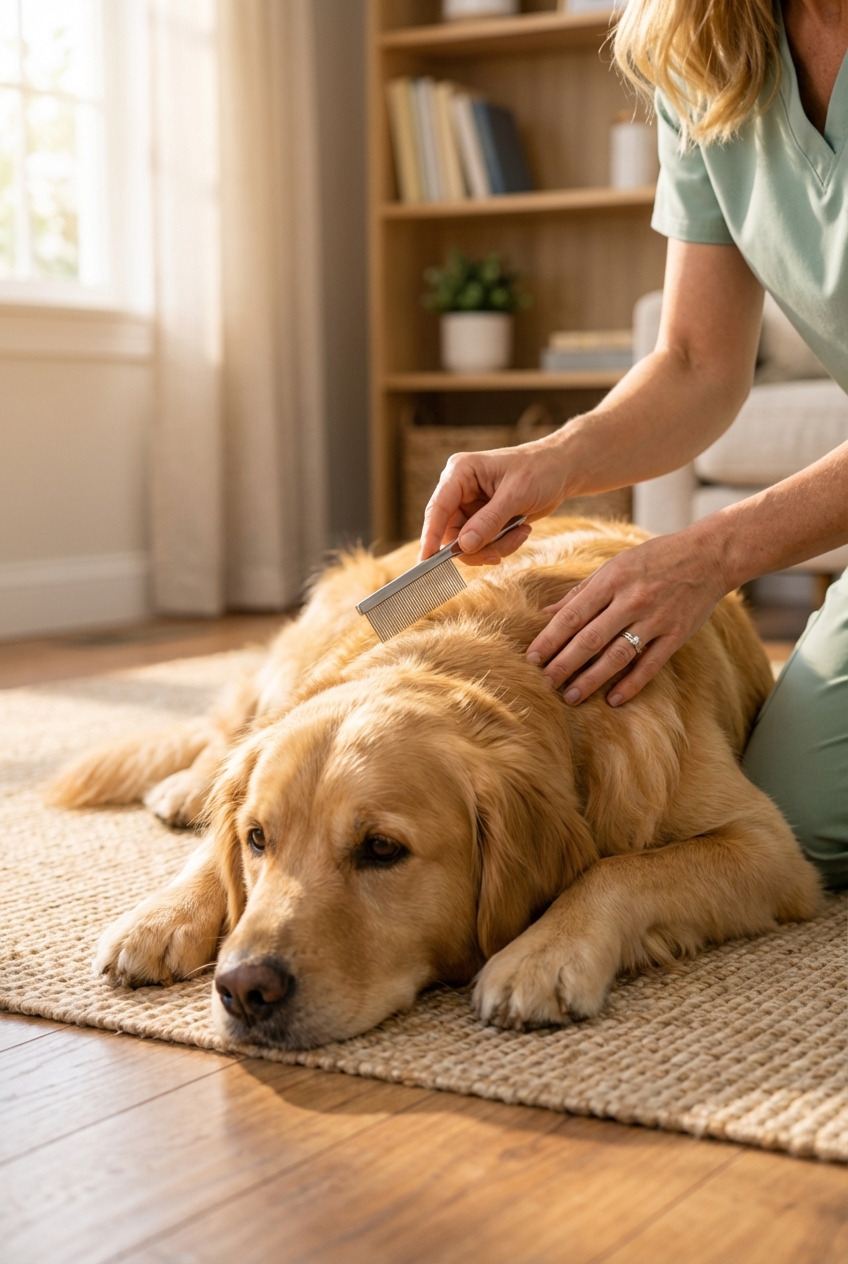
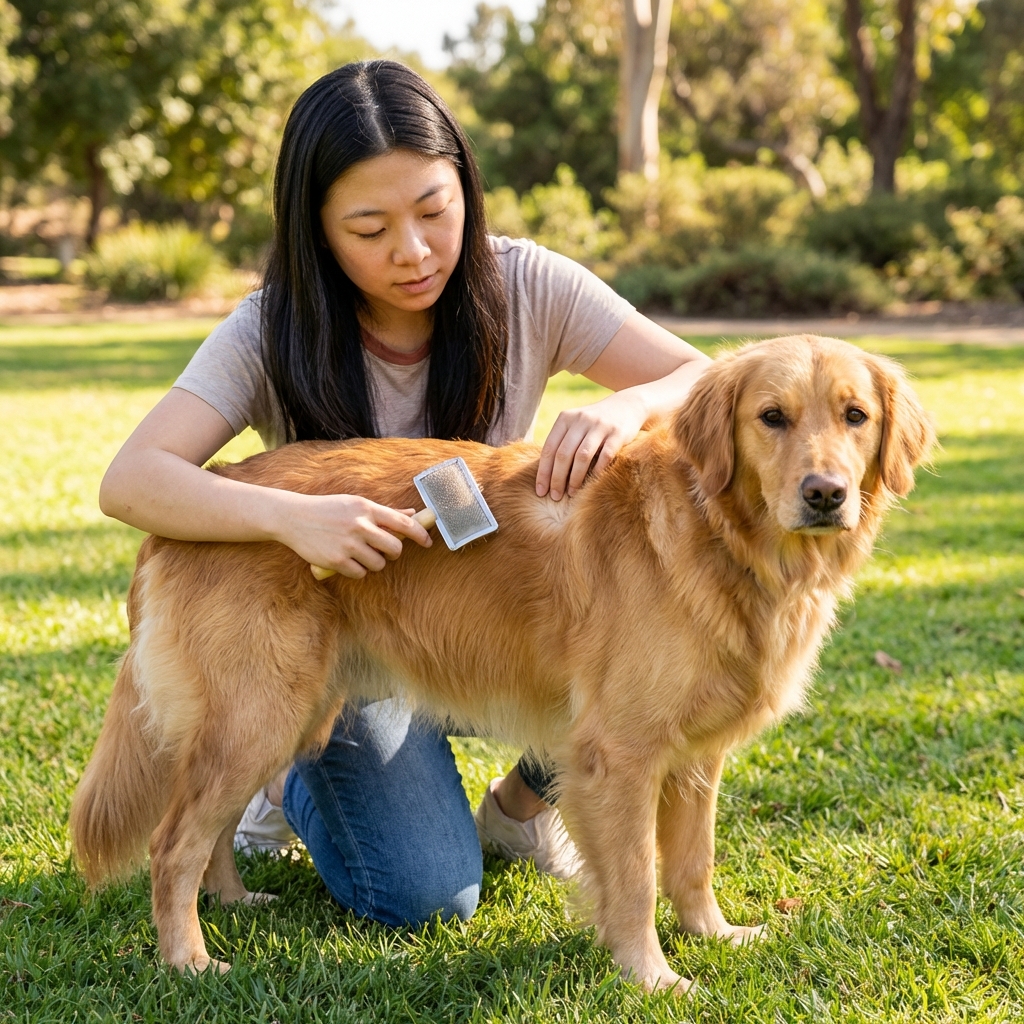
3) Brush and de-mat regularly
Mats tug on the skin and trap moisture. If your dog is a doodle-type mix or has a dense undercoat, routine brushing is not optional. It is preventive medicine.
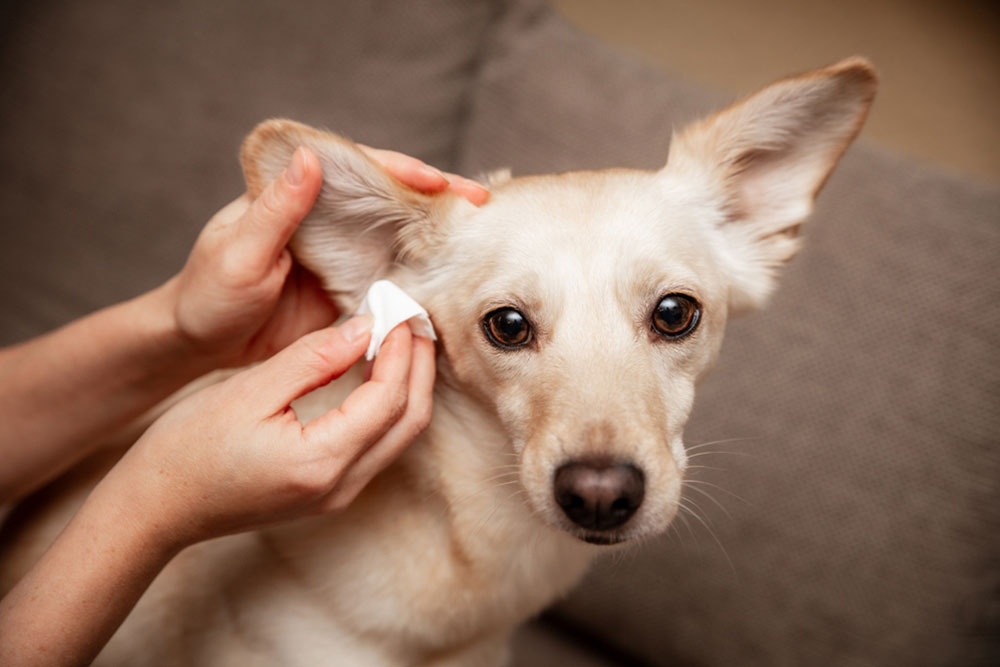
4) Address ear issues early
Many hot spots near the neck and cheeks trace back to ear infections. If you notice head shaking, odor, or frequent scratching, schedule an ear check.
5) Find the underlying itch
Recurring hot spots often point to allergies or parasites. Your veterinarian can help you build a plan that may include diet changes, allergy medications, medicated shampoos, and targeted parasite control depending on the pattern.
Product picks and skips
Helpful to have at home
- Chlorhexidine wipes or cleanser labeled for dogs (or recommended by your clinic)
- An E-collar or recovery suit
- Electric clippers (pet-safe) for gentle coat management
Use caution
- Human creams (some contain ingredients dogs should not lick)
- Essential oils (can be irritating or toxic, especially if ingested)
- Numbing sprays (can irritate skin, be unsafe if licked, and may mask how painful or serious the area is)
If you are ever unsure, call your veterinary clinic and ask what they recommend for hot spots specifically. A quick phone call can prevent a setback.
Closing note
Hot spots are frustrating, but they are also very treatable when you catch them early and break the lick-itch cycle.
Focus on three things: stop licking, clean gently, and keep the skin dry. And if the spot is large, painful, smelly, or not improving quickly, lean on your veterinarian. Your dog should not have to “tough it out.”