Learn what causes hot spots in dogs and how to treat mild cases at home: prevent licking, clip for airflow, clean and dry well, use pet-safe antiseptics, and...
Article
•
Designer Mixes
Dog Hot Spot Care Tips

Shari Shidate
Designer Mixes contributor
Hot spots can show up fast and look scary, especially when your dog is suddenly licking, chewing, or scratching one spot nonstop. The good news is that most hot spots improve quickly with the right care and a little detective work to find the trigger.
As a veterinary assistant in Frisco, Texas, I have seen hot spots in every coat type, from fluffy doodles to short-haired mixes. This guide walks you through what they are, what you can safely do at home, and when it is time to call your veterinarian.
What a hot spot is
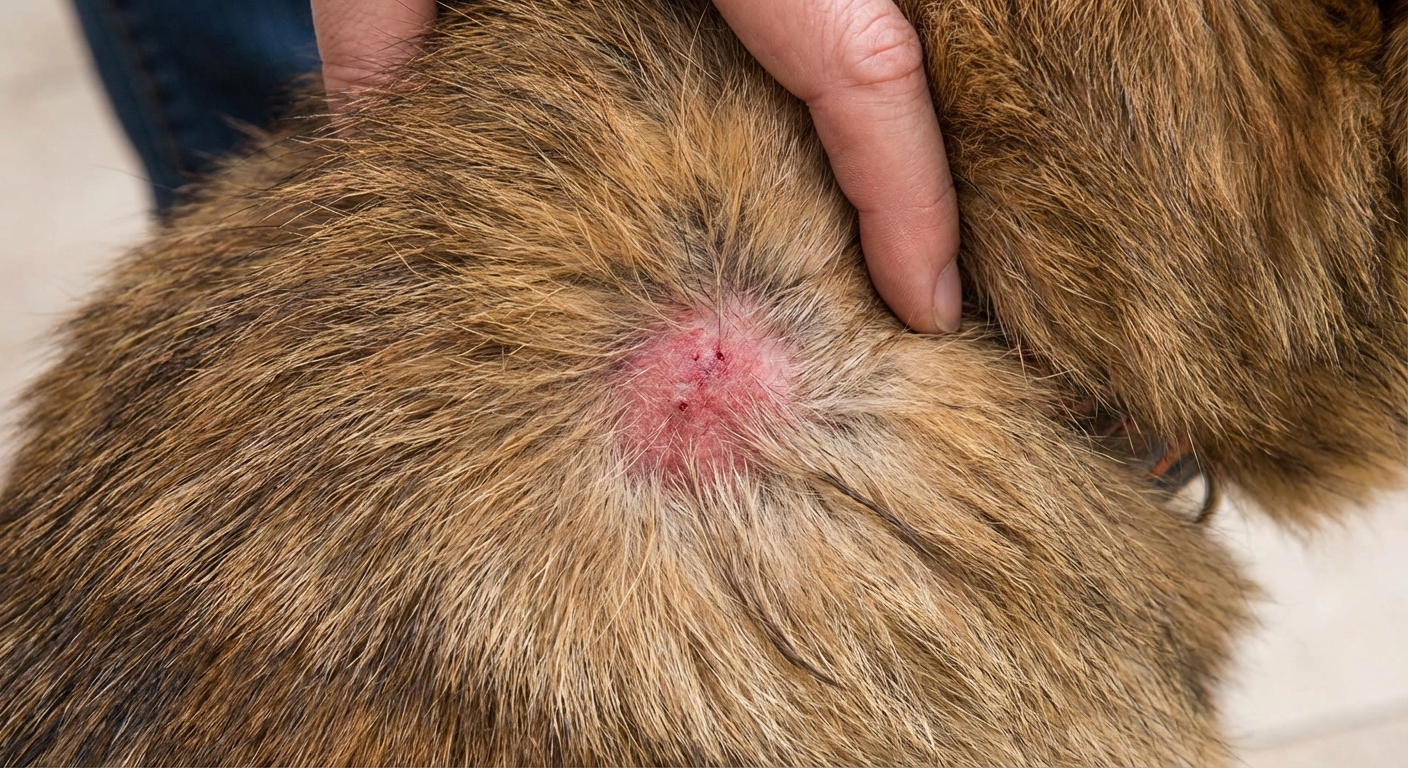
A hot spot is a moist, inflamed skin lesion caused by self-trauma and often becomes secondarily infected. In plain language, something irritates the skin, your dog licks or scratches it, and that breaks the skin barrier. Bacteria can overgrow in that warm, damp area, and the lesion can expand within hours.
Veterinary teams often call these acute moist dermatitis (also called pyotraumatic dermatitis).
Common signs
- A red, wet, oozing patch of skin, sometimes with a sticky discharge
- Hair loss around the spot, often with matted fur
- A strong urge to lick, chew, or scratch the area
- Pain when touched, or your dog flinches and avoids handling
Why hot spots happen
Hot spots are usually a symptom of an underlying issue. If you only treat the surface and never address the cause, they often come back.
Top triggers I see most
- Allergies (environmental or food) that cause itchy skin
- Fleas and flea allergy dermatitis, even from a single bite
- Moisture trapped in the coat after swimming or bathing, especially in thick-coated dogs
- Ear infections leading to scratching around the neck, shoulder, and cheek
- Skin irritation from mats, burrs, or contact irritants
When to see a vet right away
Some hot spots can be managed at home in the very early stage, but many need prescription treatment to stop the infection and the itch cycle. Call your veterinarian promptly if you notice any of the following:
- The hot spot is larger than a couple of inches or spreading quickly
- It is on the face, near the eyes, ears, or genitals
- There is thick pus, a strong odor, or heavy bleeding
- Your dog is showing signs of severe pain, is lethargic, or seems feverish
- Your dog has multiple lesions
- No improvement within 24 to 48 hours of careful home care
- Your dog has chronic skin disease, is immunocompromised, or is on medications that affect healing
In-clinic, treatment may include clipping and cleaning, topical therapy, itch control (often the make-or-break step for healing), and sometimes oral medications such as antibiotics or pain relief when appropriate.
Safe at-home care for mild hot spots
If the area is small, your dog is acting normally, and you can safely handle your dog, you can take these steps while you arrange a vet visit or monitor closely.
Step 1: Stop the licking
This is non-negotiable. Licking keeps the area wet and inflamed.
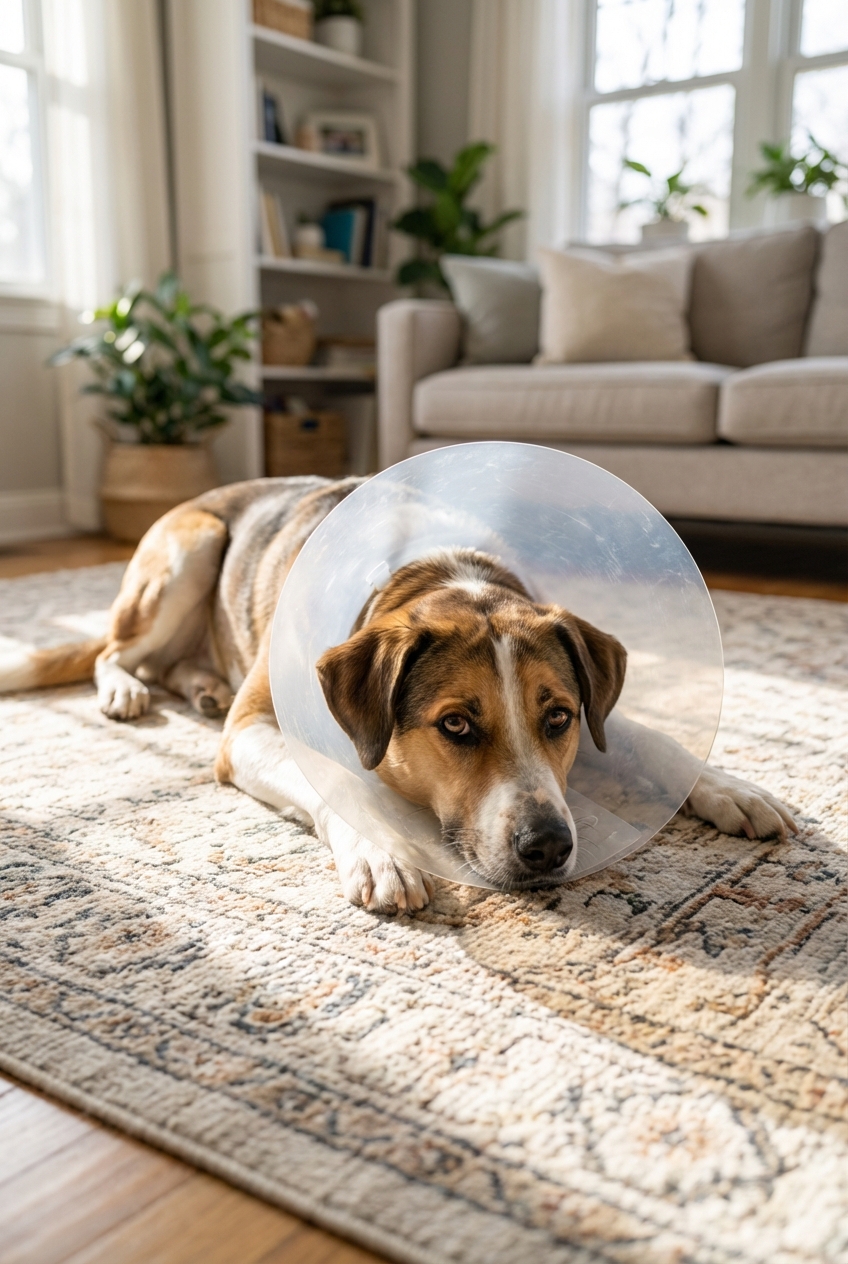
- Use an Elizabethan collar (cone) or a well-fitted recovery collar.
- For some dogs, a breathable T-shirt can help if the lesion is on the body, but do not trap moisture against the skin.
Step 2: Carefully clip the fur if you can do it safely
If the fur is covering the area, the skin cannot dry and you cannot clean it properly. If your dog will not hold still, skip this and let your vet handle it. Cuts from scissors or clippers can make everything worse.
- If clipping, use electric clippers and clip a small margin around the lesion (about 1 to 2 inches if you can do so safely).
- Do not use scissors close to the skin.
Step 3: Clean and dry the area
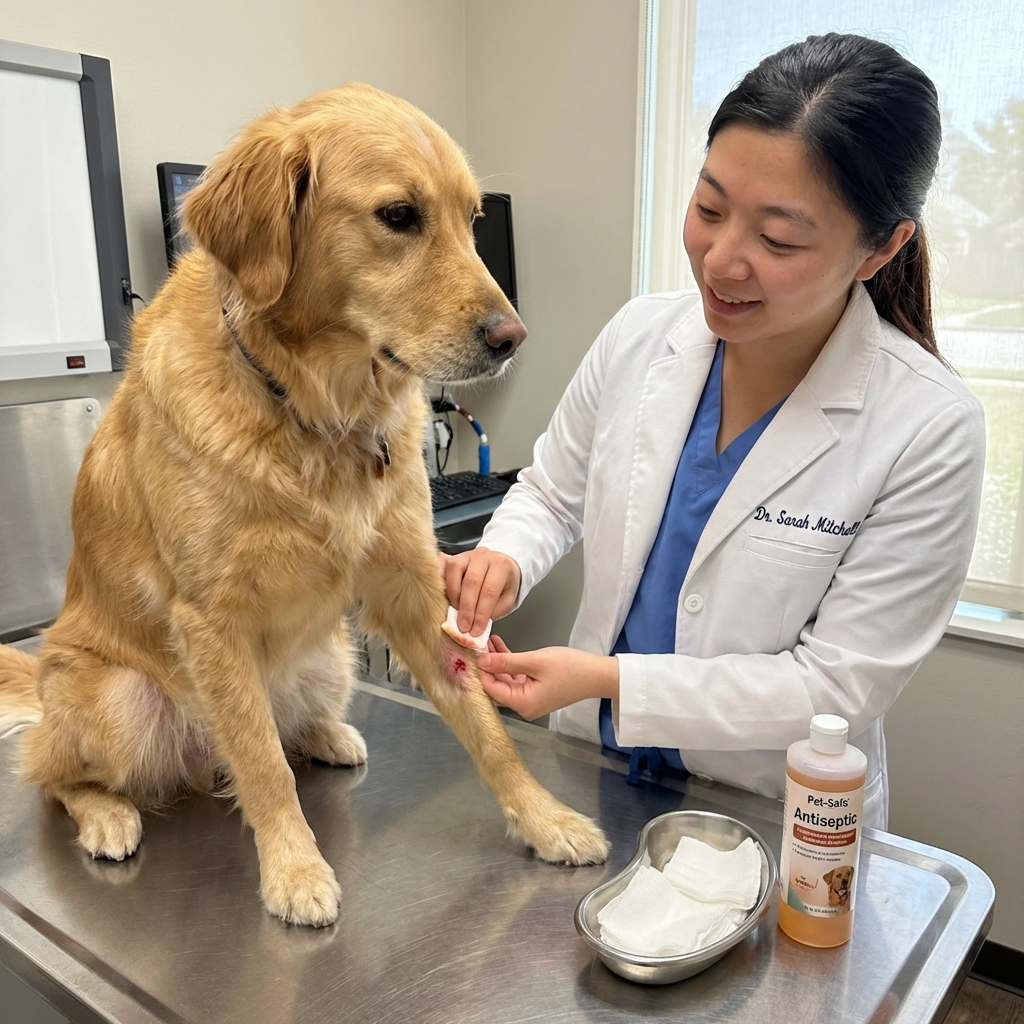
Use a gentle antiseptic rinse 1 to 2 times daily. Your goal is clean and dry skin, not scrubbing. Stop and call your vet if your dog is too painful to allow gentle cleaning.
Good options include:
- Chlorhexidine made for pets (often a ready-to-use 2 to 4 percent product). If you have a concentrate, follow your veterinarian’s or the label’s dilution directions.
- Povidone-iodine diluted until it looks like weak tea.
Apply with gauze or a clean cloth. Pat dry.
Avoid: hydrogen peroxide, rubbing alcohol, essential oils, or heavy ointments that seal in moisture.
Also avoid: giving human pain medications (like ibuprofen, naproxen, or acetaminophen). These can be dangerous for dogs. If your dog seems painful, call your veterinarian for safe options.
Step 4: Use a vet-approved topical product
If you already have a veterinarian-recommended hot spot spray or chlorhexidine product at home, use it exactly as directed. If you are unsure, ask your clinic. Many human creams are unsafe if licked.
Step 5: Keep it dry and monitor twice daily
- Do not bandage unless your vet tells you to. Bandages trap moisture and can worsen infection.
- Take a quick photo daily to track size and redness.
- Expect improvement within 24 to 48 hours for a mild case.
Preventing hot spots from coming back
Recurrence prevention is where you win the long game. The best plan depends on your dog’s trigger, but these strategies help most dogs.
1) Strong flea prevention
Fleas are a common hidden cause, even for indoor dogs. Use consistent, veterinarian-recommended flea control and treat the home and yard if needed.
2) Dry the coat after swimming and baths
Moisture trapped near the skin is a hot spot invitation, especially in dense coats.
- Towel dry thoroughly, then use a low-heat blow dryer if your dog tolerates it.
- Pay attention to the neck, behind the ears, armpits, and hips.
3) Brush out mats and keep up with grooming
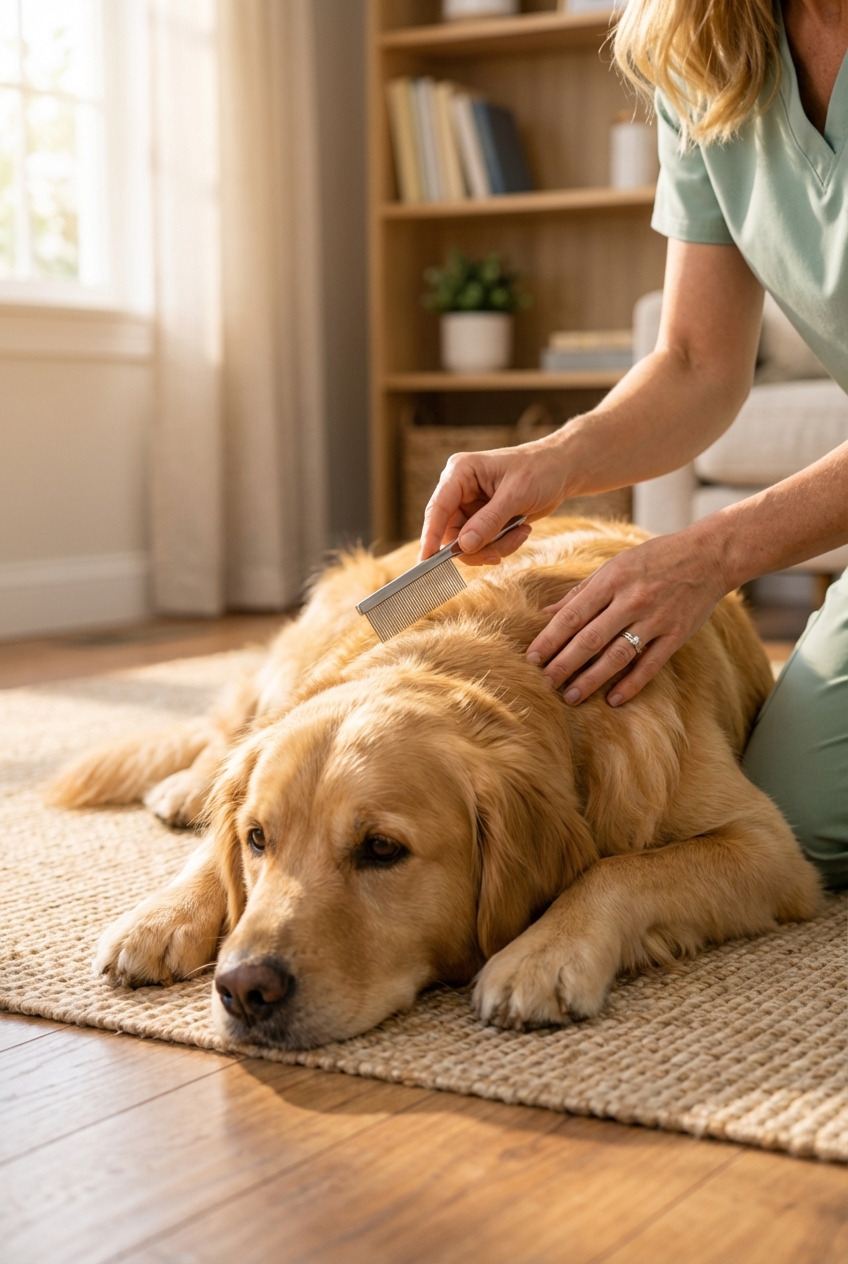
Mats pull on the skin, trap moisture, and hide irritation until it becomes a bigger problem. Regular brushing and professional grooming can make a huge difference.
One practical note: many grooming salons may not be able to work on active, infected skin lesions. If the spot looks angry, painful, or is oozing, it is usually best to get veterinary guidance first.
4) Address allergies early
Allergies can be seasonal or year-round. If your dog is frequently itchy, talk to your veterinarian about:
- Safe itch control options
- Ear infection prevention
- Diet trials when food allergy is suspected
- Medicated shampoos or wipes for sensitive skin
5) Support skin health with nutrition
Healthy skin starts from the inside. Ask your veterinarian whether an omega-3 supplement (EPA and DHA) is appropriate for your dog. Omega-3s can support the skin barrier and help reduce inflammation in many itchy dogs.
Hot spot FAQ
Are hot spots contagious?
Hot spots are not contagious the way ringworm or mange can be. In most households, they do not spread from pet to pet. That said, good hygiene is still smart: wash bedding, clean collars, and keep the area from being licked by other pets. If multiple pets (or people) are itchy, or you see circular scaly patches and unusual hair loss, schedule a vet visit to rule out parasites or ringworm.
Can I use a human antibiotic ointment?
Many human products are not ideal because dogs lick them, and some contain ingredients that can cause irritation or stomach upset. If you are waiting for a vet appointment, focus on stopping licking and gently cleaning and drying the area.
How long do hot spots take to heal?
With proper treatment and itch control, many hot spots look dramatically better within a few days and heal within 1 to 2 weeks. If the underlying cause is not addressed, they can recur.
Bottom line
If your dog has a hot spot, you are not failing as a pet parent. These lesions can explode quickly, especially in warm weather, during allergy season, or after a fun swim. Start by stopping the licking, keep the area clean and dry, and do not hesitate to call your veterinarian if it is spreading or painful. With prompt care, most dogs feel relief fast and get back to their happy, comfortable selves.