Hives in dogs can be sudden and alarming. Learn common causes, what hives look like, when to rush to the ER, vet-safe home care steps, and prevention & train...
Article
•
Designer Mixes
Dog Hives Causes, Fun Facts, and Tips

Shari Shidate
Designer Mixes contributor
Hives can look scary, especially when they seem to pop up out of nowhere. The good news is that most cases of dog hives are treatable, and many resolve quickly once you identify the trigger and support your pup through the itch.
As a veterinary assistant, I have seen hives show up after a new treat, a walk through high grass, a grooming appointment, or even a sudden weather change. Let’s walk through what hives are, the most common causes, and what to do next, with a few fun facts along the way.
What dog hives look like
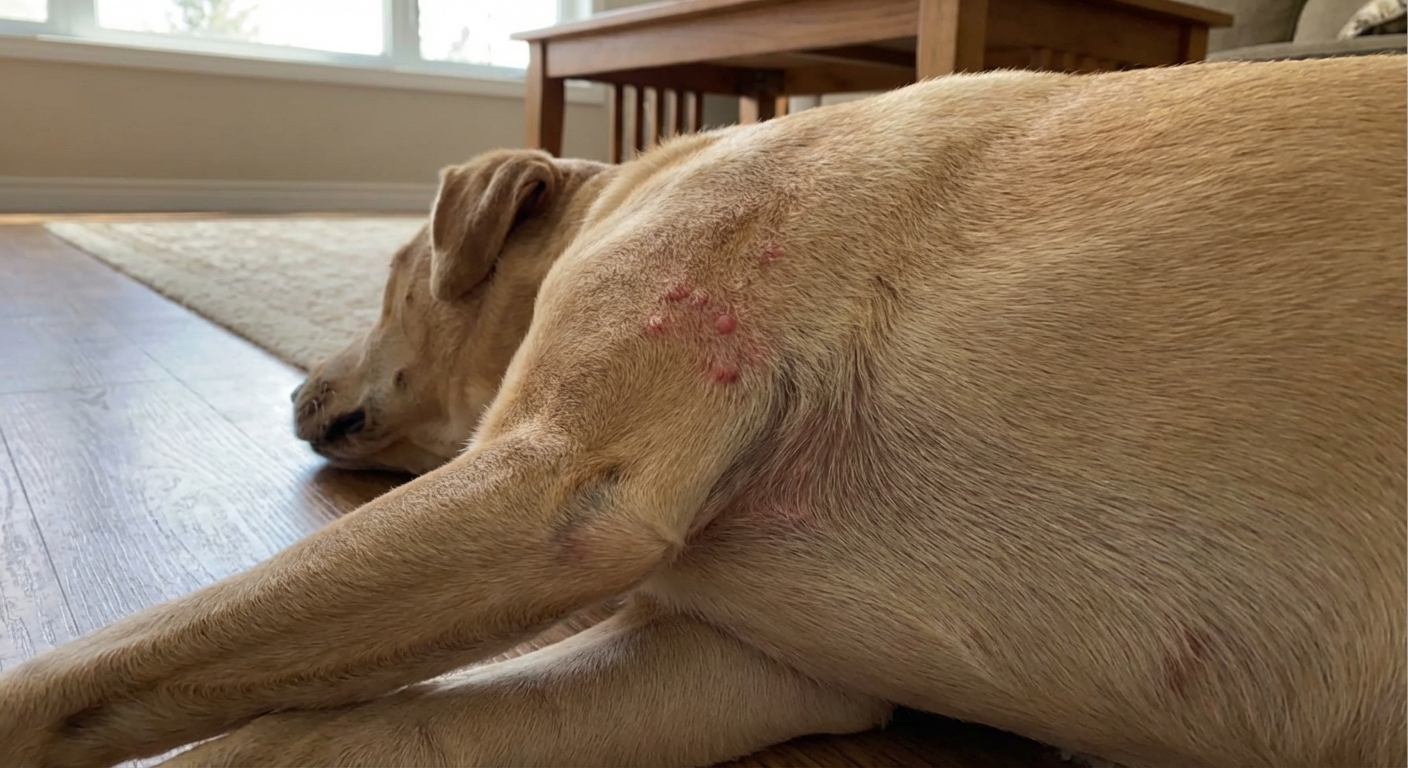
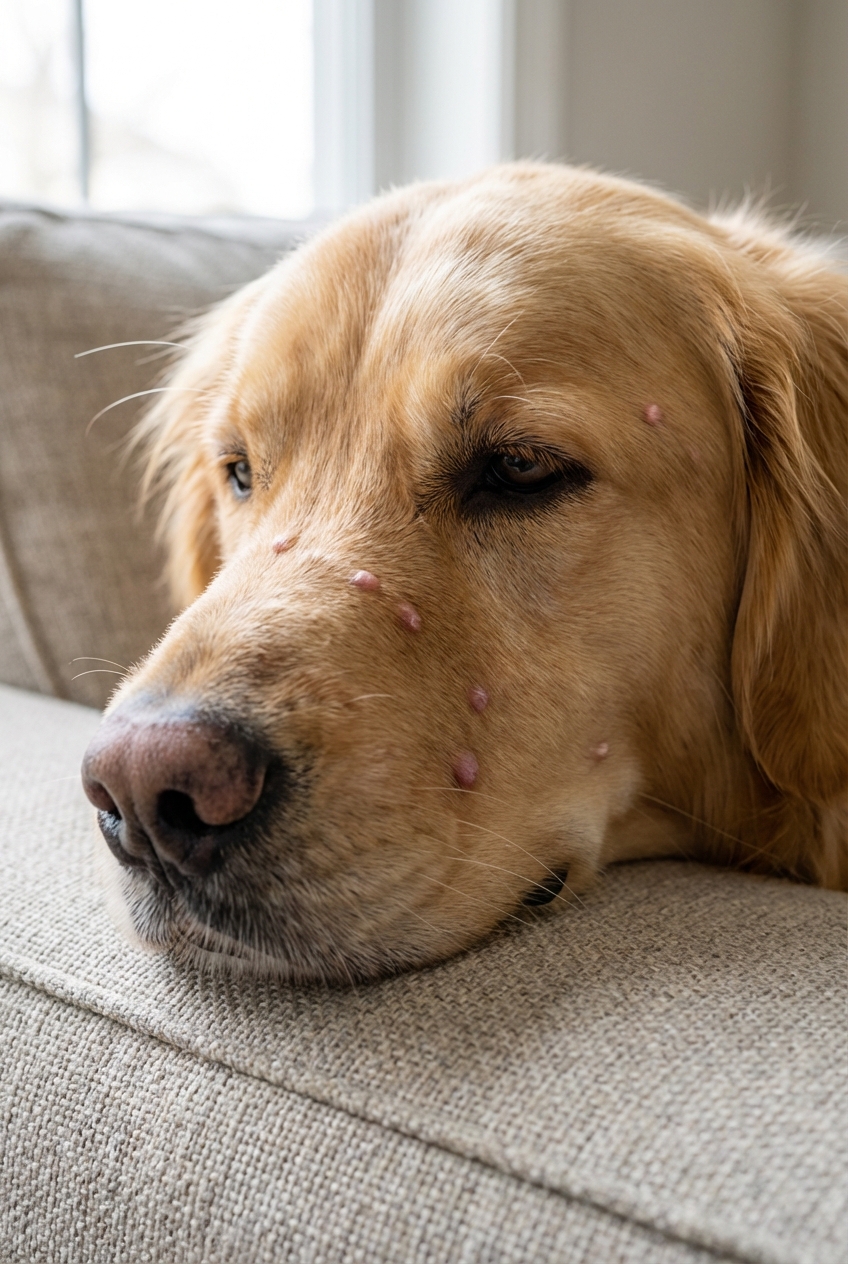
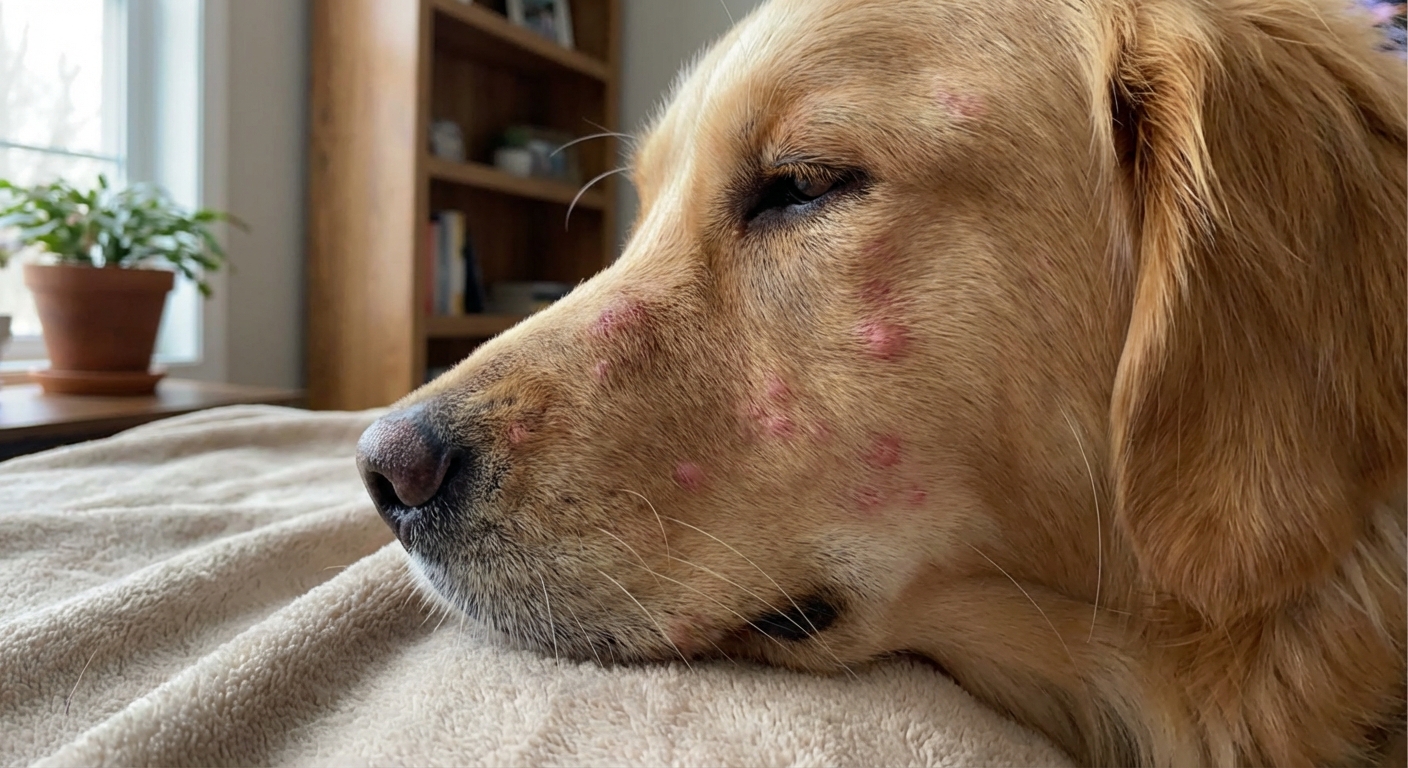
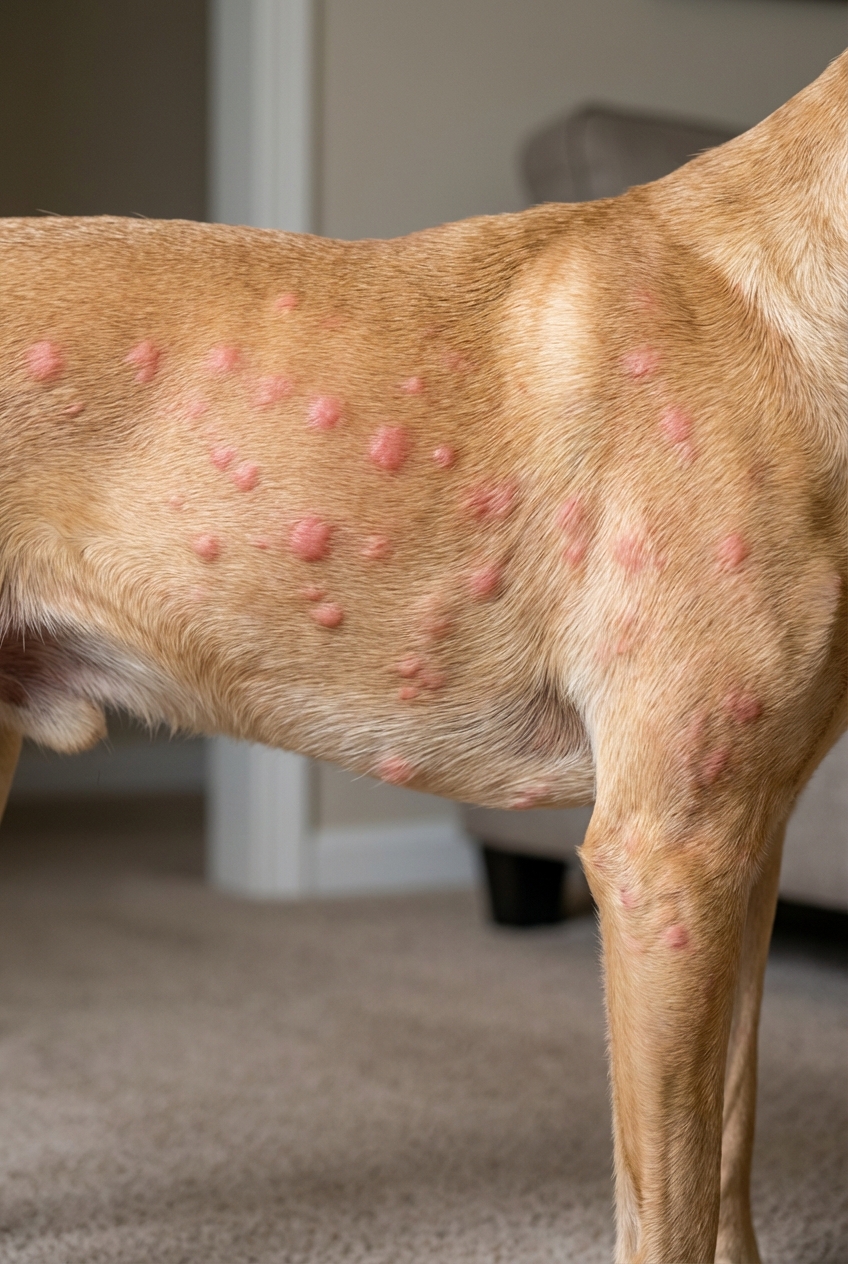
Dog hives are raised, itchy welts on the skin. In medical terms, this is urticaria. Welts can be small like mosquito bites or show up as larger patches that seem to move around the body.
- Common locations: face, ears, neck, belly, inner thighs, and anywhere the coat is thinner
- Skin signs: raised bumps, redness, warmth, and swelling
- Behavior: scratching, rubbing the face on carpet, chewing paws, restlessness
In dogs with thick coats, you may feel hives before you see them. Run your hand gently along the body and notice any sudden “speed bumps” in the fur.
Most common causes of dog hives
Hives are usually an allergic-type reaction where the immune system releases histamine. The tricky part is that the trigger can be something your dog ate, touched, inhaled, or was exposed to during routine care.
One helpful note: environmental allergies (like pollen and dust mites) most often cause ongoing itch, licking, and skin inflammation. Sudden, dramatic hives are more commonly linked to stings, medications, vaccines, or a new acute exposure. There is overlap, and some dogs can do both.
1) Insect bites and stings
Bee stings, wasp stings, fire ant stings or bites, mosquito bites, and even spider bites can trigger hives. Some dogs react mildly, others react dramatically.
2) Environmental allergens
Pollens, grasses, molds, and dust mites can be part of the picture, especially in dogs who already deal with seasonal allergies. These triggers are more famous for chronic dermatitis, but in some dogs they can be associated with hive-like flare-ups, especially after heavy exposure.
3) Food reactions
Some dogs develop hives after eating a new food or treat. Common culprits include certain proteins (like beef or chicken), dairy, eggs, and flavored chew products. True food allergies are less common than people think, but food reactions do happen.
4) Medications and supplements
Vaccines, antibiotics, flea and tick preventives, dewormers, and even some supplements can trigger hives in sensitive dogs. This is uncommon, but it can happen. This does not mean your dog can never have these again, but it does mean you should tell your veterinarian exactly what product was used and when symptoms started.
Important: do not stop prescription preventives long-term without veterinary guidance. Skipping protection can create other serious health risks.
5) Contact irritants
Shampoos, grooming sprays, laundry detergents on bedding, lawn chemicals, and certain plants can cause a contact reaction. The belly and paws are frequent “contact zones.”
6) Heat, exercise, cold, and stress
Some dogs get “physical” hives triggered by heat, intense exercise, cold exposure, or rapid temperature shifts. Stress is less of a direct cause, but it can worsen itching and make flare-ups feel more intense.

Fun facts about dog hives
- Hives can move. A welt that was on the back may fade while new ones appear on the belly. That “here then gone” pattern is classic.
- Coats can hide a lot. In fluffy designer mixes, owners often notice itching and rubbing before they ever see bumps.
- Face swelling can happen fast. Puffy muzzle, eyelids, or ears can be part of the same histamine response as hives.
- Not all bumps are hives. Flea allergy dermatitis, mange, bacterial skin infection, and even benign skin growths can look similar from a distance.
Hives vs other skin issues
If you are not sure what you are seeing, you are not alone. A few quick comparisons can help:
- Hives: raised, puffy welts that can appear suddenly and shift locations within hours
- Hot spots: wet, painful, raw patches that spread and often ooze
- Ringworm: circular hair loss and flaky skin, sometimes mildly itchy
- Pustules: small pimples that can suggest infection
- Trauma swelling: one localized swollen area after a bump or bite, usually not “moving” around
When hives are an emergency
Most hives are uncomfortable but not life-threatening. However, anaphylaxis can occur in dogs, and it requires urgent veterinary care.
Go to an emergency vet right away if you notice:
- Difficulty breathing, noisy breathing, or panting out of proportion to heat or exertion
- Severe facial swelling, especially around the eyes or muzzle
- Vomiting or diarrhea along with hives
- Collapse, weakness, pale gums, or extreme lethargy
- A rapidly worsening reaction after a sting, vaccine, or medication
If your dog was stung in the mouth or throat area, treat it as urgent even if they seem okay initially.
What you can do at home
If your dog is stable and breathing normally, these steps can help while you contact your veterinarian for guidance.
Step 1: Remove the suspected trigger
- Stop the new treat, chew, supplement, or topper
- Rinse paws and belly with lukewarm water after outdoor exposure
- Switch back to your usual shampoo and rewash bedding with a fragrance-free detergent
Step 2: Do a quick head-to-toe check
Look for a stinger, bites, new plants in the coat, or a contact irritation area on the belly. If you see a bee stinger, you can gently scrape it out with a card edge (avoid squeezing).
Step 3: Call your veterinarian before giving medications
Many owners ask about antihistamines like diphenhydramine. Sometimes they are appropriate, sometimes they are not, and dosing depends on your dog’s weight and health history. Always confirm with your vet first, especially if your dog has heart disease, glaucoma, is pregnant, or takes other medications.
Also avoid giving human combination cold or flu products, and skip topical creams or ointments unless your veterinarian specifically recommends them. Some ingredients are not safe for pets, especially if licked.
Step 4: Keep your dog calm and cool
Heat and excitement can make itching feel worse. Offer water, keep activity light, and avoid hot outdoor walks until the reaction settles.
How vets diagnose and treat hives
In-clinic, your veterinarian will focus on three things: stability, trigger history, and skin assessment.
- History: new foods, treats, grooming products, outdoor exposures, recent vaccines, medications, travel, boarding, and parasites
- Exam: distribution of welts, facial swelling, ear canals, skin infection signs, and flea evidence
- Treatment: may include antihistamines, steroids for significant inflammation, and sometimes injectable medications for faster relief
If the bumps do not look like classic hives, or if there is ongoing itch, odor, crusting, or hair loss, your vet may recommend quick skin tests (like cytology or skin scrapings) to check for infection or mites.
If hives are recurrent, your vet may recommend an allergy plan that could include diet trials, parasite control, medicated baths, or referral for allergy testing and immunotherapy. If your dog had a prior vaccine or medication reaction, ask your veterinarian about risk-reduction options for future doses.
Prevention tips that work
Keep a simple hives log
Write down the date, time, what your dog ate, where you walked, and any products used. Patterns often pop out after just two or three episodes.
Introduce new foods slowly
If you love sharing whole foods with your dog, go one ingredient at a time and watch for skin changes. Slow and steady wins here.
Rinse after high pollen adventures
A quick paw and belly rinse after park time can reduce contact allergens and irritants.
Choose gentle products
Many “fresh scent” products are irritating to sensitive skin. Simple, mild, and unscented is often best.
Stay consistent with flea and tick prevention
Fleas can trigger intense allergic skin reactions that mimic or worsen hives. Consistency matters more than the brand name.
Quick FAQ
How long do dog hives last?
Many improve within a few hours to 24 hours, especially if the trigger is removed. If hives last longer than 24 to 48 hours, keep recurring, or come with fever, pain, or significant lethargy, schedule a veterinary visit.
Are hives contagious?
No. Hives are a reaction, not an infection. However, parasites or ringworm can cause skin issues that are contagious, so diagnosis matters.
Can puppies get hives?
Yes. Puppies can react to vaccines, insect bites, new foods, and grooming products. Because puppies are small, call your vet promptly.
The bottom line
Dog hives are your pup’s way of saying, “Something just set my immune system off.” Most of the time, you can work with your veterinarian to calm the reaction, identify the trigger, and prevent repeat episodes.
If you ever feel unsure, trust your instincts and call your vet. It is always better to ask early, especially if you see facial swelling or any breathing changes.