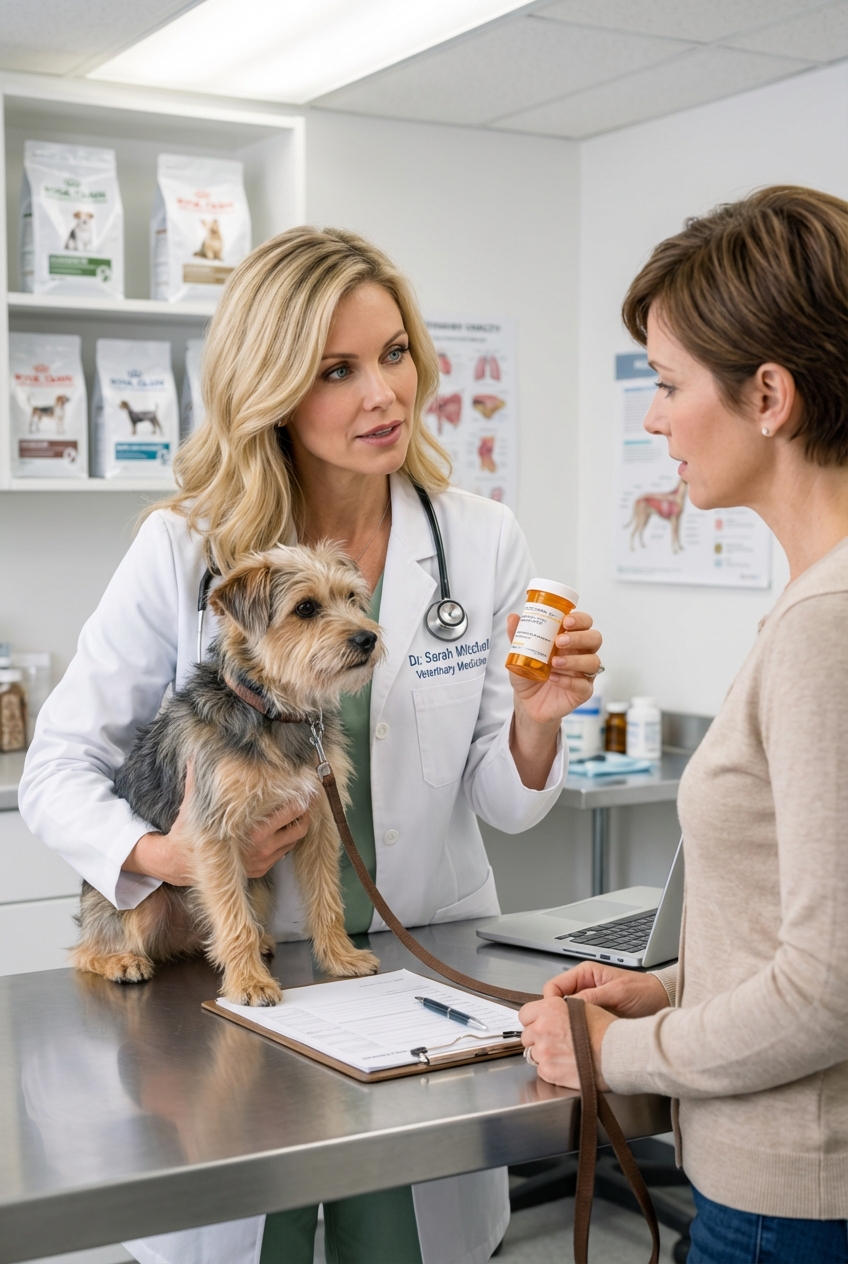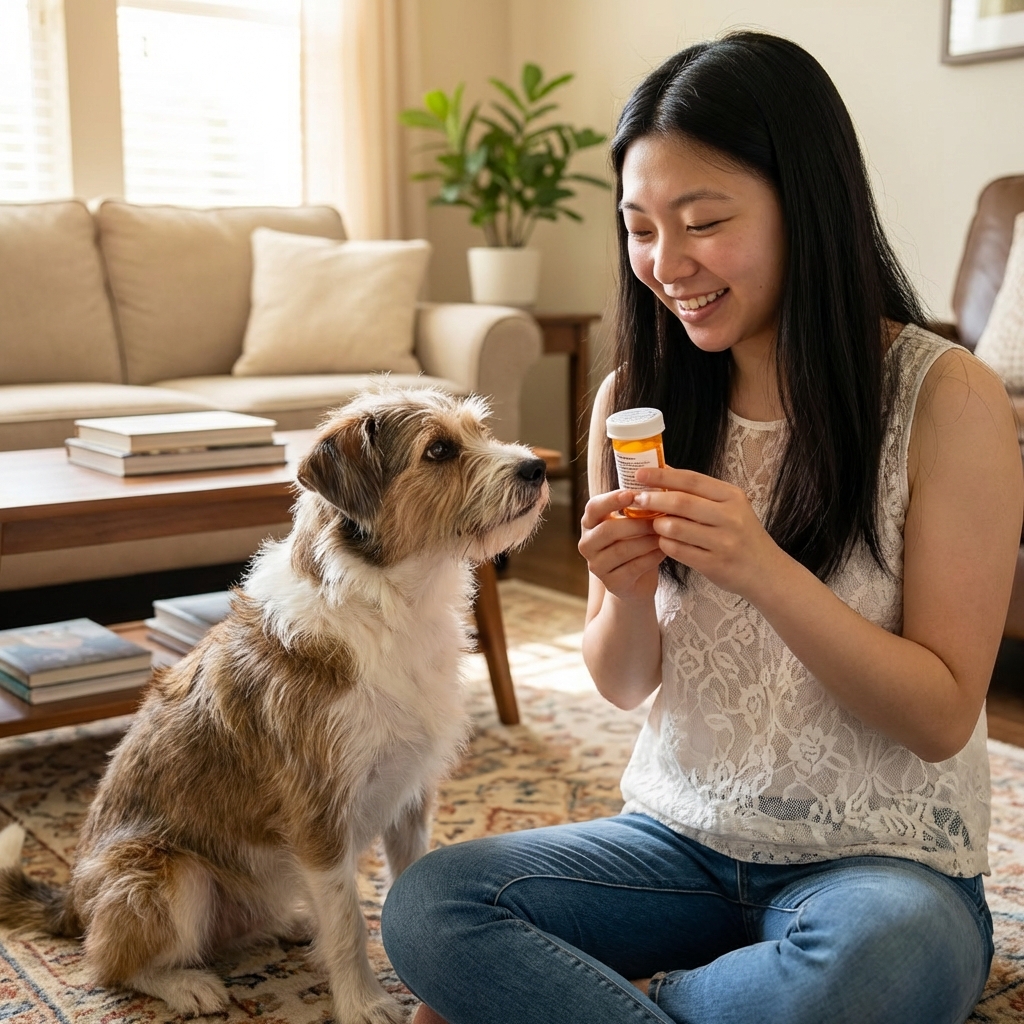
Benadryl can help some dogs with hives, swelling, and mild allergies. Learn safe dosing basics, products to avoid, side effects to watch for, and emergency w...
Article
•
Designer Mixes
Dog Hives: Allergic Reactions and Benadryl Dosage

Shari Shidate
Designer Mixes contributor
Seeing raised, itchy bumps pop up on your dog can be scary, especially when they seem to appear out of nowhere. Those bumps are often hives (also called urticaria), and they are usually tied to an allergic reaction. The good news is that many cases are mild and improve quickly with the right steps. The important part is knowing when it is safe to monitor at home and when you need emergency care.
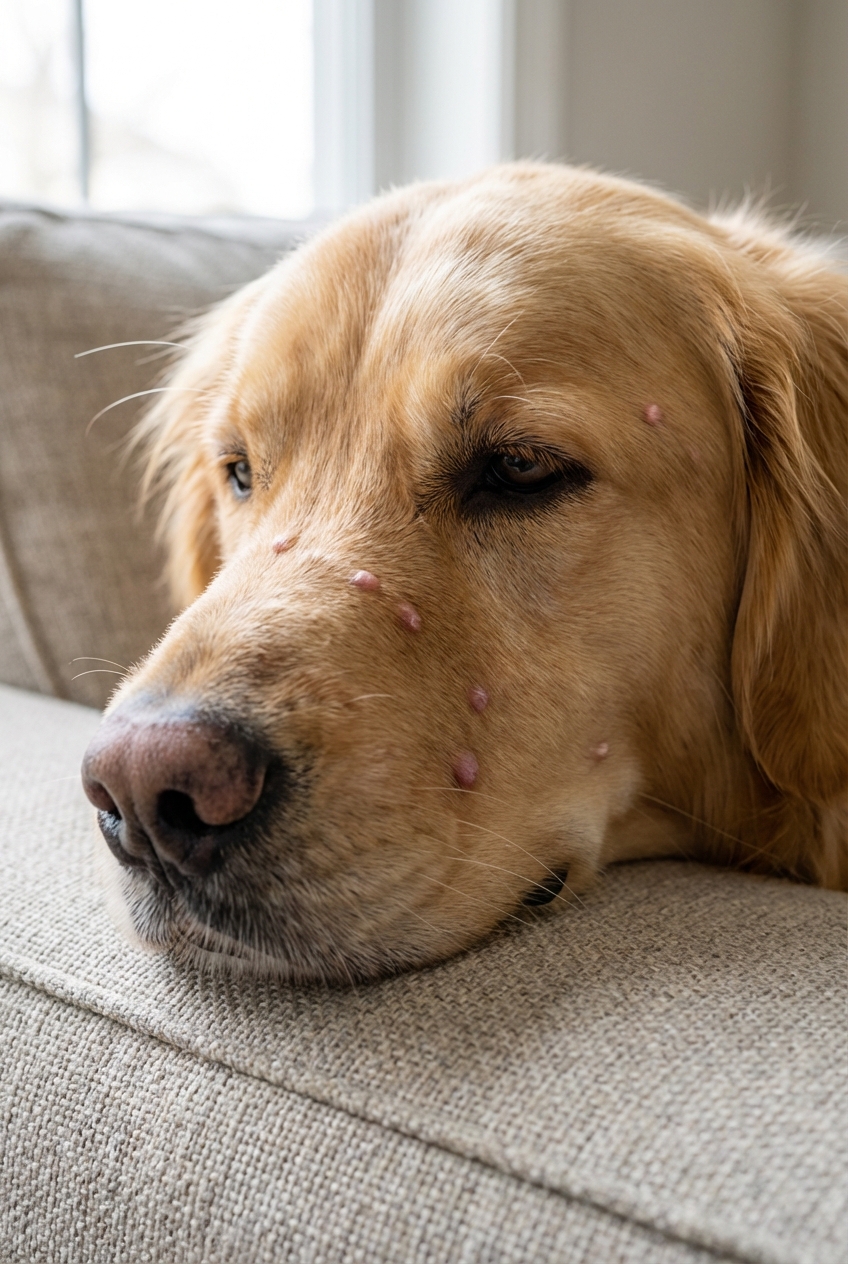
What dog hives look like
Hives are a skin reaction caused by the release of histamine and other inflammatory chemicals. They often look like:
- Raised, puffy welts that can be small or large
- Sudden swelling on the face, around the eyes, or muzzle
- Itching, rubbing the face on carpet, chewing at skin, restlessness
- Patchy bumps that can move around, change shape, or come and go over minutes to hours
In fluffy or double-coated dogs, you may not see the welts clearly, but you can often feel raised “speed bumps” under the fur. You may also notice sudden intense itching or sensitivity when you touch the skin or coat.
Common causes of hives in dogs
Many hives are triggered by something your dog was exposed to within the last few minutes to hours, but timing can vary. Some reactions are delayed (for example after certain medications or vaccines), and sometimes no clear trigger is found.
Common culprits include:
- Insect stings or bites (bees, wasps, ants, mosquitoes)
- Vaccines (reactions are uncommon, but can happen shortly after vaccination, and occasionally later)
- Medications (including some antibiotics and pain medications)
- New foods or treats, flavored supplements, or chews
- Contact reactions (shampoos, sprays, grooming products, cleaning products, certain plants)
- Environmental allergens (pollens, grasses, mold spores, dust mites). These are more often linked to ongoing itch, but in some dogs they can contribute to flare-ups.
Food allergies can contribute to ongoing itch and skin problems, but sudden hives are more often linked to a recent exposure like a sting, vaccine, medication, or contact allergen.
When hives are an emergency
Hives can be mild, but they can also be the first sign of a more severe allergic reaction (anaphylaxis). In dogs, anaphylaxis can sometimes show up with stomach signs first. Seek emergency veterinary care immediately if you notice any of the following:
- Difficulty breathing , noisy breathing, or increased effort to breathe
- Rapidly worsening facial swelling, or swelling around the throat
- Swollen lips or tongue, excessive drooling, or trouble swallowing
- Vomiting or diarrhea along with hives (especially repeated vomiting)
- Weakness, collapse, pale gums , or acting unusually “out of it”
- Hives with significant lethargy or severe agitation
If you are unsure, it is always okay to call an emergency clinic and describe what you are seeing. Timing matters with allergic reactions.
Benadryl for dog hives
Diphenhydramine (brand name Benadryl) is a common antihistamine veterinarians use to help reduce itch and swelling from uncomplicated allergic reactions. It can be helpful for mild hives, but it is not a substitute for urgent care if your dog is having trouble breathing, vomiting repeatedly, acting weak, or swelling is progressing quickly.
Benadryl dosage for dogs
A commonly used guideline is:
- Around 1 mg per pound of body weight per dose
Frequency varies by patient and situation (often every 8 to 12 hours), so follow your veterinarian’s direction rather than treating any schedule as universal.
Example: A 25 lb dog may receive about 25 mg per dose. A 50 lb dog may receive about 50 mg per dose.
Because products vary and some dogs have conditions that make antihistamines risky, it is best to confirm your dog’s dose with your veterinarian, especially if your dog is very small, very young, elderly, pregnant, or has other health conditions.
Choose the right product
- Use plain diphenhydramine only.
- Avoid combination products (for example, “Benadryl-D” or anything with added decongestants like pseudoephedrine), which can be dangerous for dogs.
- Always check inactive ingredients in liquids, chewables, and dissolvable tablets. Avoid xylitol (sometimes listed as birch sugar), which is toxic to dogs and can be found in some liquid medications and fast-dissolve products.
- Many diphenhydramine tablets are 25 mg (some are 50 mg). Always confirm the strength on the label before dosing.
Side effects and cautions
Many dogs get sleepy. Some dogs get the opposite and become a bit wired. Other possible side effects include dry mouth, urinary retention, or stomach upset.
Diphenhydramine is not a good fit for every dog. It can be risky in some cases, including glaucoma, certain urinary or prostate issues, and when combined with other medications that cause drowsiness. Always check with your veterinarian if your dog has health conditions or takes other meds.
Call your veterinarian if you see extreme sedation, agitation, tremors, vomiting, or anything that worries you.
What you can do at home
If your dog is stable, breathing normally, and only has mild hives, here are safe, practical steps you can take while you contact your veterinary team for guidance:
- Stop exposure: Bring your dog indoors, rinse pollen off paws and belly with cool water, remove any new collar or topical product you just applied.
- Check for a sting: If you can see a stinger, you can gently remove it by scraping with a credit card. Do not squeeze it.
- Use a cool compress: A cool, damp cloth on swollen areas can reduce discomfort.
- Prevent self-trauma: If your dog is chewing or scratching hard, use an e-collar if you have one.
- Monitor closely: Watch breathing rate and effort, gum color (healthy gums are typically bubblegum pink), and energy level.
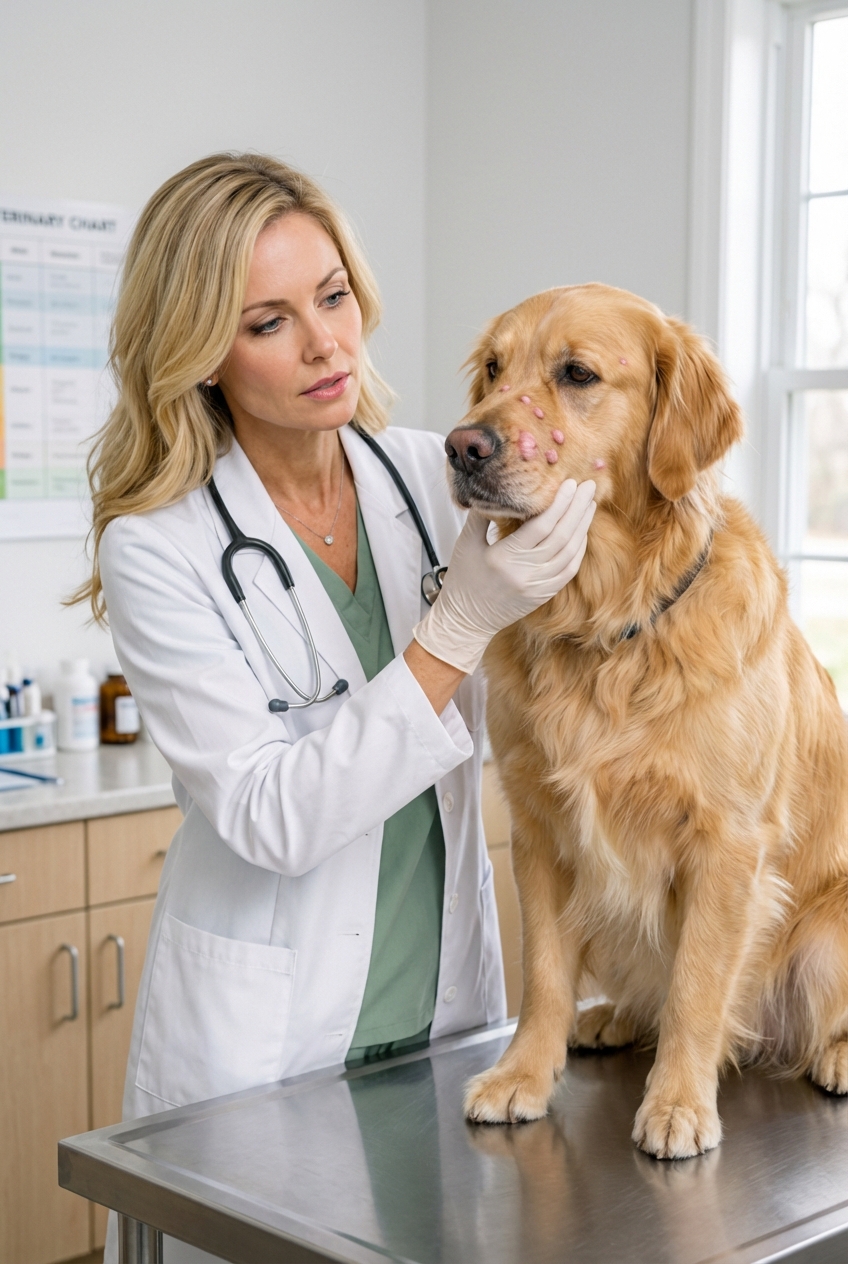
What not to do
- Do not give combination cold or allergy products (including decongestants) unless your veterinarian specifically tells you to.
- Do not give multiple antihistamines at the same time.
- Do not apply human topical creams or essential oils to large areas without veterinary guidance. Some products are irritating or toxic if licked.
- Do not wait at home if any emergency signs are present. If breathing, vomiting, collapse, or rapidly worsening swelling is happening, go in.
What your veterinarian may recommend
Depending on severity and your dog’s history, your veterinarian may suggest:
- Antihistamines (like diphenhydramine or other options)
- Prescription anti-itch medications
- Steroids for more significant swelling or itch (when appropriate)
- Injectable medications for faster control if the reaction is escalating
- Supportive care such as IV fluids and monitoring if anaphylaxis is suspected
If hives keep returning, your veterinarian may also discuss an allergy workup, diet trial, or referral to a veterinary dermatologist.
What else could it be?
Not every bump is a hive. Other issues can look similar, especially early on. Examples include insect bites, contact dermatitis, skin infection (folliculitis or pyoderma), parasites (like mange mites) , and swelling from trauma. If bumps are persistent, painful, oozing, associated with hair loss, or not improving quickly, your vet should take a look.
How to prevent future outbreaks
Not every trigger is easy to find, but prevention gets much easier when you keep notes and look for patterns.
- Write it down: date, time, new treats, new shampoo, recent vaccines, walks in tall grass, pest exposure.
- Keep products simple: fragrance-free grooming products and gentle cleaners can reduce contact reactions.
- Parasite control matters : flea bites can trigger big skin reactions in sensitive dogs.
- Support skin health: ask your vet if omega-3 fatty acids (fish oil) are a good fit for your dog’s skin and coat.
If your dog has had a vaccine reaction before, talk with your veterinarian before the next visit. Many dogs can still be vaccinated safely with a tailored plan.
Quick checklist
- Go to the ER now if there is breathing trouble, collapse, pale gums, swollen lips or tongue, repeated vomiting, or rapidly progressing facial swelling.
- Call your veterinarian if hives are mild but widespread, if your dog has other medical conditions, if your dog takes other medications, or if you are unsure about dosing.
- Benadryl may help mild, uncomplicated hives when your veterinarian confirms the right product and dose for your dog.
As a veterinary assistant, I always tell families this: with allergic reactions, it is better to ask early than to wait and hope. You know your dog best, and you deserve support in the moment.
Important note
This article is for general education and is not a substitute for veterinary diagnosis or treatment. Always contact your veterinarian for guidance specific to your dog, especially for dosing and medication safety.