A practical daily guide to homemade food for senior dogs—what to feed, senior-friendly ingredients, how to balance calcium and vitamins, portion guidance, ...
Article
•
Designer Mixes
Dog Heavy Panting: Causes and What to Do

Shari Shidate
Designer Mixes contributor
Heavy panting can be completely normal, or it can be your dog’s early warning sign that something is off. As a veterinary assistant in Frisco, Texas, I always tell pet parents the same thing: context matters. A dog who just finished a game of fetch will pant. A dog panting hard at rest, panting through the night (to the point it keeps your dog, or you, awake), or panting with other symptoms deserves a closer look.
One quick note up front: this article cannot diagnose your dog. If you see emergency signs (listed below), seek veterinary care right away.
This guide will help you sort out what is typical, what is concerning, and what you can do at home while you decide if it is time to call your veterinarian.
What panting is (and why dogs do it)
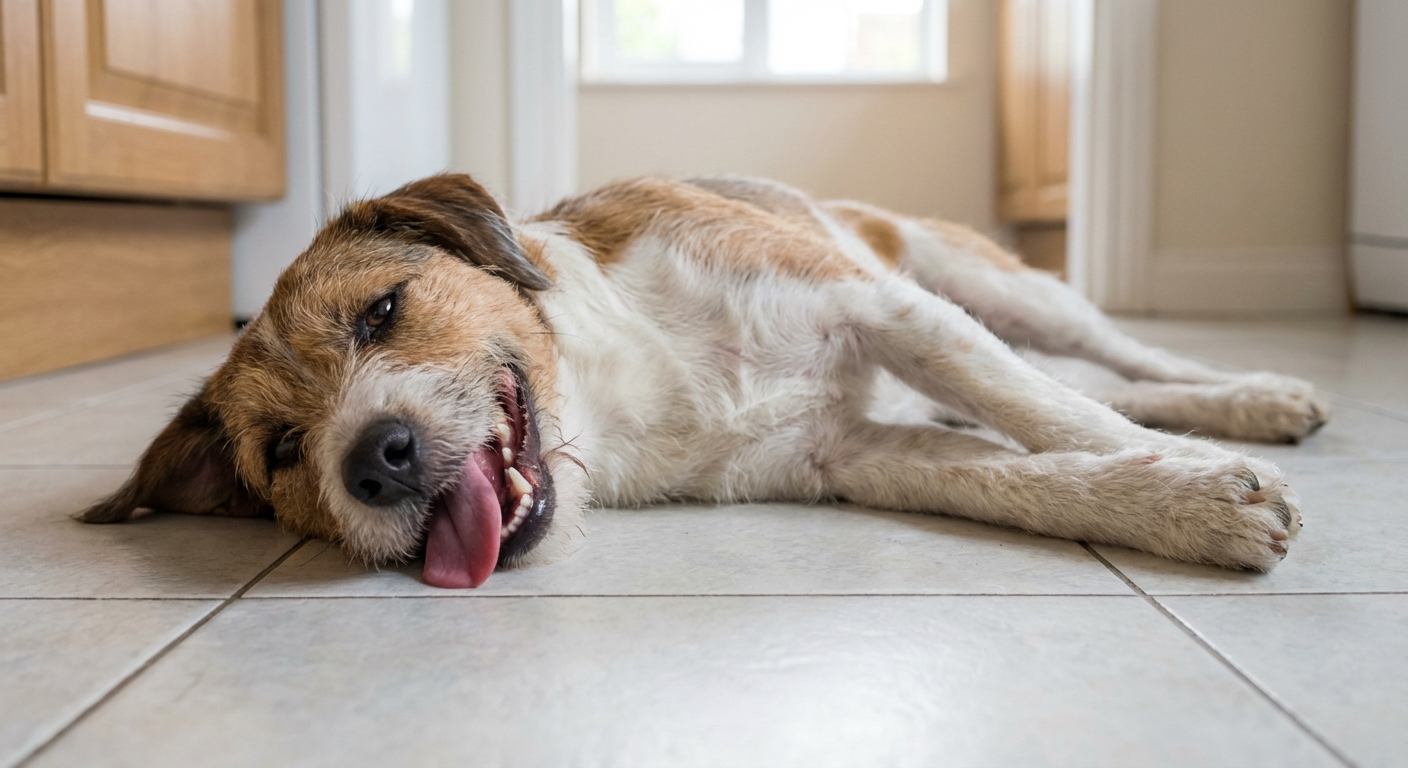
Dogs do sweat a little (especially through their paw pads), but they do not sweat effectively to cool off like humans do. Panting is their primary way to release heat. When a dog pants, air moves quickly over moist surfaces in the mouth and upper airway, helping release heat through evaporation.
Normal panting often happens with:
- Exercise (running, playing, zoomies)
- Warm weather, especially high humidity
- Excitement or stress (car rides, visitors, grooming, fireworks)
- Pain (even when it is not obvious)
- Medications like steroids (prednisone) or some anxiety meds
The key is that normal panting should improve as your dog cools down and relaxes.
Normal vs concerning panting
Usually normal
- Panting after activity that often settles within about 10 to 30 minutes of rest
- Panting in a warm room that improves once your dog moves to a cooler spot
- Short panting bursts during excitement (like when you grab the leash)
Note: brachycephalic dogs, overweight dogs, and seniors may take longer to recover. What matters most is a clear trend toward normal.
More concerning
- Panting at rest (especially in a cool, calm room) or panting that wakes your dog from sleep
- Sudden change in panting intensity or frequency
- Panting with pacing, restlessness, or inability to get comfortable
- Panting that comes with coughing, wheezing, or noisy breathing
- Panting plus vomiting, diarrhea, weakness, or collapse
- Gums that look pale, gray, blue, or brick red
A helpful distinction: panting is fast breathing with an open mouth and tongue out. Respiratory distress looks like increased effort. You may see belly heaving, elbows held away from the body, an extended neck, flared nostrils, or your dog refusing to lie down.
If your gut says, “This is not my dog’s normal,” trust that instinct and call your vet.
Common reasons dogs pant heavily
1) Heat and poor cooling
Heat is the most common reason I see heavy panting in otherwise healthy dogs. Texas summers can be intense, and humidity makes it harder for panting to cool the body.
- Risk goes up with brachycephalic breeds (Bulldogs, Pugs, Frenchies, Boston Terriers)
- Overweight dogs overheat faster
- Dogs with thick coats or dark coats can struggle in direct sun
2) Stress and anxiety
Some dogs pant when they are nervous, even in a cool room. You may also see lip licking, yawning, tucked tail, shaking, hiding, or pacing.
3) Pain
Pain is a big one that gets missed. Dogs often do not limp or cry. Instead, they pant, hold tension in their body, move less, or seem “off.” Arthritis, dental disease, abdominal pain, and injuries can all cause heavy panting.
4) Heart or airway problems
Heavy panting can overlap with breathing difficulty. If your dog seems to work harder to breathe, tires easily, or coughs, your vet may want to check heart and lung function.
Two common examples we see in clinics:
- Tracheal collapse (often small breeds): can cause a honking cough and noisy breathing
- Laryngeal paralysis (often older large breeds): can cause loud breathing, exercise intolerance, and heat sensitivity
5) Hormones and metabolic disease
Conditions like Cushing’s disease (hyperadrenocorticism) can cause increased panting, increased thirst and urination, and a pot-bellied appearance. Other systemic illnesses can also change breathing patterns. Thyroid disease is a less common direct cause of panting, but related issues like weight gain or concurrent disease can contribute.
6) Medication side effects
Steroids (like prednisone) are a classic cause of panting, along with increased thirst, hunger, and urination. If panting becomes intense or your dog seems distressed, call your veterinarian before changing any medication.
7) Poisoning or toxicity
Some toxins trigger panting, drooling, tremors, vomiting, agitation, or collapse. If you suspect ingestion of something dangerous, seek urgent care.
8) GI emergencies (including bloat)
Some stomach and intestinal problems cause severe discomfort, which can show up as panting and restlessness before vomiting ever happens. Bloat (GDV) is especially dangerous and often causes a distended belly with repeated unproductive retching.
Heatstroke: signs and what to do
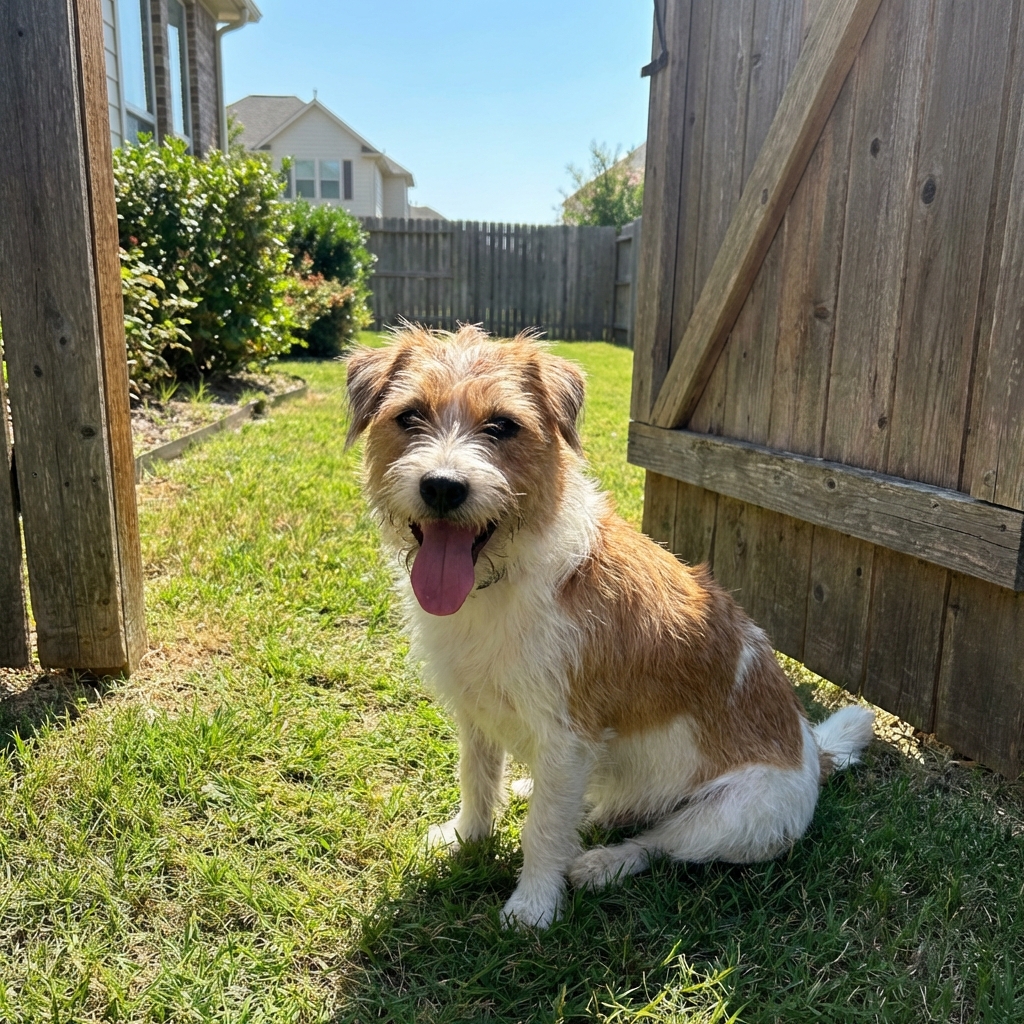
Heatstroke can progress quickly and can be life-threatening. Dogs can overheat even on mild days, especially in a car, on hot pavement, or during high humidity.
Emergency signs
- Very heavy, rapid panting that does not settle
- Bright red gums or tongue, or gums that turn pale, gray, or blue
- Drooling thick saliva
- Vomiting or diarrhea
- Weakness, stumbling, collapse, or seizures
- Body feels very hot to the touch
What to do right away
- Move to shade or air conditioning immediately.
- Call an emergency vet so they can prepare.
- Start active cooling with cool (not ice-cold) water on the body, especially the belly, armpits, and paws, plus airflow from a fan or car AC.
- Offer small amounts of cool water if your dog is alert and able to swallow.
- Do not delay veterinary care, even if your dog seems to improve.
Avoid ice-cold baths or full ice-water immersion unless a veterinarian directs you to do it. In real life, it is easy to overcool or make a dog panic. Cool water plus airflow while you head to the clinic is a safer, practical approach.
At the clinic, your vet team can monitor temperature, blood sugar, clotting, hydration, and organ function. Heat injury can continue after the dog appears “better,” which is why medical evaluation matters.
60-second at-home check
If your dog is panting heavily, take a moment to observe without guessing. This simple checklist helps you communicate clearly with your veterinarian.
- When did it start? Suddenly or gradually?
- What was happening right before? Exercise, heat, stress, new food, new meds?
- Is your dog panting at rest?
- Breathing effort: Is the belly heaving? Are nostrils flaring? Is your dog stretching the neck out or refusing to lie down?
- Gum color: Healthy gums are usually bubblegum pink.
- Energy level: Normal, restless, weak, or collapsing?
- Other symptoms: coughing, gagging, vomiting, diarrhea, bloating, trembling?
If you can safely do so, record a short video of the panting. That can be incredibly helpful for your vet.
If your dog is asleep and you can count breaths without waking them, many dogs rest around 15 to 30 breaths per minute. A sustained, unusual increase for your dog (especially with effort) is worth a call.
How to cool your dog safely
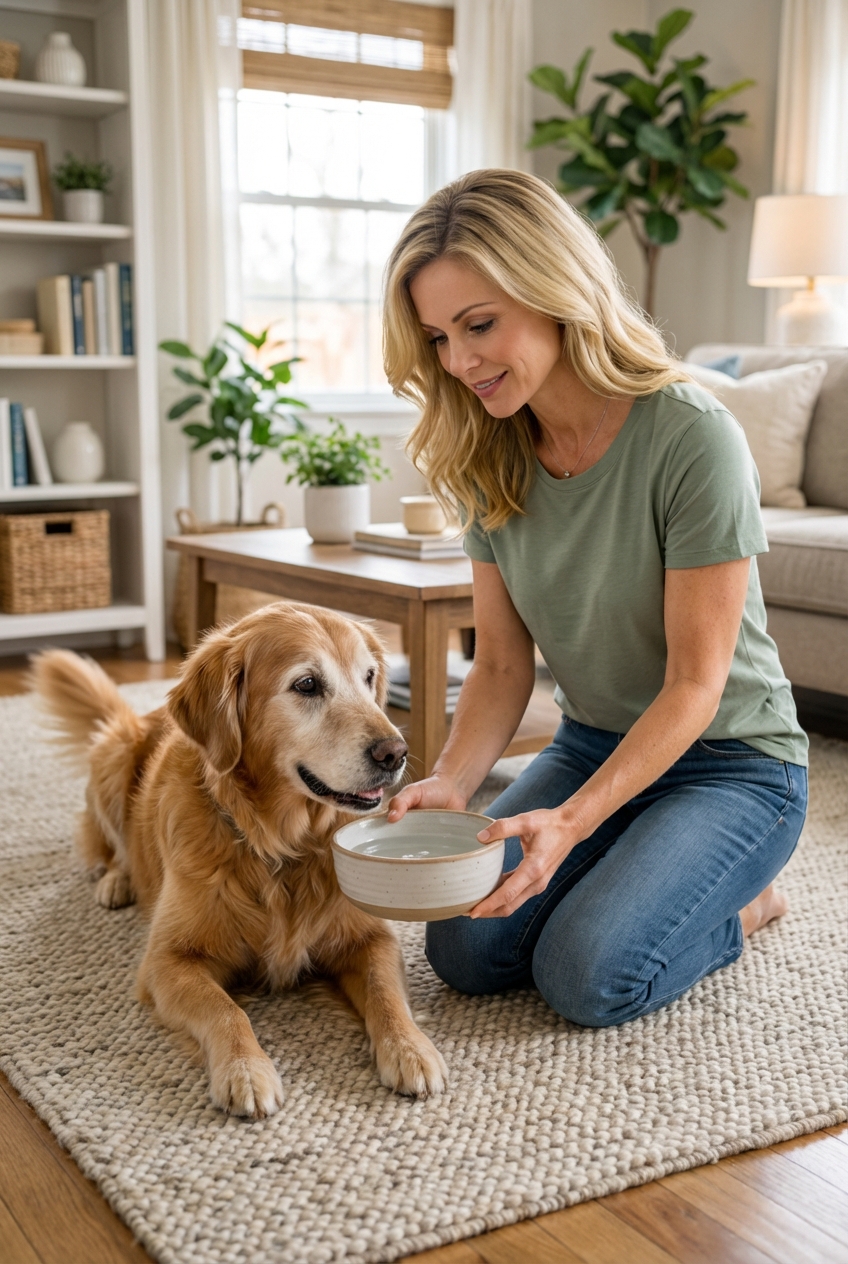
If your dog is panting after play or warmth but seems otherwise stable, these steps can help.
- Move to a cool, quiet area with a fan or AC.
- Offer fresh water. Let your dog drink, but do not force it.
- Use a damp towel on the belly and inner thighs, or let paws stand in cool water.
- Avoid intense activity until breathing returns to normal.
- For long-haired dogs, talk with your groomer about a safe summer trim, but avoid shaving double coats down to the skin unless advised.
Avoid ice-cold baths unless directed by a veterinarian. If you are worried about overheating, use cool water and airflow and head in for care.
Breed and age factors
Brachycephalic dogs
Flat-faced dogs have narrower airways and often pant more. Even so, heavy panting at rest, open-mouth breathing that looks panicked, or blue-tinged gums is never normal.
Puppies
Puppies pant from excitement and play, but they can also get dehydrated faster. Keep play sessions short and offer frequent breaks.
Seniors
Older dogs are more likely to have arthritis (pain panting), heart disease, or hormonal changes. A new pattern of heavy panting in a senior is worth a vet conversation.
When to call the vet
Go to urgent care now
- Suspected heatstroke
- Collapse, seizures, extreme weakness
- Blue, gray, very pale, or brick-red gums
- Struggling to breathe, loud wheezing, gasping, or obvious breathing effort
- Distended belly with unproductive retching (possible bloat)
- Possible toxin ingestion with symptoms
Call your veterinarian within 24 hours
- New heavy panting at rest
- Panting that continues or worsens over several hours
- Panting plus coughing, decreased appetite, lethargy, or behavior change
- Panting that began after starting a new medication
If you are unsure, call. Veterinary teams would rather help you sort out a “maybe” than miss something serious.
Prevention tips
- Plan walks early morning or later evening in warm months.
- Keep your dog at a healthy weight. Extra weight increases heat stress and breathing effort.
- Provide cool resting spots at home, like tile floors or a cooling mat.
- Use slow introductions to stressful events, with positive reinforcement.
- Schedule regular wellness exams so subtle heart, lung, or hormonal changes are caught early.
Action step: Pick one change you can make today, like moving your walk time or adding a cooling mat. Small adjustments add up to big comfort for your dog.