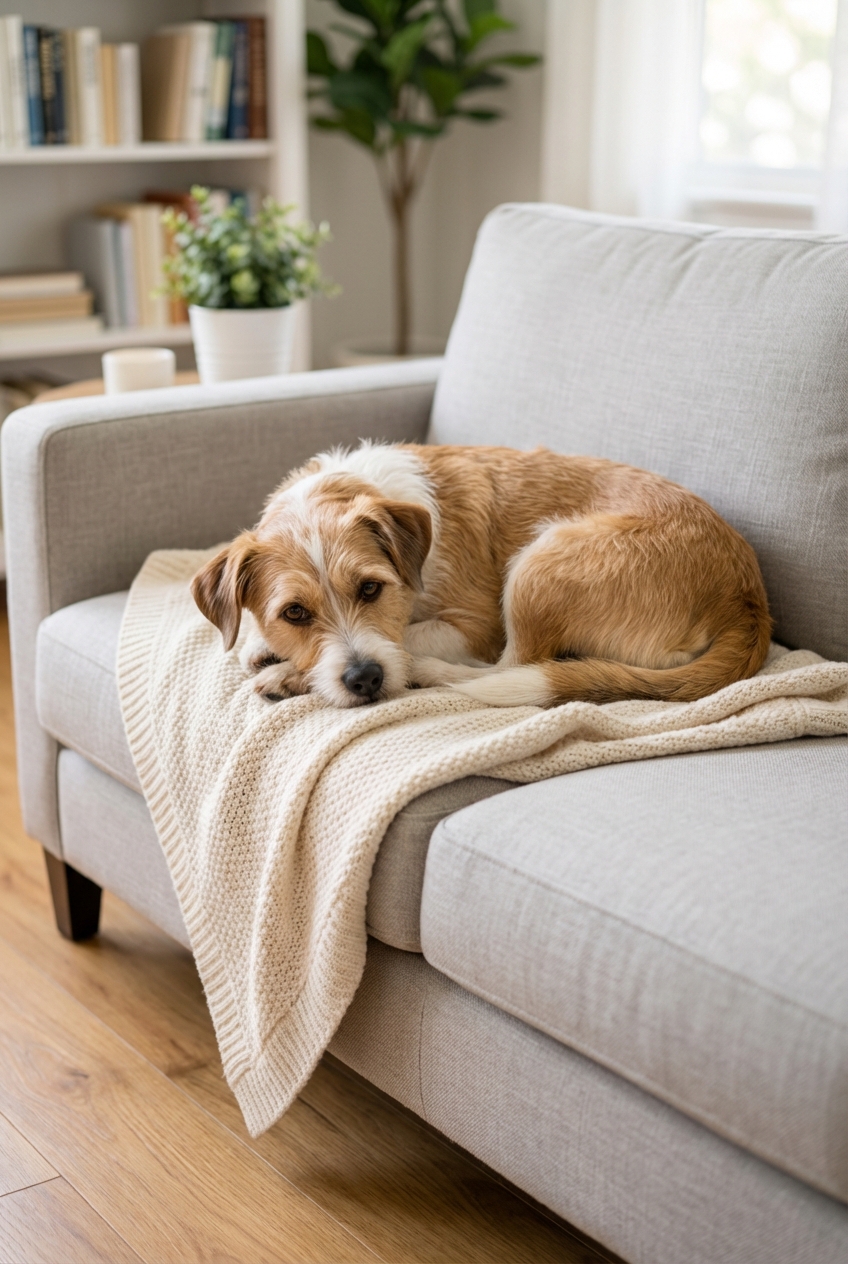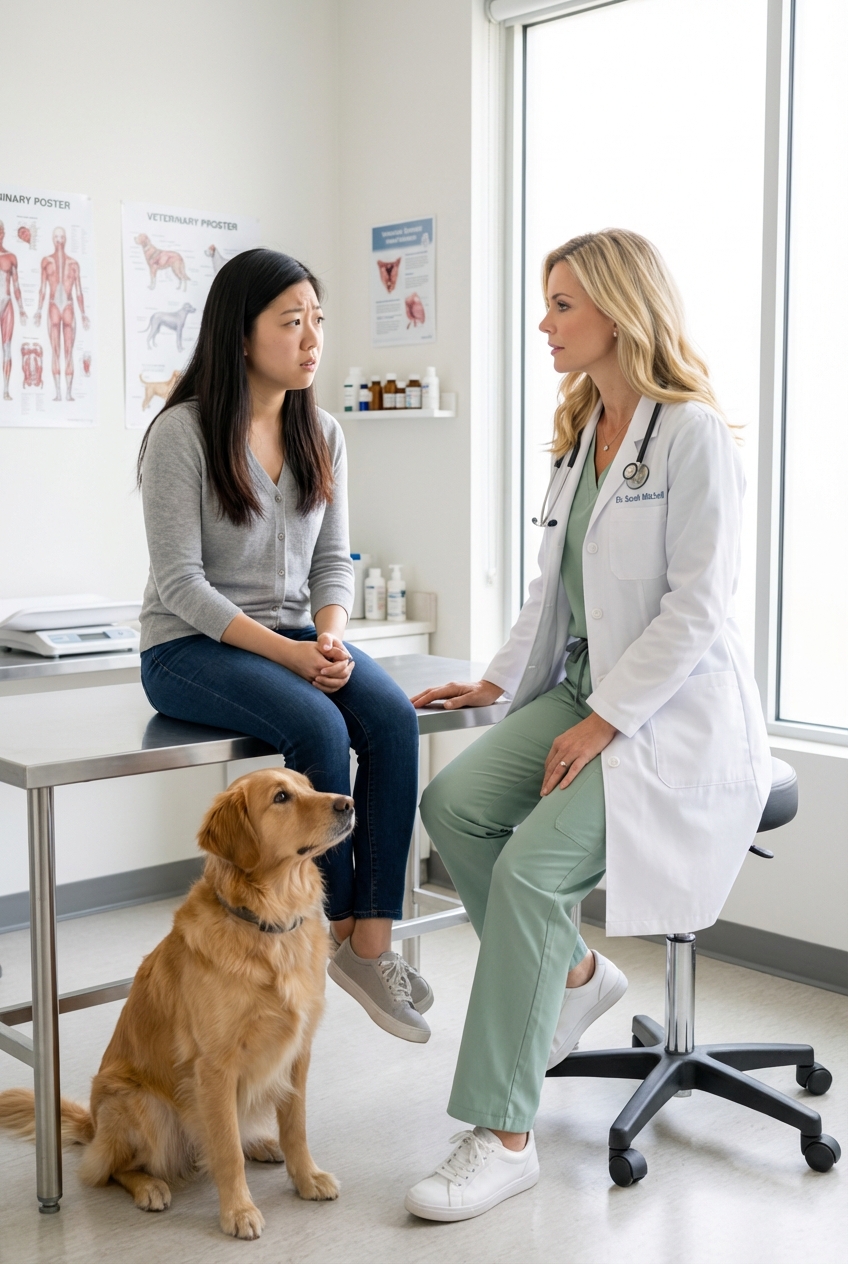
Clear, vet-informed guide to the 4 stages of a dog’s heat cycle, typical timelines, fertile window, how long to separate from males, home care, and emergen...
Article
•
Designer Mixes
Dog Heat Cycle Tips and Advice

Shari Shidate
Designer Mixes contributor

What “in heat” means
If you have an unspayed female dog, her body will go through a normal reproductive cycle called the estrus cycle. When people say a dog is “in heat,” they often mean the entire heat period (proestrus plus estrus). The key detail is that she is most fertile during estrus, even though you may first notice heat because of bleeding in proestrus.
As a veterinary assistant here in Frisco, Texas, I see two big challenges during heat: (1) accidental pregnancy and (2) owners getting caught off guard by bleeding, behavior changes, and attention from male dogs. The good news is you can get through it safely with a few practical routines and a little planning.
The 4 stages of the heat cycle
Timing varies by dog, but many heat periods last around 2 to 3 weeks, and it is not unusual for some to run closer to 4 weeks. Some dogs are shorter, some are longer, and the first heat can be especially unpredictable.
1) Proestrus
This is usually when you first notice vulvar swelling and bloody discharge. Your dog may act more “flirty” or interested in male dogs, but most females will not accept mating yet. Proestrus often lasts about 7 to 10 days (sometimes longer).
2) Estrus
This is the main fertile window. Discharge may become lighter in color (pinkish, straw-colored, or watery) and many females will “flag” their tail to the side when touched near the back end. Estrus often lasts about 5 to 10 days, but it can be shorter or longer.
3) Diestrus
Fertility ends and behavior settles down. The vulva gradually returns closer to normal size. Diestrus can last about 2 months hormonally, whether she became pregnant or not.
4) Anestrus
This is the resting phase between cycles. Depending on the dog, heat cycles often occur every 6 to 8 months, but small breeds sometimes cycle more often and large breeds sometimes less often.
Common signs of heat
- Swollen vulva
- Bloody discharge at first, sometimes lighter later
- Increased urination (she is scent-marking)
- Behavior changes, such as clinginess, restlessness, vocalizing, or being a little moody
- Male dogs showing extra interest at fences or on walks (some owners even notice males lingering near the home)
- Tail flagging and standing for mating during estrus
Some dogs have very subtle heats with minimal discharge, especially if they are excellent self-groomers. You may also hear about a silent heat (very few outward signs) or a split heat (signs start, stop, then restart). If you are unsure, your veterinarian can confirm where she is in the cycle using a vaginal cytology and, in breeding situations, progesterone testing.
Your top priority: prevent pregnancy
This is the part I want you to take seriously, because it happens fast and it happens to good owners. During heat, your dog can be highly motivated to escape, and intact male dogs can be surprisingly determined.
How long to keep her separated
If you want one simple rule, this is it: assume she can get pregnant from the first day you see discharge until at least 3 weeks later. Many veterinarians recommend strict separation for about 21 days from the start of bleeding. Some dogs have longer cycles, so if her signs are still ongoing, keep restrictions in place and ask your vet if you need help estimating timing.
Home safety rules
- No unsupervised backyard time, even if you have a fence. Male dogs can climb, dig, or slip through gaps.
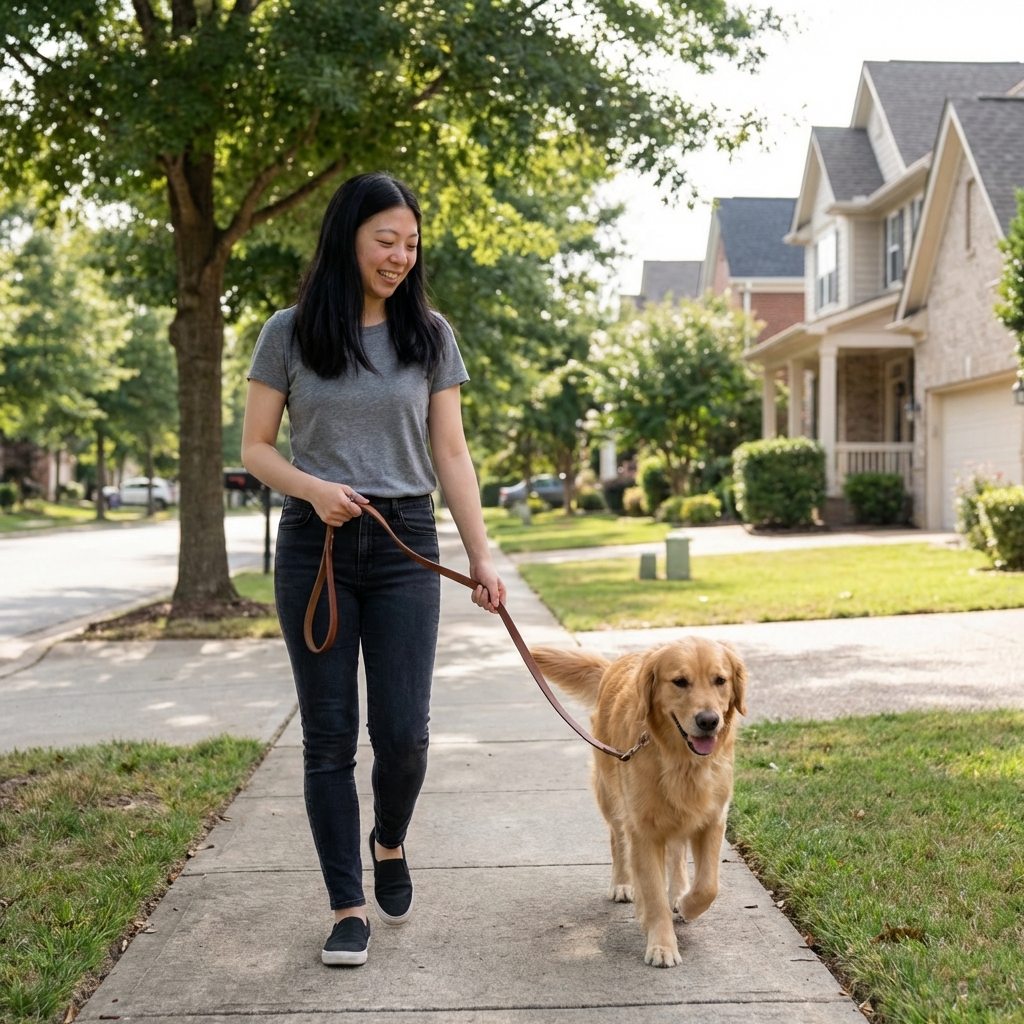
- Leash walks only. No dog parks, no daycare, no playdates.
- Separate from intact males in the home with two barriers if possible (for example: closed door plus crate).
- Check gates and latches daily. Heat cycles are when owners often discover new escape skills.
- Never leave her unattended with a male, even “for a minute.”
Walk smart
- Walk at off-hours when fewer dogs are out.
- Keep the leash short near other dogs and do not allow greetings.
- Bring high-value treats to keep focus and move along quickly.
- Consider a secure front-clip harness if your dog pulls when she smells males.
Bleeding and home cleanup
Bleeding is normal during proestrus, but it can be messy. Your goal is to keep your dog comfortable while protecting floors and furniture.
Helpful tools
- Dog heat panties with disposable liners for indoor time
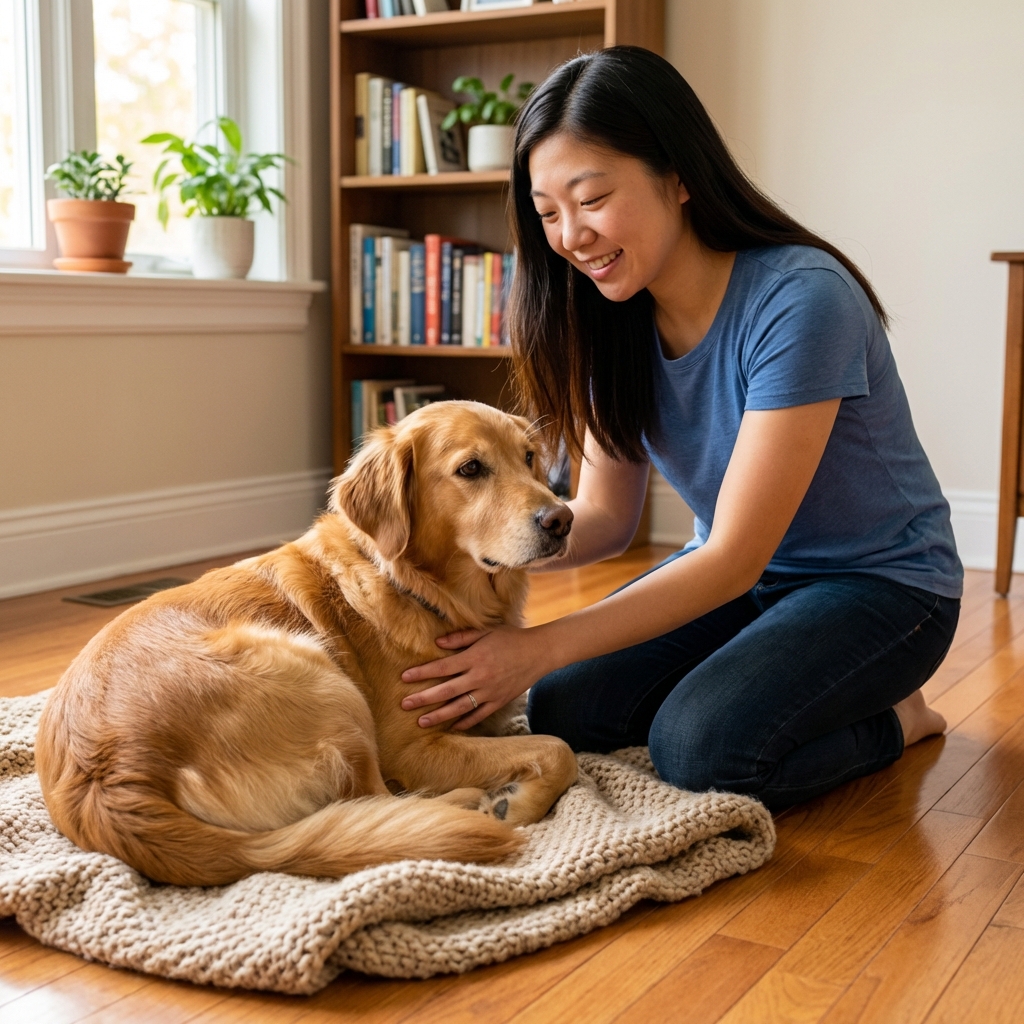
- Washable blankets on couches and beds
- Baby gates to limit access to carpeted areas
- Enzymatic cleaner for any spots
Important reminders
- Change liners often and keep the area clean and dry to prevent skin irritation.
- Do not use diapers as contraception. They only help with mess, not pregnancy prevention.
- If your dog seems itchy or develops redness, take a break from panties when you can supervise and let the skin breathe.
Behavior changes
Hormones can make your sweet dog act a little different. Mild changes are common, especially during the first few cycles.
Common, normal behaviors
- Restlessness or pacing
- Clinginess or wanting extra reassurance
- Decreased appetite for a few days
- Increased interest in sniffing and marking
- “Flirting” posture during estrus, meaning she may hold still, flag her tail, and seek attention from male dogs
How to help at home
- Keep routines predictable: meals, potty breaks, bedtime.
- Add quiet enrichment: snuffle mats, frozen food toys, basic training games.
- Offer calm, comfortable rest spots and reduce overstimulation from visitors and other pets.
When behavior is a red flag
Call your vet if you notice sudden aggression, extreme lethargy, collapse, or signs of significant pain. Heat itself should not cause severe illness.
Bathing and hygiene
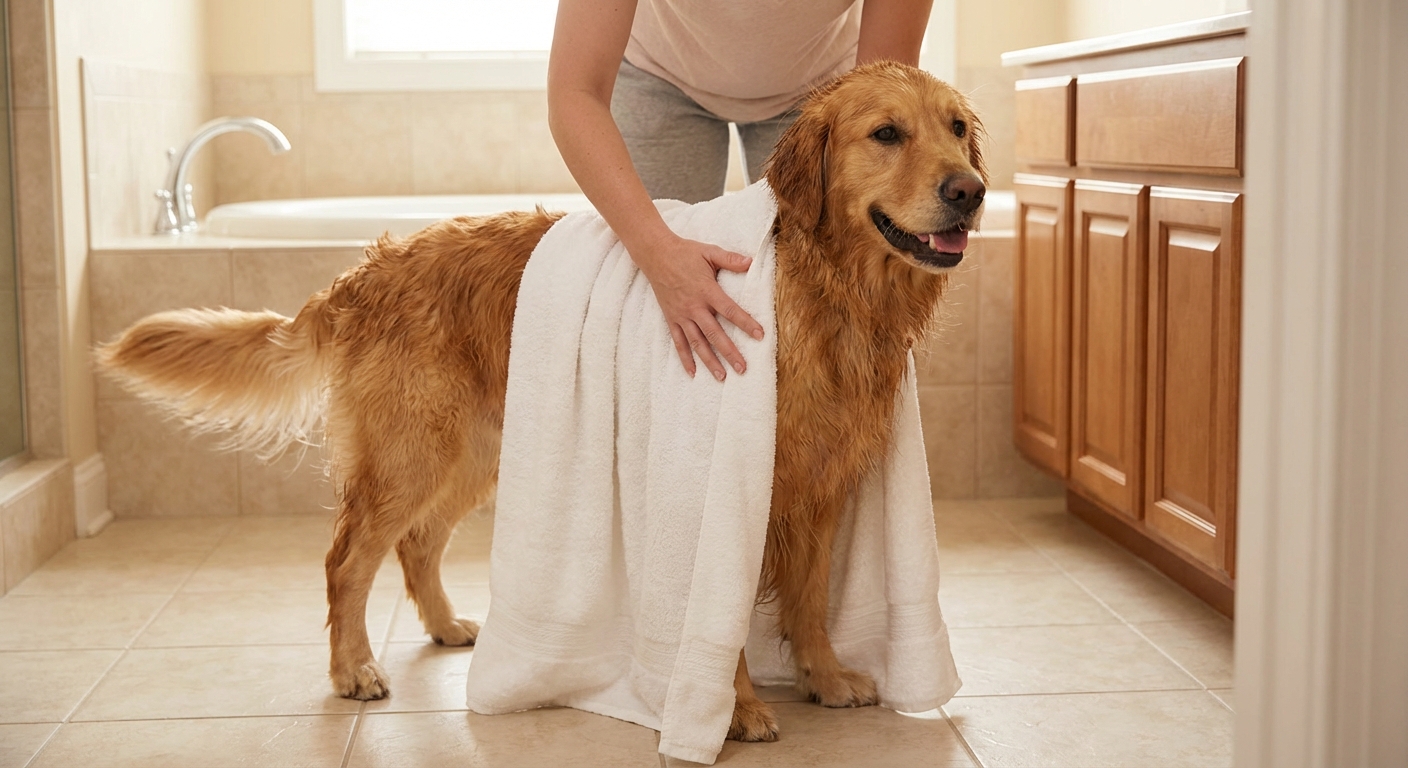
You can bathe your dog during heat if she needs it. Many dogs do fine with a gentle bath, especially if discharge is heavier. Keep things calm and avoid heavily scented products that can irritate skin.
- Use a mild, dog-safe shampoo.
- Dry her thoroughly, especially around the vulva and inner thighs.
- Brush regularly to reduce shedding and keep her comfortable.
Spaying during heat
Sometimes, yes, but it depends. Spaying during heat can be done, yet it often involves increased blood flow to the reproductive tract, which may increase surgical complexity and bleeding risk. Many clinics prefer to spay after the heat cycle ends, unless there is a medical or scheduling reason to proceed sooner.
If you are considering spay surgery, talk with your veterinarian about:
- Timing for your dog’s age, breed, and health history
- Whether your clinic performs spays during heat
- Pain control plan and recovery expectations
For long-term prevention, spaying is the only reliable way to prevent future heat cycles and accidental pregnancy.
False pregnancy
In the weeks after heat, some females experience false pregnancy (pseudopregnancy). Hormones can mimic pregnancy signs even when your dog is not pregnant.
Common signs
- Nesting behavior or mothering toys
- Enlarged mammary glands
- Milk production
- Changes in appetite or mood
What you can do
Mild cases often resolve on their own. Avoid encouraging nesting and speak with your vet before doing anything to stop milk production. If symptoms are intense, prolonged, or your dog seems unwell, your veterinarian can recommend treatment.
When to call the vet
Please do not “wait it out” if you see any of the following. Heat itself is normal, but certain emergencies can occur in unspayed females.
- Foul-smelling discharge, pus-like discharge, or heavy bleeding
- Fever, marked lethargy, vomiting, or refusing food and water
- Increased drinking and urination along with lethargy (this can be a sign of serious infection, including pyometra)
- Swollen belly or signs of pain
- Any chance of mating or an unknown breeding event (not always an emergency, but it is time-sensitive, so call promptly to discuss options)
One urgent condition we worry about is pyometra, a uterine infection that can be life-threatening. It often occurs weeks after heat, not necessarily during the active bleeding phase. If something seems off, contact your veterinarian right away.
Quick heat checklist
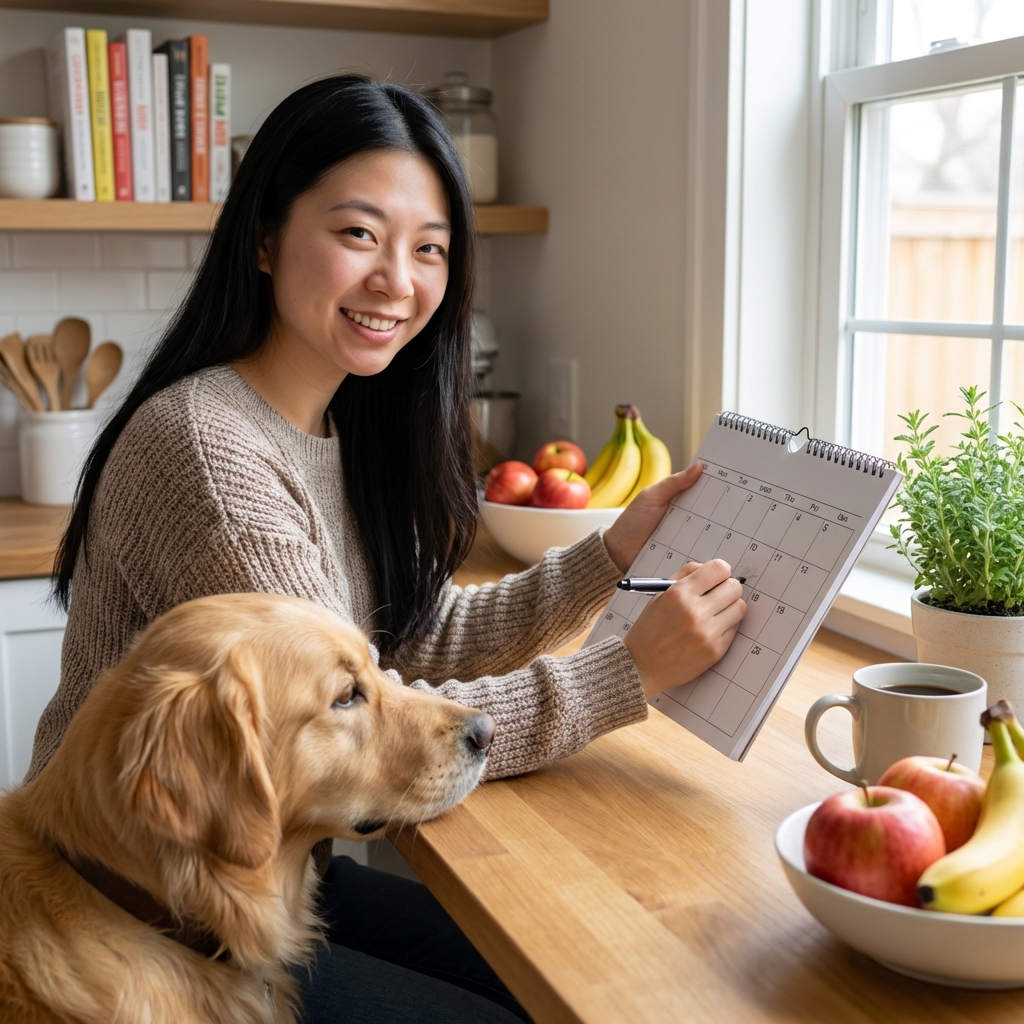
- Mark the first day you see discharge on a calendar.
- Plan for about 2 to 3 weeks of extra management (sometimes longer).
- Keep strict separation from intact males for around 21 days from the start of bleeding, or longer if signs continue.
- Leash walks only, no parks, no daycare.
- Use heat panties indoors if helpful and keep the skin clean and dry.
- Avoid hormone shots or home remedies unless your veterinarian specifically prescribes them.
- Watch for red flags and call the vet if you’re concerned.
- Consider long-term planning: discuss spay timing with your veterinarian.
Most heat cycles are manageable with consistency and supervision. The biggest risk is accidental breeding, so your best tool is simple: control the environment and keep your girl close.