Know what to expect during your dog’s first heat: typical age and timing, the 4 stages, bleeding and behavior changes, how to prevent pregnancy, and red fl...
Article
•
Designer Mixes
Dog Heat Cycle Stages: What Each Looks Like

Shari Shidate
Designer Mixes contributor
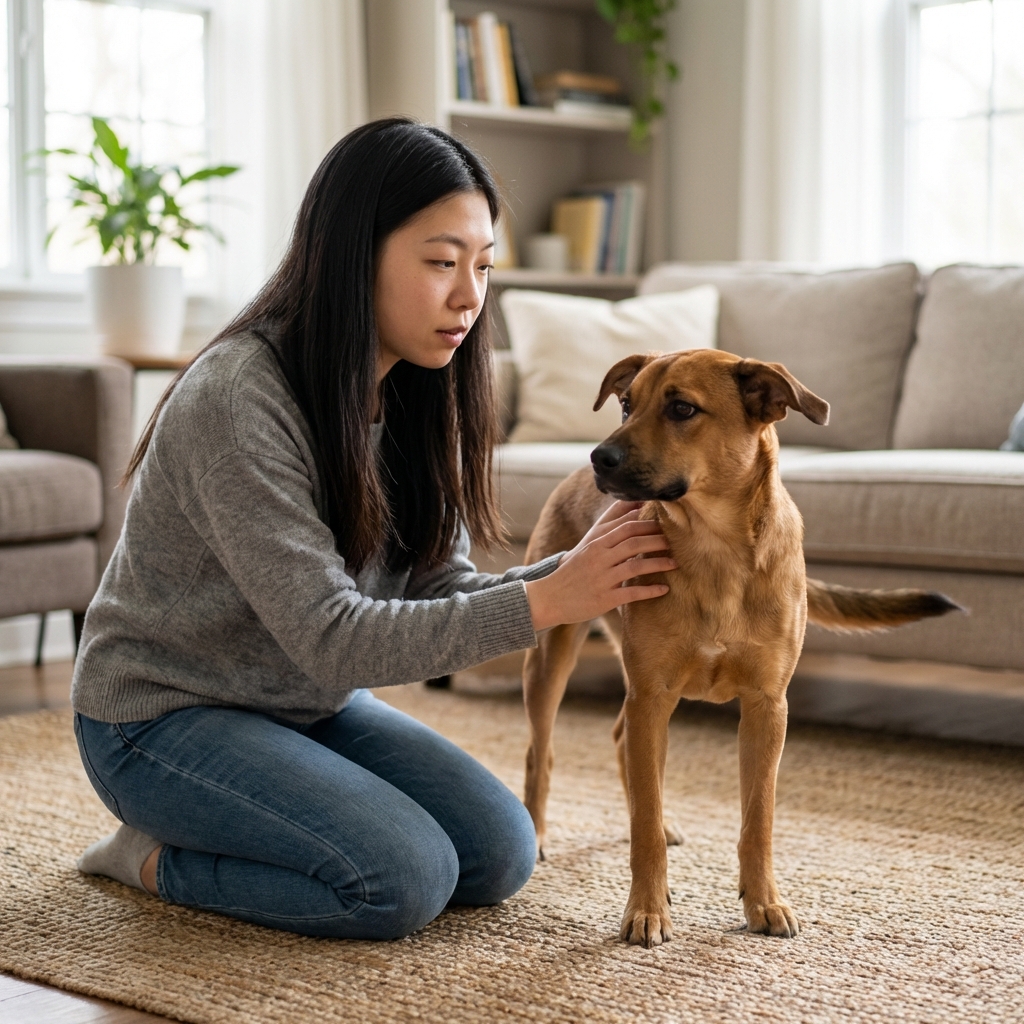
If you have an unspayed female dog, her heat cycle can feel confusing at first. You may notice a little swelling, a few blood drops, and suddenly every male dog in the neighborhood seems very interested. The good news is that the canine heat cycle is predictable once you know the stages and what each one typically looks like.
As a veterinary assistant in Frisco, Texas, I have helped many families navigate a first heat. Below, I will walk you through each stage, what you might see at home, what is normal, and when it is time to call your veterinarian.
Quick overview: the 4 stages
The estrous cycle is usually described in four stages:
- Proestrus: early heat, bleeding and swelling begin.
- Estrus: fertile window, discharge often lightens, receptivity to males increases.
- Diestrus: heat ends, fertility stops, hormones shift back.
- Anestrus: resting phase between cycles.
Most dogs cycle about every 6 months, but it can be anywhere from 4 to 12 months depending on age, breed, and individual genetics. Some breeds are more seasonal. For example, Basenjis often cycle about once yearly, and some northern breeds can be more seasonal.
When does the first heat happen?
Many dogs have their first heat between 6 and 18 months. Smaller breeds often start earlier, and large or giant breeds may start later.
One more helpful note: the first 1 to 2 heat cycles can be a bit irregular while hormones mature. If cycles stay very irregular, seem unusually frequent, or you are concerned at any point, your veterinarian can help you sort out what is normal for your dog.
Stage 1: Proestrus

What it usually looks like
- Vulvar swelling that becomes noticeable over several days.
- Bloody discharge ranging from light spotting to a heavier flow.
- More licking of the rear end.
- Behavior changes: clingy, restless, or more irritable than usual.
- Male dogs show interest, but your female typically will not allow mating yet.
How long it lasts
On average, 7 to 10 days, but anywhere from 3 to 17 days can be normal.
At-home tips
- Start a heat calendar on day 1 of visible discharge.
- Use washable bedding or dog diapers if your dog tolerates them.
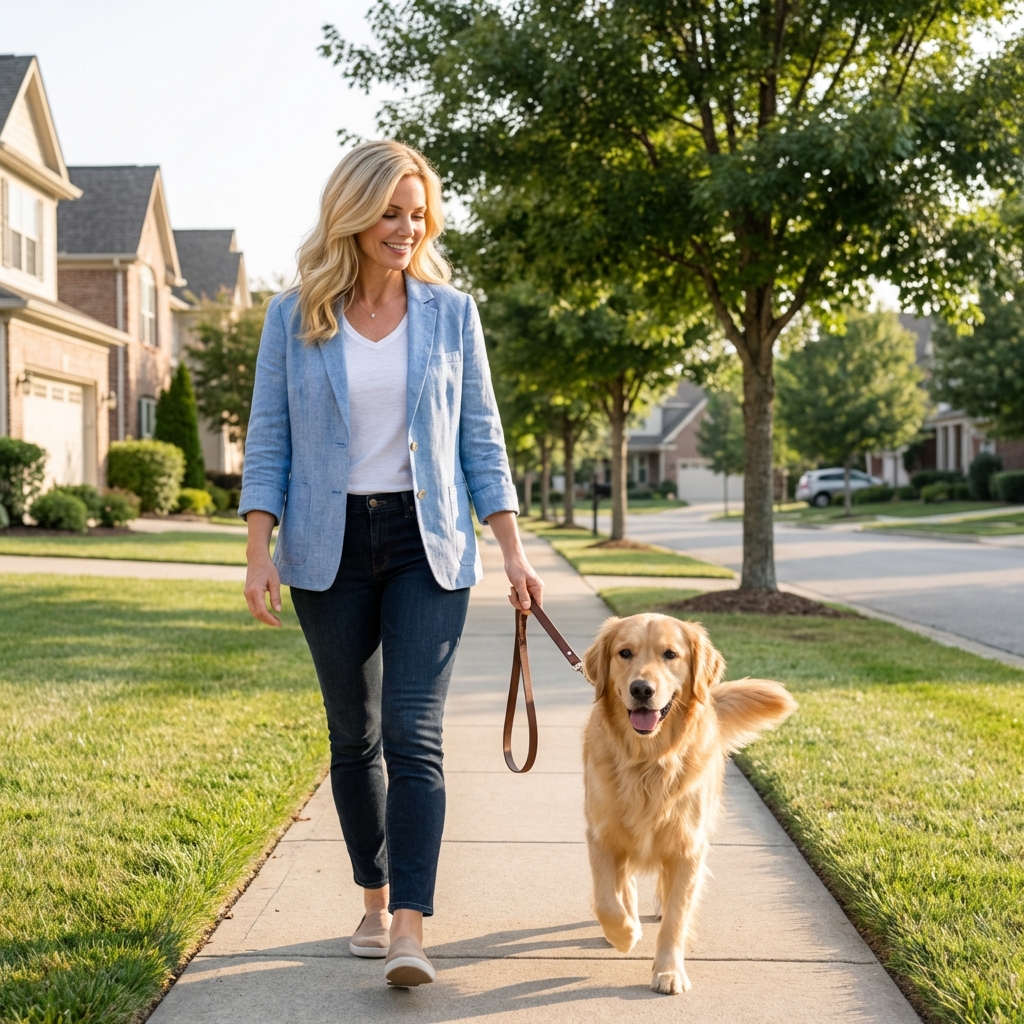
- Supervise outdoor time closely and keep her leashed.
Stage 2: Estrus
What it usually looks like
This is the stage many owners miss, because the discharge may look lighter even though fertility is highest.
- Discharge changes: often becomes pink, watery, or straw-colored, and may decrease in amount. Some dogs can still have light bleeding during estrus.
- Vulva may remain swollen, sometimes softening slightly.
- Flirting behavior: tail held to the side (sometimes called “flagging”), more interest in roaming, and increased attention toward male dogs.
- Receptive to mating: she may stand still and allow a male to mount.
How long it lasts
Often 5 to 9 days, but it can range from 3 to 21 days.
Why this stage matters most
Ovulation typically occurs early in estrus. Many dogs are most fertile a few days after ovulation because the eggs need time to mature. In real life, that means this whole stage should be treated as the high-risk window if you are preventing pregnancy.
If you are preventing pregnancy, this is also the stage where escape attempts happen and accidents occur quickly. A determined male dog can climb fences, break through gates, or slip a collar in seconds. And in clinic, I often hear, “She was only outside for a minute.” It can happen that fast.
Important: A dog can become pregnant even if the bleeding is minimal or has stopped. Fertility is about hormones and timing, not how much you see on the floor.
At-home tips
- No off-leash time in unfenced areas. Even fenced yards are not always secure during estrus.
- Avoid dog parks, daycare, grooming salons, and group training during this stage.
- If you suspect an accidental mating, call your veterinarian right away. Options vary by region and your dog’s health. Depending on timing, your veterinarian may discuss medical management and in some cases surgical options. These decisions are time-sensitive.
Stage 3: Diestrus
What it usually looks like
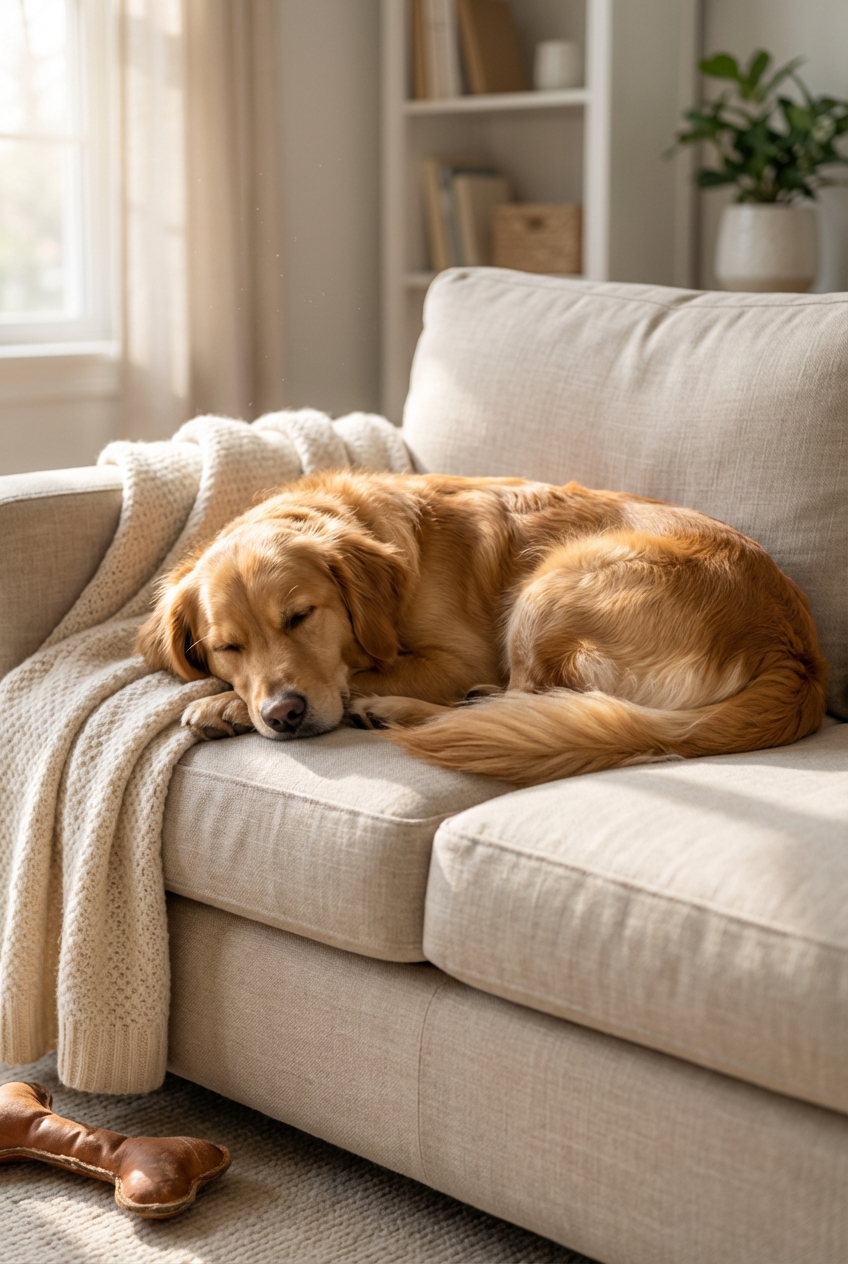
- Discharge stops and the vulva slowly returns to normal size.
- Less interest in males; she will usually refuse mating again.
- Hormonal changes can cause a temporary “false pregnancy” in some dogs.
How long it lasts
Usually around 2 months (about 60 days). This is true whether she is pregnant or not, because progesterone stays elevated for a similar amount of time.
What a false pregnancy can look like
Not every dog experiences this, but it is common enough to mention:
- Enlarged mammary glands, sometimes even milk production
- Nesting behavior, carrying toys like “puppies”
- Appetite changes and moodiness
Most false pregnancy signs are mild and resolve on their own. If your dog seems uncomfortable, develops significant mammary swelling, or you see milk with redness and pain, check in with your veterinarian.
Stage 4: Anestrus
What it usually looks like
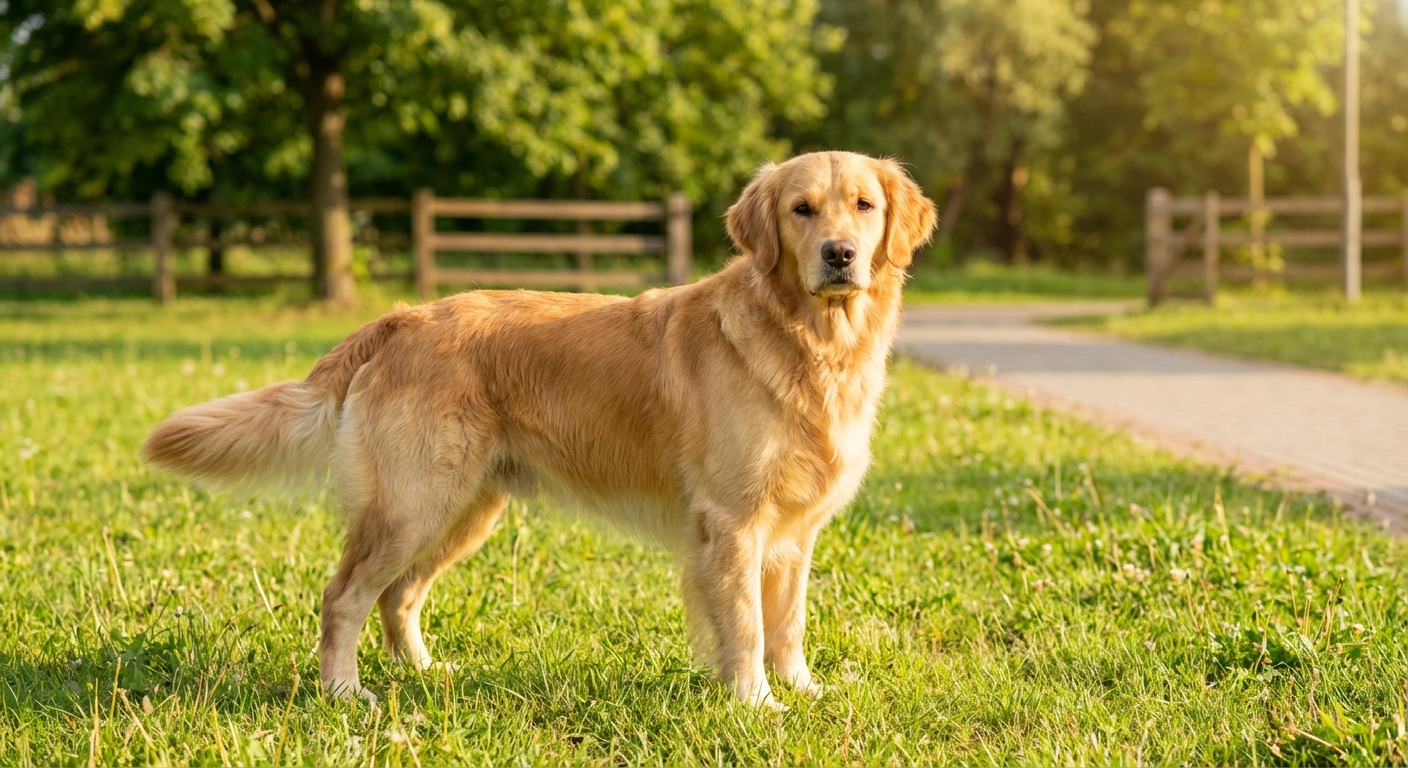
Anestrus is the quiet, “normal” time between cycles. Your dog’s reproductive tract is essentially on standby.
- No vulvar swelling
- No discharge
- Behavior returns to baseline
How long it lasts
Commonly 3 to 5 months, but it varies widely by breed and individual dog.
What to track at home
- Date discharge started (day 1)
- Discharge color and amount (red, pink, watery, straw-colored)
- Swelling (increasing, stable, decreasing)
- Behavior changes (roaming, flagging, clinginess, guarding)
- Appetite and energy
If you need exact timing for breeding decisions or medical reasons, veterinarians can use vaginal cytology and progesterone testing to estimate where your dog is in the cycle.
Heat timeline (example only)
Every dog is a little different. This timeline is a helpful pattern, not a promise. Some dogs bleed longer, some shorter, and some have bleeding that overlaps into estrus.
- Days 1 to 9 (often proestrus): swelling and red discharge, male attention increases, female not receptive.
- Days 10 to 17 (often estrus): discharge often lightens, fertility peaks, female may be receptive.
- After: discharge ends, swelling goes down, hormones remain active for weeks (diestrus), then a longer resting phase (anestrus).
Normal vs. not normal
Common, usually normal
- Light-to-moderate bloody discharge during proestrus
- Increased licking and mild restlessness
- Swollen vulva that gradually returns to normal
Call your veterinarian promptly
- Large amounts of blood (soaking bedding repeatedly) or your dog seems weak. Heavy bleeding is uncommon and should be evaluated.
- Foul odor, green or pus-like discharge, or discharge that appears suddenly when she is not in heat
- Vomiting, diarrhea, fever, lethargy, or loss of appetite during or after heat
- Increased thirst and urination with lethargy, especially in the weeks after heat
- A swollen abdomen or obvious discomfort
Go to emergency care
- Pale gums, collapse, trouble breathing, or severe weakness
One condition we take very seriously is pyometra, a uterine infection that can occur after a heat cycle. It can be life-threatening and may or may not come with visible discharge. If your dog seems “off” after heat, please do not wait it out.
Care tips during heat
- Leash every potty break, even in your yard if fencing is not escape-proof.
- Assume males can show up. Female dogs in heat can attract intact males from a surprising distance, and supervised yard time still carries risk.
- Limit visitors if friends or neighbors have intact male dogs.
- Keep routines calm: gentle walks, puzzle toys, and quiet enrichment can help with restlessness.
- Use diapers safely: check fit, keep the area dry, and change them often to reduce skin irritation. Do not leave a diaper on all day without breaks.
- Cleaning tip: an enzyme cleaner helps with accidents on fabric or flooring.
- Skip bathing the back end too often. Gentle wiping is fine, but frequent bathing can irritate skin.
- Do not use human menstrual products inside the vulva. Dog diapers are external only.
Spaying and timing
If you are not planning to breed, spaying is the most reliable way to prevent accidental pregnancy and it also eliminates the heat cycle. It can also reduce the risk of certain reproductive diseases, including pyometra. The best timing for spay can depend on your dog’s breed, age, and orthopedic considerations, so it is worth having a personalized conversation with your veterinarian.
If your dog is currently in heat, many clinics prefer to wait until the cycle is over for an elective spay, because the tissues can be more vascular during heat. Your vet can advise what is safest for your dog.
Takeaway
Most heat cycles follow a familiar pattern: bleeding and swelling at the beginning (proestrus), then a lighter discharge with peak fertility (estrus), followed by a hormone-driven cooldown (diestrus) and a longer resting period (anestrus). If you track dates and know what each stage looks like, you will feel much more confident and your dog will stay safer.
If anything seems unusual or your dog seems unwell, trust your instincts and call your veterinarian. It is always better to ask early.