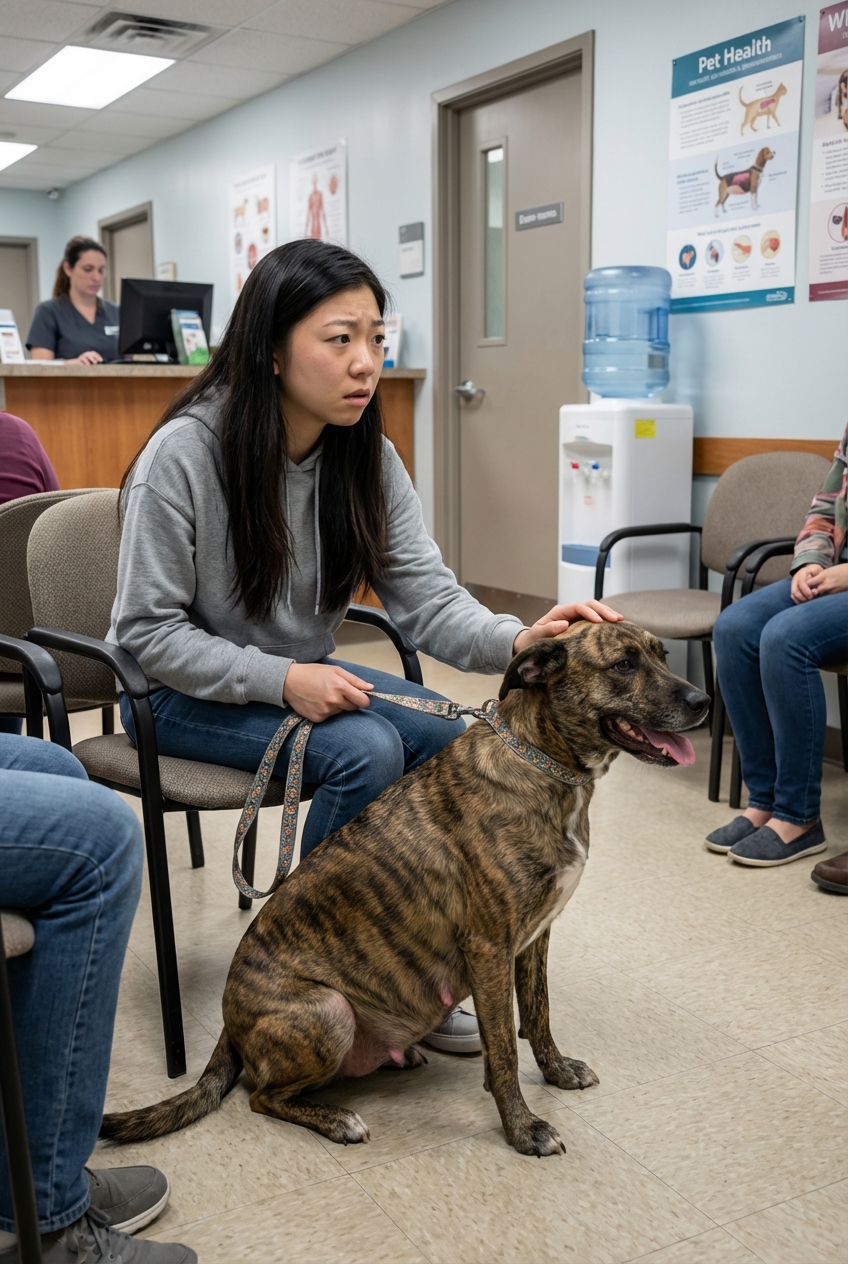
Confused by your dog’s heat? Learn the 4 stages, how long they last, what signs are normal, how to prevent pregnancy, and when bleeding or discharge needs ...
Article
•
Designer Mixes
Dog Heat Cycle Stages

Shari Shidate
Designer Mixes contributor
If you share your home with an intact female dog (meaning she is not spayed), her heat cycle can feel confusing at first. One day she is totally normal, and the next she is clingy, swollen, spotting, and attracting every male dog in the neighborhood. The good news is that the dog heat cycle follows a predictable pattern most of the time, and when you know the stages, you can protect her health, prevent an accidental pregnancy, and spot problems early.
I am Shari Shidate, a veterinary assistant in Frisco, Texas, and this guide is written for everyday dog families who want clear, evidence-based information. If something seems off for your dog, call your veterinarian. If she seems very ill (like collapse, pale gums, severe weakness, a painful swollen belly, or trouble breathing), treat it as an emergency.
Heat cycle basics
The heat cycle is also called the estrous cycle. It is the normal, hormone-driven process that prepares a female dog to potentially become pregnant. Many dogs cycle about every 6 months, but normal varies widely by breed, age, and individual biology. Some dogs fall outside the typical range, and some breeds (like Basenjis) may cycle seasonally, closer to once a year.
- First heat: commonly between 6 and 18 months (small breeds often earlier, giant breeds often later).
- Cycle frequency: often every 4 to 12 months, with exceptions.
- Cycle length: most heats last about 2 to 4 weeks from start to finish.
- Ovulation timing: typically occurs during the middle stage, not right at the first sign of bleeding.
Important: Bleeding is not your best fertility calendar. Some dogs bleed lightly, some heavily, and some barely at all. Many dogs also keep themselves very clean, so you may not see much discharge. A dog can become pregnant even if the bleeding seems to be stopping.
How long to avoid males
This is the question I hear most, and I get it. You want a clear window.
- Best simple rule: keep her away from intact males for the full heat, which is often 3 to 4 weeks from the first day you notice swelling or spotting.
- If you want extra safety: continue strict separation until at least 7 days after all discharge and obvious swelling have resolved.
When in doubt, assume she could be fertile and keep your management tight. It is much easier to prevent pregnancy than to deal with an accidental litter.
The 4 heat stages
Veterinary medicine breaks the cycle into four stages: proestrus, estrus, diestrus, and anestrus. You can think of them as: gearing up, fertile window, winding down, and resting.
Stage 1: Proestrus
Typical length: about 7 to 10 days (can be shorter or longer).
What you may notice:
- Vulva swelling
- Bloody or pink-tinged discharge (or very little, especially if she licks often)
- More frequent urination (she is scent marking)
- Male dogs become very interested, but she usually will not allow mating yet
- Behavior changes like clinginess, restlessness, or mild irritability
Your job in this stage: Start strict supervision immediately. Even though she is not typically receptive yet, things can change quickly.
Stage 2: Estrus
Typical length: about 5 to 10 days (sometimes longer).
What you may notice:
- Discharge often becomes lighter, watery, or straw-colored (this can be normal in estrus)
- Vulva remains enlarged but may soften
- She may flag her tail to the side when touched near the hind end
- She may actively seek male dogs and may attempt to escape the yard or home
Why this stage matters most: This is the most likely time for pregnancy. One successful mating can result in a litter. Owners often misjudge this stage because bleeding can lessen, making it feel like the heat is almost over, when she may actually be at peak fertility.
Stage 3: Diestrus
Typical length: about 55 to 70 days (often around 2 months), whether she is pregnant or not.
What you may notice:
- She stops being receptive to males
- Swelling decreases and discharge resolves
- Some dogs show signs of false pregnancy (pseudopregnancy) such as nesting, mothering toys, mammary enlargement, or milk production
Health note: Mild false pregnancy signs can be normal, but call your vet if she seems painful, lethargic, feverish, or you see abnormal mammary discharge.
Stage 4: Anestrus
Typical length: about 3 to 5 months (varies widely).
This is the quiet time between cycles. Hormones are at baseline, and your dog usually returns to her typical routine and behavior.
Normal vs not normal
A little planning can keep a normal heat from turning into an emergency. Here are general guidelines.
Often normal
- Mild vulvar swelling and light to moderate discharge
- Increased licking of the vulva
- More urination or marking
- Temporary appetite or mood changes
- Straw-colored discharge during estrus (often normal)
Call your vet promptly
- Large amounts of blood, clots, or bleeding that seems excessive
- Heat signs lasting longer than 4 weeks or frequent cycles closer than every 4 months
- Green discharge, foul odor, or pus-like discharge at any time (green discharge is not expected in a normal heat)
- Lethargy, vomiting, fever, or loss of appetite during or after heat
- Bloated abdomen or obvious discomfort
- Increased thirst and urination along with illness signs
Go to urgent care now
- Collapse or inability to stand
- Pale gums, severe weakness, or severe dehydration
- Rapid breathing, trouble breathing, or repeated vomiting
- A painful, rapidly enlarging belly
One of the most serious conditions we worry about in unspayed females is pyometra, a uterine infection that often happens weeks after a heat. It can be life-threatening and needs urgent veterinary care.
Home care during heat
You do not need to over-medicalize a normal heat, but you do need to manage hygiene, safety, and stress. These practical steps make a big difference.
Prevent pregnancy and injury
- Leash walks only. No dog parks, no daycare, no off-leash time.
- Supervise outdoor time. Male dogs can jump fences and dig under gates.
- Keep her separated from intact males. Doors, baby gates, and crates help, but do not rely on a single barrier.
- Neutered males can still mount. Even without pregnancy risk, mounting and mating attempts can cause stress, a tie, or injury in some situations.
Manage discharge cleanly
- Use washable bedding and vacuum more often.
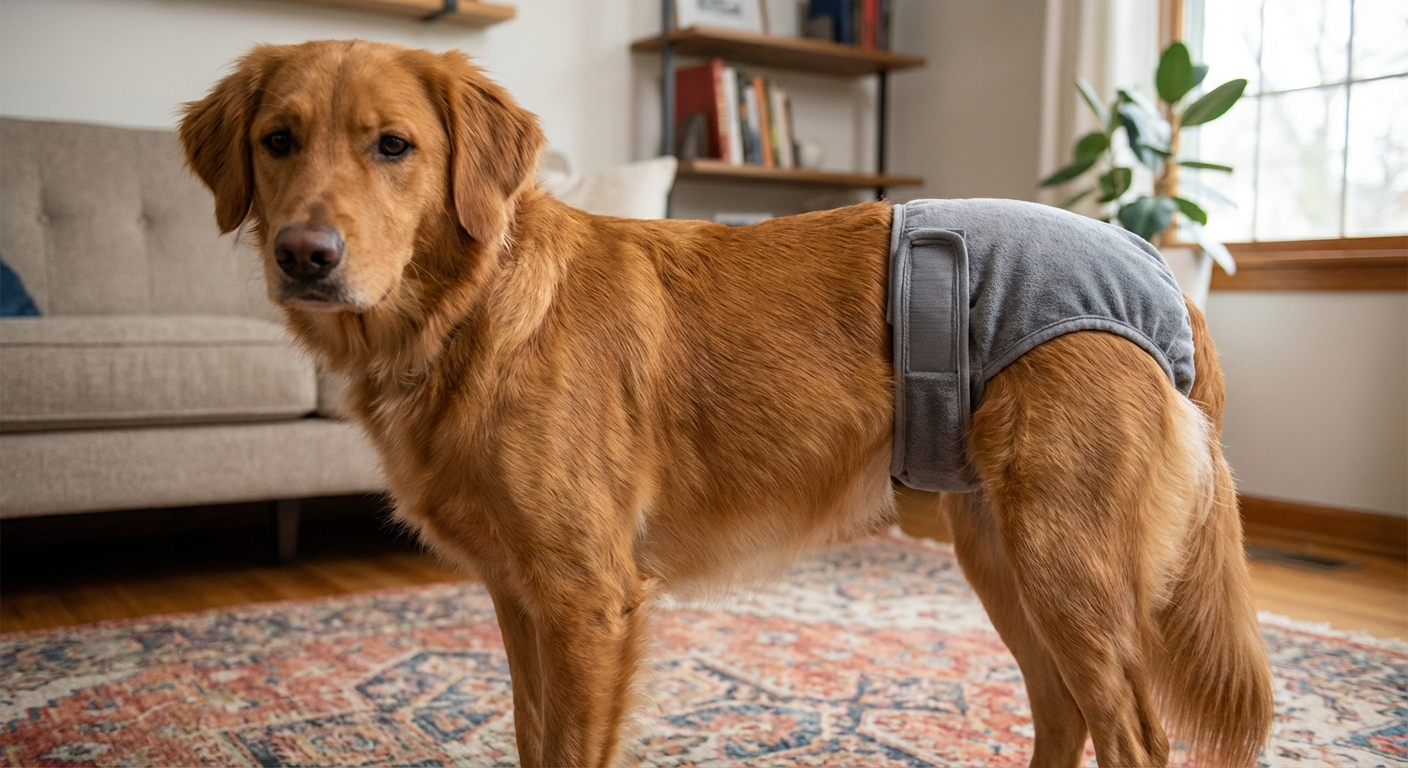
- Dog heat panties can help indoors, but change them frequently and let the skin breathe. Never leave them on unsupervised if your dog chews fabric.
- Wipe the vulva gently with a soft, damp cloth if she is messy. Avoid harsh soaps.
Support comfort and safety
- Keep routines calm and predictable.
- Offer enrichment that does not involve other dogs, like sniffing games, food puzzles, and gentle training sessions.
- Because escape attempts can increase during estrus, check that her microchip info and ID tags are up to date.
- If she seems extra hungry, measure food and use healthy add-ins in moderation, like a spoon of plain pumpkin or lean cooked protein, so weight gain does not sneak up.
How vets confirm timing
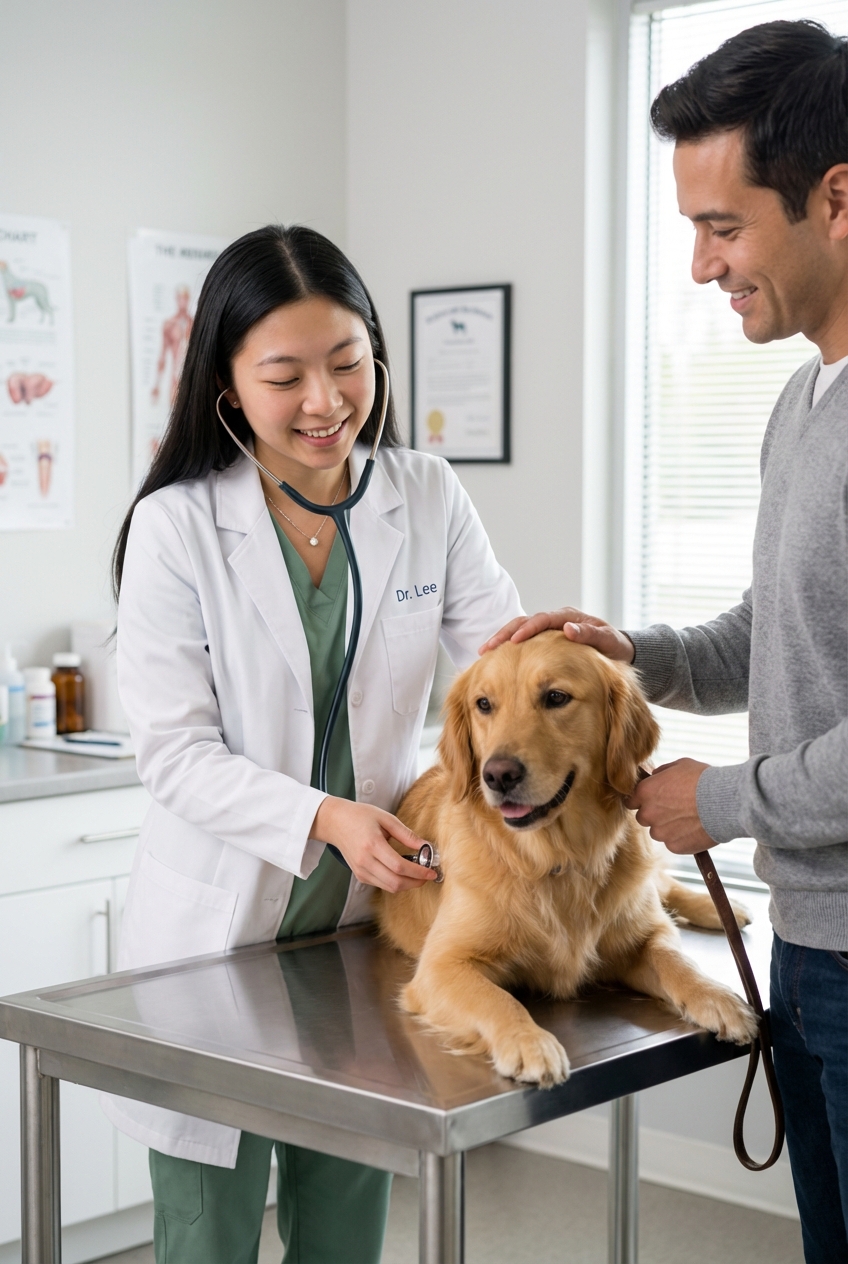
If you are trying to prevent pregnancy, you usually do not need testing. But if you are planning a responsible breeding, guessing the day is not enough. Veterinarians use:
- Vaginal cytology: a microscope look at cell types that change across the cycle.
- Progesterone testing: blood tests that help pinpoint ovulation timing.
These tools can identify the fertile window much more accurately than behavior or bleeding alone. If you are breeding, work with a veterinarian experienced in reproductive care and talk through genetic and health screening, too.
Spaying questions
Spaying prevents pregnancy and eliminates the risk of pyometra. It can also reduce the risk of mammary cancer compared with leaving a dog intact, with the greatest reduction generally seen when spaying happens before early heat cycles. That said, the research is nuanced, and the best timing is not one-size-fits-all because breed, size, and orthopedic risks matter too.
Talk with your veterinarian about:
- Your dog’s breed, adult size, and growth rate
- Behavior and lifestyle
- Family history and orthopedic risk
- Whether to spay before or after the first heat based on current evidence and your dog’s needs
If your dog is currently in heat, many clinics prefer to schedule spay surgery after the cycle ends because blood supply to the reproductive tract can be higher during heat. Your veterinarian will guide you on the safest plan.
Quick checklist
- Start strict supervision at the first sign of swelling or spotting.
- Assume she may be fertile in the middle of the cycle even if bleeding is lighter or hard to see.
- Keep her away from intact males for the full heat, often 3 to 4 weeks.
- Leash walks only and avoid all dog social settings.
- Secure your home and yard, and confirm her ID tag and microchip info are current.
- Watch for red flags like foul discharge, fever, vomiting, weakness, or a heat that will not end.
- Ask your vet about spay timing that fits your dog’s breed and health profile.
With a little structure and a lot of calm, most dogs move through their heat cycle just fine. And you will feel so much more confident when you can recognize each stage and know what to do next.
Sources
- Merck Veterinary Manual: “Reproductive Physiology of the Bitch” and “Pyometra in Small Animals”
- American Veterinary Medical Association (AVMA): spaying and neutering guidance
- American College of Theriogenologists: canine reproduction resources