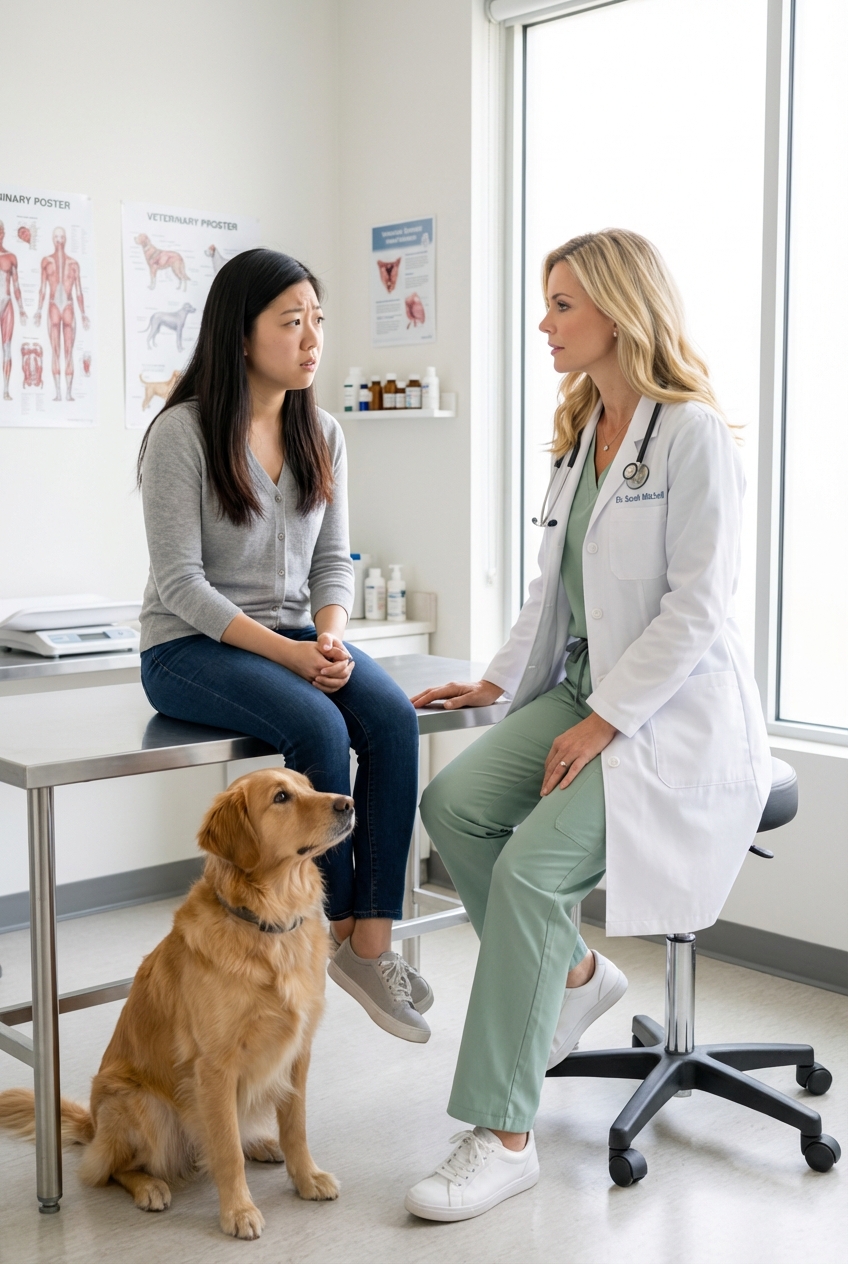
A practical, vet-informed FAQ for your dog’s first heat: stages and timing, fertility myths, normal vs concerning bleeding, cleaning/diaper tips, walk safe...
Article
•
Designer Mixes
Dog Heat Cycle Signs Before Bleeding Starts

Shari Shidate
Designer Mixes contributor
If you have a female dog who is not spayed, the first heat cycle can feel like it comes out of nowhere. One day she is her normal self, and the next she is acting clingy, restless, and suddenly very interesting to every male dog in the neighborhood. The tricky part is that many dogs show clear signs of heat before you see any blood.
As a veterinary assistant, I always encourage families to watch behavior and body changes early. Catching the early stage helps you prevent accidental breeding, reduce stress, and know what is normal versus what needs a vet call.
Quick note: This article is for general education and is not a substitute for veterinary care. If you are worried about your dog’s symptoms, call your clinic.

Heat cycle basics
A dog’s heat cycle (estrous cycle) is often described in stages. The timing varies by individual and breed, but this framework helps you understand why the early signs show up first.
- Proestrus: The start of heat. Hormones rise, the vulva swells, and many dogs develop a blood-tinged discharge. Early on, discharge may be minimal or not visible.
- Estrus: Fertile window. Discharge may become lighter or straw-colored, and she may “stand” for a male.
- Diestrus: After fertility. Hormones shift again, and behaviors settle.
- Anestrus: Resting period between heats.
The “before bleeding starts” period is usually early proestrus. Some dogs have very light spotting, and some groom so frequently you never see it. Some dogs also have a silent heat, meaning the cycle occurs with very subtle outward signs.
Common signs before bleeding
1) Vulva swelling
This is one of the earliest physical clues. The vulva may look enlarged, puffy, or more prominent than usual. On fluffy-coated dogs, it can be subtle, so compare to what is normal for your dog.
2) More licking
Many dogs start grooming more before any visible discharge. This can hide early spotting. If you notice frequent licking plus swelling, assume heat may be starting and increase supervision.
3) Behavior changes
Some dogs become extra affectionate and want to be near you constantly. Others seem more irritable or sensitive. Restlessness is common, and some owners notice it more at certain times of day.
4) Frequent urination or marking
Before bleeding, you may notice she asks to go outside more often, or she leaves small urine spots on walks. This is normal heat-related communication, but it can be mistaken for a urinary tract issue.
Helpful tip: If she is urinating frequently and seems painful, strains, has accidents in the house, or you see blood in the urine (not just spotting from the vulva), call your vet. A urinalysis can help rule out a UTI.
5) Tail shifting and male-dog attention
Even before you see blood, male dogs may suddenly be very focused on her. You may also see tail shifting. In estrus, many females show “flagging,” which means she holds her tail to the side to expose the vulva.
6) Appetite changes
It can go either way. Some dogs eat less for a few days, others seem hungrier. Mild appetite shifts can be normal. Complete refusal to eat, vomiting, or low energy should prompt a vet check.
When does bleeding start?
In many dogs, visible spotting starts within a few days of the earliest signs, but there is a wide range. Some owners notice swelling and behavior changes for a few days up to about 1 to 2 weeks before seeing blood. And again, some dogs keep themselves so clean that the first “bleeding sign” you notice is a faint pink tint on bedding or a tiny spot on the floor.
How long does heat last?
Most heat cycles last about 2 to 4 weeks from start to finish, with plenty of normal variation. Proestrus and estrus often run about 1 to 2 weeks each, but individual dogs can be shorter or longer.
If this is your dog’s first heat, expect some trial and error as you learn her normal pattern.
Confirming heat
Daily visual check
Look for vulva swelling and any faint discharge. If your dog allows it, you can gently dab the vulva area with a white tissue after she comes inside from potty. Do not insert anything. You are simply looking for a light pink tint that may not show up elsewhere.
Watch other dogs
In real life, other dogs often “diagnose” a heat cycle before we do. Sudden attention from male dogs is a big clue that hormones have shifted.
Ask your vet about testing
If timing matters, such as strict pregnancy prevention or responsible breeding with professional guidance, your vet can discuss vaginal cytology and/or progesterone testing to identify stages more precisely.
What to do right away
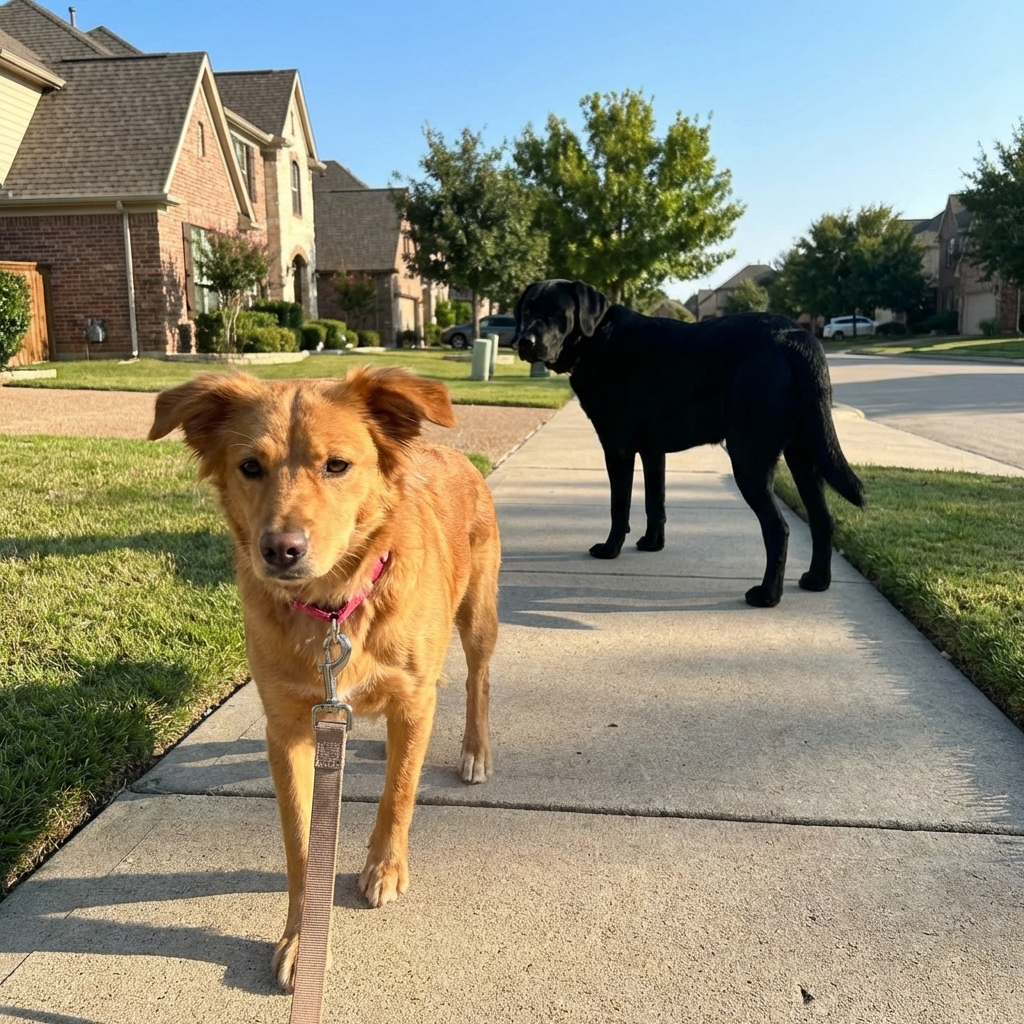
- No off-leash time in unfenced areas. Heat can change behavior fast, and even a well-trained dog may bolt.
- Supervise potty breaks. Quick trips on a leash are safest.
- Avoid dog parks and daycare. This is for her safety and everyone else’s.
- Secure your yard. Check gates, fences, and any spots a dog could dig under.
- Separate from intact males in the home. Use two barriers when possible (for example, a closed door and a crate) to prevent “oops” moments.
Important: Fertility is typically during estrus, which often comes after early proestrus signs begin. Still, if you suspect heat is starting, treat her as a pregnancy risk right away. Dogs can breed quickly, and male dogs can be surprisingly determined.
Also important: Heat pants can help with mess, but they are not birth control and should never replace supervision. A determined male can still mate, especially if dogs are unsupervised.
How long to keep her separated
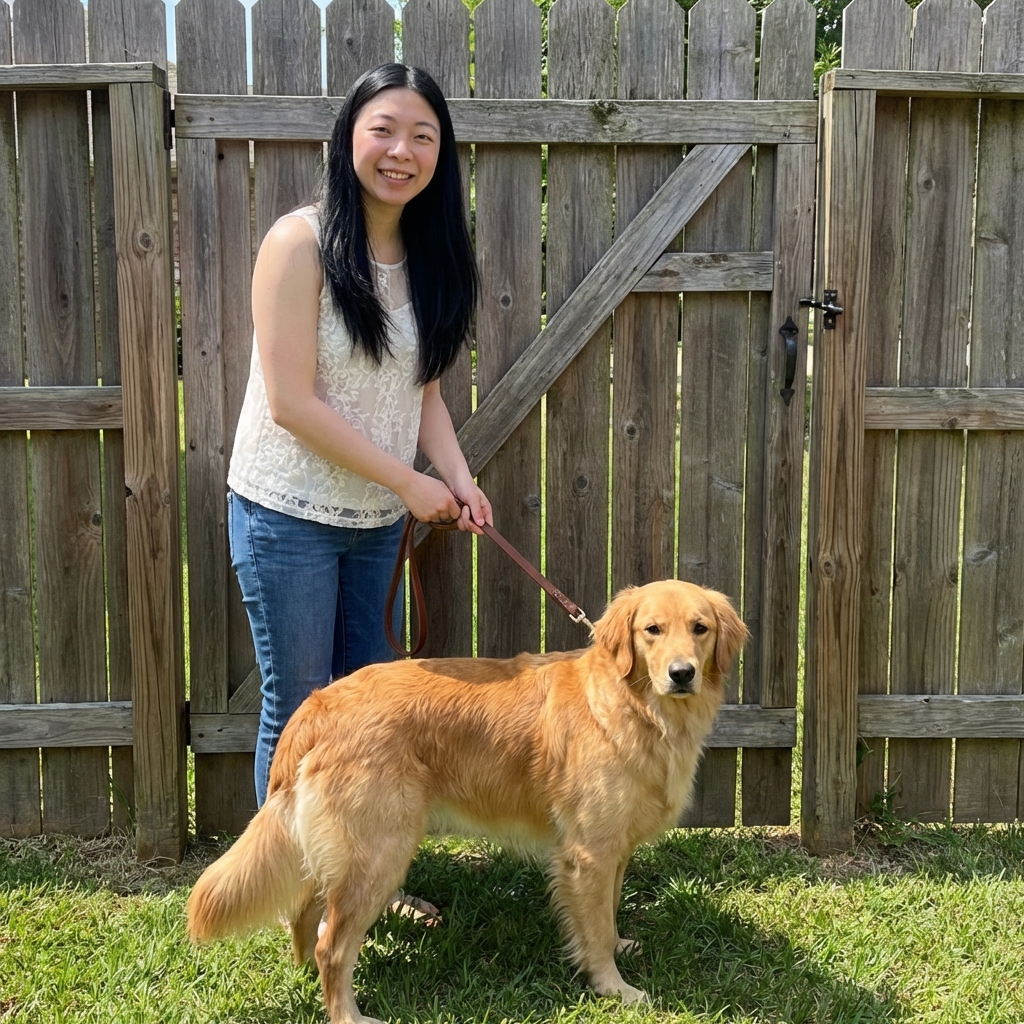
For most households, the safest plan is to keep her away from intact males for at least 3 weeks from the start of signs, and sometimes longer if she is still flirting, flagging, or attracting intense male attention.
If you are unsure when it is safe to relax restrictions, ask your veterinarian. When it comes to preventing an accidental litter, it is better to be conservative.
Normal vs. red flags
Usually normal
- Swollen vulva
- More licking and grooming
- Mild mood changes
- More frequent urination without pain
- Light spotting that progresses gradually
Call your vet promptly
- Strong odor, thick yellow or green discharge, or discharge that looks like pus
- Lethargy, fever, vomiting, or loss of appetite that lasts more than a day
- Excessive drinking and urination along with low energy
- Bloated abdomen or obvious discomfort
- Heavy bleeding that seems abnormal for your dog
One reason we take these signs seriously is that intact females are at risk for pyometra, a potentially life-threatening uterine infection. It often occurs within weeks to a couple months after a heat, but timing can vary. If something feels “off,” trust your gut and call your clinic.
How often do dogs go into heat?
Most dogs cycle about every 6 months, but small breeds may cycle more often and large or giant breeds sometimes less often. First heats often occur between 6 and 18 months, depending on breed and individual development.
If your dog’s cycles seem extremely irregular, or she is having repeated signs of heat without a clear cycle, check in with your veterinarian.
Comfort tips
- Keep her routine calm. Stress can make restlessness worse.
- Provide enrichment at home. Food puzzles and gentle training sessions help burn mental energy.
- Consider dog heat pants once discharge starts, especially for keeping floors and bedding clean. Change them regularly and keep the area dry.
- Stay consistent with boundaries. Extra attention is fine, but try not to build new anxious habits.
If you are seeing early heat signs, the best gift you can give your dog is simple: close supervision and a little extra patience. Most dogs do just fine when we keep their world safe and predictable.