A clear timeline of the 4 heat stages (proestrus, estrus, diestrus, anestrus), what bleeding looks like, common behavior shifts, home care tips, and urgent w...
Article
•
Designer Mixes
Dog Heat Cycle Myths About Pregnancy Risk

Shari Shidate
Designer Mixes contributor
If you have an unspayed female dog, you have probably heard all sorts of advice about “when she can get pregnant” during her heat cycle. Some of it is well-meaning, but a lot of it is dangerously wrong. As a veterinary assistant, I have seen accidental litters happen because families relied on a myth instead of the biology.
Let’s clear up the biggest dog heat cycle myths about pregnancy risk, so you can keep your girl safe and avoid surprises.

Quick heat basics
For most pet owners, “heat” means the whole period when your dog is cycling and attracting males, which typically includes proestrus plus estrus. The key point is this: heat is not a single day, and fertility can shift from day to day.
There are stages, and the timelines below are averages. Many dogs fall outside them.
- Proestrus: Often about 7 to 10 days on average, but it can be shorter or longer. You may see vulvar swelling and bloody discharge. Many females will flirt but will not allow breeding yet.
- Estrus: Often about 5 to 10 days on average, but it can also be longer. Discharge may lighten. This is the most common fertile window, and she is more likely to stand for a male.
- Diestrus: Hormones shift. She is typically no longer receptive, but her body can still act “pregnant” for a while.
- Anestrus: A resting phase between cycles.
Timing varies widely by dog, especially in young dogs, small breeds, and dogs with irregular cycles. Some dogs also have very light discharge or a “silent heat,” so swelling and behavior changes may be the first sign. That is why “rules” based on a calendar can backfire.
Myth #1: “Only day 10 to 14”
This is one of the most common myths, and it causes a lot of accidental pregnancies.
Reality: Ovulation does not happen on the same day for every dog. Some ovulate earlier, some later, and the fertile window is wider than many people expect. Sperm can survive for days in the reproductive tract, and eggs remain fertile after ovulation, so a breeding that seems “too early” or “too late” can still result in pregnancy.
What to do instead: If pregnancy is not your goal, manage her like she can become pregnant the entire time she is in heat.
Myth #2: “Bleeding means safe”
Bleeding is often most noticeable early in heat, and yes, many females are not receptive in that early stage.
Reality: Dogs vary. Some can be fertile while there is still noticeable discharge. The bigger risk is that families relax too soon because they assume “bleeding means safe.”
Actionable tip: Treat discharge as a sign of heat, not a fertility test. The safest plan is strict management from the first sign until you are clearly past heat.
Myth #3: “She’s not interested”
Behavior can be misleading. Some females are subtle, shy, stressed, or simply not interested in a specific male.
Reality: Receptive behavior is not a guarantee of fertility, and lack of receptivity is not a guarantee of safety. A determined male can breed a female quickly, and you may not see it happen.
Myth #4: “No tie, no pregnancy”
People often watch for a tie (when dogs are temporarily locked together) and assume that if no tie happened, pregnancy is impossible.
Reality: A tie increases the chance of successful breeding, but pregnancy can still occur without an observed tie. Mounting and penetration can happen quickly, and a tie can occur out of view. When a tie does occur, it typically lasts minutes, not seconds.
What to do: If there was any unsupervised contact with an intact male during heat, consider it a potential breeding.
Myth #5: “A quick moment won’t matter”
This is the myth that breaks hearts. It only takes a brief lapse like a door left open, a slipped collar, a fence gap, or “just a minute in the backyard.”
Reality: Mating can start fast, intact males can be incredibly motivated, and fertility is not a one-day event. If she is in heat, you have to assume a male may show up, even if you do not own one.
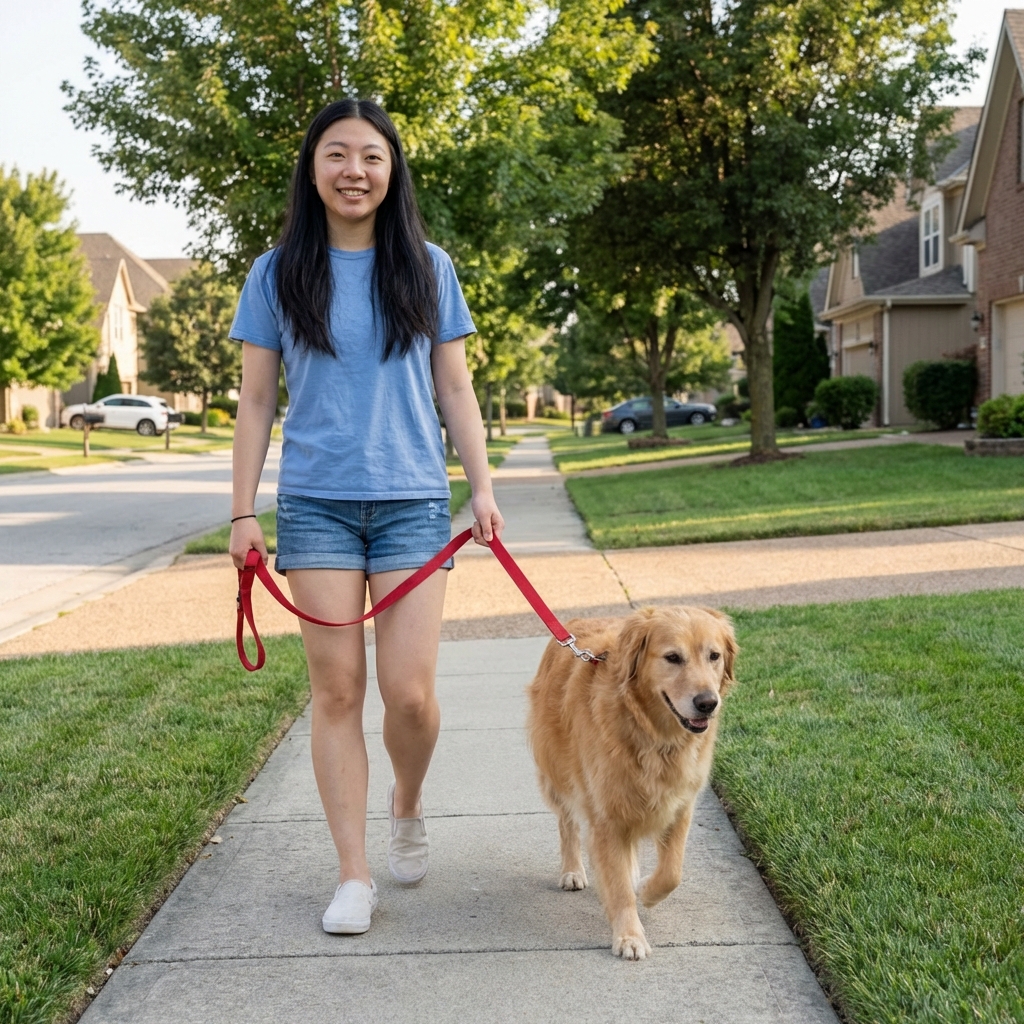
- Leash walks only, no dog parks.
- Supervised potty breaks only.
- Separate doors, crates, and barriers if there is an intact male in the home.
Myth #6: “Too young, old, or small”
Reality: Dogs can become pregnant on their first heat. Older dogs can also become pregnant as long as they are cycling. Size does not prevent pregnancy either.
If a very small female is bred by a much larger male, the pregnancy and delivery can be higher risk, including a greater chance of dystocia and a C-section. Risk depends on the size mismatch and the individual dog’s anatomy, but any pregnancy in a very young, very small, or medically fragile dog deserves early veterinary planning.
Myth #7: “Diapers prevent pregnancy”
Heat diapers can help protect your floors, but they are not contraception.
Reality: A male dog can still attempt to breed, diapers can shift, and determined dogs can remove them. Also, diapers can trap moisture, so you need to change them frequently to reduce skin irritation and infection risk.
Best use: Think of diapers as a housekeeping tool, not a safety tool.
Myth #8: “No bleeding means done”
Visible bleeding often decreases or changes color as the cycle progresses, which can trick families into relaxing too early.
Reality: Many females are most fertile when discharge lightens. Also, males may remain attracted even when you think the heat is “over.”
Practical guideline: Keep strict separation from intact males for the full heat and an additional safety buffer. When in doubt, ask your veterinarian about timing for your specific dog.
A simple safety timeline
If you do not want pregnancy, a straightforward home rule is this:
- Day 1: Count from the first day you notice bloody discharge or clear signs of heat.
- Separate for about 3 to 4 weeks total from Day 1, even if bleeding stops earlier.
This is intentionally conservative because cycles vary. If you need precise fertility timing for planned breeding, that requires veterinary testing such as progesterone testing, sometimes paired with vaginal cytology.
How to reduce pregnancy risk
What works
- Zero unsupervised outdoor time. A fenced yard is not enough if an intact male can dig, jump, or squeeze in.
- Leash only. No off-leash play, no daycare, no dog parks.
- Physical separation at home. If you have an intact male, use two barriers, for example a closed door plus a crate, whenever you cannot supervise.
- Tell your groomer or boarding facility. Many facilities will not accept dogs in heat, and for good reason.
If you think she was bred
Call your veterinarian promptly. Do not wait to “see if she gets pregnant,” and do not try home remedies. There are time-sensitive, veterinarian-supervised options that may be available depending on your dog’s health, how long ago the mating occurred, and local protocols.
Talk to your vet about spaying
If you are not planning to breed, ask your veterinarian about spaying and the best timing for your dog. Timing can be individualized based on age, breed, and health. Spaying prevents accidental pregnancy and also helps prevent serious health issues like pyometra, a life-threatening uterine infection.
When to call the vet
Please seek veterinary guidance urgently if you notice any of the following during or after heat:
- Lethargy, vomiting, fever, or loss of appetite
- Foul-smelling discharge, especially if it appears after heat
- Excessive drinking and urination
- A swollen, painful belly
- Any known or suspected mating you did not intend
Bottom line
The biggest truth I want you to take away is simple: if your dog is in heat, pregnancy is always a possibility with access to an intact male. Myths tend to focus on a narrow “safe” window, but real dogs do not read calendars.
With close supervision, smart barriers, and a quick call to your vet when something feels off, you can protect your dog’s health and avoid an accidental litter.