Vet-assistant guide to caring for a female dog in heat: choosing and changing diapers, preventing accidental breeding, smart separation, behavior support, an...
Article
•
Designer Mixes
Dog Heat Cycle Hygiene: Cleaning and Odor Tips

Shari Shidate
Designer Mixes contributor
If your female dog is in heat, you are not doing anything wrong if your house suddenly smells a little “doggier” and you’re washing bedding more than usual. As a veterinary assistant, I remind families that a heat cycle is a normal, healthy hormone event. With a few simple hygiene habits, you can keep your pup comfortable and your home fresh.
What to expect during a heat cycle
Many dogs go into heat about every 6 to 8 months, though it varies a lot by age, size, and the individual dog. Small breeds may cycle more often, and large or giant breeds may be closer to 8 to 12 months (or longer). The full cycle can last several weeks. The phase most people notice is proestrus and estrus (the “bleeding” stage and the fertile stage), when you may see swelling of the vulva and a bloody or pink-tinged discharge.
- Discharge: Often heaviest in the first week or so, then may lighten and change color. Some dogs have lighter bleeding or a shorter visible bleeding phase.
- Odor: Hormones and discharge can create a stronger scent, especially on fabrics.
- Behavior: Some dogs become clingy, restless, or extra sleepy. Many dogs lick more than usual, which can irritate skin.
If this is your dog’s first heat, it can feel surprising. The good news is that “clean and calm” routines go a long way.
Heat-cycle hygiene basics
1) Set up an easy-to-clean home base
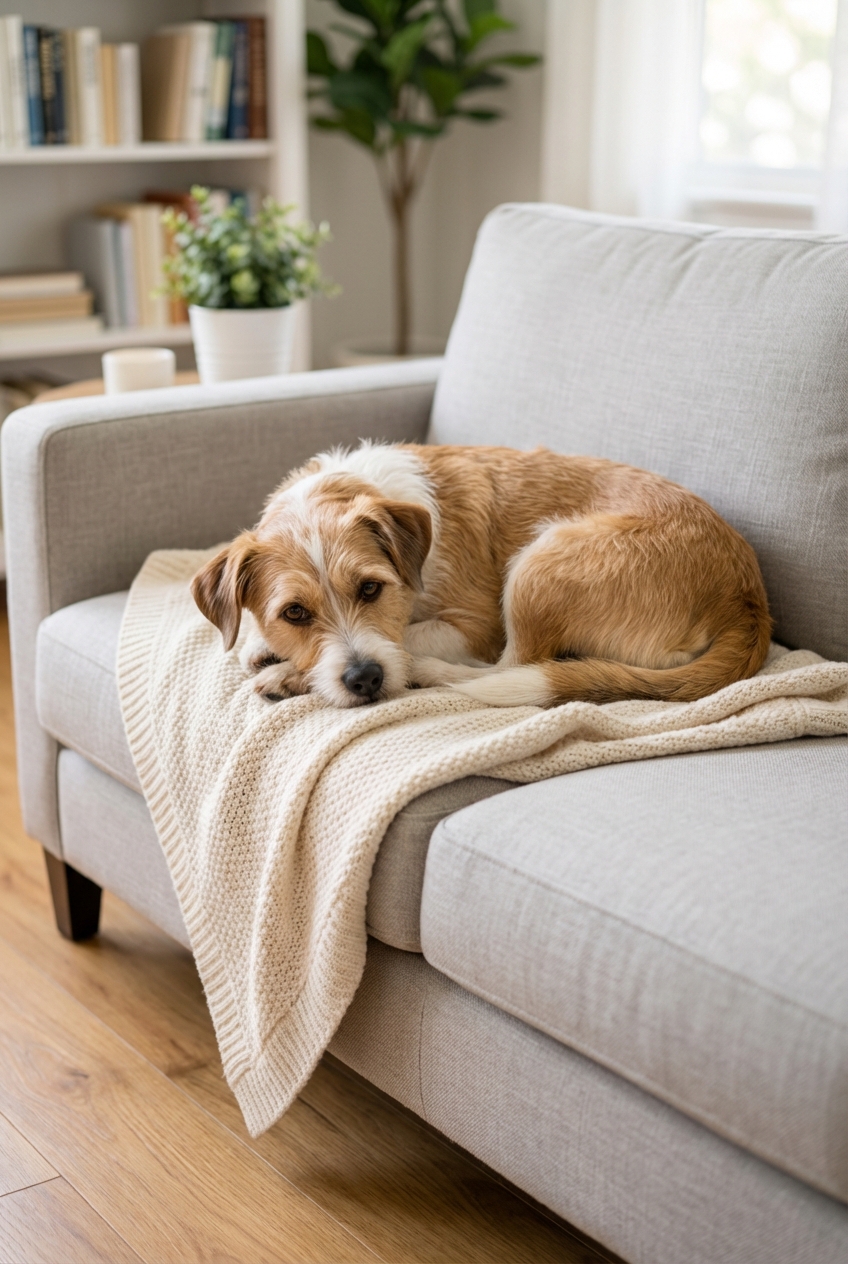
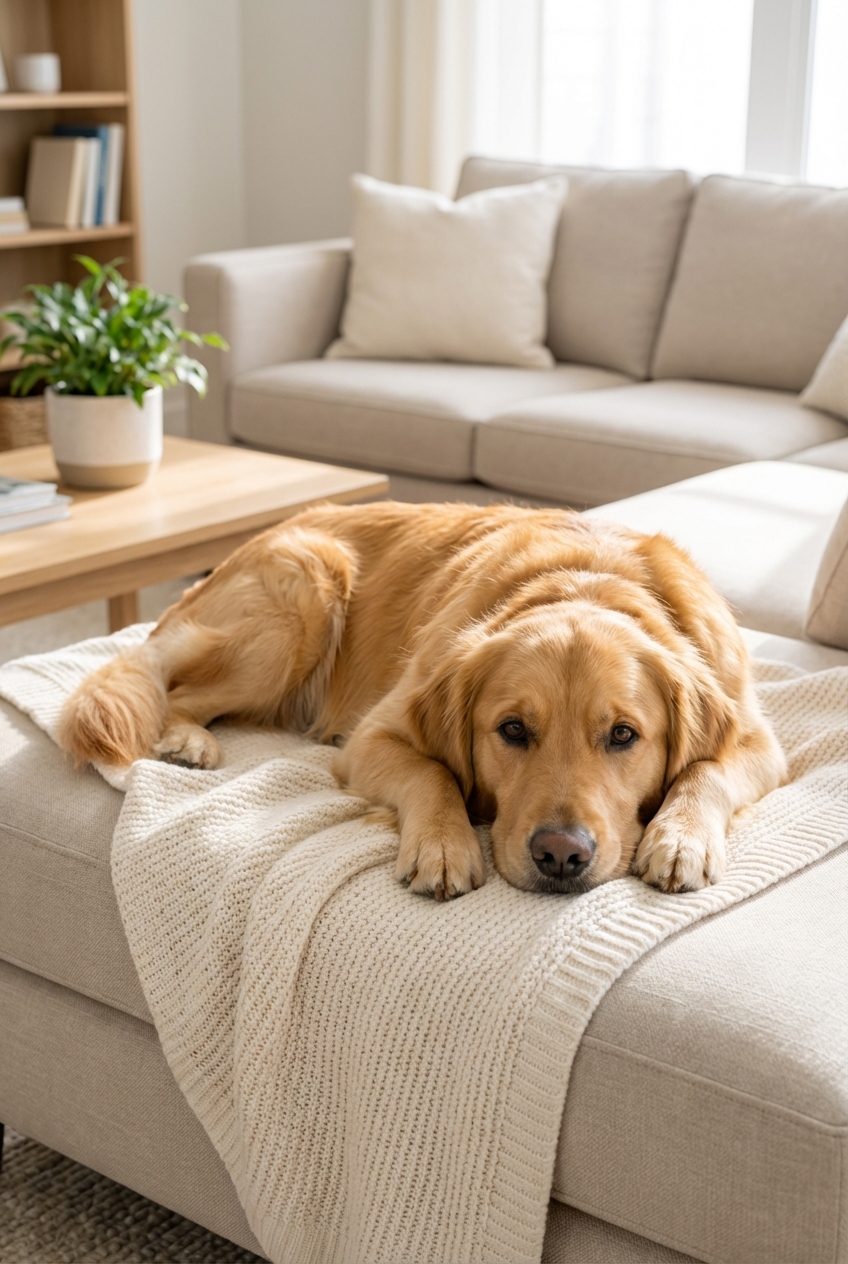
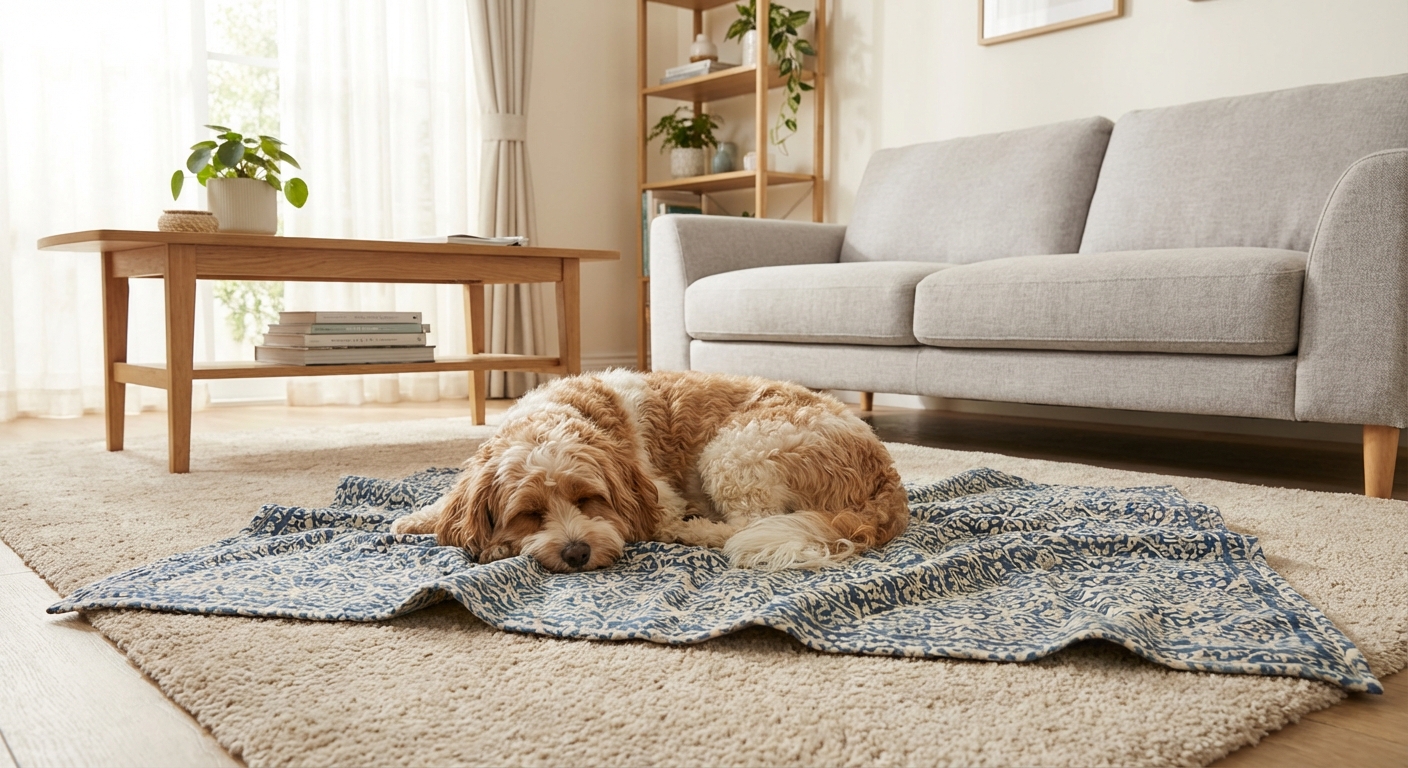
Pick a cozy area where your dog can relax, especially when you can’t supervise closely. Cover the spot with a machine-washable blanket or towel and keep a backup set ready.
- Use light-colored bedding so you can see discharge and change it promptly.
- Place a washable throw over the couch if your dog is allowed on furniture.
- Consider a waterproof liner under bedding for senior dogs or heavy bleeders.
2) Use heat diapers safely
Heat diapers can protect floors and furniture, but they work best when used safely.
- Fit matters: Snug but not tight. You should be able to slide two fingers under the waistband.
- Check often: Look every few hours and change promptly when damp or soiled.
- Skin check: Watch for redness, rubbing, or trapped moisture around the vulva and inner thighs.
- Supervise: Some dogs chew diapers. If that’s your pup, switch to a recovery suit style garment or use blankets and supervision instead.
Important: Diapers are for indoor mess control, not for preventing pregnancy. A determined male can still breed a female in heat even with a diaper on. The only reliable prevention is strict separation and supervision (and spaying, when appropriate).
3) Gentle wipe-downs
A warm, damp cloth works well for quick cleanups. If you prefer wipes, choose unscented pet wipes and avoid alcohol or heavy fragrance, which can sting.
- Wipe the vulva and surrounding fur gently, then pat dry.
- Trim long hair around the sanitary area if your dog has a fluffy coat (ask your groomer for a sanitary trim).
- Discourage over-licking if the skin looks irritated. A cone or recovery collar may help short-term.
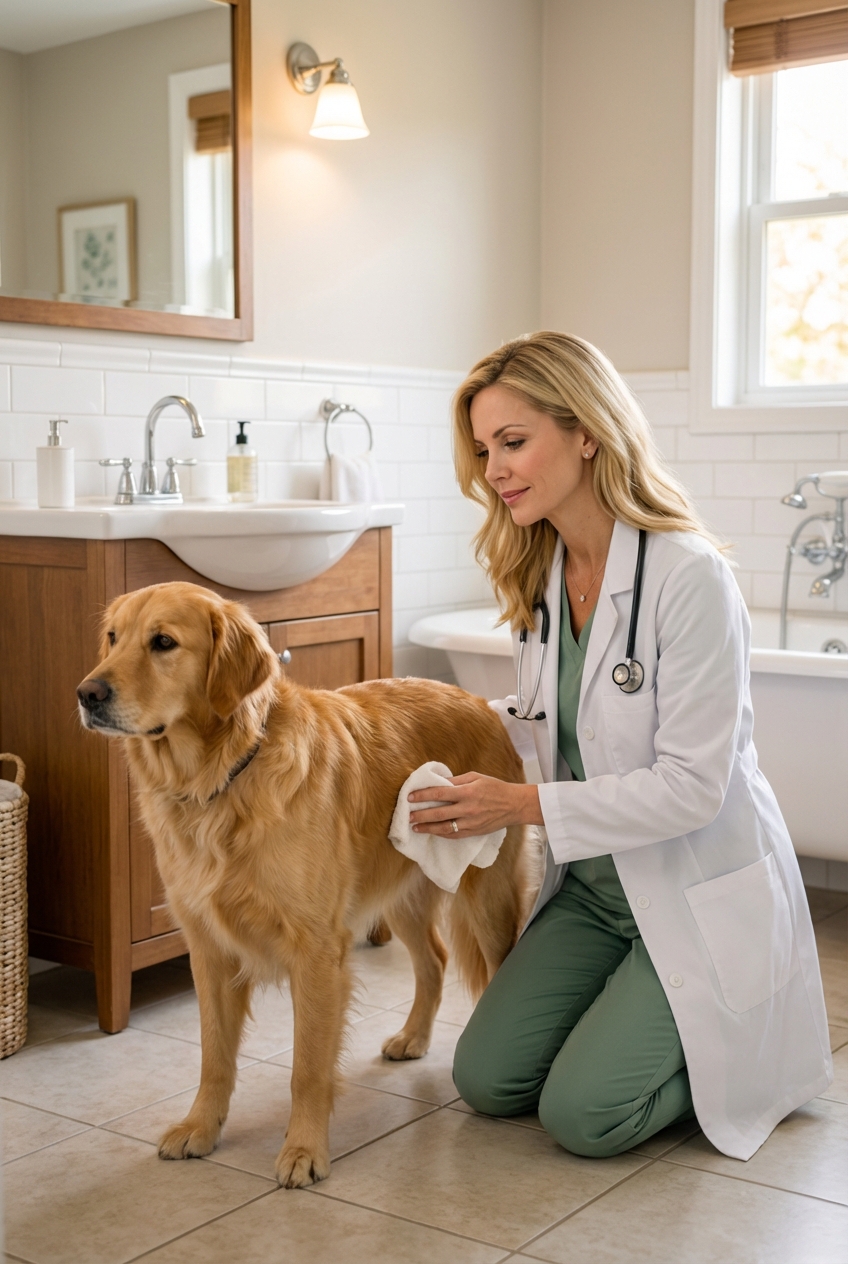
4) Quick cleanup after potty breaks
During heat, many dogs urinate more frequently and may mark. A quick paw wipe and a light belly wipe after going outside helps reduce tracked-in odor, especially in rainy or muddy weather.
5) Bathing is usually fine
Many dogs can have a gentle bath during heat if needed. Use a mild dog shampoo, rinse well, and dry thoroughly. Avoid frequent, harsh bathing that can dry out skin. If your dog seems sore, very itchy, or the skin looks inflamed, check with your veterinarian before bathing or applying any product.
How to reduce odor at home
Wash fabrics first
Hormone-related odor clings to bedding, blankets, and dog beds. If your dog’s items are washable, frequent laundering is the fastest way to get ahead of the smell.
- Pre-rinse: Rinse soiled fabric in cool water before washing.
- Enzyme help: Use a pet-safe enzymatic laundry additive if odor lingers.
- Dry fully: Damp fabric holds odor. Dry completely before putting items back.
Use enzyme cleaners for spots
If discharge lands on tile, laminate, or carpet, an enzymatic cleaner is usually your best bet. Some families avoid ammonia-based cleaners because the smell can resemble urine and may encourage marking in certain dogs.
- Blot first (do not rub).
- Apply an enzymatic cleaner and let it sit for the full contact time listed on the label.
- Rinse or wipe up as directed.
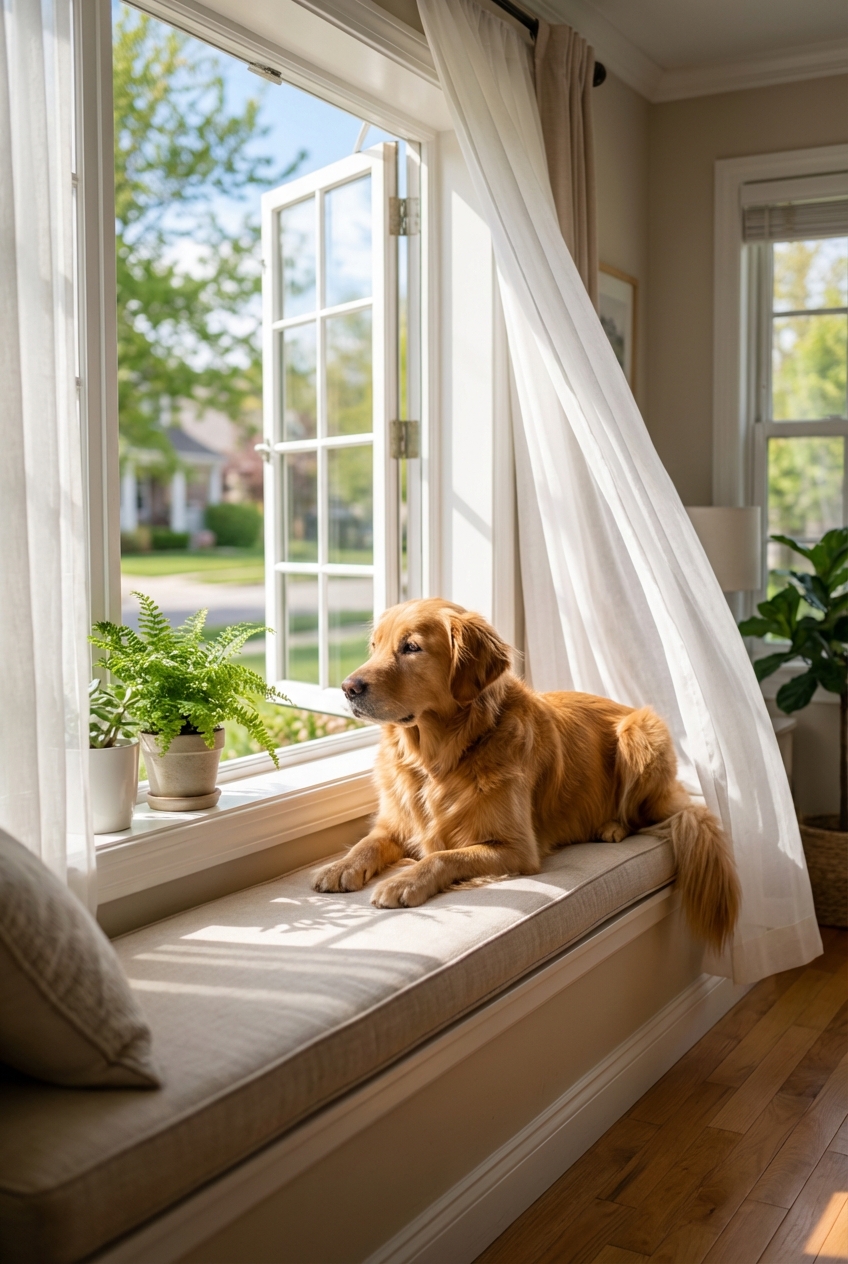
Ventilation beats heavy fragrance
Instead of masking smells with strong sprays, focus on airflow.
- Open windows when weather allows.
- Run a HEPA air purifier in the room your dog uses most.
- Change HVAC filters on schedule.
Be cautious with air fresheners
Strong fragrances can bother pets, and some essential oils can be irritating or unsafe for dogs. If you use any scented product, keep it minimal, keep your dog away from direct exposure, and choose pet-safe options.
Simple deodorizing for dog spaces
- Vacuum frequently, especially around baseboards where hair collects.
- Wash dog toys that are machine-safe.
- If you use baking soda on carpets, use it lightly and vacuum thoroughly. Avoid letting your dog lick or inhale piles of it.
Keep your dog comfortable
Prevent moisture buildup
Moisture plus friction can cause irritation. If your dog wears diapers or has a thick coat, give her diaper-free breaks in an easy-to-clean space so the skin can breathe.
Support healthy skin
If the area looks inflamed, talk to your veterinarian before using any topical product. Many human creams are not designed for pets and can be harmful if licked.
Hydration and potty access
Some females ask to go outside more often. Keep water available and offer more frequent potty breaks to reduce accidents and stress.
What is normal and what is not
- Usually normal: Pink to red discharge that gradually lightens, mild “heat” odor, mild swelling, and a temporary change in appetite or energy.
- Call your vet: Discharge that turns green, yellow, gray, or pus-like, a suddenly foul or rotten smell, significant pain, or your dog seems truly unwell.
Cleaning checklist
- Change diaper or bedding: check every few hours and change when damp
- Wipe sanitary area: 1 to 3 times daily as needed
- Launder blankets and covers: every 1 to 3 days
- Wash dog bed cover: weekly (or more often for heavy discharge)
- Enzyme-clean any spots: same day
- Vacuum high-traffic areas: 2 to 4 times weekly
When to call your vet
Heat cycles come with a scent, but certain changes should prompt a veterinary call. Watch closely for:
- Foul, rotten, or “infected” odor that is stronger than typical heat odor
- Green, yellow, gray, or pus-like discharge
- Lethargy, fever, vomiting, loss of appetite
- Excessive drinking and urination paired with illness signs
- Swollen abdomen or clear pain
One condition we take very seriously is pyometra, a uterine infection that can occur in intact females, typically within weeks to a couple months after a heat (but it can happen at other times, too). It can become life-threatening quickly. If something feels “off,” err on the side of caution and call your vet or an emergency clinic.
Managing male dog attention
Even with perfect cleaning, male dogs may be extra interested during this time. For sanity and safety:
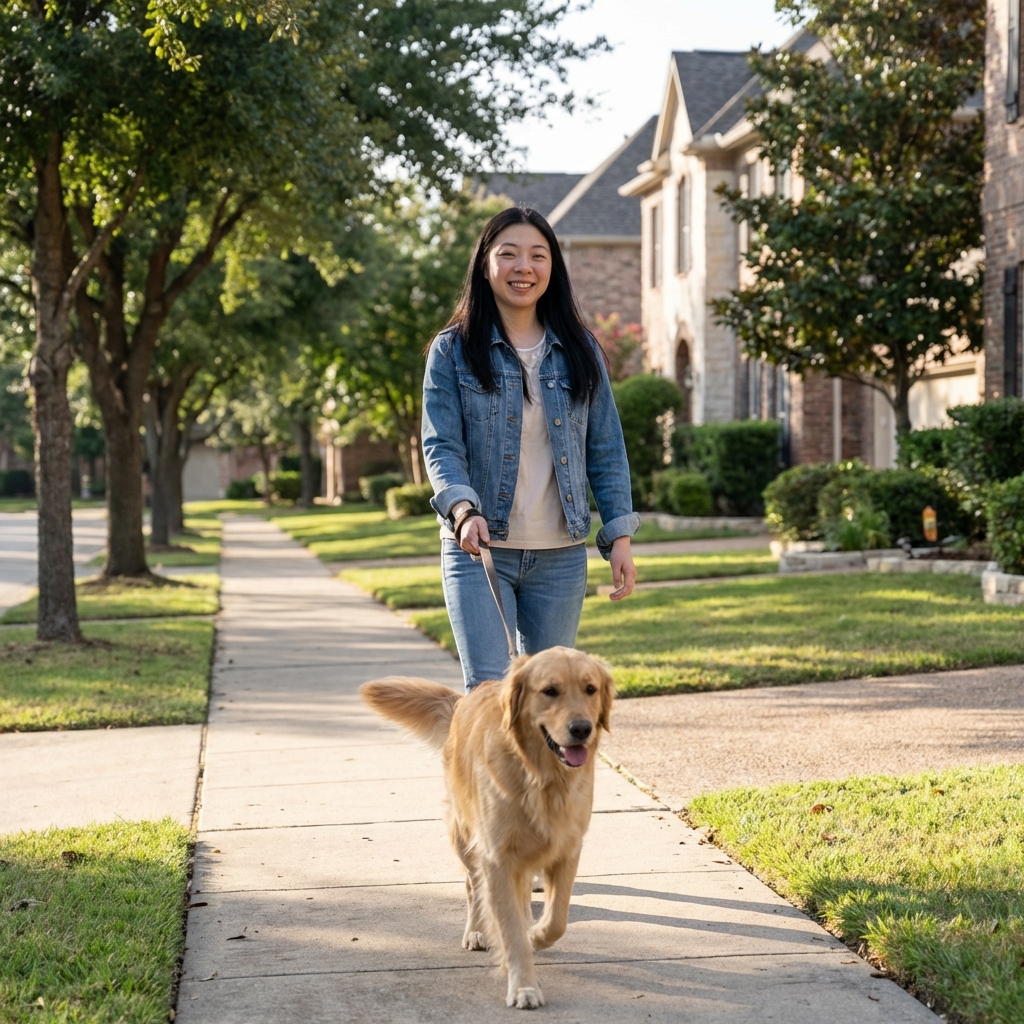
- Supervise outdoor time and keep your dog on leash in unfenced areas.
- Separate intact males and females in the home with closed doors and secure barriers.
- Avoid dog parks and crowded pet stores during the fertile part of the cycle.
Mating can happen very quickly, even during a brief lapse in supervision. This is why heat-cycle hygiene is not only about smell. It’s also about preventing accidental breeding and reducing stress for everyone.
Spaying and timing
If you’re considering spaying, your veterinarian can help you choose the best timing for your dog based on breed, size, lifestyle, and health history. Many clinics prefer spaying when a dog is not actively in heat, since blood flow to the reproductive tract can be higher during estrus.
In the meantime, a heat cycle is manageable. With clean bedding, frequent changes, enzyme cleaners, gentle wipe-downs, and good ventilation, most families find they can keep their home fresh and their dog comfortable.