Know what to expect during your dog’s first heat: typical age and timing, the 4 stages, bleeding and behavior changes, how to prevent pregnancy, and red fl...
Article
•
Designer Mixes
Dog Heat Cycle Behavior Changes: What to Expect

Shari Shidate
Designer Mixes contributor
If your female dog is going into heat for the first time, the behavior shifts can feel sudden and, honestly, a little confusing. One day she is her usual self, and the next she is clingy, restless, vocal, or attracting attention from every male dog in the neighborhood. The good news is most heat-related behaviors are normal, temporary, and manageable once you know what is happening in her body.
As a veterinary assistant in Frisco, Texas, I have talked with many families who thought their dog was “acting weird” only to realize she was entering her estrus cycle. Let’s walk through what to expect, what is normal, and when it is time to call your vet.
Quick overview: heat cycle stages
A dog’s heat cycle (estrous cycle) is divided into stages, and behavior changes often match these phases. Timing varies by dog, but here is the typical pattern:
- Proestrus: often about 7 to 10 days. Swelling of the vulva and bloody discharge often begin. Many females are not receptive to mating yet.
- Estrus: often about 5 to 10 days. This is the fertile window. Discharge often becomes lighter or watery. Many females become receptive to males.
- Diestrus: typically around 60 days. Hormones shift back down whether she becomes pregnant or not.
- Anestrus: a resting phase that varies widely and can last several months before the next cycle.
Most dogs cycle every 4 to 12 months, with many around the 6 month mark. Smaller dogs can cycle more frequently, and large or giant breeds may cycle less often. First heats can be irregular.
First heat timing
Many dogs have their first heat somewhere between 6 and 18 months, depending on breed and size. If your dog seems to be coming into heat very early, hasn’t had a first heat by the time you expected, or you are unsure what you are seeing, it is a good idea to check in with your veterinarian.
Behavior changes you may notice
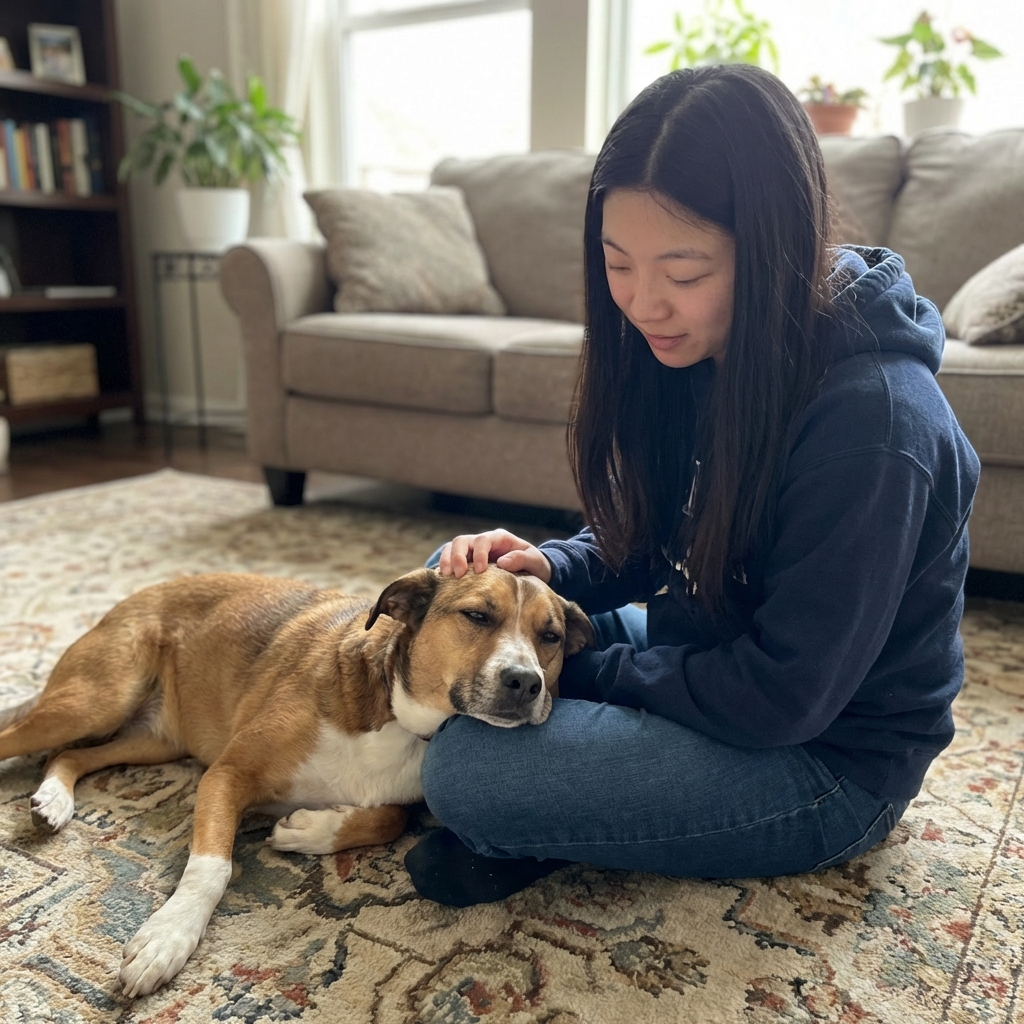
1) Clinginess or extra affection
Many dogs want more attention during proestrus and estrus. Hormonal changes can make them seek comfort and reassurance. You might notice shadowing you around the house, leaning into you, or wanting to sleep closer than usual.
2) Restlessness and pacing
It is common to see pacing, difficulty settling, or a “busy” feeling. Some dogs repeatedly change sleeping spots, ask to go outside more often, or seem generally unsettled.
3) Increased urination and marking
Frequent urination is one of the most common changes. During heat, urine contains pheromones that signal her reproductive status. Some females also mark like a male dog, leaving small amounts of urine in multiple locations during walks.
4) Tail flagging and receptive posture
During estrus, many females will move their tail to the side when touched near the hindquarters (often called “flagging”). This can look startling if you have never seen it, but it is a typical sign she is receptive to mating.
5) Vocalizing or “talking back”
Some dogs whine, howl, or seem more reactive to noises. This is often part of the restless, hormonally-driven behavior changes, especially when they can smell male dogs nearby.
6) Moodiness or irritability
Not every dog becomes sweeter. Some become more sensitive about being touched, especially around the back end. You may see mild grumpiness with other pets, resource guarding, or a preference for personal space.
7) Escaping behavior
This is the biggest safety concern I see in real life. A female in heat can become highly motivated to get out, and intact males can become equally motivated to get in. Digging, jumping, door-dashing, or chewing through barriers can happen.
8) Changes in appetite
Some dogs eat less, while others eat more. Mild appetite changes are common. If she refuses food for more than 24 hours, seems nauseated, or is losing weight, it is worth checking in with your veterinarian.
9) Extra grooming
Many females lick their vulva more often due to swelling and discharge. Some licking is normal. Excessive licking, foul odor, or significant discomfort is not.
Discharge and swelling: what is normal?
Most dogs have:
- Vulvar swelling that begins in proestrus
- Bloody discharge early on, often becoming lighter in estrus
- Drips or spotting on bedding or floors, depending on how much she cleans herself
Call your vet if you notice discharge that is thick, pus-like, yellow-green, has a strong foul odor, or if your dog is acting sick. Those are not typical heat signs and can indicate infection.
How long do changes last?
Most noticeable behavior changes occur during proestrus and estrus, often lasting 2 to 3 weeks total. Some dogs remain a little “off” for a short time after, but you should see a gradual return to normal routine.
One important note: even when bleeding seems to stop, she may still be fertile for a period. This is why timing alone is not reliable for preventing pregnancy.
How long to keep her away from males
For most families, the safest rule of thumb is to keep her fully separated from intact males from the first day you notice vulvar swelling or bleeding until at least 3 weeks later. Some dogs need a bit longer. If you are trying to be extra cautious, talk with your vet about heat timing or testing, but most people manage it with strict separation and supervision.
Helping your dog during heat
Keep her secure
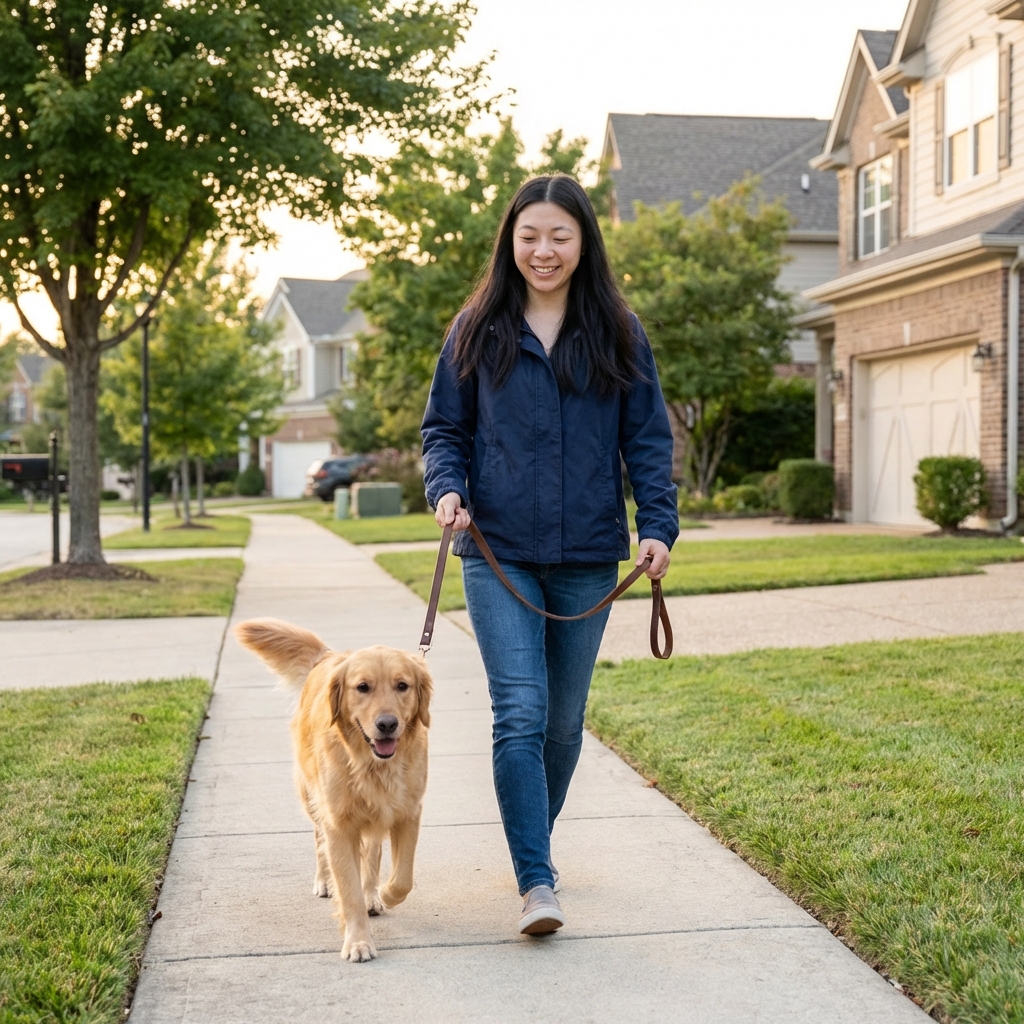
- Use a leash every time you go outside, even in your own yard if it is not escape-proof.
- Check fences and gates daily.
- Supervise potty breaks. Do not leave her outside unattended.
Modify walks
- Choose quieter times and less busy routes.
- Avoid dog parks and daycare. Most facilities do not allow females in heat for good reason.
- If an intact male appears, calmly increase distance and exit the area.
Use heat underwear if needed
Dog heat panties can help protect your home from spotting, but they are not a substitute for supervision and they do not prevent mating. Change liners frequently and let the area breathe when you can to reduce skin irritation. I also do not recommend relying on them during walks, since males can still mount.
Provide calm enrichment
- Food puzzles, snuffle mats, and chew-safe enrichment can help with restlessness.
- Gentle training sessions can give her brain a job without overexciting her.
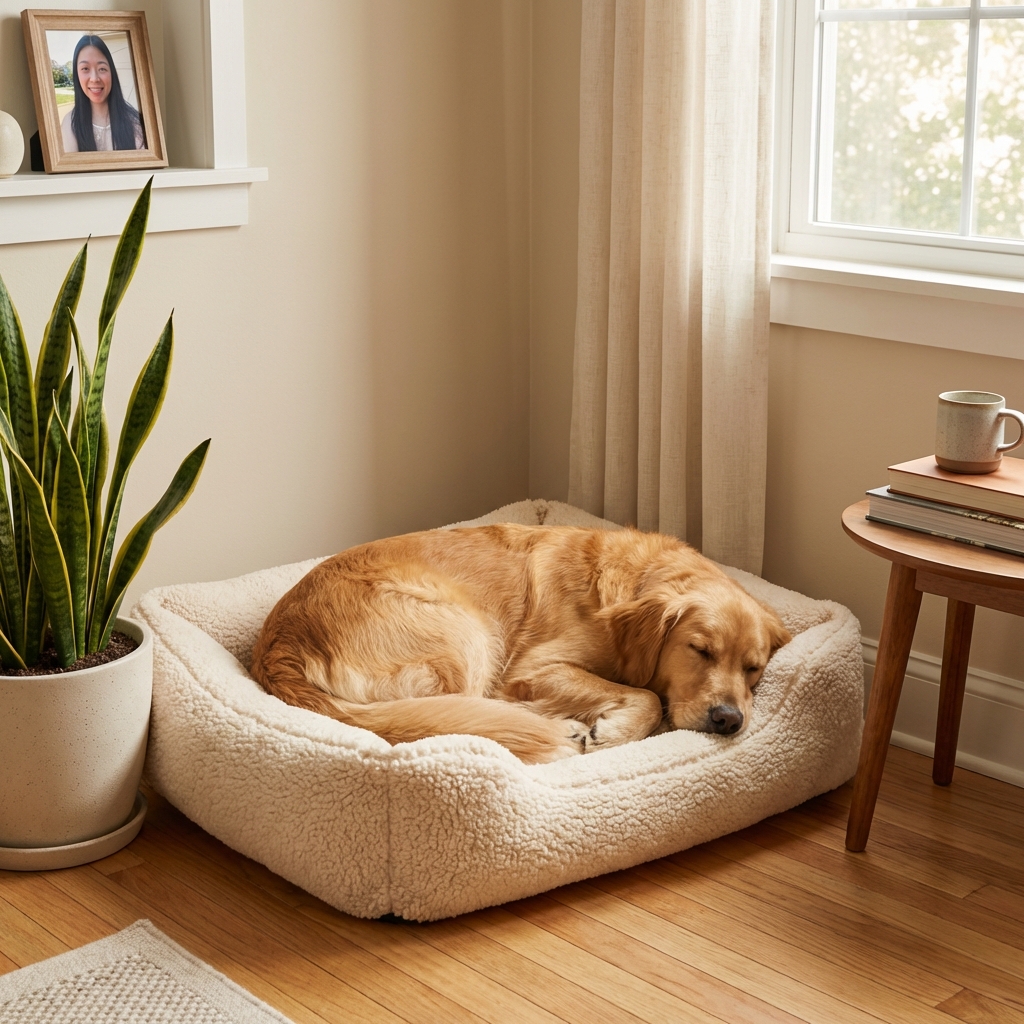
- Offer a quiet, comfy resting spot away from other pets if she seems irritable.
Stick to routine
Consistent mealtimes, bedtime, and predictable calm activities can reduce anxiety and help her settle.
When to call the vet
Heat itself is not an illness, but some serious conditions can look like “normal” cycle issues at first. Contact your veterinarian promptly if you notice:
- Lethargy, weakness, or collapse
- Vomiting, diarrhea, or refusal to eat
- Excessive drinking and urination beyond what seems typical
- Fever or obvious abdominal pain
- Foul-smelling discharge or pus-like discharge
- Heavy bleeding or bleeding that seems to worsen
- Heat signs in a dog that may have been spayed (rare, but needs evaluation)
One condition we worry about in intact females is pyometra, a uterine infection. It most commonly appears in the weeks after a heat cycle, but it can occur at other times too. Some dogs have obvious discharge (open pyometra), and some have no discharge at all (closed pyometra). Either way, it can become life-threatening quickly, so any “she seems sick” concern deserves a vet call.
Preventing pregnancy
If you do not intend to breed your dog, prevention is all about management and planning.
- Assume she can become pregnant during the heat cycle, even if bleeding looks lighter or seems to stop.
- Keep her separated from intact males from the first day you notice heat signs until at least 3 weeks later (or your vet advises otherwise).
- Never rely on diapers, supervision by children, or a fenced yard alone.
- Use real barriers like closed doors, crates, and secure gates. Male dogs can be extremely persistent.
If an accidental mating occurs, contact your veterinarian right away to discuss options and timing. The earlier you call, the more choices you may have.
Spaying questions
Spaying prevents heat cycles and accidental litters. It also significantly reduces the risk of pyometra and may reduce mammary tumor risk, especially when performed before repeated heat cycles. The best timing for spay can vary by breed, size, and health history, so it is worth having a personalized conversation with your veterinarian.
If your dog is currently in heat, many clinics prefer to wait until she is out of heat for spay surgery due to increased blood flow to the reproductive tract, but your vet will guide you based on her situation.
FAQs
Is my dog in pain?
Most dogs are not in pain, but they can feel uncomfortable from swelling and hormonal shifts. Watch for signs of true pain like crying out, hunched posture, unwillingness to sit, or guarding the abdomen, and call your vet.
Can I bathe my dog?
Yes, a gentle bath is fine if she tolerates it well. Keep the vulvar area clean and dry afterward. Avoid heavily scented products that may irritate skin.
Why is my dog humping?
Humping can be excitement, stress relief, or hormone-driven behavior. Redirect calmly to a toy or a short training activity. Avoid punishment, since it can increase anxiety.
The takeaway
Behavior changes during a dog’s heat cycle can include clinginess, restlessness, frequent urination, mood shifts, and strong escape motivation. Most of these changes are normal and temporary, but they require extra supervision and secure containment to prevent accidental pregnancy.
If something feels “off” beyond typical heat signs, trust your instincts and call your veterinarian. You know your dog best, and it is always okay to ask questions.