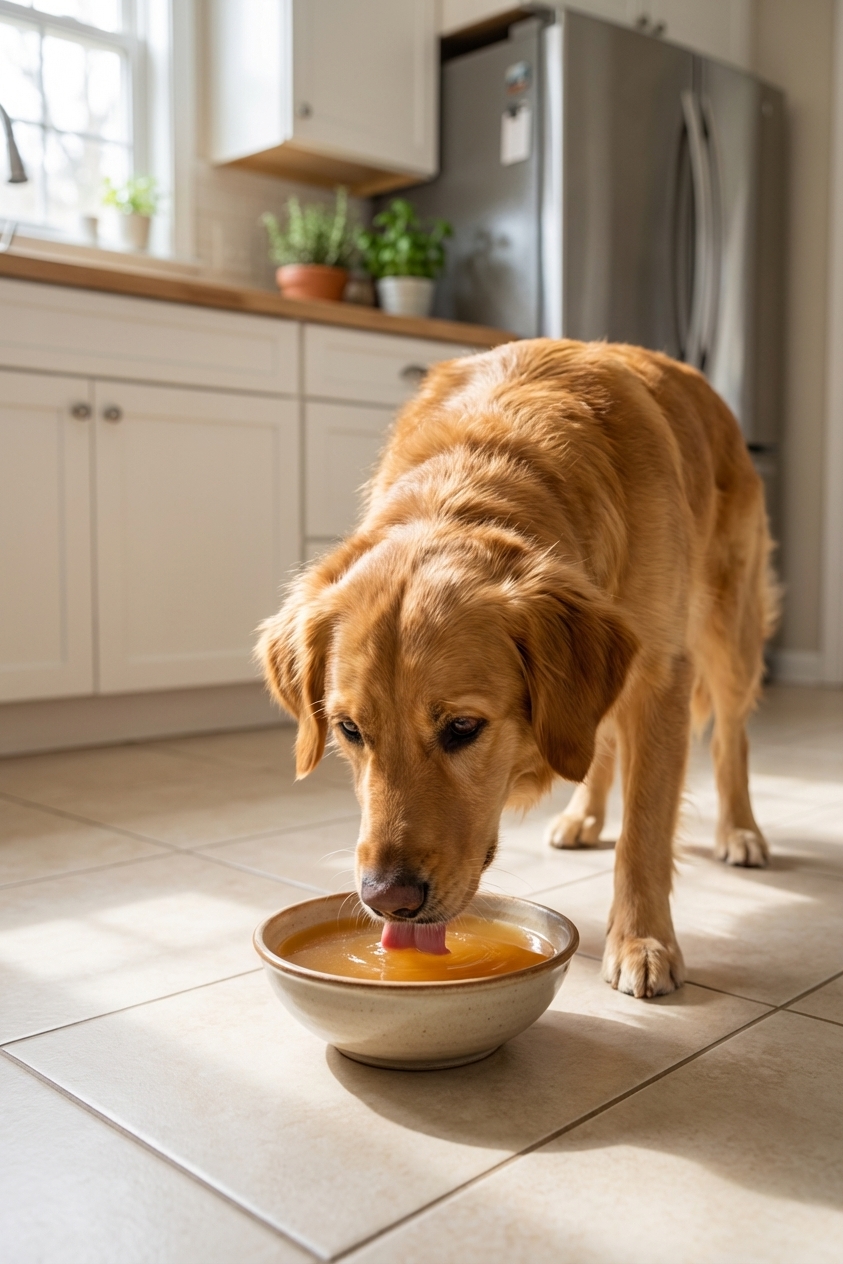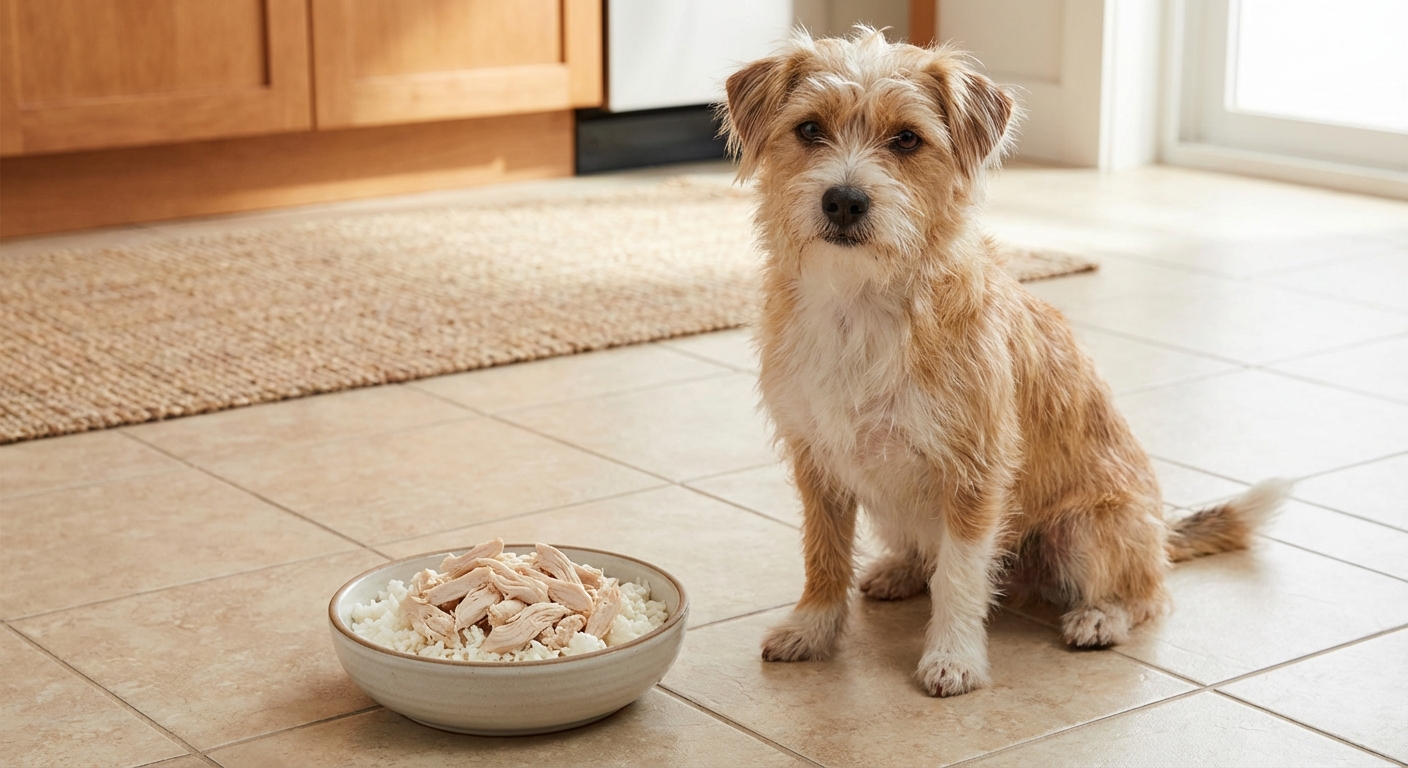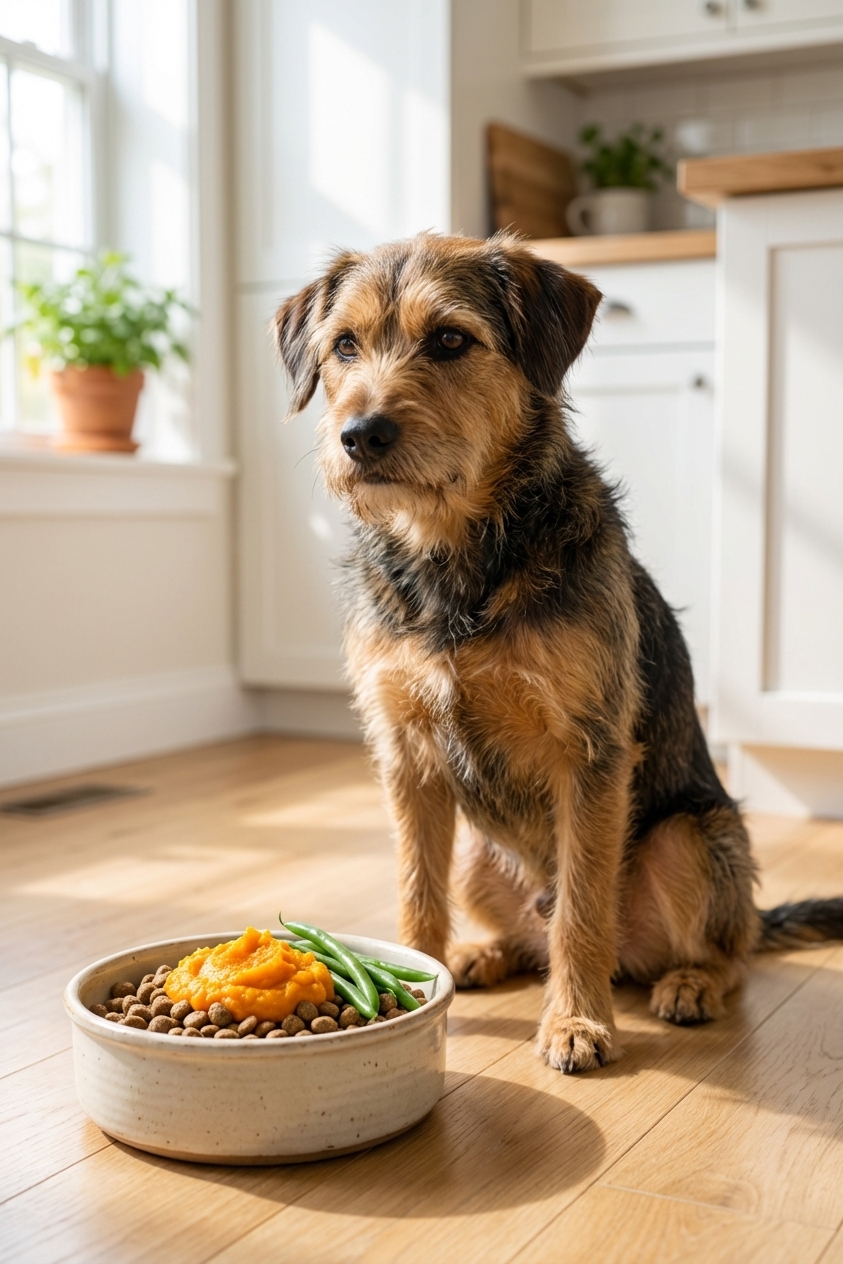
Make meals more tempting and nutritious with simple dog food toppers: bone broth, cooked eggs, sardines, pumpkin, and steamed veggies—plus portions, storag...
Article
•
Designer Mixes
Dog Heat Cycle Appetite Changes: Normal or Not

Shari Shidate
Designer Mixes contributor
When a female dog goes into heat, many pet parents notice the same thing right away: her appetite shifts. Some dogs suddenly act hungrier than usual, while others turn their noses up at meals they normally love.
Most of the time, these appetite changes are normal and tied to hormone fluctuations, stress, and routine disruption. They are usually mild and short-lived. But there are also situations where appetite changes during heat can signal a problem that deserves a call to your veterinarian.

As a veterinary assistant, I always tell pet parents: appetite changes can be expected in heat, but dehydration, vomiting, lethargy, or a dog who seems unwell is not something to brush off.
Quick heat cycle refresher
A dog’s heat cycle is often called the estrous cycle. Many dogs cycle about every 6 months on average, but it can vary widely (roughly every 4 to 12 months) based on age, breed, and size. Larger and giant breeds often have longer gaps between cycles.
- Proestrus (typically about 3 to 17 days): swelling of the vulva, bloody discharge, behavior changes. Most females are not ready to mate yet.
- Estrus (typically about 3 to 21 days): discharge often becomes lighter, and she is fertile and receptive to mating.
- Diestrus (about 50 to 80 days): hormones shift again whether she is pregnant or not. Some dogs show “false pregnancy” behaviors.
- Anestrus (months): a quieter resting phase before the next cycle.
Appetite can change during any of these phases, especially in proestrus and diestrus.
Is appetite change during heat normal?
Yes, it is common for dogs to eat less or occasionally eat more during heat. Think of it like a whole-body hormone event: estrogen and progesterone can influence mood, sleep, activity, digestion, and thirst.
Common normal patterns
- Decreased appetite: the most common. Some dogs skip a meal or eat smaller portions for several days.
- Picky eating: they want treats, table food, or only certain textures.
- Increased appetite: can happen, especially later in the cycle or during diestrus when progesterone is higher.
- Different eating schedule: they may graze, eat late, or act distracted at the bowl.
If your dog is otherwise bright, alert, drinking water, and not showing signs of illness, mild appetite changes are usually just part of the cycle.
Why dogs eat less during heat
There are a few simple reasons many females eat less while in heat.
Hormonal effects
Rising estrogen may affect appetite and digestion. Some dogs seem mildly nauseated or simply less interested in food.
Stress and distraction
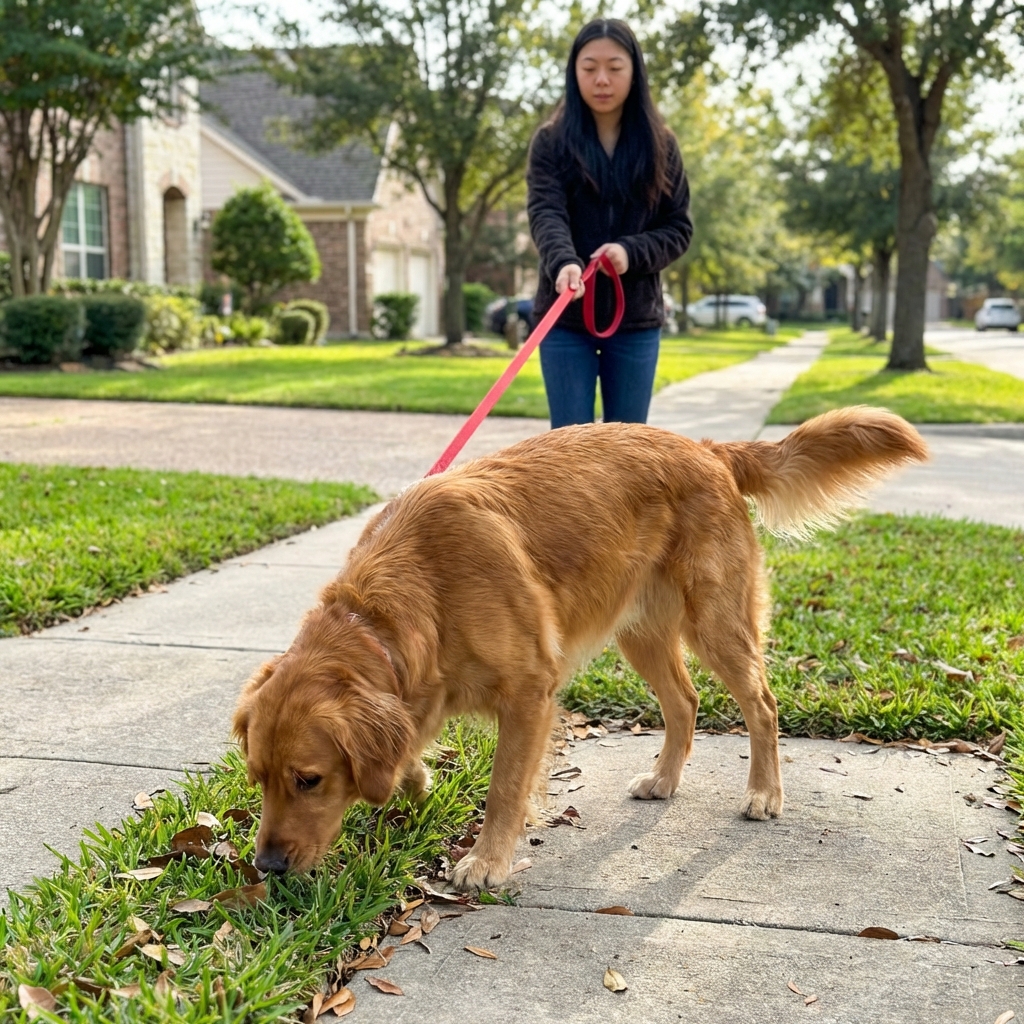
Many dogs feel restless during heat. They may pace, whine, seek attention, or be more focused on smells and the environment than on dinner.
Change in routine
During heat, families often adjust walks, keep dogs separated, or limit outings. Even small routine shifts can affect appetite, especially in sensitive dogs.
Why some dogs eat more during heat
Some females do the opposite and seem extra hungry. That can be normal too.
- Energy needs shift: restlessness and increased movement can increase calorie demand.
- Progesterone influence: later in the cycle, progesterone can increase appetite in some dogs.
- Comfort eating: if a dog feels anxious, she may seek food more often.
The key is looking at the whole picture: energy level, hydration, stool quality, and overall comfort.
What is not normal: red flags to watch for
Because heat brings discharge and behavior changes, it can mask early illness. Reach out to your veterinarian promptly if you notice any of the following, especially if appetite loss lasts more than a day or two.
Call your vet if your dog has:
- Vomiting or repeated gagging
- Diarrhea or black, tarry stool
- Not drinking water or signs of dehydration (dry gums, sunken eyes, weakness)
- Marked lethargy or seems “off” beyond normal heat behavior
- Fever (warm ears can be misleading, temperature is the real measure)
- Abdominal swelling or pain
- Foul-smelling discharge or discharge that becomes thick, yellow, green, or pus-like
- Unusually heavy bleeding, pale gums, or weakness
- Excessive panting when she is not hot or active
- Loss of appetite for more than 48 hours, or any appetite loss in a very small dog, senior, or dog with medical conditions
Discharge: what is normal
Some bloody discharge is expected in proestrus and can become lighter during estrus. What is not expected is a bad odor, pus-like discharge, or a dog who seems sick.
A special warning: pyometra
Pyometra is a life-threatening uterine infection that most often occurs weeks after heat (commonly in diestrus), but families may connect it to the heat cycle because the timeline is close.
Signs can include decreased appetite, lethargy, drinking more, vomiting, and sometimes discharge. Some dogs have a “closed” pyometra with no discharge.
If your dog recently finished heat and suddenly stops eating or seems sick, treat it as urgent.
How long can appetite changes last?
Many dogs show appetite changes for a few days. Some will be picky off and on through proestrus and estrus.
As a general guideline for a healthy adult dog:
- 1 skipped meal: can be normal if she is otherwise acting okay and drinking.
- More than 24 hours of not eating: check in with your vet, especially for small breeds or dogs prone to low blood sugar.
- More than 48 hours: deserves veterinary guidance, even if she is still drinking.
What you can do at home
If your dog seems well but her appetite is off during heat, these gentle strategies often help.
Keep meals simple and consistent
- Offer her normal food first.
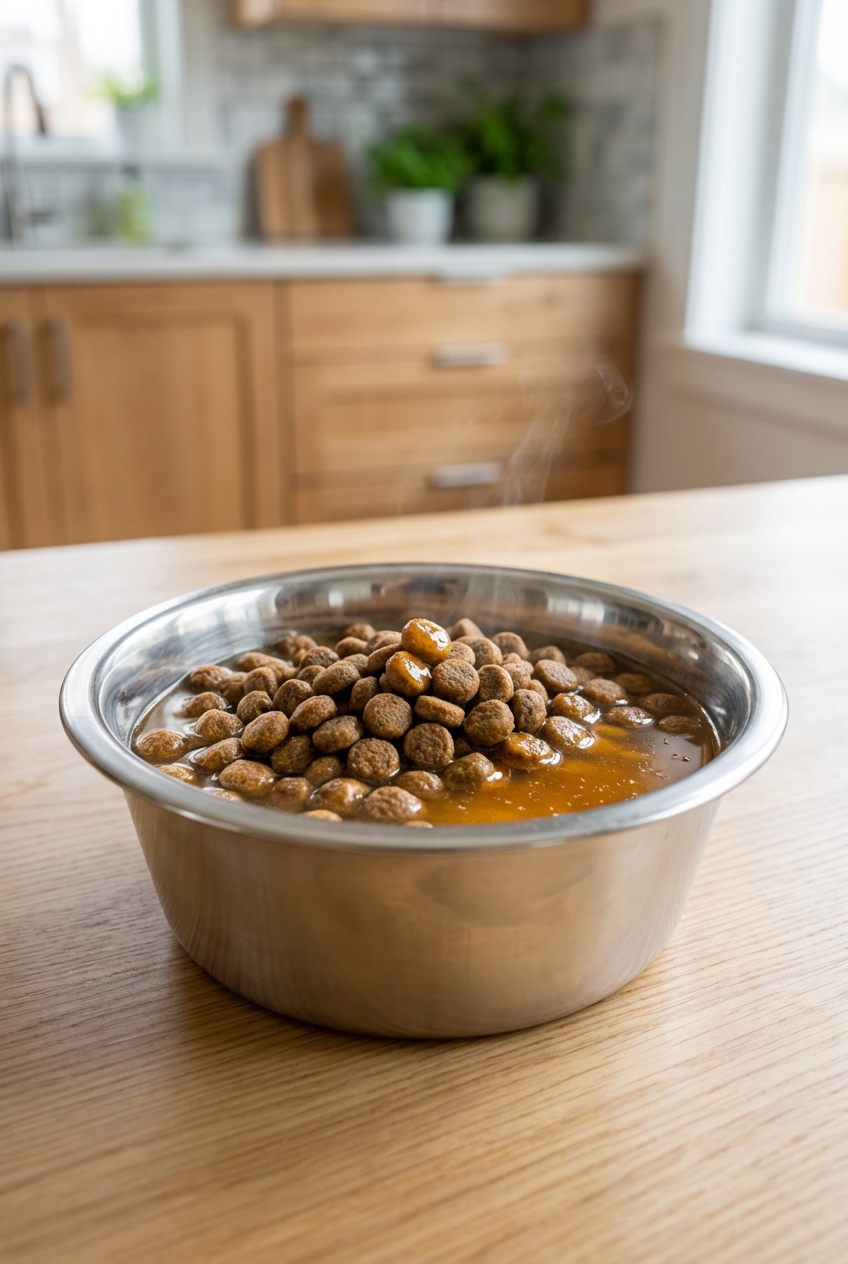
- Warm the food slightly to increase aroma.
- Try smaller meals twice or three times daily.
Support hydration
- Make sure fresh water is always available.
- Consider adding a splash of warm water or low-sodium broth to meals if your vet says it is okay.
Choose calm over pressure
A stressed dog will not eat well. Keep the feeding area quiet and avoid hovering. If she walks away, remove the bowl and try again later.
Watch the treats
During heat, it is easy to accidentally create a picky eater by offering lots of treats when she refuses meals. If you use treats, keep them small and purposeful.
Track the basics
For a few days, jot down:
- How much she ate
- Water intake
- Energy level
- Stool quality
- Any vomiting
- Discharge changes and odor
This simple log is incredibly helpful if you end up calling your vet.
Should you change her diet?
In most healthy dogs, you do not need a full diet change just because she is in heat. Sudden food switches can cause digestive upset, which makes the situation more confusing.
If she is eating less, focus on palatability and routine rather than a brand-new diet. If you are considering adding fresh foods, do it slowly and keep portions modest.
If your dog has ongoing appetite problems every cycle, talk with your veterinarian. Repeated significant appetite loss is worth investigating for underlying issues like gastrointestinal sensitivity, pain, hormonal problems, or stress-related behavior.
If mating may have happened
If your intact female had any chance of exposure to an intact male during this heat cycle, pregnancy is possible. Appetite changes later on can also overlap with diestrus and false pregnancy signs, so it is worth checking in with your veterinarian about timing, next steps, and when pregnancy testing would be accurate.
Spaying and appetite changes
Spaying prevents heat cycles and pregnancy, and it greatly reduces the risk of pyometra. In most cases, it eliminates the risk entirely, although rare stump infections can occur if any uterine tissue remains.
Spaying may also reduce the risk of mammary tumors, particularly when done before multiple heat cycles. Timing is individualized, so it is best to have a conversation with your veterinarian about what is right for your dog’s age, breed, and health.
One note: after spaying, some dogs have a tendency toward weight gain. That does not mean spaying is “bad,” it just means we may need to adjust calories and activity.
When in doubt, trust your instincts
You know your dog best. If her appetite change feels out of character, she seems painful, her discharge smells foul, or her energy drops significantly, it is always appropriate to call your veterinarian. A quick phone call can help you decide if home monitoring is safe or if she needs to be seen.