Worried about a vomiting dog? Learn when vomiting is an emergency, how to offer small sips safely, and the best bland foods (chicken/rice, turkey, pumpkin, e...
Article
•
Designer Mixes
Dog Has Yellow Vomit: Step-by-Step Guide

Shari Shidate
Designer Mixes contributor
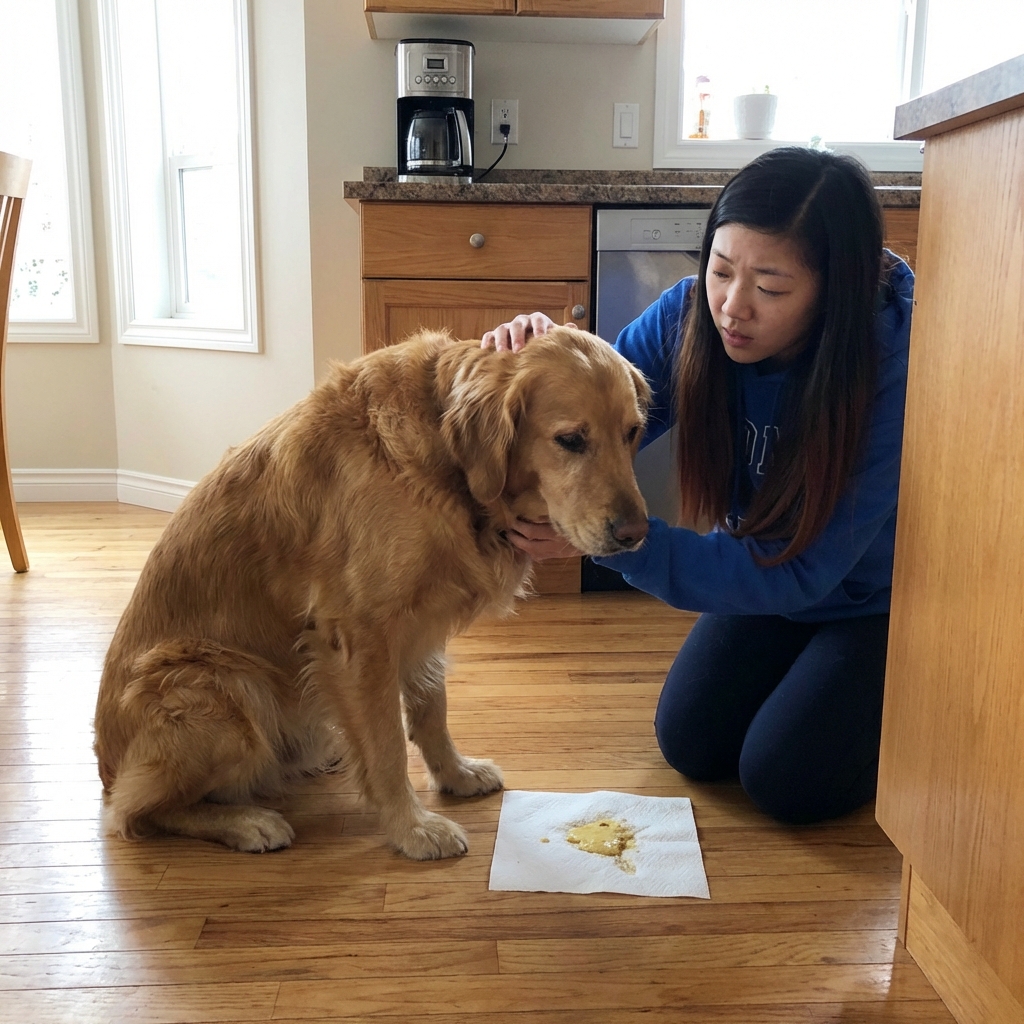
If you have ever walked into the room and found a yellow puddle of vomit, you are not alone. Yellow vomit often involves bile, a digestive fluid made by the liver and stored in the gallbladder. (Some bile also flows directly into the intestine between meals.) Sometimes it is a simple “empty stomach” issue. Other times, it is your dog’s way of waving a red flag. And occasionally, yellow can be stomach fluid mixed with a small amount of bile, food pigments, or even something your dog ate. Color alone is not a diagnosis.
As a veterinary assistant here in Frisco, Texas, I want to help you figure out what to do next in a calm, step-by-step way. You do not need to panic, but you do need to pay attention to patterns and your dog’s overall behavior.
What yellow vomit can mean
Most yellow vomit is related to bile or stomach fluid mixed with bile. It can show up when:
- The stomach is empty and bile irritates the stomach lining.
- Reflux pushes fluid from the small intestine back into the stomach.
- Mild stomach upset happens after eating grass, treats, table scraps, or a sudden food change.
- GI disease is present, such as gastritis, pancreatitis, intestinal inflammation, or parasites.
Yellow vomit can look foamy (yellow and white foam) or more like yellow mucus. Either way, appearance helps with clues, but it still does not confirm the cause by itself. Context matters most: how your dog is acting, how often it happens, and what else you are seeing.
Step 1: Check for emergency signs
Seek urgent veterinary care today if you notice any of the following along with yellow vomit:
- Repeated vomiting in a short period, or vomiting that keeps coming back
- Cannot keep water down
- Blood in vomit (red or coffee-ground appearance)
- Severe lethargy, collapse, weakness, or unresponsiveness
- Bloated, painful abdomen, retching without producing vomit, or pacing and discomfort (possible bloat)
- Suspected toxin exposure (xylitol, rodent bait, grapes or raisins, medications, etc.)
- Possible foreign object ingestion (toy pieces, socks, corn cobs) or choking
- Dehydration signs: tacky or sticky gums, sunken eyes, skin that tents and stays up, or very reduced urination
- Vomiting plus diarrhea that is severe or bloody
- Puppies, seniors, or dogs with chronic disease (kidney, liver, diabetes, Addison’s) vomiting at all can become serious faster
If you are unsure, call your vet or an emergency clinic. It is always okay to ask, “Does this need to be seen right now?”
Step 2: How often is it happening?
One-time yellow vomit and your dog acts normal
This is commonly caused by mild stomach irritation or an empty stomach. Many dogs are back to normal quickly.
Yellow vomit in the early morning or late night
This pattern often points to bilious vomiting syndrome, sometimes called “hunger pukes.” It is often associated with long gaps between meals, but reflux and motility issues can also play a role.
Yellow vomit repeatedly or longer than 24 hours
This needs a vet call. Persistent vomiting can lead to dehydration and can signal problems like pancreatitis, intestinal inflammation, parasites, food intolerance, or a blockage.
Step 3: Look for clues
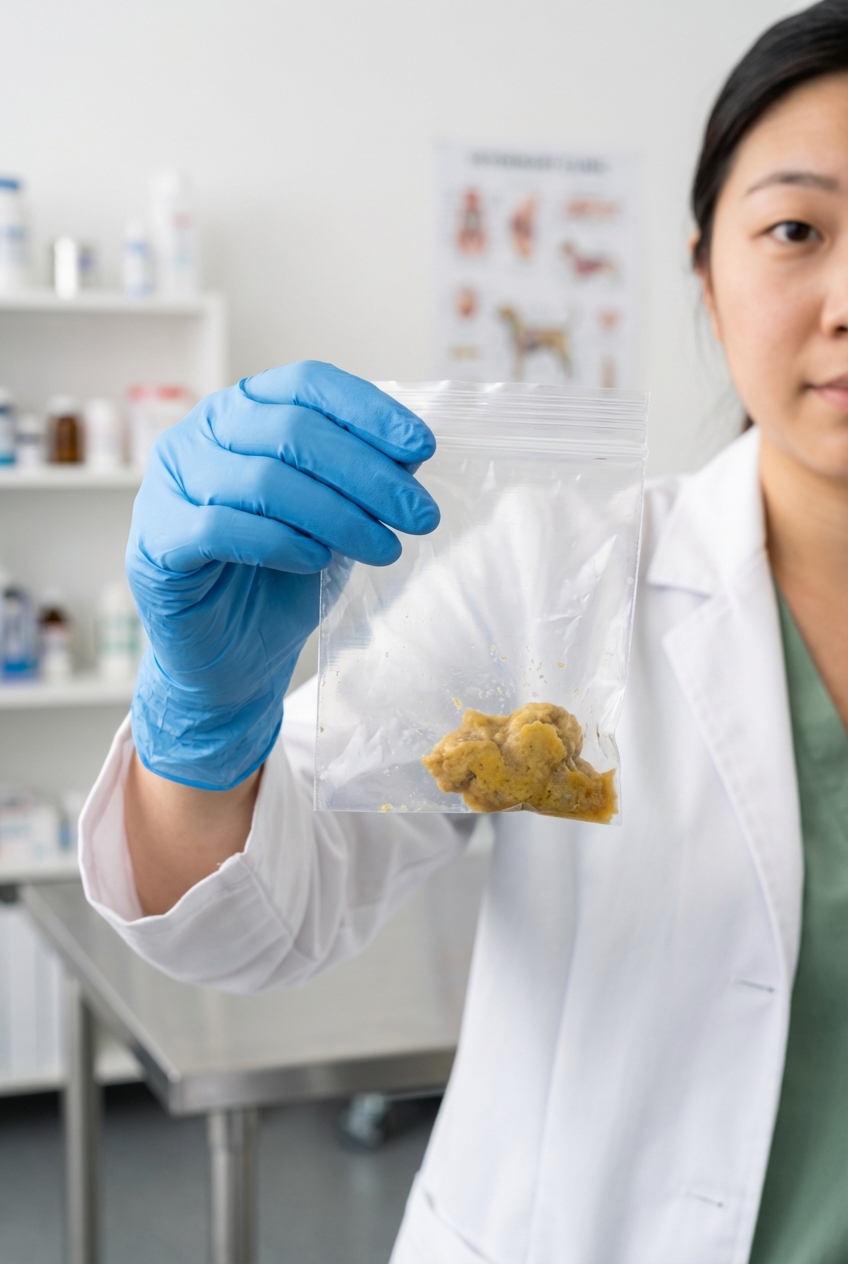
Put on gloves if needed and take a quick look. The goal is to gather helpful details for your vet.
- Foamy yellow liquid (often yellow and white foam): commonly bile on an empty stomach, especially if it happens early morning.
- Yellow with mucus: can occur with irritation, nausea, or reflux.
- Yellow with food pieces: may be eating too fast, diet change, rich treats, or stomach upset.
- Yellow with grass: some dogs eat grass when nauseated and then vomit.
- Worms present: take a photo and call your vet for a fecal test and deworming plan.
- Plastic, fabric, sticks: possible foreign object. Call your vet right away.
Step 4: Quick home check
Take 2 minutes to check:
- Energy: bright and normal, or quiet and withdrawn?
- Appetite: wants food, or refusing?
- Water intake: drinking normally, or not interested?
- Bathroom habits: normal stool, diarrhea, straining, or no stool?
- Pain signs: hunched posture, trembling, guarding belly, whining when picked up?
Write this down. These observations help your veterinarian narrow down causes faster.
Step 5: Home care for mild cases
If it was a single episode, your dog is acting normal, and there are no red flags, you can try supportive care.
Do not attempt home care if your dog cannot keep water down, is repeatedly retching, seems painful, you suspect a toxin or foreign object, or your dog has a history of pancreatitis. When in doubt, call your vet.
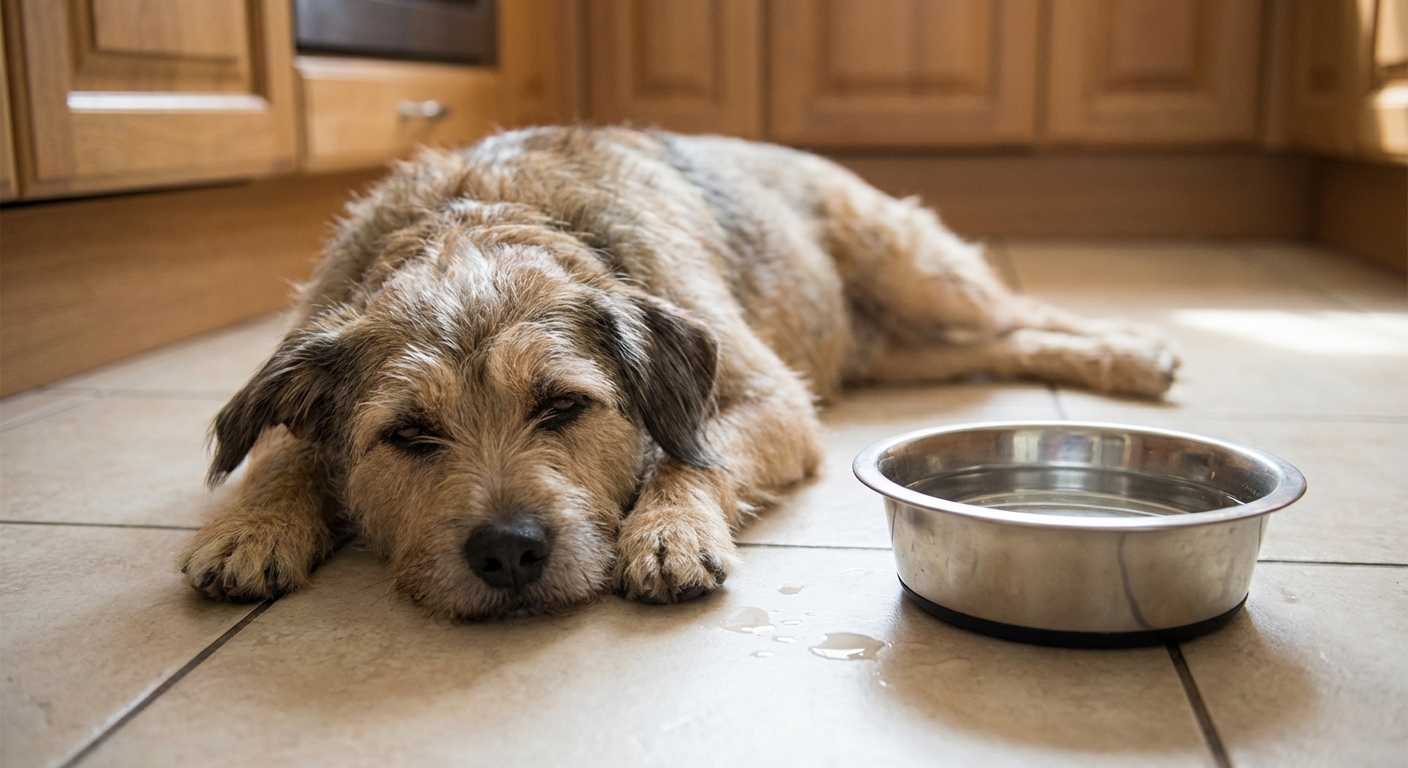
Offer small sips of water
Do not let your dog chug a whole bowl. Too much water at once can trigger another episode. Offer small amounts every 20 to 30 minutes.
Food pause, then a bland meal (with cautions)
For many healthy adult dogs, a short pause from food can help the stomach settle. Skip fasting and call your vet for guidance if your dog is a puppy, a toy breed prone to low blood sugar, or has diabetes or other medical conditions where missing meals can be risky.
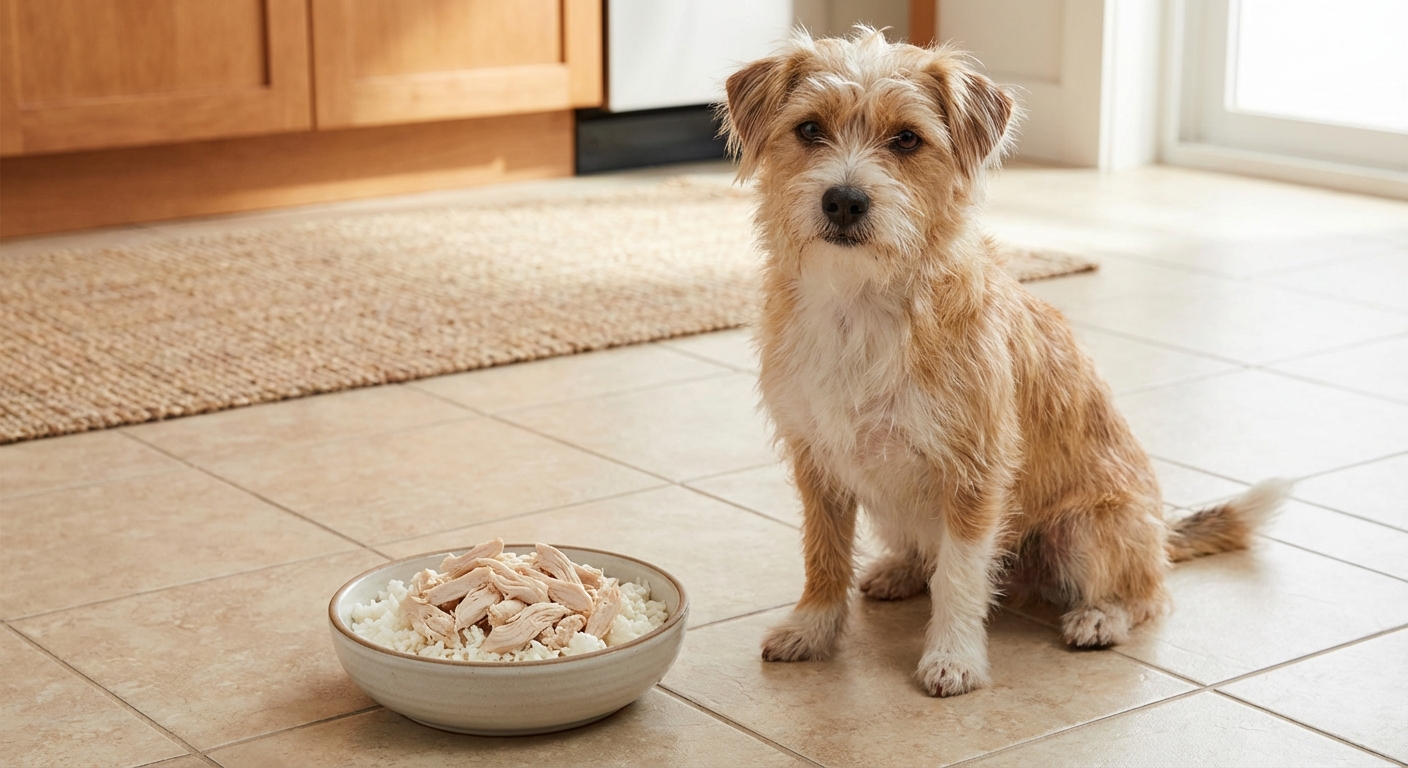
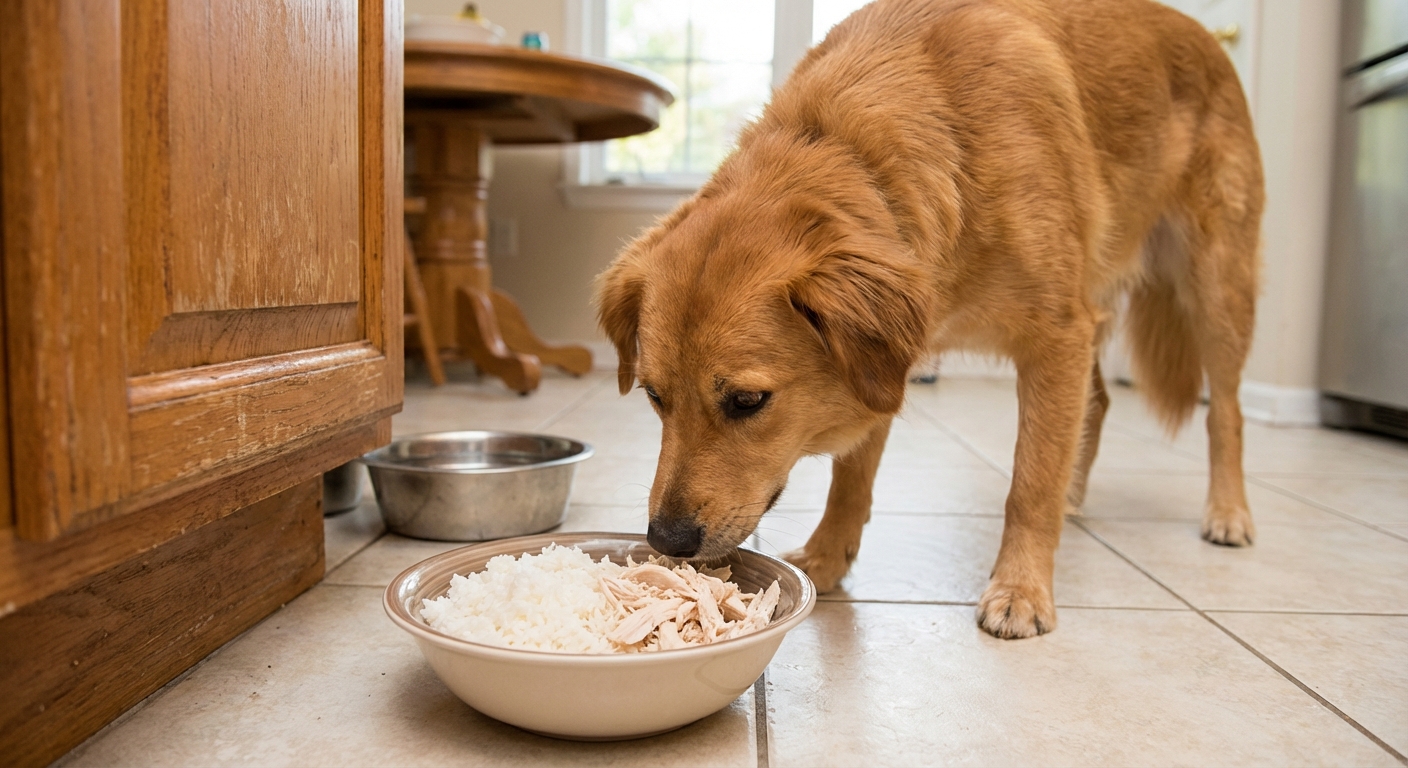
If your vet agrees and your dog keeps water down, you can offer a small bland meal like:
- Boiled, skinless chicken breast and plain white rice
- Lean ground turkey (cooked and drained) and rice
- Optional: a small amount of plain canned pumpkin (not pie filling). Pumpkin is more often used for mild stool issues, and it does not help every vomiting dog. Stop if it seems to worsen nausea.
Feed small portions 3 to 4 times that day rather than one big meal. If vomiting returns, stop and call your vet.
Avoid human medications
Do not give human medications unless your vet directs you. Many over-the-counter products can be dangerous to dogs, and the right choice depends on your dog’s size, history, and symptoms.
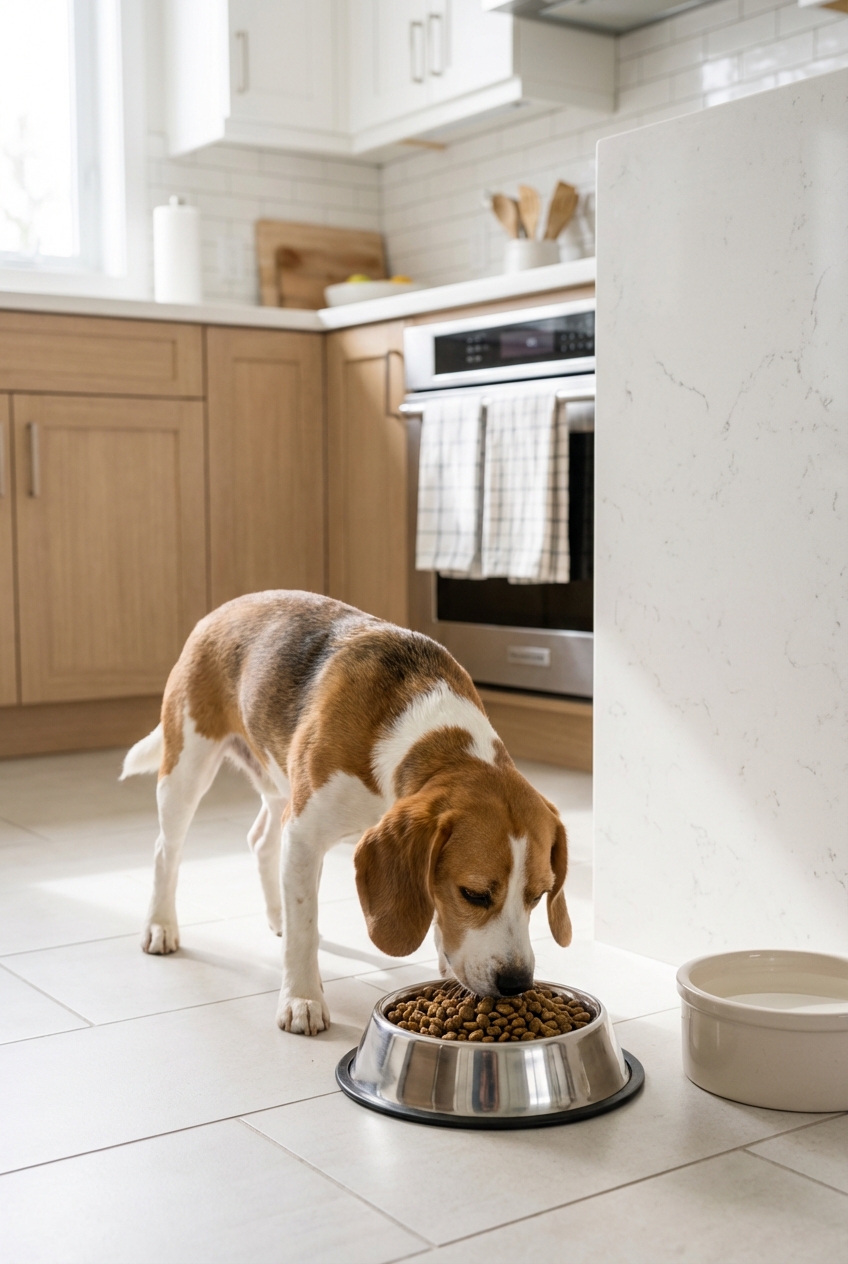
Step 6: Prevent empty-stomach vomiting
If your dog tends to vomit yellow foam early in the morning, these simple changes often help:
- Add a small bedtime snack so the stomach is not empty overnight.
- Split meals into 3 smaller meals instead of 1 to 2 large meals.
- Avoid long gaps between dinner and breakfast.
- Keep treats boring for a few days and skip fatty extras.
If the pattern continues even with meal timing changes, your veterinarian may discuss reflux, food sensitivity, intestinal inflammation, and whether a stomach-protectant or anti-nausea medication is appropriate.
Step 7: When to call the vet
Call your vet within 24 hours if:
- Vomiting happens more than once in a day
- Your dog seems off, restless, or less interested in food
- There is diarrhea along with vomiting
- Your dog has a history of pancreatitis, GI disease, or food allergies
- Your dog recently started a new food, new treat, or new medication
Your vet may recommend an exam, fecal testing, bloodwork, x-rays, or an ultrasound depending on the story and physical findings.
What your vet may do
If your dog needs to be seen, common first steps can include:
- A full exam and belly palpation
- Anti-nausea medication, sometimes as an injection to break the vomiting cycle
- Fluids (under the skin or IV) if dehydration is a concern
- Diet guidance and prescription GI food if needed
- Testing to check for parasites, pancreatitis, infection, organ issues, or blockage
Common causes your vet may discuss
- Bilious vomiting syndrome: often early morning vomiting associated with long gaps between meals, sometimes involving reflux or motility issues.
- Dietary indiscretion: trash, fatty foods, new treats, table scraps.
- Parasites: especially if there is diarrhea, weight loss, or a puppy in the home.
- Pancreatitis: vomiting, belly pain, poor appetite, sometimes after fatty foods.
- Gastroenteritis: inflammation from infection, stress, or diet changes.
- Foreign body obstruction: repeated vomiting, decreased stool, painful abdomen, not keeping water down.
- Liver or gallbladder disease: can cause vomiting, appetite changes, jaundice, lethargy.
- Addison’s disease: can mimic GI upset and may cause intermittent vomiting and lethargy.
If you are seeing yellow vomit frequently, the most helpful thing you can do is track the timing. Morning-only vomiting points one direction. Random vomiting with appetite loss points another.
What to track
If you end up needing a vet visit, bring details. This can save time and help your veterinarian choose the right tests.
- How many times your dog vomited and when
- Photos of the vomit if possible
- Whether your dog ate normally before and after
- Any new food, treats, chews, or bones
- Any chance of getting into trash or toxins
- Stool quality changes
- Current medications and supplements
Bottom line
Yellow vomit is often bile-related, and one isolated episode in an otherwise happy dog can be minor. But repeated yellow vomiting, behavior changes, dehydration, pain, inability to keep water down, or any suspicion of toxins or a blockage should be treated as urgent.
This article is general education and not a substitute for a veterinary exam or diagnosis. You know your dog best. If something feels not right, trust that instinct and call your veterinarian.