Vet-assistant guide to supportive “caring food” for dog diarrhea: bland chicken and rice, pumpkin for fiber, probiotics, hydration, safe portions, and re...
Article
•
Designer Mixes
Dog Has Diarrhea but Acts Normal

Shari Shidate
Designer Mixes contributor
As a veterinary assistant here in Frisco, Texas, I hear this concern all the time: “My dog has diarrhea, but otherwise seems totally fine.” That combination can be confusing, because you are seeing a clear symptom, yet none of the usual red flags like vomiting, lethargy, or loss of appetite.
The good news is that mild diarrhea with no other symptoms is often short-lived and related to something simple like diet, stress, or a minor gut upset. The important part is knowing what you can safely do at home, what to monitor, and when to call your vet.
What this usually means
Diarrhea can be the body’s way of moving something through the digestive tract quickly, but it can also happen when the intestines are irritated, inflamed, or not absorbing water normally.
If your dog is bright, eating, drinking, and playful, it often suggests the problem is staying mostly in the GI tract and not causing whole-body illness.
Still, “no other symptoms” can change quickly, especially in puppies, seniors, and small dogs. Your job is to support hydration and watch for escalation.
Common causes
Diet change or food intolerance
A sudden switch in kibble, new treats, rich people food, dairy, or fatty scraps can irritate the intestines. Even a “healthy” new chew can trigger loose stool if it is unfamiliar.
Dietary indiscretion (the classic “trash snack”)
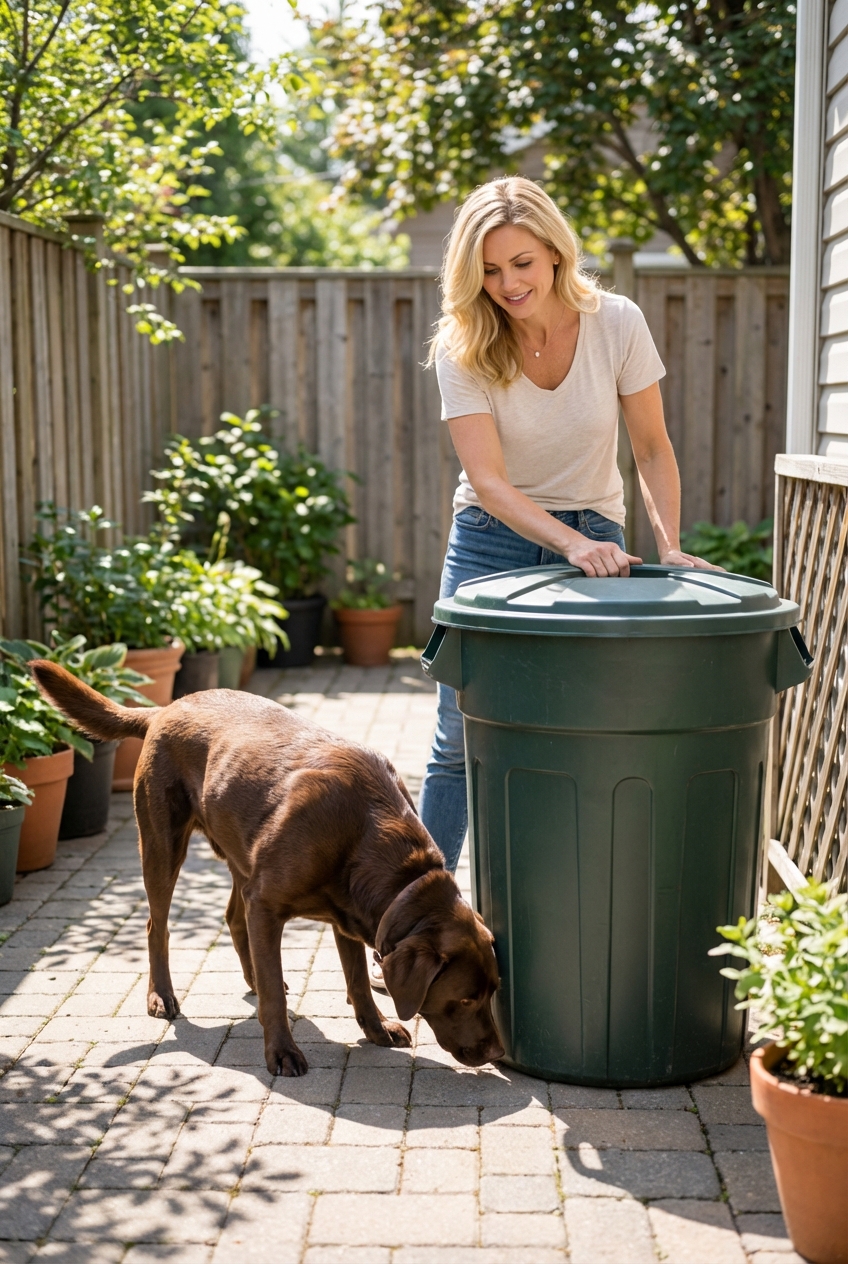
Dogs are talented scavengers. If your dog got into the trash, cat litter, compost, or a dead animal in the yard, diarrhea can show up without any other signs at first.
Stress and routine disruption
Boarding, visitors, travel, moving, new pets, fireworks, or even a change in your schedule can affect gut motility. Stress diarrhea is real, and it can look dramatic while your dog still acts normal.
Parasites (especially in young dogs)
Giardia and other intestinal parasites can cause loose, frequent stool and mucus. Many dogs keep a normal appetite and energy early on. Puppies are higher risk.
Antibiotics or new medications
Some medications can disrupt the gut microbiome. If diarrhea started after a new med, do not stop it on your own, but do call your vet for guidance.
Too many treats, chews, or add-ons
Even well-meaning additions like lots of pumpkin, new supplements, or a heavy treat day can overwhelm the gut.
Quick checks at home
1) Hydration
- Water intake: Is your dog drinking normally?
- Gums: Should be moist, not tacky or dry.
- Skin tent test: Gently lift the skin over the shoulder blades. It should spring back quickly. (This test is less accurate in seniors and overweight dogs, so do not rely on it alone.)
2) Frequency and volume
One loose stool is different than diarrhea every hour. Note how often your dog needs to go out, and whether stool is small frequent squirts versus large-volume watery diarrhea.
Helpful context: Small, frequent stools with mucus often point to large intestine irritation, while large-volume watery stool can dehydrate dogs faster and may point to small intestine involvement.
3) What it looks like
- Watery stool: can dehydrate faster.
- Mucus: common with large intestine irritation.
- Black/tarry stool: can indicate digested blood.
- Red streaks or clots: fresh blood.
If you can safely do so, take a photo of the stool. It helps your vet more than you might think.
4) A quick definition of “mild”
For most healthy adult dogs, “mild” usually means 1 to 2 loose stools, or a day of softer-than-normal poop, without repeated watery diarrhea, straining, or urgency accidents.
Safe home care (adult dogs)
If your dog is an otherwise healthy adult, acting normal, and the diarrhea is mild, home care is often reasonable for 24 to 48 hours.
If your dog is having large amounts of watery diarrhea, needs to go out constantly, or seems like they cannot hold it, it is smart to contact your vet sooner, even if it has been less than 24 hours.
Step 1: Pause the extras
- Stop treats, chews, table food, flavored dental products, and new supplements for now.
- Stick to a simple plan until stools normalize.
Step 2: Choose low-fat, bland food
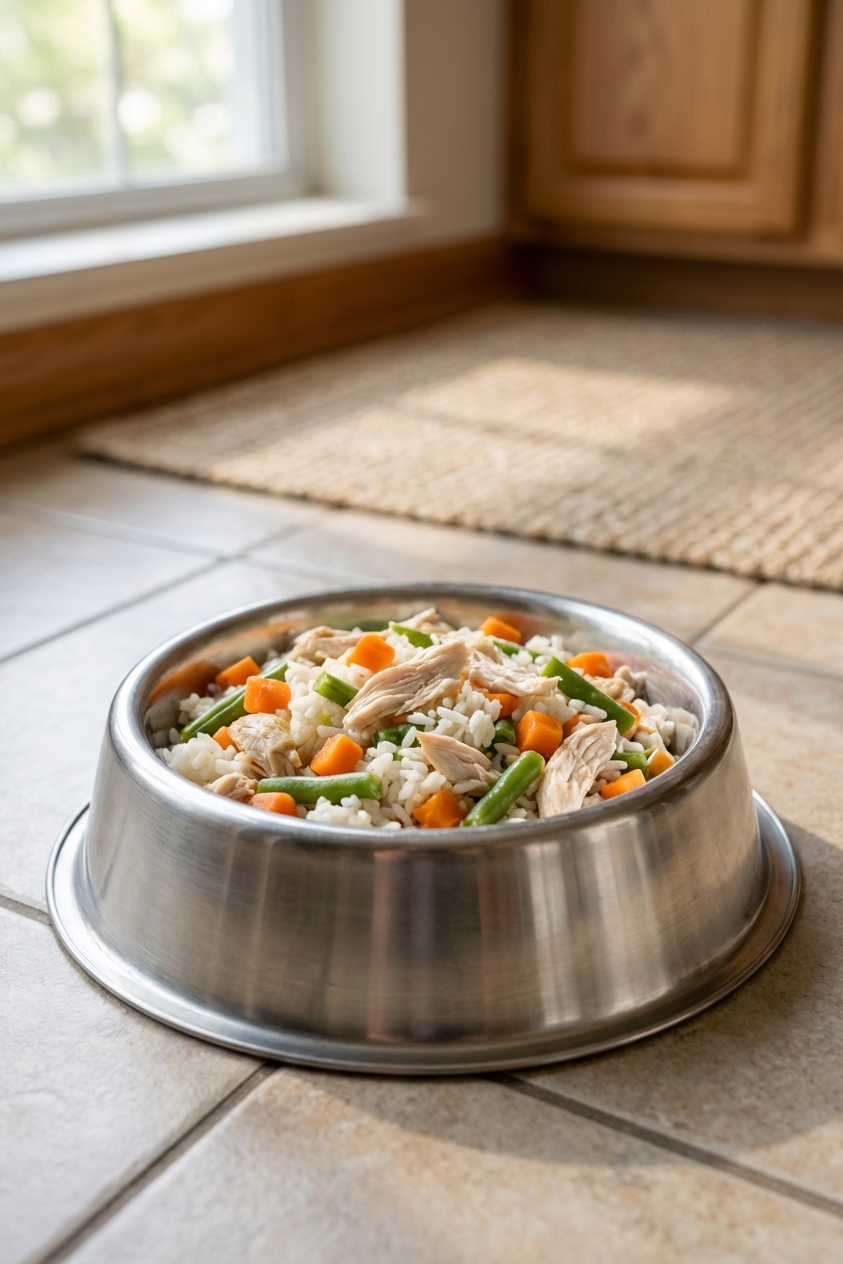
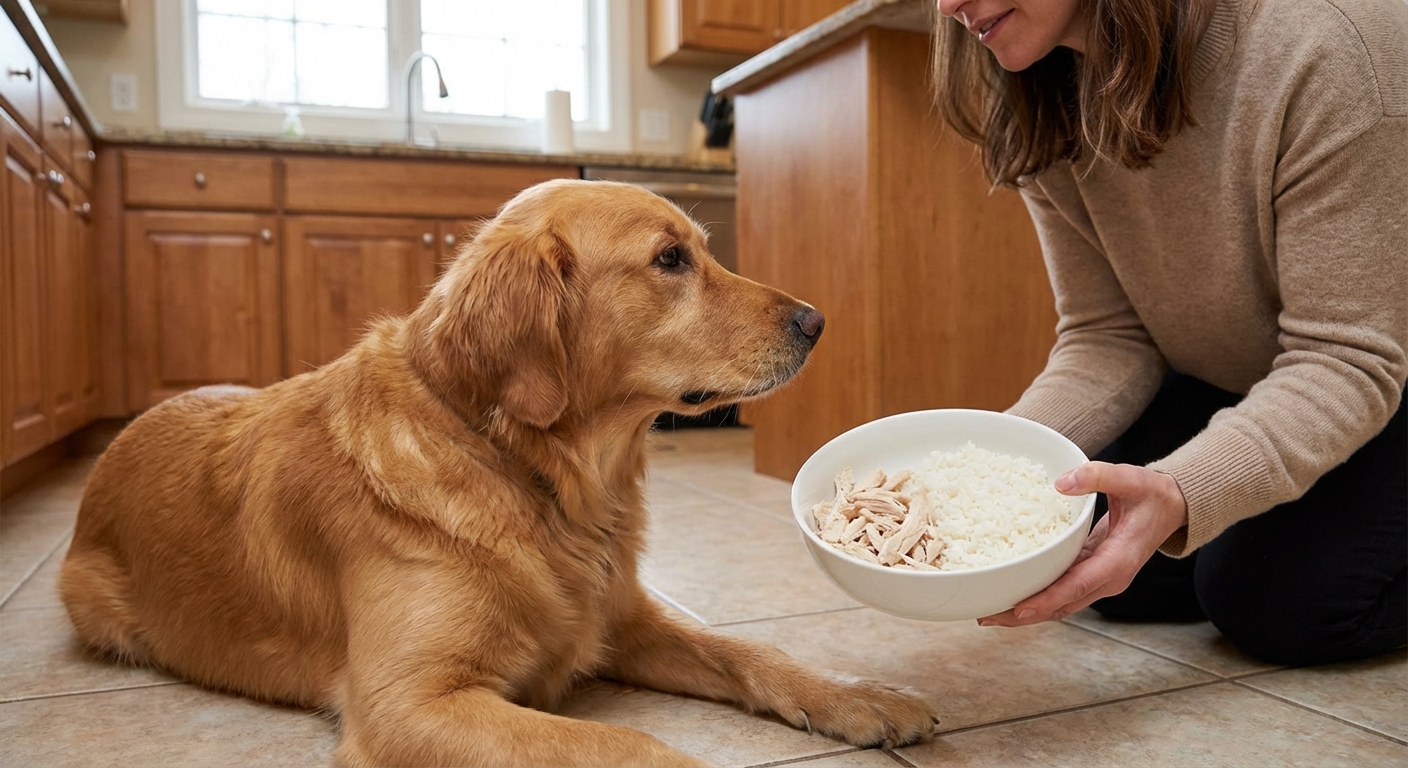
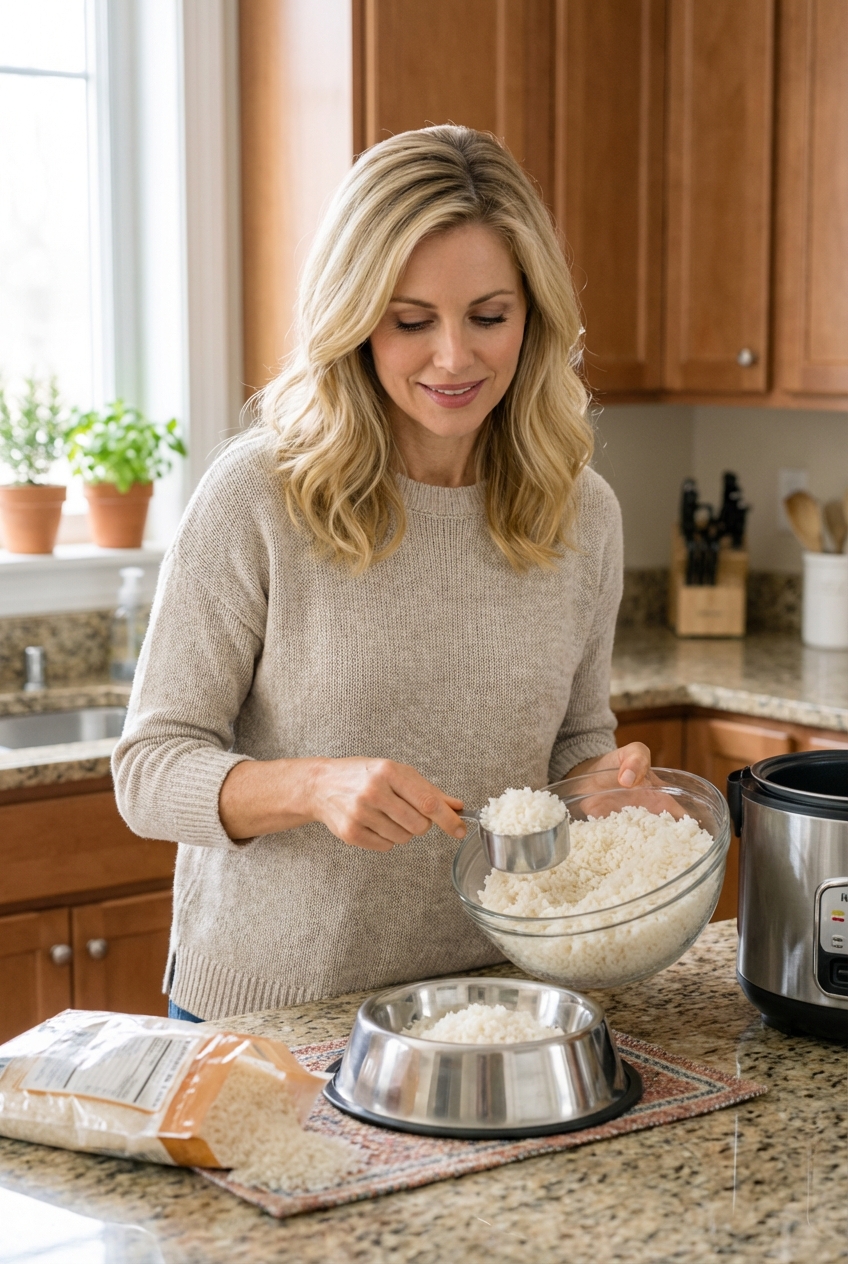
Low-fat is key. A classic bland option is boiled skinless chicken breast and plain white rice. Another gentle option is lean ground turkey with rice, but it should be boiled or cooked without oil, butter, or seasoning, then well-drained.
Feed small meals throughout the day.
Helpful tip: For many dogs, smaller, more frequent meals are easier on an irritated gut than one or two larger meals.
If your dog has had pancreatitis before, or is on a special diet for another condition, ask your vet what to feed before you switch foods.
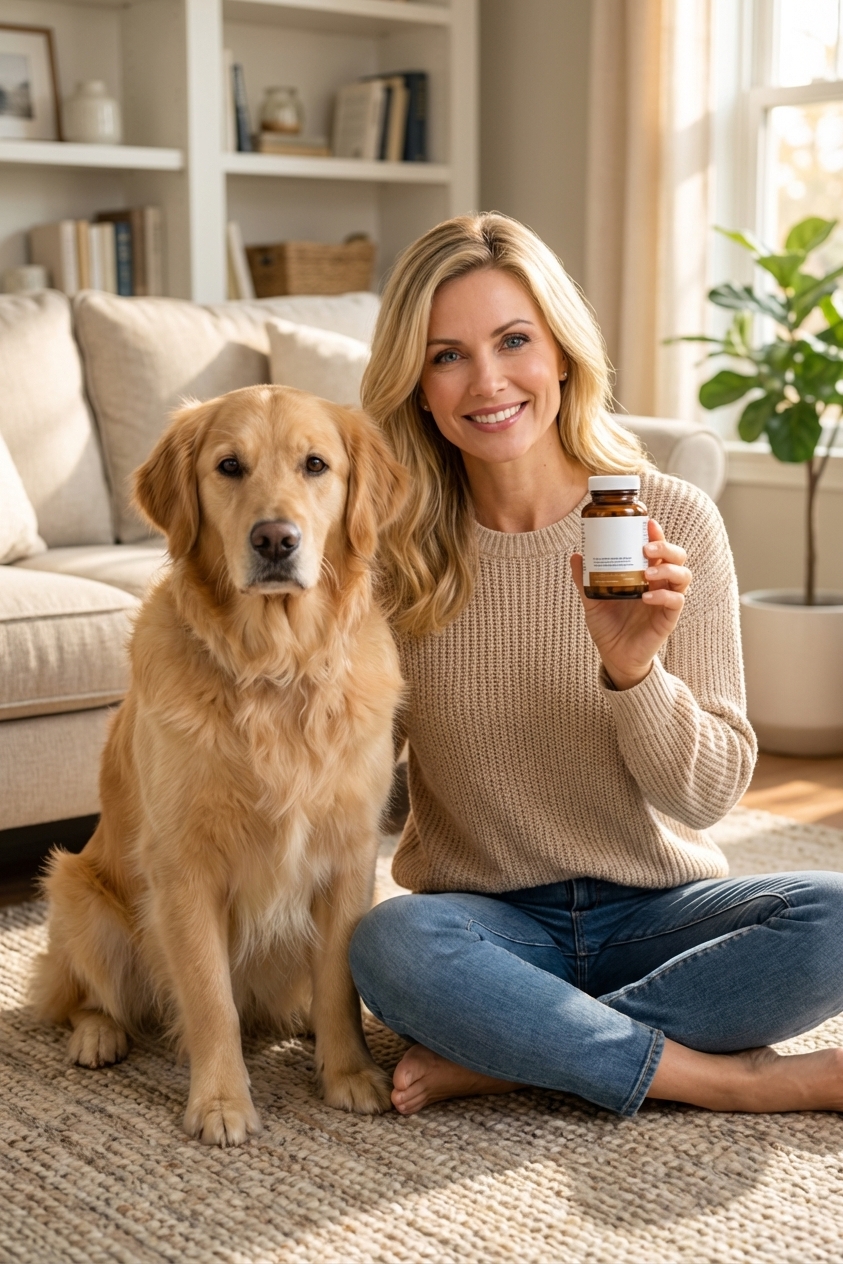
Step 3: Consider a vet-approved probiotic
Probiotics can support the gut microbiome and may shorten the duration of diarrhea. Choose a product made for dogs, and follow the label directions. If your dog is immunocompromised, ask your vet first.
Step 4: Support hydration
Offer fresh water at all times. If your dog is willing, you can also offer a small amount of unseasoned broth (no onion or garlic) to encourage drinking.
If your dog refuses water, seems thirsty but cannot keep fluids in, or you notice tacky gums, it is time to contact your veterinarian.
Step 5: Avoid OTC human meds unless your vet okays it
Do not give human anti-diarrhea medications (like loperamide or bismuth products) unless your veterinarian tells you to. Some dogs can have serious side effects, and certain breeds with MDR1 sensitivity are at higher risk.
Should you fast your dog?
Fasting used to be common advice, but it is not right for every dog. For many healthy adult dogs, a short rest from food can help in some cases, but it can also be unnecessary or risky in others.
- Do not fast puppies, toy breeds, or diabetic dogs. They can become hypoglycemic quickly.
- Dogs with a history of pancreatitis or other metabolic disease should only fast or change feeding plans with veterinary guidance.
- If your dog seems hungry and otherwise well, a bland diet in small meals is often a gentler option than fasting.
When in doubt, call your vet for guidance tailored to your dog’s age, size, and health history.
When it is urgent
Please contact your veterinarian promptly or seek urgent care if you notice any of the following:
- Puppy, senior, or very small dog with diarrhea (they dehydrate faster).
- Diarrhea lasting more than 48 hours even if your dog seems okay.
- Large amounts of watery diarrhea or accidents in the house due to urgency.
- Blood in stool (red streaks, clots) or black/tarry stool.
- Vomiting starts, even if mild.
- Lethargy, weakness, fever, or hiding behavior.
- Signs of dehydration (tacky gums, sunken eyes, skin staying tented).
- Known toxin exposure (xylitol, grapes/raisins, rodent bait, human meds, mushrooms).
- Possible foreign body (your dog chewed a toy, sock, corn cob, bones, etc.).
- Not fully vaccinated puppies or possible parvo exposure.
Protect your home
Even when dogs seem fine, some causes of diarrhea can be contagious (like Giardia). Basic hygiene helps protect people and other pets.
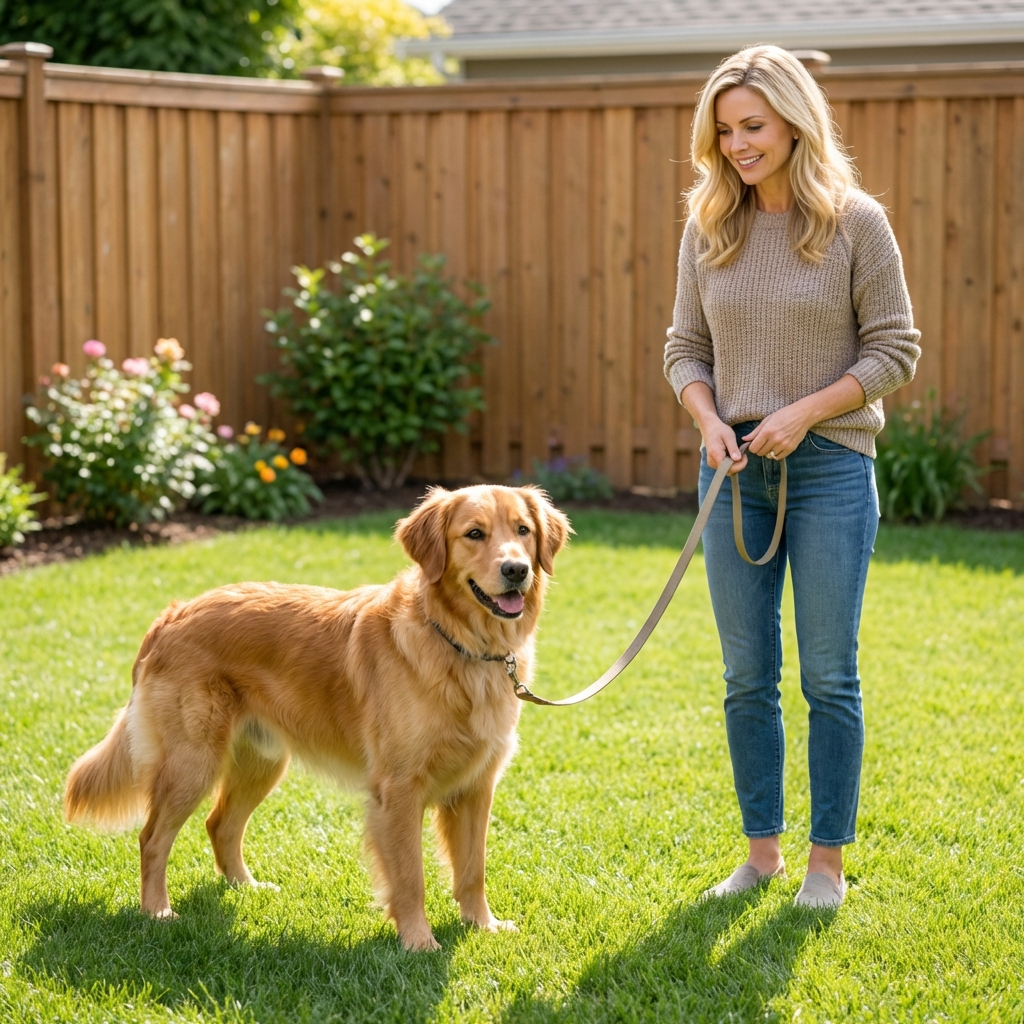
- Pick up stool promptly in the yard.
- Wash hands after cleanup.
- Keep sick dogs away from shared water bowls and high-traffic dog areas until stools are normal.
What your vet may recommend
If you end up calling or going in, you can make the visit more productive by bringing details.
What to share
- When it started and how often it is happening
- Any diet changes, new treats, chews, or people food
- Any access to trash, standing water, or wildlife
- Medication and supplement list
- A stool photo and, if possible, a fresh stool sample
Possible vet diagnostics
- Fecal test for parasites like Giardia
- Parvo testing in unvaccinated puppies
- Diet trial or a highly digestible, low-fat GI diet (including prescription options)
- Bloodwork if symptoms persist or if dehydration is suspected
Many cases resolve with supportive care, but testing is valuable when diarrhea is persistent, recurrent, or severe.
Switching back to normal food
Once stools are back to normal for about 24 hours, you can usually transition back to your dog’s regular diet over 2 to 3 days:
- Day 1: 75% bland, 25% regular food
- Day 2: 50% bland, 50% regular food
- Day 3: 25% bland, 75% regular food
If diarrhea returns during the transition, go back to the bland diet and call your vet for next steps.
Prevention
- Transition foods slowly over 7 to 10 days when possible.
- Limit treat quantity and avoid mixing many new items at once.
- Use secure trash storage and supervise yard time if your dog is a scavenger.
- Ask your vet about routine fecal testing, especially for puppies or dogs who frequent parks and daycares.
- Keep a simple “tummy toolkit” at home: bland diet ingredients, vet-approved probiotic, and your vet’s phone number.
Bottom line
When your dog has diarrhea but no other symptoms, it is often a mild GI upset that improves with a simple plan: remove rich extras, feed a gentle low-fat bland diet (or a GI diet your vet recommends), support hydration, and monitor closely.
Trust your instincts. If anything feels “off,” if diarrhea is heavy or persistent, or if your dog is very young, very small, or older, getting veterinary guidance sooner is always the safest choice.
Quick FAQ
How long is too long if my dog seems fine?
For an otherwise healthy adult dog, call your vet if it lasts more than 48 hours or sooner if it is frequent, watery, or large-volume.
Can stress cause diarrhea?
Yes. Changes in routine, boarding, visitors, travel, and noise events can all trigger loose stools even when your dog seems happy.
Is pumpkin always a good fix?
Plain pumpkin can help some dogs, but too much can worsen diarrhea. Use only small amounts and prioritize hydration and a low-fat bland diet if stools are truly loose.