Chicken and rice can soothe mild stomach upset and help dogs transition back to normal food. Learn safe recipes, portions, how long to feed it, and when to c...
Article
•
Designer Mixes
Dog Gunky Eyes

Shari Shidate
Designer Mixes contributor
If you have ever looked at your dog and thought, “What is that gunk in the corner of their eyes?”, you are not alone. As a veterinary assistant, I see this every week. The good news is that many cases of mild, occasional eye discharge are manageable at home with gentle cleaning. The important part is knowing when it is normal eye “sleep” (small crusts after resting) and when it could be a sign of infection, allergies, injury, dry eye, or something more serious. This article is not a diagnosis. If you are unsure, call your vet.
What “gunk” is
Eye discharge is a mix of tears, mucus, natural oils, and tiny bits of debris like dust or pollen. Your dog’s tears normally drain through small ducts near the inner corners of the eyes, and a little buildup can happen, especially after sleep.
Common types
- Clear and watery: often irritation, wind, dust, mild allergy, or early eye discomfort.
- White or gray, stringy mucus: can be allergies, dry eye, or mild irritation.
- Yellow or green: often suggests infection, but not always. It can also show up with significant inflammation, dry eye, or a foreign body.
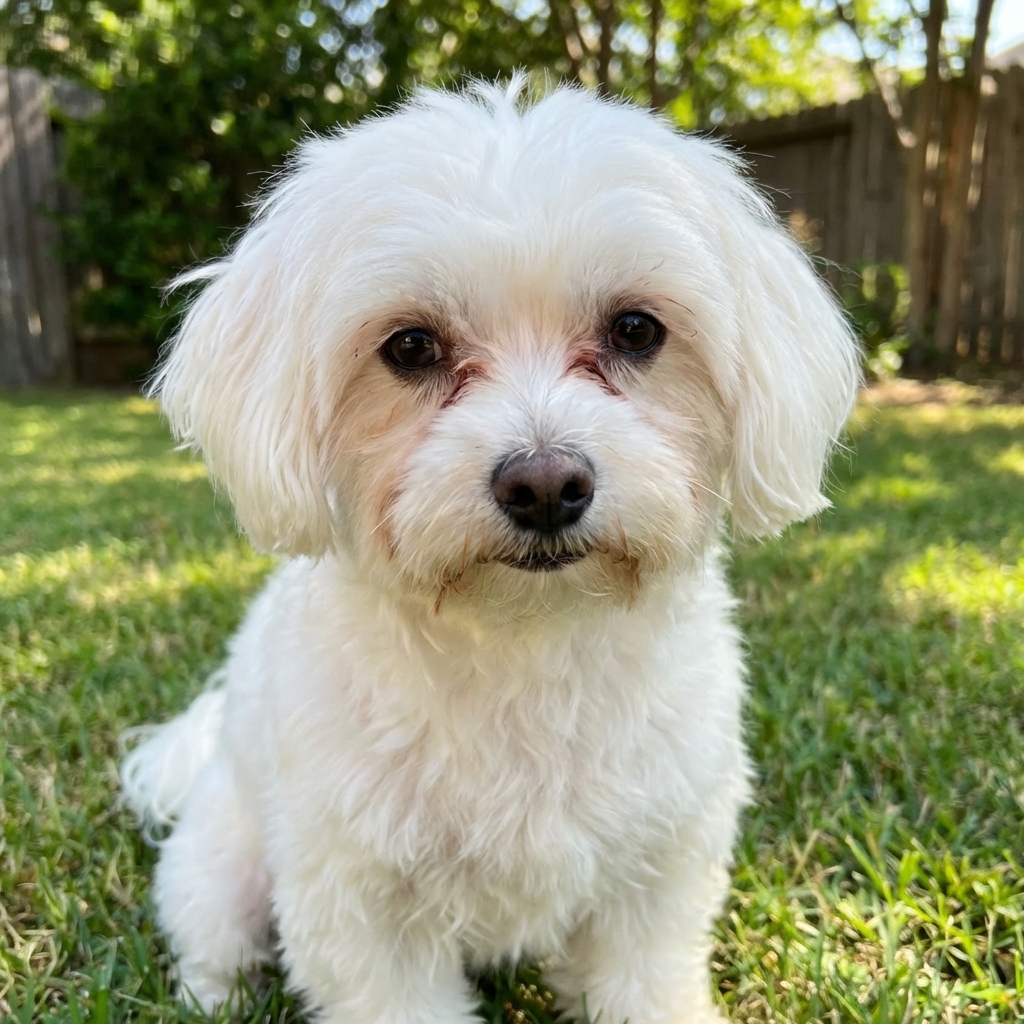
- Reddish-brown tear staining: common in light-colored dogs and flat-faced breeds, often from chronic tearing. The color is often related to porphyrins (naturally occurring pigments in tears) and does not automatically mean infection.
- Crusty eye boogers in the morning: can be normal if small and not paired with redness, squinting, or discomfort.
Quick check
Use this practical, vet-informed at-home check before you do anything else.
Usually normal
- Small amount of crust or mild mucus after sleep
- No redness of the whites of the eyes
- No squinting or blinking more than usual
- Your dog is acting normal, eating and playing
Not normal
- Yellow or green discharge, especially if thick
- One eye is suddenly worse than the other
- Redness, swelling, or a puffy eyelid
- Squinting, pawing at the eye, rubbing face on carpet
- Cloudy or bluish look to the cornea (the clear surface)
- Light sensitivity or keeping the eye closed
- Foul-smelling discharge, bleeding, or discharge that returns quickly after wiping
When in doubt, take eye problems seriously. Corneal ulcers and glaucoma can worsen quickly and are much easier to treat early.
Common causes
1) Allergies
Allergies commonly cause watery eyes or stringy, clear to whitish mucus. Dogs may also lick paws, rub their face, or have ear issues.
2) Irritants or debris
Dust, smoke, groomer shampoo, and yard debris can trigger sudden tearing and discharge. A single eyelash or piece of plant material can cause a lot of discomfort.
3) Conjunctivitis
Conjunctivitis means inflammation of the tissues around the eye. It can be caused by infection, allergies, irritants, or underlying eye disease. This is where you often see redness and thicker discharge.
4) Dry eye (KCS)
Keratoconjunctivitis sicca (dry eye) happens when the eye does not produce enough tears. It can create thick, sticky mucus and chronic redness. This condition requires veterinary diagnosis and long-term management.
5) Tear duct issues
Some dogs, especially small breeds and flat-faced breeds, have tear ducts that do not drain efficiently. That leads to chronic tearing and tear stains.
6) Eyelid or eyelash issues
Conditions like entropion (lid rolling inward) or abnormal eyelashes can rub the cornea and cause ongoing discharge, squinting, and irritation.
7) Dental or drainage issues (one-sided)
Chronic discharge that is mostly in one eye can sometimes be linked to nasolacrimal (tear duct) obstruction or even dental root disease. These need a vet exam to sort out.
High-risk dogs
Flat-faced breeds and dogs with prominent eyes (like Pugs, Shih Tzus, Boston Terriers, and some mixes) can be more prone to corneal ulcers because their eyes are more exposed. In these dogs, do not wait on new squinting, sudden tearing, or a cloudy spot on the eye.
How to clean at home
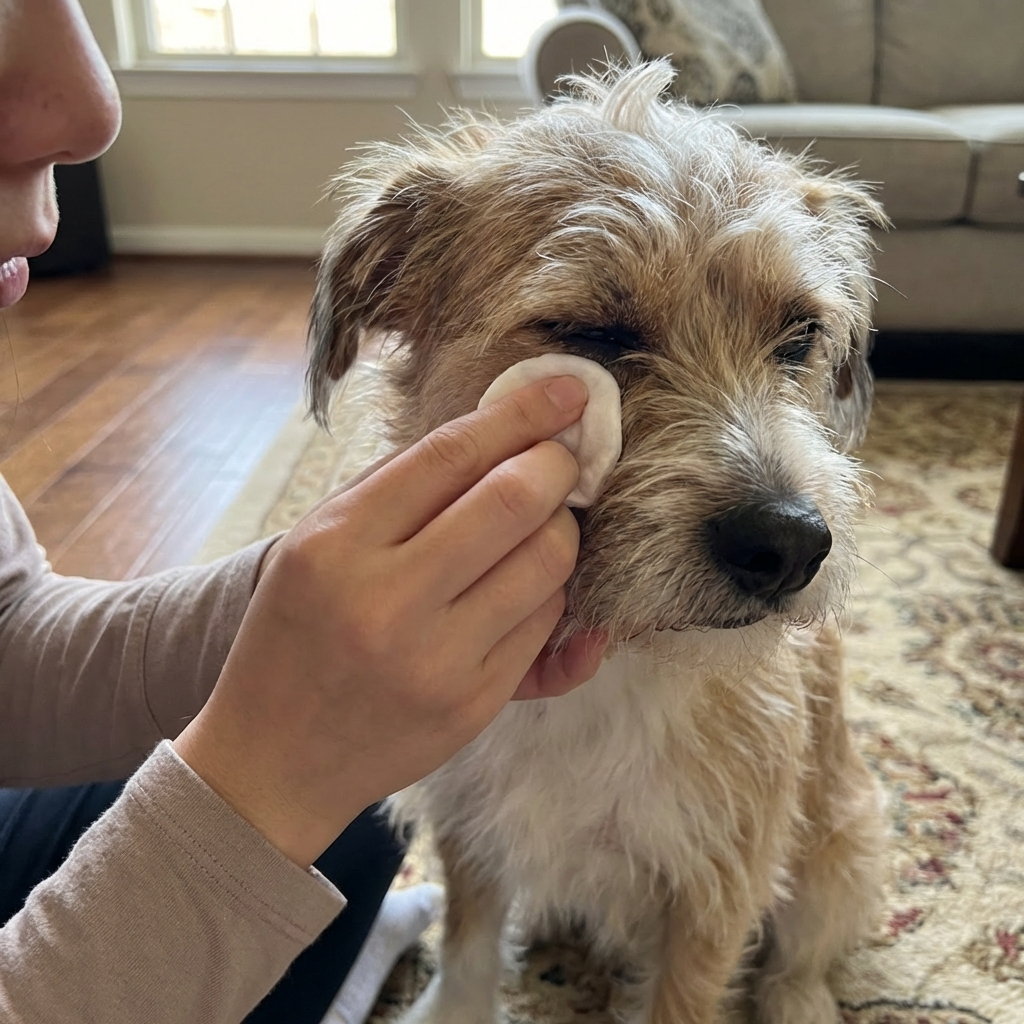
If your dog seems comfortable and the discharge is mild, gentle cleaning is a great first step.
What to use
- Warm water and a clean cotton pad or soft cloth
- Sterile 0.9% saline eyewash (plain saline only) can help rinse mild debris. Avoid contact lens solutions that may contain additives.
- Separate pad for each eye to avoid spreading infection
Step-by-step
- Wash your hands.
- Moisten a pad with warm water or sterile saline.
- Hold it against the corner of the eye for 10 to 20 seconds to soften crusts.
- Wipe gently from the inner corner outward, using light pressure.
- Repeat with a fresh pad if needed.
Stop if your dog is painful, squinting, or struggling more than usual during cleaning, and contact your vet.
What not to do
- Do not use hydrogen peroxide, alcohol, or essential oils near the eyes.
- Do not use human “redness relief” eye drops unless your veterinarian tells you to.
- Do not use leftover pet eye meds from another issue or another pet.
- Do not try to pick crusts off dry. Soften first to avoid irritation.
When to see the vet
Here is a practical timeline you can use.
Same day or urgent
- Squinting, holding the eye closed, or obvious pain
- Cloudy cornea, blue haze, or sudden change in eye appearance
- Possible trauma (dog ran through brush, got poked, rough play)
- Swelling around the eye or eyelid
- Eye looks bulging or very red
If you suspect an eye injury, do not delay care. Avoid trying to flush the eye if you think something may have penetrated the eye.
Within 24 to 48 hours
- Yellow or green discharge
- Discharge that keeps returning right after cleaning
- New discharge plus sneezing or nasal discharge
- One eye consistently worse than the other
Routine appointment
- Chronic tear staining
- Mild recurring discharge without pain or redness
- Questions about breed-related tearing, eyelid shape, or grooming strategies
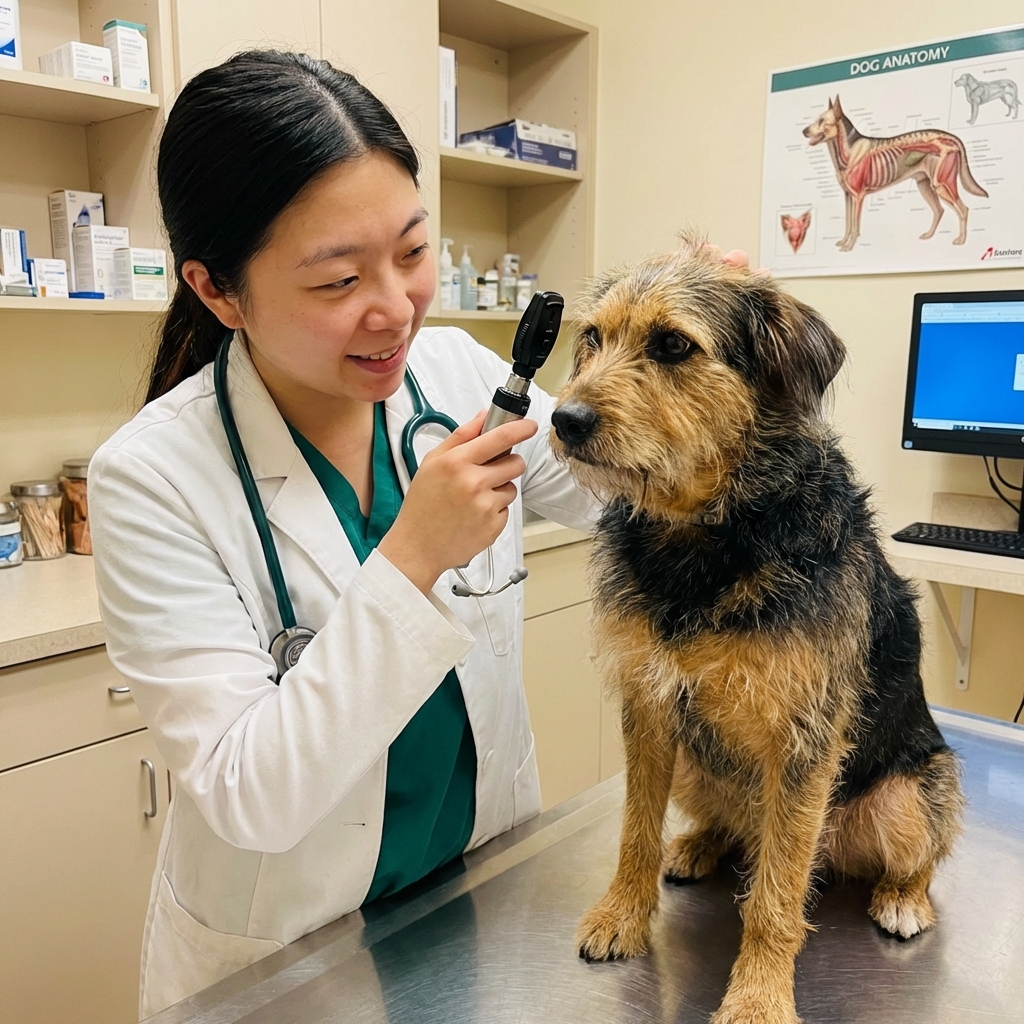
At the clinic, your team may recommend tests like a fluorescein stain (to check for corneal ulcers), a Schirmer tear test (for dry eye), and a gentle pressure check if glaucoma is a concern.
If infectious conjunctivitis is suspected, use separate towels or washcloths and wash bedding more often, especially if you have other pets that share linens.
Prevention tips
Trim face hair
Hair poking the eye is a very common trigger for irritation and discharge, especially in doodle mixes and fluffy-coated breeds. Ask your groomer for an eye-safe visor trim.
Wipe after outdoor time
If your dog has seasonal allergies, a quick wipe of face and paws after walks can reduce pollen exposure.
Use gentle grooming products
During baths, protect the eyes and rinse thoroughly. Shampoo residue is a frequent irritant.
Support overall health
Eye discharge can be worse when the immune system is stressed or when allergies are flaring. Talk with your vet about safe allergy strategies, especially if your dog also has itchy skin or recurrent ear infections.
FAQs
Is tear staining always a problem?
Not always. Tear staining can be purely cosmetic, and the reddish-brown color does not automatically mean infection. But chronic tearing can also signal allergies, eyelid anatomy issues, or tear duct problems. If it is new or worsening, it is worth discussing with your veterinarian.
Can diet help?
Sometimes, especially if food sensitivities contribute to allergies. If your dog has chronic eye discharge plus itchy skin, ear infections, or licking paws, ask your vet about an evidence-based food trial. Avoid switching foods frequently without a plan, because it can make it harder to identify triggers.
Can I use chamomile tea or home remedies?
I do not recommend putting home-brewed liquids in or near the eye. Sterility matters. Warm water on a clean pad or sterile saline is the safest at-home approach.
Bottom line
A little morning crust can be normal, but persistent gunk, color changes, redness, or squinting deserve attention. Clean gently, watch for warning signs, and do not wait if your dog seems painful or if one eye suddenly looks different than the other. When it comes to eyes, early care is one of the kindest things you can do.