Spot early dehydration in dogs with gum, skin tent, and refill checks. Learn common causes, daily water needs, heat safety, rehydration tips, and urgent warn...
Article
•
Designer Mixes
Dog Gum Color: What Pale Gums Mean

Shari Shidate
Designer Mixes contributor
When you lift your dog’s lip, you’re getting a quick peek at something veterinarians and vet teams pay close attention to: circulation, oxygen delivery, and hydration. Healthy gum color is usually a soft “bubblegum pink” (though normal can vary with pigmentation). Pale gums, on the other hand, can be a red flag that your dog needs help, sometimes urgently.
I’m Shari, a veterinary assistant in Frisco, Texas, and I want you to feel confident knowing what to look for and what to do next. You do not need fancy equipment to make a smart decision here. You just need a calm, quick check and a plan.
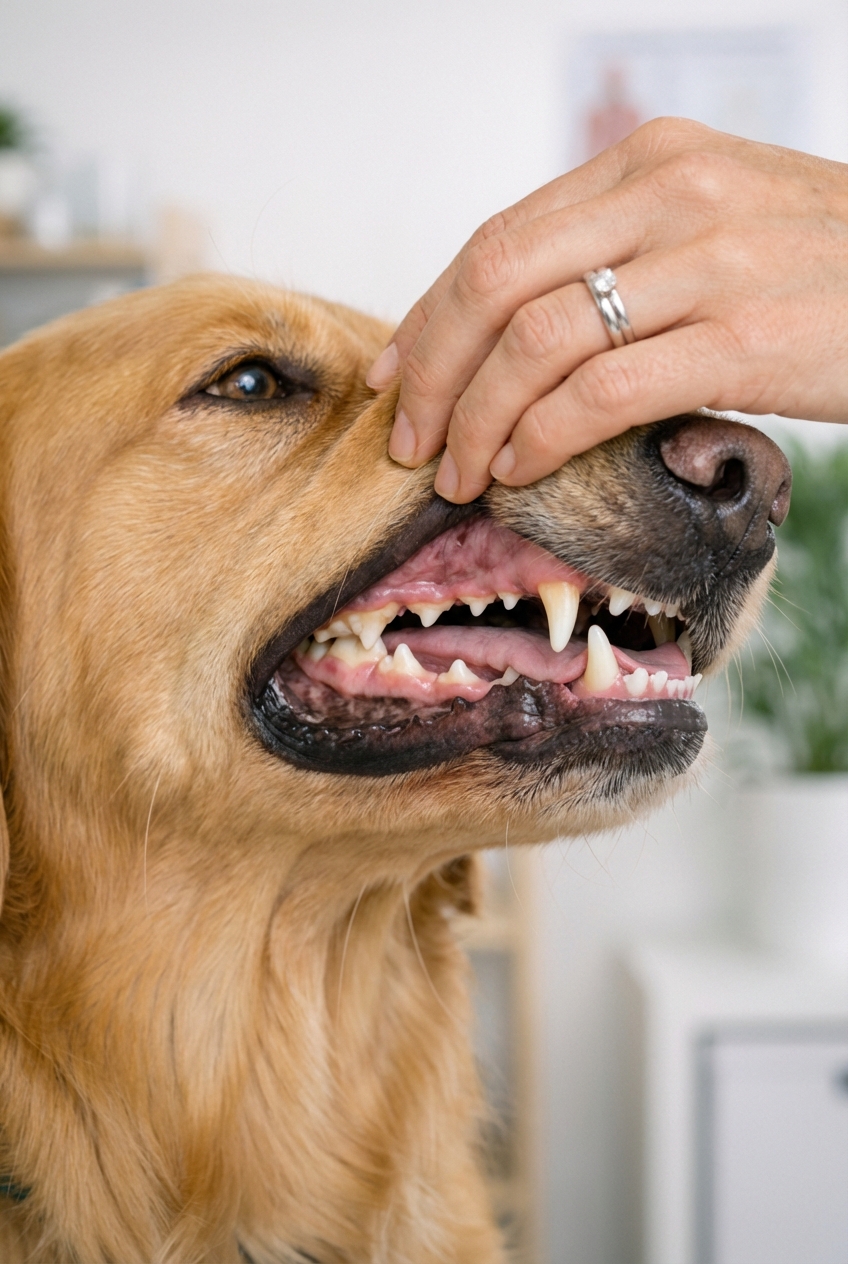
What healthy gums look like
Most dogs have gums that are:
- Pink (not white, gray, or chalky)
- Moist (not tacky or dry)
- Evenly colored (aside from normal dark pigment spots)
Normal variation: Some dogs naturally have black or dark brown pigmentation on their gums. That can be completely normal. What matters is a change from your dog’s usual look or large areas that appear washed out, grayish, or very light.
What pale gums can mean
Pale gums typically suggest reduced blood flow to the tissues, less oxygen being carried in the blood, or both. Here are common medical reasons we worry about:
1) Anemia (low red blood cells)
Red blood cells carry oxygen. If your dog has fewer of them, gums can look pale or almost white. Causes of anemia include:
- Blood loss (injury, surgery, bleeding tumor, gastrointestinal bleeding)
- Parasites (fleas in heavy infestations, hookworms)
- Immune-mediated hemolytic anemia (the immune system destroys red blood cells)
- Toxin exposure (some rodenticides can cause internal bleeding)
2) Shock or poor perfusion
Shock is a life-threatening state where the body cannot deliver enough blood to vital organs. Pale gums can show up with poor perfusion from:
- Severe dehydration with low circulating volume
- Heatstroke
- Sepsis (a serious infection affecting the whole body)
- Major trauma
3) Internal bleeding
This is one of the most urgent possibilities. Pale gums plus weakness, collapse, or a swollen belly can indicate bleeding inside the body. Examples include:
- Splenic mass rupture (such as hemangiosarcoma)
- Bleeding disorders or rodenticide exposure
4) Heart disease (low cardiac output)
In some dogs, heart disease can contribute to poor circulation and pale mucous membranes. You might also notice exercise intolerance, weakness, coughing, faster breathing at rest, or fainting episodes.
5) Pain, fear, cold, or stress (temporary vasoconstriction)
In some dogs, extreme pain, intense stress, or being very cold can temporarily narrow blood vessels and make gums look lighter. Even if color returns, it is still worth assessing your dog and calling your vet if you are concerned.
Quick at-home check (CRT)
Veterinary teams use a simple test called capillary refill time to assess circulation.
Safety first: If your dog is painful, fearful, or might bite, do not force a mouth check. Your safety matters. In that case, go by other signs and call your vet or an emergency clinic.
- Gently lift your dog’s lip.
- Press a finger on the gum (many people find it easiest on the upper gum above the canine tooth) until it briefly turns lighter.
- Release and count how long it takes to return to normal color.
Typical CRT: about 1 to 2 seconds.
Concerning: taking longer than 2 seconds, especially along with pale gums, weakness, rapid breathing, or collapse.
Also note gum moisture. Tacky or dry gums can suggest dehydration. Dehydration alone more often changes moisture than color, but significant fluid loss can contribute to poor perfusion and paler gums.
When it is an emergency
If you see pale or white gums along with any of the signs below, treat it as urgent and seek emergency care right away:
- Collapse or extreme weakness
- Rapid breathing, labored breathing, or panting that seems abnormal
- Distended belly (looks swollen or tight)
- Vomiting blood or black, tarry stool
- Bruising, pinpoint red spots on gums or skin, or bleeding that will not stop
- Cold ears or paws, shaking, or acting “out of it”
- Known toxin exposure (especially rodent bait)
Action step: Call the nearest emergency vet from your car as you head over. Let them know you are coming and that you are seeing pale gums. That helps them prepare.
When it might be less urgent
Sometimes gums look briefly lighter after a scare, a stressful event, or being out in the cold, then return to normal quickly.
If your dog’s gum color returns to normal within a minute or two and your dog is acting normal (normal breathing, energy, and responsiveness), you can monitor closely. I still recommend calling your regular vet for guidance, especially if it happens again or you notice any other symptoms.
If you are torn between “wait and see” and “go in,” it is always OK to call. You are not bothering anyone. You are advocating for your dog.
What you can do now
1) Keep your dog calm and warm
Stress and exertion increase oxygen demand. Keep movement minimal. Use a blanket if your dog feels cool.
2) Check for obvious bleeding
Look for active bleeding from the mouth, nose, paws, or after a nail break. If there is bleeding you can see, apply gentle pressure with clean gauze or a cloth.
3) Do not give human meds
Many human pain relievers and medications can worsen bleeding risk or make illness worse. If your dog is in distress, go in first and let the veterinary team manage pain safely.
4) Bring toxin details if relevant
If your dog might have ingested rodenticide, bring the package or take a photo of the ingredients, including the active ingredient name, if you can do so safely.

What not to do
- Do not wait overnight if pale gums are persistent or your dog is getting weaker.
- Do not force food or water if your dog is very lethargic, vomiting, struggling to breathe, or cannot swallow normally.
- Do not push your dog to walk it off or exercise to “see if they feel better.” Keep activity minimal.
- Do not drive unsafely. Secure your dog for transport (on the floor, in a carrier, or buckled in) and call ahead when possible.
Gum color questions
Are pale gums the same as white gums?
White gums are usually more concerning and can indicate more severe anemia or shock. Any gum color that looks washed out compared to your dog’s normal is worth attention.
What about gray or blue gums?
Blue or gray gums can indicate poor oxygenation and are an emergency. Seek care immediately.
Can dehydration cause pale gums?
Dehydration more commonly causes tacky, dry gums and can contribute to poor circulation when significant. If gums are pale plus tacky and your dog is lethargic or not drinking, your vet should evaluate them.
My dog has dark gums. How do I tell what is normal?
For dogs with heavy pigmentation, focus on areas that are typically lighter (often near the teeth line) and on other signs like gum moisture, CRT, energy level, appetite, and breathing.
How vets evaluate pale gums
At the clinic, your veterinarian may recommend:
- Physical exam (heart rate, pulse quality, hydration, belly palpation)
- Packed cell volume (PCV) and total protein to check for anemia and blood loss
- Complete blood count (CBC) and chemistry panel
- Clotting tests if toxin exposure or bleeding disorder is suspected
- X-rays or ultrasound to look for internal bleeding or masses
- Parasite testing (and a flea check)
Treatment depends on the cause and can range from fluids and medications to transfusion or surgery in serious cases.
Prevention tips
- Know your dog’s normal: check gum color and moisture when your dog is relaxed and healthy.
- Parasite prevention: keep flea, tick, and heartworm prevention current, and discuss deworming schedules with your vet.
- Pet-proof toxins: store rodenticides, human medications, and toxic foods securely.
- Dental health: inflamed, infected mouths can affect overall health. Regular dental care matters.
- Nutrition basics: feed a complete and balanced diet that meets recognized standards (for example, an AAFCO statement on the label) or a recipe formulated by a veterinary nutritionist. If you transition diets, do it slowly and involve your veterinarian so your dog stays well nourished.
If you ever feel torn between “wait and see” and “go in,” pale gums are one of those signs where it is truly safer to call your vet or an emergency clinic and get guidance right away.