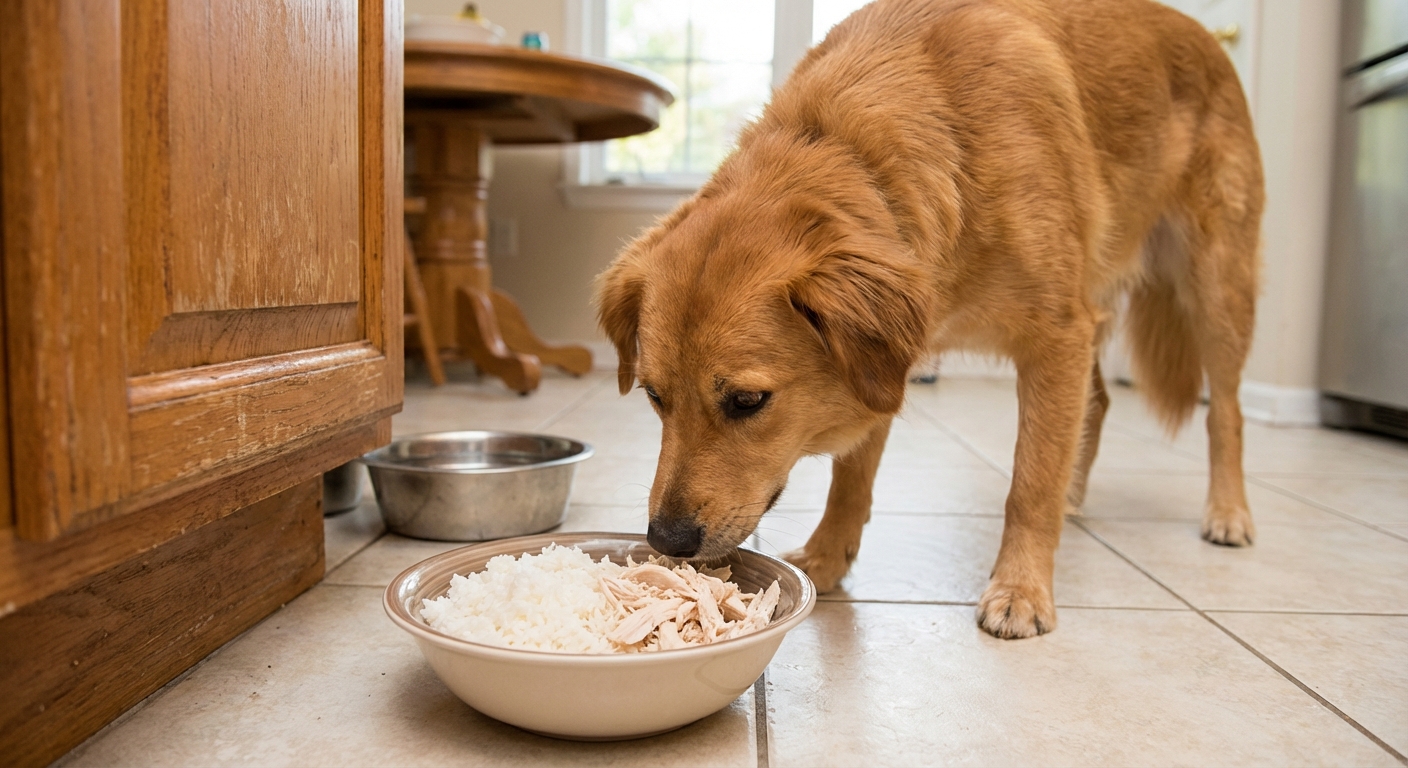
Chicken and rice can soothe mild stomach upset and help dogs transition back to normal food. Learn safe recipes, portions, how long to feed it, and when to c...
Article
•
Designer Mixes
Dog Gagging: Causes, What to Do, and When It’s Urgent

Shari Shidate
Designer Mixes contributor
Dog gagging can look scary, especially when it comes out of nowhere or sounds like your pup is trying to cough something up. As a veterinary assistant here in Frisco, Texas, I’ve seen gagging caused by everything from minor throat irritation or reflux to a true emergency like choking.
The helpful part is this: the sound and the timing usually give you strong clues about what’s going on. Let’s break it down in a practical way so you know what to do right now and what to watch next.

First: gagging or choking?
These can look similar, but they are not the same situation. Choking can be life-threatening. Gagging is often uncomfortable, but not always dangerous.
Signs that suggest choking (urgent)
- Sudden distress, pawing at the mouth
- Difficulty breathing, loud wheeze or high-pitched noise, or inability to vocalize normally
- Blue, gray, or very pale gums or tongue
- Collapsing or extreme panic
- Excess drooling with obvious “air hunger”
If you suspect choking: call an emergency veterinarian immediately and start heading in. If you can see an object at the very front of the mouth and can easily remove it, you can try. Do not do blind finger sweeps, because that can push an object deeper.
If your dog cannot breathe and you are trained to do canine first aid (or an ER team is coaching you by phone), abdominal thrusts may be appropriate in some cases. If you are not trained, focus on getting to emergency care as fast as possible.
Signs that suggest gagging (often less urgent)
- Hacking, retching, or “trying to clear the throat”
- Still able to breathe and swallow
- Episode passes within seconds to a couple minutes
- Normal gum color
- Dog returns to normal behavior afterward
Quick guide: gagging vs vomiting vs regurgitation
Owners often use these words interchangeably, but they point to different problems.
- Gagging: a throat reflex that looks like retching or coughing, often without bringing anything up.
- Vomiting: active heaving from the belly. You may see drooling and nausea first, and the material is often digested or mixed with bile.
- Regurgitation: more passive and sudden. Food or water comes back up with little to no heaving, often soon after eating. This can signal an esophagus issue and deserves a veterinary call.
Common reasons dogs gag
Gagging is a symptom, not a diagnosis. Here are the most common causes I see, plus what typically goes along with each one.
1) Reverse sneezing
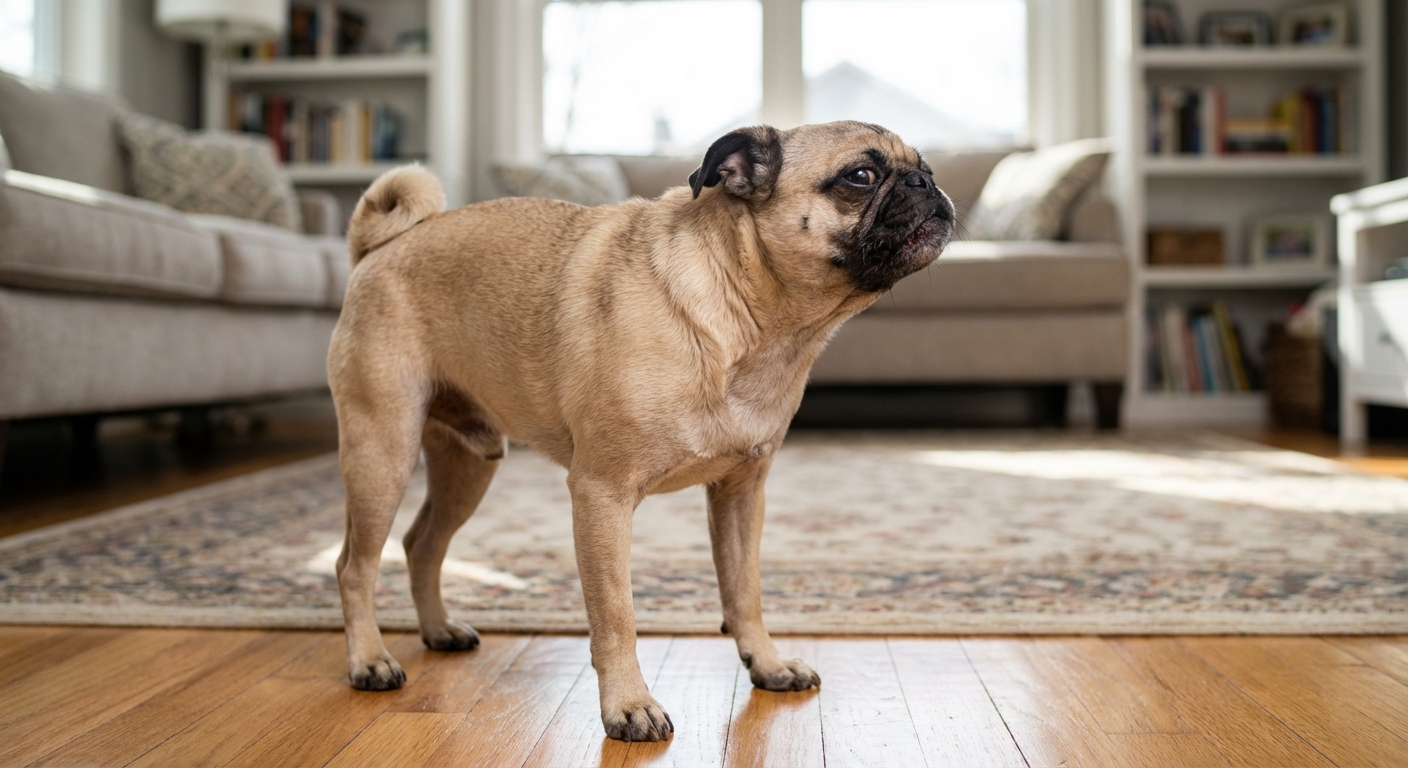
This often sounds like snorting, honking, or rapid inhaling through the nose, and many owners describe it as “gagging.” It can be triggered by excitement, pulling on a collar, allergies, dust, perfume, or post-nasal drip. It often stops on its own.
- Episode is short, usually under a minute
- Dog is alert, standing, and breathing
- Often happens in small breeds and brachycephalic dogs
What helps: keep your dog calm and gently stroke or massage the throat to encourage swallowing. For some dogs, offering a tiny lick of something tasty or a small treat can help them swallow and reset. Avoid any technique that blocks airflow, and stop immediately if your dog seems distressed.
2) Infectious cough (CIRDC)
This is the classic dry “hacking” cough that can end in a gag. You may hear it after excitement, exercise, drinking water, or when the leash tugs the neck.
- Dry hacking or honking cough that can end in a retch
- May have mild nasal discharge
- Often exposure-related: grooming, daycare, dog parks, boarding
What helps: call your vet for guidance. Many cases are mild but contagious. This group of illnesses is often called CIRDC (canine infectious respiratory disease complex). Bordetella is one possible cause, but not the only one. Vaccines can reduce severity, but they do not prevent every infection.
3) Throat irritation or something stuck
A dog can gag repeatedly if something is irritating the back of the throat. Grass blades, small toy pieces, string, and foxtails are especially concerning because they can snag or migrate.
- Repeated gagging, swallowing, lip licking
- Pawing at the mouth
- Drooling, sometimes sneezing if the nose is involved
What helps: if symptoms persist beyond a brief episode, or your dog seems uncomfortable, schedule an exam promptly. Do not pull visible string that may be anchored deeper.
4) Eating too fast, reflux, or nausea
Some dogs gag after meals, after drinking a lot of water quickly, or early in the morning when their stomach is empty. Reflux and mild nausea can cause lip licking, swallowing, grass-eating, and gagging.
- Gagging after eating, burping, gulping, or swallowing
- Occasional spit-up of clear fluid or foam
- May improve with diet timing changes
What helps: use a slow feeder, split meals into smaller portions, avoid vigorous exercise right after meals, and consider an evening snack if morning bile vomiting is a pattern. If it’s frequent, your vet can recommend safe options and evaluate for pancreatitis, food intolerance, or other GI issues.
5) Collapsing trachea
This can cause a distinctive “goose honk” cough and gagging, often triggered by excitement, pulling on a collar, heat, or smoke.
- Honking cough, gagging, worse with excitement
- More common in toy and small breeds
- Often improves with a harness instead of a neck collar
What helps: switch to a harness, manage weight carefully, avoid irritants, and talk to your vet about diagnosis and medication options.
6) Heart disease
Some dogs with heart disease can develop coughing that owners mistake for gagging, especially with certain types of valve disease that enlarge the heart and can affect the lungs. That said, cough and gagging can also come from primary airway disease, so this is not something you can diagnose at home.
- Coughing or gagging that is worse at rest or overnight
- Exercise intolerance, tiring more quickly
- Possible fainting episodes in advanced cases
What helps: this deserves a veterinary visit soon, especially if your dog is older or the pattern is new. Your vet may recommend chest X-rays, lab work, and possibly an echocardiogram to sort out heart versus airway causes.
7) Mouth and throat problems
Dental disease, oral injuries, tonsillitis, and oral masses can all trigger gagging because the back of the mouth and throat are sensitive.
- Bad breath, drooling, pawing at the face
- Reluctance to chew or dropping food
- Visible redness, swelling, or a lump in the mouth
What helps: schedule an exam. Mouth pain is common and easy to miss until it gets advanced.
8) Esophagus issues
Problems like esophagitis or megaesophagus can look like gagging but are often closer to regurgitation.
- Food or water coming back up with little to no heaving
- Coughing after eating, repeated throat clearing
- Poor weight gain or repeated pneumonia in more serious cases
What helps: call your vet promptly. Esophageal problems can lead to aspiration pneumonia, so they are worth taking seriously.
What to do at home now
If your dog is breathing normally and not in distress, these steps are reasonable while you observe.
Quick checklist
- Stay calm and pause activity. Excitement and pulling can intensify episodes.
- Check gum color. Healthy gums are bubblegum pink. Pale, blue, or gray is an emergency.
- Look in the mouth only if safe. If your dog is panicking or might bite, do not force it.
- Offer a small sip of water after the episode settles, not during active distress.
- Log what happened. Time of day, after meals or exercise, any exposures like daycare.
Record a short video if you can
I know it sounds simple, but videos are incredibly helpful. Many “gagging” episodes are actually reverse sneezing or a cough pattern that your vet can identify quickly by sound and posture.
When to call the vet today
Call your veterinarian the same day if you notice any of the following:
- Gagging episodes that repeat frequently or last more than a couple minutes
- Gagging plus vomiting, diarrhea, lethargy, or refusal to eat
- Any blood in saliva, vomit, or coughed-up material
- Suspected foreign body (chewed toy, bones, sticks, string, foxtails)
- Persistent cough that ends in a gag
- Puppies, seniors, or dogs with heart or lung disease
When it’s an emergency
Please seek emergency care immediately if:
- Your dog cannot breathe normally
- Gums turn blue, gray, or very pale
- There is collapse, extreme weakness, or severe distress
- Your dog has repeated unproductive retching with a tight, painful-looking belly, restlessness, or a suddenly distended abdomen, especially in large deep-chested breeds (this can be bloat)
- Gagging happens after possible toxin exposure (xylitol, rodent bait, certain plants, medications)

Prevention tips
Not every cause is preventable, but these basics reduce the most common triggers.
- Use a harness for dogs that cough or gag on leash.
- Slow down meals with a slow feeder or smaller portions.
- Limit risky chews that splinter or break into sharp pieces.
- Watch grass and weeds during walks, especially in foxtail season.
- Keep air clean by avoiding smoke, heavy scents, and dusty bedding.
- Stay current on vaccines your vet recommends, including bordetella where appropriate.
A note on food and reflux
Food is not the cause of every gagging episode, but meal size, speed of eating, and individual sensitivities can affect reflux and nausea. If your dog seems to gag around meals, small changes like slower feeding, smaller portions, and consistent timing are a good place to start.
If you want to change your dog’s diet, do it gradually and loop in your veterinarian, especially if gagging is ongoing or paired with vomiting, weight loss, coughing, or low energy.
Bottom line
One isolated gag can be harmless. Repeated gagging, gagging with coughing, or any sign of breathing trouble is your cue to take it seriously. Trust your instincts. You know your dog’s normal, and when something looks off, it is always okay to call your vet and ask.