Chicken and rice can soothe mild stomach upset and help dogs transition back to normal food. Learn safe recipes, portions, how long to feed it, and when to c...
Article
•
Designer Mixes
Dog Gagging After Drinking Water Causes

Shari Shidate
Designer Mixes contributor
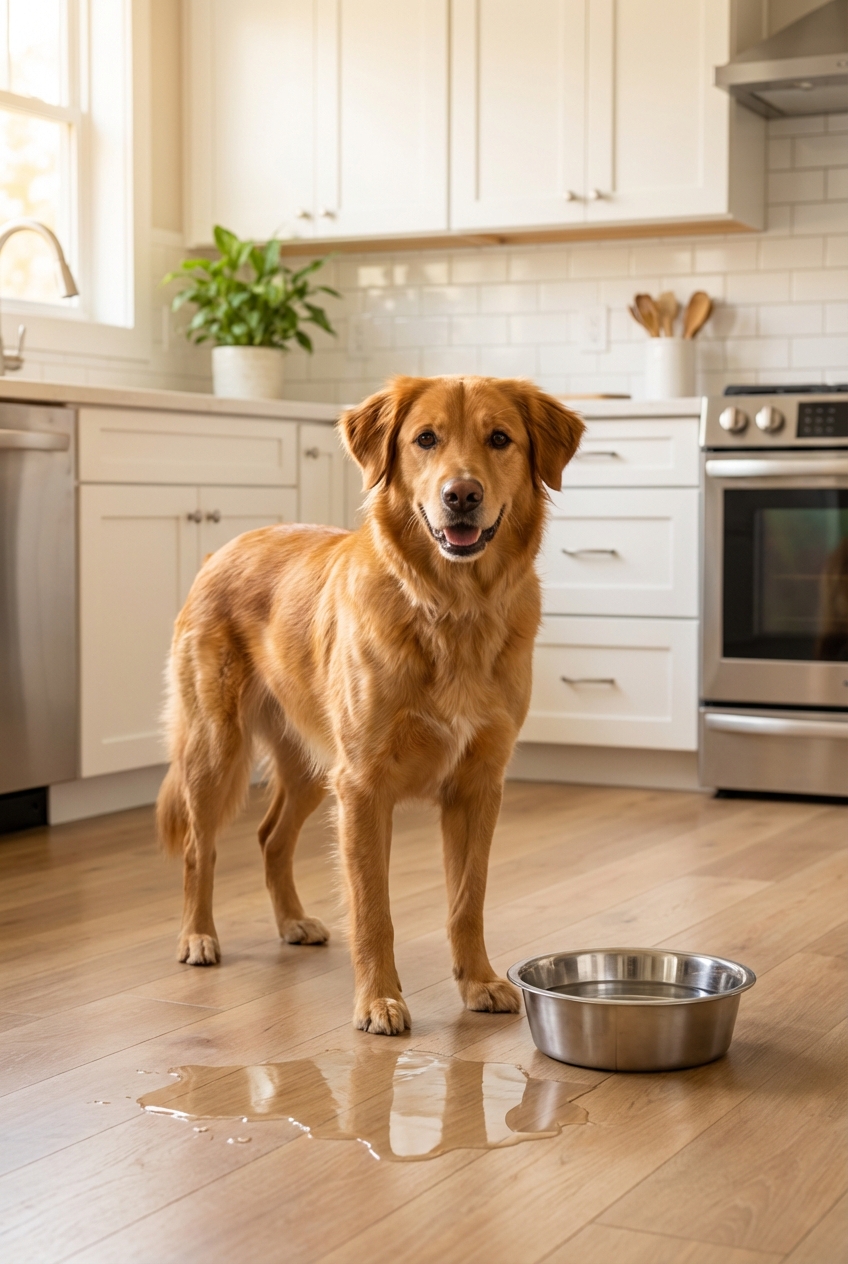
Few things make your heart drop faster than hearing your dog gulp water and then immediately gag, cough, or hack like something “went down the wrong pipe.” The good news is that many causes are minor and fixable. The not-so-good news is that frequent gagging after drinking can sometimes point to airway, throat, or esophagus problems that deserve a veterinary check.
Below, I’ll walk you through the most common causes, what you can do at home, and when it is time to call your vet.
What it can look like
Pet parents describe this in a few different ways, and the details help your vet narrow it down:
- Gagging or retching (like they are trying to vomit, but nothing comes up)
- Coughing right after a big drink
- Reverse sneezing (a snorting, pulling-air-in sound)
- Regurgitation (water comes back up easily, often without stomach heaving)
- Choking or “panic” when swallowing
Quick helpful tip: vomiting usually involves nausea and belly heaving. Regurgitation is more passive and can look like water or food simply comes back up.
If you can safely take a short video, it can be incredibly helpful for your veterinarian.
Common causes
1) Drinking too fast
This is the big one. Many dogs binge-drink, especially after exercise, excitement, or coming in from the heat. When they gulp rapidly, they can swallow air along with water, and some water can splash toward the back of the throat, triggering a cough or gag reflex.
Clues: happens mainly with big drinks, improves when your dog slows down, and your dog is otherwise acting normal.
2) Mild aspiration: water “down the wrong pipe”
Just like people, dogs can aspirate a small amount of water into the airway. A brief coughing spell after drinking can be your dog clearing their airway.
Important: occasional brief coughing is common. Repeated aspiration can irritate the airway and, in some cases, lead to aspiration pneumonia.
3) Brachycephalic airway syndrome (flat-faced breeds)
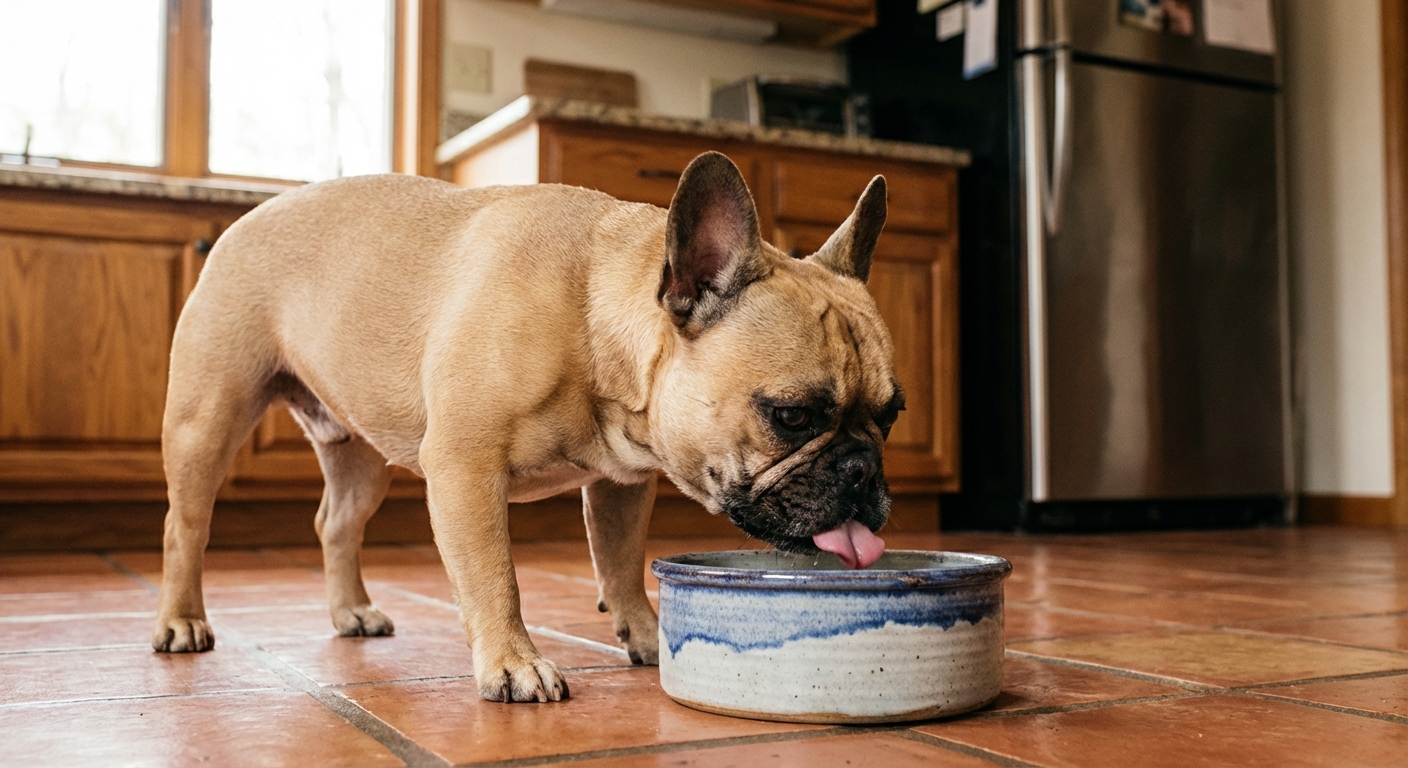
Pugs, French Bulldogs, English Bulldogs, Boston Terriers, and similar breeds often have narrowed nostrils, an elongated soft palate, and other upper-airway changes. Drinking can trigger gagging because airflow and swallowing mechanics are already compromised.
Clues: loud snoring, noisy breathing, heat intolerance, frequent gagging, and increased symptoms with excitement or warm weather.
4) Kennel cough and other respiratory infections
Infectious tracheobronchitis (often called kennel cough) is a syndrome that can involve multiple viruses and bacteria. It can make the throat and trachea extra sensitive. Drinking can trigger coughing or gagging because the airway is inflamed.
Clues: a dry, honking cough, exposure to daycare, grooming, boarding, dog parks, or a new dog in the home.
5) Collapsing trachea
More common in small breeds (Yorkies, Pomeranians, Chihuahuas, Toy Poodles), collapsing trachea is when the windpipe loses rigidity. Drinking can trigger coughing spells because the airway is already unstable.
Clues: chronic honking cough, worse with excitement, pulling on a collar, or warm weather.
6) Throat irritation, allergies, smoke, or dry air
If the throat is irritated, even normal swallowing can set off a cough or gag. Seasonal allergies, dusty environments, household smoke, strong fragrances, and very dry air can all contribute.
Clues: watery eyes, licking paws, sneezing, more symptoms at certain times of year or after cleaning sprays and candles.
7) Reflux or esophagitis
Reflux or reflux-like signs can inflame the throat and esophagus and make dogs gag after eating or drinking. Some dogs will also lip-smack, swallow repeatedly, or seem uncomfortable in the morning. Your vet can help confirm whether reflux, nausea, or another issue is the real cause.
Clues: gagging around meals, grass-eating, burping, picky appetite, or vomiting or regurgitation.
8) Esophageal disorders (including megaesophagus)
This is a big one to know because it changes what “spitting up water” means. Dogs with esophageal motility problems may regurgitate water soon after drinking. Regurgitation is passive. It often looks like water simply pours back out.
Clues: frequent regurgitation (not true vomiting), weight loss, bad breath, repeated pneumonia, or trouble keeping water down.
9) Laryngeal paralysis (more common in older, larger dogs)
When the larynx does not open properly during breathing, dogs can struggle to move air, and swallowing can be less coordinated. Drinking can lead to coughing or gagging and can raise the risk of aspiration.
Clues: voice change, noisy breathing, exercise intolerance, symptoms worse in heat. Older Labrador Retrievers are a classic example (often discussed as GOLPP).
10) Foreign material, grass awns, or mouth and throat problems
A small stick fragment, foxtail, or even severe dental disease can irritate tissues and trigger gagging during swallowing.
Clues: pawing at the mouth, drooling, bad breath, reluctance to eat, one-sided nasal discharge, or sudden onset after playing outdoors.
11) Bowl setup and posture
Sometimes the “cause” is simply mechanics. Very deep bowls, awkward head position, a bowl that slides around, very cold water, or even certain water additives can make some dogs gulp or cough.
Raised bowls help some dogs in specific situations, especially some esophageal disorders, but they are not a universal fix. Because the best setup depends on what is causing the symptoms, it is smart to ask your vet before making big changes to bowl height or posture.
12) Less common: heart or lung disease
Most gagging after drinking is not caused by heart disease, but a persistent cough (especially wet or worsening), exercise intolerance, or breathing changes should always be taken seriously. Your vet can sort out whether the cough is coming from the airways, lungs, or heart.
What you can do at home
If your dog is bright, eating, and the gagging is mild and occasional, these gentle changes often help:
- Slow the drinking. Offer smaller amounts more frequently, or refill the bowl halfway instead of to the top.
- Try a different bowl. A wider, shallower bowl can reduce gulping. Some dogs do better with a heavier bowl that does not slide.
- Control post-exercise thirst. After play, offer a few sips, wait a few minutes, then offer more.
- Use a harness instead of a collar if your dog coughs easily or you suspect tracheal sensitivity.
- Reduce irritants. Avoid smoke exposure, strong scents, and consider a humidifier if your home is very dry.
Do not attempt to “check the throat” if your dog is panicking or snapping. And do not give human cough medicines unless your veterinarian specifically instructs you to.
When to call the vet
Call your vet soon if you notice:
- Gagging or coughing after most drinks
- Regurgitation of water or food
- Any new breathing noise, wheezing, or increased effort to breathe
- Low energy, fever, reduced appetite, or weight loss
- A persistent cough that lasts more than a few days, or keeps recurring
- Repeated episodes in a flat-faced breed, especially in warm weather
If it is happening several times a week, is getting more frequent, or does not improve over 1 to 2 weeks with simple steps like slowing drinking, that is also a good reason to book an appointment.
Seek emergency care now if:
- Your dog is struggling to breathe, has blue or pale gums, or collapses
- There is significant choking that does not resolve quickly
- You suspect a foreign body (sudden onset with distress, drooling, pawing at mouth)
- Your dog may have inhaled water and then becomes weak, feverish, or develops a wet cough
Trust your instincts. If your dog looks scared, cannot catch their breath, or the episode feels different, it is absolutely worth an urgent call.
What your vet may check
Depending on your dog’s age, breed, and symptoms, your veterinarian may recommend:
- A thorough oral exam and throat evaluation
- Listening to the heart and lungs, and checking oxygenation
- Chest X-rays (especially if aspiration pneumonia is a concern)
- Neck and airway imaging if tracheal disease is suspected
- Testing for infectious respiratory disease when appropriate
- Evaluation for reflux or esophageal motility problems if regurgitation is present
One of the most helpful things you can bring to the appointment is a clear description of what happens first (drink, then cough, then normal) and whether there is belly heaving or nausea. A short video helps a lot.
FAQ
Is gagging after drinking water normal?
Occasional gagging or a brief cough after a big gulp can be normal. Frequent episodes, regurgitation, or any breathing changes are not something to ignore.
My dog gags but seems fine right after. Should I worry?
If it is rare and clearly tied to drinking too fast, you can usually start with slowing their drinking and monitoring. If it is happening regularly, there may be an underlying airway, throat, or esophageal issue.
Is this the same as reverse sneezing?
Not always. Reverse sneezing is typically a snorting, inhaling sound and can be triggered by excitement, irritants, or post-nasal drip. Some dogs reverse sneeze after drinking, but repeated coughing should still be discussed with your vet.
Bottom line
Most dogs who gag after drinking water are simply gulping too fast or briefly irritating the airway. But if your dog is coughing after nearly every drink, regurgitating water, or showing any breathing changes, it is time to get checked. Early care matters, especially for conditions like collapsing trachea, brachycephalic airway syndrome, reflux-related irritation, or aspiration risk.
If you are headed to the vet, bring the basics: your dog’s breed and age, how often it happens, whether it looks more like coughing or regurgitation, and a quick video if you can get one safely.