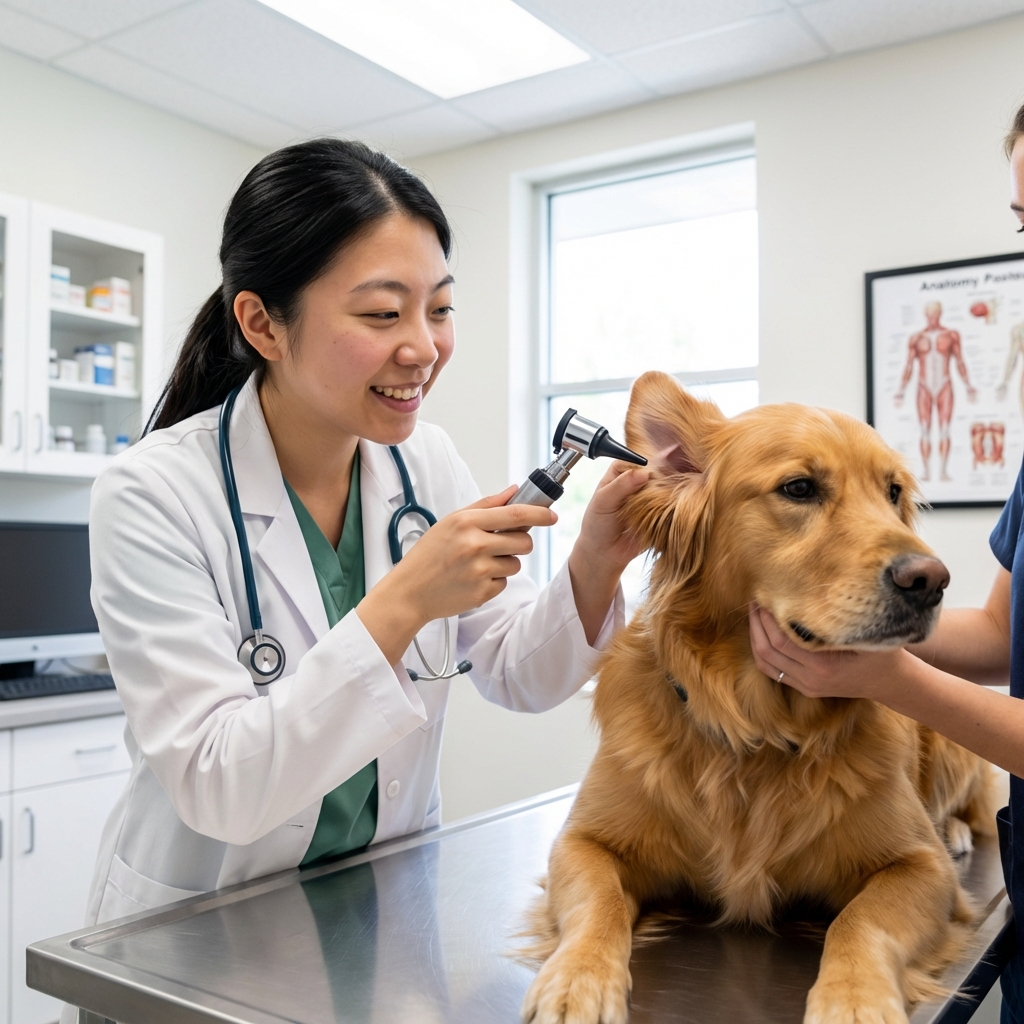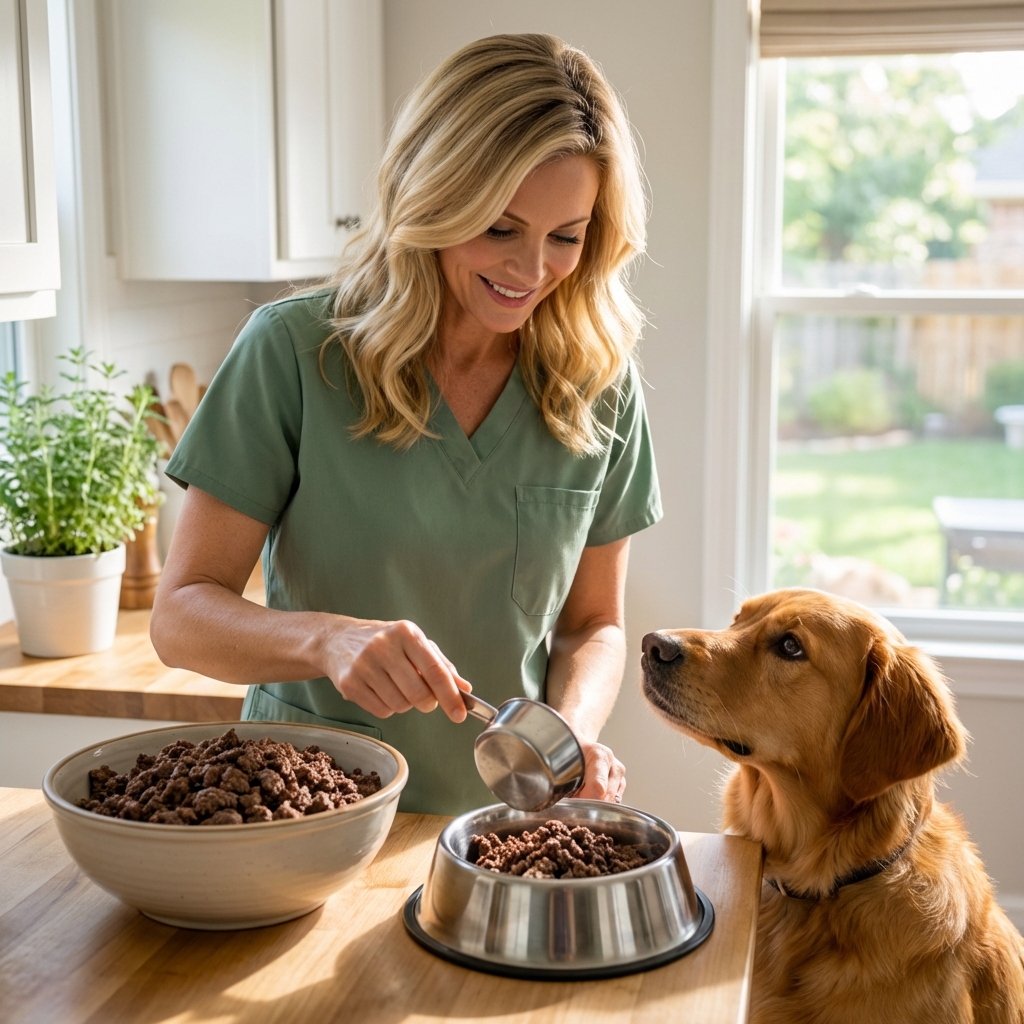
Guide to using homemade dog food for an elimination diet: pick a novel protein and single carb, keep it strict for 8–12 weeks, track symptoms, then challen...
Article
•
Designer Mixes
Dog Food Allergy Symptoms and Care Tips

Shari Shidate
Designer Mixes contributor
As a veterinary assistant here in Frisco, Texas, I hear a version of this question often: “I think my dog is allergic to their food, but I am not sure.” You are not alone, and you are not overreacting. Food-related skin and tummy issues are uncomfortable for dogs and stressful for families.
The good news is that you can take smart, evidence-based steps at home while you work with your veterinarian to pinpoint what is really going on.
What it really means
A true food allergy is an immune reaction to a dietary protein. The body mistakenly treats something in the diet as a threat.
In real life, many veterinarians use the umbrella term adverse food reaction (AFR), which can include:
- Food allergy: immune-driven reaction (most often to proteins).
- Food intolerance: digestive upset without an immune response (for example, diarrhea after a very fatty meal).
- Environmental allergies (atopy): reactions to pollen, dust mites, molds, grasses. These are very common and often look like “food allergy.”
- Flea allergy dermatitis: even a single bite may trigger intense itching in sensitive dogs.
Why this matters: the right plan depends on the cause. Switching foods repeatedly without a strategy can make it harder to identify the true trigger and can also broaden what your dog has been exposed to, which makes future “novel protein” options harder to find.
Symptom checklist
Food-related reactions can show up as skin issues, ear problems, or gastrointestinal (GI) upset. Some dogs have both.
Skin and ear signs
- Itching that is year-round (not just seasonal)
- Frequent licking or chewing paws
- Redness on belly, armpits, groin, or between toes
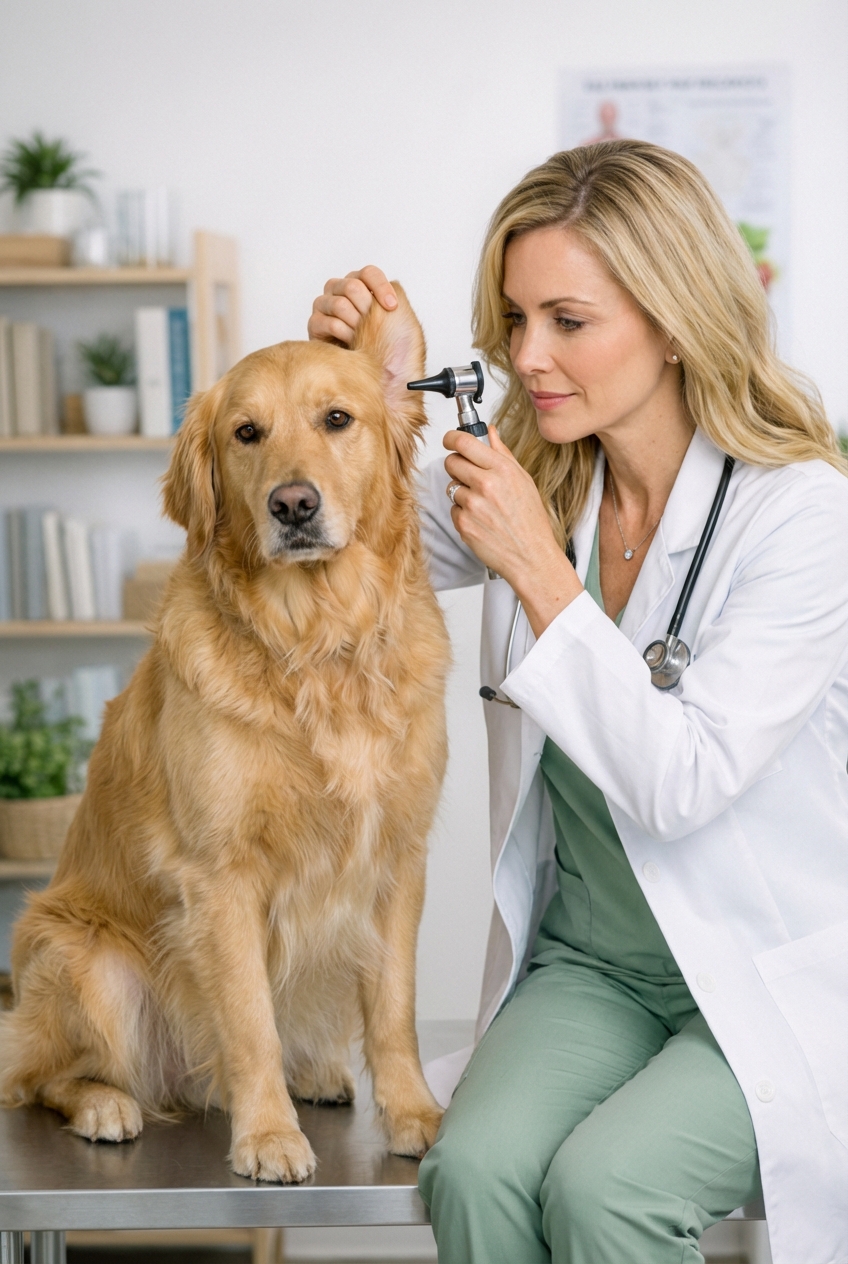
- Recurring ear infections or “dirty” ears with odor
- Hot spots, scabs, hair loss, or chronic skin infections

GI signs
- Loose stool, diarrhea, or mucus in stool
- Vomiting or frequent regurgitation (effortless bringing up food)
- Excess gas, tummy gurgling
- Increased stool frequency
- Decreased appetite in some dogs
A clue vets look for: food allergy or AFR often shows up as non-seasonal itch with ear and foot involvement. GI-only cases can happen, but they are less classic, so your vet will usually look for other causes too.
Call the vet now
Some symptoms should never wait, especially if your dog is losing fluids, in pain, or has trouble breathing.
- Swelling of the face, hives, or trouble breathing
- Repeated vomiting, vomiting blood, or severe lethargy
- Bloody diarrhea or black, tarry stool
- Signs of dehydration (dry gums, weakness, sunken eyes)
- Ear pain with head tilt, imbalance, or yelping
If you are seeing these, contact your veterinarian or an emergency clinic.
Rule-outs first
Before blaming food, most veterinarians want to control the common look-alikes that can keep itch and ear problems going even with a perfect diet.
- Fleas: consistent, veterinarian-recommended flea prevention matters, even if you “never see fleas.”
- Mites and parasites: skin scrapings or other tests may be needed.
- Yeast and bacteria: ear and skin infections are very common and often need prescription treatment.
- GI parasites: a stool test (and sometimes deworming) can be part of the workup for chronic diarrhea.
Getting these under control makes an elimination diet trial much easier to interpret.
Common diet triggers
In dogs, most adverse food reactions are to dietary proteins, not grains. A dog can react to a food they have eaten for years.
Common protein sources linked with reactions include:
- Beef
- Chicken
- Dairy
- Egg
- Wheat (contains proteins that can be triggers for some dogs)
- Soy (also contains proteins that can be triggers)
Surprising trigger: treats, flavored medications, dental chews, supplements, and table scraps can keep the reaction going even if you changed the main kibble.
Best way to diagnose
If you want the most reliable answer, the gold standard is an elimination diet trial guided by your veterinarian. Blood tests and saliva tests marketed for “food sensitivities” can be tempting, but they are not considered definitive for diagnosing food allergy in dogs.
How it works
- Your vet selects a prescription hydrolyzed diet or a novel protein diet your dog has truly never eaten.
- Your dog eats only that diet for typically 8 to 12 weeks (timelines vary, ask your veterinarian).
- No flavored treats, no chewing products, no flavored toothpaste, no “just a bite.”
- If symptoms improve, your vet may recommend a food challenge to confirm the trigger.
Hydrolyzed diets are designed to be less likely to trigger the immune system, but a small number of dogs can still react. That is why diet choice should be veterinarian-directed.
Also, “novel proteins” are not as novel as they used to be. Many dogs have already been exposed to exotic proteins through boutique foods and treats, which is another reason prescription options are often preferred for diagnosis.
It sounds strict because it is. But it is also one of the clearest paths to answers and long-term relief.
Care steps at home
1) Keep a simple diary
Write down:
- Food and treats (brand, flavor, batch if possible)
- Chews, supplements, flavored meds
- Itch level (1 to 10), ear odor, paw licking
- Stool quality and vomiting
- Any new shampoos, detergents, yard exposures
This helps your veterinarian see patterns quickly.
2) Remove hidden calories
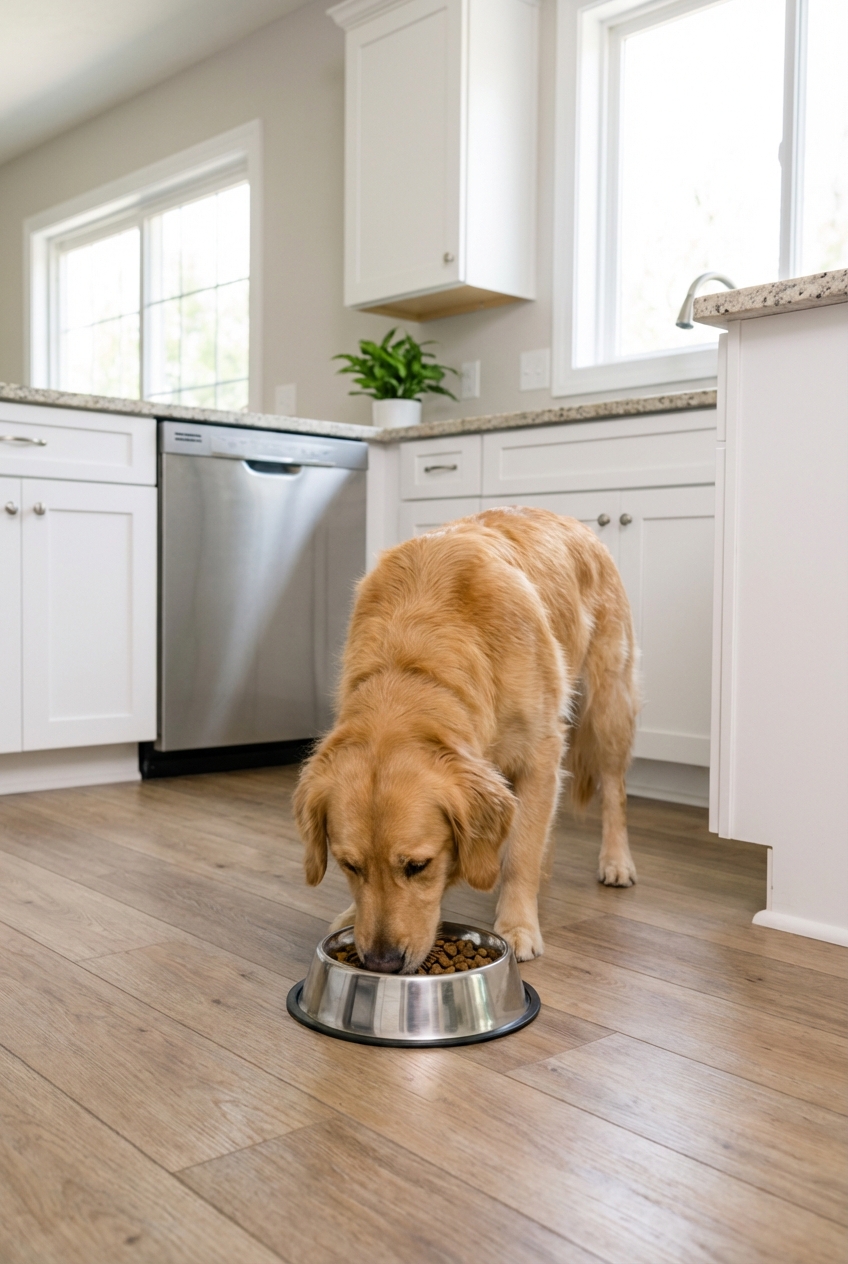
If a food reaction is on the table, treats matter. During a trial, use the trial kibble as treats, or ask your vet for approved single-ingredient options that match the trial diet. Consistency is what makes the results trustworthy.
3) Support the skin barrier
Allergic dogs often have inflamed, infection-prone skin. Ask your vet about:
- Medicated shampoos or wipes (especially for paws and folds)
- Ear cleaners for maintenance if your dog has recurring ear problems
- Omega-3 fatty acids (dose matters, so get veterinary guidance)
These steps do not “cure” an allergy, but they can reduce itch and secondary infections while you investigate the cause.
4) Treat infections and control itch
Yeast and bacteria love inflamed skin and ears. If you notice a strong odor, greasy skin, thickened red skin, or constant scratching, your dog may need prescription treatment.
Some dogs also need itch control medication during a diet trial so they can heal and sleep. That is normal and it does not “ruin” the process when it is coordinated with your veterinarian. The goal is to keep other itch drivers controlled so you can judge the diet fairly.
Switching foods safely
Even the perfect food can cause diarrhea if the transition is too fast. Unless your veterinarian tells you otherwise, a gradual change is usually kinder:
- Days 1 to 3: 25% new, 75% old
- Days 4 to 6: 50% new, 50% old
- Days 7 to 9: 75% new, 25% old
- Day 10 and beyond: 100% new
If your dog has active vomiting or diarrhea, pause and call your veterinarian for a tailored plan.
Picking the right diet
When allergies are suspected, a reliable plan is consistent, controlled, and nutritionally complete.
Prescription diets
These are often the most reliable for diagnosis because they are formulated to reduce the risk of cross-contact and to meet nutrition standards.
OTC limited ingredient diets
Some dogs do well on them, but they are not always ideal for diagnosis. Cross-contact with other proteins can happen in manufacturing, and ingredient lists do not always guarantee purity. If you go this route, do it with your vet’s guidance.
Home-cooked diets
Home-cooked can help in specific cases, but it needs a professional recipe to stay balanced, especially for growing puppies and seniors. If your vet recommends home-cooked long term, ask about working with a board-certified veterinary nutritionist (ACVN in the US, ECVCN in Europe) or a veterinarian with advanced nutrition training.
FAQ
Do dogs outgrow food allergies?
Some dogs can change over time, but many need long-term management once a true food allergy is confirmed. The goal is to identify safe ingredients and build a routine your dog can thrive on.
Is grain-free better for allergies?
Not necessarily. Most reactions are to proteins. Grain-free diets are not automatically hypoallergenic and may not address the real trigger.
How long until I see improvement?
GI signs can improve sooner, sometimes within days to a couple of weeks. Skin and ear issues often take longer, which is why many veterinarians recommend an 8 to 12 week diet trial for a fair assessment.
Can I use at-home allergy tests?
Commercial blood, saliva, and hair-based “food sensitivity” tests are not considered definitive for diagnosing food allergy in dogs. If you want a clear answer, talk with your veterinarian about a supervised elimination diet trial.
Bottom line
When your dog is itchy, has recurrent ear infections, or struggles with chronic tummy trouble, it is completely reasonable to suspect food. But the most reliable path is a calm, step-by-step plan: control fleas, rule out parasites and infections, then run a true elimination diet trial and keep everything consistent.
You do not have to do this perfectly on day one. Start with a diary and a conversation with your veterinarian. Relief is possible, and many dogs go on to do wonderfully once their trigger is identified.