Worried about a harsh, honking dog cough? Learn kennel cough symptoms, emergency red flags, diagnosis, home care, vet treatments, recovery timelines, and con...
Article
•
Designer Mixes
Dog Flu Symptoms: What to Watch For

Shari Shidate
Designer Mixes contributor
Dog flu, also called canine influenza, can look a lot like “just a kennel cough” at first. But here is the key point that surprises many loving pet parents: the earliest symptoms can be mild, and your dog can still spread it. If your pup goes to daycare, the dog park, grooming, boarding, training classes, or any place dogs share indoor air, it is worth knowing the signs so you can act quickly and protect other dogs too.
As a veterinary assistant here in Frisco, Texas, I have seen how fast respiratory bugs can move through a community. The good news is that most dogs recover well with supportive care and timely guidance from your veterinarian.
What is dog flu (and why it spreads easily)
Canine influenza is a contagious respiratory infection caused by influenza A viruses. Historically, the main strains have been H3N8 and H3N2, but in many areas today, H3N2 is the more common strain. Your local veterinarian is the best source for what is circulating in your region.
It spreads through respiratory droplets from coughing, sneezing, and barking, plus contaminated surfaces like leashes, bowls, hands, and clothing.
Incubation is usually about 2 to 5 days, which means your dog may seem fine while the virus is already getting established. Dogs can shed virus for days, and in some cases, shedding can continue even after symptoms improve. Your veterinarian can help you decide how long your dog should stay away from other dogs.
Essential symptoms of dog flu
Most symptoms are respiratory, and they often overlap with kennel cough and other infections. What matters is the pattern, persistence, and your dog’s exposure risk.
Also, a quick helpful note: what many people call “kennel cough” is often part of a broader group of illnesses called the canine infectious respiratory disease complex (CIRDC). Different viruses and bacteria can cause very similar signs, which is why testing may be recommended in some cases.
1) Cough (the most common sign)
Dog flu often causes a frequent cough that can sound dry and hacking or become moist and productive. A key clue is duration. If the cough is not improving after a few days, or it is getting worse, it is time to check in with your veterinarian, especially if your dog has recently been around other dogs.
2) Nasal discharge and congestion
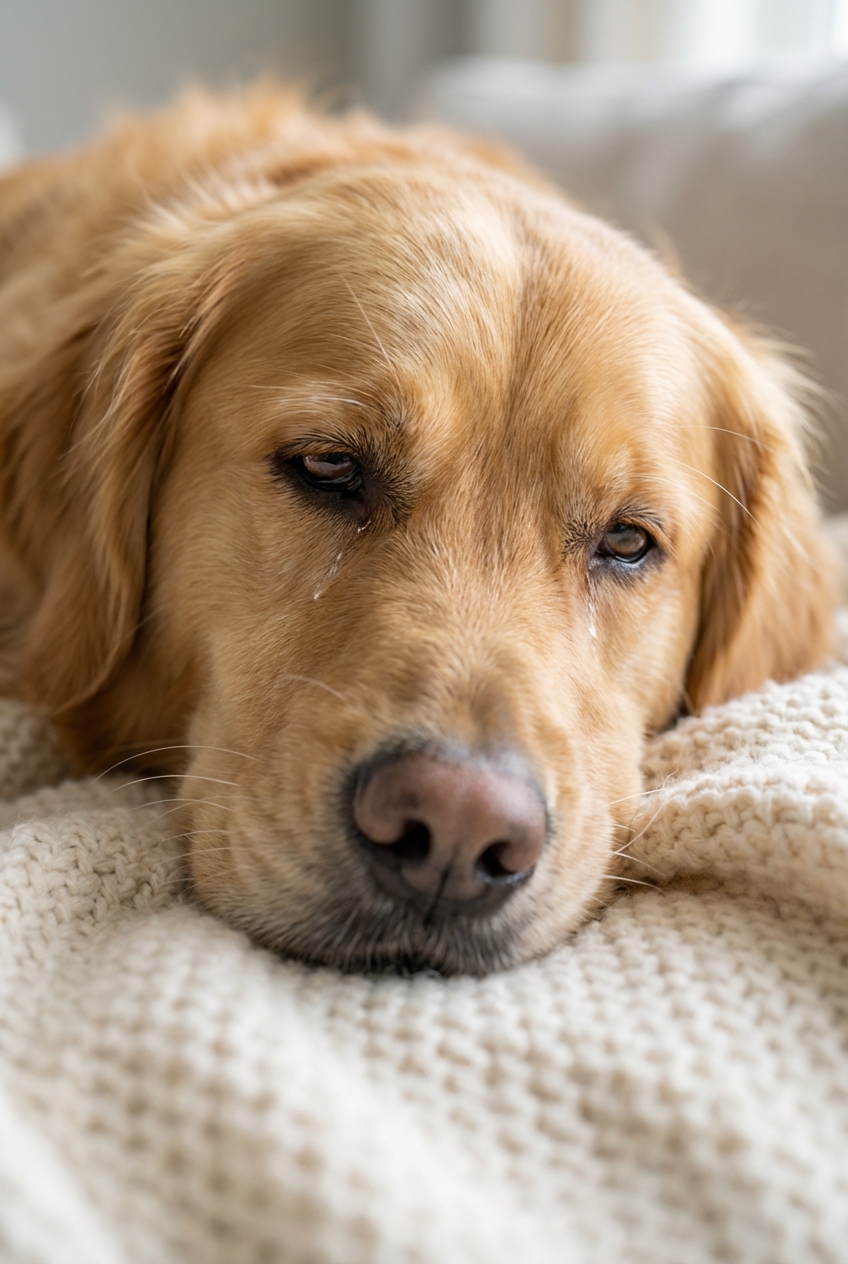
You may see a runny nose that starts clear and becomes thicker or more colored. Some dogs also sneeze or sound “stuffy,” especially at night.
3) Eye discharge and watery eyes
Watery eyes, mild redness, or crusting can show up alongside nasal symptoms, especially in dogs with sensitive airways.
4) Fever
Fever is common, but you might not know it is there unless your vet checks. At home, clues can include a dog who feels unusually warm, is more tired than usual, or seems “not themselves.” Some dogs may pant at rest, but panting can also be caused by stress, pain, heat, or breathing trouble, so it is a reason to pay closer attention, not a fever diagnosis by itself.
5) Lethargy and low energy
Many dogs still eat and wag but move slower, sleep more, or stop initiating play. If your high-energy pup suddenly becomes a couch ornament, take note.
6) Reduced appetite
Some dogs eat less because they do not feel well or because congestion affects smell, which affects interest in food. Watch water intake too.
7) Rapid or difficult breathing (a red flag)
This can indicate more serious lower respiratory involvement, including pneumonia. If your dog is breathing faster than normal at rest, using belly muscles to breathe, or seems unable to get comfortable, treat it as urgent.
8) Vomiting or diarrhea (less common)
These are not classic dog flu signs, but they can happen, especially if a dog is swallowing mucus, stressed, or fighting a more systemic illness. It also may point to a different infection entirely, which is why a veterinary exam matters.
Often missed signs and timing
Here are the most overlooked clues I see in real life.
- It starts mild. A small cough after excitement or a little sniffle can be the beginning, not the end.
- Symptoms can mimic allergies. Seasonal allergies usually do not cause fever, and they tend to come and go with triggers. Flu symptoms often intensify over a few days.
- It can linger. A cough that hangs on for a couple of weeks can happen even with uncomplicated cases.
- Exposure matters. If your dog was recently boarded, groomed, at daycare, or around a coughing dog, your suspicion should go up.
- Some dogs have minimal symptoms but can still spread illness to vulnerable dogs like seniors, puppies, or dogs with chronic airway disease.
Dog flu vs kennel cough vs allergies
Many pet parents want a simple way to tell these apart. The truth is that you cannot reliably diagnose dog flu by symptoms alone, because multiple infections can look similar. But these general patterns can help guide your next step.
- Dog flu: cough plus lethargy, nasal discharge, possible fever, often after social exposure.
- Kennel cough (infectious tracheobronchitis): classic honking cough, may be bright and eating, sometimes mild nasal discharge.
- Allergies: itchy skin, paw licking, recurrent ear issues, watery eyes, sneezing. Usually no fever and no deep fatigue.
If your dog has a cough and has been around other dogs recently, it is smart to assume contagious illness until your veterinarian tells you otherwise.
When to call the vet (and when to go now)
Call your veterinarian for guidance if your dog has:
- Coughing that lasts more than 24 to 48 hours
- Nasal discharge that becomes thick, yellow, or green
- Low appetite, unusual tiredness, or fever concerns
- A known exposure to a coughing dog, daycare outbreak, or boarding facility illness
Go to urgent care or emergency if you notice:
- Labored breathing, open-mouth breathing at rest, or a blue or gray tint to gums or tongue
- Collapse, extreme weakness, or inability to rest comfortably
- Dehydration signs like very dry gums, sunken eyes, or refusing water
- Puppies, seniors, or medically fragile dogs with any significant respiratory symptoms
Tip: Before you walk into a clinic, call ahead. If canine influenza or CIRDC is suspected, teams often use specific protocols to reduce exposure to other patients.
What your vet may do
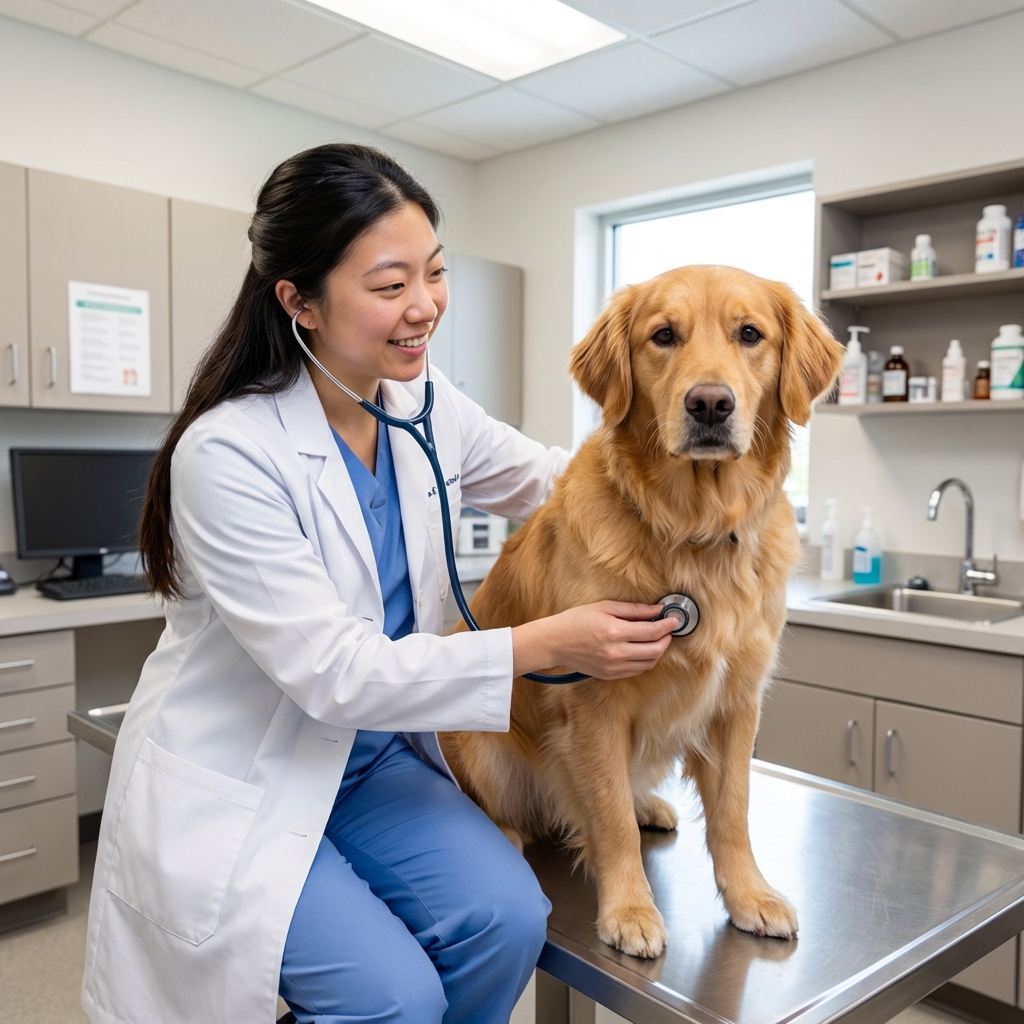
Your veterinarian will decide what is appropriate based on your dog’s age, exam findings, and how sick they are. Common steps include:
- Physical exam with a close listen to the lungs
- Diagnostic testing such as PCR testing from nasal or throat swabs, especially in outbreak situations
- Supportive care for comfort, hydration, and rest
- Additional medications if there is concern for secondary bacterial infection or pneumonia
- Chest X-rays if breathing is fast, harsh, or concerning
Antibiotics do not treat the flu virus itself, but they may be used when secondary infections are suspected. That is one reason an exam is so valuable.
Another important safety reminder: canine influenza is not the same as human flu, and you should not give human cold and flu medications to dogs. Antiviral medications are not routinely used in dogs unless your veterinarian specifically prescribes them.
At-home care and isolation
If your veterinarian suspects dog flu or another contagious respiratory disease, the basics at home are simple but powerful.
Isolation
- Keep your dog away from other dogs for the full period your veterinarian recommends. Many clinics advise at least 2 weeks, and sometimes 14 to 21 days or longer depending on the illness, test results, and how your dog is doing.
- Skip daycare, boarding, parks, group classes, and grooming until cleared. Some dogs may remain contagious longer, so let your vet guide the finish line.
Comfort and hydration
- Offer plenty of water. If your dog is not drinking well, ask your vet for strategies.
- Keep activity gentle. This is not the time for long runs.
- Use a harness instead of a collar if coughing is triggered by neck pressure.
Reduce airway irritation
- Avoid smoke, heavy fragrances, and dusty environments.
- Ask your vet whether humidified air or bathroom steam sessions are appropriate for your dog.
Cleaning and prevention for the household
- Wash bowls, toys, and bedding.
- Wash hands after handling a sick dog, especially before interacting with other dogs.
- Change clothes if you will be around other dogs outside your home.

Prevention: vaccines and smart choices
There are vaccines available for canine influenza (H3N2 and, in some products, H3N8). Vaccination does not always prevent infection completely, but it can reduce severity and help lower spread within dog communities.
Ask your veterinarian whether your dog is a good candidate, especially if your dog:
- Regularly attends daycare or boarding
- Goes to grooming salons often
- Participates in training classes, sports, or shows
- Lives with or visits dogs who are elderly, immunocompromised, or very young
Also consider common-sense prevention that really works: avoid crowded dog settings during known local outbreaks, and do not be shy about turning around if you hear a chorus of coughing.
A gentle reminder from me to you
If you are worried you missed early symptoms, you are not a bad dog parent. Dog flu can start quietly. The most loving thing you can do is act early: call your veterinarian, isolate your dog, and support them through recovery.
Most dogs bounce back beautifully with rest and proper care. And by taking symptoms seriously, you are also protecting the other dogs in your neighborhood, your daycare, and your community.