Stop fleas fast with a realistic, family-friendly plan. Learn the flea life cycle, how to check for flea dirt, vet-approved treatments, home cleaning steps, ...
Article
•
Designer Mixes
Dog Flea Control Secrets

Shari Shidate
Designer Mixes contributor
Hi, I’m Shari, a veterinary assistant here in Frisco, Texas, and I want you to know something comforting right up front. Fleas are beatable. But the thing most families miss is that flea control is not one product, it is a system. When you treat the dog, the home, and the yard on the right schedule, fleas lose their grip.
In this article, I’ll walk you through the flea life cycle (in plain English), how to choose safe and effective treatments, what to expect after you start, and what to do if nothing seems to work.
The flea life cycle
Adult fleas are only the tip of the iceberg. Fleas have four stages: egg, larva, pupa, and adult. That matters because in many homes, most of the flea problem is not the adult fleas you can see on your dog. It is the developing stages hiding in the environment.
- Adults live on pets and feed on blood.
- Eggs fall off into carpets, bedding, and cracks in flooring.
- Larvae hide from light and feed on organic debris and “flea dirt” (digested blood).
- Pupae can sit protected in a cocoon for days to weeks, sometimes longer, and then hatch when they sense vibration, warmth, or carbon dioxide.
Key point: you can kill every adult flea today and still see “new” fleas tomorrow because pupae are hatching on their own schedule. That is why consistent treatment for 8 to 12 weeks is a common timeframe for getting control in moderate to heavy infestations. In some homes, especially with heavy indoor or outdoor pressure, it can take longer. Consistency is still the lever that moves the needle.
Prevention or infestation?
If you are preventing
If you have not seen fleas but you live in a flea-prone area, consistent monthly prevention is usually the simplest path. One effective product used correctly beats a drawer full of half-used sprays.
If you are dealing with an active infestation
Plan to do three things at once:
- Treat every pet in the household, even if only one is itchy.
- Break the home cycle with vacuuming and washing.
- Stay consistent long enough to outlast the pupae stage.
What to expect after you start
This is the part that keeps people from giving up too soon.
- You may still see fleas for a bit. That does not always mean the product failed. It can be newly emerged adult fleas coming from pupae in the home or yard.
- Itching can lag behind. If your dog has flea allergy dermatitis or irritated skin, comfort may improve over days to a couple weeks, sometimes longer if there is a secondary infection that needs treatment.
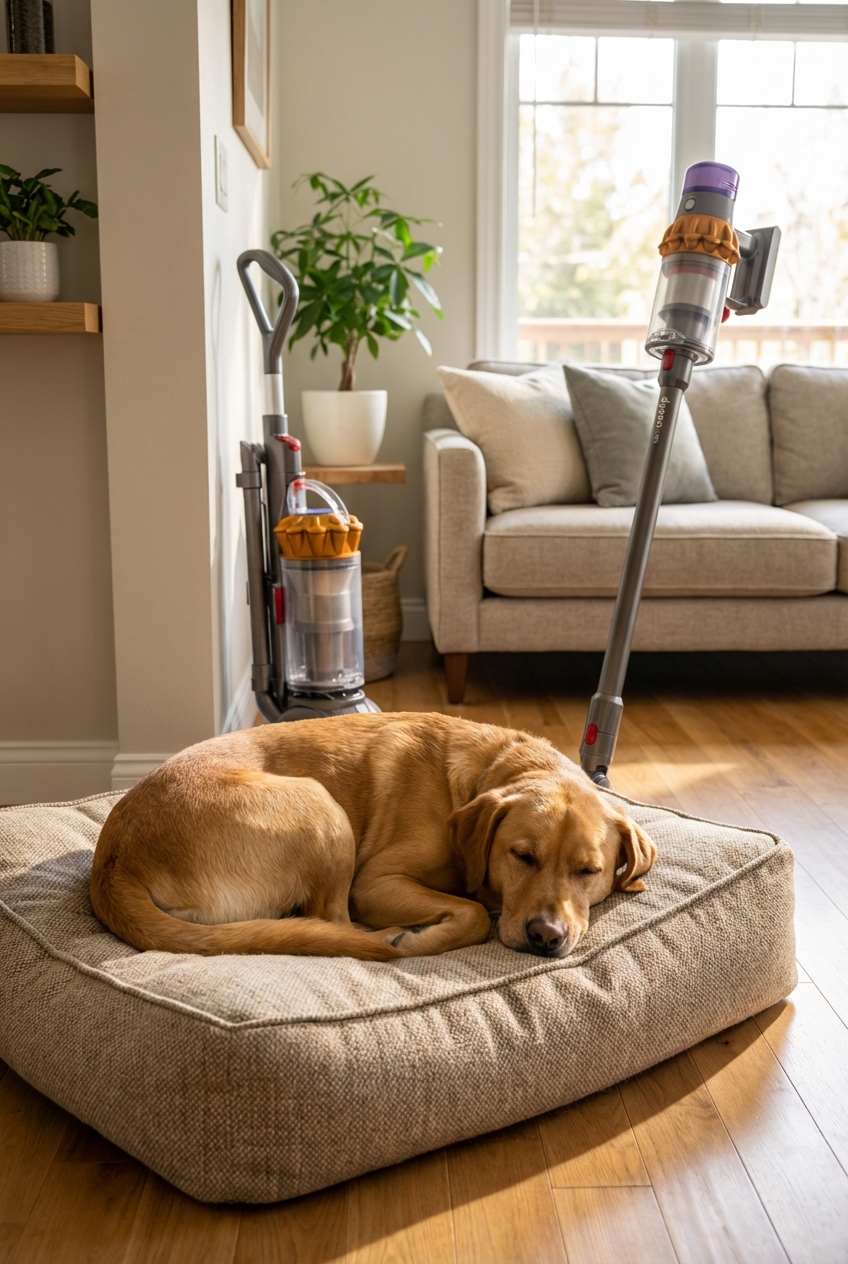
- Vacuuming helps on purpose. It can stimulate pupae to hatch, which sounds scary, but it helps bring hidden stages into the open where your overall plan can catch up.
Choosing treatments
There are many choices, and they are not all equal. Here are the most common categories and how they differ.
Oral preventives
These are chewable tablets given on a schedule that depends on the product. Many are monthly. Some products are labeled for longer intervals (such as 12 weeks). They work systemically, meaning the flea bites your dog and then dies. Many families like them because there is no residue on fur and bathing does not reduce effectiveness.
Best for: busy households, dogs that swim often, dogs with frequent baths.
Ask your veterinarian about: the right option for your dog’s age, weight, and health history, and the correct dosing interval for that specific product. Follow label directions exactly.
Topical spot-ons
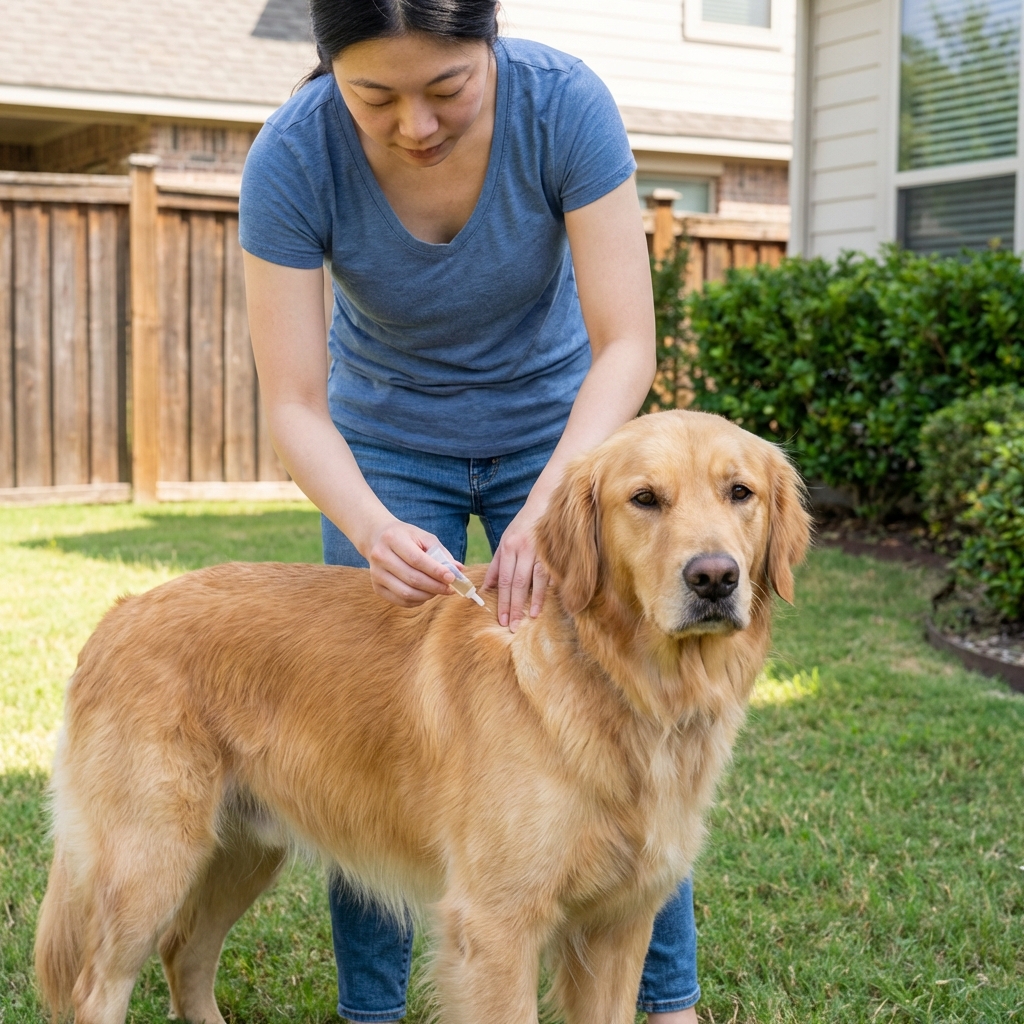
These are applied to the skin, usually between the shoulder blades, and spread through the skin and oil layer. Some products kill adult fleas, while others also help disrupt the development of eggs and larvae.
Best for: families who prefer non-oral options and can apply carefully and consistently.
Important: separate pets until the application site is dry so they do not lick each other.
Flea collars
Some modern collars provide long-lasting protection by releasing active ingredients over time. Quality varies widely by brand, so stick with veterinarian-recommended options and buy from reputable sellers to reduce counterfeit risk. Always confirm the collar is labeled for your pet’s species and weight range.
Shampoos and dips
These can kill fleas present at the moment of the bath, but they rarely provide long-lasting control by themselves. Think of them as a short-term “knockdown,” not a complete plan.
Home sprays and powders
These can help in an infestation when paired with pet treatment, especially products that include an insect growth regulator (often abbreviated as IGR). IGRs do not “wipe out” every stage on contact. They help stop eggs and larvae from developing into biting adults, which is a big deal for breaking the cycle.
If your plan only targets adult fleas, you are fighting with one hand tied behind your back. Look for products that either last long enough to cover hatching cycles or include an IGR for the environment.
The 3-part system
1) Treat the pet
- Use a veterinarian-recommended preventive appropriate for your dog’s size and age.
- Treat all dogs and cats in the home. Fleas do not respect species.
- Set reminders so doses are not missed. Consistency is what breaks the cycle.
2) Reset the home
You do not need to disinfect your entire house. You do need to target the places where eggs and larvae collect.
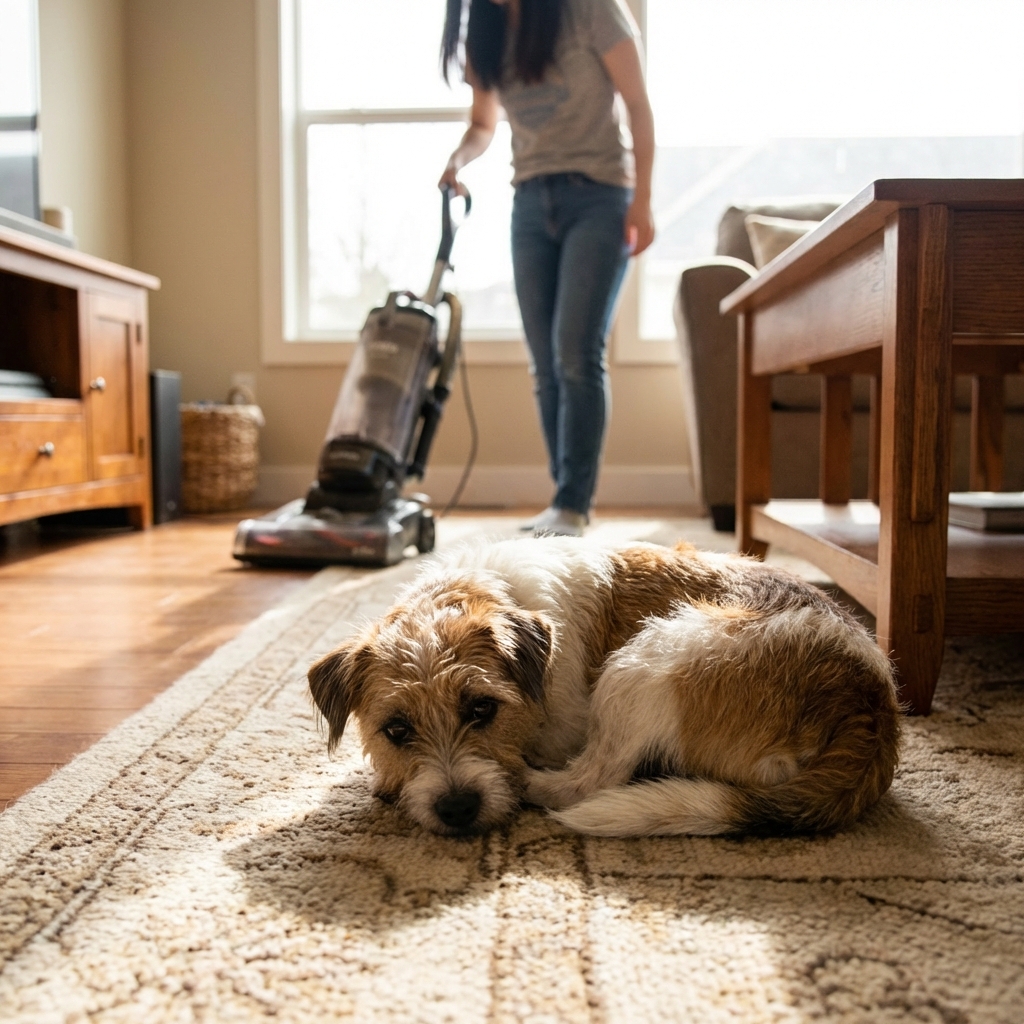
- Vacuum carpets, rugs, baseboards, and furniture cushions daily for 7 to 10 days, then several times a week. Dispose of the vacuum bag or empty the canister outside right away.
- Wash pet bedding, blankets, and soft toys in hot water weekly and dry on high heat if the fabric allows.
- Restrict access to one or two easy-to-clean rooms temporarily if you are overwhelmed. Smaller battlefield, faster win.
3) Manage the yard
In Texas and other warm climates, the yard can be a major source of reinfestation. Fleas love shady, moist areas.
- Keep grass trimmed and remove leaf litter and debris.
- Focus on shaded hangouts like under decks, along fences, and under shrubs.
- If you use an outdoor product, choose one labeled for outdoor flea control and follow all label directions and re-entry times. Keep pets and children off treated areas until it is dry or as directed, and be extra cautious in mixed households with cats.

Safety rules
- Never use dog flea products on cats. Some dog-only topicals can be dangerous to cats.
- Use the correct weight range. Dosing is not flexible, and “close enough” is not safe.
- Be cautious with essential oils. “Natural” does not automatically mean safe for pets, especially cats, puppies, seniors, and dogs with liver issues.
- Buy from reputable sources. Counterfeit flea products do exist online.
A quick note on cats
If you share your home with cats, they need cat-labeled flea prevention too. Many safe, effective options exist, but cats are not small dogs. If you are not sure what is safe for your cat, ask your veterinarian before applying anything.
Why fleas come back
Reason 1: You stopped too soon
This is the big one. Because pupae can hatch later, you need consistent coverage long enough to outlast the life cycle. Keep going even when you think the problem is solved.
Reason 2: Only one pet is being treated
If one pet is untreated, fleas have a safe place to feed and reproduce.
Reason 3: Wildlife visitors
Raccoons, feral cats, opossums, and rodents can drop fleas in your yard. Managing outdoor attractants and using consistent pet prevention helps protect your home.
Reason 4: Bathing or swimming reduces topical performance
Some topicals are more sensitive to frequent bathing than others. If your dog swims a lot, talk with your vet about a better fit, often an oral preventive.
Reason 5: It is not fleas
All itching is not flea itching. Allergies, mites, skin infections, and dry skin can look similar. If your dog is still miserable after proper flea coverage, it is time for a veterinary exam and possibly a skin test or allergy workup.
How to check for fleas
Here is a simple at-home check that works well.
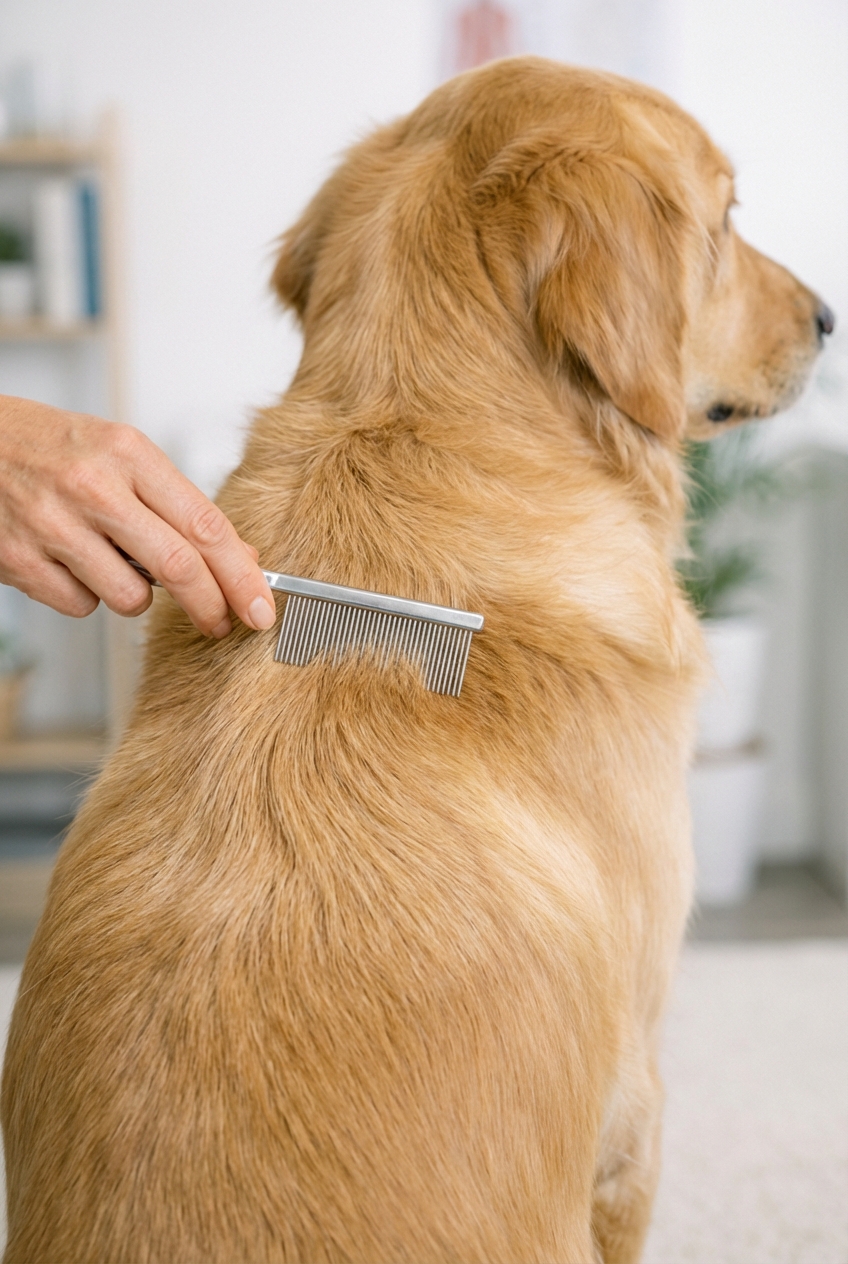
- Use a flea comb and comb along the neck, rump, and base of the tail.
- Tap what you collect onto a damp white paper towel.
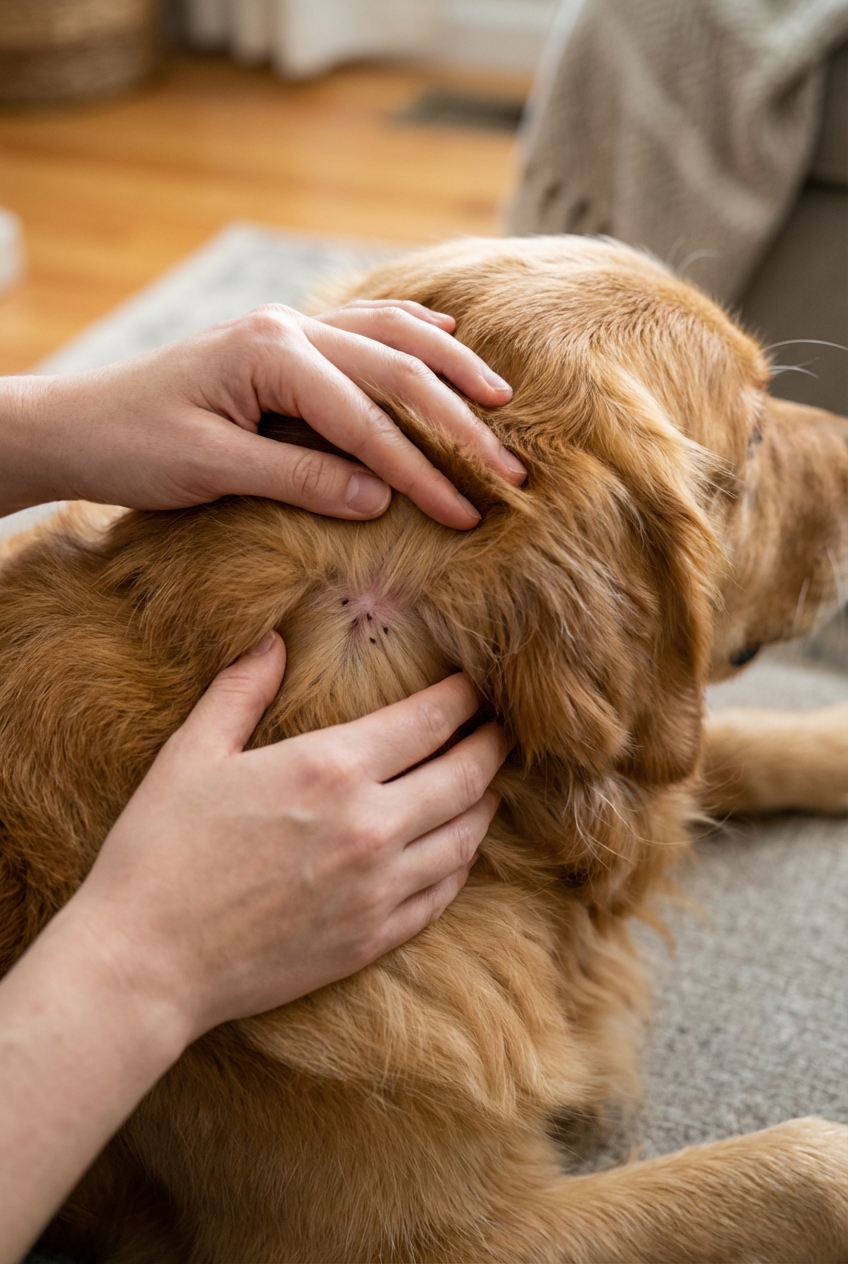
- If you see reddish-brown streaks, that is often “flea dirt” dissolving, which indicates fleas are feeding.
If you see live fleas after you have used a product correctly and consistently, call your veterinarian. You may need a different class of medication, plus an environmental plan.
When to call the vet
- Your dog is a puppy, senior, pregnant, or has chronic illness and you are unsure what is safe.
- You see pale gums, extreme lethargy, or weakness. Heavy flea infestations can contribute to anemia, especially in small dogs and puppies.
- Your dog has scabs, hair loss, hot spots, or a strong odor. Secondary skin infections are common after flea bites.
- You have cats in the household and are unsure what products are safe across species.
Also, a quick but important connection: fleas can transmit tapeworms. If you have seen fleas or tapeworm segments (often described as “rice” near the rear end or in bedding), ask your veterinarian whether deworming is needed.
Evidence-based flea control often makes dogs more comfortable within days to a couple weeks, depending on skin irritation and whether an infection is present. You both deserve relief, and you deserve a plan you can trust.
A simple weekly plan
If you are battling an active flea problem, here is a realistic routine that works well for many families:
- Week 1: Start veterinarian-recommended prevention for every pet the same day. Wash bedding. Vacuum daily.
- Weeks 2 to 4: Vacuum several times a week. Keep washing bedding weekly. Keep pets on prevention.
- Weeks 5 to 12: Stay on schedule. Many “mystery fleas” during this time are pupae hatching. Consistency wins.
With the right system, you should see fewer bites and less scratching over time, plus a calmer home. One step at a time, you have got this.