A practical guide to dog CCL tears: early home steps, safe pain control, what your vet may do, surgery vs conservative care, rehab milestones, nutrition, and...
Article
•
Designer Mixes
Dog Favoring a Hind Leg: Need-to-Know Tips

Shari Shidate
Designer Mixes contributor
Seeing your dog suddenly “bunny hop,” skip a step, or hold up a back leg can be scary. As a veterinary assistant here in Frisco, Texas, I have learned that hind-leg limping can be anything from a simple paw irritation to a more serious knee, hip, or back issue. The most helpful thing you can do is stay calm, limit activity, and gather a few clear observations you can share with your veterinarian.
Below are practical, vet-informed tips to help you decide what to do next, what to watch for, and how to keep your pup comfortable while you get answers.
First: What “favoring” means
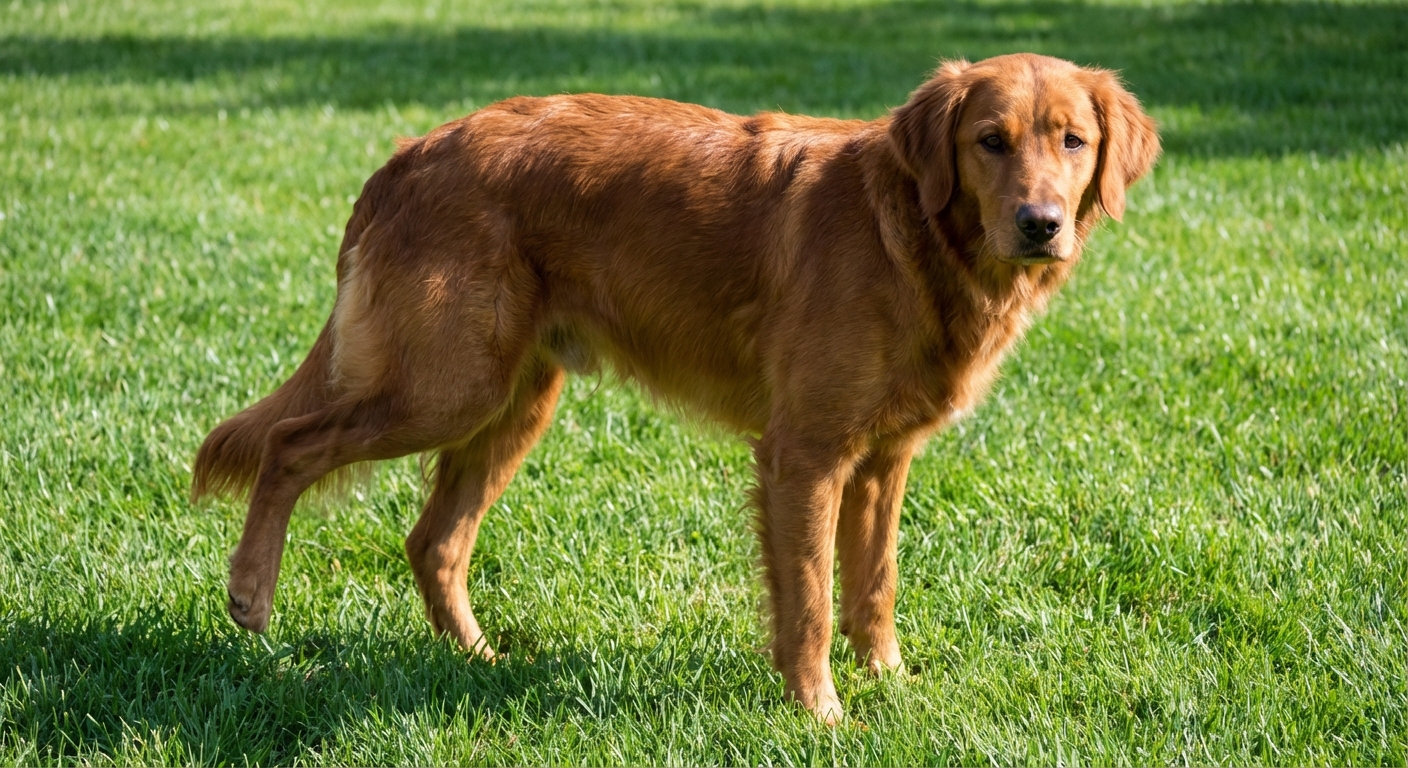
When a dog “favors” a hind leg, they are shifting weight away from it. You might notice:
- Toe-touching or holding the leg up completely
- Shortened stride, limping, or hopping
- Reluctance to jump, climb stairs, or get into the car
- Stiffness after rest that improves after a few steps (or sometimes worsens)
- Whining, licking a joint or paw, or avoiding being touched
This weight-shifting is your dog’s way of protecting an area that hurts, feels unstable, or is weak. Keep in mind that bilateral pain (both hips or both knees) may not look like a classic limp. It can show up as stiffness, slow rising, or bunny hopping instead.
Common causes
Hind-leg limping is not one single diagnosis. Here are some of the most common culprits we see in practice.
Paw or nail problems
These are easy to miss because the limping can look like a “leg” issue when it is really a foot issue. Check for:
- Thorns, stickers, foxtails, glass, or burrs between toes
- Torn or overly long nails, or a cracked nail or quick (the sensitive inner tissue)
- Pad cuts, burns (hot pavement), or irritation from chemicals
Soft tissue sprain or strain
Zoomies, slipping on tile, rough play, and sudden turns can strain muscles and ligaments. These can improve with rest, but they can also mimic more serious injuries.
Knee injuries (especially CCL tears)
In dogs, the cranial cruciate ligament (CCL) is similar to the human ACL. A partial tear can cause intermittent limping that flares after activity. A full tear can cause a sudden, obvious non-weight-bearing limp. Many dogs also develop meniscus injury, which can add pain and sometimes clicking.
Patellar luxation
The kneecap slips out of place and back in. You may see a skip-step that resolves suddenly, then returns later. Small breeds are commonly affected, but any dog can have it.
Hip problems
Hip dysplasia, arthritis, or other hip pain can cause reluctance to rise, trouble jumping, and a “bunny hop” gait. Pain can be one-sided or affect both legs.
Arthritis
Arthritis (osteoarthritis) is very common, especially in adult and senior dogs, and can follow old injuries. You may notice stiffness after sleeping, slower walks, or needing help on stairs.
Back or nerve-related pain
Disc disease, lumbosacral issues, or nerve compression can make a dog limp or drag a toe. Some dogs show weakness, knuckling, or changes in tail position. This category is one reason we take hind-leg limping seriously.
Less common but important
- Tick-borne disease causing joint pain (for example, Lyme, Ehrlichia, or Anaplasma, depending on region)
- Immune-mediated joint inflammation
- Bone tumors, which can be more common in large-breed and older dogs
- Infections in joints or bones
Quick at-home check
If your dog allows gentle handling, these steps can help you spot obvious issues. If your dog growls, snaps, or yelps, stop and call your veterinarian. Pain can make even sweet dogs react.
- Compare both hind legs: Look for swelling, heat, or a new lump. Compare right vs. left.
- Check the paw: Spread toes gently, look between pads, and inspect nails.
- Watch them walk: Take a short video from the side and from behind on a flat surface. Videos are incredibly helpful for your vet.
- Note when it happens: Worse after play? Worse after resting? Sudden onset after a jump?
Do not force stretching, “pop” a joint back into place, or try aggressive massage. And never give human pain medication unless your veterinarian has specifically told you to.
When to go to the ER
Please seek urgent veterinary care if you notice any of the following:
- Non-weight-bearing limp that does not improve quickly
- Obvious swelling, an abnormal angle, or suspicion of fracture
- Dragging the leg, knuckling, or sudden weakness
- Crying out in pain, panting, trembling, or unwillingness to move
- Bleeding nail injury that will not stop
- Fever, lethargy, not eating, or multiple joints affected
- Known trauma (hit by car, fall, rough collision)
What to do while you wait
1) Rest is the best first aid
Most limping cases benefit from strict activity restriction until you know what is going on:
- Leash walks only for potty breaks
- No running, jumping, stairs, or rough play
- Use a harness and short leash for control
- Consider blocking furniture access temporarily
If your dog is very painful, keeps trying to bolt around the house, or you are worried about a knee or back injury, ask your veterinarian whether crate rest or a small, gated recovery area is best.
2) Cold packs for fresh injuries
If the limp started within the last 24 to 48 hours and you suspect a sprain, a cold pack can help with inflammation. Wrap it in a thin towel (never place ice directly on skin) and apply for up to 10 minutes, 2 to 3 times daily, if your dog tolerates it. Stop if your dog resists or seems stressed.
3) Heat is for chronic stiffness
If your dog has long-term stiffness (like arthritis) and no new swelling, gentle warmth can feel good. Avoid heat on a newly injured, swollen, or hot area.
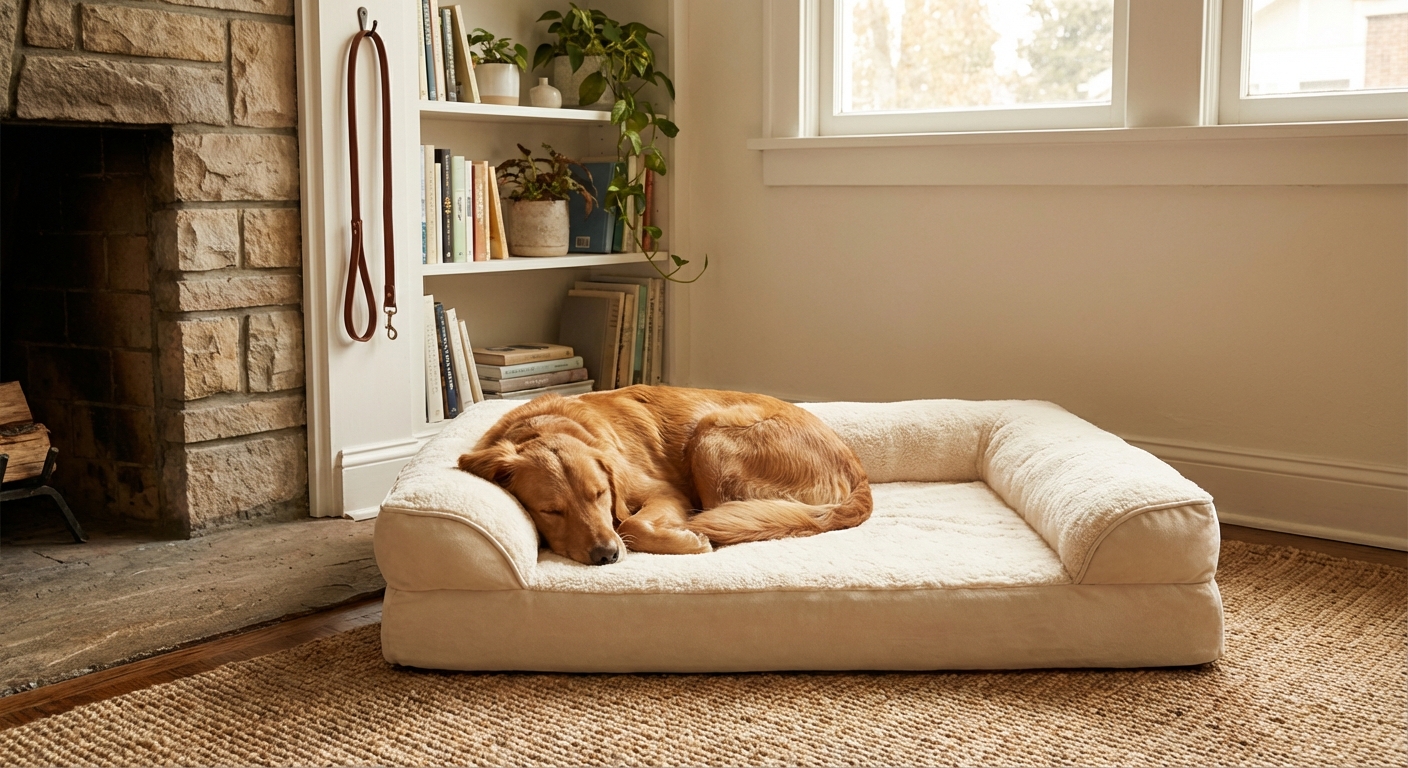
4) Create a safe recovery zone
- Non-slip rugs or yoga mats on slick floors
- A supportive bed that is easy to step into
- Food and water nearby
5) Skip human meds
Common over-the-counter pain relievers like ibuprofen and naproxen can be dangerous to dogs. Acetaminophen can also be dangerous if misdosed. Only give medications that your veterinarian has specifically prescribed for your dog.
When to book an exam
If your dog is limping but still willing to walk, it is usually smart to book an exam within 24 to 72 hours, especially if the limp lasts more than 24 to 48 hours despite rest, keeps returning, or is getting worse. Earlier treatment can prevent small injuries from turning into long recoveries.
What your vet may do
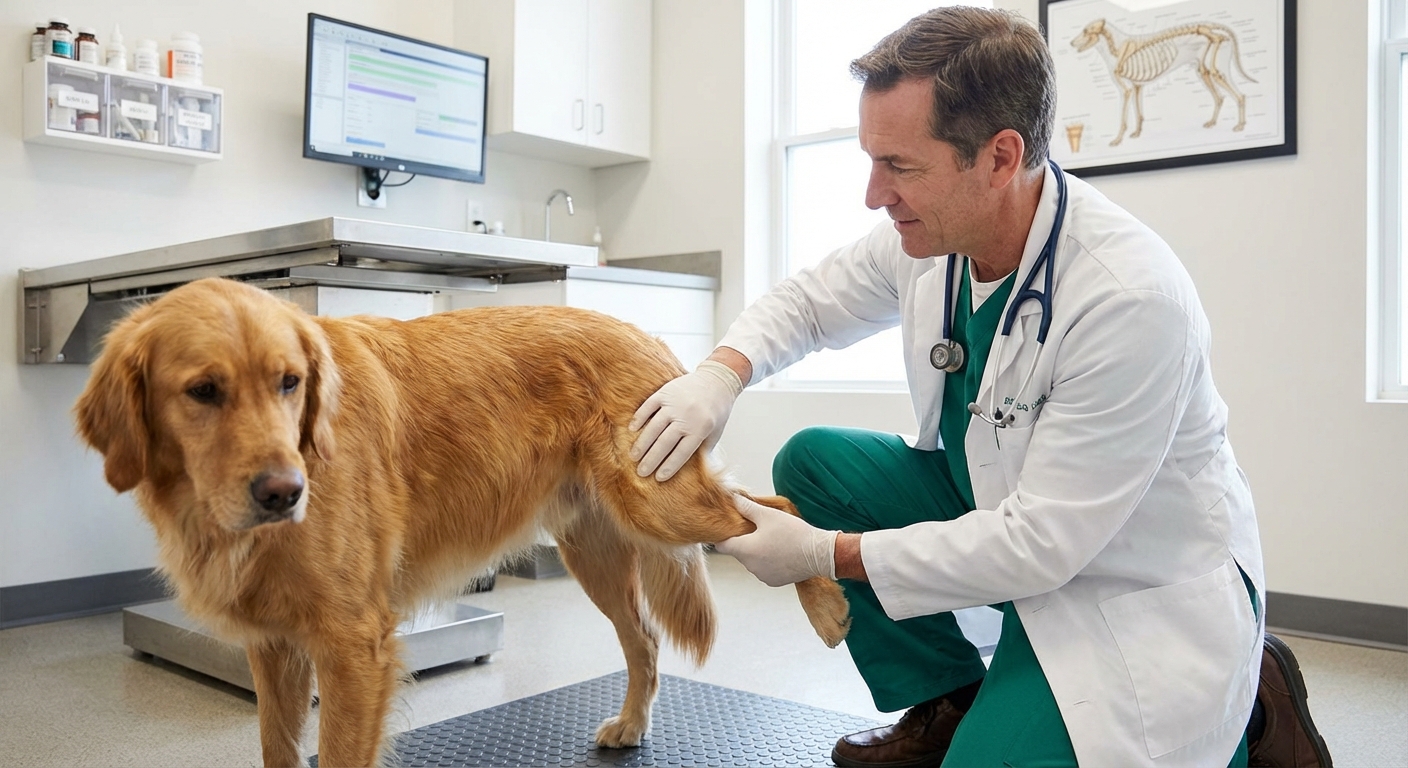
Diagnosis often starts with a hands-on orthopedic exam and a gait assessment. Depending on the findings, your veterinarian may suggest:
- X-rays to evaluate bones, hips, knees, and arthritis
- Stability tests to check the knee (your vet may mention “drawer” or “tibial thrust” tests)
- Bloodwork if infection, inflammation, or tick disease is suspected
- Referral to orthopedics or neurology for complex cases
Treatment could include rest, targeted pain relief, physical therapy, weight management, joint supplements, or surgery for injuries like CCL tears or severe luxation.
Nutrition and lifestyle support
There is no single “magic” food for limping, but a few supportive moves can make a real difference.
Keep your dog lean
Extra weight increases stress on hips and knees. If your dog is even a little overweight, a vet-guided weight-loss plan can meaningfully reduce pain and slow arthritis progression.
Joint-friendly movement
Once your veterinarian clears activity, consistent low-impact exercise helps build muscle support around painful joints. Think controlled leash walks and, for many dogs, swimming or underwater treadmill.
Whole foods and omega-3s
High-quality protein supports muscle maintenance, and omega-3 fatty acids (often from fish oil) may help manage inflammation for some dogs. If you want to add healthy whole foods, start slowly and keep the overall diet balanced. When in doubt, ask your vet about a veterinary nutrition consult.
Evidence-based joint supplements
Your veterinarian may recommend products containing ingredients like glucosamine, chondroitin, or green-lipped mussel, or specific veterinary diets for joint support. Quality and dosing matter, so choose a vet-trusted brand.
What to track for your vet
These details help your clinic narrow down the cause faster:
- Which leg is affected (right or left), or if both seem stiff
- When it started and whether it was sudden or gradual
- Any known trigger (jump, slip, long hike)
- Is it worse after rest or after exercise?
- Any yelping, licking, swelling, or heat
- Appetite, energy, bathroom habits
- Video of the limp from side and behind
If your dog is favoring a hind leg, the safest default is rest plus a prompt veterinary check. Early guidance can prevent a minor injury from becoming a long recovery.
Bottom line
Hind-leg limping is common, but it is never something to ignore. A careful paw check, strict rest, and timely veterinary guidance are the best steps you can take right now. And please do not feel guilty if you did not spot the cause immediately. Dogs are athletes in fur, and they are great at hiding discomfort until it becomes too much.
Bring your notes and videos to your appointment, and do not hesitate to ask your veterinarian what diagnoses they are most concerned about, what activity level is safe right now, and what the next step is if your dog is not improving.