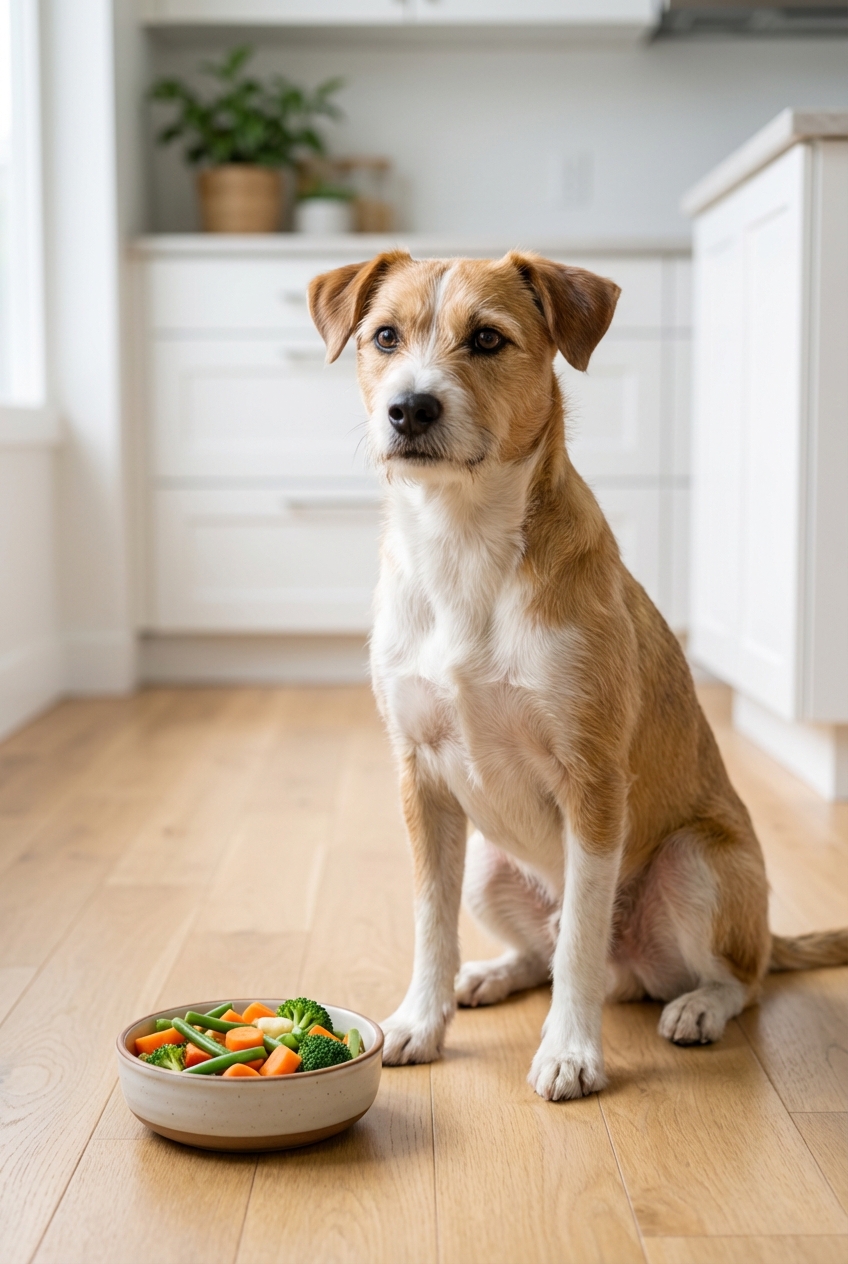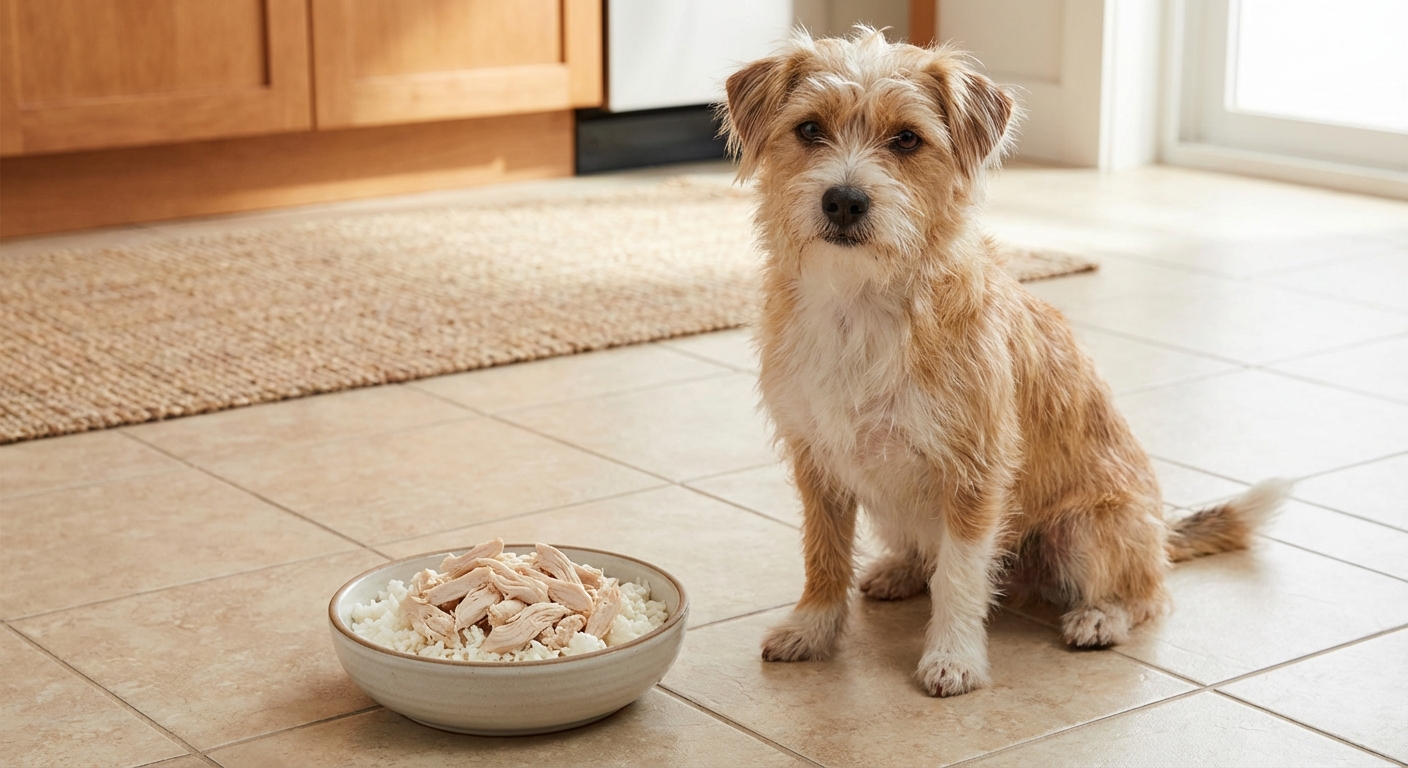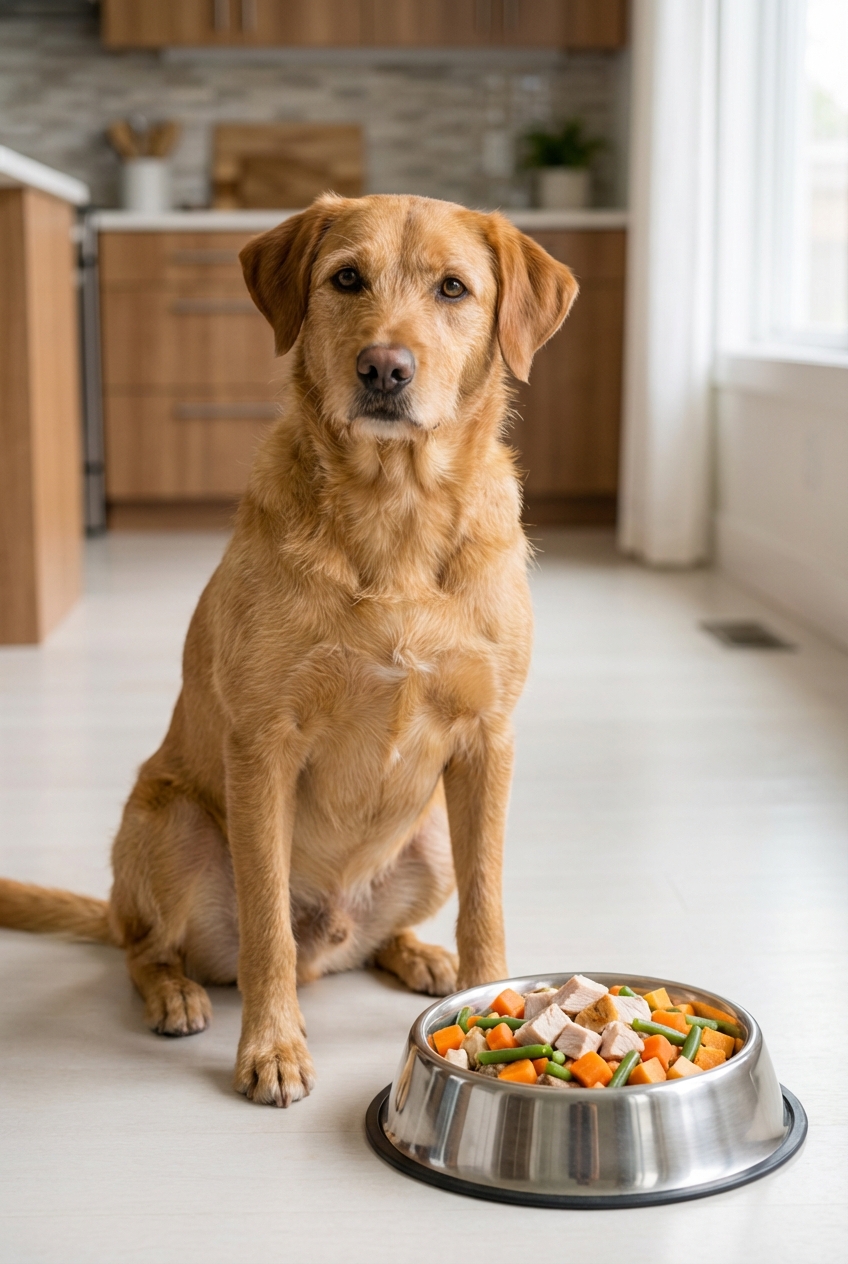
Make your dog’s meals more nourishing with 18 homemade recipes for full meals and treats, plus clear safety rules, storage tips, and guidance to keep diets...
Article
•
Designer Mixes
Dog Facts and Insights

Shari Shidate
Designer Mixes contributor
If you love dogs, you know they are equal parts heart, hilarity, and mystery. One minute they are staring at you like they understand every word, and the next they are spinning in circles because you touched a leash. This page is your pet-lover’s resource for dog facts and vet-informed insights that help you understand what is normal, what is fascinating, and what deserves a call to your veterinarian.

I’m Shari Shidate, a veterinary assistant in Frisco, Texas, and I’m all about practical, kind guidance. I’ll share what we see in real life at the clinic, plus widely used veterinary guidance from organizations such as AAHA and the AVMA when applicable. This page is educational and not a substitute for veterinary care for your individual dog.
How Dogs Think
Dogs are brilliant observers. They learn patterns fast, they read body language beautifully, and they are strongly motivated by outcomes like comfort, safety, play, food, and your attention.
They learn by association
Your dog does not need a long explanation. If “sit” predicts a treat or praise, it becomes meaningful. If the nail clippers predict an unpleasant experience, the clippers become a warning sign. Training works best when it is consistent, positive, and calm, and when the reward is worth it to your dog.
- Actionable tip: Pair new or stressful things with something your dog loves, like tiny treats or a lick mat. Trainers often call this counterconditioning, and it is a cornerstone of modern, humane training.
- Watch for: Lip licking, yawning, turning the head away, and tucked posture. These can be subtle stress signals that often get missed.
Breed matters, not destiny
Genetics shape instincts like herding, guarding, retrieving, or chasing. Daily enrichment, training, and routine have huge influence over how those instincts show up at home.
Dog Senses
Your dog lives in a sensory universe that is very different from ours. That difference explains a lot of “weird” dog behavior, especially on walks.
Smell is the superpower
Dogs have many more scent receptors than humans and a specialized system for processing odors. You will often see estimates that many dogs may have roughly 220 to 300 million olfactory receptors, compared with about 5 to 6 million in humans. Exact numbers vary by breed and by what researchers are measuring, but the takeaway is consistent: sniffing is not just a distraction. It is mental exercise. (For deeper reading, see veterinary overviews from sources like the Merck Veterinary Manual.)
- Actionable tip: Add a “sniffari” walk a few times a week where your dog leads and you let them sniff safely without rushing.
Hearing can make noise hard
Many dogs hear higher-frequency sounds better than we do. Vacuum cleaners, fireworks, smoke alarms, and even certain phone tones can be intense.
- Actionable tip: For noise sensitivity, create a quiet retreat area with a blanket, a closed door, and soft background sound. If your dog panics during storms or fireworks, talk with your veterinarian early. There are effective behavior plans and medications that can help.

Health Basics
In clinic, I see the same preventable issues again and again. The good news is that a few habits at home can make a big difference in comfort and longevity.
Dental disease is common
Many adult dogs develop plaque, tartar, and gum inflammation. It is widely cited in veterinary dentistry that a majority of dogs show signs of periodontal disease by around age 3, although the exact percentage varies by study and population. Dental disease is not just “bad breath.” It can be painful and has been associated with broader health concerns. (AAHA and veterinary dental organizations emphasize dental care as a key part of preventive health.)
- Actionable tip: If your dog will allow it, brush with a pet-safe toothpaste several times a week. Dental chews and water additives can help, but they do not replace brushing.
- Ask your vet: Whether a professional dental cleaning is recommended and how often.
Weight matters
Extra weight strains joints and can raise risk for several health problems. Even modest weight gain can worsen arthritis and mobility, and it can affect metabolic health over time. If you are not sure what “ideal” looks like, your veterinarian can help you confirm your dog’s target body condition score (BCS) and a realistic plan.
- Actionable tip: Measure meals, limit high-calorie treats, and use part of the daily kibble as training rewards.
Parasite prevention is protection
Heartworms and intestinal parasites can be serious. Fleas and ticks are not only annoying, they can transmit disease. The right prevention plan depends on where you live and what your dog does outdoors.
- Actionable tip: Ask your veterinarian what prevention is appropriate for your dog’s lifestyle and your local risk. Also ask how often they recommend heartworm testing and fecal testing for your dog, since needs vary by region and history.
Vaccines and wellness visits
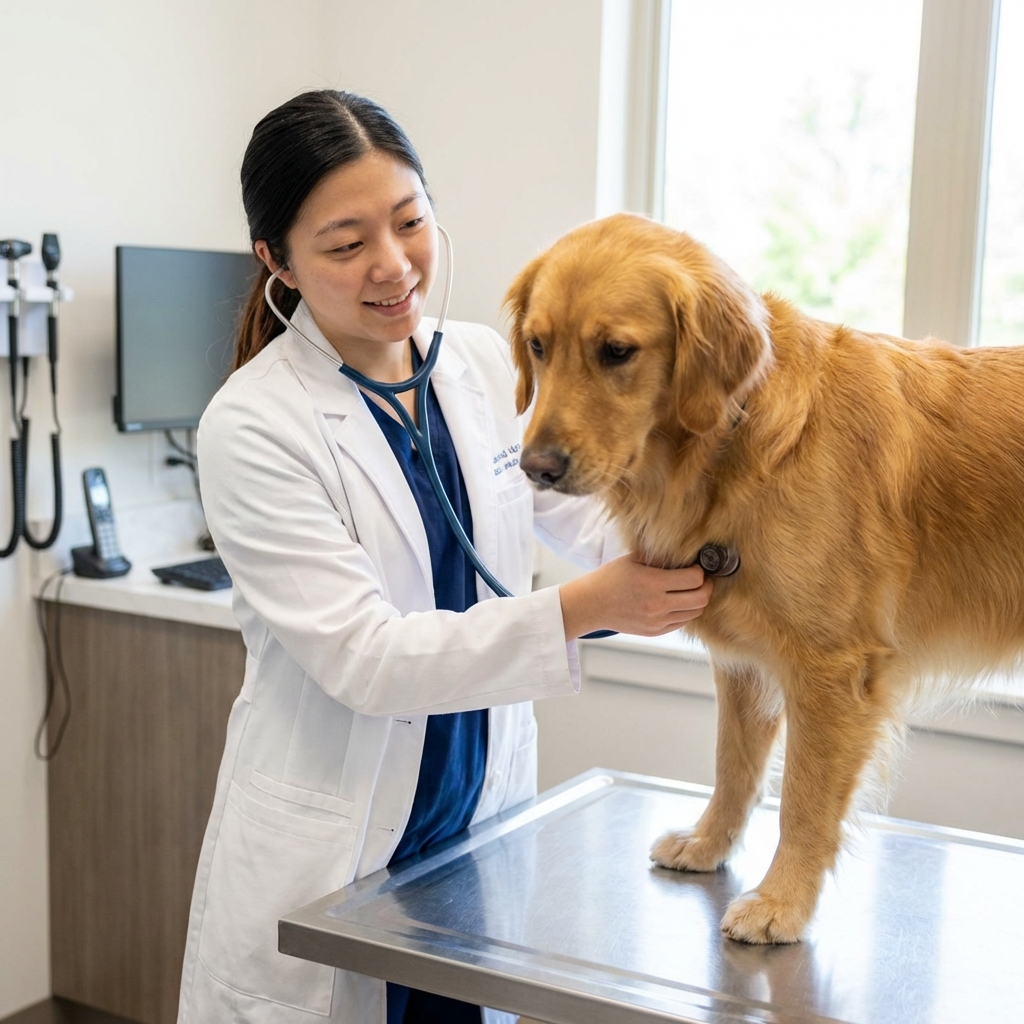
Vaccines and regular exams catch problems early and help your dog stay protected as their life stage and risk factors change.
- Ask your vet: Which core and lifestyle vaccines your dog needs and how often, plus how frequently your dog should have a wellness exam.
ID and microchips
Microchipping and up-to-date ID tags are simple safety steps that can make a huge difference if your dog ever slips a leash or bolts out the door.
- Actionable tip: If your dog is microchipped, confirm the registration is current. A chip only helps if the contact info is accurate.
Food Basics
Nutrition does not have to be overwhelming. Whether you feed kibble, canned, fresh, or homemade, the goal is the same: complete, balanced nutrition plus a healthy routine.
Balance beats perfection
The most common nutrition mistake I see is imbalance over time, especially when a dog eats a lot of unbalanced toppers, table scraps, or homemade meals that are not formulated to meet nutrient needs.
- Actionable tip: A common rule of thumb is to keep treats and extras under about 10 percent of daily calories, unless your veterinarian (or a board-certified veterinary nutritionist) gives different guidance.
Homemade needs a plan
Homemade food can be a wonderful option for some families, but it needs a recipe designed to meet nutrient requirements. Dogs require specific levels of calcium, essential fatty acids, and key vitamins and minerals.
- Easy transition idea: As a general guideline for healthy dogs, start with about 25 percent of a well-planned fresh component mixed into your current diet, then increase gradually over 10 to 14 days while monitoring stool quality and energy. Dogs with sensitive stomachs or GI disease may need a slower transition, so loop in your vet.
- Safety reminder: Avoid toxic foods like grapes, raisins, onions, garlic, chocolate, xylitol (often in sugar-free products), and cooked bones that can splinter. This is not a complete list, so when in doubt, ask your vet.
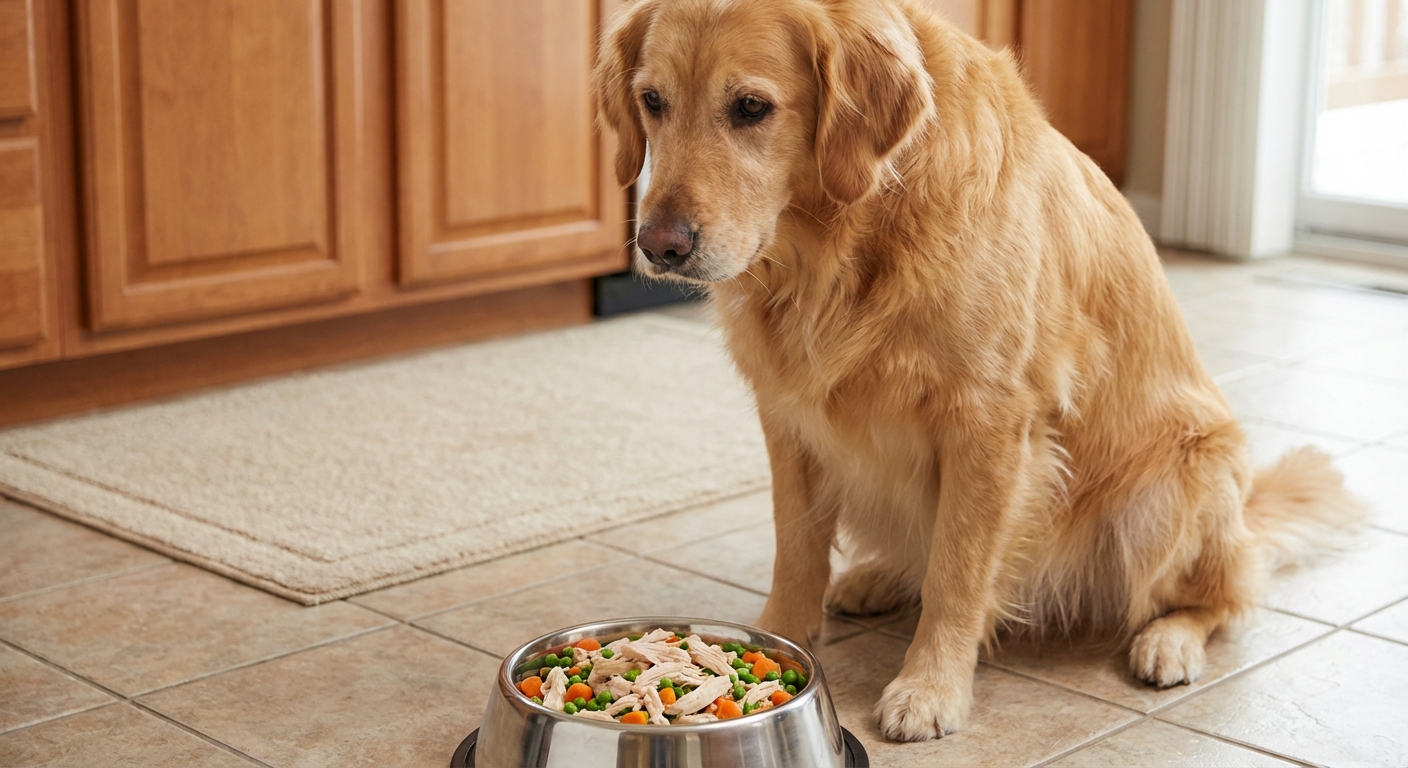
Quick note: Plain chicken and veggies can look wholesome, but they are not a complete diet on their own unless a recipe is properly formulated for your dog.
Grooming and Nails
Grooming is not just cosmetic. It is comfort care, and it is also a great way to notice early changes like lumps, ear odor, or sore spots.
- Actionable tip: Keep sessions short and calm. Do one tiny win, then stop. For nails, practice showing the clippers, treat, then put them away. Build up gradually to touching a paw, then clipping one nail.
- Ask your vet: If you are unsure about ear cleaning, nail trimming, or skin issues. A quick demo can save you and your dog a lot of stress.
Quick Dog Facts
- Tail wags are not always happy. A stiff, high wag can signal arousal or tension. Look at the whole body for context.
- Normal stool varies, patterns matter. Sudden diarrhea, straining, black tarry stool, or blood are reasons to call your vet promptly.
- Dogs hide pain. Small changes like sleeping more, licking a paw, avoiding stairs, or irritability can be clues.
- Puppies and seniors differ. Growth and aging change calorie needs, joint support, and tolerance for exercise.
- Mental enrichment is health care. Puzzle feeders, training games, and sniffing activities help reduce boredom behaviors.
- Exercise needs vary. Age, breed traits, weather, and medical conditions all matter. When in doubt, aim for consistent, moderate activity and adjust with your veterinarian’s help.
Heat and Seasonal Safety
Texas summers are no joke, and heat can change what “normal” exercise looks like. Hot pavement can burn paws, and heavy panting can become dangerous faster than many people expect.
- Actionable tip: Walk early or late, bring water, and test pavement with the back of your hand. If you cannot hold it there comfortably for several seconds, it is too hot for paws.
- Watch for: Excessive panting, drooling, weakness, vomiting, or collapse. Heat illness is an emergency.
When to Call the Vet
Trust your gut. If something feels off, it is always okay to call and ask.
Urgent signs
- Difficulty breathing, blue or pale gums
- Repeated vomiting, vomiting with blood, or a swollen hard abdomen
- Collapse, seizure activity, or sudden weakness
- Straining to urinate or producing little to no urine, especially in male dogs
- Suspected toxin exposure (like xylitol, grapes, rodent bait, medications)
- Eye injury, sudden squinting, or a cloudy eye
Schedule soon
- Limping that lasts more than 24 to 48 hours
- Ongoing itching, ear odor, head shaking, or recurrent hot spots
- Diarrhea that lasts more than a day or keeps coming back
- Drinking a lot more than usual or having urinary accidents
- Noticeable weight change without a diet change
Being a great pet parent is not about knowing everything. It is about noticing changes early and getting help fast when it counts.
Your Next Step
Pick one small upgrade this week. Add a sniffari walk. Start brushing teeth twice weekly. Switch to measured meals. Book the wellness visit you have been putting off.
Small, steady habits add up to real health gains. Your dog does not need perfection. They need you paying attention and showing up with love and consistency.
If you want more dog facts and practical care tips, Designer Mixes is a great place to keep exploring. You are in the right spot.