Not sure if your dog’s goopy eye is normal? Learn common causes, urgent red flags, safe cleaning steps, what not to use, and “eyes” training to reduce ...
Article
•
Designer Mixes
Dog Eyes Goopy: Tips & Advice

Shari Shidate
Designer Mixes contributor
If you have ever looked over at your pup and noticed a little gray, brown, or clear gunk in the corner of their eyes, you are not alone. As a veterinary assistant here in Frisco, Texas, I see “goopy eyes” every single week. The good news is that many cases are mild and manageable at home when the discharge is watery, light, and your dog is comfortable. The important part is knowing what is normal, what is not, and when to call your vet.
Quick note: This article is general education and not a substitute for an exam. If you are unsure, call your veterinary clinic.
What “goop” can mean
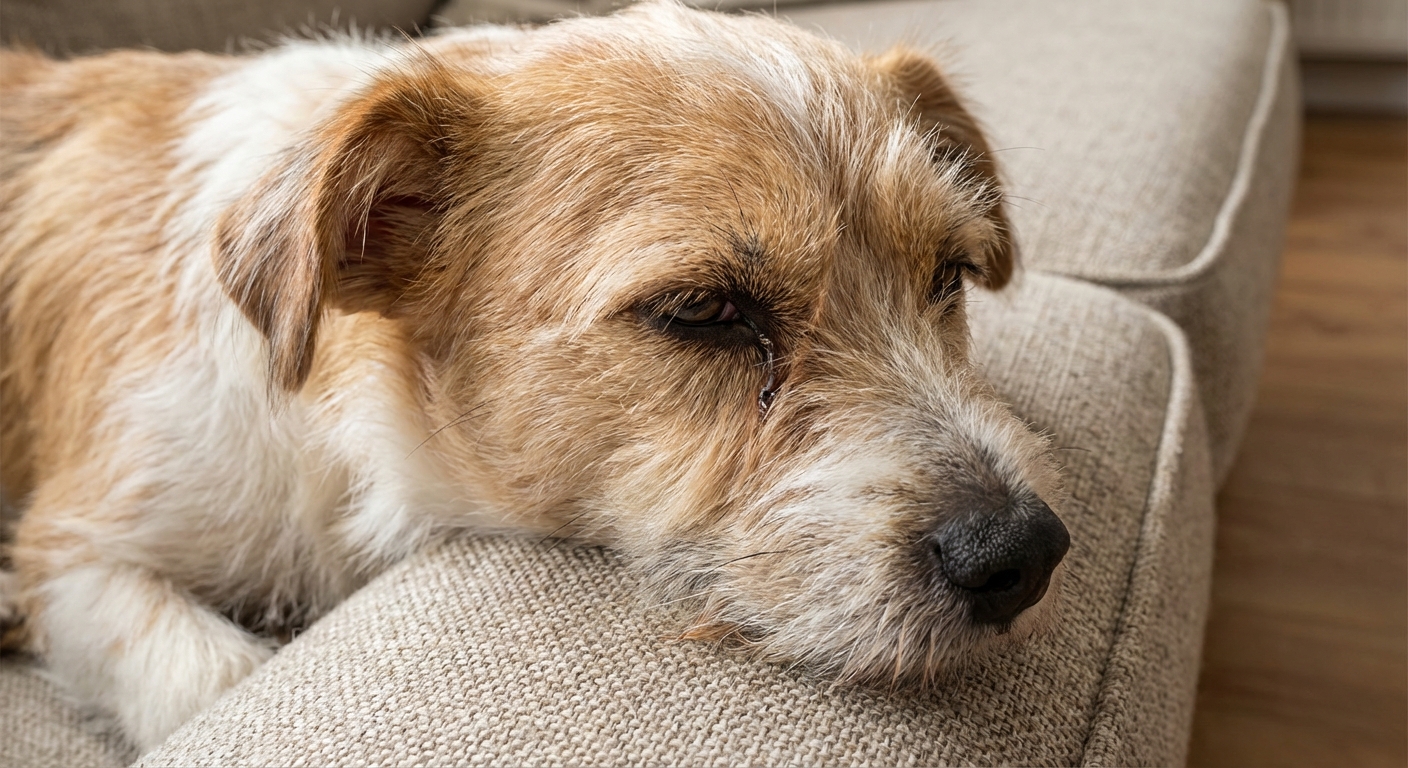
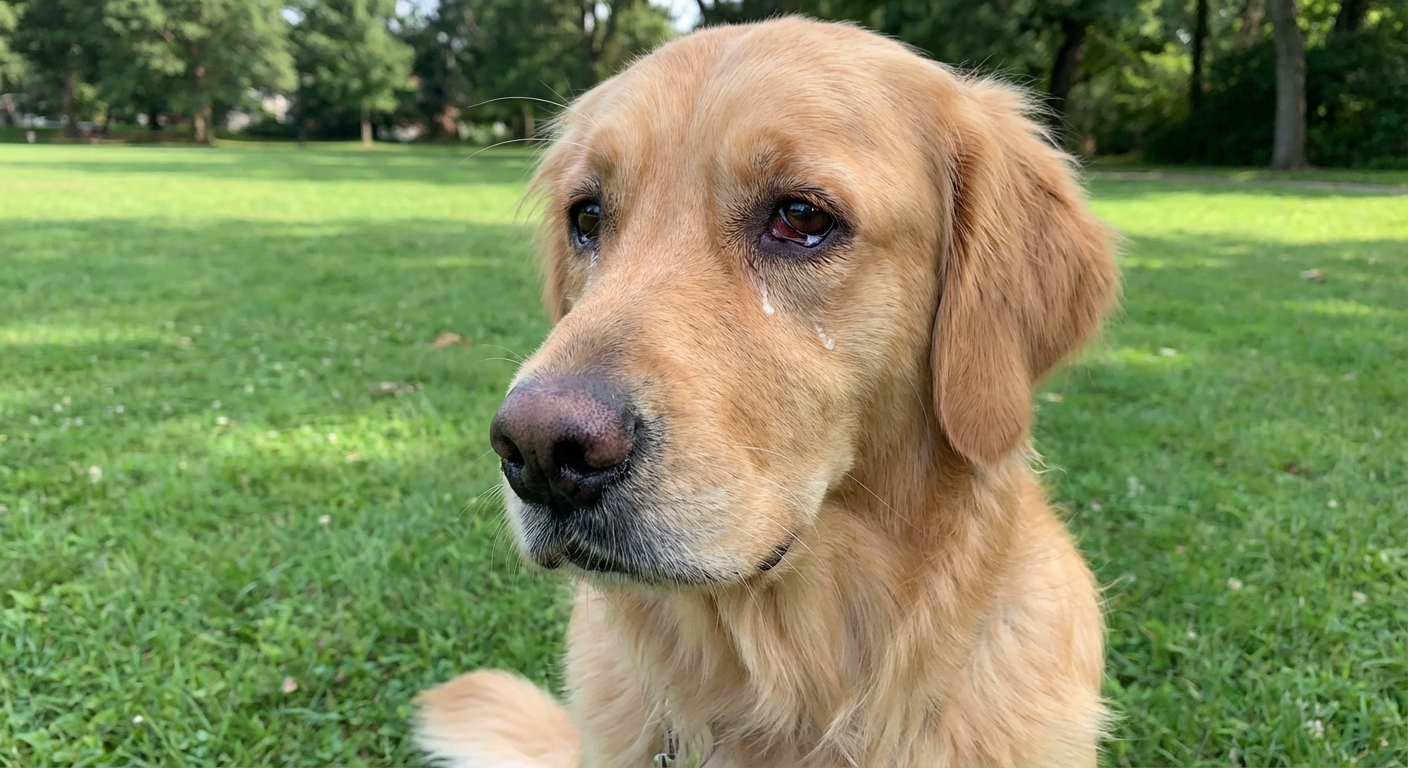
Eye discharge is a symptom, not a diagnosis. Dogs can make extra tears, mucus, or pus for lots of reasons. Some are simple, like dust or seasonal allergies. Others need fast medical care.
Common types of eye discharge
- Clear and watery: often irritation, wind, dust, or allergies.
- White or gray mucus: can be dry eye (KCS), mild irritation, or inflammation. Thick and stringy discharge is especially suspicious for dry eye.
- Yellow or green: often associated with infection or significant inflammation, but it is not definitive. Foreign material, corneal ulcers, and severe allergies can also cause mucus that looks yellowish. Either way, it deserves a veterinary exam if it is persistent, thick, or your dog seems uncomfortable.
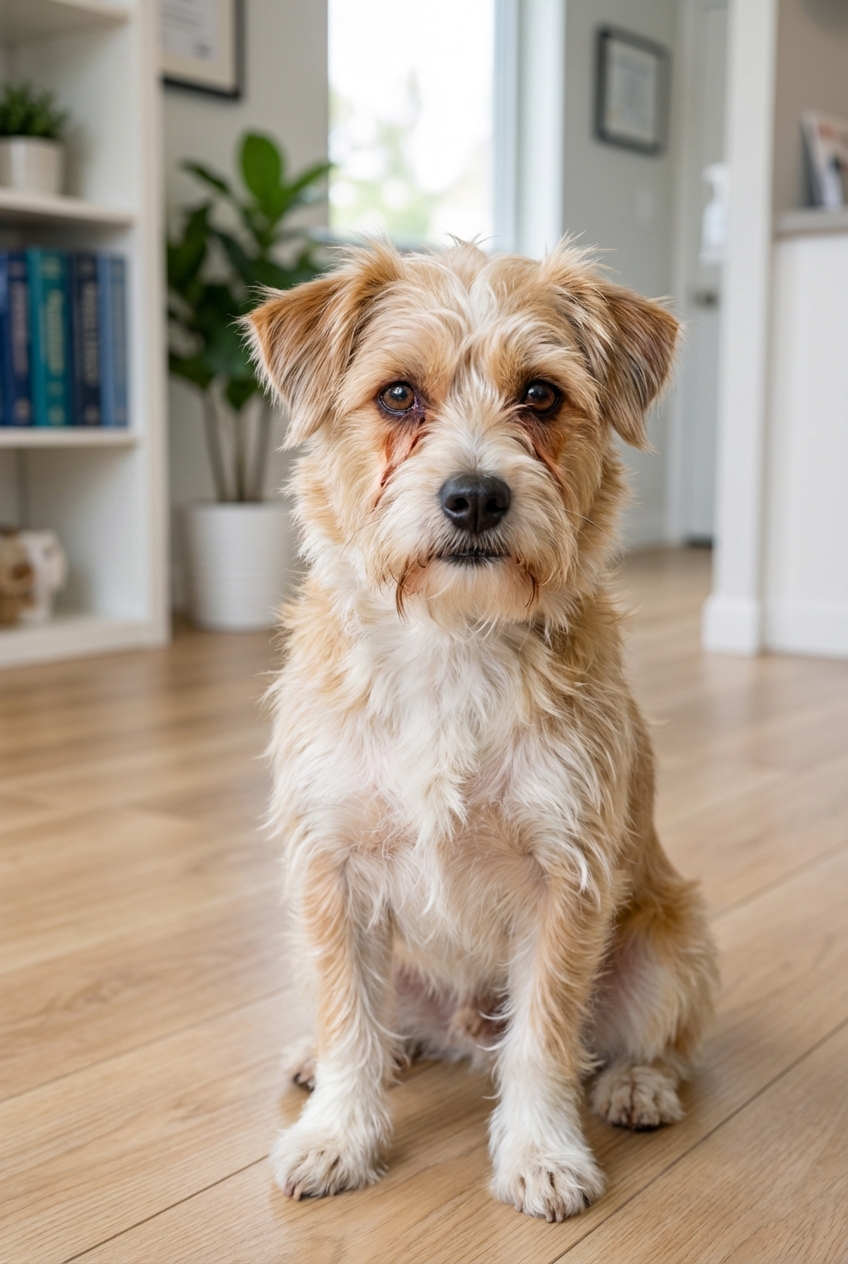
- Reddish-brown tear stains: common in light-coated dogs and short-muzzled breeds. The color is often due to porphyrins in tears and saliva, and it usually reflects chronic tearing.
Tip: A small amount of morning crust that wipes away easily can be normal. Discharge that returns throughout the day, looks thick, or comes with redness or squinting is not.
Most common causes of goopy eyes in dogs
1) Allergies (environmental or food)
Allergies can cause watery eyes, redness, mild swelling, and face rubbing. Many dogs also have itchy paws, ear issues, or sneezing.
2) Conjunctivitis (pink eye)
Conjunctivitis simply means inflammation of the tissues around the eye. It can be caused by allergies, infection, dry eye, irritants, or underlying eyelid issues. One eye can be affected first, but it can become both.
3) Dry eye (KCS)
Dry eye happens when dogs do not produce enough quality tears. The discharge is often thick and stringy, and the eyes can look dull or irritated. This is a condition that usually needs long-term management.
4) Anatomy, eyelids, or hair rubbing
Many dogs tear more due to facial structure, eyelids that roll inward or outward (entropion or ectropion), extra eyelashes (distichia), or hair that rubs the eye (trichiasis). Short-muzzled breeds and short-muzzled mixes can be prone to chronic tearing and irritation.
5) Tear drainage issues
True blocked tear ducts (nasolacrimal duct obstruction) can happen, but in my experience it is less common than tearing from anatomy or irritation. If one eye is consistently wetter than the other, your vet may want to assess tear drainage.
6) Corneal scratch or foreign body
A tiny scratch from a twig, rough play, or debris can cause sudden tearing, squinting, and discomfort. These can worsen quickly and should be checked promptly.
7) Cherry eye
A pink or red “bubble” at the inner corner of the eye is often a prolapsed third eyelid gland (cherry eye), not an infection. It is usually not an emergency, but it should be examined soon to prevent ongoing irritation and dryness.
8) Painful red-eye conditions
Conditions like glaucoma and uveitis can cause a painful, red eye with tearing, squinting, and light sensitivity. These are urgent problems and should be seen right away.
At-home care: safe steps that help most mild cases
If your dog is bright, comfortable, and the discharge is mild and watery, these gentle steps are usually safe while you monitor.
Clean the eye area correctly
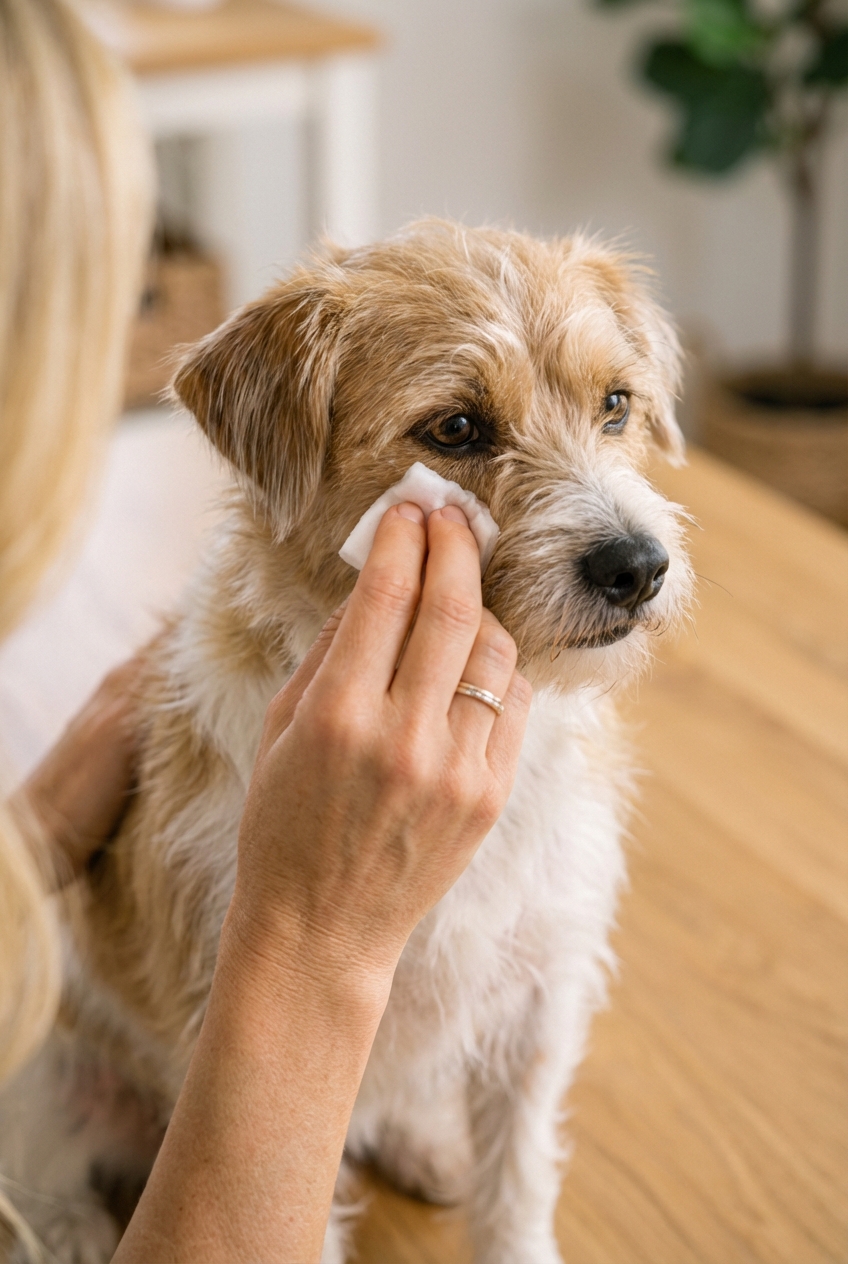
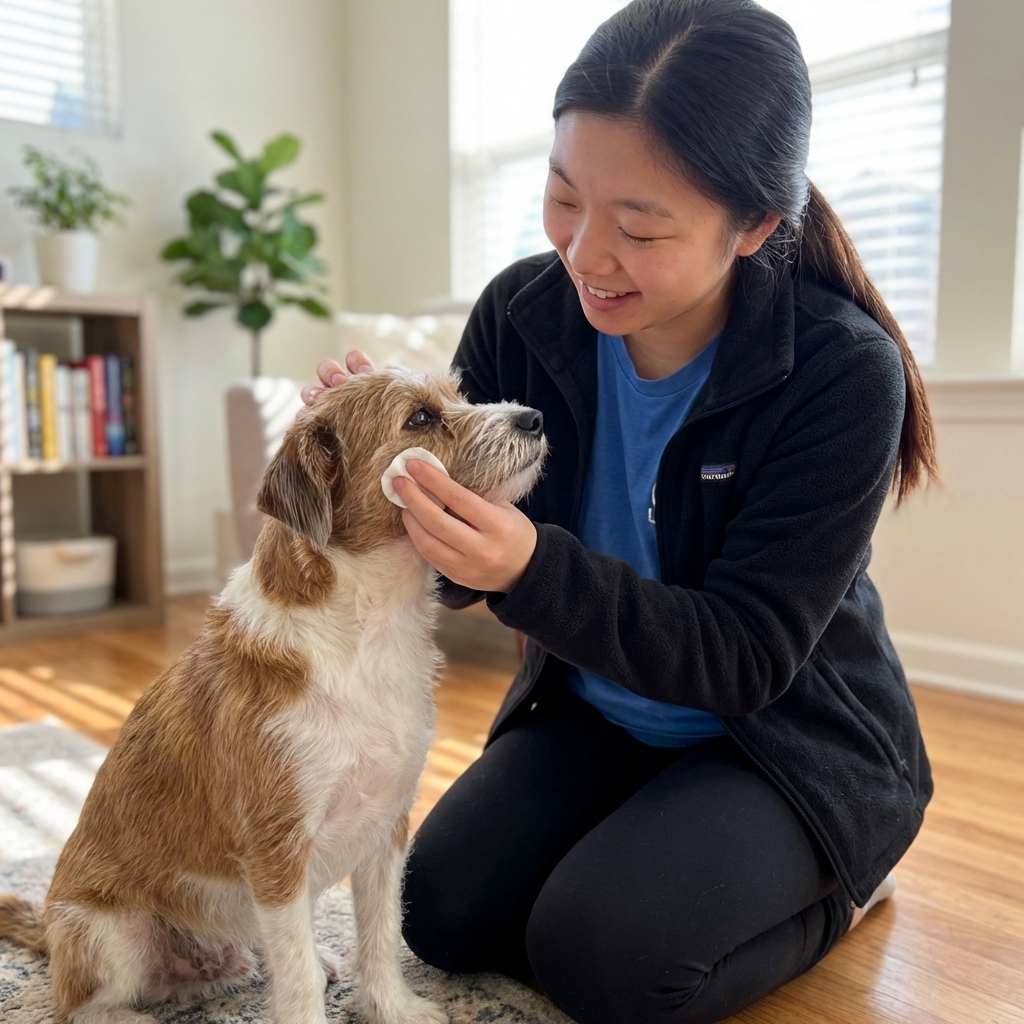
- Use a clean, soft cotton pad or gauze dampened with sterile saline (or an eye wash made for pets).
- Wipe from the inner corner outward.
- Use a fresh pad for each eye to avoid spreading infection.
- Clean 1 to 2 times per day, or as needed for comfort.
Warm compress for crusting
If crust is stuck, hold a warm, damp cloth over the closed eye for 30 to 60 seconds, then gently wipe. Do not peel crust off dry.
Prevent rubbing
Face rubbing can turn a mild irritation into a scratched cornea. If your dog is pawing at their eyes, use an e-collar (cone) and call your vet.
Keep hair away from the eyes
Long facial hair can wick moisture and bacteria toward the eye. A tidy trim can make a big difference. If you are not comfortable trimming near the eye, ask your groomer or vet team.
A safety note from the clinic: Do not use human eye drops (including Visine or “redness relief”), leftover prescription drops, or steroid-containing drops unless your veterinarian told you to. Steroids can be dangerous if there is a corneal ulcer.
When goopy eyes are an emergency
Please seek veterinary care urgently if you notice any of the following:
- Squinting, holding the eye closed, or obvious pain
- Sudden cloudiness (blue or white haze) or a visible spot on the cornea
- Yellow or green discharge that returns quickly after wiping, especially with redness or squinting
- Swelling around the eye or bulging appearance
- Eye injury (scratch, bite, hit, chemical exposure)
- Pupil size changes or trouble seeing
- Symptoms in a puppy, especially very young puppies with swelling or discharge before the eyes are fully open
Eye problems can move fast. In practice, we would rather see a dog early for “just in case” than late with a painful ulcer.
What your vet may do
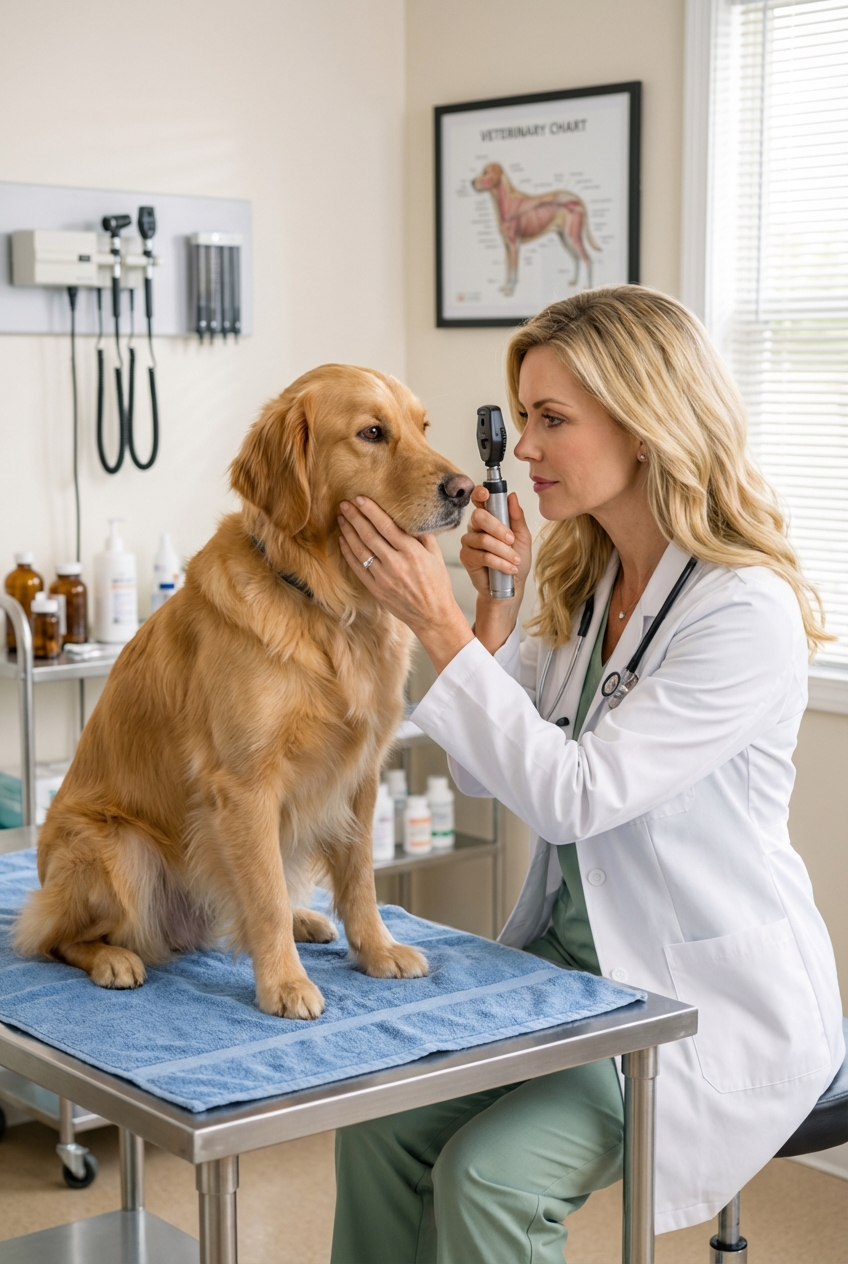
Veterinary teams usually start with a few quick, helpful tests:
- Fluorescein stain: checks for corneal scratches and ulcers.
- Schirmer tear test: measures tear production to rule out dry eye.
- Eye pressure check: screens for glaucoma or uveitis in certain cases.
- Exam under magnification: looks for eyelashes, hairs, or debris irritating the surface.
Treatment might include antibiotic drops or ointment, anti-inflammatory medication, allergy support, dry eye medication, flushing or removing foreign material, or addressing eyelid and hair issues if needed.
Tear staining: reducing the mess
Tear staining is common, especially in white or cream coats. While it is often cosmetic, heavy staining can point to chronic tearing or irritation that is worth evaluating.
Simple habits that help
- Wipe the eye corners daily with saline or a pet-safe eye wipe.
- Keep the face dry after drinking or bathing.
- Ask your vet about ongoing tearing, especially if one eye is worse than the other.
- Stay current on dental care. Dental disease can occasionally contribute to facial inflammation and tearing, especially if there is significant infection or pain.
Important: Avoid “bleaching” products or anything that stings. If it irritates your dog’s skin, it will likely irritate their eyes too.
Prevention: small steps that protect eye health
- Consider a harness instead of a neck collar if your dog tends to pull. This can reduce pressure on the neck. If your dog has glaucoma or other eye pressure concerns, ask your vet what is safest.
- Rinse after dusty play with pet-safe sterile saline if your dog loves tall grass or dirt trails.
- Keep up with grooming, especially around the eyes.
- Feed for overall health. A balanced diet supports skin and immune function, which can help dogs who are prone to allergies and inflammation.
If you are seeing frequent flare-ups, keep a simple log: season, weather, walks, cleaning products used at home, and food changes. Patterns are incredibly helpful for your veterinarian.
Quick checklist
- Mild watery discharge, no squinting: clean gently, monitor 24 to 48 hours.
- Mucus that keeps returning: book a vet visit, especially if redness is present.
- Green or yellow discharge: schedule a vet exam soon. If there is redness, squinting, cloudiness, or your dog seems painful, seek care today or within 24 hours.
- Pain, squinting, cloudiness, injury: urgent visit today.
Your dog only gets one set of eyes. If your instincts say something is off, trust that feeling and call your veterinary clinic.