Discover what plain pumpkin can do for your dog’s digestion, how much to serve by weight, what to avoid, when to call the vet, and easy pumpkin meal ideas ...
Article
•
Designer Mixes
Dog Eye Squinting: Scratch or Ulcer?

Shari Shidate
Designer Mixes contributor
If your dog is suddenly squinting one eye, blinking a lot, or holding the eye partly closed, treat it as a real medical clue, not just “sleepy eyes.” In veterinary medicine, squinting (also called blepharospasm) is most often a sign of pain.
One of the more common painful causes is irritation or injury to the cornea (the clear outer surface), including a superficial scratch or a corneal ulcer. Other problems can cause the same squinting reflex too, including conjunctivitis, a foreign body trapped under the eyelid, dry eye, eyelid or eyelash disorders, uveitis, and glaucoma. Because the list includes vision-threatening conditions, it is worth taking seriously.
The good news is that many eye injuries heal beautifully with prompt care. The risk is that delaying care can allow an ulcer to deepen, become infected, or threaten vision. Let’s walk through what squinting can mean, what you can do at home safely, and when it is time to head straight to the vet.
Why dogs squint
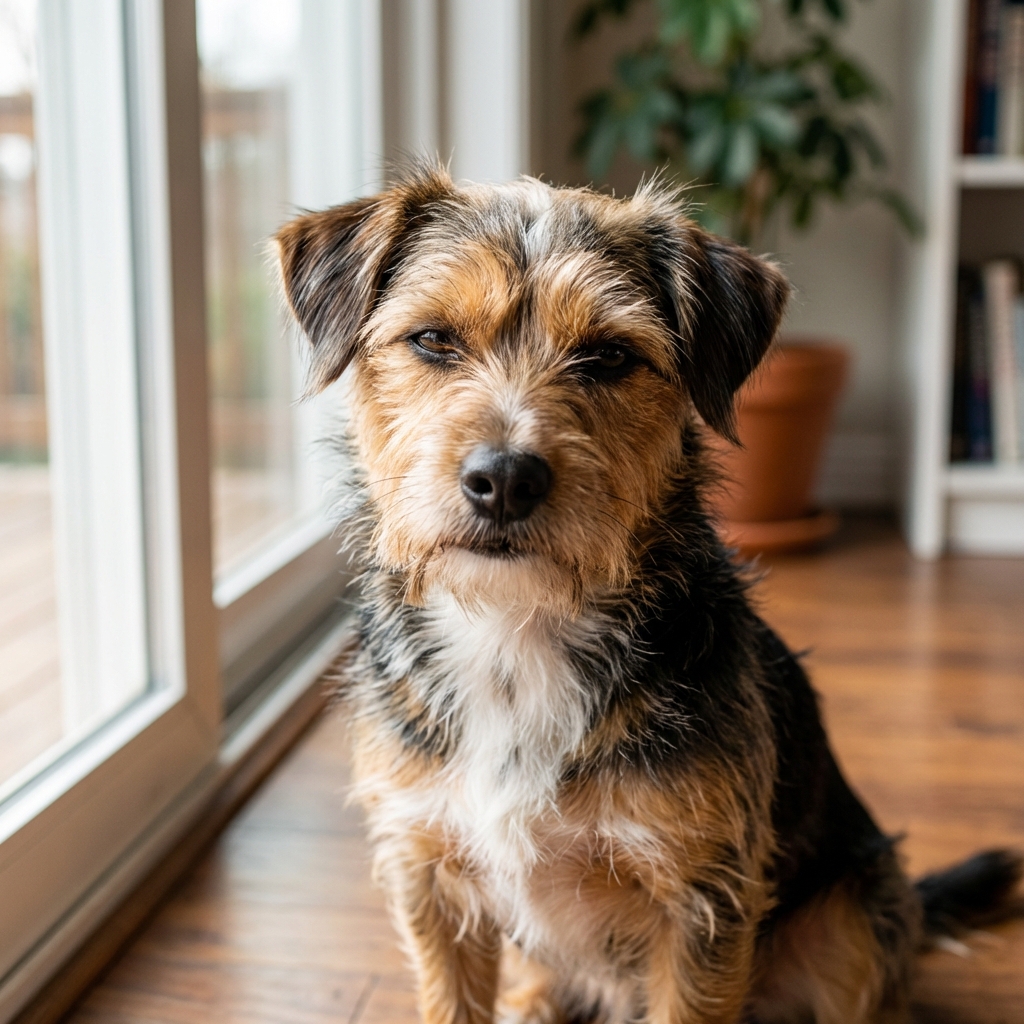
Squinting is your dog’s protective reflex. The eyelids tighten to reduce light and limit movement when the surface of the eye is irritated or injured. In dogs, the cornea has lots of nerve endings, so even a tiny defect can hurt.
Squinting often shows up with one or more of these signs:
- Excess tearing or watery discharge
- Redness of the white of the eye
- Pawing at the face or rubbing on carpet or furniture
- Light sensitivity (hiding from bright light)
- Cloudy or blue haze over the eye
- Frequent blinking or keeping the eye closed
Scratch vs ulcer
Corneal scratch
A “scratch” is a general term people use for a superficial injury to the cornea. Think of it like a minor scrape on skin. It can still be painful, but it may heal quickly if it stays clean and protected.
Corneal ulcer
A corneal ulcer means there is an actual defect in the corneal surface (loss of layers of corneal tissue). Ulcers can be superficial or deep. Deep ulcers are emergencies because they can progress to a rupture. Some ulcers also become “melting” (rapidly worsening due to enzymes and infection), and those are emergencies as well.
Here is the key point: you cannot reliably tell a scratch from an ulcer just by looking. Veterinarians use a special fluorescein stain and eye exam tools to confirm an ulcer and assess depth and risk.
Common causes
- Play injuries (a cat swipe, roughhousing with another dog)
- Foreign material (dust, sand, plant awns, small debris, hair)
- Self-trauma (rubbing due to allergies or ear infections)
- Dry eye (keratoconjunctivitis sicca) which weakens the protective tear film
- Eyelid or eyelash issues (rolled-in eyelids, abnormal lashes rubbing the cornea)
- Breed-related risk in short-nosed dogs (Pugs, French Bulldogs, Shih Tzus, Boston Terriers) due to prominent eyes and exposure
- Infection (bacterial infection can complicate ulcers and slow healing)
Squinting is not only about scratches or ulcers. It can also be caused by conjunctivitis, a foreign body under the eyelid, uveitis, glaucoma, and other problems inside the eye. That is why an exam matters even when the surface looks “fine.”
When it is urgent
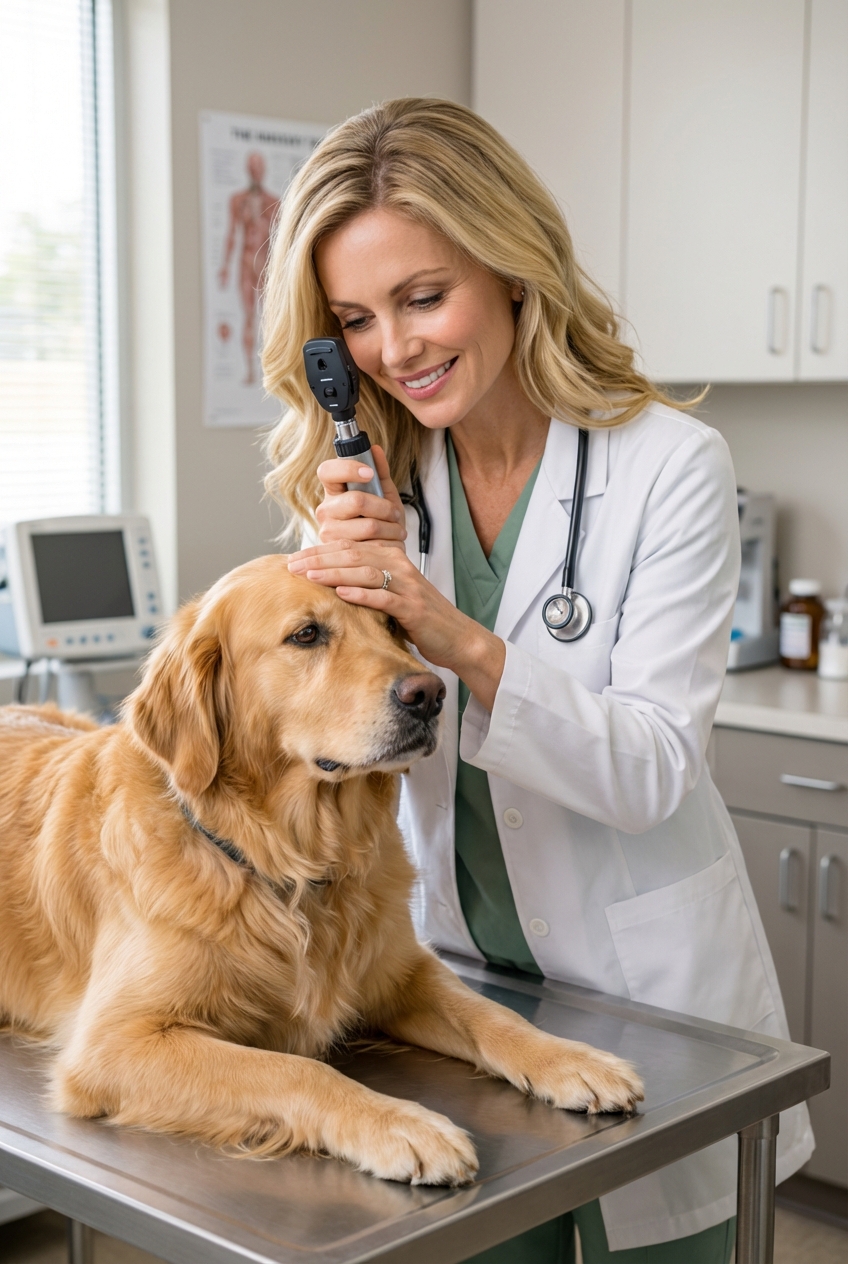
Because the cornea can deteriorate quickly once compromised, a same-day veterinary visit is strongly recommended for new squinting, especially if it is one-sided.
If the squinting was very mild and brief after a bath, grooming, wind, or a dusty walk, and it resolves quickly with no redness or discharge, you may simply monitor closely. If it lasts more than a short period, comes back, or your dog seems painful, get seen promptly.
Go to an urgent vet clinic or ER if you notice any of the following:
- Eye held closed or intense squinting that does not ease
- Cloudy, white, or blue film over the eye
- Green, yellow, or thick discharge
- Blood in or around the eye
- A visible spot on the cornea (divot, crater, gray or white area)
- Eye looks enlarged or bulging
- Unequal pupils or sudden vision trouble (bumping into things)
- Known trauma (cat scratch, stick poke, dog fight)
- Nonstop rubbing or obvious severe pain
Any dog with sudden squinting deserves a prompt eye exam. Fast treatment can be the difference between a quick recovery and a complicated ulcer.
What the vet may do
At the clinic, your veterinarian will focus on two goals: confirm the cause and protect the eye while it heals. Common steps include:
- Fluorescein stain to detect an ulcer and outline its size
- Eye pressure test (tonometry) to check for glaucoma and identify pressure changes that can be consistent with uveitis
- Tear test (Schirmer tear test) to screen for dry eye
- Magnified exam to look for foreign bodies, eyelash issues, lid problems, or embedded material
Treatment depends on the findings, but may include:
- Antibiotic eye drops or ointment to prevent or treat infection
- Pain control (often an oral anti-inflammatory, depending on your dog’s overall health)
- Atropine drops in some cases to relieve painful spasm inside the eye
- Lubricating drops or dry-eye management if tear production is low
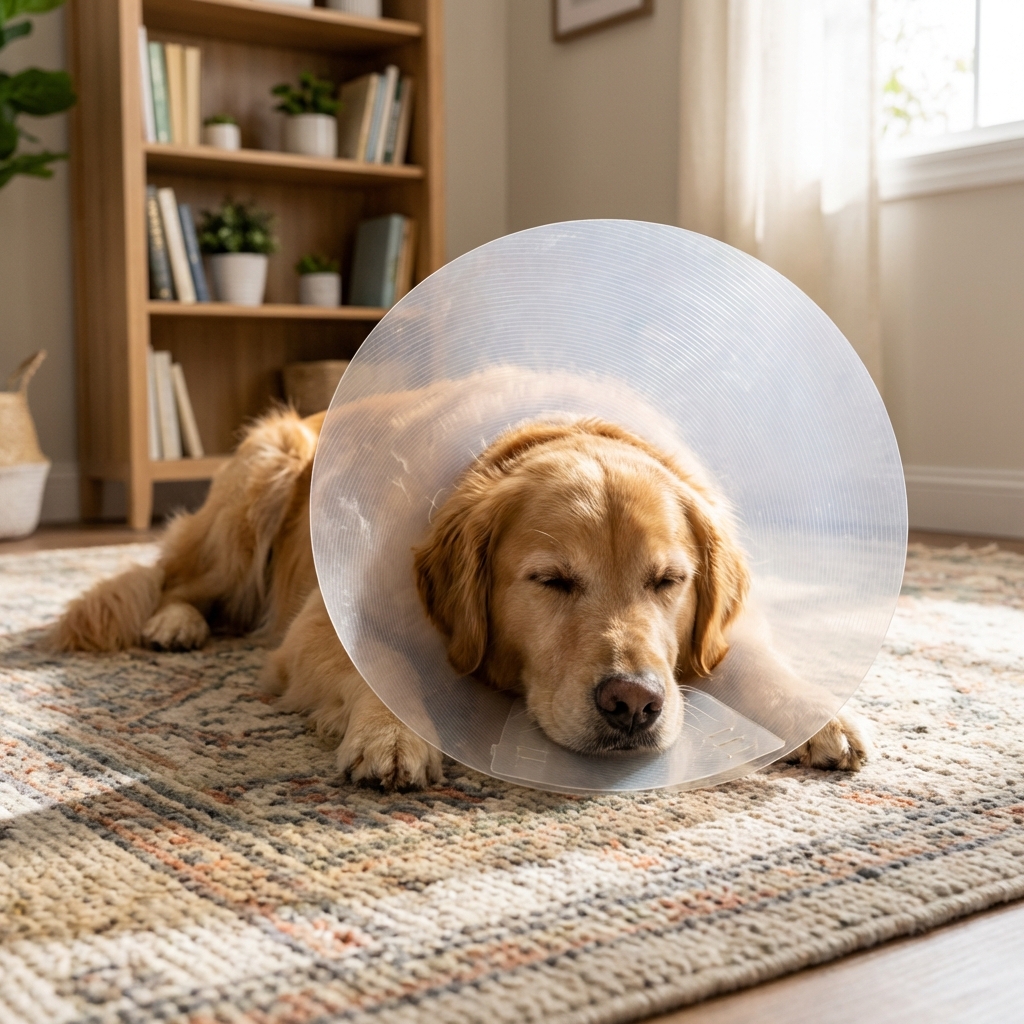
- E-collar to stop rubbing (this is not optional for many dogs)
- Recheck exams to confirm the ulcer is truly healing
- Referral or surgery for deep, melting, or non-healing ulcers
Safe first aid
If you cannot get to a vet immediately, here are safe steps that can help protect the eye on the way to care:
What you can do
- Prevent rubbing: Use an E-collar if you have one.
- Rinse gently: If you suspect dust or debris, you can flush with sterile saline eyewash (plain, non-medicated) or a pet eye rinse.
- Remove irritants: If shampoo, grooming spray, or dirt may be involved, a gentle saline flush can help while you arrange care.
- Keep things calm: Reduce bright light and avoid windy outdoor exposure.
What to avoid
- No human eye drops unless your veterinarian specifically instructs you. Some products can worsen certain conditions.
- No leftover prescription drops from a prior problem. Using the wrong medication can delay healing.
- Never use steroid eye drops unless prescribed for this specific episode. Steroids can make corneal ulcers dramatically worse and increase risk of infection.
- Do not use numbing drops (topical anesthetics). These are for in-clinic use and can cause serious damage if used at home.
- Do not patch or bandage the eye. Covering can trap moisture and bacteria and make infection worse.
- Do not let your dog rub it. Rubbing can turn a small ulcer into a big one fast.
Healing time
Many simple superficial ulcers improve within 24 to 72 hours once the correct treatment starts, and they may heal within about a week. More complicated ulcers can take longer and need closer monitoring.
Even if your dog seems better after a day or two, follow your veterinarian’s plan and go to any recommended recheck. Stopping early or skipping the recheck can mean an ulcer is not fully healed or an infection goes untreated.
Lower the risk
- Trim face hair that pokes into the eyes, especially in doodle mixes and long-coated breeds.
- Use eye protection for dogs that ride with their head out the window or run through brush (goggles designed for dogs can help).
- Manage allergies to reduce itching and face rubbing.
- Address dry eye early if your vet suspects it.
- Supervise rough play and be cautious with cats who swat.
If you are ever unsure, trust your gut and get the eye checked. In my experience as a veterinary assistant, eye problems are one area where fast action truly pays off.